Last updated: August 5, 2026
Routine health testing may be challenging due to the wait time for a lab appointment, time off from work, or long travel distances. Meanwhile, there is a greater desire to access health data quickly to check the status of chronic conditions, nutrient levels, or overall well-being without delay.
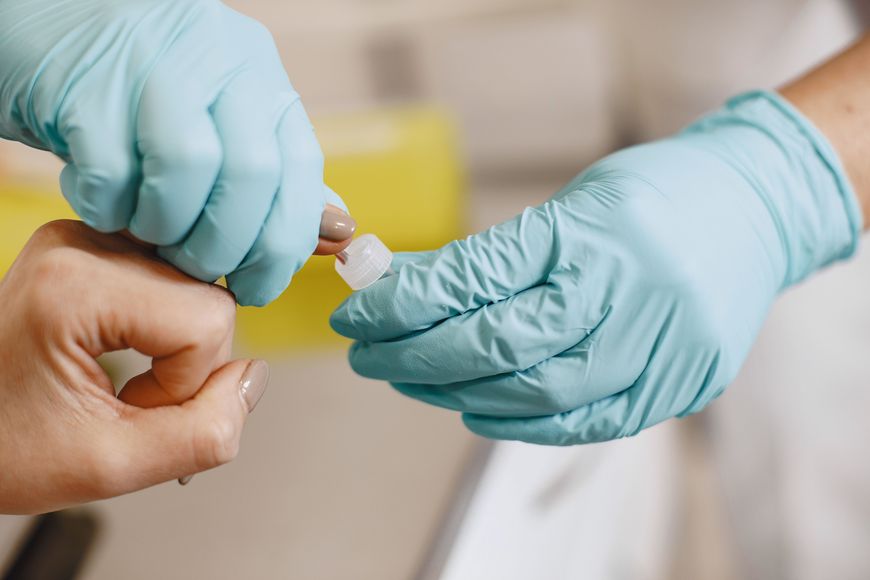
This increased demand has led to at-home blood testing becoming much more popular, but it is important to consider whether these at-home kits can be as accurate as blood testing in a clinic. The answer is not just yes or no, as there are several factors that affect the quality and reliability of each result.
Knowing these distinctions can enable you to select the correct testing choice for you and to know when professional medical care is still essential. Let’s see what makes the main distinction important when comparing both approaches.
1. Reliable Results are Delivered by Proper Sample Collection
One of the first questions you might have is are at home blood tests accurate and how the sample is collected. Most at-home kits take a blood sample from the finger, and clinics typically take a blood sample from a vein.
Venous blood samples are larger and more consistent and are used for many laboratory tests. But finger prick samples are very reliable if taken properly for many common biomarkers. Careful following of instructions, collection of an adequate amount of blood, and prevention of contamination will help assure reliable results.
2. Accredited Laboratories have High Testing Accuracy
The great misconception is that the home tests are analyzed differently from the tests in the clinic. In fact, many well-known at-home testing companies utilize the same accredited labs that receive blood samples taken by doctors.
These laboratories have a rigorous quality control system and uniform test methods. As a result, laboratory analysis is often just as accurate. The quality of the collected sample usually has a greater impact on the final result than the testing equipment.
3. Routine Blood Tests Will Return Highly Accurate Results
Many common health markers will perform well with home collection, but not all blood tests.
Common examples include:
- Lipid profile and cholesterol profile
- HbA1c to track diabetes.
- Vitamin D
- Ferritin
- Thyroid function screening
- C-reactive protein (CRP)
- Several hormone tests
These biomarkers have proven to be accurate when they are properly collected and analyzed by qualified laboratories. Venous blood collection may still be necessary in the clinical setting for more specialized or complex tests.
4. Following Instructions Improves Test Accuracy
You collect the sample at home, rather than in the clinic. Therefore, technique is very important. Wash hands, warm fingers before using the lancet, and squeeze to obtain the necessary amount of blood if it is necessary to send the sample; package and ship it exactly as directed.
Sample quality may be impacted by small errors during collection. Slowly and carefully following each instruction will help you obtain the most accurate results possible.
5. Routine Health Monitoring Is Very Reliable
At-home blood tests can be particularly beneficial for individuals who require frequent health monitoring. For individuals who need to monitor their cholesterol, blood sugar, vitamin levels, or other health indicators, at-home testing provides convenience.
When it is easy to access, it becomes simple to monitor regularly, which in turn makes it easier to keep track and share progress reports with your healthcare provider as necessary. Home testing may be convenient and reliable for continued monitoring of well-being.
6. Clinical Laboratories Continue To Be Preferred For Complex Testing
There are cases where you still need conventional lab tests. Clinic testing is still preferable if multiple specialized blood tests are necessary or if you have severe symptoms that require emergency evaluation or further investigation by your healthcare provider.
Samples can be retaken, physical exams can happen, and more tests can be ordered by medical staff if needed. While home testing can be a great screening and monitoring tool, it is not a substitute for full clinical care for all cases.
7. Clinical Evaluation Adds Important Medical Context
Laboratory testing alone can’t diagnose. Your blood test results are interpreted in the context of your symptoms, medical history, medications, lifestyle, and physical exam.
A wider view allows the discovery of underlying conditions and the most suitable treatment. No matter what the at-home test results are, or if symptoms persist despite a negative result, always turn to a healthcare provider for additional assessment.
8. Trusted Testing Providers Deliver More Reliable Results
The reliability of your results also depends on the testing provider you choose. Look for companies that clearly explain their laboratory accreditation, quality standards, sample handling procedures, and reporting methods.
Avoid providers making unrealistic promises or claiming that one test can diagnose numerous diseases without professional medical assessment. Choosing a reputable provider and carefully following every step of the testing process gives you the best chance of receiving accurate, meaningful results.
Final Thoughts
At-home blood tests have become a reliable option for many routine health checks when samples are collected correctly and analyzed by accredited laboratories. They offer convenience without significantly compromising accuracy for many common biomarkers.
However, clinic testing remains the better choice for complex conditions, specialized investigations, and situations requiring immediate medical attention. Rather than viewing one option as better than the other, think of them as complementary tools.
Choose the testing method that best fits your needs, follow collection instructions carefully, and discuss unusual or concerning results with your healthcare provider to make informed decisions about your health.