Last updated: September 7, 2026
You picked up a hook, grabbed a skein of yarn, and now you’re staring at a pile of stitches wondering what to make first. These beginner crochet projects are chosen specifically because they teach the basics without overwhelming you, so you’ll have something finished (and usable) within your first few sessions.
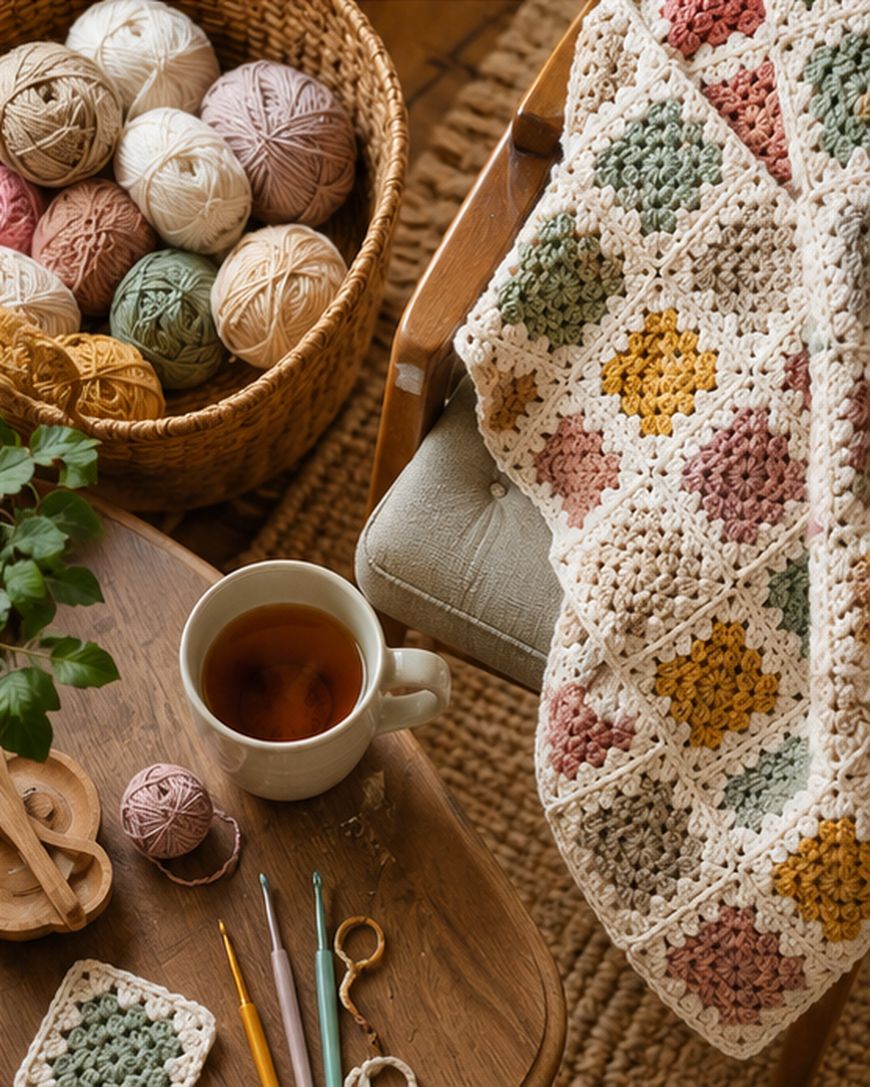
Start With a Simple Granny Square
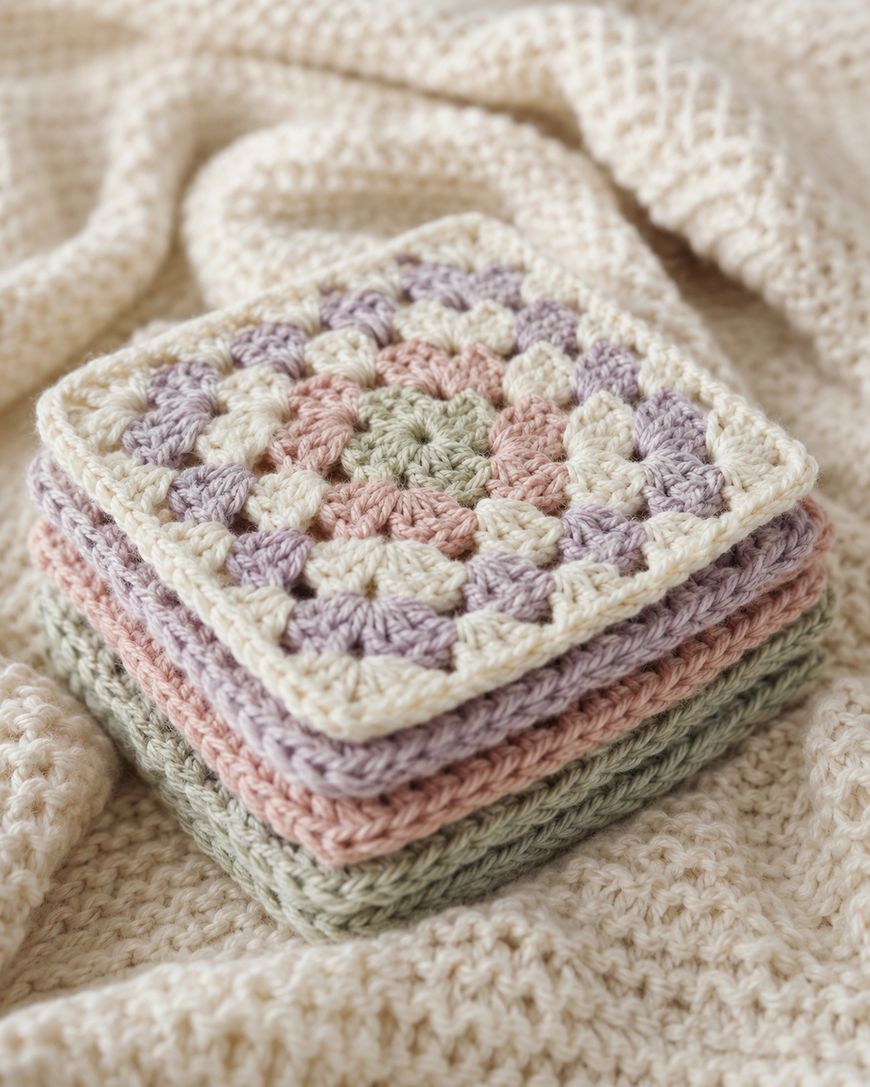
The granny square is the project every crochet teacher reaches for first, and for good reason. It uses just chain stitches and double crochets, repeated in rounds, so you build muscle memory fast without juggling a dozen new techniques at once.
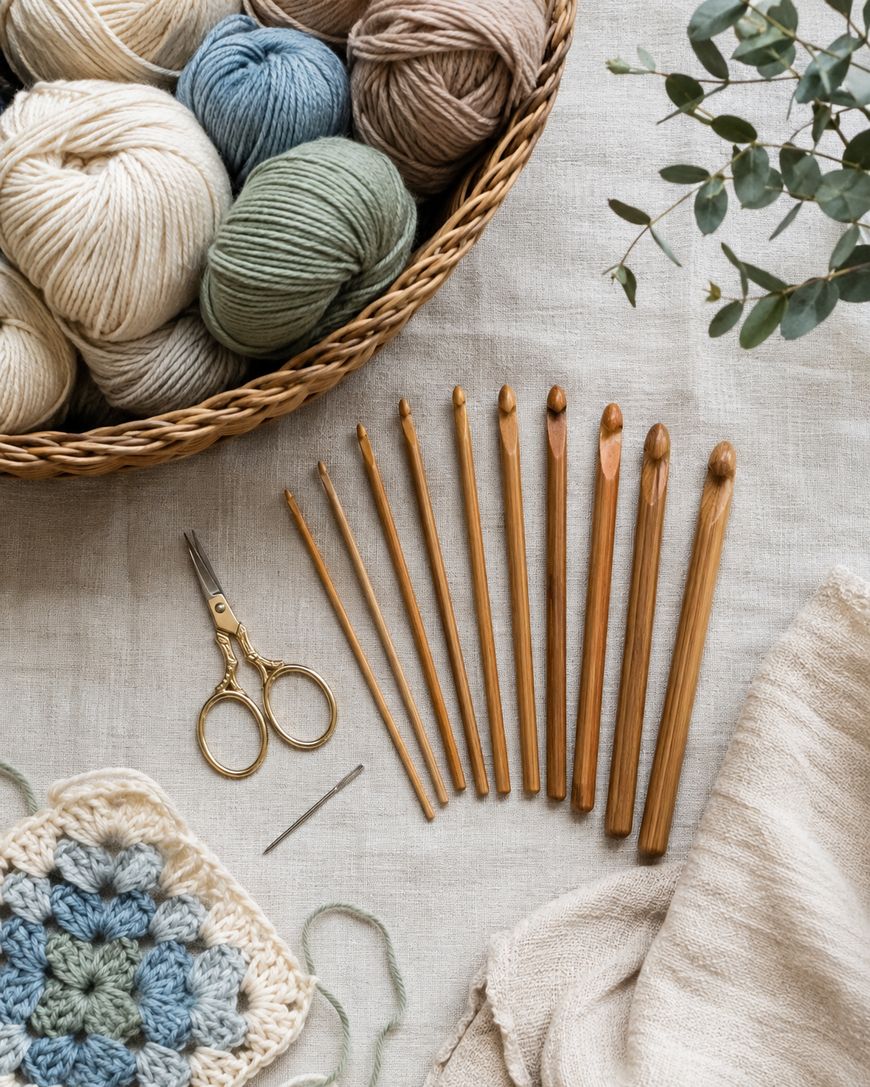
Once you finish a few squares, you can join them into a coaster, a small pillow cover, or a patchwork blanket later on. Stick to worsted weight yarn and a size H or I hook for your first attempt — the stitches are big enough to see clearly, which makes it much easier to catch mistakes before they multiply.
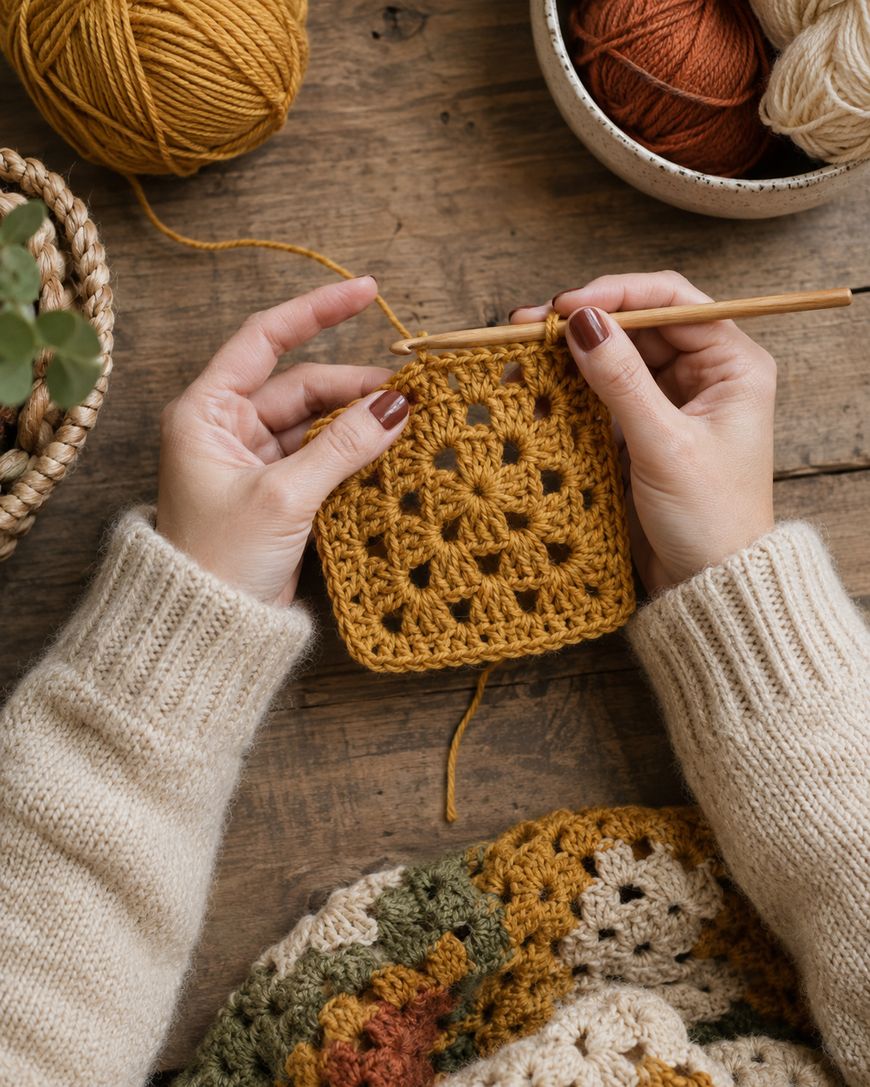
A granny square also teaches you how to work in the round, which shows up again and again in hats, bags, and amigurumi. Treat it as your foundation project rather than a one-off, since the skills carry forward into almost everything else on this list.
Try a Single Crochet Dishcloth
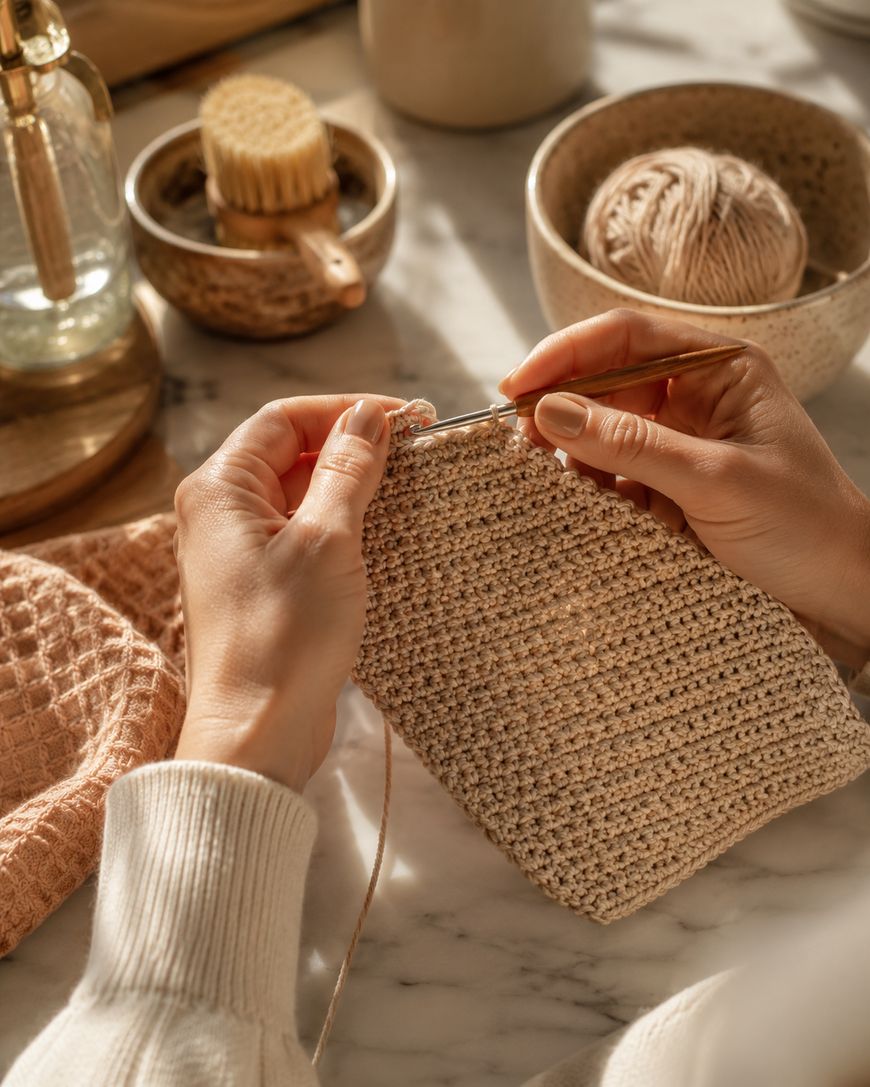
A dishcloth sounds unglamorous, but it’s one of the most useful beginner crochet projects you can make. It’s worked in straight rows using only single crochet, so you practice keeping tension even and counting stitches without the added complexity of turning corners or shaping.

Cotton yarn is the right choice here since it holds up to washing and gets softer with use. Count your stitches at the end of every single row for the first several projects — this one habit catches accidental increases or decreases before they throw off your whole piece.
Because a dishcloth is small, you’ll finish it in an evening or two, which means you get the payoff of a completed project quickly. That early win matters more than it sounds like it should; it’s often what keeps new crocheters coming back to the hook.
Make a Basic Scarf
A scarf is the natural next step after a dishcloth because it introduces length and lets you practice maintaining consistent tension over a longer piece. Half double crochet is a great stitch to use here since it works up faster than single crochet but is still easy to control.
Choose a soft yarn in a weight you enjoy holding, since you’ll be working with it for a while. If you find your edges pulling in or flaring out, it usually means your stitch count is drifting, so go back to counting rows the way you did with the dishcloth.

A scarf also gives you a chance to experiment with color changes if you want to, joining a new skein at the end of a row for a clean transition. Keep the pattern simple on your first scarf and save stripes or textured stitches for round two.
Crochet a Simple Hat
Hats introduce shaping through increases and decreases, which is the next real skill jump after flat rectangles and squares. Working in the round on a hat also reinforces what you started learning with the granny square, just at a larger scale.

Pick a beginner pattern that uses basic stitches throughout rather than one with cables or lace, since those techniques are worth learning later once shaping feels natural. Measure the recipient’s head circumference before you start and choose a pattern sized for that measurement, since hats are one of the trickiest projects to resize after the fact.
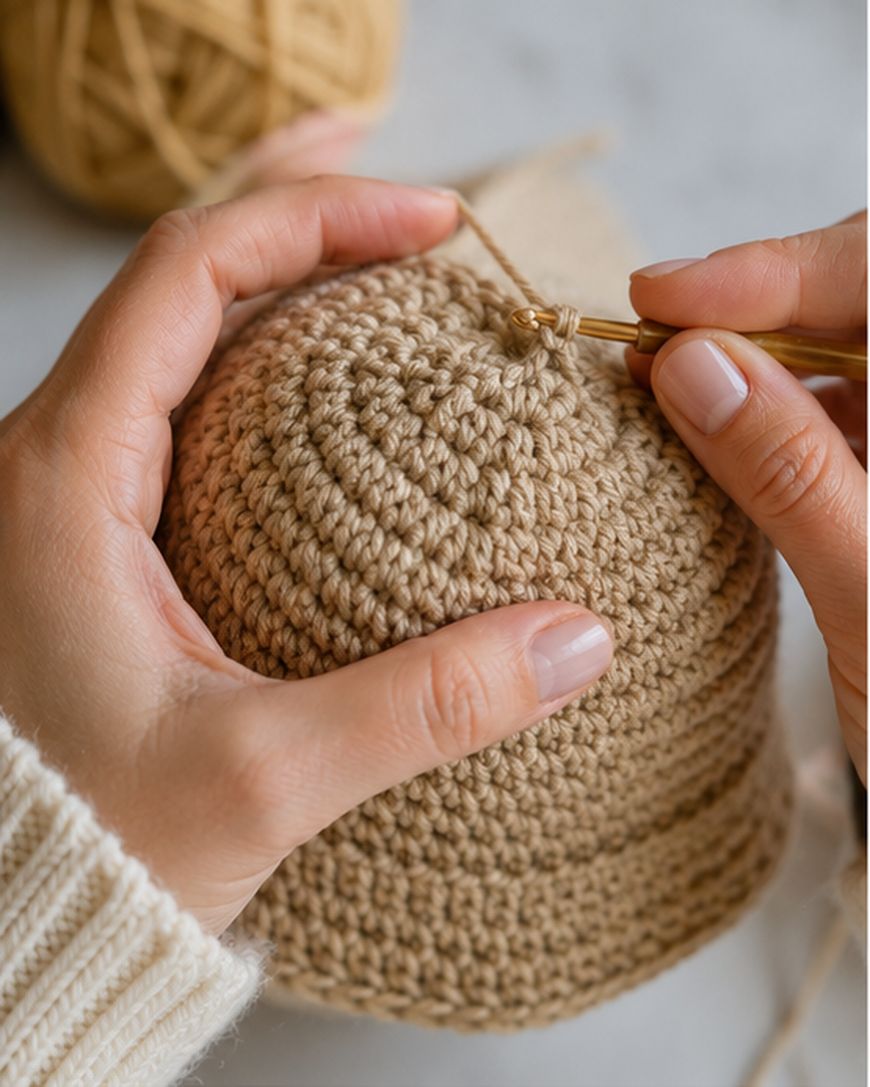
A finished hat is also one of the most rewarding beginner makes because it looks polished even when the stitches aren’t perfectly even yet. Small irregularities tend to disappear once the hat is on someone’s head, which makes it a forgiving project for still-new hands.
Make an Amigurumi Keychain or Small Toy
Amigurumi, the craft of crocheting small stuffed shapes, is a fun way to practice working in a spiral without joining rounds. A tiny keychain shape or simple stuffed heart is a manageable starting point before you move on to a full amigurumi animal.
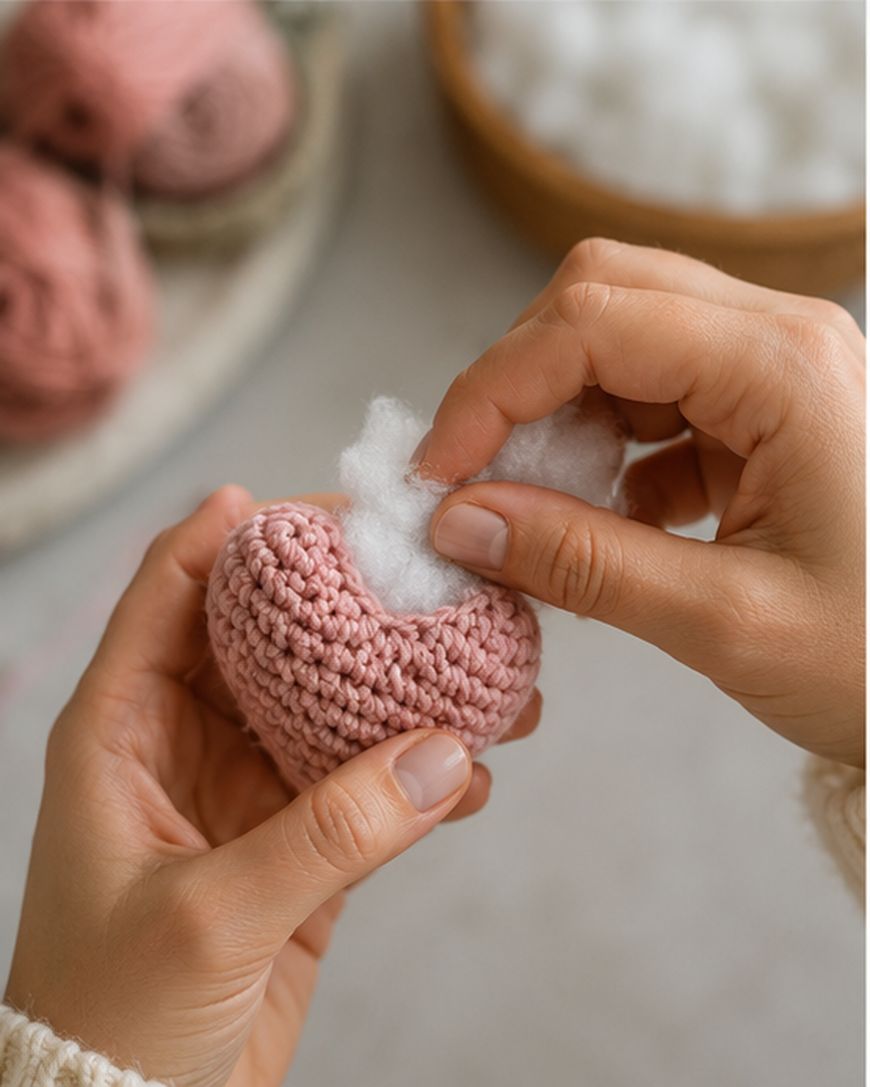
Use a hook one size smaller than the yarn label recommends, since amigurumi pieces need tight stitches so the stuffing doesn’t peek through. Stuff firmly but in small amounts at a time, adding a little, shaping it with your fingers, then adding more, rather than stuffing it all at once.
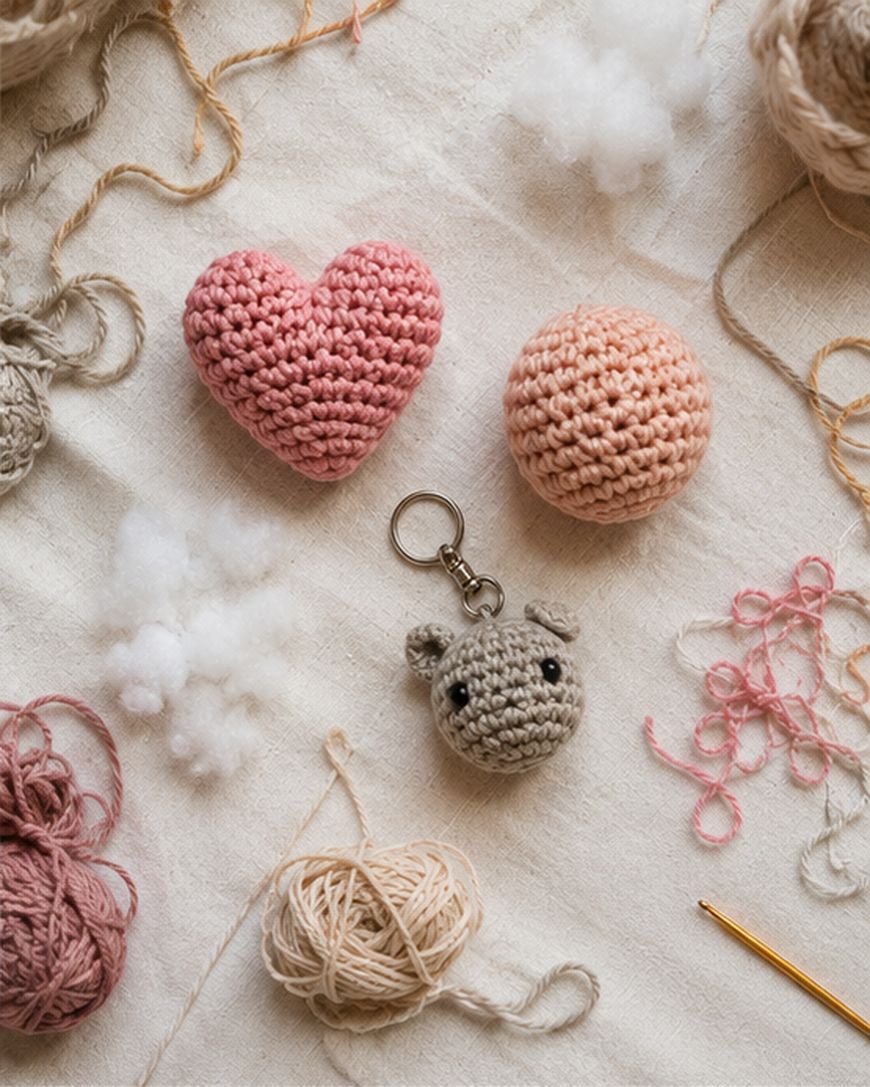
These small projects are also a good place to practice sewing pieces together and weaving in ends neatly, two finishing skills that make a huge difference in how polished your work looks overall.
Why Beginner Crochet Projects Matter
Starting with the right projects, in the right order, keeps you from getting stuck or discouraged early on. Each of the beginner crochet projects above builds directly on the skills from the one before it, so by the time you reach amigurumi, shaping and tension feel familiar instead of intimidating.
Crochet is also a genuinely relaxing hobby once the basics click, and there’s real satisfaction in using something you made with your own hands. Give yourself permission to make a slightly wonky first square or a scarf with uneven edges — those early pieces are simply part of learning.
Frequently Asked Questions
What’s the easiest crochet project for a complete beginner?
A granny square or a simple single crochet dishcloth are typically the easiest starting points. Both use just one or two basic stitches, so you can focus entirely on tension and stitch counting.

What size crochet hook should beginners use?
A size H or I hook paired with worsted weight yarn is a common beginner-friendly combination. The larger stitches make it easier to see what you’re doing and to fix mistakes as you go.
How long does it take to learn to crochet?
Many beginners feel comfortable with basic stitches after a few practice sessions, though everyone learns at their own pace. Working through a few small beginner crochet projects in order tends to build confidence faster than practicing swatches alone.
Do I need to know how to read a pattern to start?
No, you can start by learning stitches from video tutorials and simple written instructions before tackling a full pattern. Once you’re comfortable with the basic stitches, patterns become much easier to follow.
What yarn is best for beginners?
Smooth, light-colored worsted weight yarn is easiest to work with since you can clearly see each stitch. Save novelty or fuzzy yarns for after you’ve built up some experience, since they can hide your stitches and make mistakes harder to spot.
Can I crochet without watching tutorials?
It’s possible with detailed written instructions, but most beginners find video tutorials incredibly helpful for seeing hand positioning and stitch formation. Pairing a video with a simple project is often the fastest way to learn.
Ready to Pick Up Your Hook?
These beginner crochet projects are designed to take you from your very first chain stitch to a finished hat or amigurumi piece with steady, confidence-building steps. Pick one that excites you, gather your yarn and hook, and get started today.