Last updated: September 6, 2026
If you’ve ever wanted to try beginner knitting projects but felt overwhelmed by patterns full of abbreviations, you’re in the right place. You’ll find twelve simple projects below that use only the two most basic stitches, so you can go from “never held needles” to “finished something real” in just a few evenings.
1. A Basic Garter Stitch Scarf
A garter stitch scarf is where almost every knitter starts, and for good reason. It only uses the knit stitch, repeated on every single row, so you never have to think about switching between knit and purl.
You’ll want a chunky or worsted weight yarn and a pair of needles sized to match the yarn label. Cast on around 20-30 stitches depending on how wide you want the scarf, then just knit every row until it’s the length you like.
Because there’s no shaping and no purling, mistakes are easy to spot and easy to fix. This project also teaches you how yarn behaves, how tension affects your fabric, and how to bind off cleanly.
2. A Simple Dishcloth
Dishcloths are a favorite first project because they’re small, forgiving, and genuinely useful once they’re done. Cotton yarn is the classic choice here since it holds up well to washing.
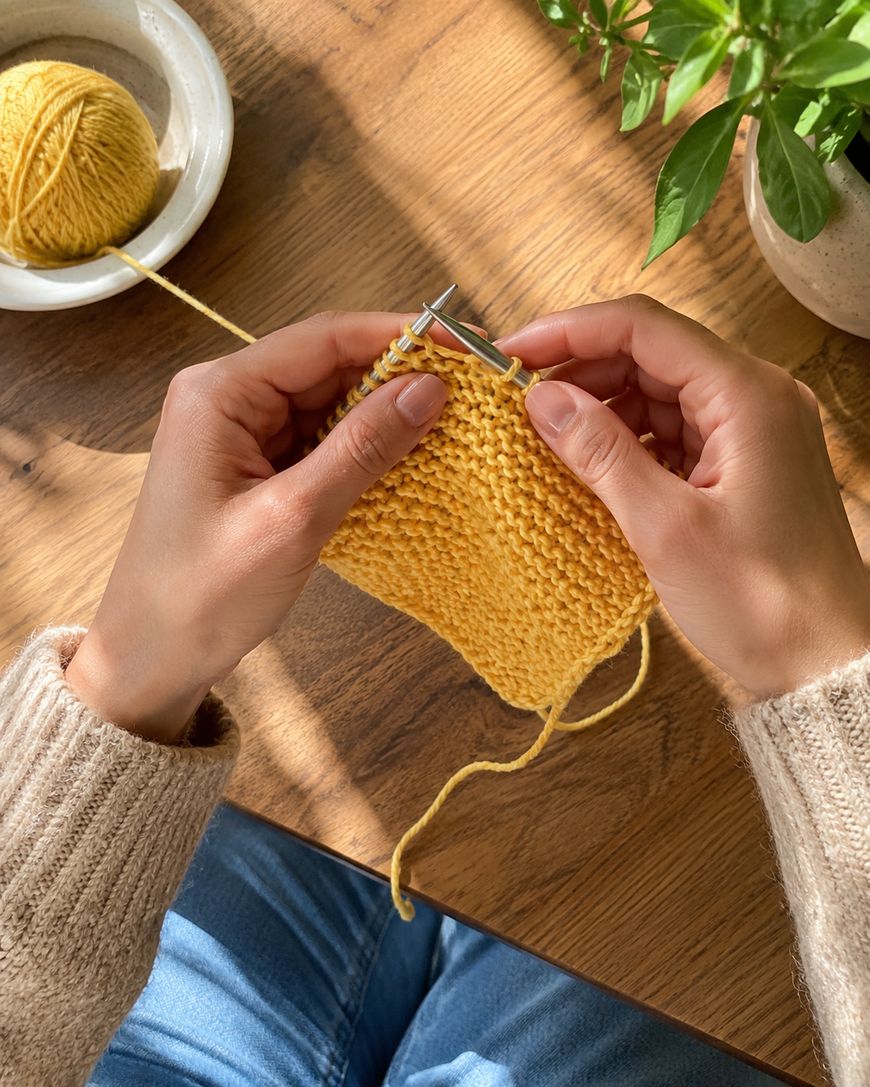
Cast on a modest number of stitches and knit every row in garter stitch, just like the scarf. A dishcloth usually takes an evening or two, so it’s a great way to feel a real sense of finishing something.
If a stitch looks a little wonky, no one will notice once it’s folded over a sink. That low-pressure feeling is exactly what makes this project so good for building confidence.
3. A Chunky Knit Headband
A headband is a small, fast project that still feels like a real accessory when it’s done. Bulky yarn and large needles mean it grows quickly, which is encouraging when you’re still getting used to the motion.
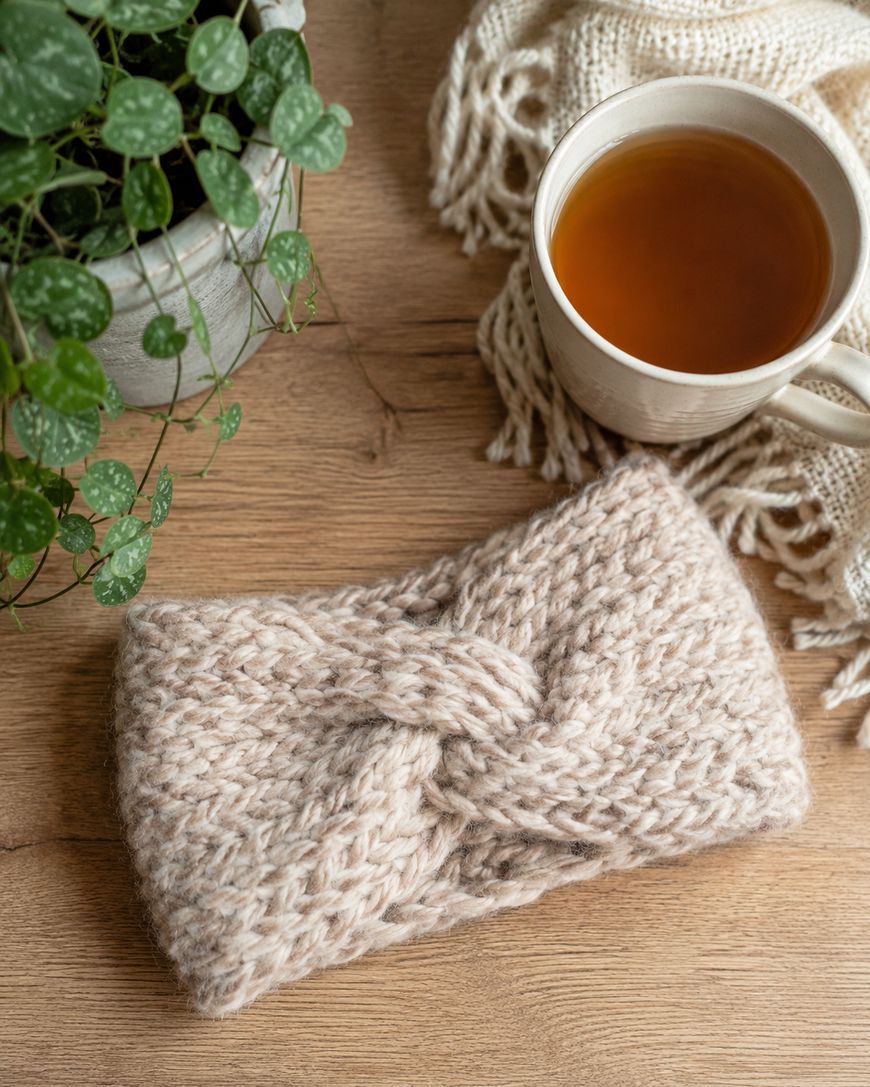
Knit a long rectangle in garter stitch, then sew the short ends together to form a loop. Try twisting it once before seaming for a simple braided look.
Because the piece is narrow, you’ll get through a lot of rows in a short amount of time, which helps your hands find their rhythm.
4. Basic Fingerless Mitts
Fingerless mitts introduce you to knitting in the round without any of the trickier shaping that full gloves require. A simple ribbed or garter stitch tube with a thumb gap is all you need.
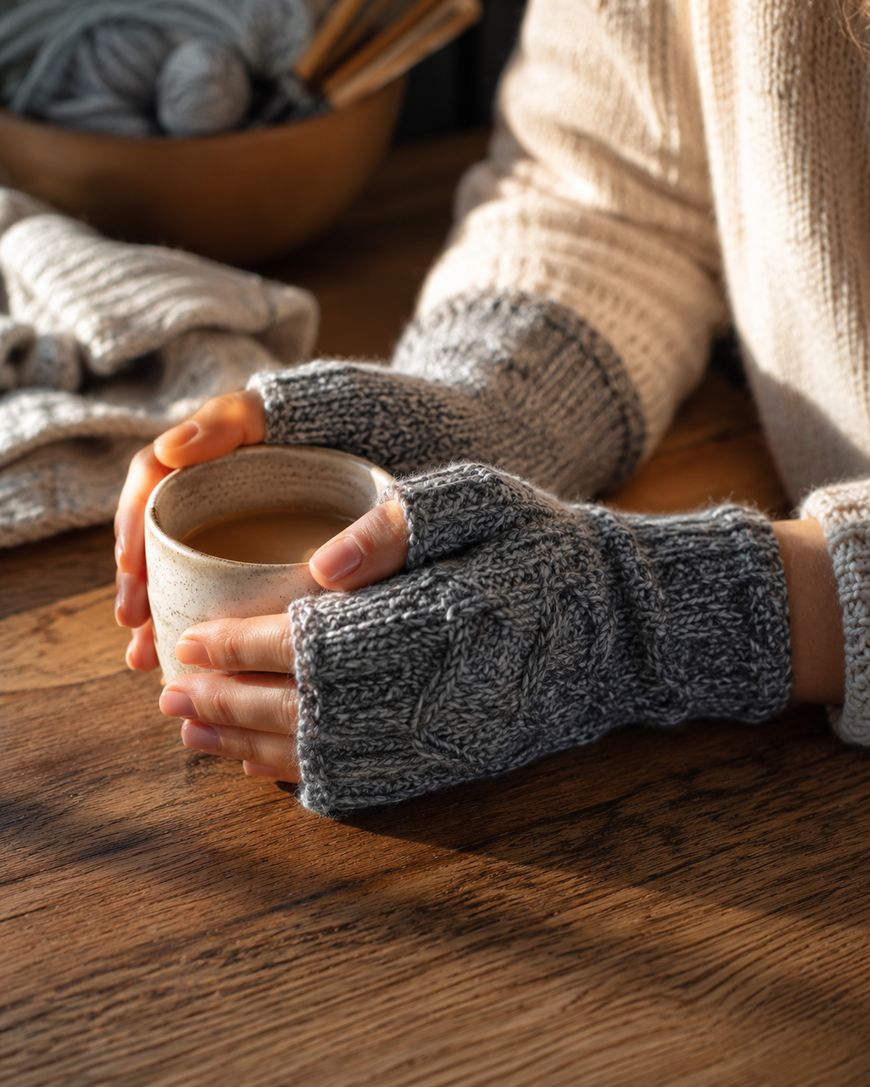
Measure around your hand for the cast-on number, then knit a straight tube, leaving a small opening partway up for your thumb. Ribbing (alternating knit and purl stitches) gives the cuff a snug, stretchy fit if you’re ready to try purling.
These make a thoughtful handmade gift once you’ve knit a pair, and the small scale means mistakes are quick to unravel and redo.
5. A Garter Stitch Baby Blanket
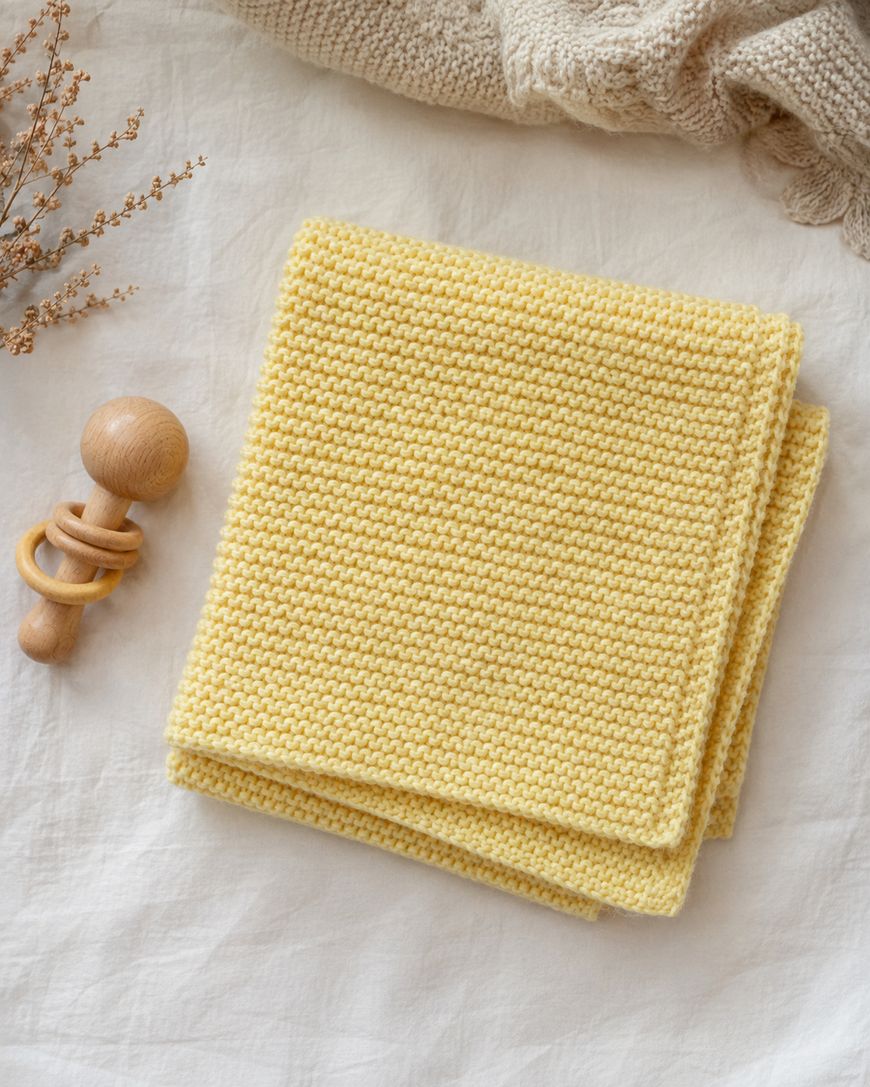
A baby blanket sounds intimidating, but a garter stitch square is really just a bigger version of the scarf you already know how to make. Choose a soft, machine-washable yarn since it will need frequent laundering.
Cast on enough stitches for the width you want, then knit every row until the piece is roughly square. Bind off and weave in your ends.
Because it’s all one simple stitch, you can work on it in front of the television without losing your place, which makes it a relaxing long-term project.
6. A Basic Knit Coaster Set
Coasters are essentially tiny dishcloths, which makes them one of the fastest beginner knitting projects on this list. A set of four or six gives you repeated practice with the same skills.
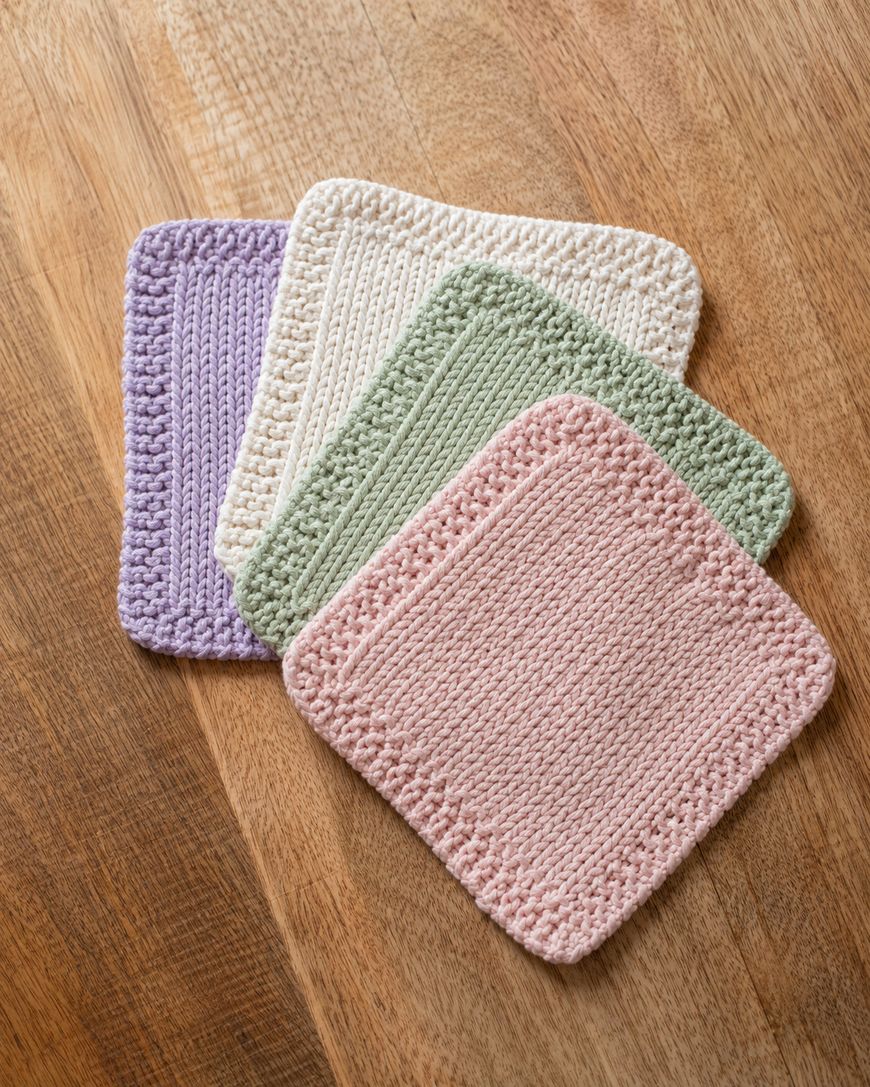
Cast on a small number of stitches, knit in garter stitch until the piece is square, and bind off. Cotton yarn works best here since it holds its shape under a warm mug.
Repeating the same small pattern several times in a row is a great way to notice your stitches getting more even with each one.
7. A Simple Knit Cowl
A cowl is just a scarf that’s been joined into a loop, so it uses the same skills you already practiced. You can knit it flat and seam the ends, or try circular needles if you’re ready for a small step up.
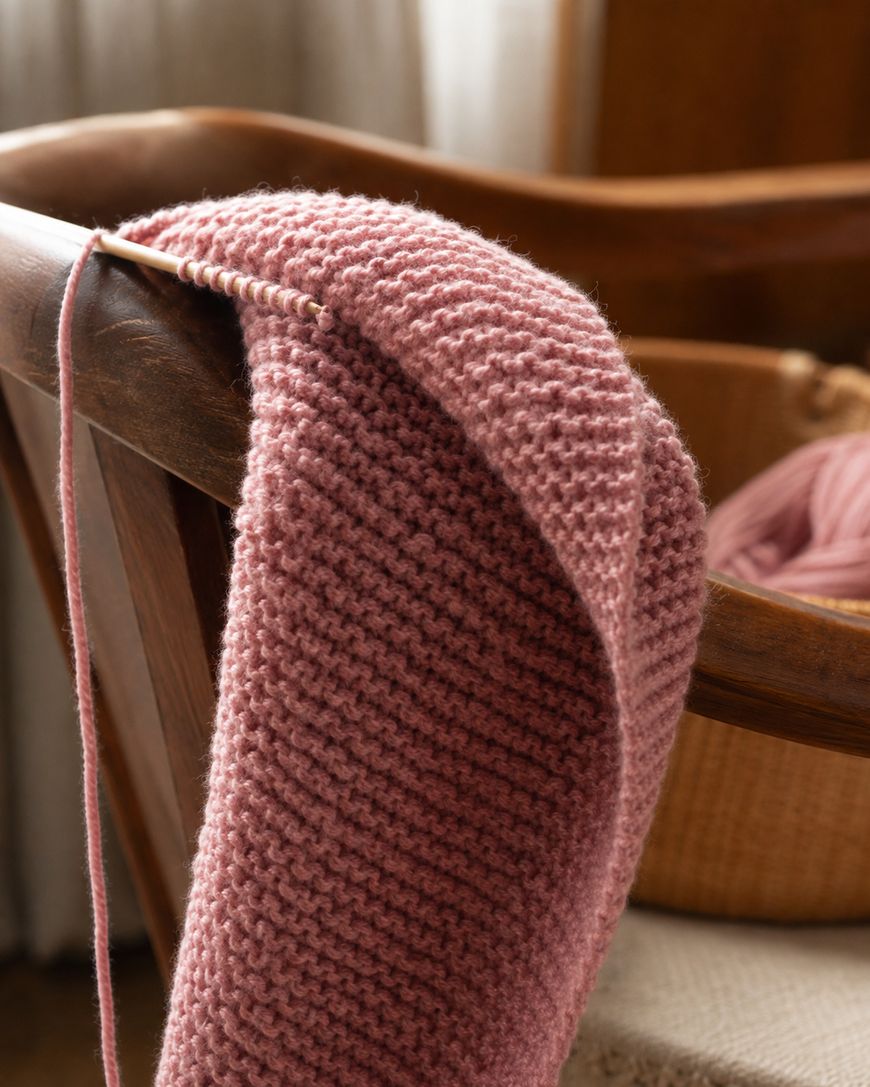
Knit a rectangle in garter stitch long enough to wrap loosely around your neck, then sew the short ends together. A slightly wider rectangle gives you a cozy double-wrap cowl instead.
This project is a nice bridge toward knitting in the round, since you’ll get comfortable with the idea of a continuous loop of fabric.
8. A Basic Knit Pot Holder
A pot holder is a sturdy, practical project that puts your new skills to immediate use in the kitchen. Cotton yarn held doubled (two strands at once) creates a thicker, more insulating fabric.
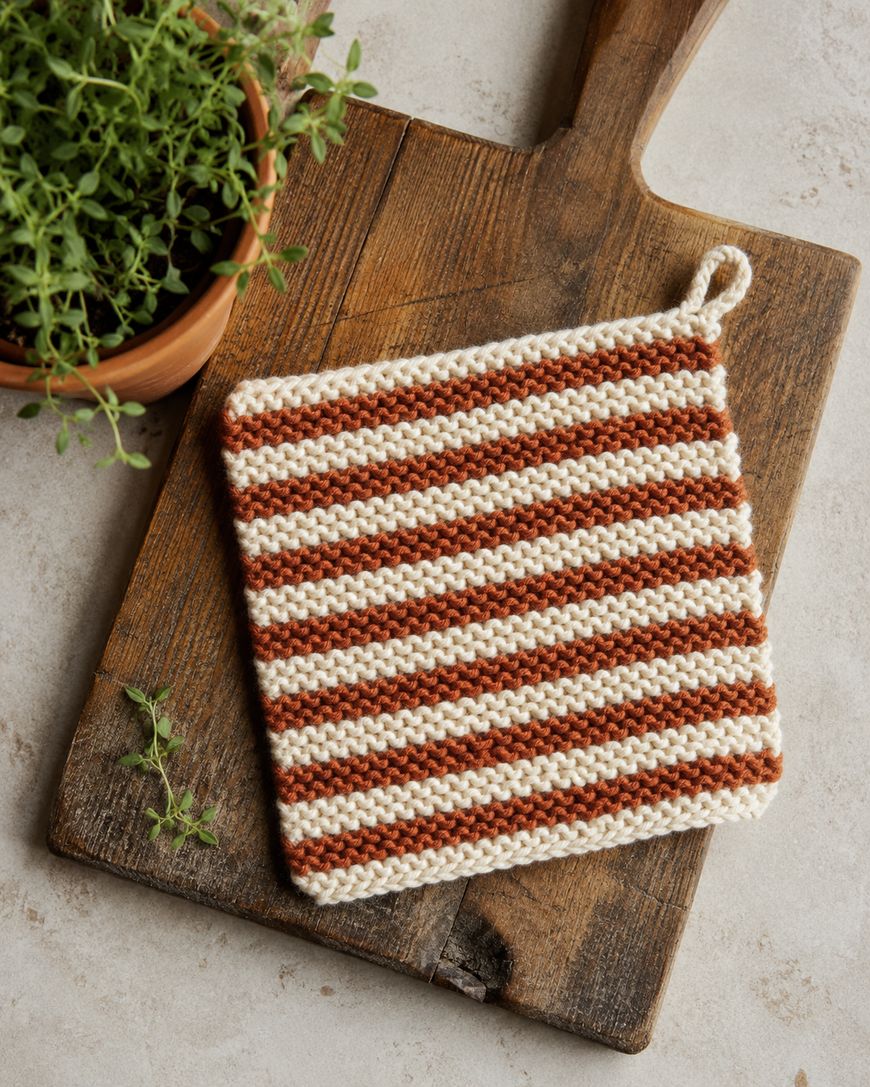
Cast on a square number of stitches and knit every row until you have an even square, then bind off. Add a small loop of yarn at one corner if you want to hang it up.
Working with doubled yarn also gives you a feel for how yarn thickness changes your gauge, which is useful knowledge for future projects.
9. A Simple Garter Stitch Bag
A small bag is a fun way to combine two rectangles of garter stitch into something three-dimensional. Knit two matching squares or rectangles, then seam three sides together and leave the top open.
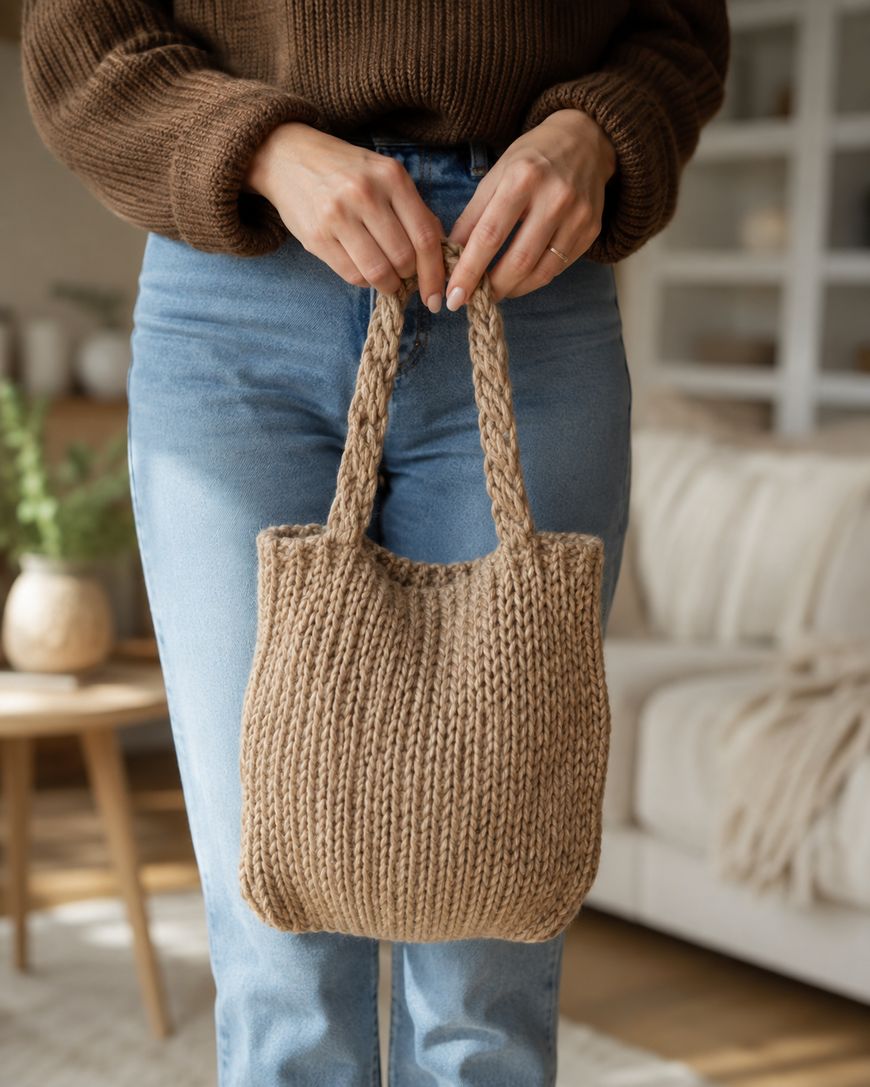
Add simple handles by braiding or twisting a few strands of leftover yarn and stitching them to the top edges. Felting the finished bag in a washing machine, if your yarn is wool, makes it extra sturdy and less likely to unravel.
This project is satisfying because it shows you how flat pieces of knitting can become something functional once you start seaming.
10. A Basic Knit Ear Warmer
An ear warmer is essentially a short, wide headband, which makes it a natural follow-up once you’ve made the chunky headband above. Bulky yarn works up quickly here too.
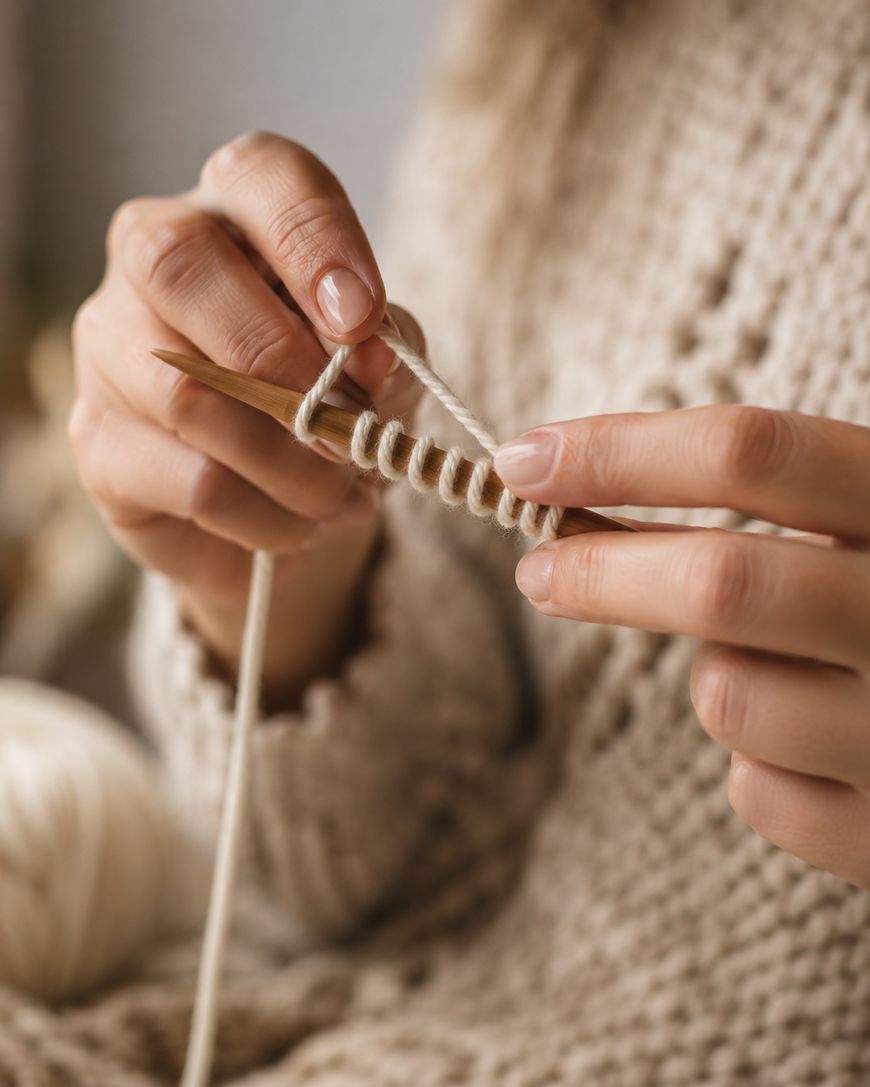
Knit a rectangle, then join the ends into a loop the same way you would for the headband. Some knitters add a decorative button where the ends overlap instead of seaming them flat.
Because it only covers your ears rather than your whole head, it uses less yarn and finishes even faster than a full headband.
11. A Simple Garter Stitch Table Runner
A table runner takes the same garter stitch square concept and stretches it into a long, narrow rectangle. It’s a good project for practicing patience, since it takes longer than the smaller projects on this list.
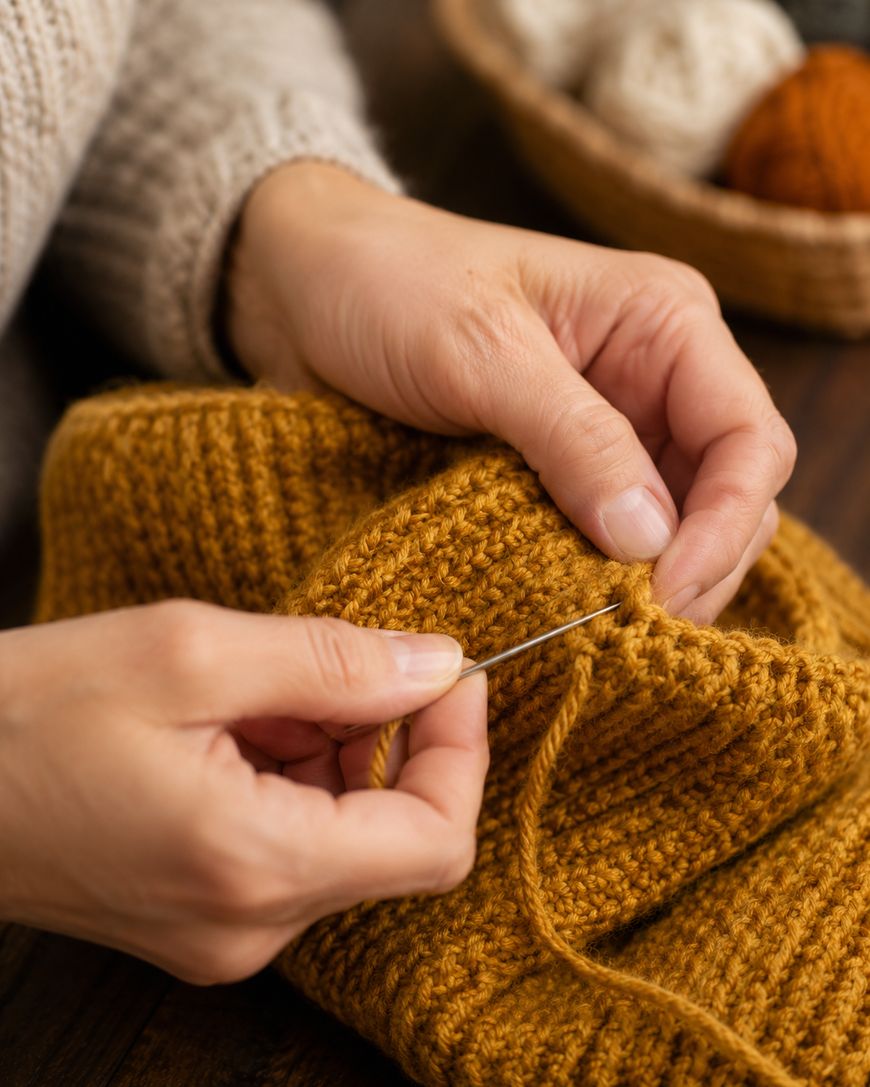
Cast on for the width you want and knit every row until the runner reaches your table’s length. A cotton or linen-blend yarn gives it a crisp, structured drape.
Because the pattern never changes, this is an easy project to pick up and put down over several days without losing track of where you are.
12. A Basic Knit Blanket Square (For Joining Later)
Individual garter stitch squares are a wonderful low-commitment project, especially if you’re not ready to tackle a whole blanket at once. Knit one square whenever you have a spare evening.
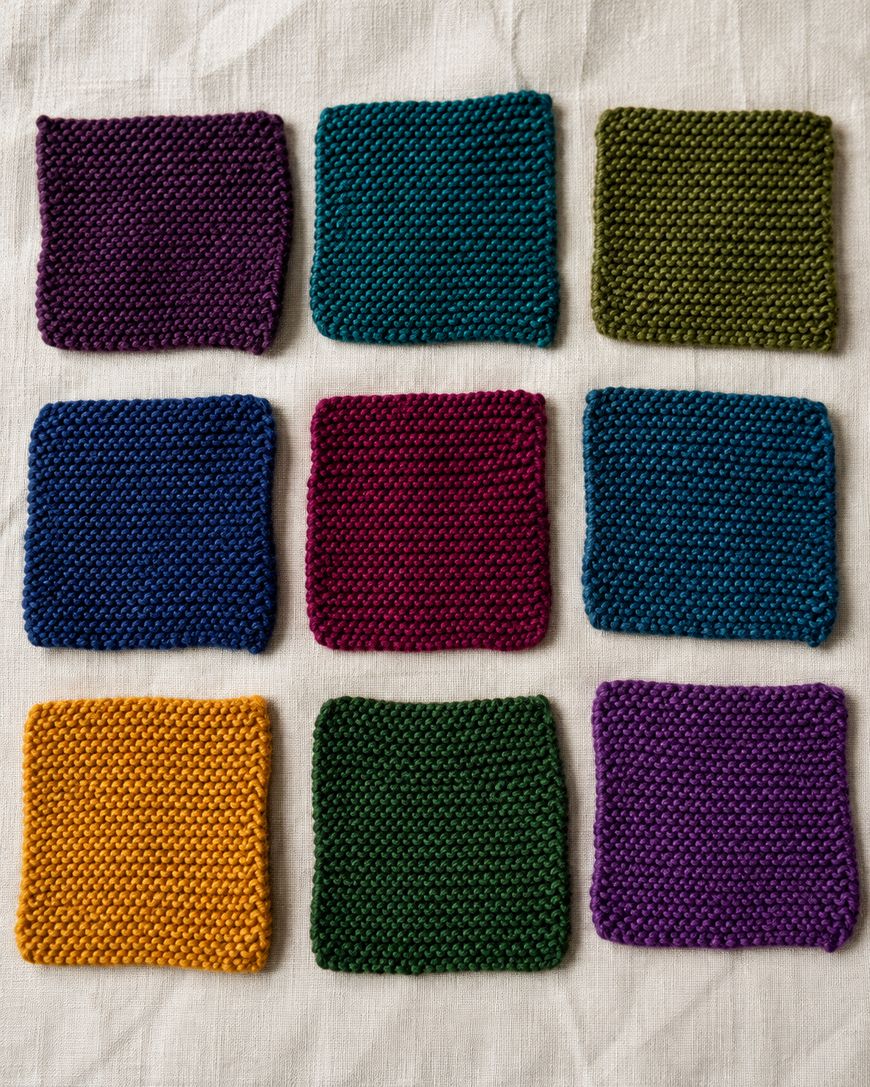
Once you’ve built up a stack of squares in coordinating colors, you can seam them together into a full blanket down the road. This turns your practice pieces into a meaningful finished project instead of leftover swatches.
It’s also a great way to use up small amounts of yarn from other projects without any waste.
Why Starting With Garter Stitch Makes Such a Difference
Nearly every project on this list leans on the same knit stitch, repeated over and over, and that repetition is exactly what builds real confidence. Instead of juggling several new skills at once, you get to practice the fundamentals until they feel automatic.
Sticking to worsted or bulky weight yarn with needles sized to match the yarn label also keeps your stitches easy to see and count, which matters a lot when you’re still learning to spot mistakes. Once these projects feel comfortable, purling, ribbing, and knitting in the round will feel like small, manageable steps rather than a whole new hobby.
Frequently Asked Questions
What size needles should a beginner use?
Check the yarn label for a recommended needle size, since most yarn brands print this right on the wrapper. A mid-range size in that recommendation is usually the easiest to hold and see your stitches on.
What yarn is best for beginner knitting projects?
A smooth, light-colored worsted or bulky weight yarn is easiest to work with while you’re learning. Avoid fuzzy or dark yarns at first, since they can make it hard to see individual stitches.
Do I need to know how to purl to start knitting?
No, every project above uses only the knit stitch, so you can finish real projects before ever learning to purl. Purling is a natural next step once garter stitch feels comfortable.
How long does a beginner project usually take?
A small project like a dishcloth or coaster can be finished in an evening or two, while a scarf or blanket square may take several sittings. Your pace will naturally speed up as your stitches become more even.
What if I drop a stitch?
A dropped stitch can usually be picked back up with a crochet hook or by carefully working it back into place row by row. It happens to every knitter, so it’s worth learning to fix rather than something to worry over.
Can I knit these projects while watching TV or listening to a podcast?
Yes, that’s part of why garter stitch projects are so popular with beginners. Once you’re comfortable with the motion, you won’t need to watch your hands for every single stitch.
Ready to Cast On?
These beginner knitting projects are proof that you don’t need a complicated pattern to make something worth keeping. Pick whichever one excites you most, grab some yarn, and cast on your first beginner knitting project today.