Last updated: August 8, 2026
You want to start quilting, but a full-size bed quilt feels overwhelming right out of the gate.
These beginner quilting projects give you small, satisfying wins while you learn the basics of piecing, pressing, and binding.
By the end of this list, you will have a stack of finished projects and the confidence to tackle something bigger.
1. Patchwork Pillow Cover
A patchwork pillow cover is the easiest place to start because it only takes a handful of fabric squares and about an hour of sewing.
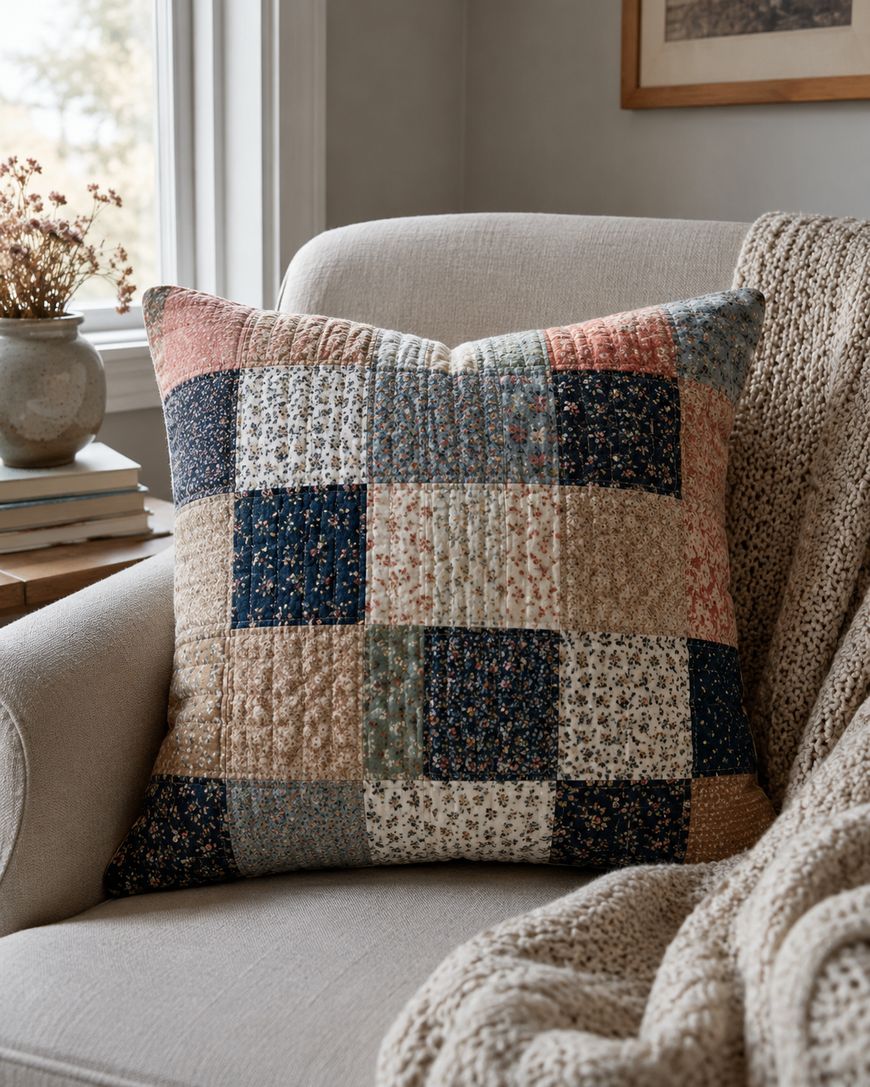
Cut your squares to a consistent size before you sit down at the machine so you are not stopping to measure mid-project.
You will practice straight seams, pressing open seams flat, and matching corners, which are the foundational skills every quilter needs.
Once you finish one cover, you will likely want to make a whole set for your couch.
2. Rag Quilt Baby Blanket
Rag quilts are forgiving because the frayed edges hide small mistakes, which makes this one of the best beginner quilting projects for building confidence.
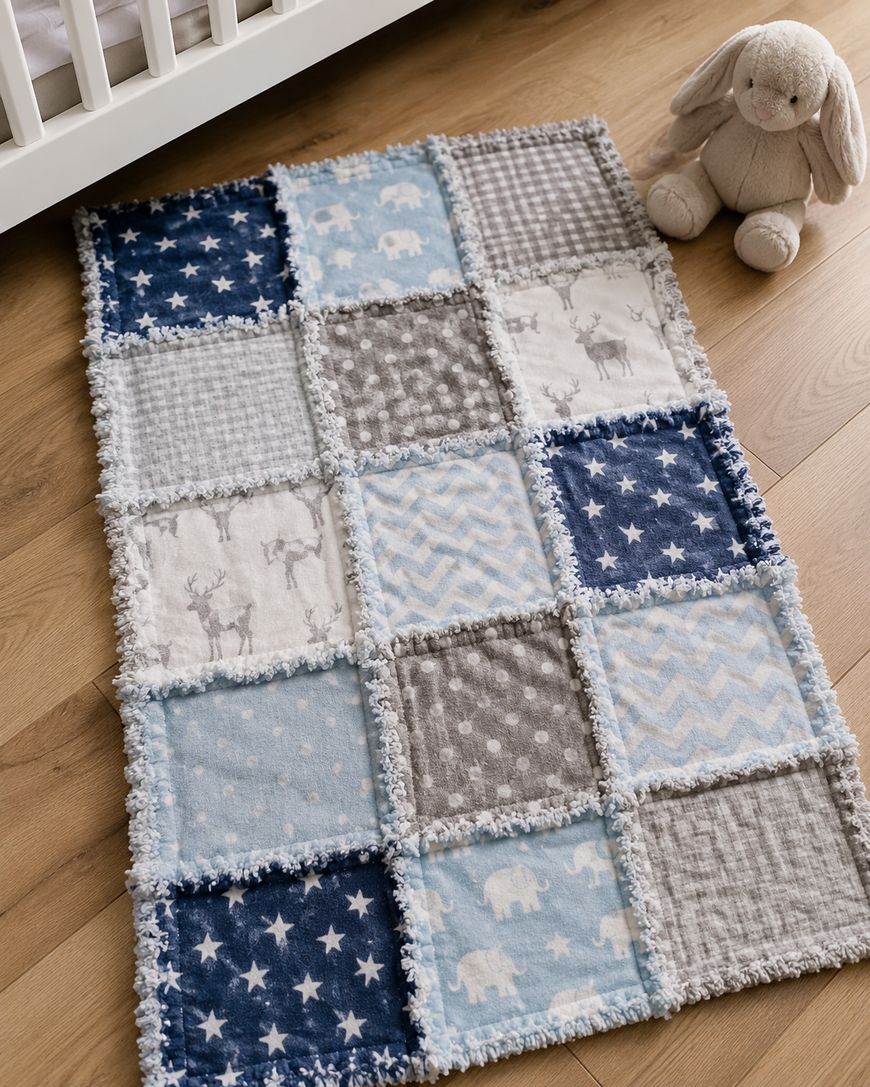
You layer flannel squares, sew a grid pattern, then snip the seam allowances so they fluff up in the wash.
This project teaches straight-line quilting without any binding, so you can skip the trickiest finishing step until later.
Wash and dry the finished blanket once before gifting it so the frayed edges soften and the true texture shows.
3. Charm Pack Table Runner
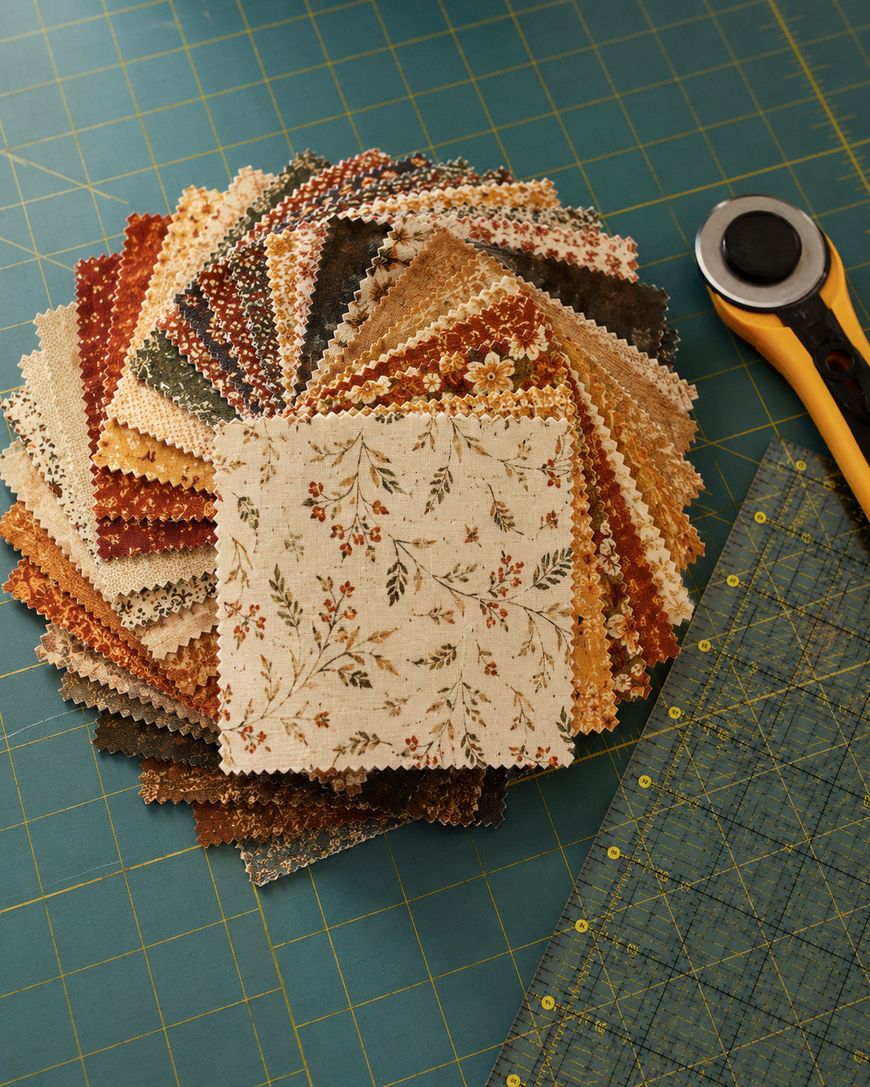
A charm pack, which is a bundle of pre-cut 5-inch squares, takes all the guesswork out of choosing and cutting fabric.
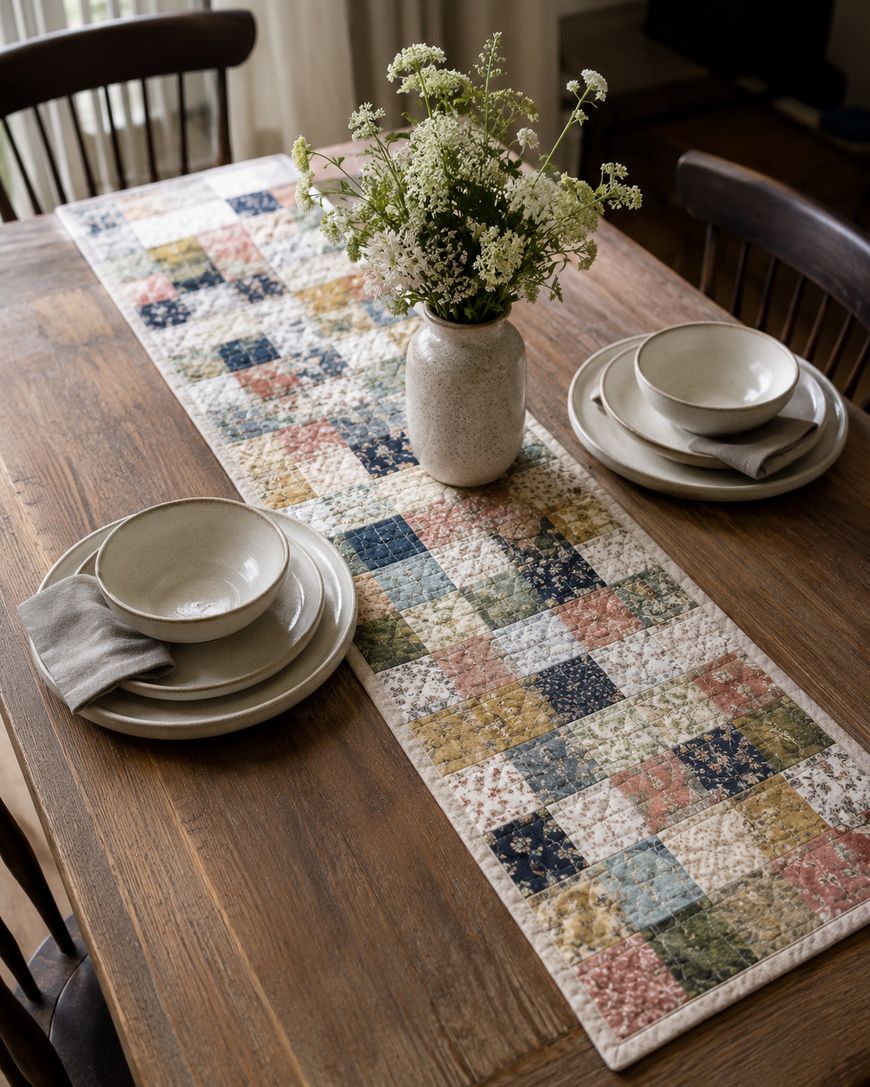
You simply arrange the squares in a pleasing layout, sew them into rows, then join the rows together.
This project introduces you to design decisions like color placement and value contrast without requiring any complicated cutting.
A finished table runner also gives you a low-pressure way to practice basic quilting and binding on a small scale.
4. Disappearing Nine Patch Block
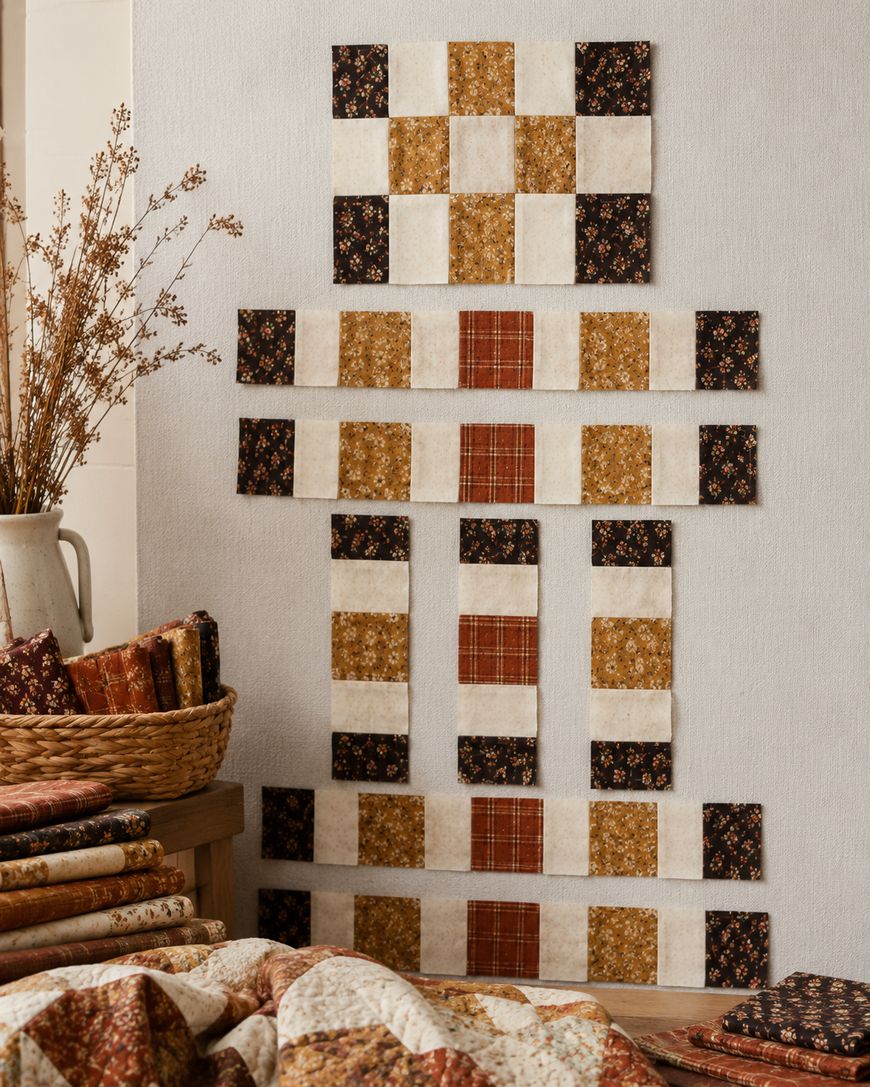
The disappearing nine patch starts as a simple nine-square block, which you then cut apart and reassemble into a completely different pattern.
This is one of the beginner quilting projects that teaches you how much variety you can get from one basic technique.
Press all your seams in alternating directions so the layers nest together when you join blocks, which makes your points match up cleanly.
Make four or five blocks and you already have enough for a small wall hanging.
5. Quilted Zipper Pouch
A zipper pouch combines a small quilted panel with a zipper installation, so you practice two skills at once in a project you can finish in an evening.
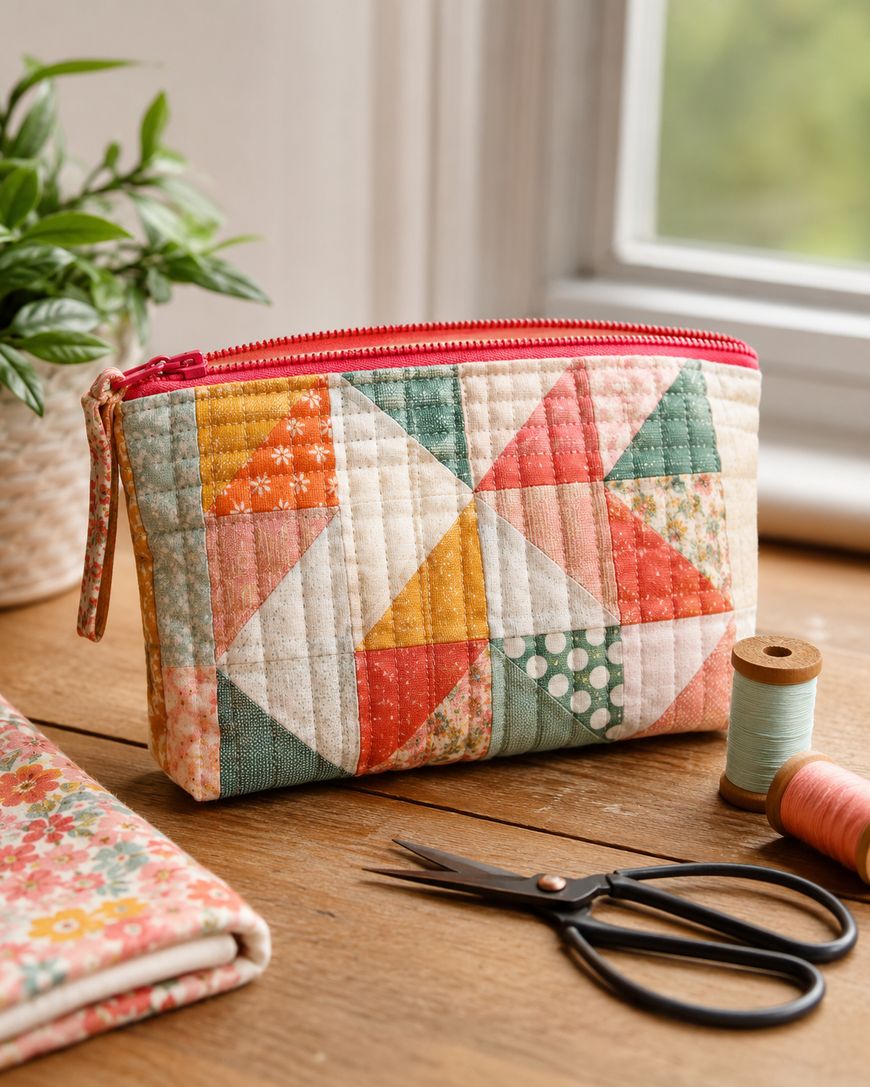
You quilt a small piece of fabric with batting and backing, then trim it down and sew in a zipper.
This project is popular because pouches make great gifts and use up scrap fabric you already have on hand.
If your first zipper looks a little wonky, that is completely normal and it will not stop the pouch from working.
6. Strip-Pieced Table Topper
Strip piecing means sewing long strips of fabric together first, then cutting the strip set into smaller pieces to rearrange.
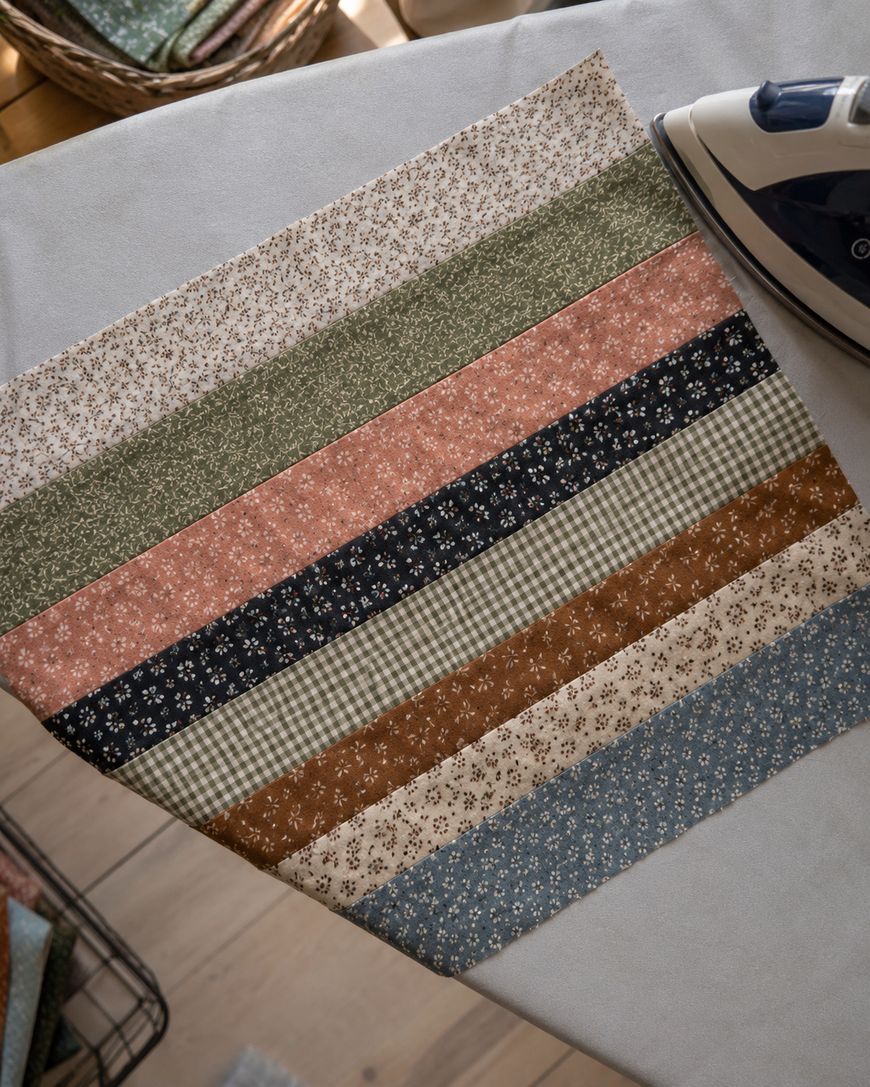
This method is fast and efficient, which makes it ideal for a beginner who wants a bigger finished project without hours of individual cutting.
Keep your seam allowance exactly a quarter inch throughout the whole strip set, since even small variations add up across multiple strips.
A table topper finished this way looks far more advanced than the actual technique required.
7. Simple Log Cabin Block
The log cabin block builds outward from a center square, adding one strip at a time in a rotating pattern.
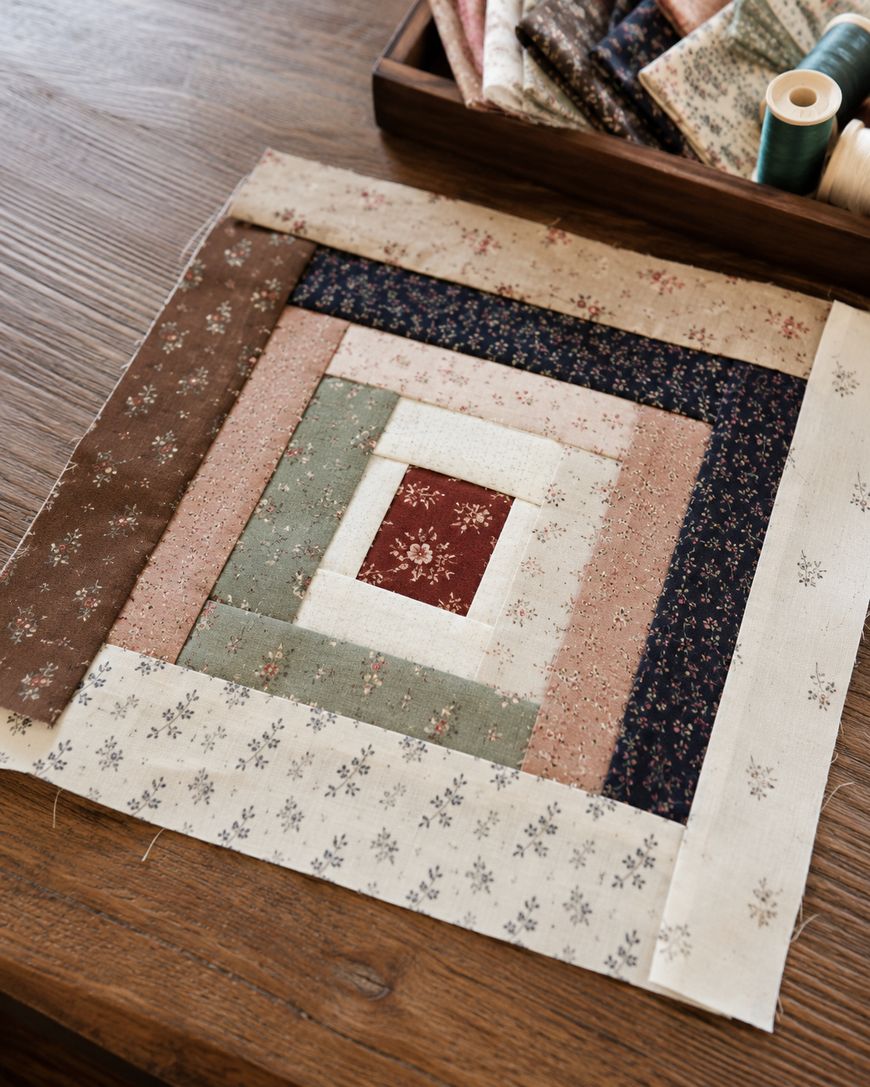
It looks intricate, but each step is just sewing one straight strip to the block and pressing it flat before adding the next.
This is one of the beginner quilting projects most experienced quilters remember making first, since the technique scales up to full quilts later.
Six or eight log cabin blocks sewn together make a lovely lap-sized throw.
8. Scrap Fabric Coasters
Coasters use tiny amounts of fabric, so they are the perfect way to practice free-motion or straight-line quilting on a low-stakes project.
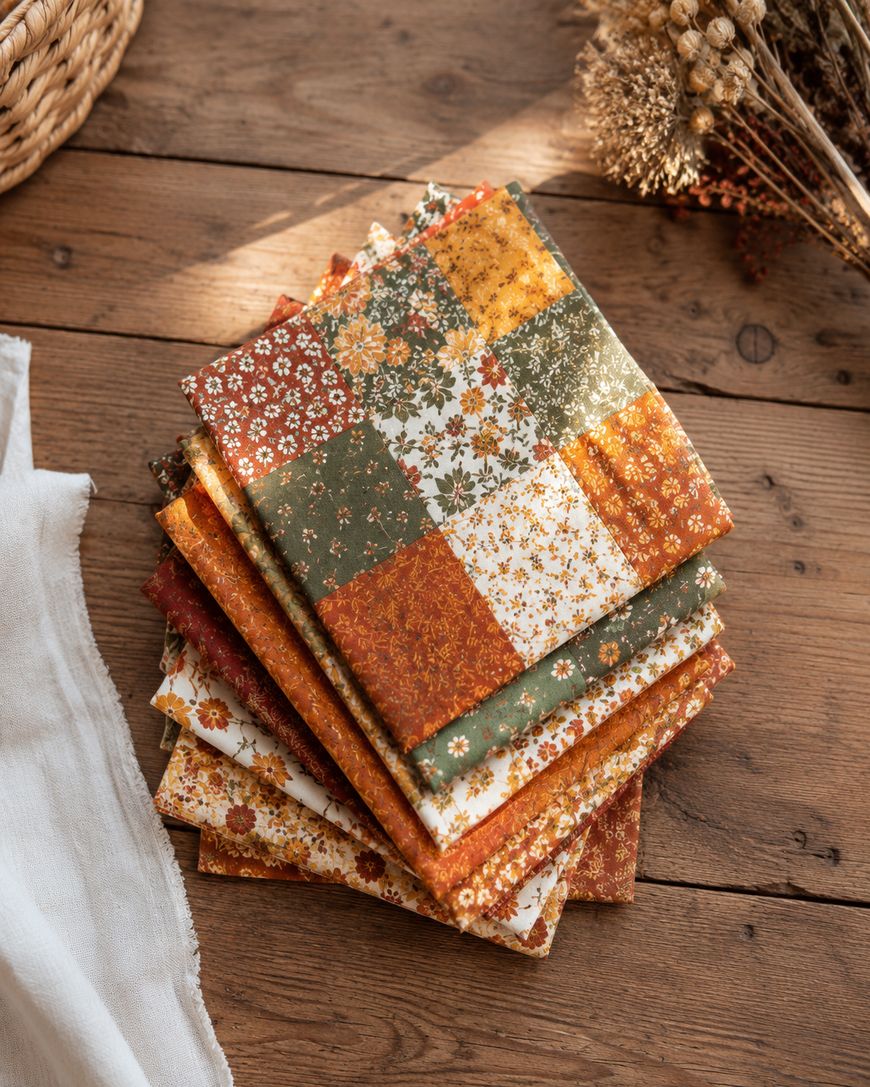
You layer a small fabric top, batting, and backing, then quilt the sandwich and bind the edges.
Because coasters are small, you can experiment with a new quilting design on each one without wasting much fabric if something goes wrong.
Make a set of four or six at once so you are not setting up your machine repeatedly for one coaster at a time.
9. First Lap Quilt
Once you have practiced the projects above, a simple lap quilt made from large squares or strips is a natural next step.
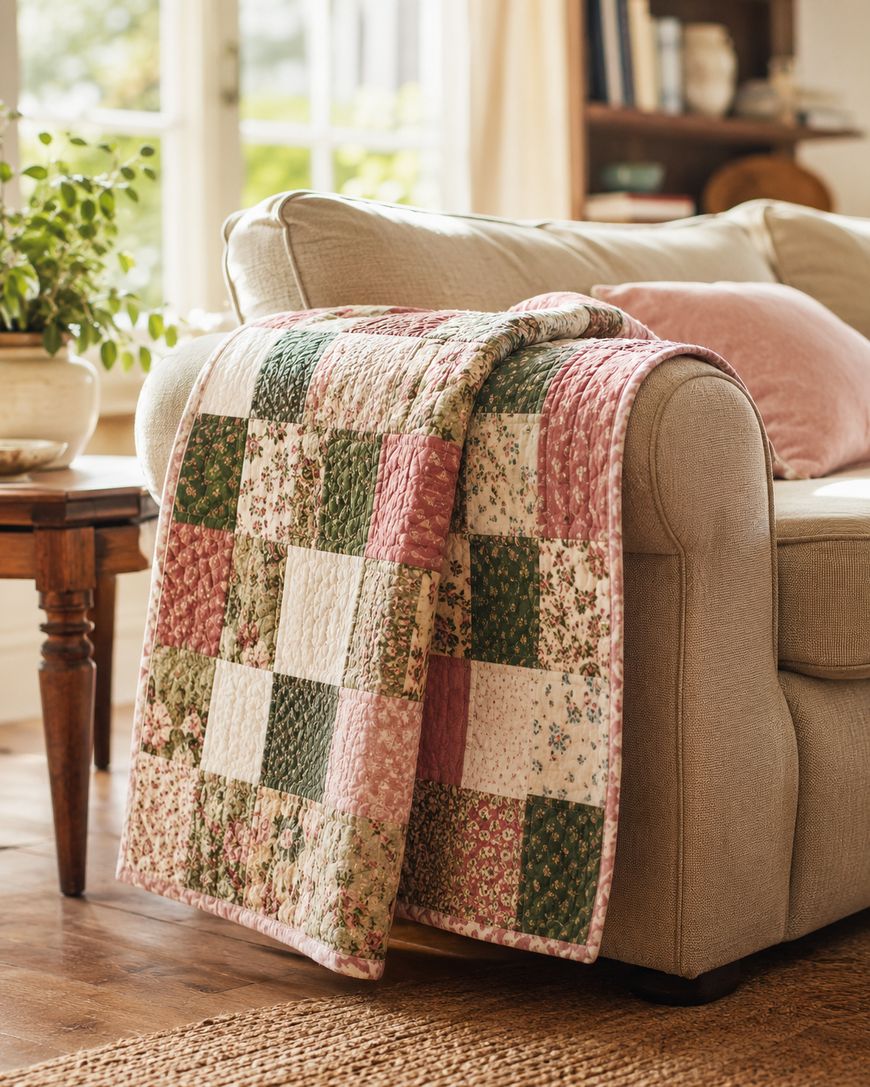
Keep the pattern basic, choose a manageable size like 40 by 50 inches, and focus on consistent piecing rather than a complicated design.
This project pulls together everything you have learned about cutting, piecing, layering, quilting, and binding into one finished piece you will actually use.
Finishing your first lap quilt is the moment most beginners start to think of themselves as real quilters.
Why Start With Small Projects
Starting small keeps quilting fun instead of frustrating, since a mistake on a pillow cover costs you far less time and fabric than a mistake on a full bed quilt.
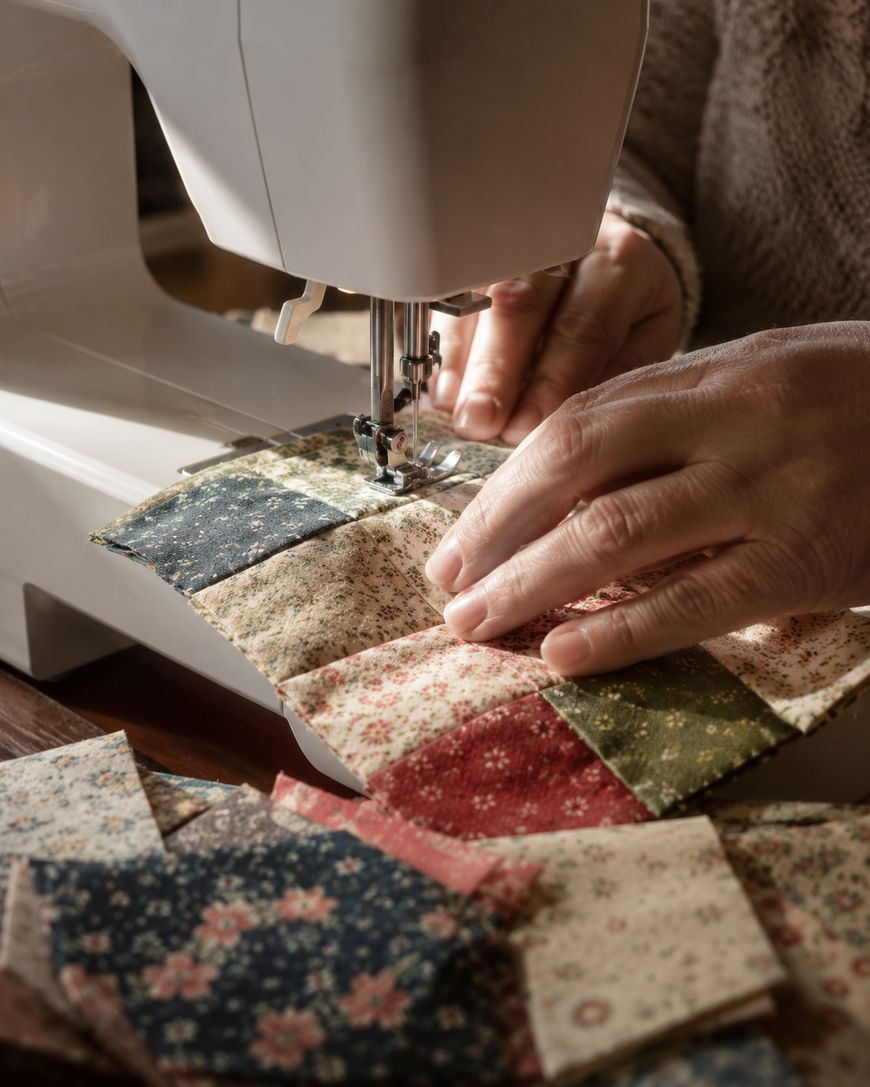
Small projects also let you finish quickly, which matters more than it sounds like when you are building a new habit.
Each finished project teaches you a specific skill you will use again, so by the time you attempt something larger, those techniques already feel familiar.
Frequently Asked Questions
What supplies do I need to start quilting?
At minimum, you need a sewing machine, fabric, quilting batting, a rotary cutter, a cutting mat, and a clear acrylic ruler. You can add specialty tools like a walking foot later as you take on bigger projects.
How much fabric do beginner quilting projects usually require?
Most of the projects on this list use less than a yard of fabric total, and several use scraps or a single charm pack. This keeps your investment low while you are still learning.
Do I need a special quilting machine?
No, a standard home sewing machine works fine for every project on this list. A walking foot attachment helps keep layers from shifting, but it is not required to get started.
How long does a beginner quilting project take to finish?
Small projects like coasters or a zipper pouch can be finished in an evening, while a table runner or lap quilt might take a weekend or two of steady work. Your pace will naturally speed up with each project.
What is the hardest part of quilting for beginners?
Most beginners find binding the trickiest step, since it involves precise folding and stitching around the entire edge. Practicing on small projects like coasters before attempting a full quilt makes binding much easier to master.
Can I mix and match these beginner quilting projects in any order?
Yes, there is no required sequence, so feel free to start with whichever project excites you most. Many quilters jump between several of these projects before settling into a favorite technique.
Ready to Start Quilting?
These beginner quilting projects give you a clear, low-pressure path from your very first seam to a finished lap quilt you can be proud of.
Pick the project that excites you most, gather your fabric, and get that machine humming today.
Looking for another fabric-based craft? Check out our guide to punch needle crafts.