Last updated: May 28, 2026
These bonus room ideas are practical, flexible ways to turn an extra room into something you’ll actually use (office, guest space, play zone, gym, storage, or a mix), and the simplest default approach is to decide the room’s top 1 purpose first, then add 1 secondary function with hidden storage so it stays tidy.
Bonus Room Ideas You Can Copy Right Now
1. Make It A Dedicated TV And Movie Lounge
A bonus room becomes instantly useful when it’s the “yes” space for movie nights, sports, or casual hanging out.
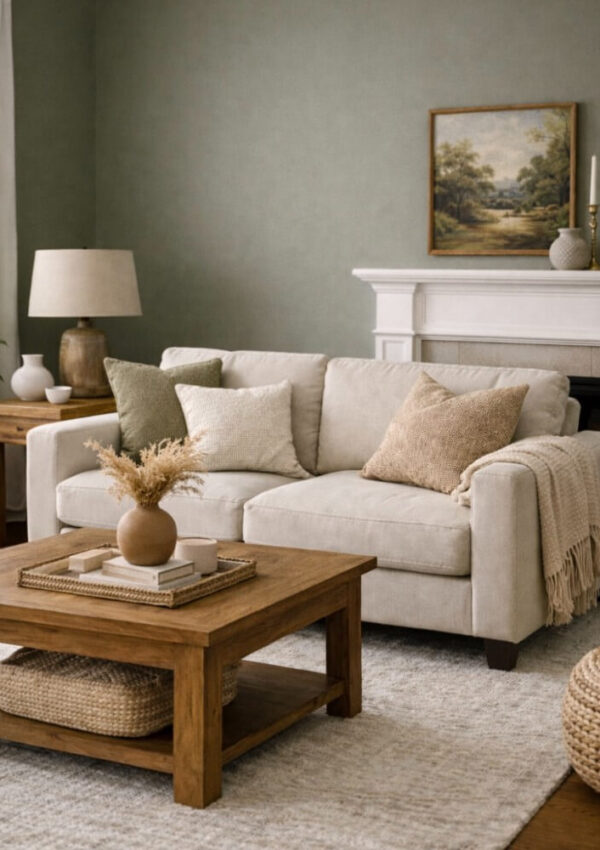
Keep it simple with one comfortable sofa, a big rug, and blackout curtains so you control glare and sound.
2. Build A Guest Room That Doesn’t Sit Empty
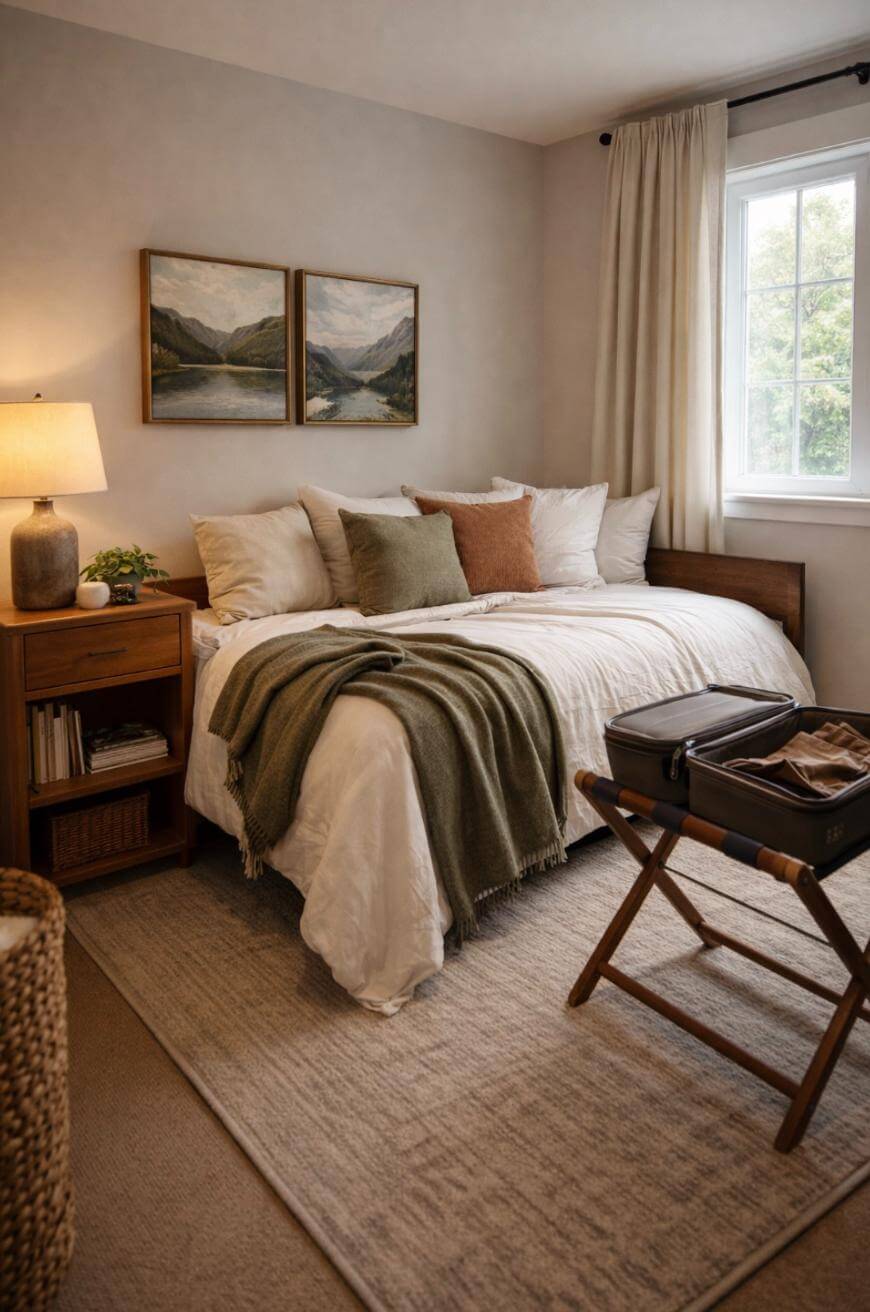
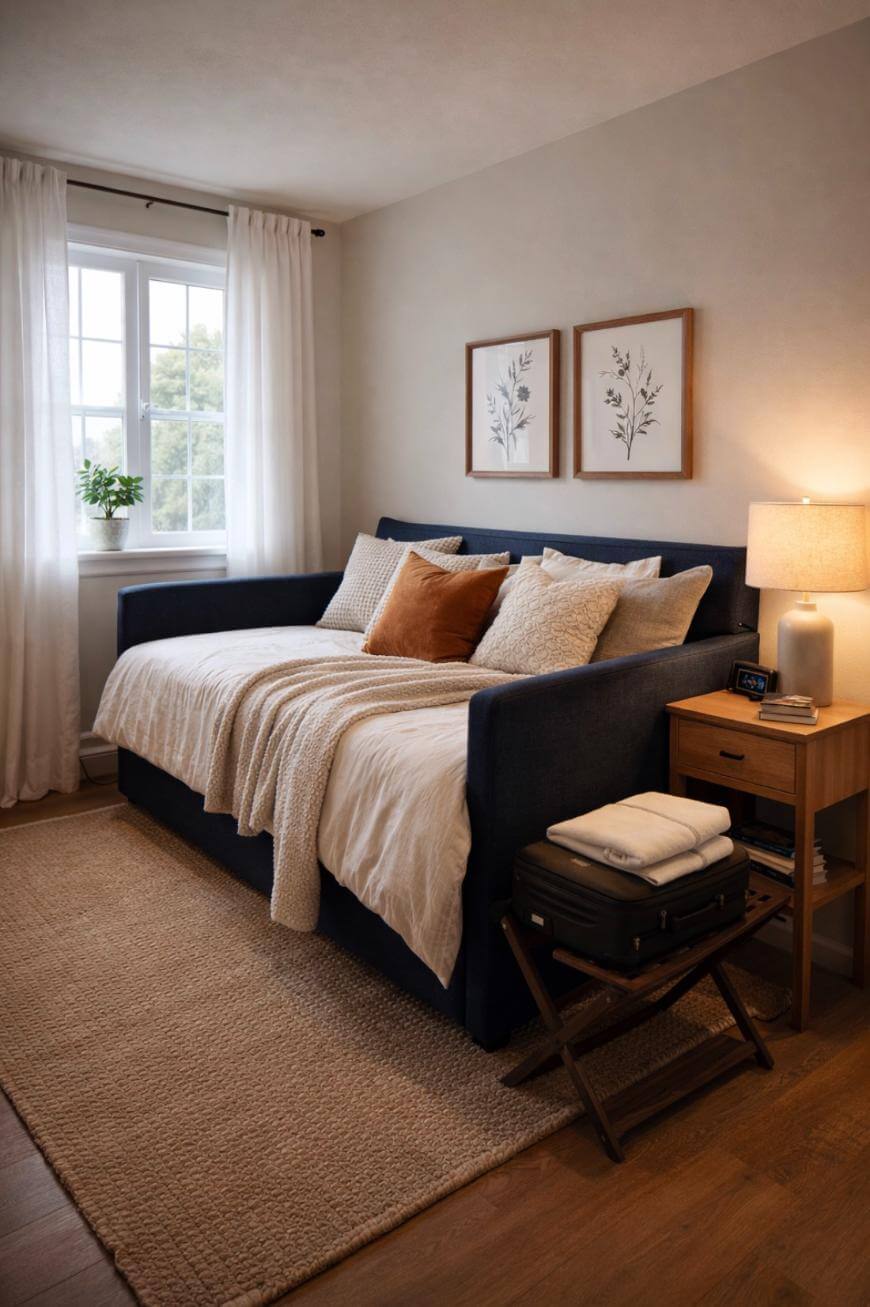
If you only host a few times a year, use a sleeper sofa or a daybed so the room works the other 350 days.
A nightstand, reading lamp, and a small luggage rack make it feel intentional without needing a full bedroom setup.
3. Create A Hybrid Office With A Real Door
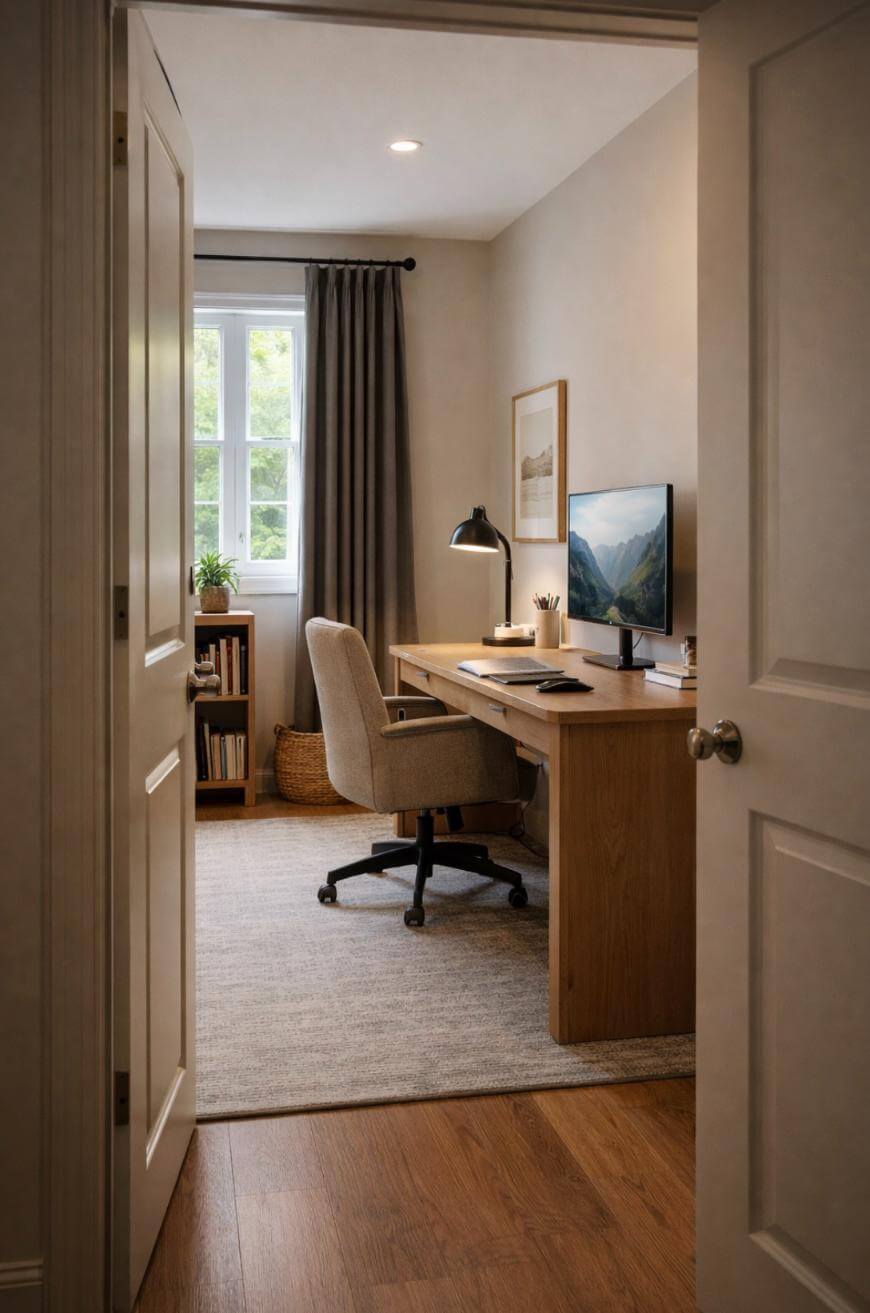
If you work from home even one day a week, a bonus room office pays off fast in focus and boundaries.
Aim for a desk depth of 24–30 inches and keep the screen 20–30 inches from your eyes for a comfortable default setup.
4. Turn It Into A Playroom That’s Easy To Reset
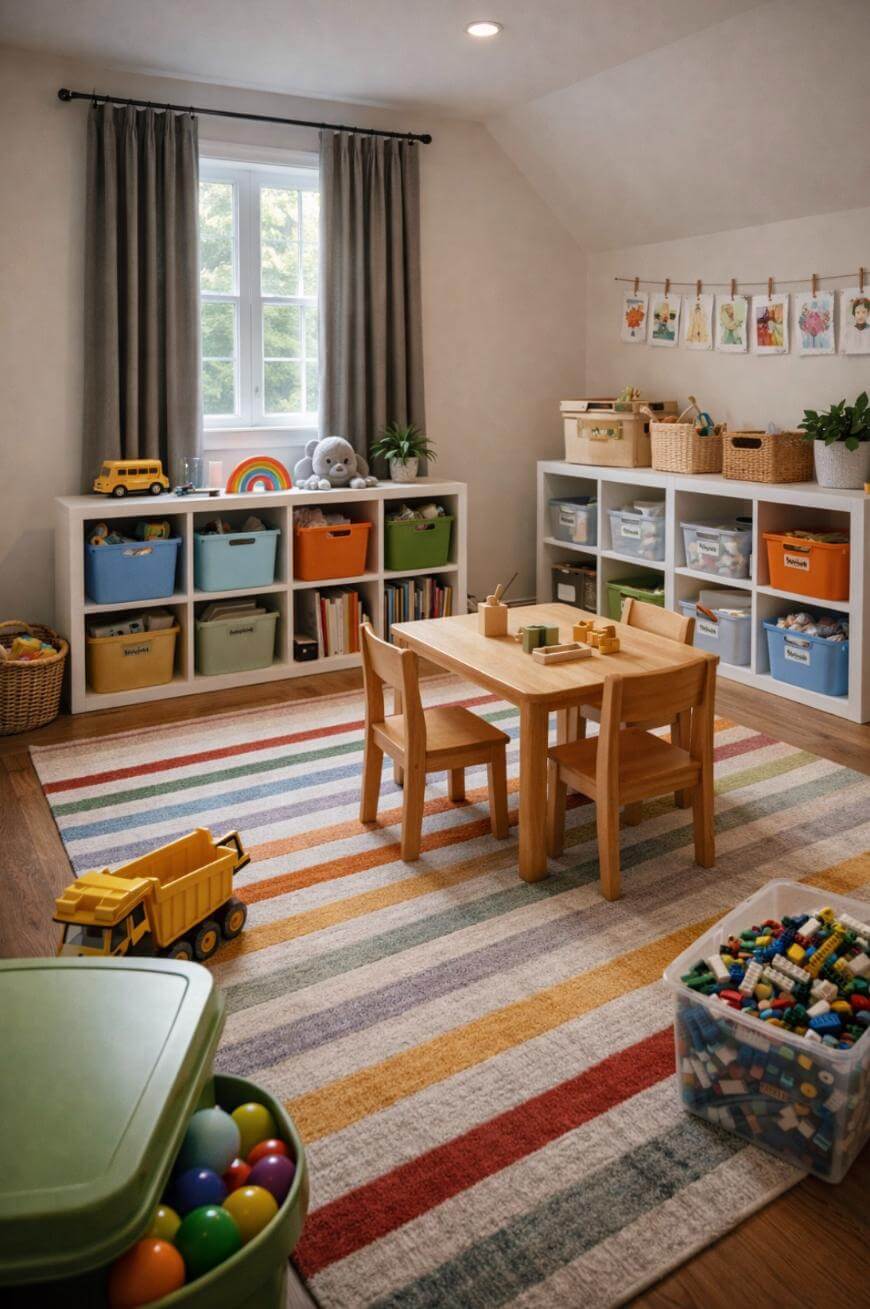
A great playroom is less about toys and more about fast cleanup that you’ll actually do.
Use closed bins and label zones by category so you can reset the whole room in 5–10 minutes.
5. Make A Quiet Reading Room With Proper Lighting
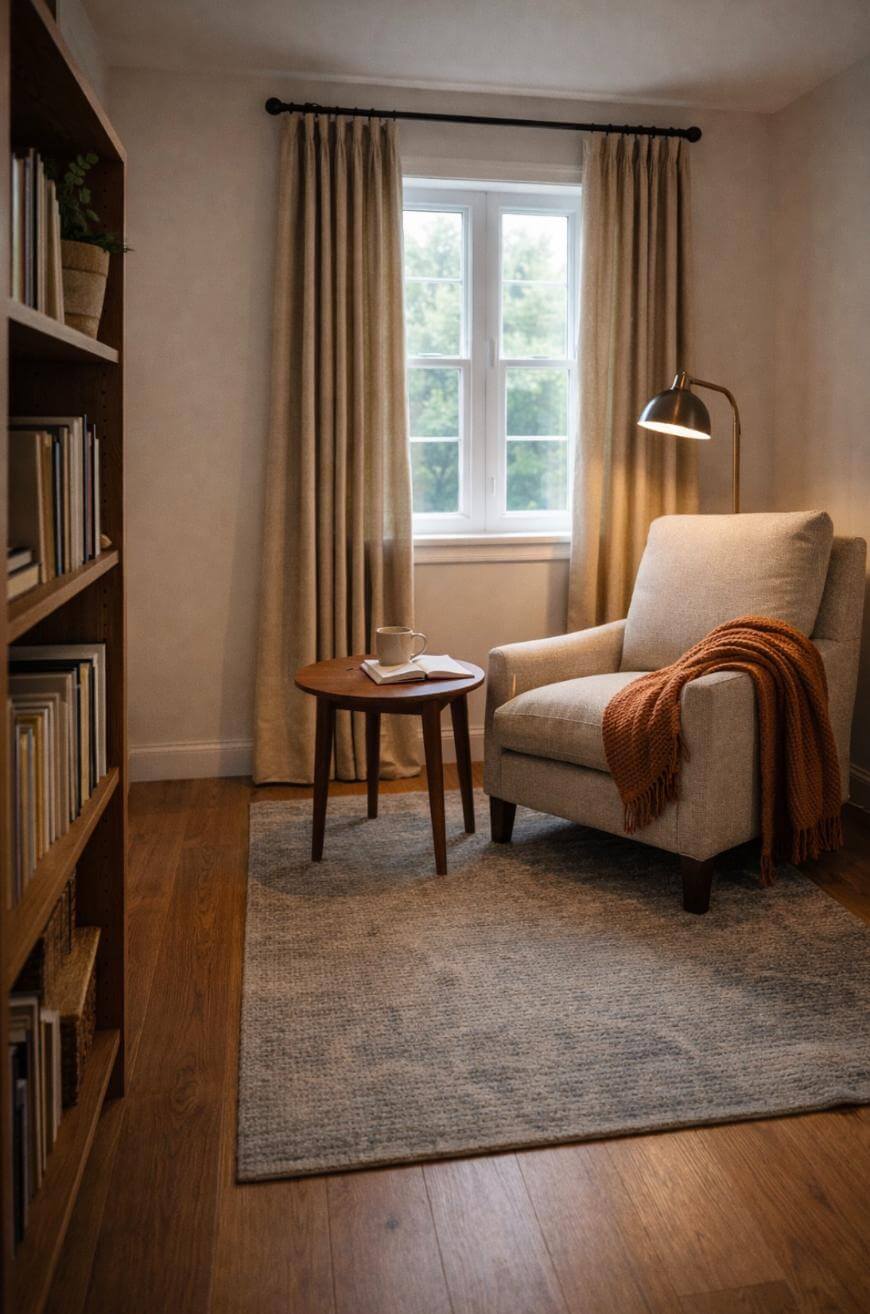
A reading room works when the chair is genuinely comfortable and the light isn’t harsh.
Add a floor lamp with a warm bulb (around 2700K–3000K) and a small table so you aren’t balancing drinks on books.
6. Set Up A Home Gym That Fits Your Real Routine
You don’t need a full gym to get results, you need a space that removes friction.
Start with a $150–$400 “minimum effective” kit: adjustable dumbbells, a mat, and resistance bands, then upgrade if you use it for 30 days.

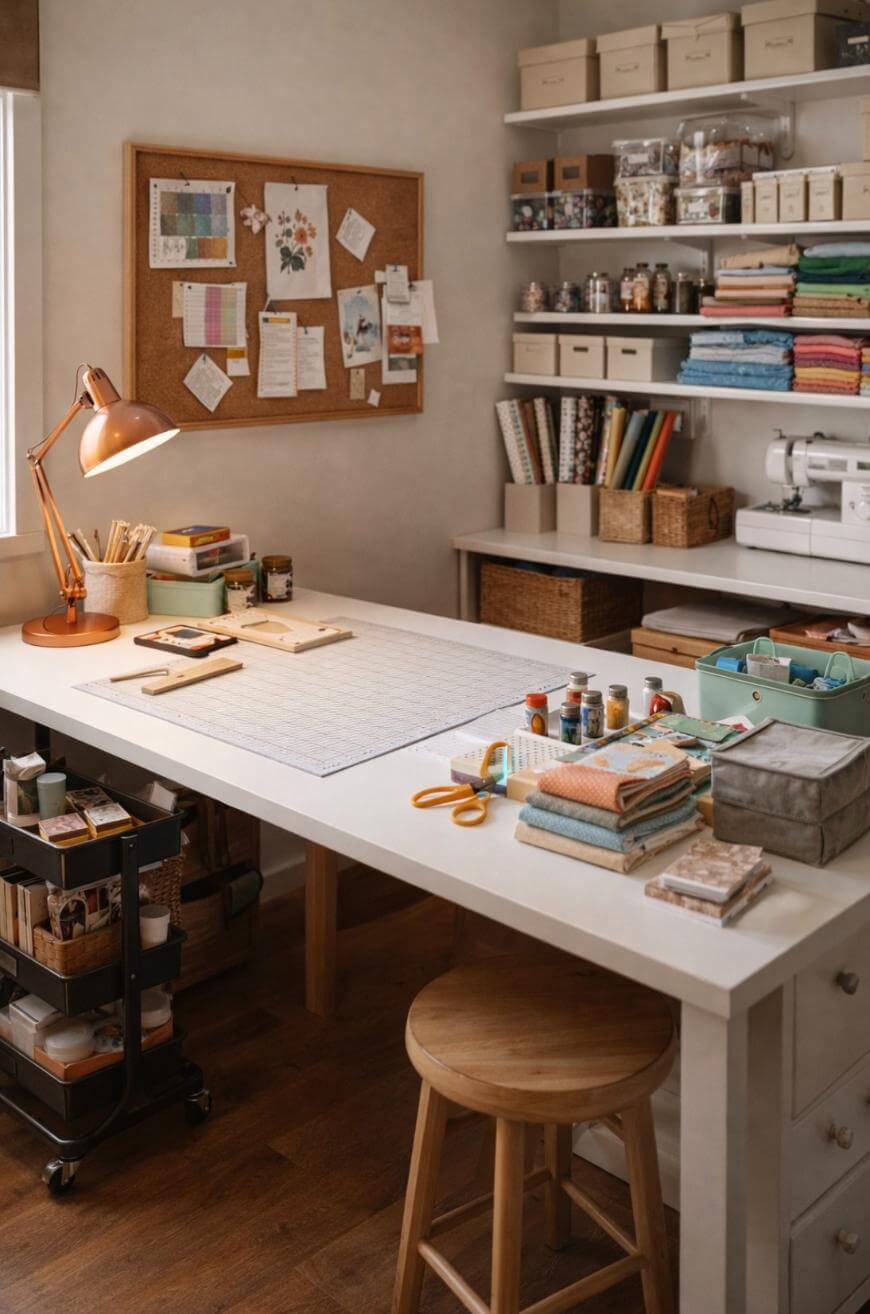
7. Design A Craft Room With Containment
Crafting gets messy fast, so the win is having a system that contains supplies and projects.
Choose one large work surface you can wipe clean and one rolling cart so supplies can move with you.
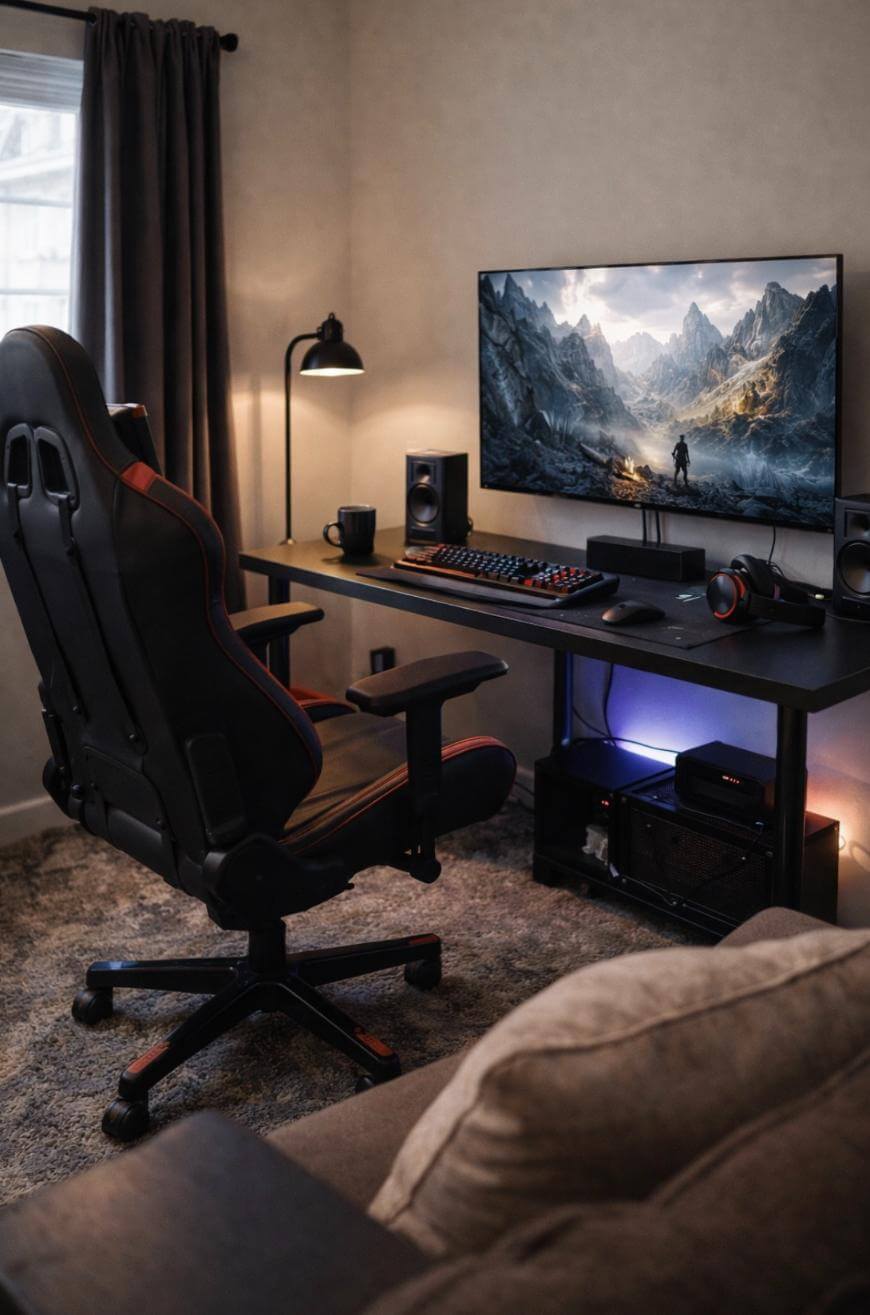
8. Create A Gaming Room With Comfortable Sightlines
A good gaming setup is about ergonomics, cable control, and sound, not just gear.
Mount the TV or place the monitor so the center is roughly at eye level when seated, and route cables into one power hub.
9. Make A Music Room With Simple Sound Control
If you play instruments, a bonus room can protect the rest of the house from noise and clutter.
Add a thick rug, curtains, and one bookshelf to reduce echo without spending much.
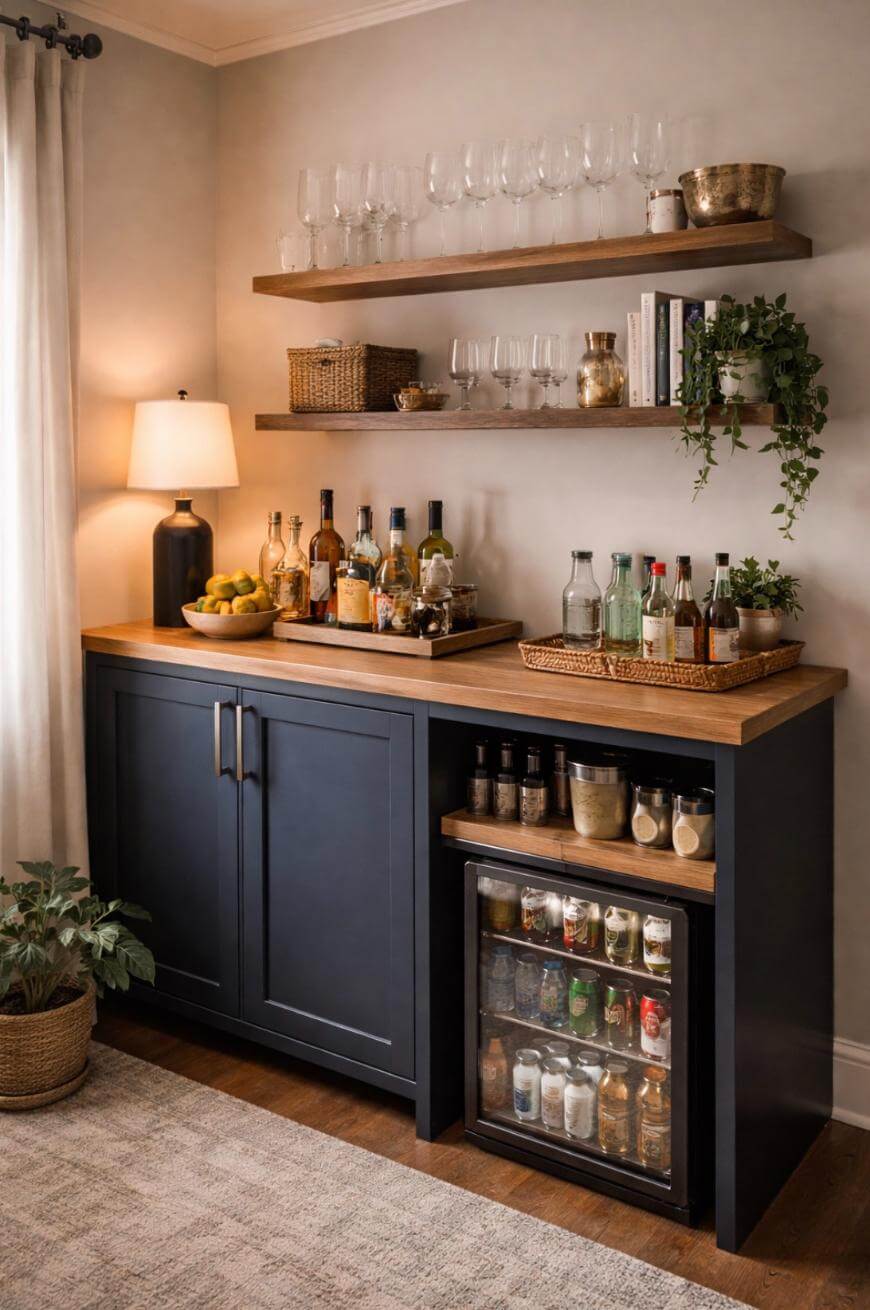
10. Set Up A Home Bar And Mocktail Corner
A bar zone makes entertaining easier and gives the room a clear “purpose,” even if you don’t drink alcohol.
A compact cabinet plus a mini-fridge or cooler drawer keeps it functional, and you can do a full setup for $200–$700 depending on furniture.
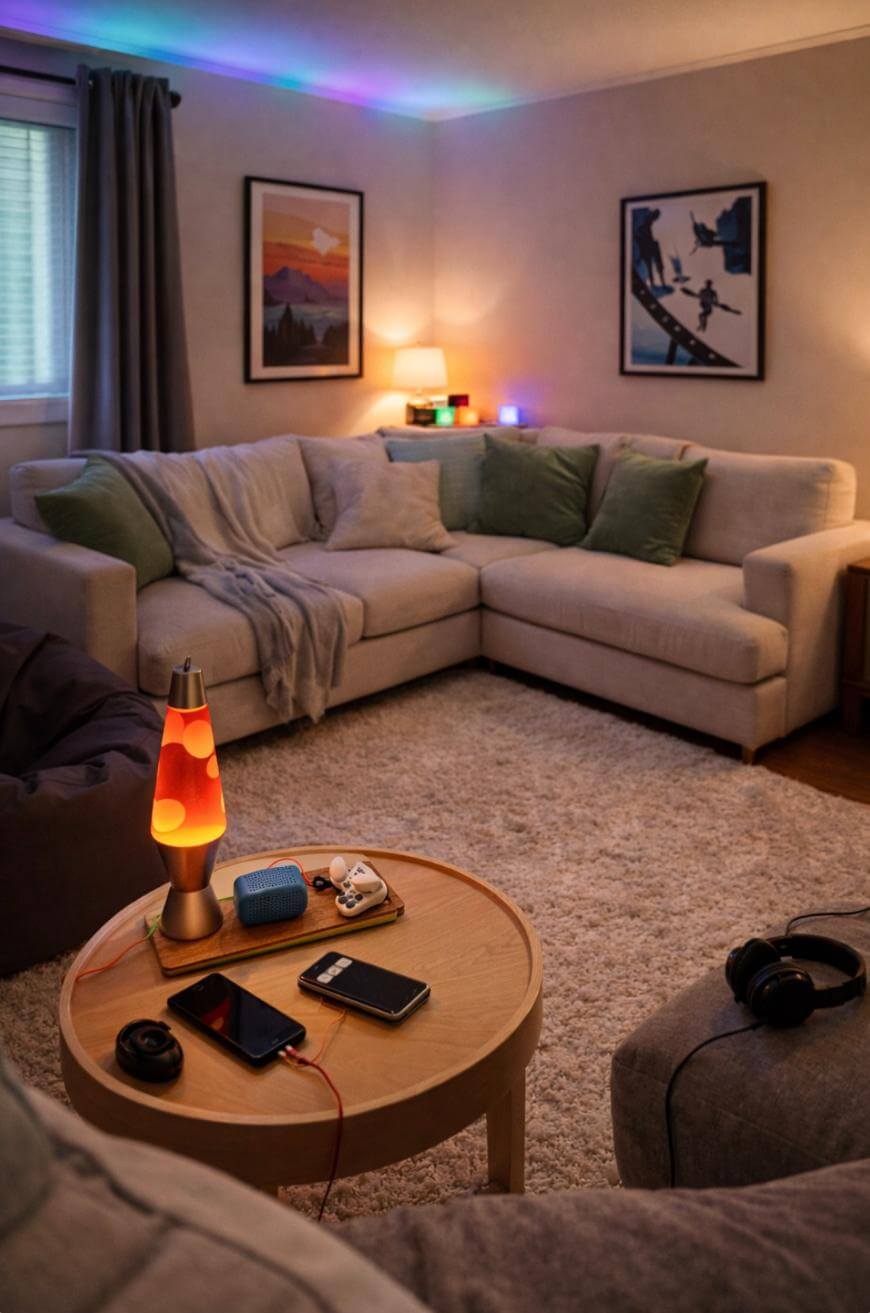
11. Build A Cozy Teen Hangout Space
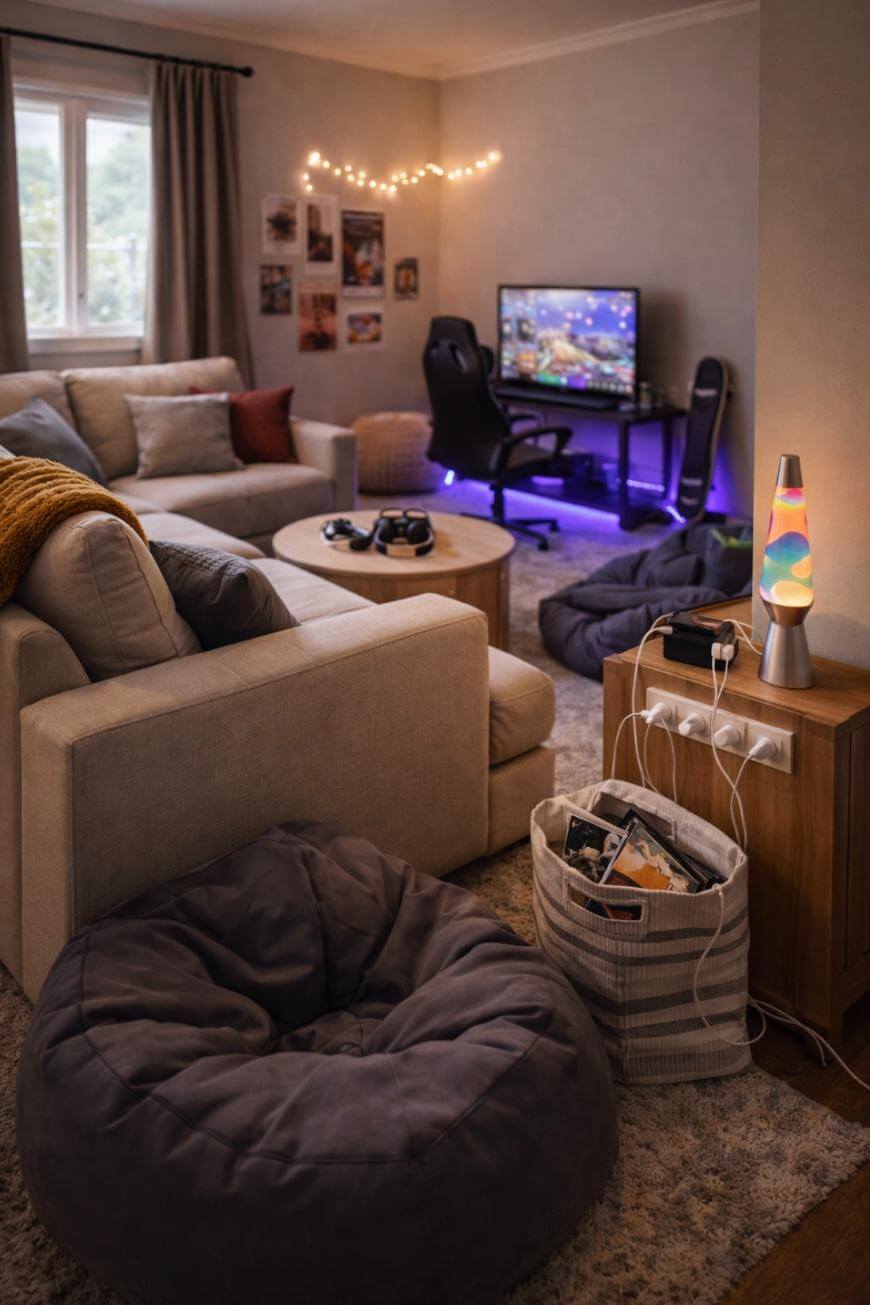
Teens want comfort, charging, and a place that feels like theirs without taking over the living room.
Add a sectional or modular seating, a soft rug, and a charging station with at least 4 outlets.

12. Create A Minimalist Meditation Or Yoga Room
This works best when the room stays visually calm and you keep the “stuff” nearly invisible.
Start with one mat, one basket for props, and a dimmable lamp so the room doesn’t become storage by accident.
13. Turn It Into A Mini Library With Display Shelving
If you love books, this is one of the easiest bonus room upgrades that looks expensive.
Use tall shelves, group books by color or genre, and leave 15–20% empty space so it doesn’t feel cramped.
14. Make A Laundry Folding And Sorting Zone
If your main laundry area is tight, a bonus room can make laundry less annoying.
Add a wide folding table and two hampers (lights/darks) so you can batch tasks and finish faster.
15. Create A Dedicated Puzzle And Board Game Room
A puzzle table is a surprisingly strong “use it daily” upgrade, especially in winter.
Choose a table height that’s comfortable for long sits, and store games vertically so you can see what you own.
16. Set Up A Home Classroom Or Homework Lab
This is perfect if you want homework to happen somewhere other than the kitchen table.
Use one long desk for multiple kids, or two separate stations, and keep supplies in one caddy per person.
17. Build A Walk-In Storage And Organization Room
If your home lacks closets, turning a bonus room into organized storage can feel like adding square footage.
Install sturdy shelving and keep aisles at least 30 inches wide so you can actually access everything.
18. Create A Pet Room With Wash Station And Storage
A pet zone keeps food, leashes, toys, and grooming tools from creeping into every room.
If plumbing isn’t possible, a waterproof mat, a lidded bin, and wall hooks still create a clean, contained setup.
19. Make A Sunlight Studio For Content Or Photos
If you shoot content, good natural light is the cheapest “gear” you’ll ever buy.
Put your shooting spot near the brightest window, add a plain backdrop, and keep props in one closed cabinet.
20. Turn It Into A Second Living Room For Adults
If your main living room gets dominated by family life, this becomes the calm space for you.
Keep the palette neutral and add one “treat” piece like a statement chair or a nicer coffee table to set the vibe.
21. Add A Murphy Bed For A True Flex Room
A Murphy bed lets the space function as an office or gym while still being a real guest room.
Plan for clear floor space of roughly 7–8 feet in front of the bed so it can open comfortably.
22. Create A Small Home Theater With Better Sound
You can improve a basic TV room by focusing on sound and light control first.
A soundbar plus a thick rug and curtains can feel like a major upgrade for $250–$900.
23. Build A Mini Apartment Feel With A Snack Station
If you want the room to be a hangout destination, give people a reason to stay.
A small cabinet with snacks, cups, and a water dispenser makes it self-contained and reduces kitchen traffic.
24. Make A “Seasonal Swap” Room For Rotating Decor
This is a smart idea if your closets overflow with holiday items, bulky coats, or extra bedding.
Use clear bins, label by season, and keep one staging table so you can swap items in one session.
How To Choose The Right Bonus Room Setup
25. Pick One Primary Function And One Secondary Function
A bonus room works best when it has a clear “main job” plus one supporting role.
For example, “office first, guest room second” is easier to maintain than trying to do four things equally. It’ll help you plan out the essentials while still creating a room you like and actually use. Whether this means needing a boiler installation or just a few aesthetic changes, knowing the primary and secondary functions is a great first step.
26. Start With A Simple Floor Plan Before Buying Anything
Measure the room and sketch where the biggest pieces go so you don’t buy furniture that fights the space.
A good baseline is to keep 30–36 inches of walkway around high-traffic paths.
27. Use Closed Storage To Keep The Room Feeling Calm
Open shelves are pretty, but closed storage is what keeps the room looking finished day to day.
If you do open shelves, limit them to one wall and keep the rest closed so visual clutter stays low.
28. Choose Lighting In Layers
One overhead light alone usually makes a bonus room feel flat or harsh.
Aim for 2–3 light sources total: overhead, a lamp, and a task light where you work or read.
29. Prioritize Comfort With One “Anchor” Piece
Every great bonus room has one anchor that defines how you’ll use it.
That could be a sofa, a desk, or a daybed, but pick the best one you can afford and build around it.
Mistakes To Avoid With Bonus Rooms
30. Don’t Turn It Into A Catch-All Storage Dump
If you don’t give the room a job, it becomes a random pile of leftovers from the rest of the house.
If you must store things there, store only what supports the room’s main function.
31. Don’t Overbuy Furniture Too Fast
A bonus room is the easiest place to buy “almost right” pieces that never feel finished.
Live with the layout for 7–14 days before purchasing anything bigger than a side table.
32. Don’t Ignore Sound If The Room Is Over A Garage
Bonus rooms over garages often feel louder, colder, and echo-y than you expect.
A thick rug pad, weatherstripping, and curtains are small changes that can make a big difference.
Key Takeaways
Choose 1 primary function first, then add 1 secondary use that doesn’t add clutter.
Keep walkways about 30–36 inches wide for an easy layout.
Use closed storage to make cleanup fast and the room feel finished.
Layer lighting with 2–3 sources instead of relying on one overhead light.
Buy the anchor piece first, then build the rest of the room around it.
Wait 7–14 days before committing to big furniture purchases.
FAQ
Can you make a bonus room serve two purposes without it feeling messy?
Yes, you can if you choose one primary use and keep the secondary use contained. Use closed storage and furniture that can fold, roll, or tuck away.
What’s the cheapest way to make a bonus room feel finished?
The cheapest upgrade is a large rug plus two lamps. A $150–$400 combo often changes the entire feel more than new furniture.
How do you set up a bonus room over a garage so it’s comfortable?
You should focus on temperature and sound first. Add a thick rug pad, curtains, and weatherstripping, then consider insulation upgrades if it still feels uncomfortable.
Is a Murphy bed worth it for a bonus room?
Yes, if you need a real guest bed but want the room usable daily. It’s especially worth it when the room also needs to function as an office or gym.