Last updated: June 28, 2026
This butternut squash pasta sauce recipe delivers a silky, naturally sweet sauce that coats every strand of pasta beautifully — see the recipe card below for exact measurements and step-by-step instructions.
It uses just one pan, comes together in under 45 minutes, and works equally well on a busy Tuesday or a slow Sunday when you want something that tastes like you spent all afternoon in the kitchen.
What You Need to Make Butternut Squash Pasta Sauce
The Squash
Butternut squash is the backbone of this sauce. A medium squash weighing around two pounds yields enough sauce for four generous servings of pasta.
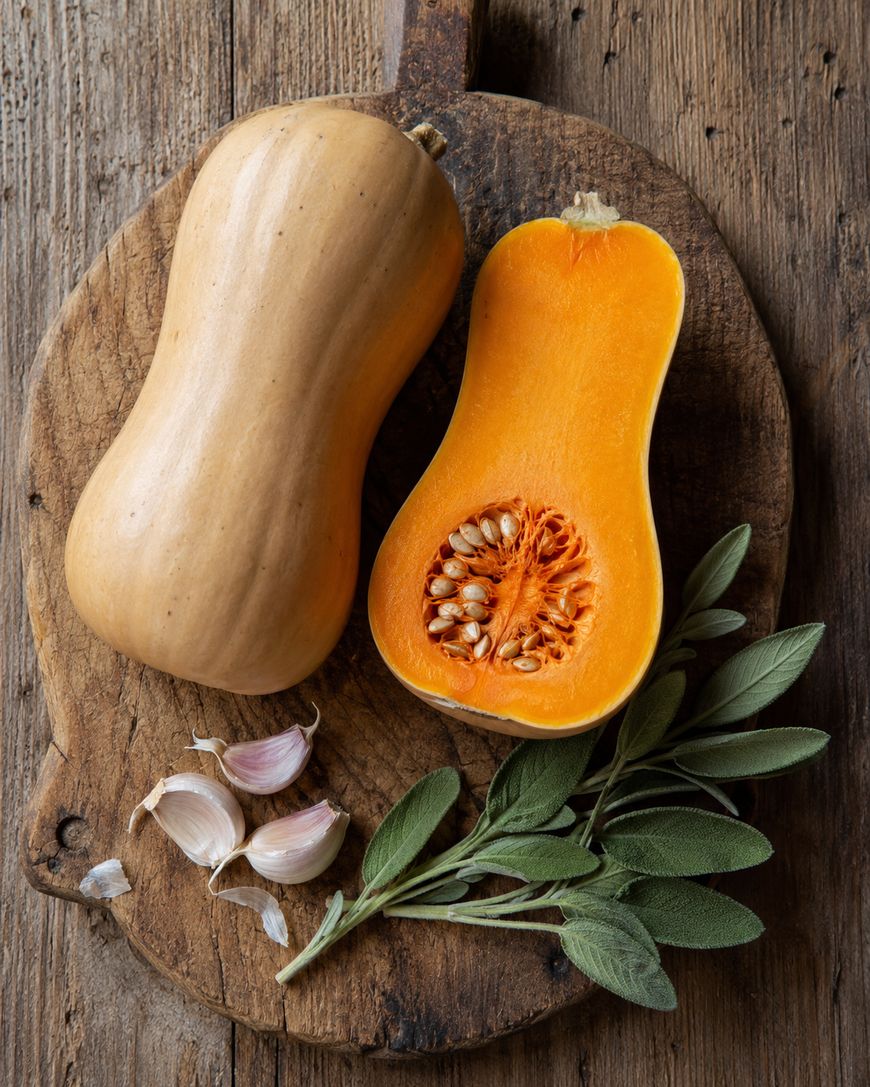
Pre-cut cubes from brands like Mann’s or Trader Joe’s work perfectly here and cut prep time significantly. Fresh squash from farmers markets or grocery produce sections delivers a slightly deeper flavor, especially in fall when the squash is fully cured.
Aromatics and Supporting Ingredients
A yellow onion and four garlic cloves form the aromatic base. These get softened in olive oil before the squash goes in, building a savory foundation that balances the natural sweetness of the squash.
Vegetable broth is the liquid component — use a quality broth like Swanson or Pacific Foods because it becomes part of the finished sauce. A quarter cup of heavy cream stirred in at the end creates a luscious, restaurant-style texture without making the sauce feel heavy.
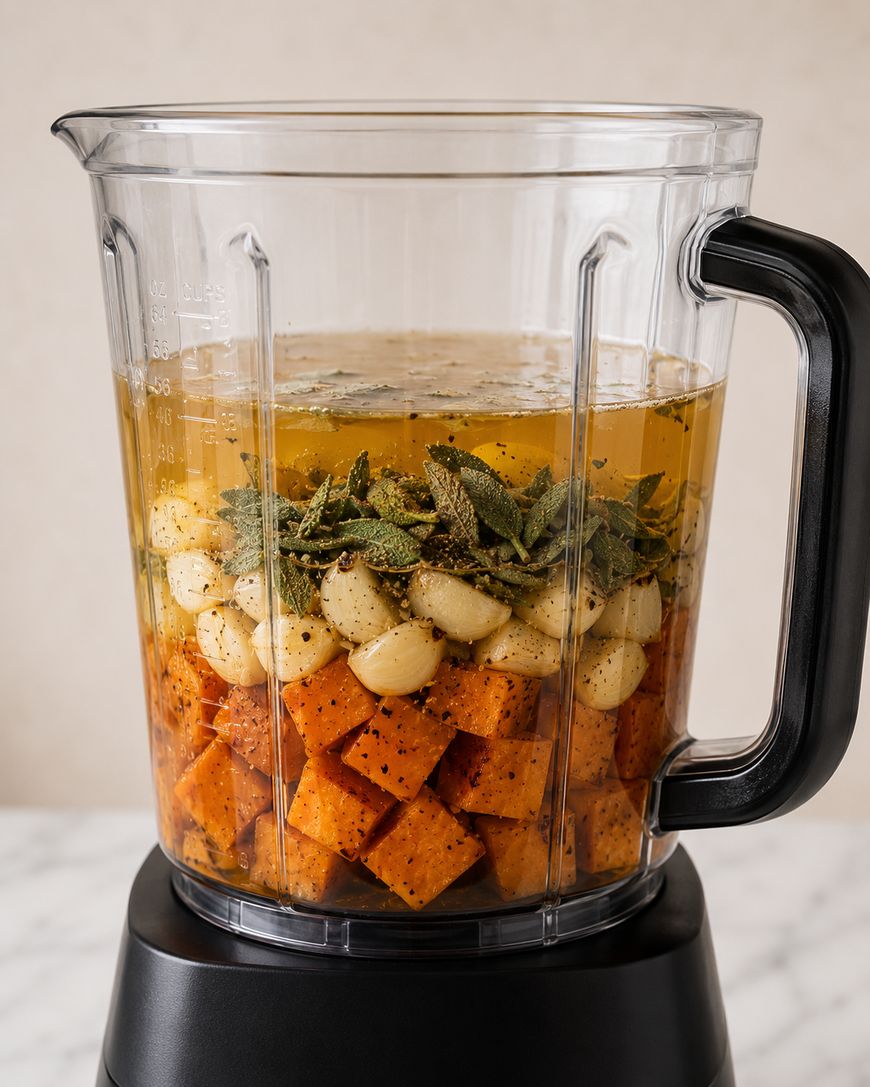
Seasoning
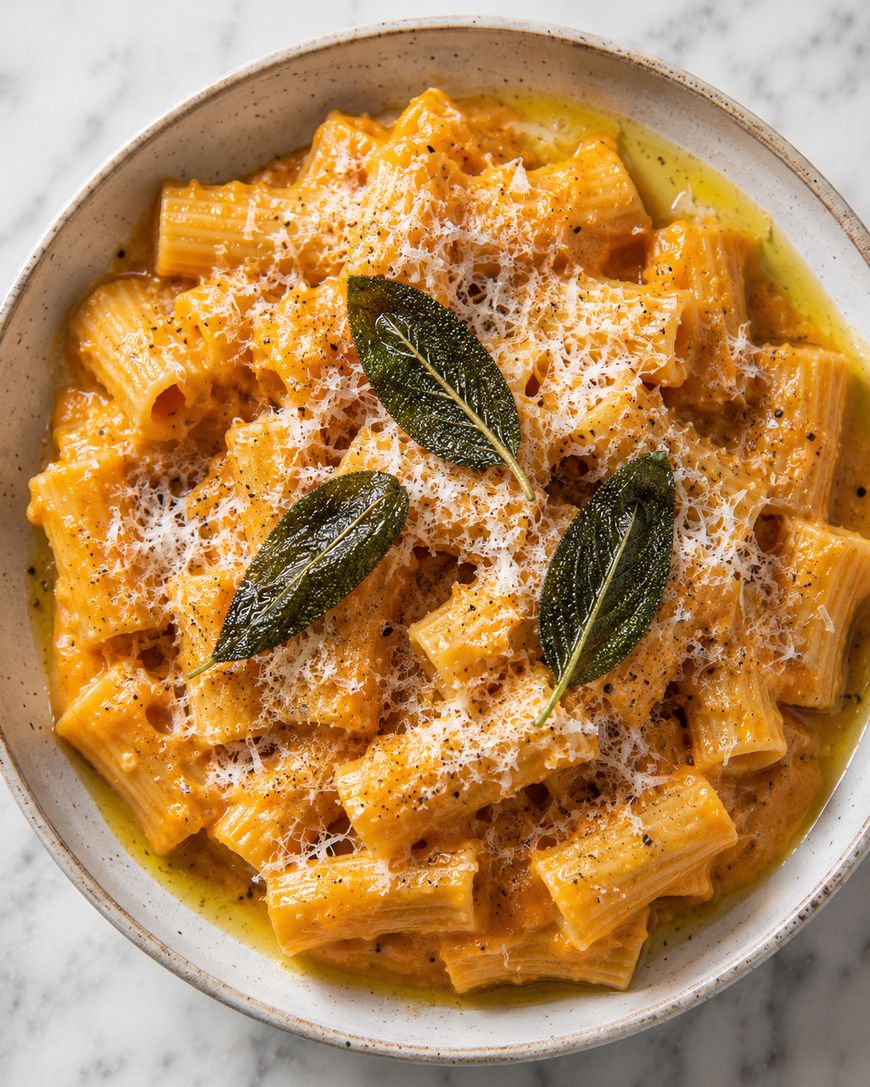
Fresh sage is the classic pairing for butternut squash, and for good reason. Six to eight leaves fried briefly in olive oil until crisp make a gorgeous garnish and infuse the oil with a nutty, earthy depth that carries through the whole dish.
Nutmeg, salt, white pepper, and a pinch of cayenne are all the sauce needs. The cayenne is subtle but essential — it lifts the sweetness and keeps the sauce from tasting flat.
How to Make Butternut Squash Pasta Sauce
Roast or Saute — Choosing Your Method
This recipe uses a stovetop saute method for speed, but roasting is an excellent alternative if you have the time. Roasting at 400 degrees Fahrenheit for 25 to 30 minutes concentrates the sugars and adds a caramelized depth that makes the sauce taste more complex.
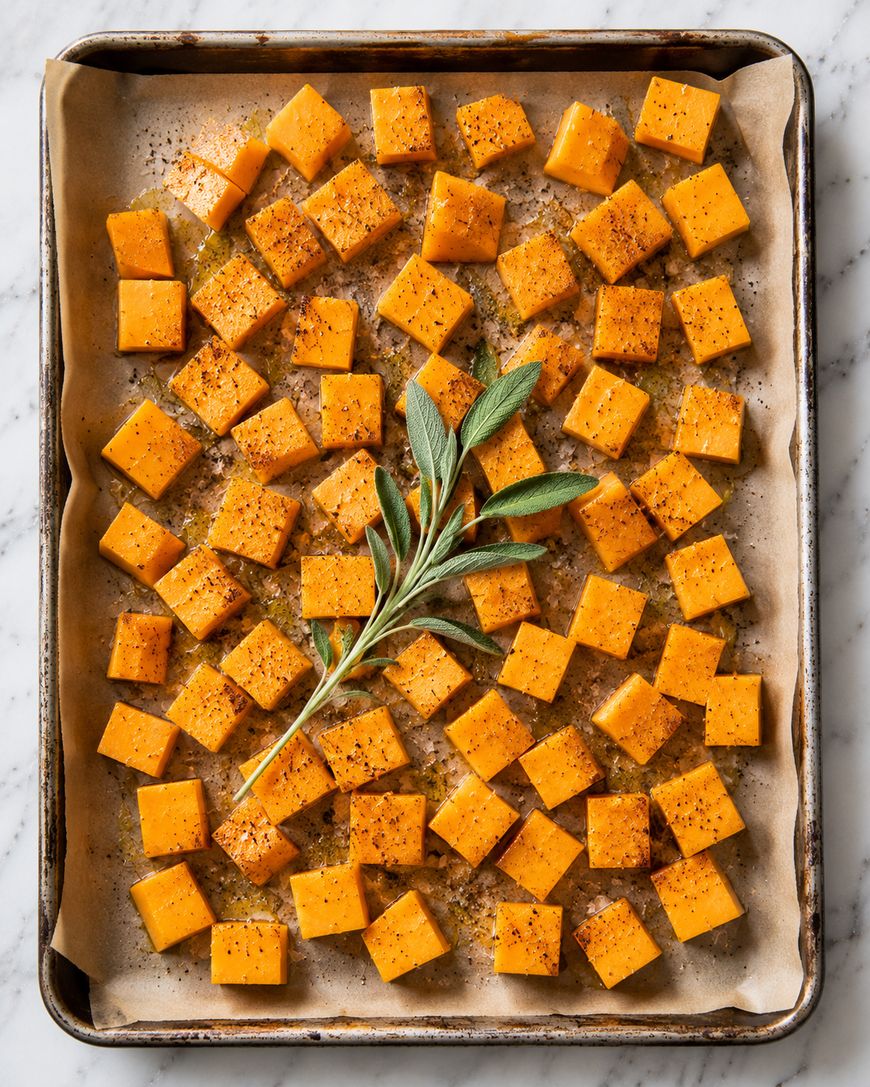
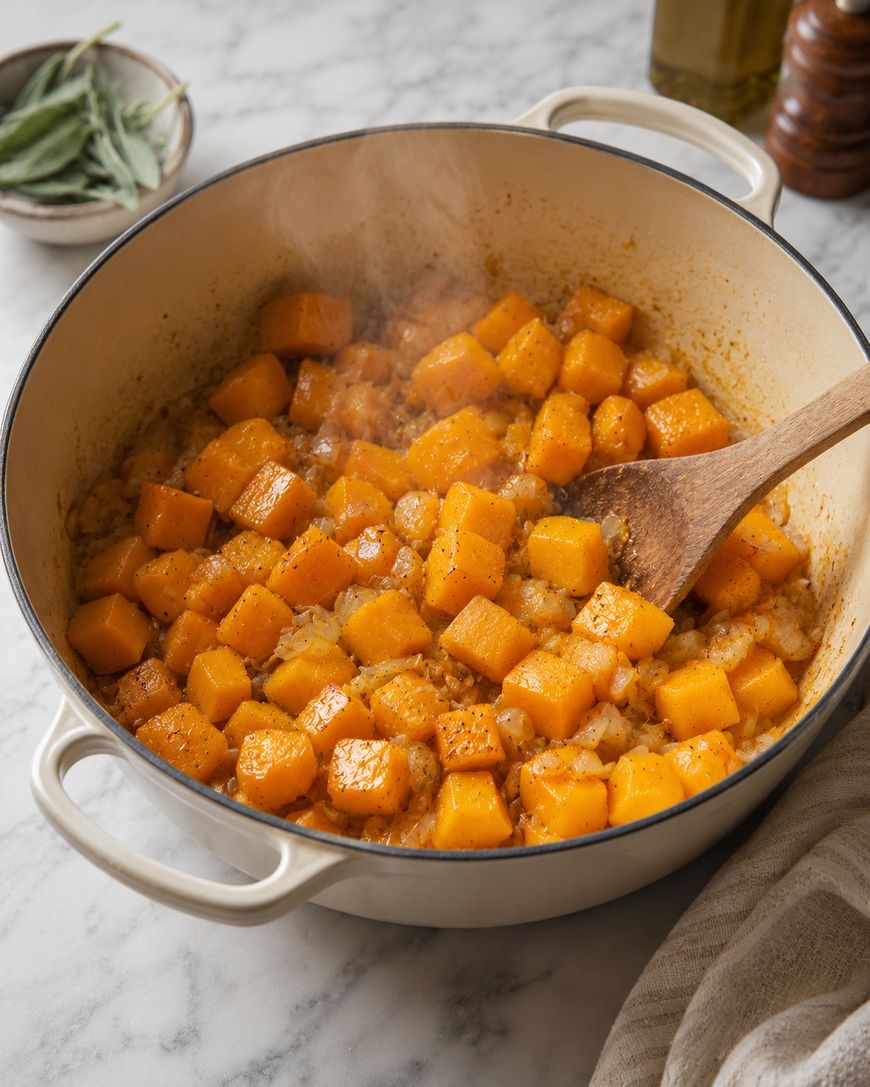
For the stovetop method, heat two tablespoons of olive oil in a large, heavy-bottomed pan — a Dutch oven or a 12-inch skillet both work well. Add the diced onion and cook over medium heat for five minutes until softened and translucent.
Building the Sauce
Add the garlic and cook for one more minute until fragrant. Add the butternut squash cubes and stir to coat them in the oil.
Pour in two cups of vegetable broth and bring the mixture to a gentle boil. Reduce to a simmer, cover, and cook for 15 to 18 minutes until the squash is completely tender and a fork slides in with no resistance.
Blending to a Smooth Sauce
Transfer the cooked squash and all the liquid to a high-powered blender like a Vitamix or Blendtec. Alternatively, use an immersion blender directly in the pan.
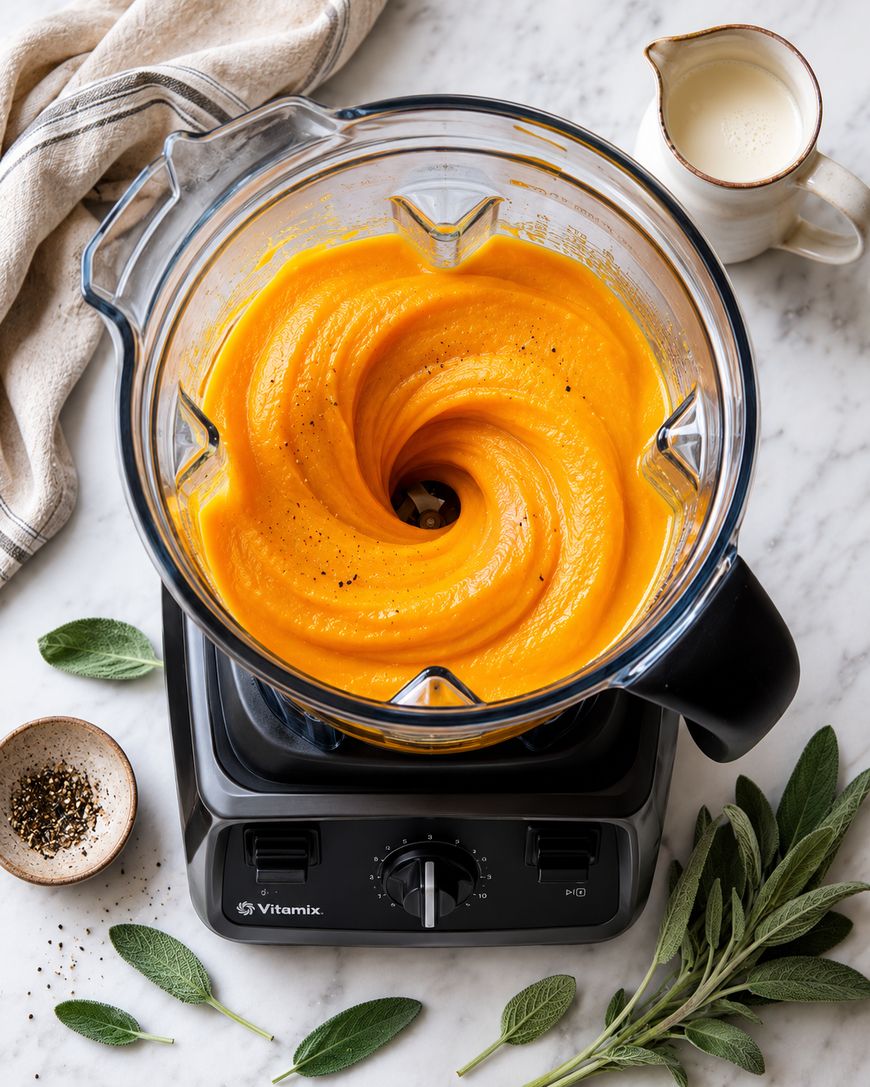
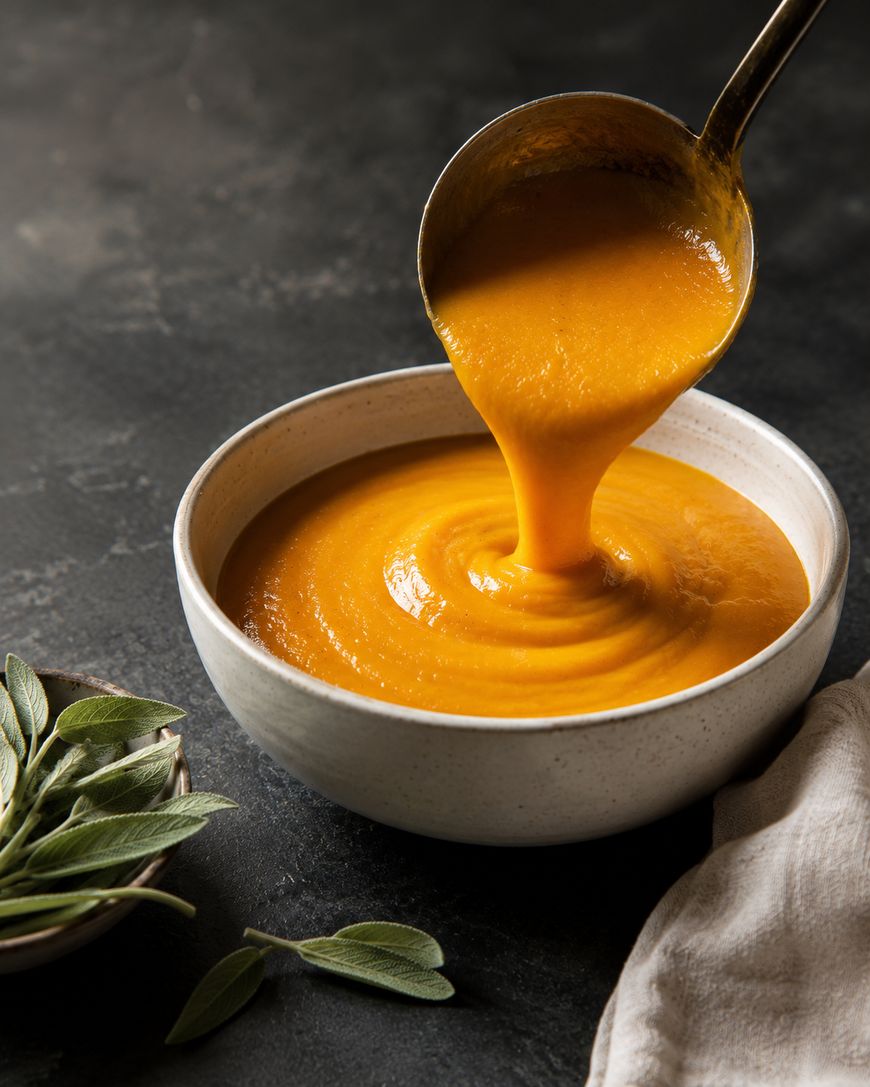
Add the heavy cream, a quarter teaspoon of freshly grated nutmeg, half a teaspoon of white pepper, and one teaspoon of salt. Blend on high for 60 to 90 seconds until the sauce is completely smooth with a velvety, pourable consistency.
Taste and adjust seasoning. If the sauce feels too thick, add a splash of pasta cooking water or extra broth. If it tastes too sweet, a small squeeze of lemon juice sharpens the flavor instantly.
Finishing the Sauce
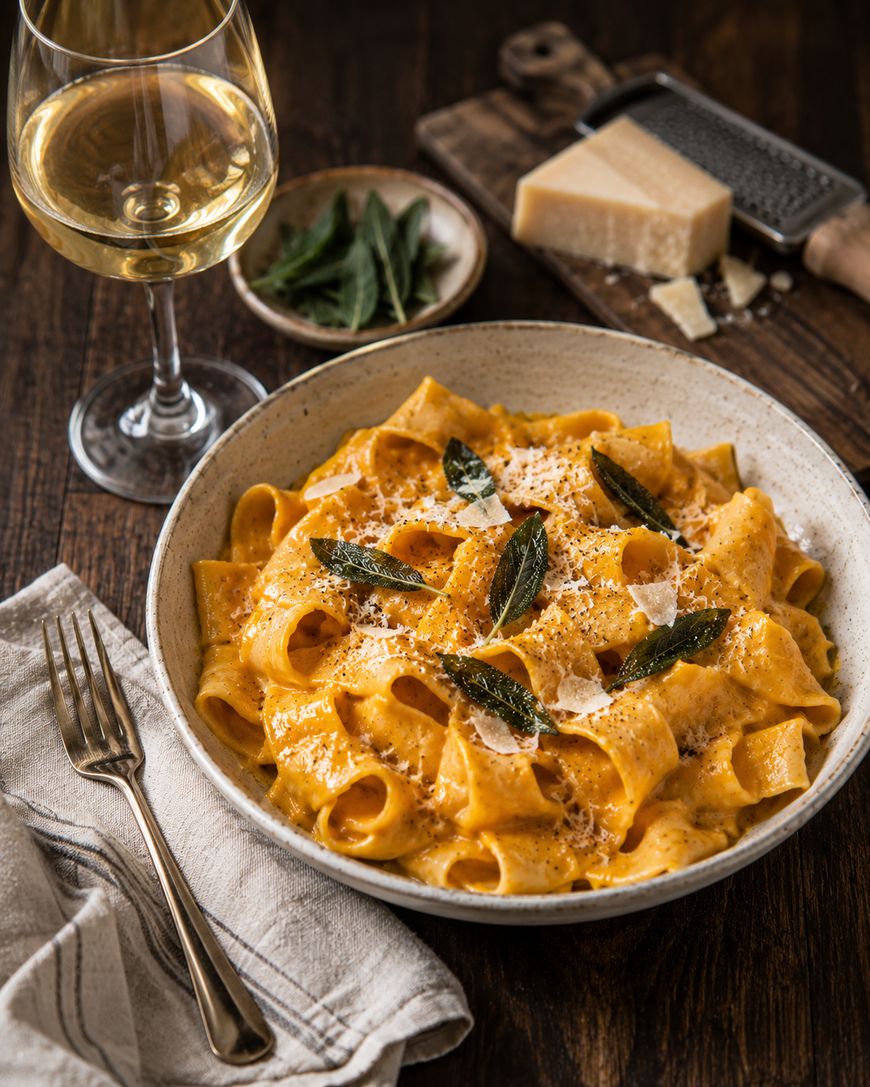
Return the blended sauce to the pan over low heat. Toss in your cooked pasta — rigatoni, pappardelle, and orecchiette all cling to this sauce exceptionally well — and use tongs to coat every piece.
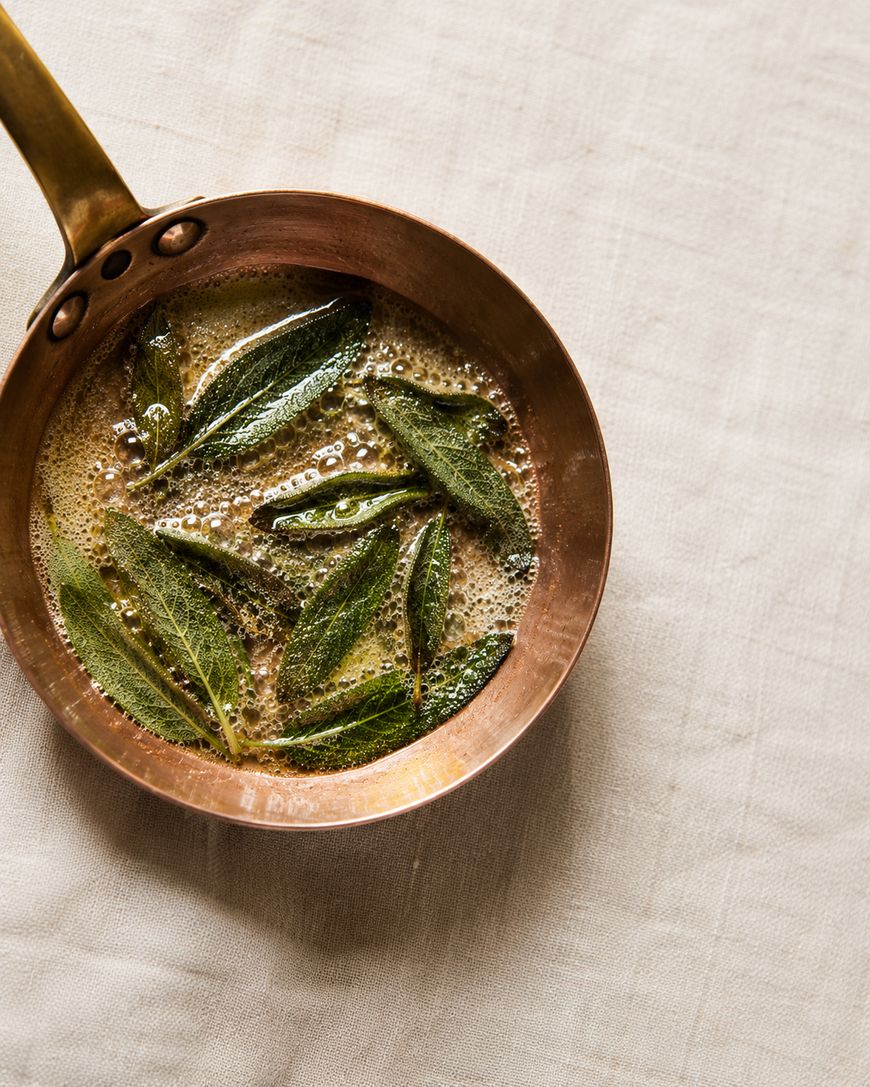
Fry the fresh sage leaves in a separate small pan with a tablespoon of butter until crisp, about 30 seconds per side. Scatter them over the plated pasta along with freshly grated Parmigiano-Reggiano and a drizzle of good olive oil.
Variations and Substitutions
Making It Vegan
Replace the heavy cream with full-fat coconut cream from a brand like Thai Kitchen or Aroy-D. The coconut flavor is subtle once blended with the squash and seasonings, and the sauce stays just as silky.
Parmigiano-Reggiano can be swapped for nutritional yeast stirred directly into the sauce, or use a high-quality vegan parmesan like Violife. Skip the butter for frying the sage and use olive oil instead.
Protein Add-Ins
Italian sausage, crumbled and browned before the onion goes in, makes this a heartier meal. The fennel and pepper in the sausage complement the squash beautifully.
Pan-seared chicken thighs sliced over the top work equally well, as does stirring in a can of white cannellini beans for a plant-based protein boost that thickens the sauce slightly.
Squash Alternatives
Kabocha squash makes an excellent substitute and produces an even richer, slightly nuttier sauce. Acorn squash works too but yields a thinner sauce that may need an extra tablespoon of cream to reach the right consistency.
Canned butternut squash puree from brands like Farmer’s Market Foods is a genuine shortcut when fresh squash is not available. Use one 15-ounce can and skip the sauteing and blending steps entirely — just whisk the puree directly into the sauteed aromatics with the broth and cream.
Storage and Reheating
Refrigerating Leftovers
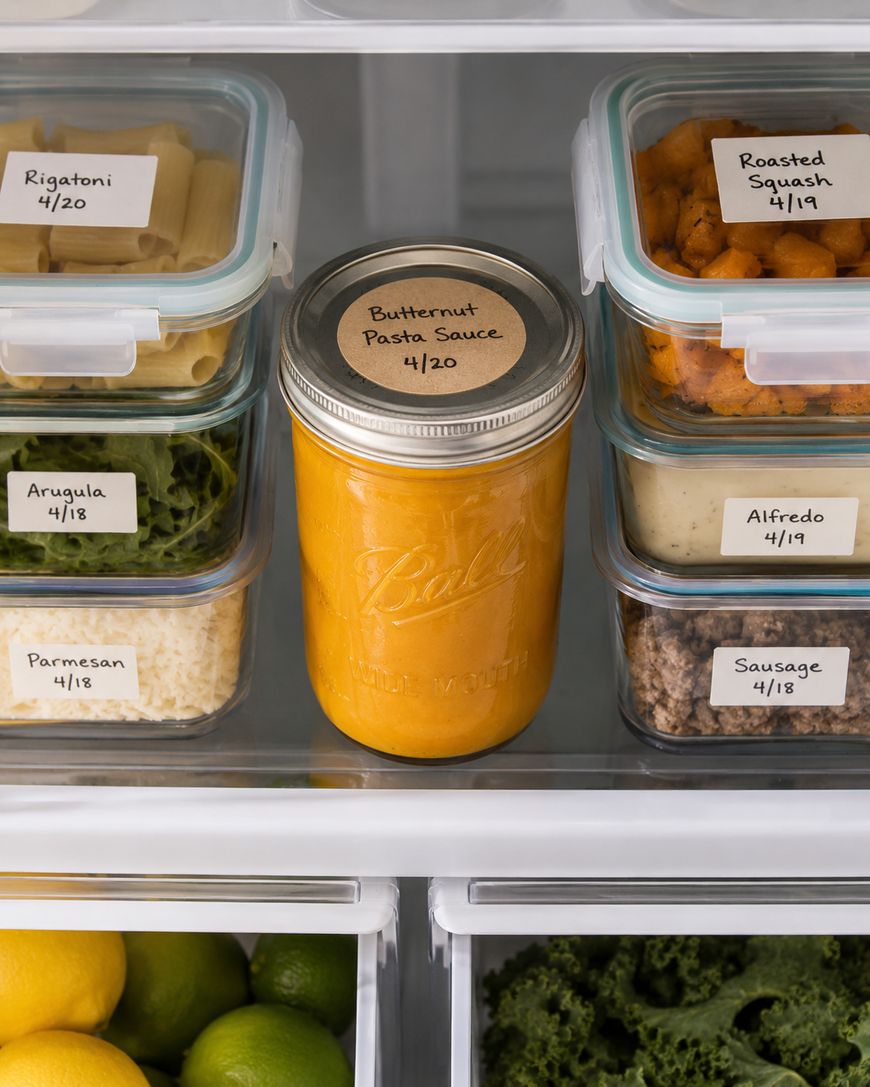
This butternut squash pasta sauce stores well in an airtight container in the refrigerator for up to four days. Store the sauce separately from the pasta if possible — pasta absorbs the sauce as it sits and can become mushy.
Reheat the sauce in a small saucepan over low heat, adding a splash of water or broth to loosen it. Stir frequently to prevent the bottom from scorching.
Freezing the Sauce
The sauce freezes exceptionally well for up to three months. Portion it into freezer-safe containers or silicone ice cube trays for convenient single-serving portions.
Thaw overnight in the refrigerator and reheat gently on the stovetop. The texture remains smooth and creamy after freezing, which makes this an ideal candidate for batch cooking on weekends.
Serving Suggestions
Pasta Pairings
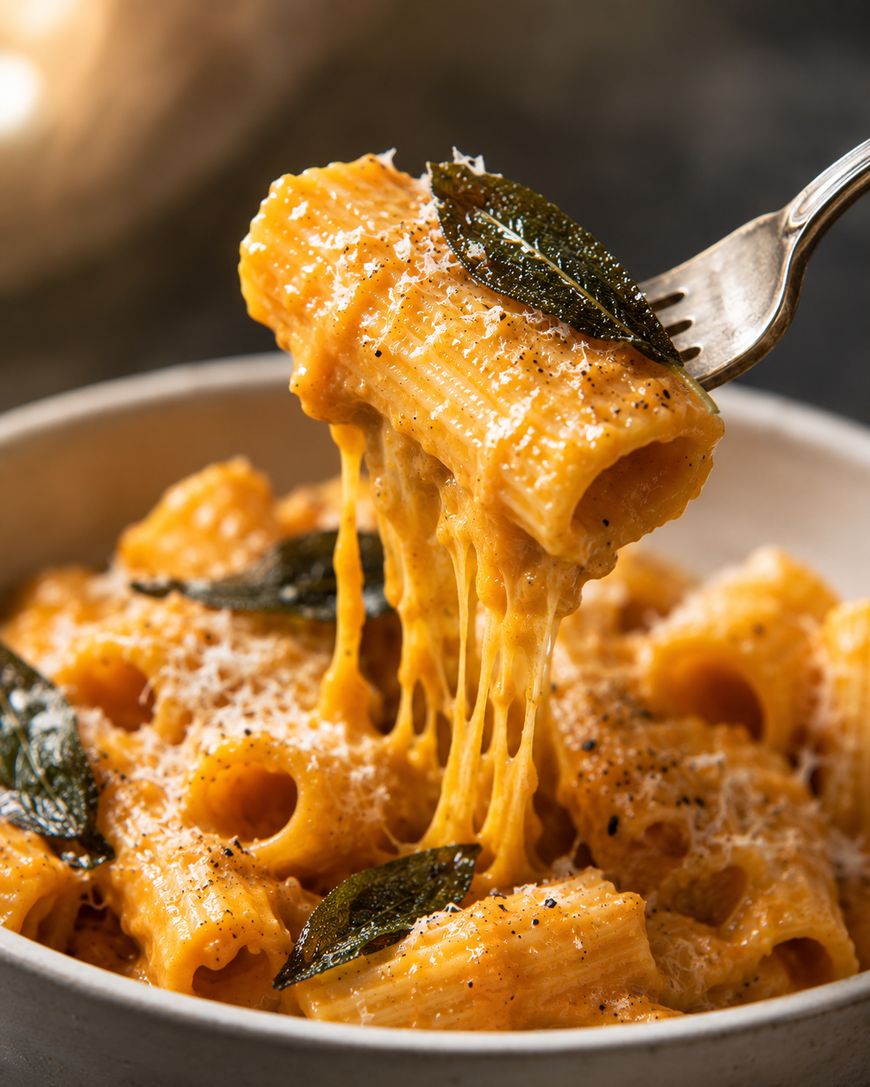
Rigatoni is the top recommendation because its ridges and hollow center trap the sauce inside and out. Pappardelle, the wide, flat ribbon pasta from Emilia-Romagna, is the choice for a more elegant plated presentation.
Whole wheat or chickpea pasta from brands like Banza pairs particularly well with this sauce. The slightly nutty flavor of legume-based pasta echoes the earthy notes in the sage and squash.
Beyond Pasta
This sauce doubles as a stunning pizza base — spread it over a thin crust in place of tomato sauce and top with mozzarella, crispy pancetta, and arugula after baking. It works beautifully as a dipping sauce for bread or crostini at dinner parties.
Serve it as a side dish sauce alongside roasted pork tenderloin or pan-seared salmon for a dinner that feels restaurant-worthy with minimal effort.
The History Behind Butternut Squash Pasta
Pasta with squash is a classic of northern Italian cucina povera, particularly in the Veneto and Lombardy regions where pumpkin and hard squash have been cultivated since the sixteenth century, when they arrived from the Americas.
Traditional dishes like pasta e zucca from Mantua, a city in Lombardy, pair pasta with a simply seasoned squash puree that forms the base of the sauce seen in this recipe. American butternut squash, developed and named in Massachusetts in the 1940s, adapts seamlessly to these regional Italian preparations because of its high sugar content and consistently smooth flesh.
The recipe card below has everything organized for easy reference — print it out or bookmark it for your next cooking session.
Butternut Squash Pasta Sauce Recipe
A silky, naturally sweet butternut squash pasta sauce made on the stovetop in under 45 minutes. Vegan-adaptable, freezer-friendly, and endlessly versatile.
Ingredients
- 2 tablespoons olive oil
- 1 medium yellow onion, diced
- 4 cloves garlic, minced
- 2 pounds butternut squash, peeled and cubed (about 5 cups)
- 2 cups vegetable broth
- 1/4 cup heavy cream
- 1/4 teaspoon freshly grated nutmeg
- 1/2 teaspoon white pepper
- 1 teaspoon salt, plus more to taste
- Pinch of cayenne pepper
- 12 ounces pasta (rigatoni or pappardelle recommended)
- 8 fresh sage leaves
- 1 tablespoon unsalted butter
- Freshly grated Parmigiano-Reggiano for serving
- Extra virgin olive oil for drizzling
Instructions
- Heat olive oil in a large heavy-bottomed pan or Dutch oven over medium heat. Add the diced onion and cook for 5 minutes until softened and translucent.
- Add the minced garlic and cook for 1 minute until fragrant, stirring constantly to prevent burning.
- Add the butternut squash cubes and stir to coat in the oil and aromatics.
- Pour in the vegetable broth and bring to a gentle boil. Reduce heat to a simmer, cover, and cook for 15 to 18 minutes until the squash is completely tender.
- Cook pasta according to package directions in well-salted water. Reserve 1 cup of pasta cooking water before draining.
- Transfer the cooked squash and all liquid to a blender. Add the heavy cream, nutmeg, white pepper, salt, and cayenne. Blend on high for 60 to 90 seconds until completely smooth.
- Taste and adjust seasoning. If the sauce is too thick, add pasta cooking water a splash at a time. If too sweet, add a small squeeze of lemon juice.
- Return the sauce to the pan over low heat. Add the drained pasta and toss to coat thoroughly.
- In a separate small pan, melt the butter over medium-high heat. Add the sage leaves and fry for 30 seconds per side until crisp. Remove and drain on paper towels.
- Divide the pasta among bowls. Top with fried sage leaves, freshly grated Parmigiano-Reggiano, and a drizzle of olive oil. Serve immediately.
Notes
To make this vegan, substitute the heavy cream with full-fat coconut cream and use olive oil instead of butter for frying the sage. Replace Parmigiano-Reggiano with nutritional yeast or a vegan parmesan alternative.
The sauce can be made up to 2 days ahead and stored in the refrigerator, or frozen for up to 3 months.
Canned butternut squash puree (one 15-ounce can) can be substituted for fresh squash. Skip the squash saute and blending steps and whisk the puree directly into the sauteed aromatics with the broth and cream.
Nutrition Information:
Yield:
4Serving Size:
1 serving (sauce only)Amount Per Serving: Calories: 285Total Fat: 14gSaturated Fat: 5gSodium: 620mgCarbohydrates: 38gFiber: 5gSugar: 8gProtein: 5g
This site provides estimated nutritional information. This information comes from online calculators. Although we try to provide accurate nutritional information, these figures are only estimates.
Frequently Asked Questions
Can this sauce be made ahead of time?
Yes, and it actually improves overnight as the flavors meld together. Make the sauce up to two days before you plan to serve it and store it in an airtight container in the refrigerator. Reheat it gently over low heat with a splash of broth stirred in to restore its original consistency.
What pasta shape works best with butternut squash pasta sauce?
Rigatoni is the best all-around choice because the ridged exterior and hollow tube grab and hold the thick sauce from every angle. Pappardelle and tagliatelle are excellent alternatives for a more elegant presentation. Avoid very thin pastas like angel hair, which get lost under the weight of the sauce.
Can butternut squash pasta sauce be made without cream?
Absolutely. Omit the cream entirely and the sauce is still smooth and flavorful, just slightly less rich. A tablespoon of good olive oil blended in at the end adds back some of the silkiness. Full-fat oat milk from brands like Oatly is another excellent dairy-free option that blends in without adding any detectable flavor.
How do you prevent the sauce from tasting too sweet?
Seasoning is the key. Salt and white pepper must be added generously to counterbalance the natural sugars in the squash. A squeeze of fresh lemon juice at the end sharpens the sauce and cuts through the sweetness immediately. The pinch of cayenne pepper also does important work here — do not skip it.
Is this recipe gluten-free?
The sauce itself is completely gluten-free. To keep the full dish gluten-free, pair it with a certified gluten-free pasta like Barilla’s gluten-free penne or a chickpea-based pasta from Banza. Always check the label on your vegetable broth as some brands add wheat-based thickeners.
Can frozen butternut squash be used?
Yes. Frozen butternut squash from brands like Green Giant or Whole Foods 365 works well in this recipe and eliminates the need for peeling and cubing. Thaw it before cooking or add it directly to the pan frozen — just increase the simmer time by five minutes to ensure it cooks through completely before blending.
Make This Butternut Squash Pasta Sauce Tonight
This butternut squash pasta sauce recipe belongs in the permanent weeknight rotation. It is fast, flexible, naturally gluten-free, easily made vegan, and delivers a depth of flavor that far outpaces the time it takes to make it.
Whether you are feeding picky eaters who balk at vegetables or hosting guests who expect something special, this sauce handles both occasions with ease.