Last updated: November 24, 2026
The changing robe has come a long way from its roots at chilly beaches and poolside changing areas. Once seen as a practical item for surfers, open-water swimmers, and parents wrangling towels after lessons, it has gradually become one of those pieces of kit people find themselves reaching for far more often than expected.
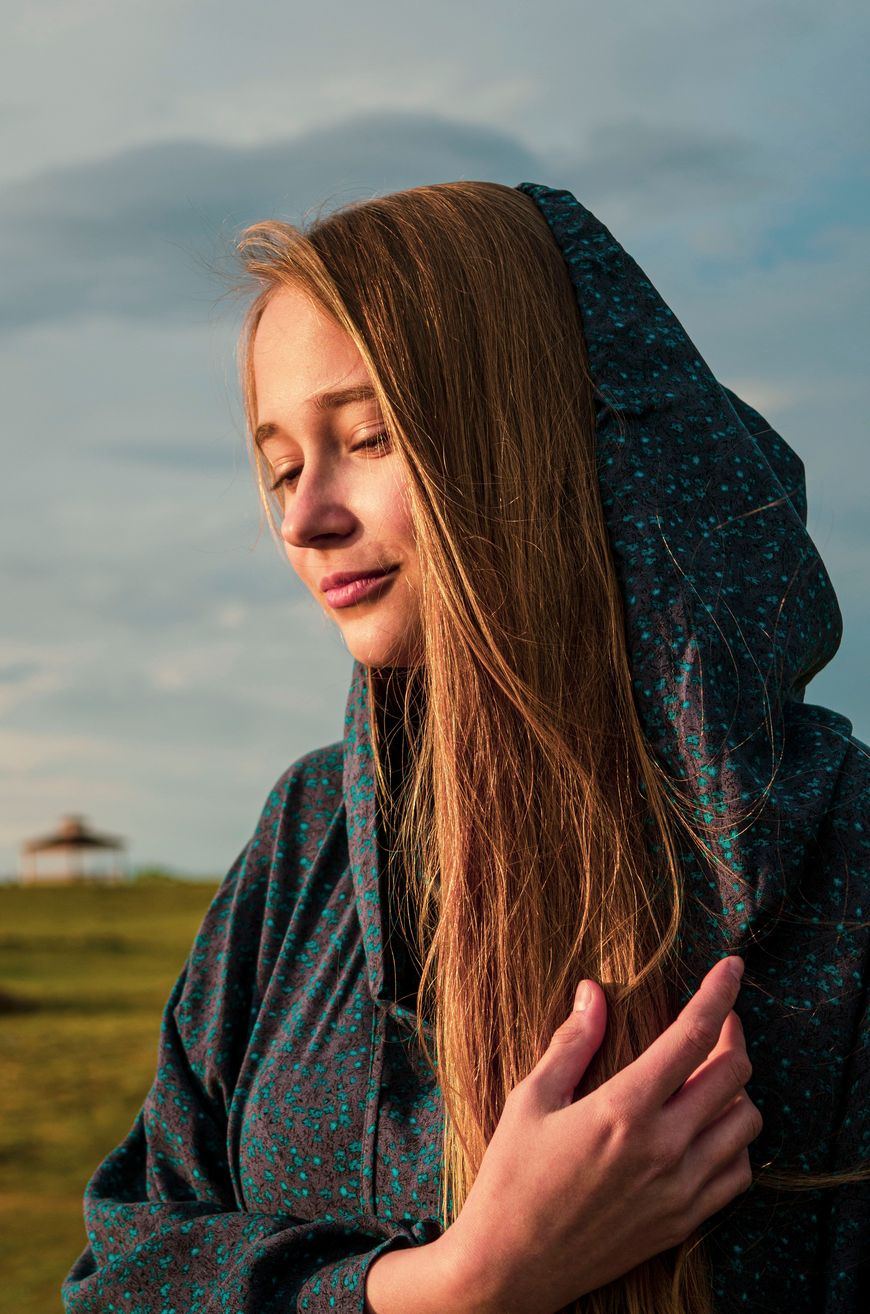
That shift makes sense. Modern routines blur the line between outdoor exercise, commuting, errands, family time, and weekend escapes. We want clothing that can cope with damp hair, muddy shoes, sudden rain, and the awkward period between finishing an activity and getting properly changed. A good changing robe answers those small but persistent problems without demanding much thought.
Its core purpose remains simple: warmth, privacy, and protection from the elements. Yet the most useful gear is rarely confined to one setting. The same robe that makes a winter sea swim more manageable can also earn its place in the car, by the front door, or in a weekend bag.
Beyond the Beach: Why Changing Robes Have Become Everyday Kit
The appeal is partly about convenience. Traditional towels are fine when conditions are warm and changing rooms are nearby. They become less helpful when you are parked at the edge of a trail, standing in a windswept car park, or trying to get a child out of wet football clothes before the drive home.
A changing robe creates a small, wearable shelter. Its generous shape allows you to change without the familiar towel-balancing act, while insulation and weather-resistant materials help reduce the sudden chill that follows cold water or strenuous exercise. For anyone who spends time outdoors year-round, that combination is more than a luxury; it can make an activity easier to continue enjoying.
There is also a psychological element. Finishing a run in the rain or stepping out of an icy lake can leave you feeling exposed and uncomfortable. Pulling on something warm and dry marks a transition: the hard part is over, and recovery has begun.
The importance of choosing for real life
The best robe is not necessarily the thickest or most technical-looking option. It is the one that suits how you actually spend your time. Someone who swims before work may prioritise quick drying and easy storage. A parent at weekend sporting fixtures may care more about warmth, durable fabric, and pockets. A camper may need a layer that handles changing weather and repeated use.
When comparing options such as the robes available from Delta Roam, it is worth looking beyond colour and silhouette. Consider the climate you use it in, whether you will be changing underneath it, how often it will live in the car, and whether it needs to work over bulky layers. Those everyday details determine whether a robe becomes an occasional purchase or a reliable part of your routine.
The Cold-Water Companion
Cold-water swimming has moved steadily into the mainstream, with more people seeking out lakes, rivers, and coastal spots for exercise, community, or the clear-headed feeling that follows a brisk dip. But the minutes after leaving the water matter just as much as the swim itself.
Body temperature can continue to drop after immersion, particularly in cold or windy conditions. The practical response is straightforward: dry off, get warm layers on, and avoid lingering in wet clothing. A changing robe makes that sequence simpler, especially where there is no changing hut nearby.
A smoother post-swim routine
A robe is particularly useful when it supports a consistent routine:
- Keep dry clothes, warm socks, and a hot drink ready before getting in.
- Put the robe on immediately after towelling off.
- Change out of swimwear promptly rather than driving home damp.
- Choose a robe with enough room to layer over a sweatshirt or fleece on colder days.
The same approach applies to paddleboarding, kayaking, and sailing. Even in mild weather, wind and damp clothing can make post-session comfort disappear quickly. Having one dependable outer layer reduces the temptation to rush, skip recovery, or sit shivering in the car.
The Unsung Hero of Sports Sidelines
Anyone who has spent a Saturday morning watching youth football, rugby, hockey, or rowing knows the reality: the weather often turns long before the final whistle. Spectators are stationary, which means they feel cold faster than the people playing.
A changing robe is useful here not because anyone needs to change, but because it functions as a portable layer of protection. Long length helps shield legs from wind, a hood is useful during sudden showers, and roomy pockets can keep hands warm between cheers. It is also less fussy than managing multiple blankets and jackets when you are carrying snacks, water bottles, and spare kit.
For athletes, it can be equally practical after training. Runners finishing an evening session, cyclists cooling down after a wet ride, and climbers packing up at the crag all face the same issue: once movement stops, the chill arrives quickly.
Camping, Festivals, and Van-Life Practicality
Changing robes are also quietly well suited to travel. Campsites and festival grounds rarely offer ideal conditions for getting dressed. Shared facilities may be a walk away, the ground may be wet, and early mornings can be surprisingly cold even after a hot day.
Here, the robe becomes a useful in-between layer. Wear it while making coffee outside the tent, taking the dog for an early walk, or waiting for a campsite shower to free up. In a van or small cabin, it provides privacy without needing much space.
There is a reason experienced campers tend to favour multipurpose gear. Anything that can replace a towel wrap, light jacket, blanket, and changing screen earns its room in the boot.
The Coffee-Run Test
Perhaps the clearest sign of the changing robe’s evolution is the coffee-run test. Can you throw it on after a morning swim, school drop-off, or dog walk and feel comfortable stopping for a takeaway coffee? Increasingly, the answer is yes.
That does not mean every robe needs to be styled as everyday outerwear. Function should come first. But thoughtful cuts, practical pockets, and less overtly sporty finishes have made them easier to wear beyond the shoreline.
The broader lesson is simple: the most valuable outdoor items fit into the gaps between activities. A changing robe may begin as cold-water kit, but it often becomes the layer you grab when the forecast is uncertain, the car is cold, or you simply want five more comfortable minutes before heading home.