Last updated: June 22, 2026
If you’ve been wondering whether chia seeds are actually worth the hype, you’re about to get your answer. We’re breaking down the most powerful chia seed benefits so you can decide exactly how to add them to your routine.
Spoiler: these tiny seeds pack a serious nutritional punch, and once you know what they can do, you’ll want them in everything.
What Are Chia Seeds?
Chia seeds come from the plant Salvia hispanica, a flowering herb native to Central America. They were a staple food for the ancient Aztec and Mayan civilizations, prized for their ability to sustain energy over long periods.
Today, chia seeds are recognized as one of the most nutrient-dense foods on the planet. Despite their small size, they’re loaded with fiber, protein, healthy fats, and a remarkable array of vitamins and minerals that support your overall health.
The Nutritional Profile Behind the Benefits
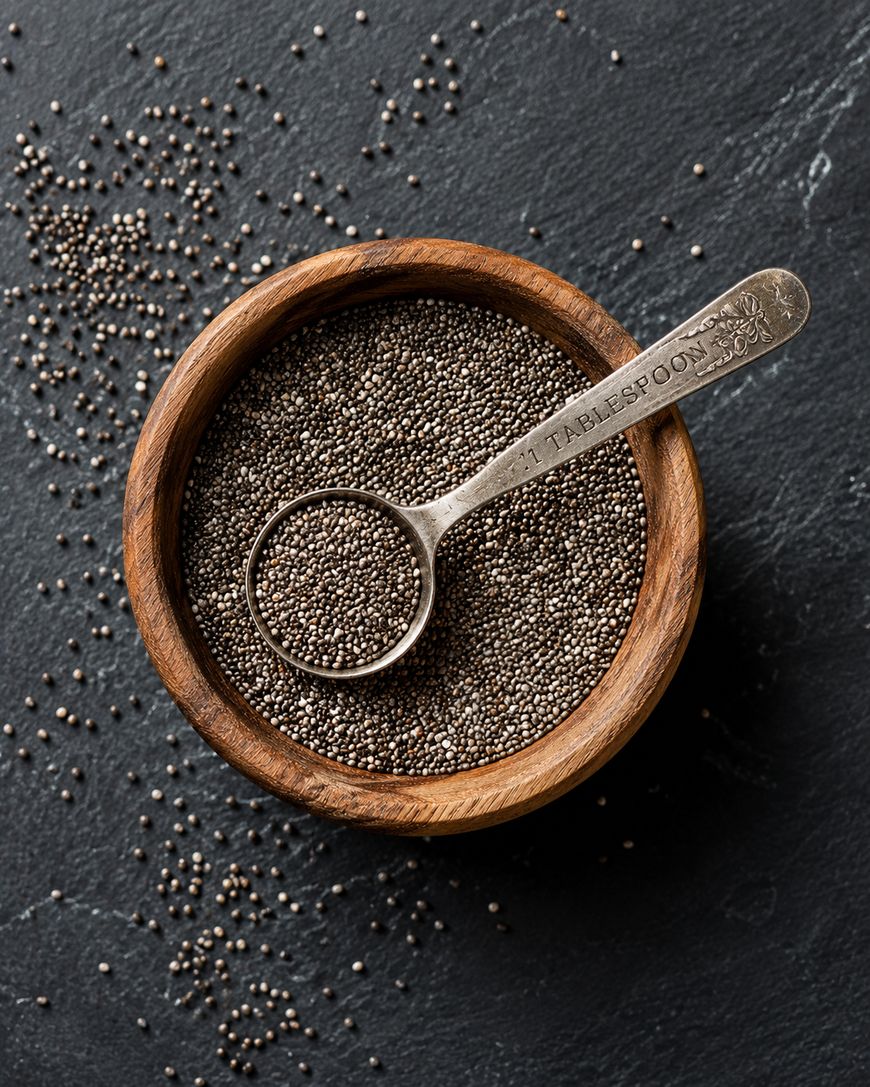
Before we dig into specific chia seed benefits, it helps to understand why these seeds are so powerful. A single two-tablespoon serving contains around 140 calories, 11 grams of fiber, 4 grams of protein, and 9 grams of fat — most of which comes from omega-3 fatty acids.
You also get meaningful amounts of calcium, magnesium, phosphorus, and zinc in every serving. That nutritional density is what makes chia seeds such an effective addition to your diet, whether your goal is weight management, better digestion, or heart health.
Chia Seed Benefits for Your Digestive Health
One of the most talked-about chia seed benefits is the effect they have on your gut. Each serving delivers about 11 grams of dietary fiber, which is nearly half the daily recommended intake for most adults.
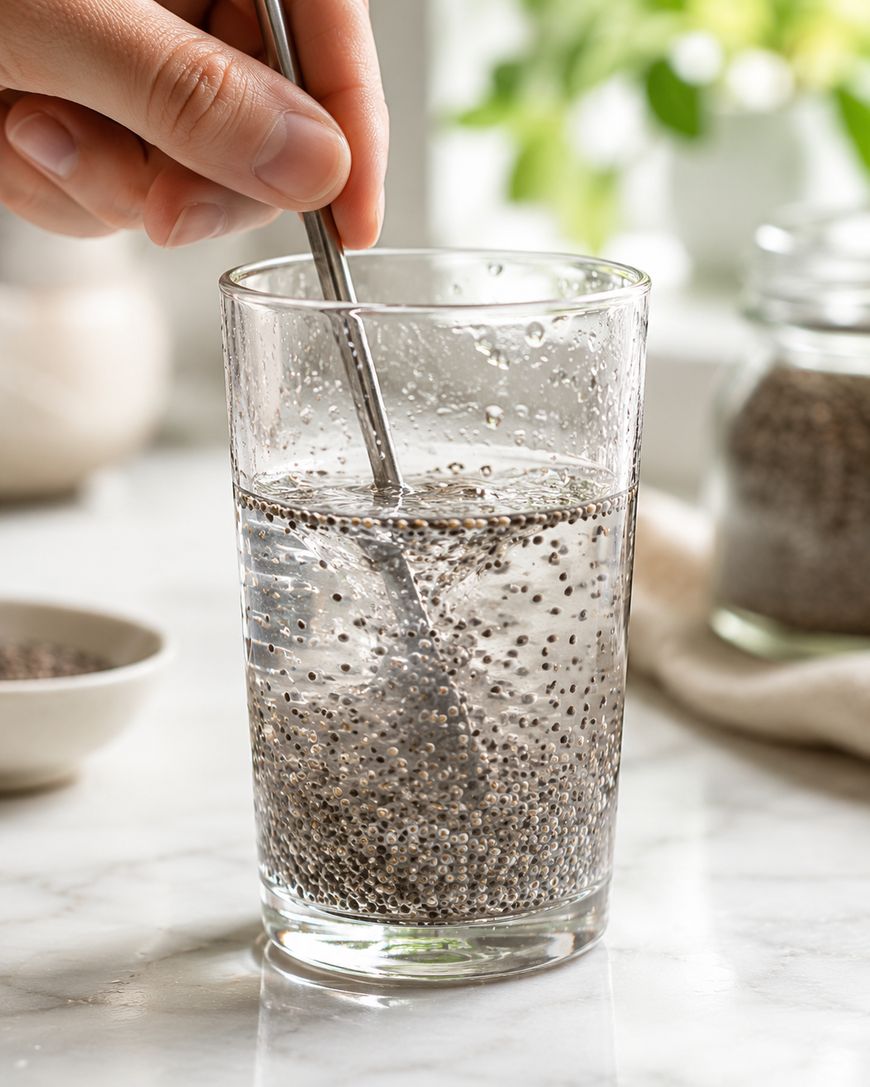
That fiber works in two ways. The soluble fiber in chia seeds absorbs water and forms a gel-like substance in your digestive tract, which slows digestion and feeds the beneficial bacteria in your gut. The insoluble fiber adds bulk to your stool, supporting regular and comfortable bowel movements.
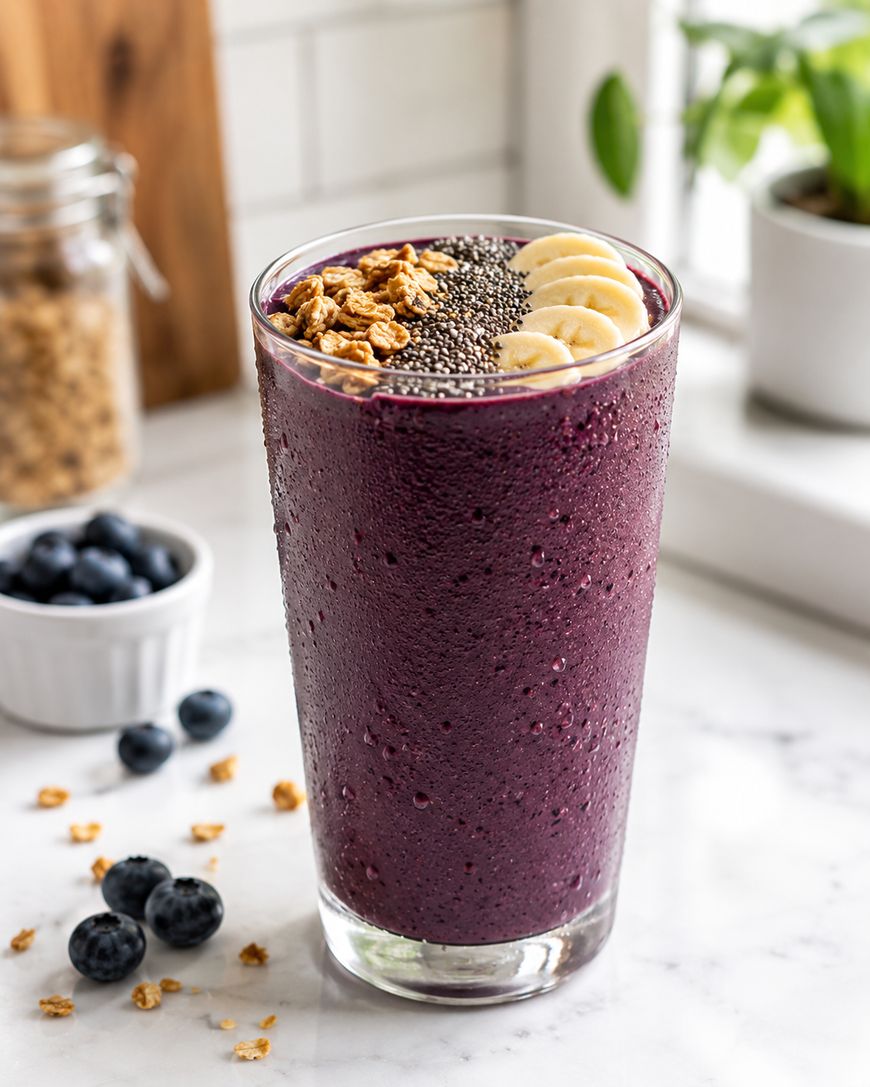
For anyone dealing with bloating, irregularity, or sluggish digestion, adding chia seeds to your daily routine can make a noticeable difference within just a few days. You don’t need a large amount — even one tablespoon stirred into water or yogurt is enough to start supporting your digestive system.
A healthy gut also influences your mood, immune function, and energy levels, so the ripple effect of better digestion goes far beyond just feeling more comfortable after meals.
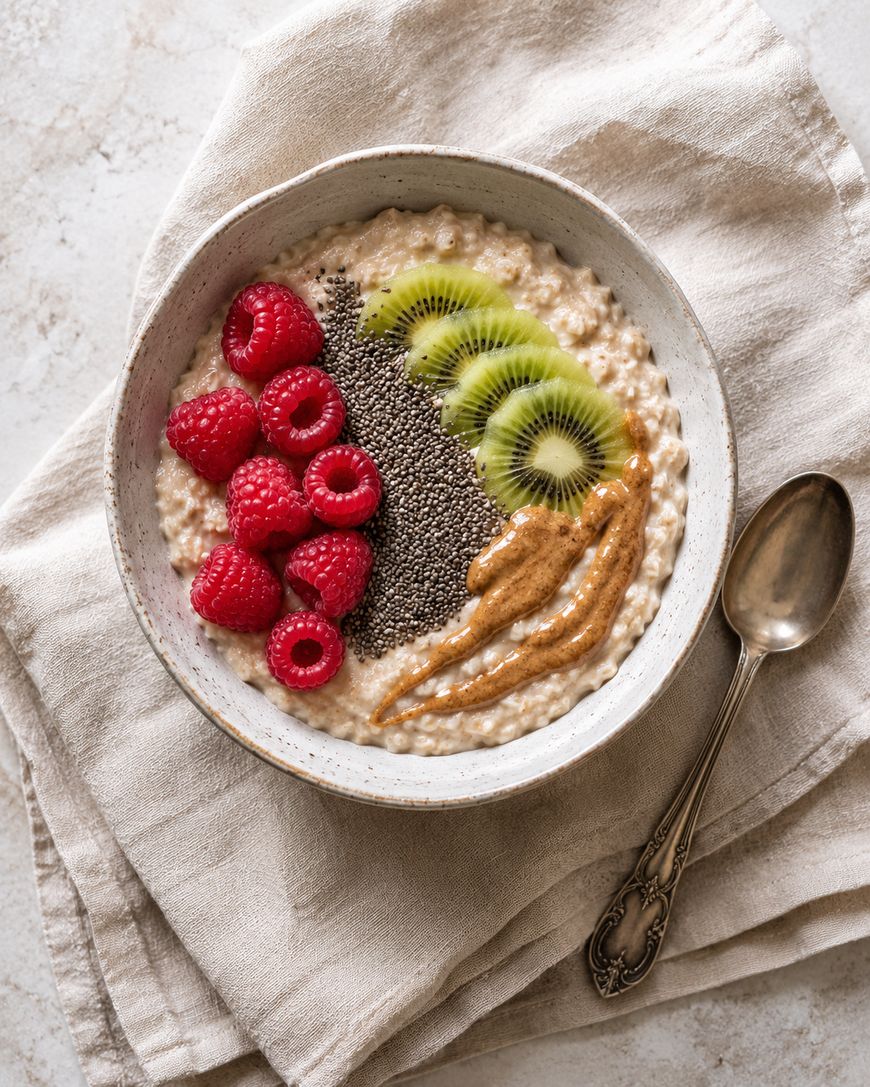
How Chia Seeds Support Heart Health
Heart health is another area where chia seed benefits really shine. The omega-3 fatty acids in chia seeds — specifically alpha-linolenic acid, or ALA — have been shown to help reduce inflammation, lower triglyceride levels, and support healthy blood pressure.
Inflammation is at the root of many cardiovascular conditions, and regularly consuming anti-inflammatory foods is one of the most effective lifestyle strategies for protecting your heart. Chia seeds offer one of the highest plant-based concentrations of omega-3s available, making them a valuable food for anyone focused on long-term heart health.
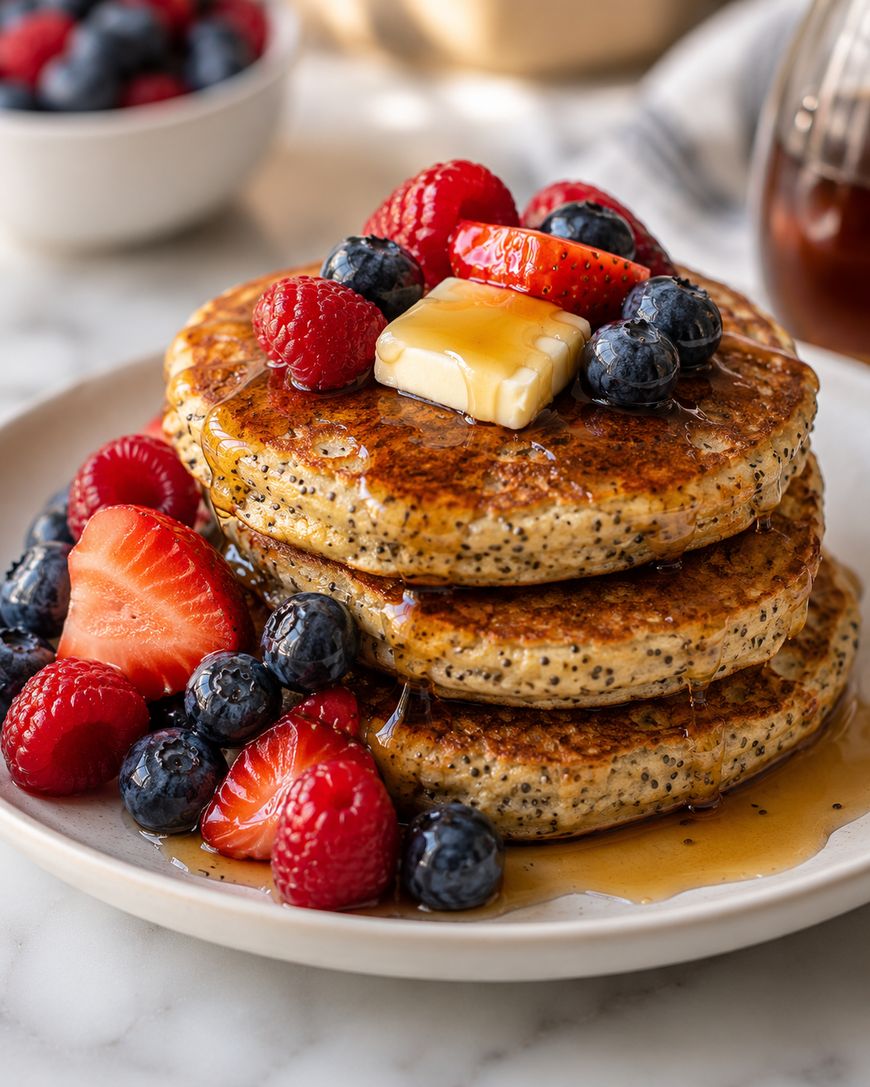
The fiber in chia seeds also contributes to heart health by helping to lower LDL cholesterol levels. When soluble fiber binds to cholesterol in the digestive tract, it prevents it from being absorbed into the bloodstream. Over time, this can meaningfully reduce your cardiovascular risk.
Combining chia seeds with a diet rich in vegetables, whole grains, and lean protein creates a strong foundation for a healthy heart. Even if you’re already doing many things right, chia seeds are an easy and affordable addition to fill in some nutritional gaps.
Chia Seeds and Weight Management
If you’re working on managing your weight, chia seed benefits in this area are especially worth paying attention to. Because chia seeds absorb up to 10 to 12 times their weight in water, they expand in your stomach and help you feel full and satisfied for longer.
That satiety effect means you’re less likely to reach for a snack an hour after eating, which can naturally reduce your overall calorie intake without requiring strict calorie counting or willpower. The protein content also plays a role here — protein is the most satiating macronutrient, and getting more of it through whole foods like chia seeds is a smart strategy.
Studies have suggested that regularly eating chia seeds may help reduce belly fat over time, particularly when combined with a balanced diet and regular movement. They’re not a magic solution, but they are a genuinely useful tool.
The key is consistency. Adding chia seeds to your breakfast or lunch a few days a week won’t produce dramatic results, but making them a daily habit is where you start to see real change.
Blood Sugar Balance and Energy
Chia seeds are an excellent choice for anyone trying to stabilize their blood sugar. The combination of fiber, protein, and healthy fat in each serving slows the absorption of sugar into the bloodstream, preventing the rapid spikes and crashes that leave you feeling tired and irritable.
This blood sugar-stabilizing effect is especially valuable if you eat a lot of carbohydrate-rich foods or if you often experience afternoon energy slumps. Adding chia seeds to a smoothie, oatmeal, or toast can help you get more sustained energy from the same meal.
For people managing type 2 diabetes or insulin resistance, the research is promising. Several studies have shown that chia seed consumption can improve glycemic control, although it should always be used as part of a broader dietary plan and not as a standalone treatment.
Even if you don’t have a blood sugar condition, more stable energy levels throughout the day is a benefit most people notice and appreciate once they start incorporating chia seeds regularly.
Chia Seeds for Bone Health
Here’s a chia seed benefit that often surprises people: chia seeds are an excellent source of bone-building nutrients. Two tablespoons provide about 18 percent of your daily calcium needs, along with significant amounts of magnesium and phosphorus — two minerals that work alongside calcium to maintain strong, dense bones.
This makes chia seeds particularly valuable for people who don’t consume much dairy, whether due to intolerance, preference, or dietary choices. Getting enough calcium from plant sources can be challenging, and chia seeds offer a surprisingly substantial contribution.
Magnesium is also essential for muscle function and sleep quality, so the bone health benefits of chia seeds come with a few bonus perks. If you often wake up with muscle cramps or struggle with restless sleep, increasing your magnesium intake through foods like chia seeds is a gentle and natural place to start.
Easy Ways to Add Chia Seeds to Your Diet
Getting more chia seed benefits into your life doesn’t require complicated recipes or major changes to how you eat. These seeds are incredibly versatile and virtually tasteless, which means they blend seamlessly into almost anything.
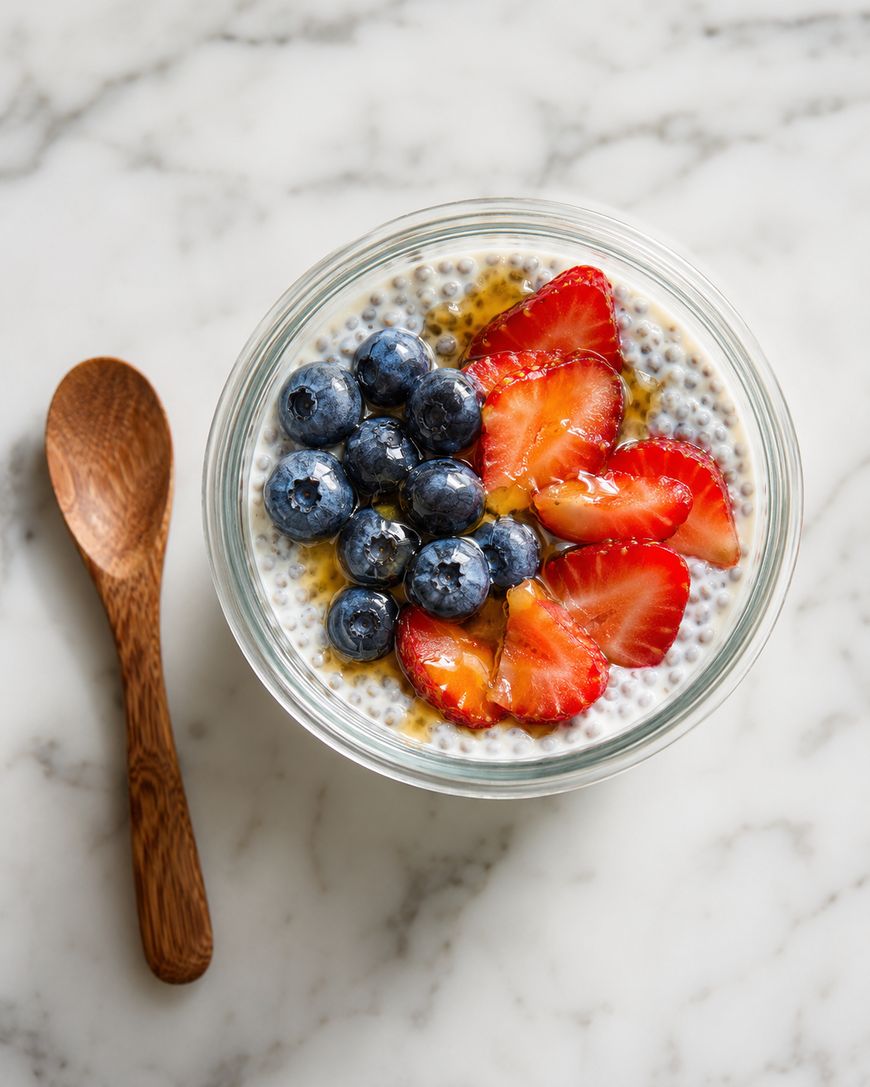
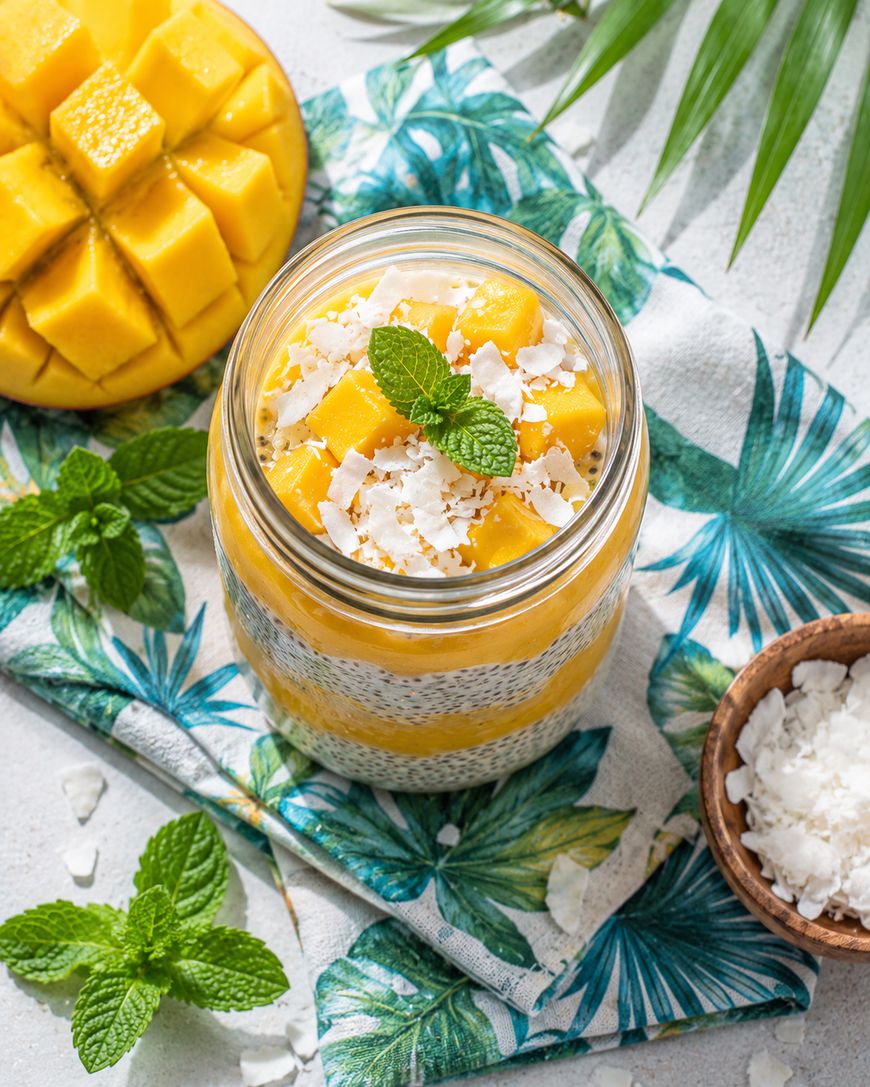
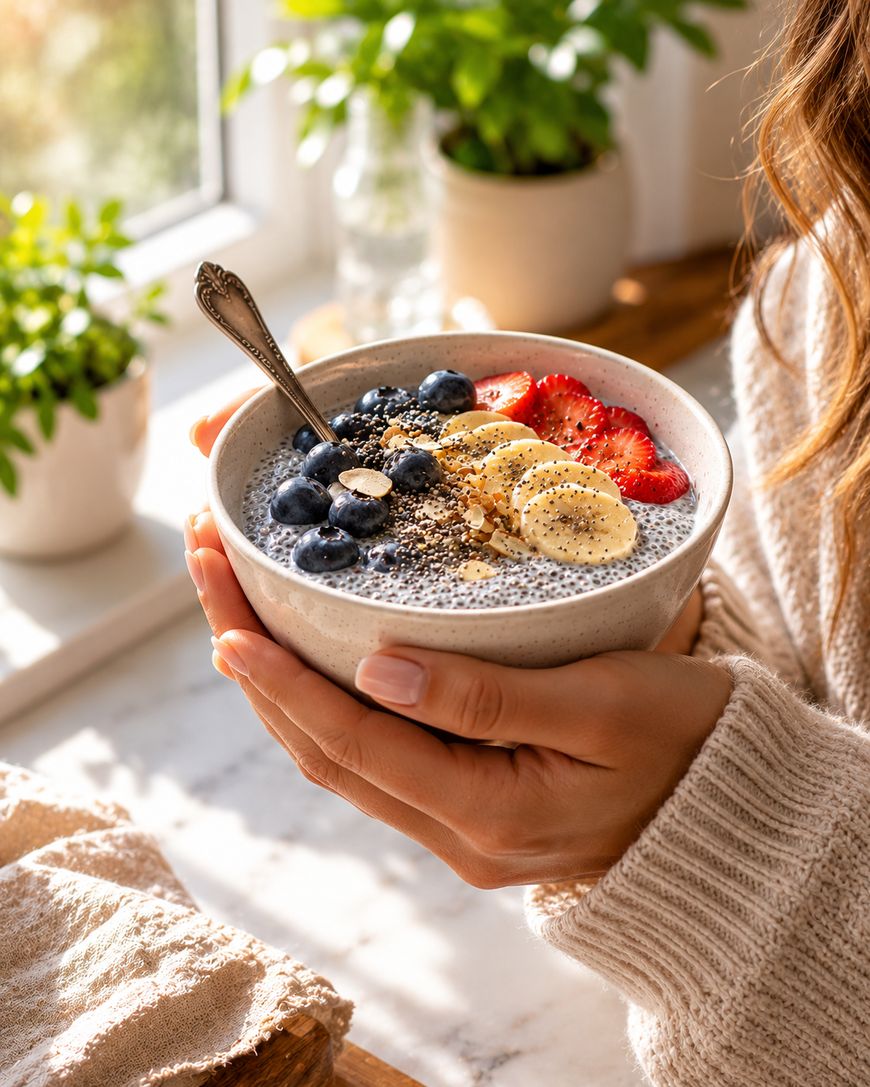
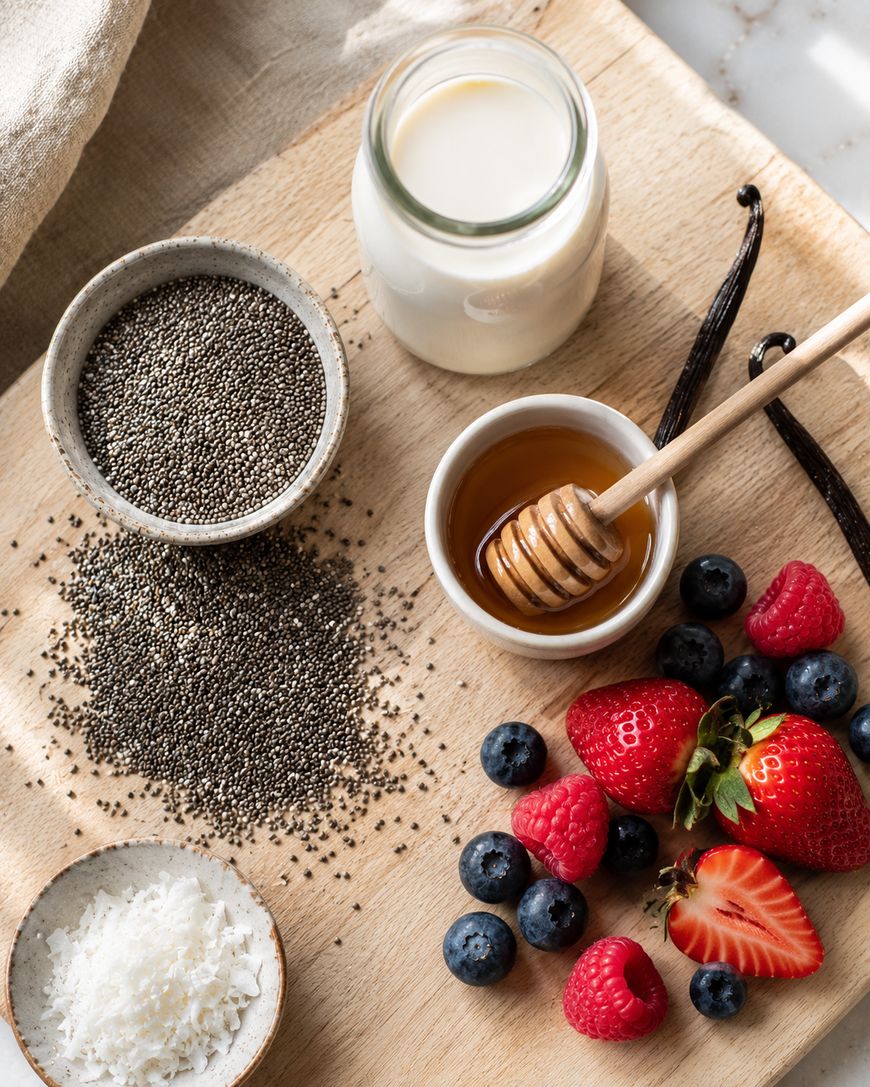
Chia pudding is one of the most popular options, and it’s simple to make. Combine chia seeds with your milk of choice, add a little sweetener, and let the mixture sit in the fridge overnight. By morning you’ll have a thick, creamy pudding that works beautifully as breakfast or a healthy dessert.
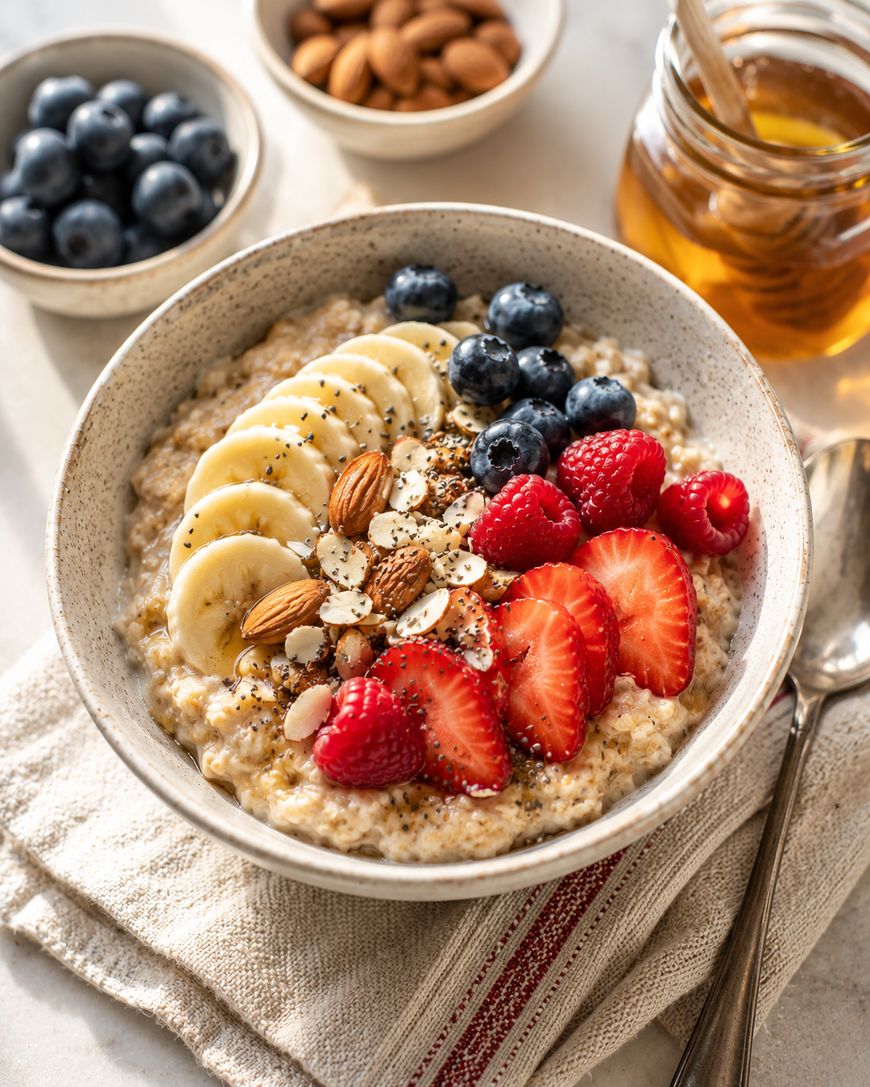
You can also stir chia seeds into oatmeal, blend them into smoothies, sprinkle them over salads, or mix them into salad dressings. When used as an egg replacement in baking — one tablespoon of chia seeds mixed with three tablespoons of water creates a gel that mimics the binding power of an egg — they’re especially handy for vegan and plant-based recipes.
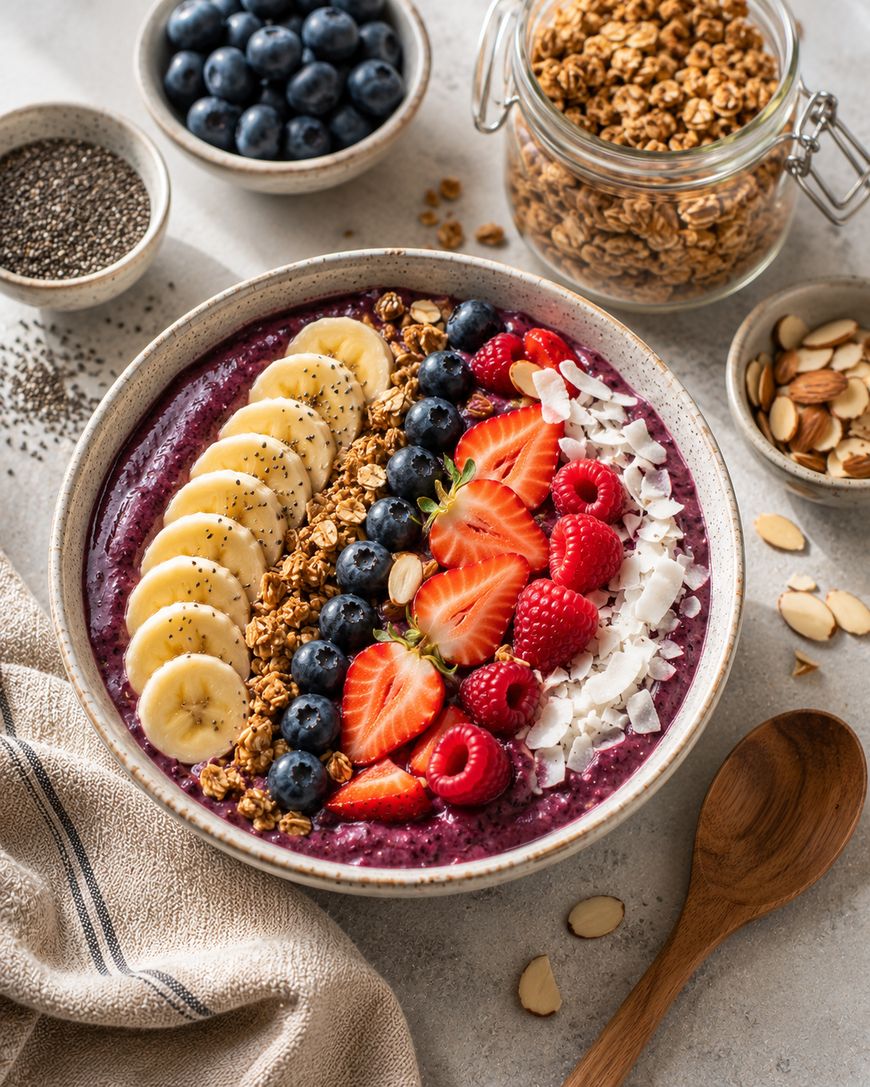
Simple Chia Pudding Recipe
This is a great starting point if you’re new to cooking with chia seeds.
Ingredients:
- 3 tablespoons chia seeds
- 1 cup unsweetened almond milk (or any milk you prefer)
- 1 tablespoon maple syrup or honey
- 1/2 teaspoon vanilla extract
- Fresh berries or sliced fruit for topping
Instructions:
- Whisk together the chia seeds, milk, sweetener, and vanilla in a jar or bowl.
- Stir again after 5 minutes to prevent clumping.
- Cover and refrigerate for at least 4 hours, or overnight.
- Stir before serving and top with fresh fruit.
Chia Seeds for Skin and Inflammation
The anti-inflammatory omega-3 fatty acids in chia seeds don’t just benefit your heart — they also support your skin. Chronic inflammation is linked to skin conditions like acne, eczema, and psoriasis, and a diet rich in anti-inflammatory foods can help manage and reduce flare-ups.
The antioxidants in chia seeds, including quercetin, chlorogenic acid, and caffeic acid, help protect your cells from oxidative stress. Oxidative stress accelerates skin aging and contributes to dullness, fine lines, and uneven tone, so consuming foods that fight it is a genuinely effective beauty strategy.
Hydration is another piece of the puzzle. Because chia seeds hold so much water, they can help your body stay hydrated at a cellular level when consumed regularly. Properly hydrated skin looks plumper, brighter, and more youthful, which is a benefit most people notice after making chia seeds a consistent part of their diet.
Q&A: Your Chia Seed Questions Answered
How many chia seeds should you eat per day?
Most nutrition experts suggest one to two tablespoons of chia seeds per day as a good starting point. This amount gives you a meaningful dose of fiber, omega-3s, and protein without overdoing it on calories or causing digestive discomfort.
If you’re new to eating high-fiber foods, start with one tablespoon and increase gradually to give your digestive system time to adjust.
Can you eat chia seeds raw?
Yes, you can eat chia seeds raw by sprinkling them directly on food or mixing them into drinks. Unlike some seeds, chia seeds don’t need to be ground for your body to access their nutrients.
That said, soaking them first is often more comfortable for digestion and allows them to form that satisfying gel texture that works so well in puddings and smoothies.
Do chia seeds help with bloating?
For most people, chia seeds actually reduce bloating over time by supporting healthy gut bacteria and regular digestion. However, if you increase your fiber intake too quickly, you may experience temporary bloating as your gut adjusts.
The key is to increase your intake gradually and drink plenty of water, since fiber needs hydration to do its job properly.
Are chia seeds good for weight loss?
Chia seeds can support weight loss efforts by promoting satiety, stabilizing blood sugar, and reducing cravings between meals. They work best as part of a balanced diet rather than as a standalone solution.
Consistency matters more than quantity here — regular daily intake over weeks and months is where the real benefits show up.
Can chia seeds replace eggs in baking?
One chia egg — one tablespoon of chia seeds mixed with three tablespoons of water and rested for five minutes — can effectively replace one egg in most baked goods. This works especially well in muffins, pancakes, and cookies.
The texture of the final product may be slightly denser, but chia eggs are a reliable and nutritious substitute for vegan or egg-free baking.
Are there any side effects of eating chia seeds?
Chia seeds are safe for most people, but consuming very large amounts can cause digestive issues like gas, bloating, or loose stools, especially if you’re not used to eating a high-fiber diet. Some people with seed allergies should also exercise caution.
There have also been rare reports of chia seeds expanding in the esophagus if swallowed dry in large amounts, so it’s always best to soak them or consume them mixed into food or liquid.
Make Chia Seed Benefits Part of Your Daily Routine
The chia seed benefits we’ve covered here — from better digestion and heart health to weight management and glowing skin — are all backed by solid nutritional science and centuries of traditional use. These tiny seeds are one of the easiest, most affordable upgrades you can make to your everyday diet.
Start small, stay consistent, and pay attention to how your body responds. Whether you begin with a simple chia pudding or just stir a tablespoon into your morning smoothie, you’re giving your body something genuinely valuable with every serving.
We’d love to know how you’re using chia seeds — drop your favorite way to eat them in the comments below.