Last updated: October 24, 2026
These coconut cookies bake up with crisp golden edges, soft chewy centers, and toasty coconut in every single bite. Everything you need to make them is right below, and the recipe card further down puts the whole method in one printable spot.

Coconut Cookies Ingredients and Why Each One Matters
Coconut cookies only need pantry staples, and every ingredient has a clear job. The dough starts with 1 cup (2 sticks) of softened unsalted butter, 3/4 cup of granulated sugar, and 3/4 cup of packed light brown sugar.
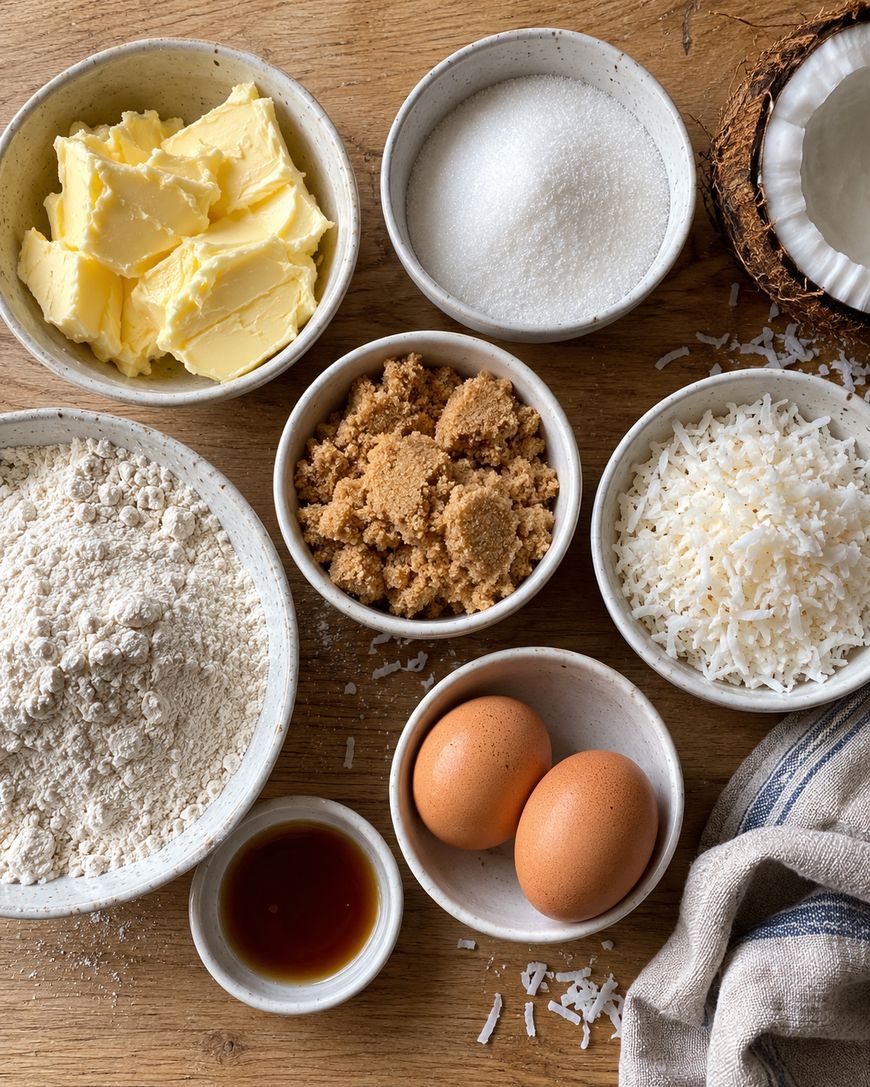
Granulated sugar gives the edges their crisp snap, while the brown sugar adds moisture and a hint of caramel that keeps the centers chewy. Two large eggs at room temperature bind everything together and help the dough mix smoothly.
The Flour and Leavening
You need 2 1/4 cups of all-purpose flour, 1 teaspoon of baking soda, and 1/2 teaspoon of salt. Baking soda helps the cookies spread just enough and brown nicely, and the salt keeps all that sweet coconut from tasting flat.
Measure the flour by spooning it into your measuring cup and leveling it off, or weigh out 280 grams. Scooping straight from the bag packs in extra flour and leads to dry, cakey cookies.
The Coconut and Flavorings
The star is 2 cups of sweetened shredded coconut stirred into the dough, plus another 1/2 cup for pressing onto the tops. Sweetened coconut stays moist and tender, which is why it works better here than the drier unsweetened kind.
Add 2 teaspoons of vanilla extract and 1/2 teaspoon of coconut extract for a deeper tropical flavor. The coconut extract is optional, but it is the easiest way to make the cookies taste like coconut instead of simply containing it.
How to Make Coconut Cookies Step by Step
Making coconut cookies takes about 15 minutes of hands-on work, 30 minutes of chilling, and two quick batches in a 350°F oven. Read through the steps once, and you will see how simple the process really is.
Mix the Dry Ingredients
Whisk the flour, baking soda, and salt together in a medium bowl and set it aside. Doing this first spreads the baking soda evenly, so you do not end up with a bitter bite in one cookie and a flat one in the next.
Cream the Butter and Sugars
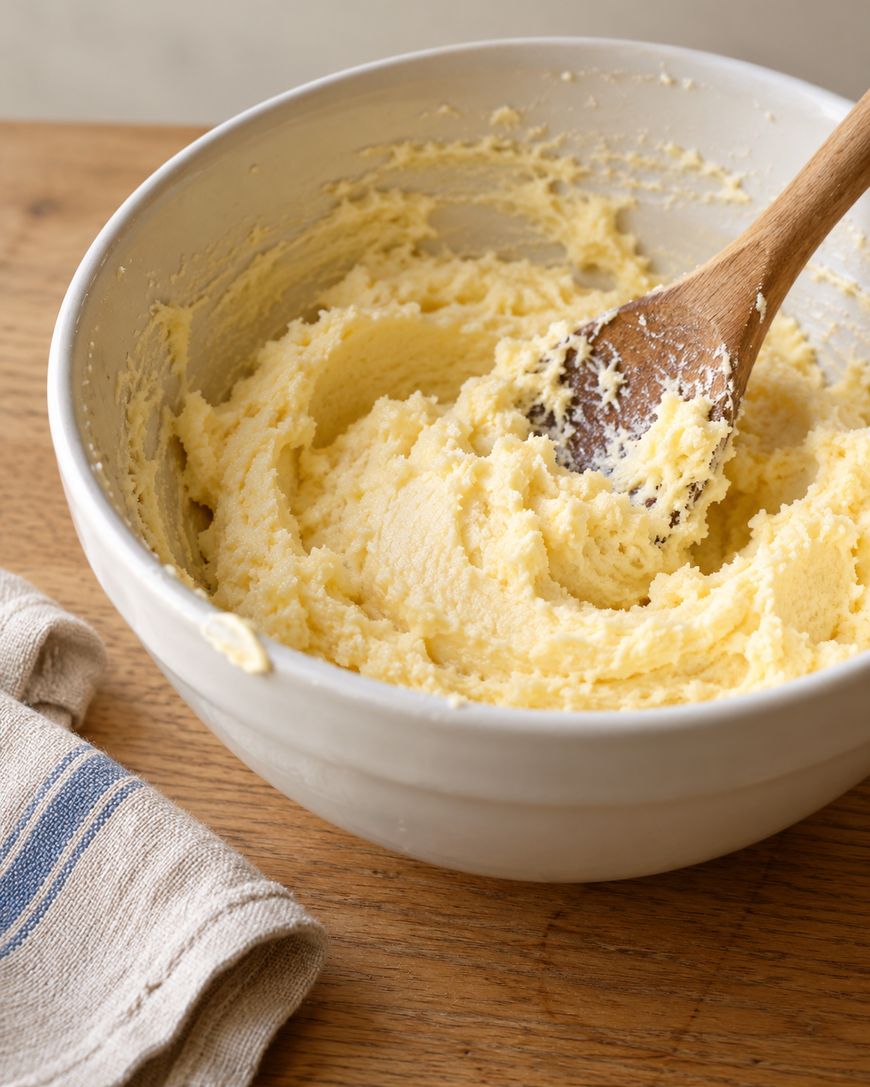
Beat the softened butter, granulated sugar, and brown sugar in a large bowl with an electric mixer on medium speed for 2 to 3 minutes. The mixture should look pale and fluffy, and this step is what gives the cookies their light texture.
Add the Eggs and Flavorings
Beat in the eggs one at a time, then mix in the vanilla and the coconut extract. Adding the eggs one at a time keeps the batter from separating and gives you a smooth, glossy base.
Add the Flour and Fold in the Coconut
Add the flour mixture and mix on low speed until just combined, then fold in 2 cups of the shredded coconut with a wooden spoon. Stop mixing as soon as you no longer see dry flour, because overmixing makes cookies tough.

Chill the Dough
Cover the bowl and chill the dough for 30 minutes. Chilled dough spreads less in the oven, which means thicker cookies with chewier middles.

Scoop, Coat, and Bake
Preheat the oven to 350°F and line two baking sheets with parchment paper. Scoop the dough into 2 tablespoon balls, place 12 on each sheet about 2 inches apart, and press the top of each ball into the remaining 1/2 cup of coconut.

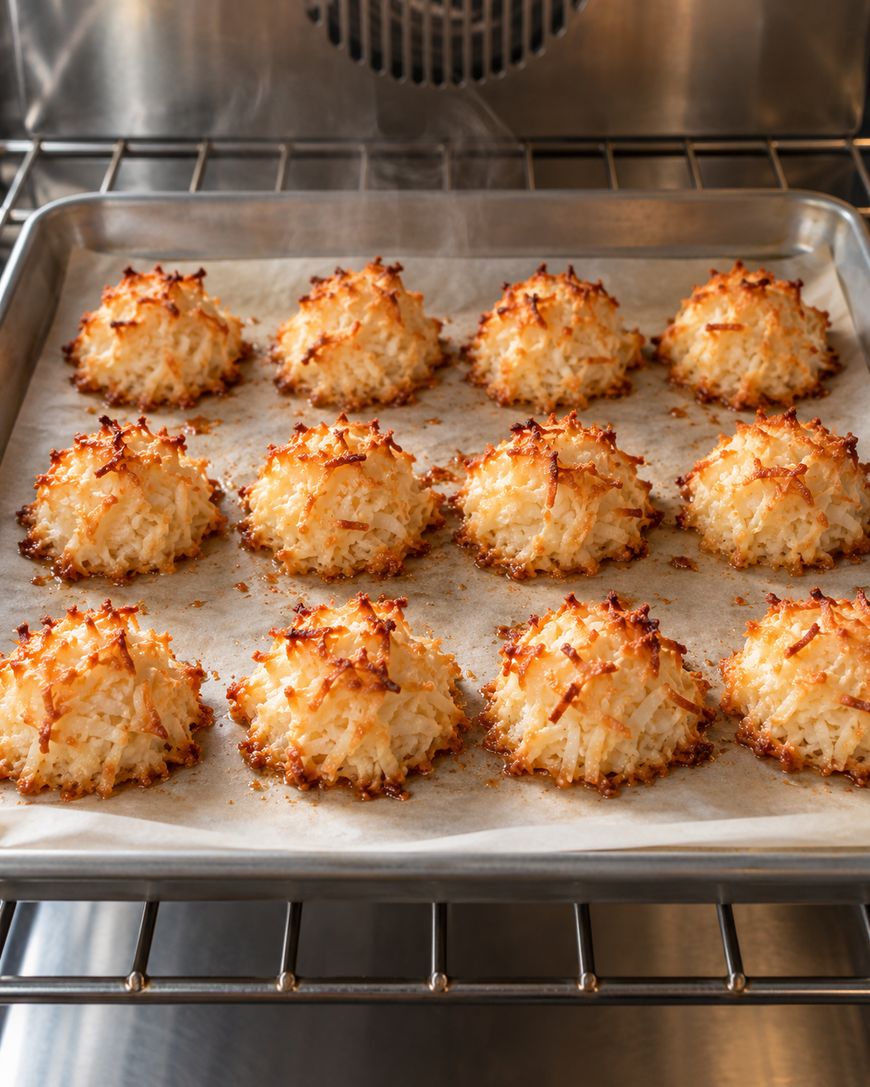
Bake one sheet at a time in the center of the oven for 11 to 13 minutes, until the edges are golden and the centers look just set. Keep the second sheet in the refrigerator while the first one bakes.
Cool the Cookies
Let the cookies cool on the baking sheet for 5 minutes, then move them to a wire rack. They firm up as they cool, so resist the urge to bake them until they look completely done in the oven.
Tips for the Best Coconut Cookies
The biggest secret to great coconut cookies is starting with butter that is softened but still cool. It should dent easily when you press it, but it should not look shiny or greasy.
If the butter is too warm, the dough turns soft and the cookies spread into thin, crispy discs. Pull the butter out of the fridge about an hour before you start, and you will be in good shape.
Use a Cookie Scoop
A spring-loaded cookie scoop that holds about 2 tablespoons gives you evenly sized cookies that bake at the same speed. If you do not own one, a rounded tablespoon measure heaped slightly works almost as well.

Watch the Edges, Not the Centers
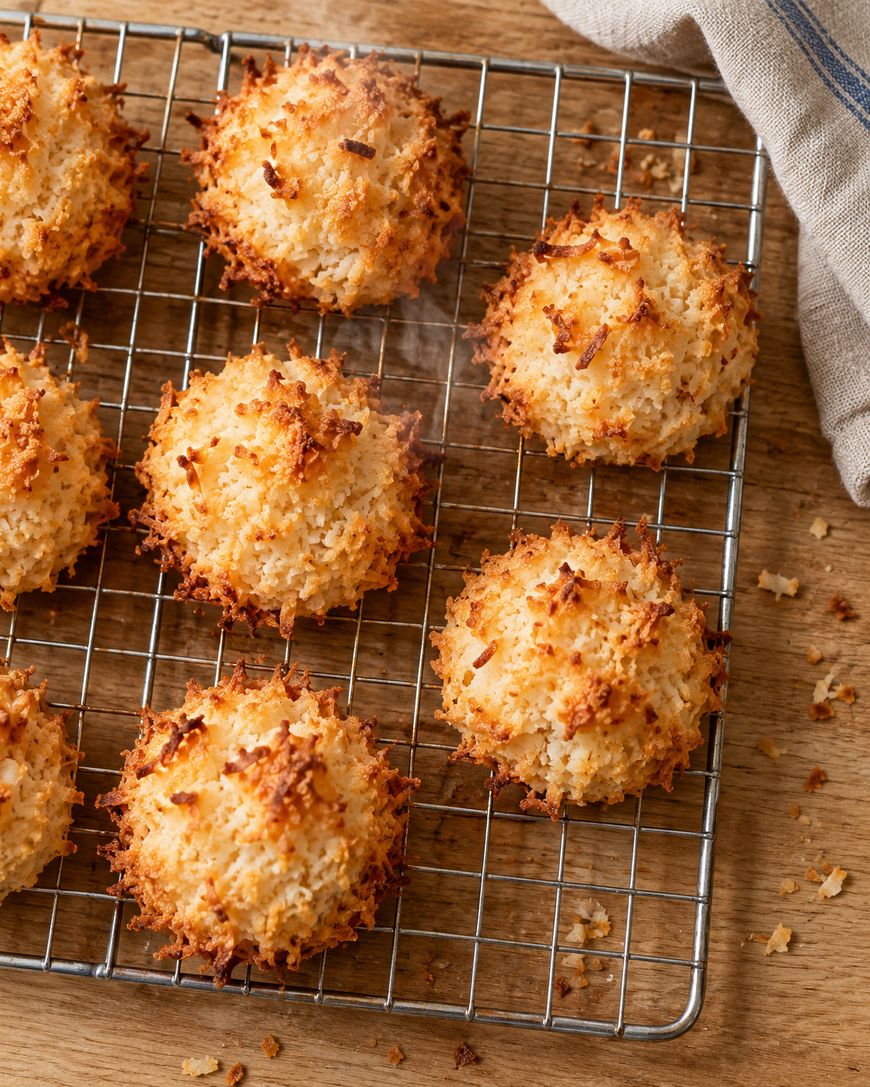
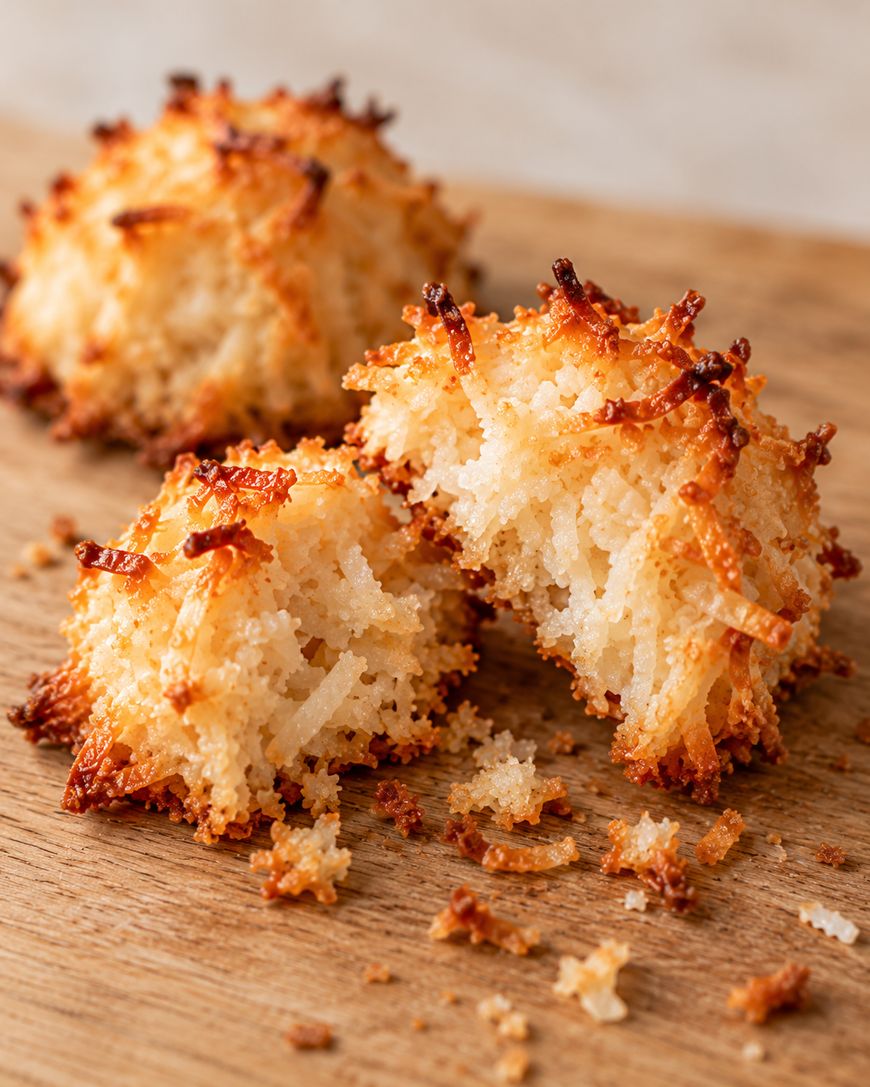
Coconut cookies are done when the edges turn golden and the tops have a toasty tinge from the coconut. The centers will still look a little soft, and they finish setting on the hot pan.
Line the Pan
Parchment paper keeps the sugary bottoms from sticking and makes cleanup easy. Always start each batch on a cool pan, since placing dough on a hot sheet makes the cookies spread too fast.
Coconut Cookie Variations and Substitutions
Once you have the base recipe down, coconut cookies are easy to customize. The recipe card below leaves these changes out, so treat every idea in this section as optional.
Add Chocolate
Fold 1 cup of semisweet chocolate chips into the dough along with the coconut for a cookie that tastes a bit like a coconut candy bar. You can also drizzle cooled cookies with melted dark chocolate for a bakery look.
Add Citrus or Nuts
A teaspoon of fresh lime zest brightens the sweetness and makes the coconut taste even fresher. Chopped macadamia nuts or toasted almonds add a buttery crunch that pairs beautifully with the chewy centers.
Common Substitutions
Unsweetened shredded coconut works in the same amounts, though the cookies will taste slightly less sweet and a little drier. If you only have salted butter, cut the added salt to 1/4 teaspoon so the cookies do not taste too salty.
Skip the coconut extract if you do not have it, and use the vanilla alone. The cookies will still taste wonderful, just a bit less tropical.
How to Store and Freeze Coconut Cookies
Store cooled coconut cookies in an airtight container at room temperature for up to 5 days. Placing a small piece of parchment between layers keeps the coconut tops from sticking together.
Freezing Baked Cookies
Freeze fully cooled cookies in a freezer bag for up to 3 months. Thaw them on the counter for about 30 minutes, and they taste freshly baked.
Freezing the Dough
Scoop the dough into balls and freeze them on a tray until solid, then move them to a freezer bag for up to 3 months. Bake straight from frozen at 350°F, adding 1 to 2 minutes to the baking time.
Making the Dough Ahead
You can keep the covered dough in the refrigerator for up to 2 days before scooping and baking. Let it sit on the counter for about 10 minutes first if it feels too firm to scoop.
Ways to Serve Coconut Cookies
Coconut cookies are happiest next to a hot cup of coffee or tea, where the toasty flavor really shines. A cold glass of milk is a classic pairing, and it is hard to beat on a quiet fall afternoon.

They also earn a spot on holiday cookie trays, since their golden color looks lovely next to chocolate and jam cookies. Wrap a stack in parchment and tie it with twine for a simple homemade gift.

For a fun dessert, sandwich two cookies around a scoop of vanilla or pineapple ice cream. The chewy coconut texture holds up well without getting soggy.
Coconut cookies are also a smart choice for potlucks and school events, because they travel well and do not need refrigeration. Stack them in a shallow tin with parchment between the layers, and they arrive looking just as good as they did when they came off the rack.
Pair a warm cookie with a mug of hot chocolate when the weather turns cold. The coconut adds a nutty, tropical note that keeps the chocolate from feeling too heavy.
The Story Behind Coconut Cookies
Coconut has been a favorite in American home baking for well over a century. Dried and shredded coconut became a pantry staple around the turn of the twentieth century, and coconut cakes, pies, and macaroons soon filled recipe boxes across the country.
Coconut cookies grew out of that tradition, mixing the familiar flavor of a macaroon with the buttery base of a drop cookie. Unlike a macaroon, which is built from egg whites and coconut alone, this version uses a classic creamed dough, so you get a sturdier cookie with a chewier bite.
Today the cookie is a staple at bake sales and holiday swaps because it uses simple ingredients and keeps well. It is also forgiving for new bakers, which makes it a great first project for kids and beginners.
If you want to bake along, use the recipe card below to scale, print, or save the full recipe.
Coconut Cookies
These coconut cookies have crisp golden edges, soft chewy centers, and toasty shredded coconut in every bite. They use simple pantry ingredients and the dough chills in just 30 minutes.
Ingredients
- 1 cup (226 g) unsalted butter, softened
- 3/4 cup (150 g) granulated sugar
- 3/4 cup (165 g) packed light brown sugar
- 2 large eggs, at room temperature
- 2 teaspoons vanilla extract
- 1/2 teaspoon coconut extract (optional)
- 2 1/4 cups (280 g) all-purpose flour
- 1 teaspoon baking soda
- 1/2 teaspoon salt
- 2 cups sweetened shredded coconut, for the dough
- 1/2 cup sweetened shredded coconut, for coating the tops
Instructions
- Whisk the flour, baking soda, and salt together in a medium bowl and set aside.
- Beat the butter, granulated sugar, and brown sugar in a large bowl with an electric mixer on medium speed for 2 to 3 minutes, until pale and fluffy.
- Beat in the eggs one at a time, then mix in the vanilla and coconut extract.
- Add the flour mixture and mix on low speed until just combined.
- Fold in 2 cups of the shredded coconut with a wooden spoon.
- Cover the bowl and chill the dough for 30 minutes.
- Preheat the oven to 350°F and line two baking sheets with parchment paper.
- Scoop the dough into 2 tablespoon balls and place 12 on each sheet, about 2 inches apart.
- Press the top of each ball into the remaining 1/2 cup shredded coconut.
- Bake one sheet at a time in the center of the oven for 11 to 13 minutes, until the edges are golden and the centers look just set. Keep the second sheet in the refrigerator while the first one bakes.
- Cool the cookies on the baking sheet for 5 minutes, then move them to a wire rack.
Notes
Store cooled cookies in an airtight container at room temperature for up to 5 days. Freeze baked cookies for up to 3 months. Freeze scooped dough balls for up to 3 months and bake from frozen at 350°F, adding 1 to 2 minutes. The covered dough keeps in the refrigerator for up to 2 days. Unsweetened shredded coconut can be used in the same amounts for a less sweet cookie.
Nutrition Information:
Yield:
24Serving Size:
1 cookieAmount Per Serving: Calories: 205Total Fat: 11gSaturated Fat: 8gSodium: 125mgCarbohydrates: 25gFiber: 1gSugar: 16gProtein: 2g
Coconut Cookies Questions Answered
Why did my coconut cookies spread too much?
Cookies usually spread when the butter is too warm, the dough was not chilled, or the dough went onto a hot baking sheet. Chill the dough for the full 30 minutes and use a cool pan for each batch.
Does unsweetened coconut work?
Yes, you can use the same amount of unsweetened shredded coconut. Expect a slightly less sweet and drier cookie than the version on the card, which uses sweetened coconut.
How can you tell when coconut cookies are done?
Look for golden brown edges and tops that are lightly toasted from the coconut. The centers should look just set, and the cookies finish firming up during the 5 minutes they cool on the pan.
Can the dough be made ahead of time?
You can refrigerate the covered dough for up to 2 days or freeze scooped dough balls for up to 3 months. Frozen dough balls bake straight from the freezer with 1 to 2 extra minutes in the oven.
How can you get more coconut flavor?
Add the optional 1/2 teaspoon of coconut extract and press the tops of the dough balls into extra shredded coconut before baking. Those two small steps give you a toasty exterior and a stronger coconut taste.
Why This Coconut Cookies Recipe Works
This recipe relies on the creaming method, where butter and both sugars are beaten for 2 to 3 minutes until pale and fluffy. That step whips tiny air pockets into the dough, so the cookies bake up tender instead of dense.
Using both granulated and brown sugar gives you the best of both worlds. The white sugar crisps the edges, and the brown sugar keeps the centers soft and chewy for days.
A 30 minute chill firms the butter so the cookies hold their shape at 350°F. Pressing the tops into extra coconut means the surface toasts to a deep golden color, which adds flavor and a lovely crisp contrast to the soft interior.
Baking soda is the only leavening, and 1 teaspoon is enough to help the dough spread gently and brown without puffing up like cake. That balance is why the cookies stay thick, chewy, and a little crisp around the edges.
Finally, the optional coconut extract does the heavy lifting on flavor. Toasted shredded coconut tastes mild on its own, so that small splash makes the cookies taste boldly of coconut from the first bite to the last.
Make Your Coconut Cookies Today
Coconut cookies are one of those recipes that feel special but come together with ingredients you probably already have. Chill the dough, scoop it into even balls, and watch for golden edges, and you will have a batch worth sharing.
Pick a quiet afternoon, put on a pot of coffee, and bake a tray of coconut cookies. Then tell us how they turned out in the comments below.
Once you have the base recipe down, try the chocolate chip or lime zest variations the next time around. You will probably find that this one dough becomes a regular in your cookie rotation, and a full batch of 24 never lasts long.
Almond Joy Cookies With Chewy Coconut, Crunchy Almonds, and Chocolate in Every Bite
Coconut Cream Pie With Silky Custard That Slices Clean Every Time