Last updated: July 21, 2026
If you’re a college student trying to eat well without blowing your budget or spending hours in the kitchen, these college meal prep ideas are exactly what you need right now.
We’re covering the best strategies, recipes, and routines to help you eat real food all week long—even on the busiest schedules.
Why College Students Need a Meal Prep Strategy
Living on dining hall food or takeout every night adds up fast—both financially and nutritionally.
A solid meal prep routine can cut your weekly food spending by half, reduce decision fatigue, and make it so much easier to stay energized during long study sessions.
Most college students don’t have much kitchen equipment, a full pantry, or hours of free time, and that’s exactly why a focused, beginner-friendly approach makes all the difference.
When you know what you’re eating before the week begins, you stop defaulting to expensive or unhealthy options out of exhaustion or hunger.
This guide is built for real student life—small dorms, shared kitchens, limited grocery budgets, and zero patience for complicated recipes.
You’ll find practical systems, easy meals, and the kind of flexible ideas that work even when your schedule changes week to week.
The Basics of College Meal Prep: What You Actually Need
You don’t need a professional kitchen or a culinary degree to pull off a successful week of meal prep.
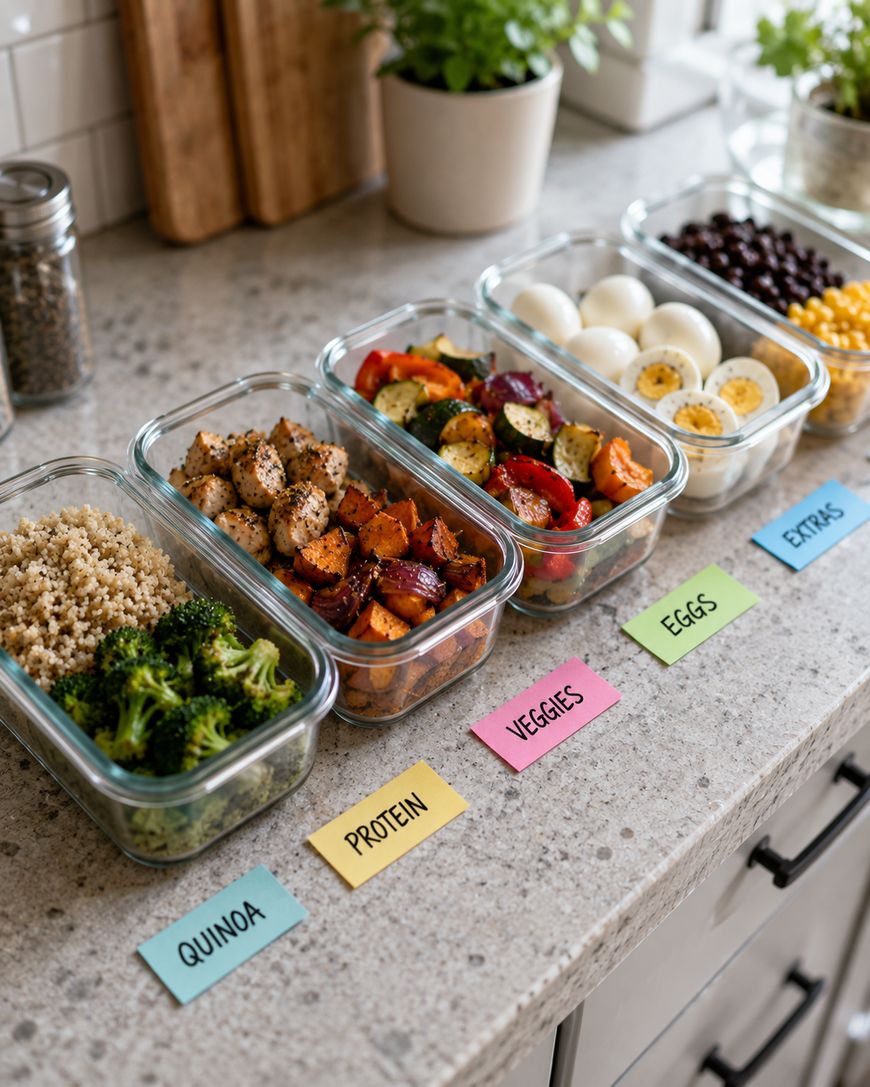
The essentials are simple: a few good storage containers, a sheet pan, a pot, a skillet, and about two to three hours of prep time on a Sunday.
Start with a handful of versatile base ingredients—cooked grains like rice or quinoa, a protein source like ground turkey or canned chickpeas, and roasted vegetables that work in multiple meals.
These building blocks let you mix and match throughout the week without eating the exact same thing every single day.
Pantry staples that every college student should stock include olive oil, soy sauce, garlic powder, canned tomatoes, dried pasta, oats, and a good hot sauce.
With just those items plus a fresh protein and produce rotation, you can build dozens of different meals without running to the store constantly.
Investing in a set of glass or BPA-free plastic containers makes a huge difference because you can see what’s inside without opening everything, which helps you actually eat what you prepped.
Label your containers with the day or meal name so nothing gets forgotten in the back of the fridge.
Best College Meal Prep Ideas for Breakfast
Mornings in college are chaotic, and breakfast is the meal that gets skipped most often—but it doesn’t have to be that way.
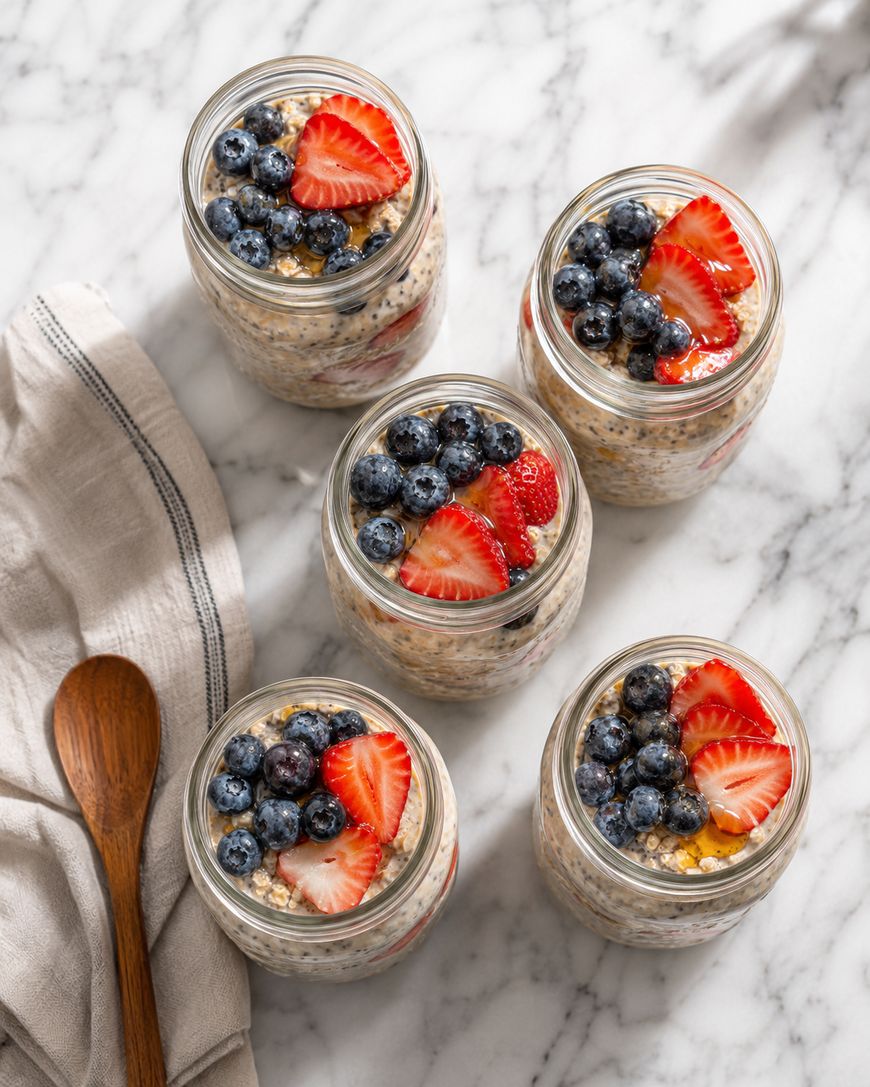
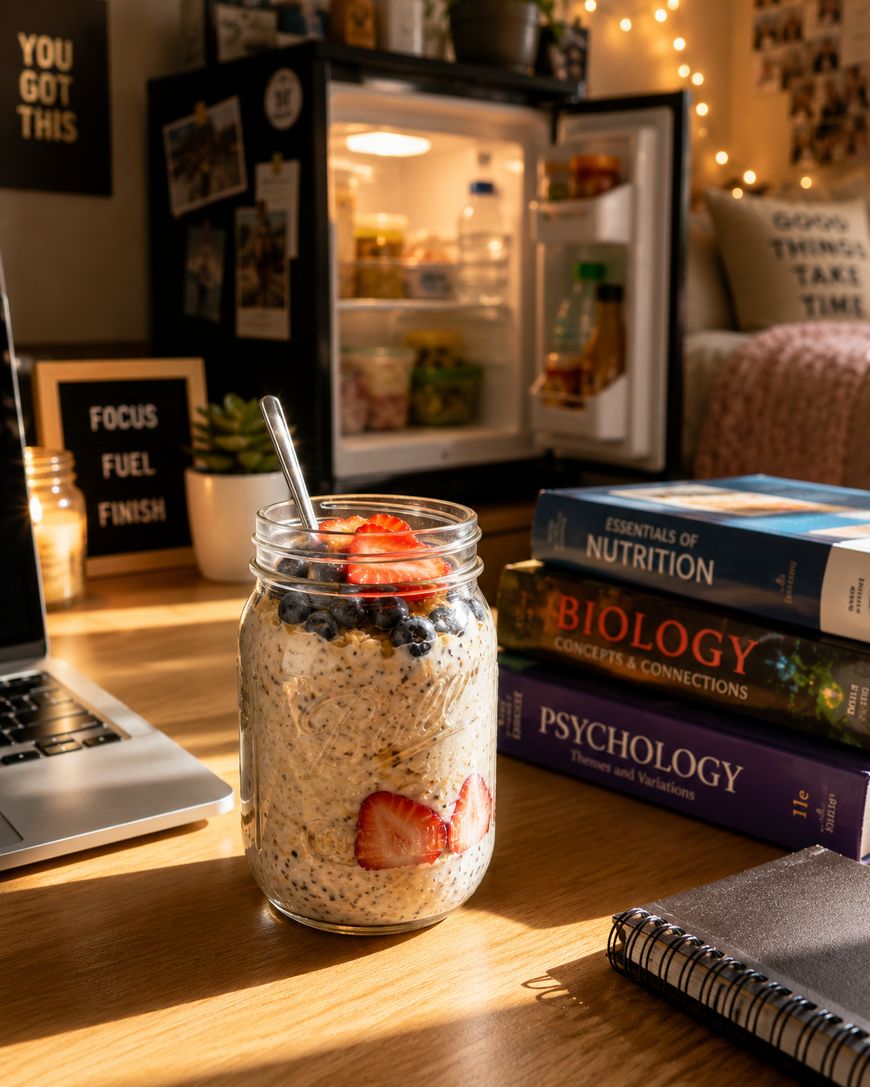
Overnight oats are the ultimate college breakfast because you prep them the night before and grab them straight from the fridge with zero morning effort.
Overnight Oats (Makes 5 servings)
- 2 1/2 cups rolled oats
- 2 1/2 cups milk of your choice
- 5 tablespoons chia seeds
- 5 tablespoons honey or maple syrup
- 1 teaspoon vanilla extract
- Toppings: berries, banana slices, peanut butter, granola
- Combine oats, milk, chia seeds, sweetener, and vanilla in a large bowl.
- Stir until well mixed, then divide evenly into 5 jars or containers.
- Add your preferred toppings to each jar.
- Seal and refrigerate overnight—ready to eat for up to 5 days.
Egg muffins are another brilliant prep-ahead breakfast that you can make in a muffin tin and reheat in under a minute.
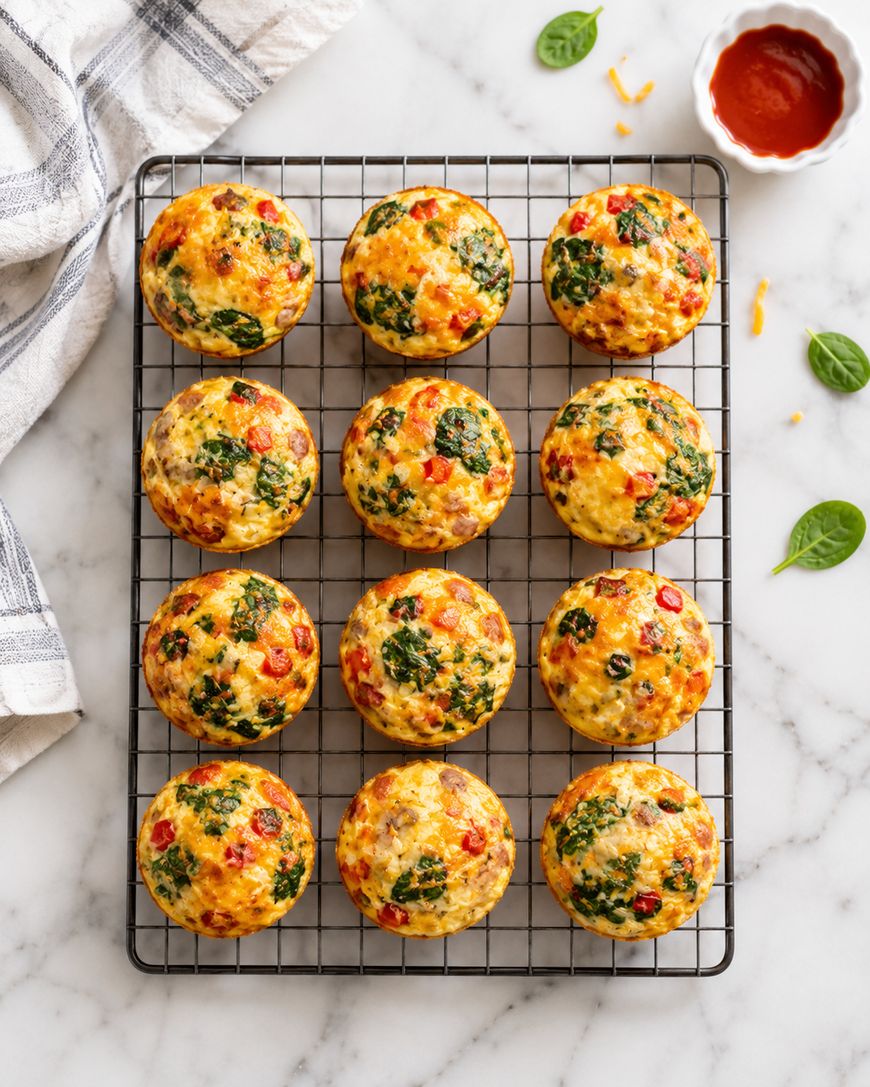
Whisk eggs with diced vegetables, cheese, and a pinch of salt, pour into a greased muffin tin, and bake at 375°F for 18 to 20 minutes.
You’ll have a week’s worth of protein-packed breakfasts in one Sunday session, and they reheat perfectly in a microwave.
Banana peanut butter wraps—just a flour tortilla spread with peanut butter and wrapped around a banana—can also be assembled in batches and grabbed as you head out the door.
Easy Lunch Meal Prep Ideas for College Students
Lunch is where most students either overspend at the campus cafe or skip eating entirely, both of which tank your focus and energy by midafternoon.
Mason jar salads solve this problem brilliantly—dressing goes in first (on the bottom), followed by hearty ingredients like chickpeas or grilled chicken, then greens on top so nothing gets soggy.
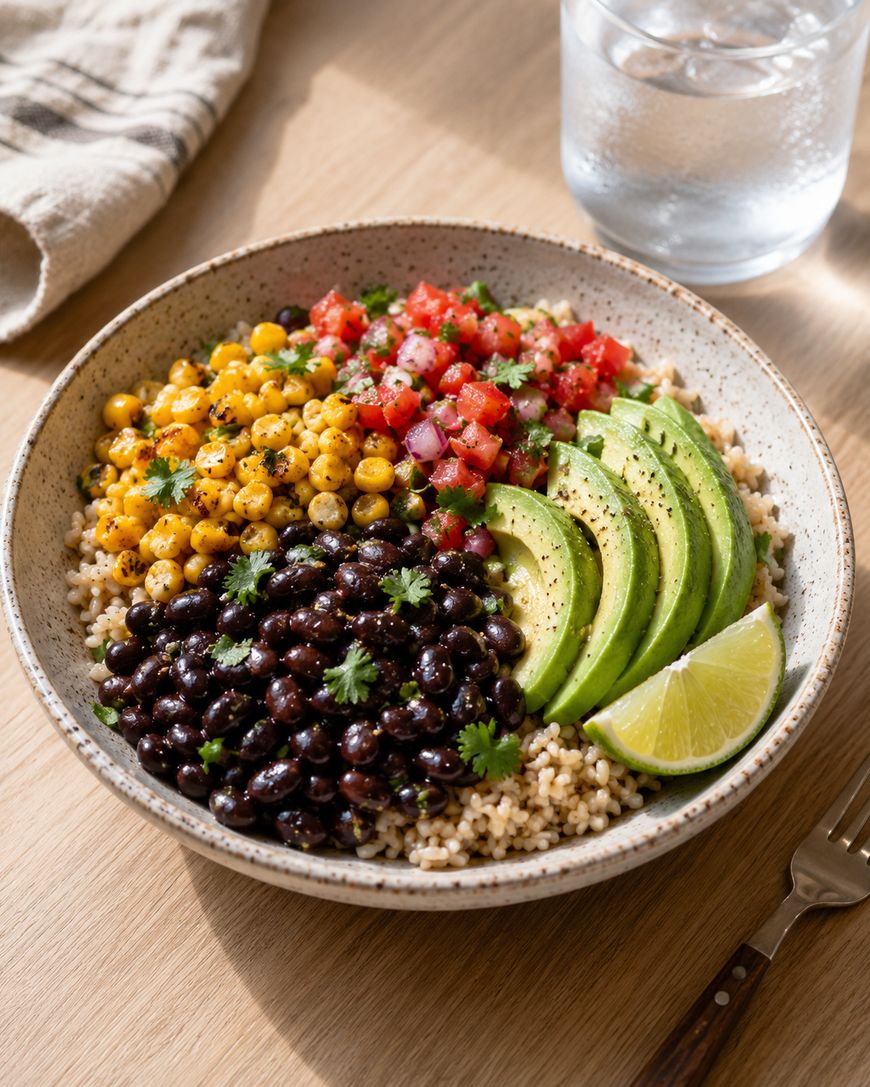
Simple Grain Bowl Base (Makes 4 servings)
- 2 cups dry brown rice or quinoa
- 1 can (15 oz) black beans, rinsed
- 1 cup corn (frozen or canned)
- 1 cup salsa
- 1 teaspoon cumin
- Salt and pepper to taste
- Cook rice or quinoa according to package directions.
- Warm beans, corn, and salsa in a small saucepan over medium heat.
- Season with cumin, salt, and pepper.
- Divide rice into containers and top with the bean mixture.
- Store in the fridge for up to 4 days; add avocado and hot sauce before eating.
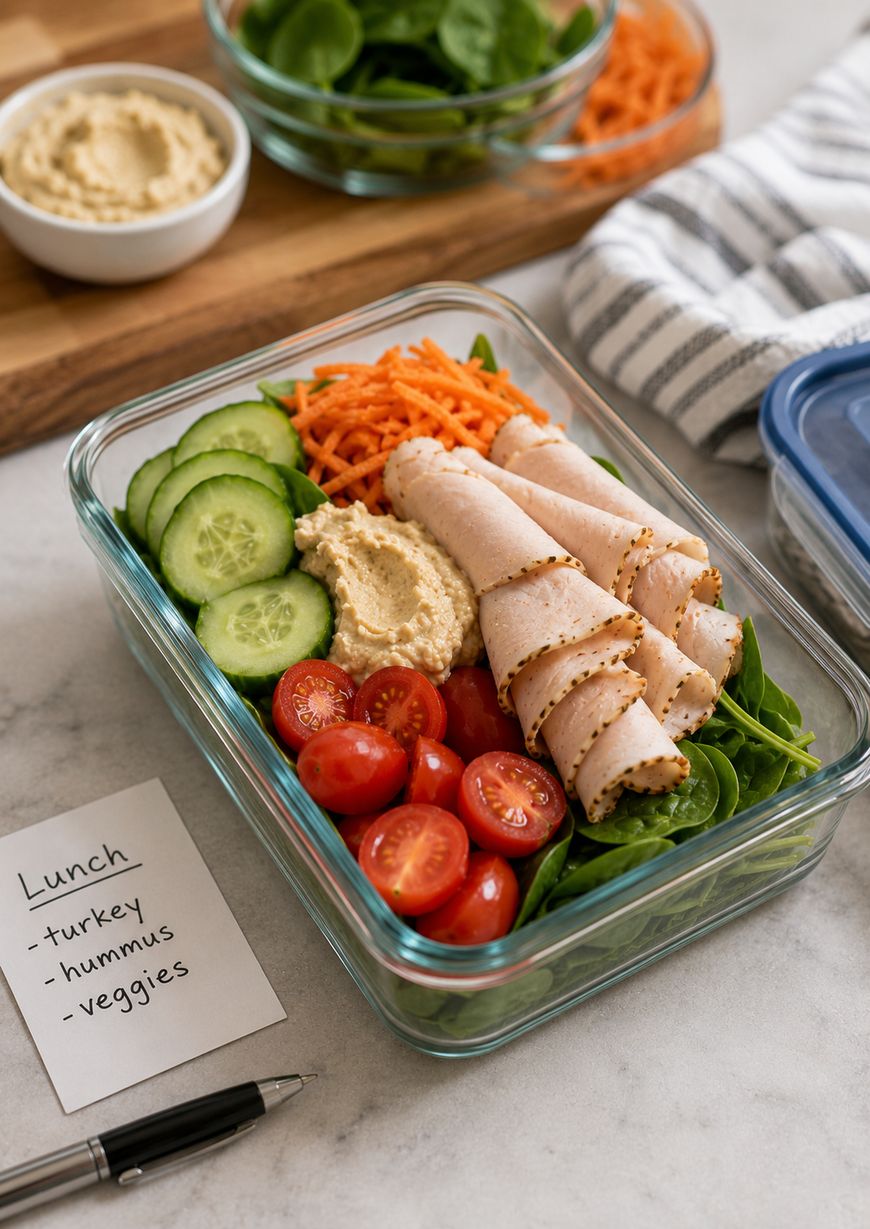
Wraps assembled with deli turkey, hummus, spinach, and shredded carrots take under five minutes to make and hold up well in the fridge for two to three days.
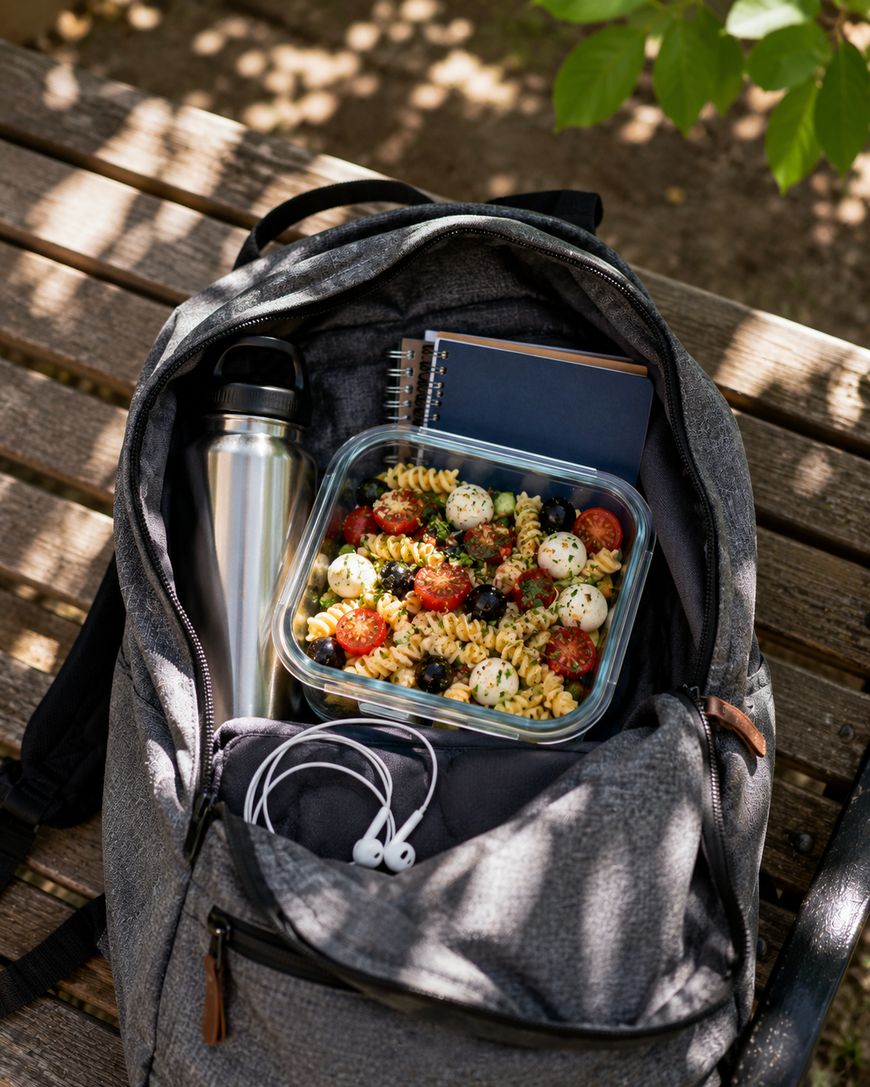
You can also cook a big batch of pasta salad on Sunday—use rotini or penne, add cherry tomatoes, olives, mozzarella, and Italian dressing—and portion it into containers for grab-and-go lunches all week.
Budget-Friendly College Dinner Meal Prep Ideas
Dinner is where your meal prep effort really pays off, because after a full day of classes and studying, the last thing you want to do is figure out what to cook from scratch.
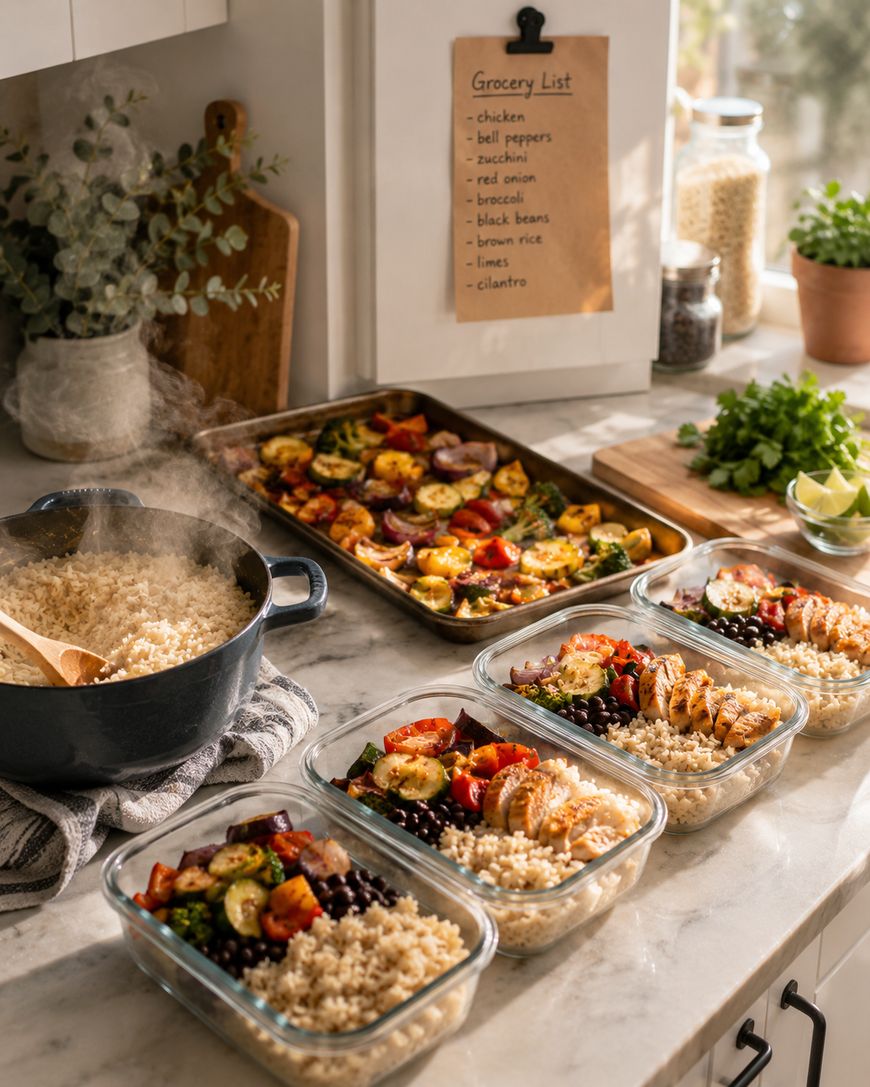
Sheet pan meals are the perfect college dinner because everything roasts together on one pan, cleanup is minimal, and you can prep two or three different protein-and-veggie combinations in one oven session.
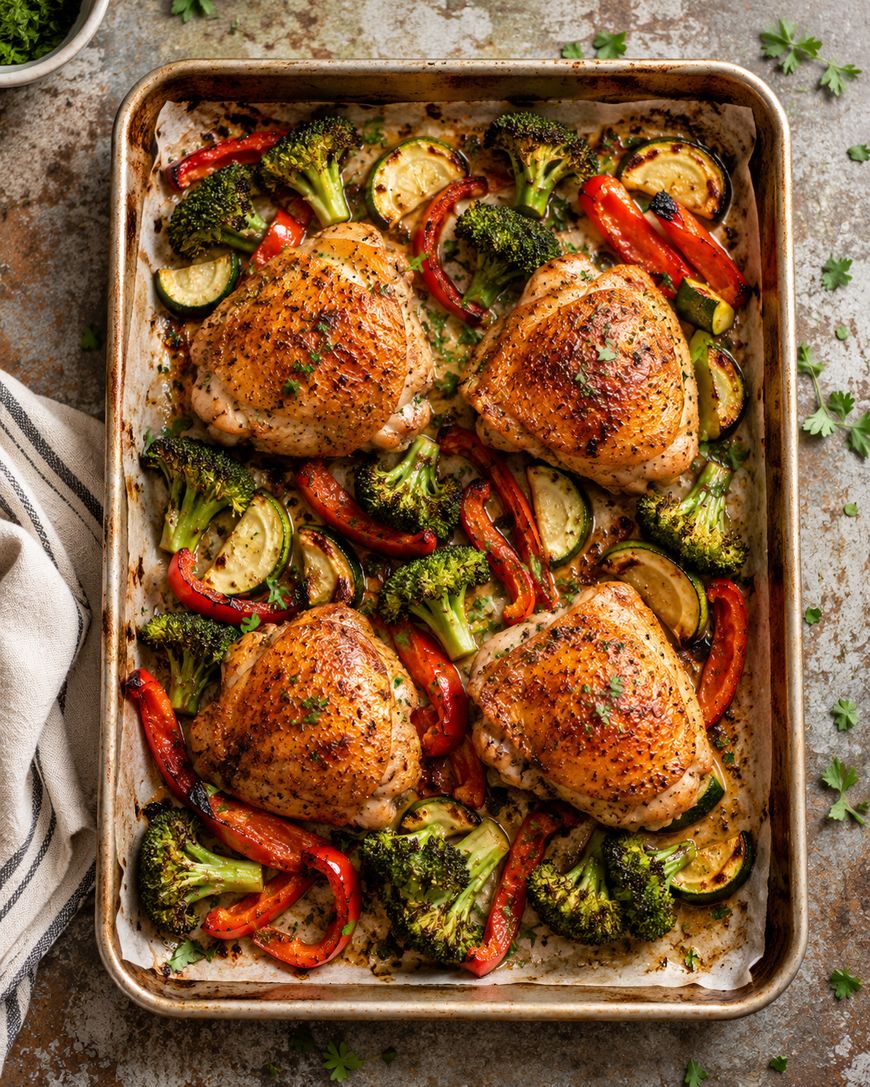
Sheet Pan Chicken and Vegetables (Makes 4 servings)
- 4 boneless, skinless chicken thighs
- 2 cups broccoli florets
- 1 bell pepper, sliced
- 1 zucchini, sliced into half-moons
- 3 tablespoons olive oil
- 1 teaspoon garlic powder
- 1 teaspoon paprika
- Salt and pepper to taste
- Preheat oven to 400°F and line a sheet pan with foil or parchment.
- Toss vegetables with 2 tablespoons olive oil, garlic powder, salt, and pepper.
- Rub chicken with remaining olive oil, paprika, salt, and pepper.
- Arrange chicken and vegetables in a single layer on the pan.
- Roast for 25 to 30 minutes until chicken is cooked through and vegetables are tender.
- Divide into 4 containers; refrigerate for up to 4 days.
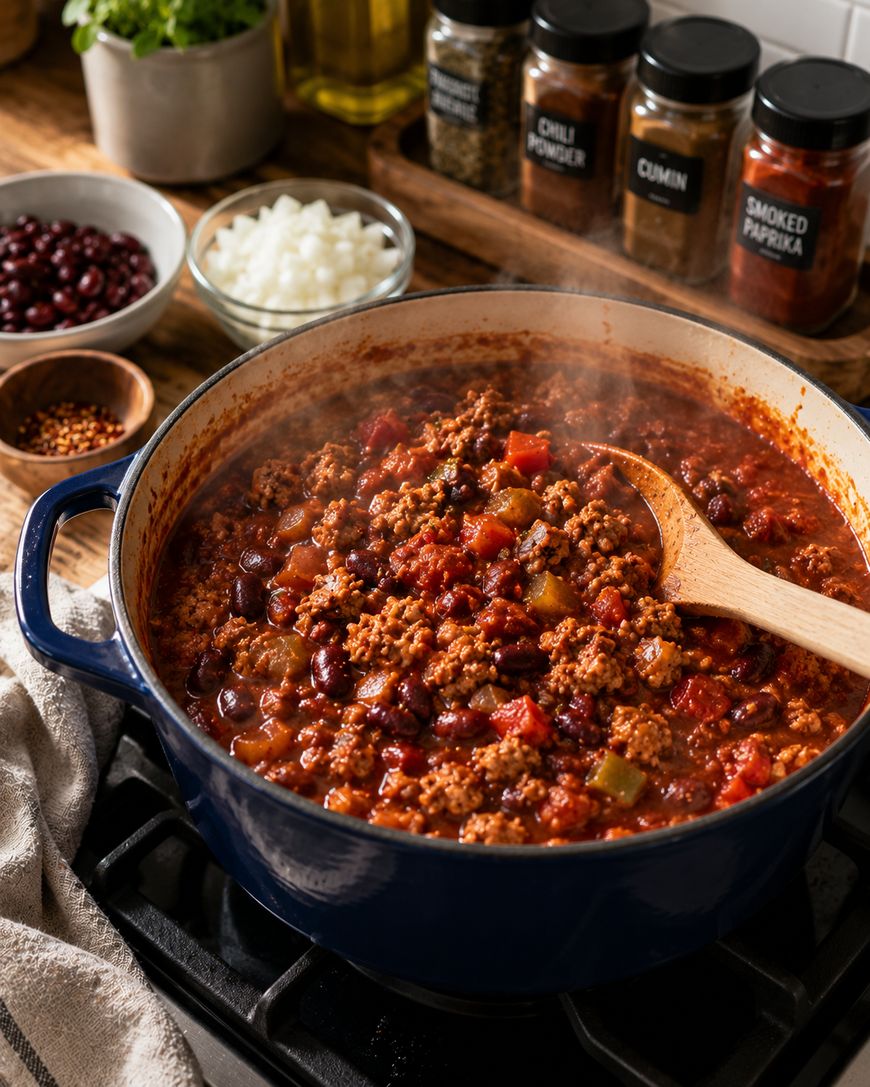
Slow cooker or one-pot meals like lentil soup, turkey chili, or vegetable curry are also college meal prep goldmines—you make a huge batch once and eat well for several days.
A pot of turkey chili loaded with kidney beans, canned tomatoes, onion, and chili powder costs under ten dollars to make and yields six to eight hearty servings.
Pasta dishes like baked ziti or a simple marinara with ground beef can also be made in large batches, portioned into containers, and reheated throughout the week.
Snack Prep: The Underrated Part of College Meal Planning
Snacking strategically is just as important as planning your main meals, especially during long study sessions when hunger creeps up between classes.
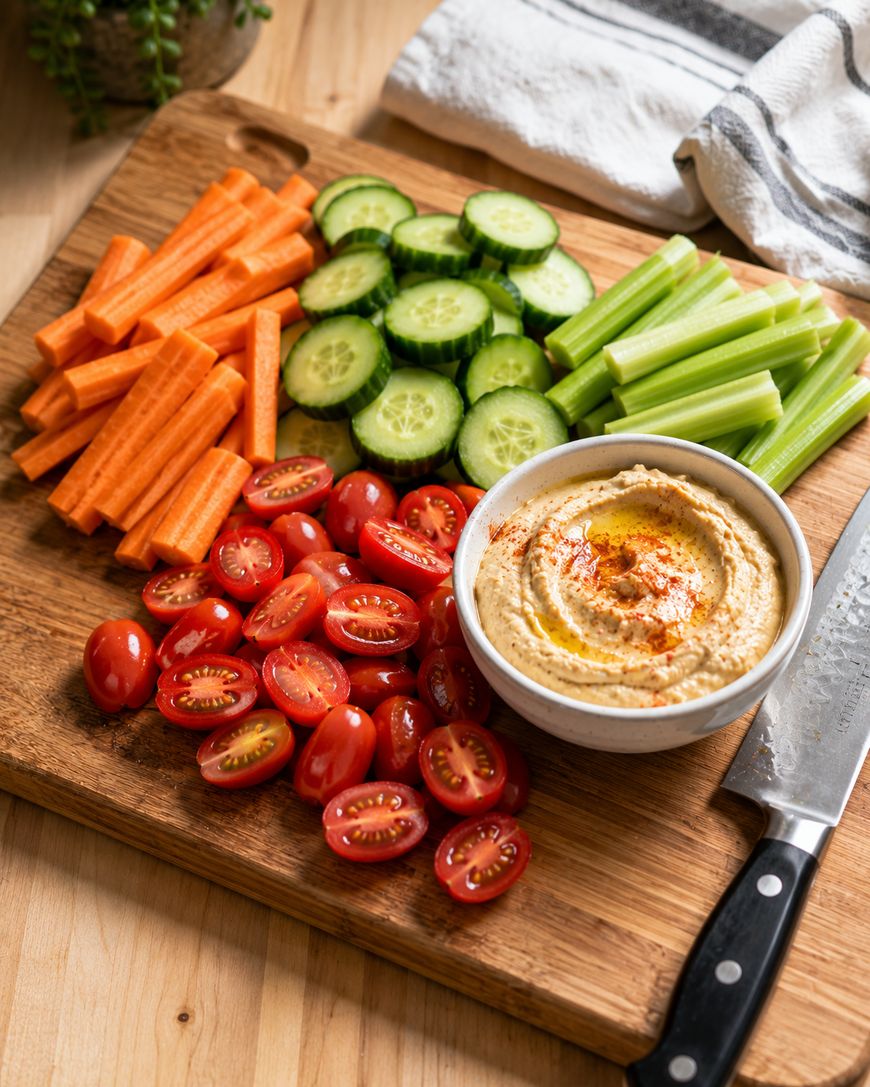
Hard-boiled eggs, portioned nuts, sliced vegetables with hummus, and apple slices with nut butter are all snacks you can prep once and have ready to grab all week.
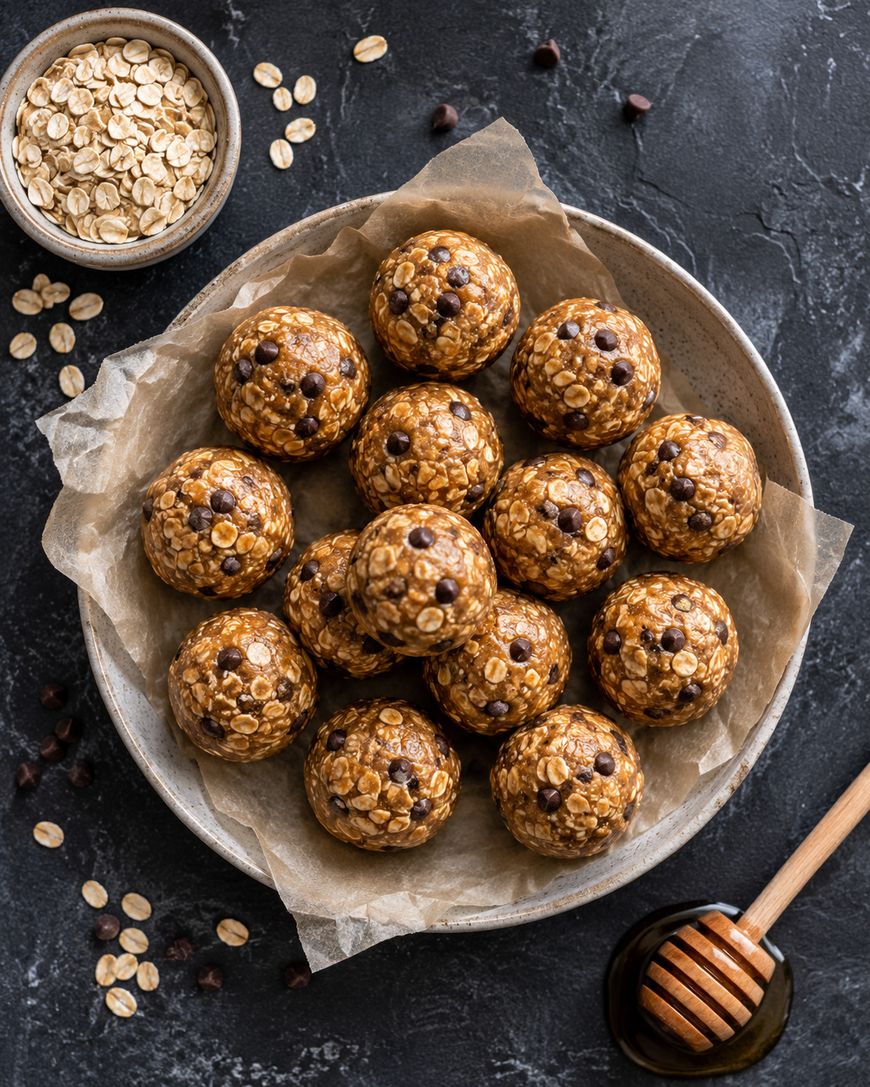
Batch-cooking a tray of energy bites—made with oats, peanut butter, honey, and chocolate chips—gives you a satisfying, no-refrigeration-needed snack that travels perfectly in a backpack.
Keeping cut vegetables like carrots, celery, and cucumber in water-filled containers in your fridge extends their freshness and makes healthy snacking almost effortless.
How to Build a College Meal Prep Routine That Sticks
The biggest mistake new meal preppers make is trying to do too much at once and burning out after one or two weeks.
Start small by prepping just two or three components—a grain, a protein, and a vegetable—and build from there as the habit becomes comfortable.
Pick one consistent prep day (Sunday works for most students) and treat it like a standing appointment on your calendar.
Use your prep session to also wash and chop produce you’ll use mid-week so that cooking on Tuesday or Wednesday still feels effortless.
Keep a running grocery list on your phone and update it throughout the week as you use things up, so your next shopping trip is fast and focused.
Rotate your recipes every two to three weeks to avoid flavor fatigue—eating the same thing too many days in a row is the fastest way to abandon your meal prep habit.
Cooking with a roommate or friend makes the whole process more enjoyable and lets you split costs on larger ingredient quantities, which stretches both your budgets further.
Q&A: College Meal Prep Ideas Answered
How long does meal prepped food last in the fridge?
Most cooked proteins and grains last four to five days when stored in airtight containers in the refrigerator.
Cooked vegetables stay fresh for three to four days, while raw prepped produce like cut carrots or washed greens can last up to a week if stored properly with a paper towel to absorb moisture.
What are the cheapest proteins to buy for college meal prep?
Eggs, canned tuna, dried or canned lentils, canned chickpeas, and ground turkey are among the most affordable and versatile protein sources for student budgets.
A dozen eggs costs around two to three dollars and provides 12 high-protein meals or snacks, making it one of the best values in any grocery store.
Can you meal prep without a full kitchen?
Absolutely—a microwave, a mini fridge, and an electric kettle or hot plate can carry you further than you’d think.
Microwave oatmeal, overnight oats, microwaved eggs, instant rice cups, canned soups upgraded with canned beans and hot sauce, and no-cook wraps all work perfectly in a dorm room setup.
How much does college meal prep actually save?
Students who meal prep consistently report spending between thirty and sixty dollars per week on groceries, compared to eighty to one hundred fifty dollars for those who rely primarily on dining halls, cafes, and delivery apps.
Over a full semester, that difference can easily add up to five hundred dollars or more in savings—money that’s better spent on textbooks, experiences, or building an emergency fund.
What containers are best for college meal prep?
Glass containers with snap-lock lids are the most durable and don’t absorb odors or stains, but they’re heavier to carry.
BPA-free plastic containers from brands like Rubbermaid or OXO are lighter, microwave-safe, and more practical for carrying meals to class in a backpack.
Is meal prepping worth it if my schedule changes every week?
Yes, because the goal isn’t rigid meal assignments for every single day—it’s having ready-to-eat components you can mix and match based on how your week unfolds.
If you have prepped rice, roasted vegetables, and a cooked protein in the fridge, you can assemble a different bowl, wrap, or stir-fry in under five minutes no matter what your day looked like.
Make College Meal Prep Ideas Work for Your Life
The best college meal prep ideas are the ones you’ll actually stick to, so start with meals you already enjoy eating and build your system around those flavors.
You don’t need perfection—you just need a fridge stocked with a few good basics that make healthy, budget-friendly eating the easy choice every single day.
Start this Sunday with just overnight oats and one batch of grain bowls, and you’ll quickly see how much smoother your week feels when food is handled.
College meal prep ideas become second nature faster than you think, and once you experience the time, money, and mental energy you save, you won’t want to go back.