Last updated: August 25, 2026
This cottage cheese mac n cheese recipe is the weeknight dinner you did not know you needed. See the recipe card below for exact measurements and step-by-step instructions.

Why Cottage Cheese Works in Mac and Cheese
Cottage cheese blends into a silky, protein-rich sauce that rivals any traditional roux-based version. When blended smooth, it loses its curd texture entirely and becomes indistinguishable from a classic cream sauce.
The result is a bowl of mac and cheese that delivers around 20 grams of protein per serving. That is nearly double what you get from a standard recipe made with heavy cream or butter-and-flour alone.
What You Need
The Pasta
Any short pasta works well here. Elbow macaroni is the classic choice, but cavatappi, shells, or rotini all hold the sauce beautifully.
Cook the pasta in well-salted water until just al dente. It will continue to absorb the sauce once combined, so pulling it a minute early prevents mushiness.

The Cottage Cheese Sauce Base
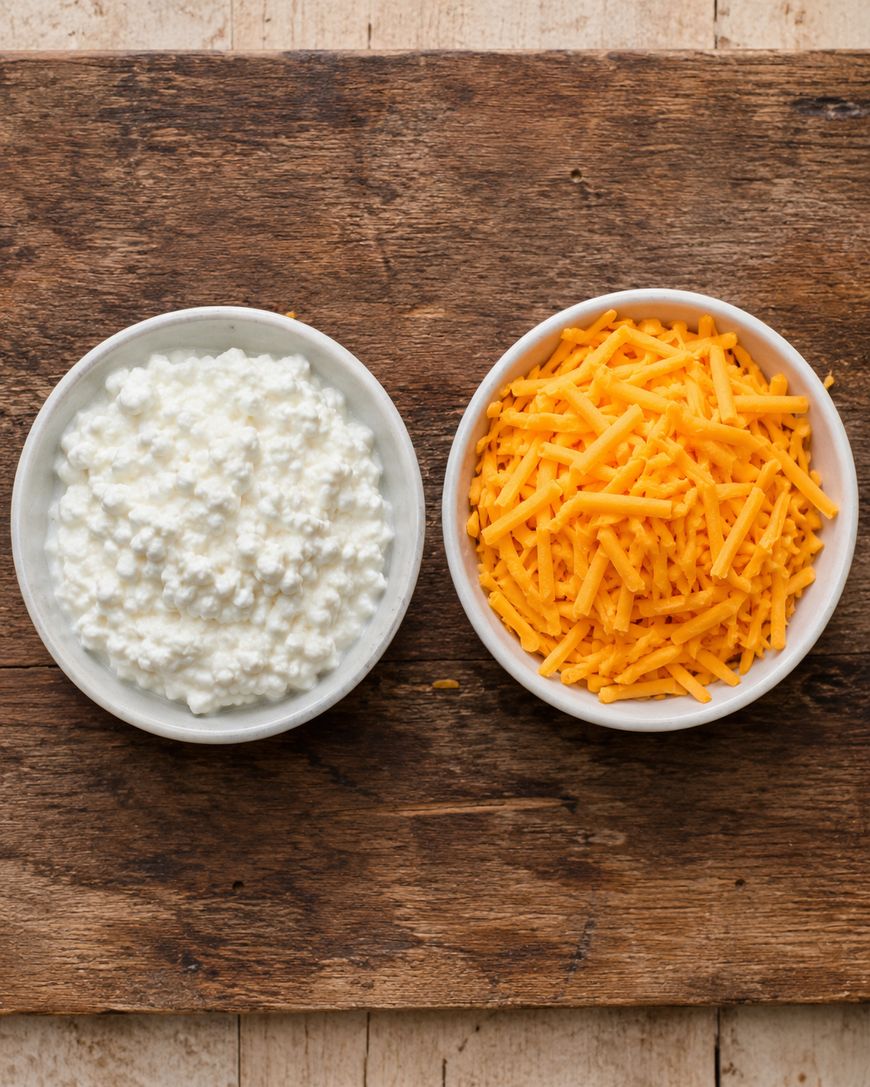
Use full-fat cottage cheese for the creamiest result. Brands like Daisy or Good Culture blend particularly smooth.
Combine the cottage cheese with shredded sharp cheddar, a splash of milk, garlic powder, onion powder, mustard powder, salt, and black pepper. Blend everything in a blender or food processor until completely smooth before heating.
The Cheese
Sharp cheddar is the backbone here. A combination of sharp cheddar and Gruyere adds depth and nuttiness.
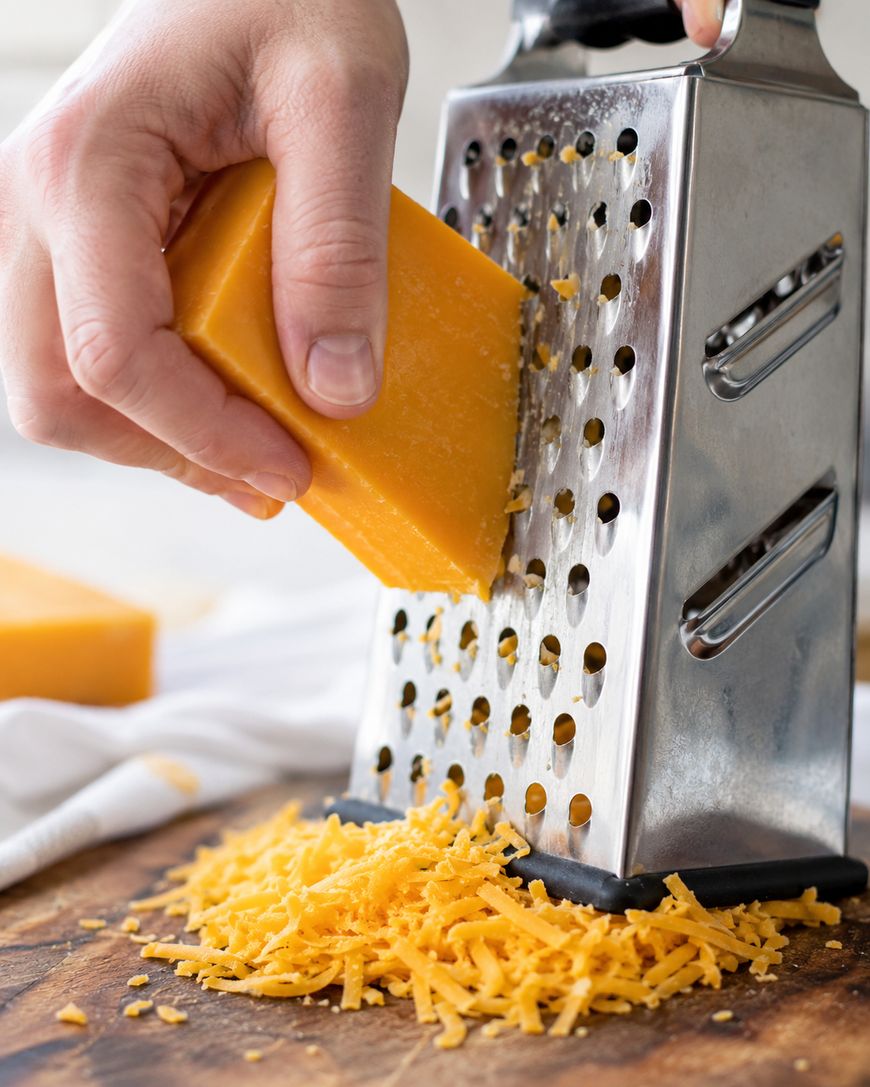
Shred the cheese from a block rather than buying pre-shredded. Pre-shredded cheese contains anti-caking agents that prevent proper melting and can make the sauce grainy.
How to Make It
Step One: Cook the Pasta
Bring a large pot of water to a boil and season it generously with kosher salt. Cook pasta according to package directions, minus one minute.
Reserve one cup of pasta water before draining. The starchy water helps loosen the sauce if it thickens too much.
Step Two: Blend the Sauce
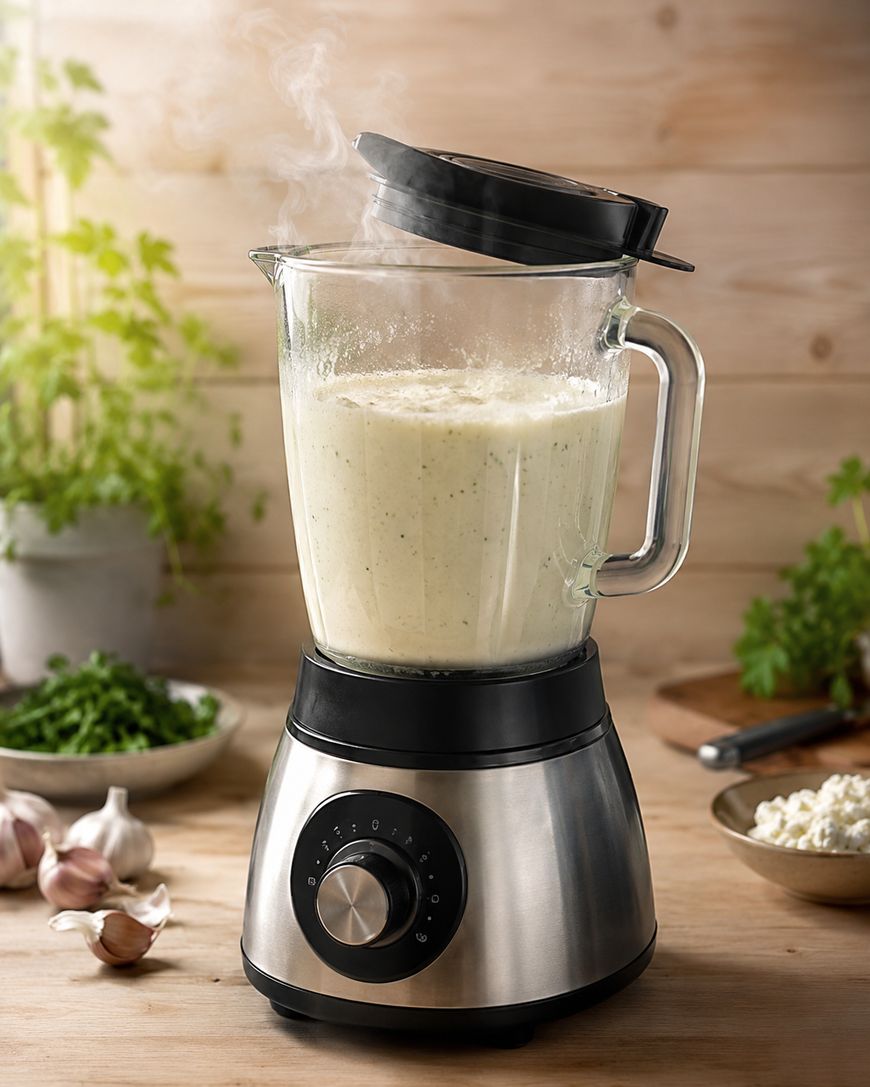
Add cottage cheese, half the shredded cheese, milk, and all spices to a blender. Blend on high for 60 seconds until the mixture is completely smooth with no visible curds.
This step is non-negotiable. Skipping the blend leaves the sauce lumpy and the flavor uneven.
Step Three: Heat and Combine
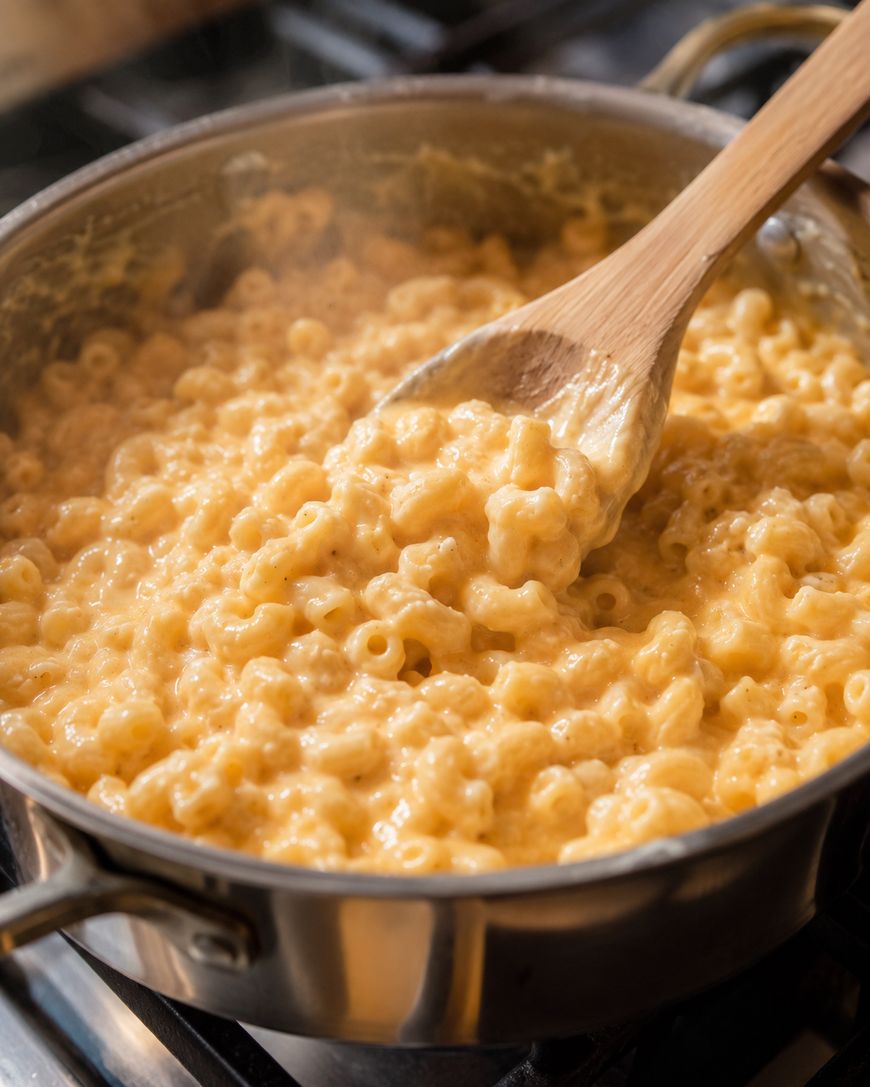
Pour the blended sauce into the same pot used for pasta over medium-low heat. Stir frequently and let it warm through for two to three minutes.
Add the drained pasta and remaining shredded cheese. Stir vigorously until the cheese melts completely and coats every piece of pasta.
Step Four: Taste and Adjust
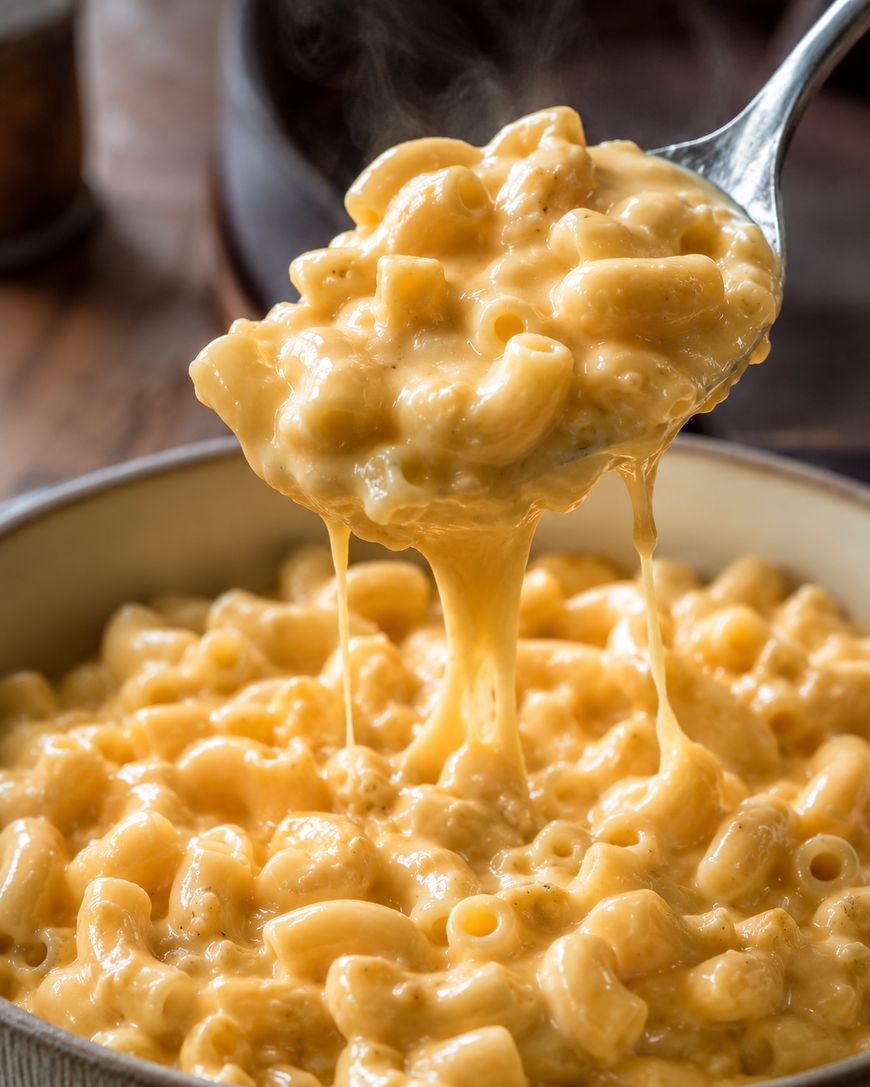
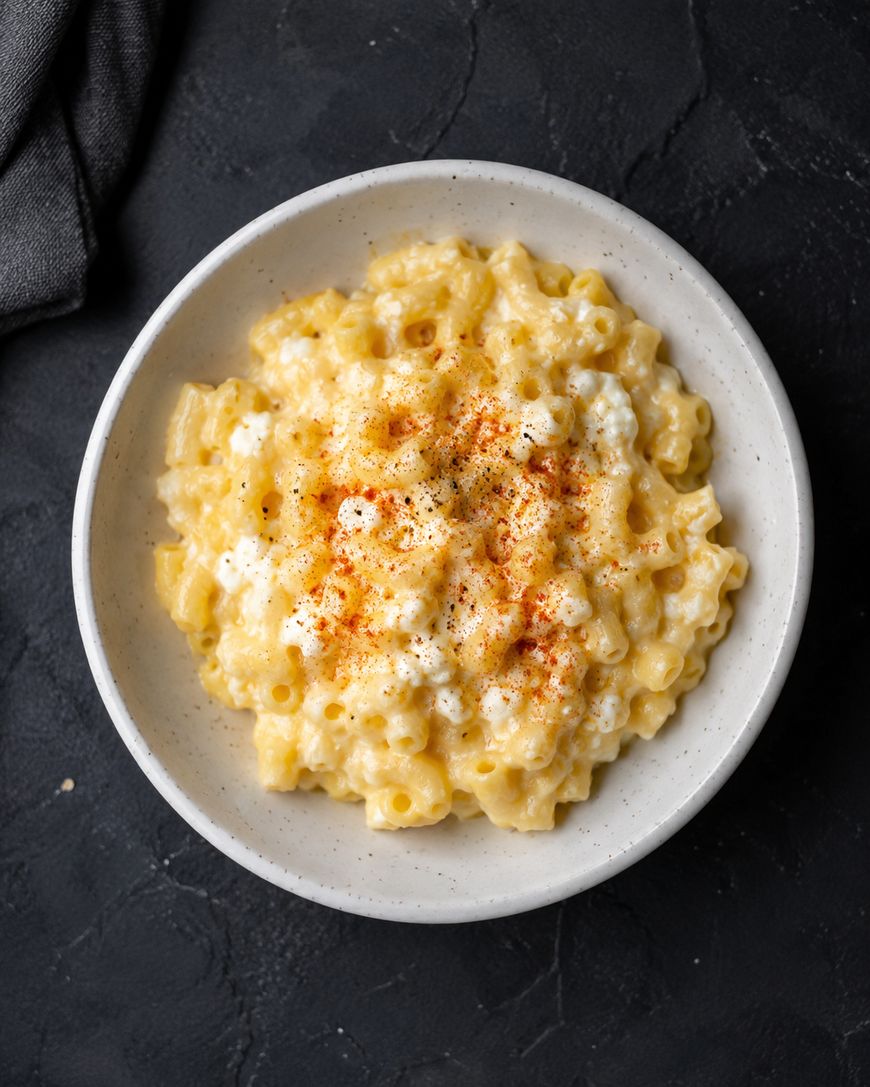
Taste before serving and adjust salt and pepper as needed. A pinch of smoked paprika on top adds color and a subtle smoky note.
Serve immediately. This mac and cheese thickens as it sits, so leftovers will need a splash of milk when reheating.
Tips for the Best Results
Do Not Skip Blending
The blender step transforms the sauce from a grainy, curd-flecked mixture into something genuinely creamy. A high-speed blender like a Vitamix or Blendtec produces the smoothest result, but any standard blender works if you run it long enough.

Use Room Temperature Ingredients
Cold cottage cheese straight from the fridge can cause the sauce to seize or become stringy when it hits the hot pasta. Let it sit at room temperature for 15 minutes before blending.
Add Heat Slowly
The cottage cheese sauce can break if exposed to high heat too quickly. Keep the burner at medium-low and stir constantly during the first few minutes of heating.
Variations
Baked Cottage Cheese Mac and Cheese
Transfer the finished mac and cheese to a buttered baking dish. Top with a mixture of panko breadcrumbs and melted butter. Bake at 375 degrees Fahrenheit for 20 minutes until golden and bubbling.

Spicy Version
Stir in one to two teaspoons of hot sauce or a half teaspoon of cayenne pepper to the blended sauce. A diced pickled jalapeno stirred in at the end adds brightness alongside the heat.
Veggie-Loaded
Stir in roasted broccoli, caramelized onions, or sauteed spinach just before serving. These additions blend seamlessly with the creamy sauce.
Substitutions
Dairy-Free Option
Swap cottage cheese for a plant-based version made from cashews. Brands like Good Planet make a cashew-based cottage cheese that blends similarly to the dairy version.
Gluten-Free
Use any certified gluten-free pasta. Brown rice pasta and chickpea pasta both hold their shape well in this recipe.
Storage and Reheating
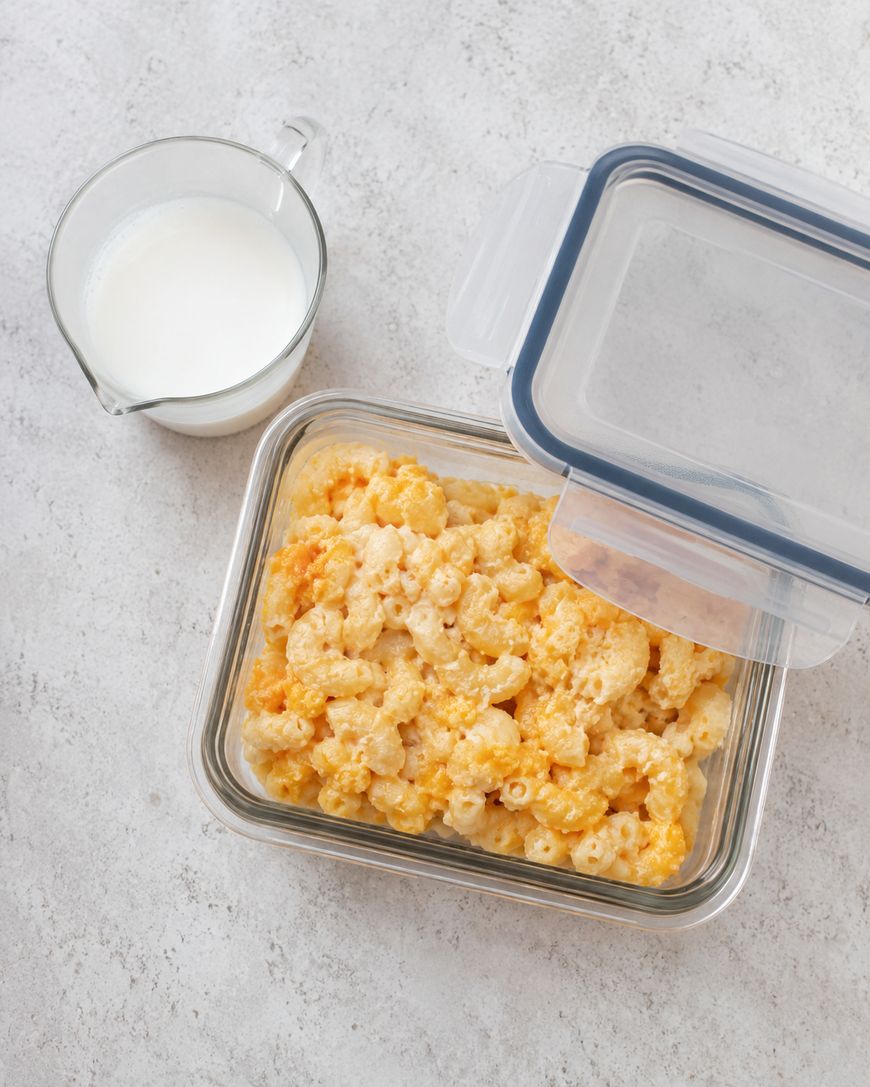
Store leftovers in an airtight container in the refrigerator for up to four days. The sauce will thicken considerably once chilled.
To reheat, add two to three tablespoons of milk per serving and warm over medium-low heat, stirring frequently. Microwave reheating works but stir every 30 seconds and add milk as needed.
The Origin of Mac and Cheese
Macaroni and cheese as a concept dates back to 14th-century Italy, where a dish called “de lasanis” combined pasta with Parmesan cheese. The recipe traveled to England and eventually to North America, where Thomas Jefferson is often credited with popularizing it in the United States after encountering it in Paris in the 1780s.
The cottage cheese version belongs to a recent wave of high-protein recipe adaptations that spread widely through social media in 2022 and 2023. Food creators on TikTok demonstrated that blended cottage cheese produces a sauce so similar to a traditional bechamel that many tasters cannot tell the difference.
Scroll down to the recipe card to get started on your own batch.
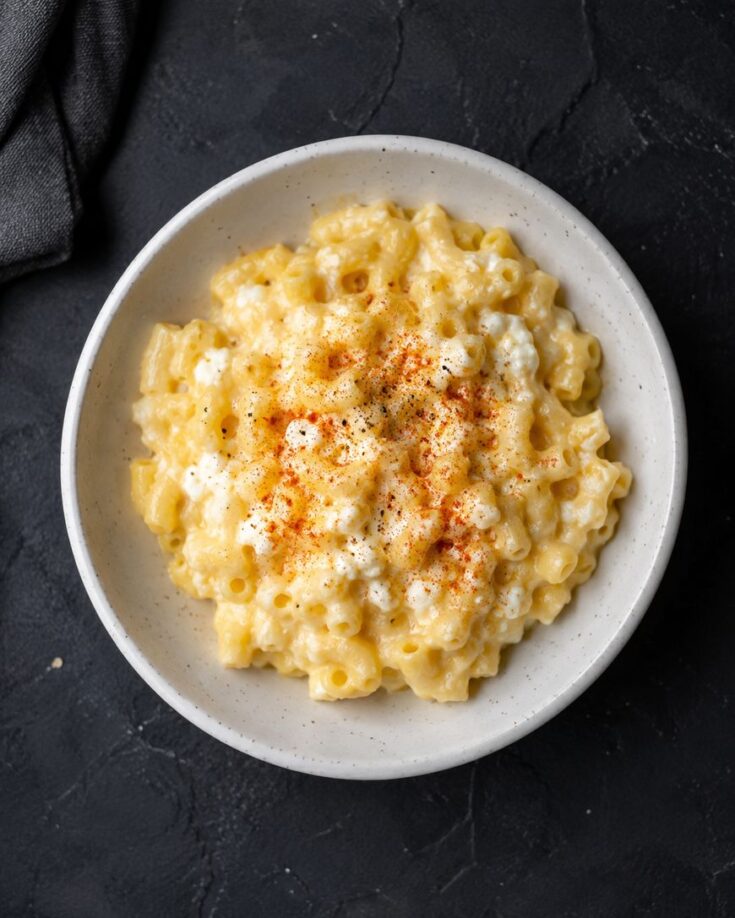
Cottage Cheese Mac n Cheese Recipe
A creamy, high-protein mac and cheese made with blended cottage cheese and sharp cheddar. Ready in 20 minutes and indistinguishable from the classic version.
Ingredients
- 12 oz elbow macaroni (or cavatappi or shells)
- 1 cup full-fat cottage cheese (small or large curd)
- 1.5 cups sharp cheddar cheese, shredded from block, divided
- 0.25 cup whole milk, plus more as needed
- 0.5 tsp garlic powder
- 0.5 tsp onion powder
- 0.25 tsp mustard powder
- 0.75 tsp kosher salt
- 0.25 tsp black pepper
- Smoked paprika for garnish (optional)
Instructions
- Bring a large pot of heavily salted water to a boil. Cook pasta according to package directions, minus 1 minute. Reserve 1 cup pasta water, then drain.
- While pasta cooks, add cottage cheese, 1 cup of the shredded cheddar, milk, garlic powder, onion powder, mustard powder, salt, and pepper to a blender. Blend on high for 60 seconds until completely smooth.
- Pour blended sauce into the empty pot over medium-low heat. Stir frequently for 2 to 3 minutes until warmed through.
- Add drained pasta and remaining 0.5 cup shredded cheddar. Stir vigorously until cheese melts and sauce coats the pasta evenly.
- Add reserved pasta water 1 tablespoon at a time if the sauce is too thick.
- Taste and adjust salt and pepper. Serve immediately topped with a pinch of smoked paprika if desired.
Notes
Do not skip blending the cottage cheese -- this creates the creamy, smooth sauce.
Use block cheese and shred it yourself for the best melt.
Full-fat cottage cheese produces the creamiest result.
Leftovers keep in the refrigerator for up to 4 days; reheat with a splash of milk over medium-low heat.
Nutrition Information:
Yield:
4Serving Size:
1.5 cupsAmount Per Serving: Calories: 520Total Fat: 16gSaturated Fat: 9gTrans Fat: 0gUnsaturated Fat: 6gCholesterol: 52mgSodium: 680mgCarbohydrates: 64gFiber: 3gSugar: 4gProtein: 29g
This site provides estimated nutritional information. This information comes from online calculators. Although we try to provide accurate nutritional information, these figures are only estimates.
Frequently Asked Questions
Can you taste the cottage cheese in this recipe?
No, once blended and combined with sharp cheddar and spices, the cottage cheese flavor disappears entirely. The sauce tastes like a traditional creamy mac and cheese with a slightly tangier edge that most people attribute to the mustard powder rather than the cottage cheese itself.
What is the best cottage cheese to use?
Full-fat cottage cheese produces the creamiest sauce. Small curd and large curd both work because the blending step eliminates any textural differences. Brands with fewer additives, like Daisy or Good Culture, blend into the smoothest result.
Can this recipe be made ahead of time?
Yes, you can make the sauce up to two days in advance and store it separately from the cooked pasta. When ready to serve, reheat the sauce gently, cook fresh pasta, and combine. This method gives better results than reheating a fully assembled dish.
How do you keep the sauce from getting grainy?
Two factors prevent a grainy sauce. First, blend the cottage cheese completely smooth before adding heat. Second, keep the heat at medium-low throughout and avoid letting the sauce boil. High heat causes the proteins in cottage cheese to seize and separate.
Is cottage cheese mac and cheese healthier than regular mac and cheese?
It contains significantly more protein per serving and less saturated fat than versions made with heavy cream and a full stick of butter. It is still a cheese-forward dish, so it is not a low-calorie meal, but the protein density makes it more satiating. A typical serving provides roughly 20 to 25 grams of protein compared to 8 to 12 in a traditional recipe.
Can kids eat this?
Yes, and most kids enjoy it. The flavor and appearance are nearly identical to classic mac and cheese. If your children are sensitive to new textures, blending the sauce until completely smooth before serving removes any trace of cottage cheese curd.
Conclusion
This cottage cheese mac n cheese recipe proves that a few simple swaps can dramatically change the nutritional profile of a comfort food classic without sacrificing the creamy, cheesy flavor that makes it worth eating in the first place. Make it once and it will earn a permanent spot in your weeknight rotation.