Last updated: August 12, 2026
History books can’t always tell the stories behind the weapons. They show how different societies devised solutions to problems and how they conveyed identity, tradition, and status through their shape, materials, and craftsmanship.
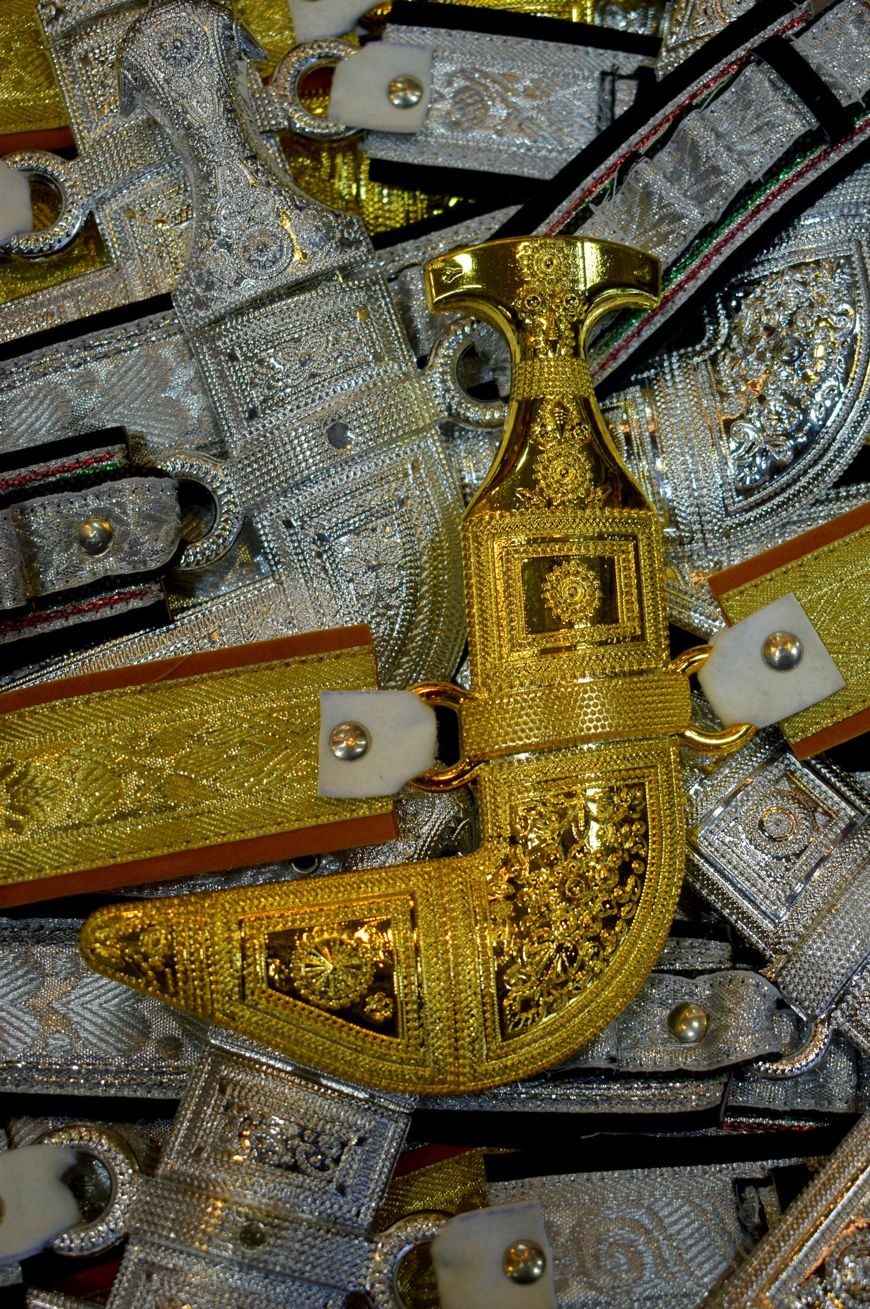
Perhaps the most well-known are curved blades, which had both functional and symbolic uses in many areas. For centuries, craftsmen fashioned curved knives and daggers for purposes of war, self-defense, ceremonies and cultural traditions.
These blades were seen and used in royal courts, military camps, religious communities, and daily life and have had a lasting impact on history. Their designs evolved when ideologies spread via trade, migration, and conquest, making for interesting variations across the globe.
Knowing these weapons enhances your appreciation of both their artistry and those who carried them. Let’s find out how curved daggers evolved in various cultures and why they are historically significant today.
1. The Curved Dagger Was Born Out Of Necessity
The first curved blades were made with a purpose. A curved edge sometimes allowed for cutting and slashing more easily than a straight blade. The warriors discovered that the shape allowed for better motion in close quarters, and the blade was useful for a great deal of everyday activities.
A curved dagger was a popular subject of study for people with an interest in historical weapons today, for its balance, craftsmanship, and ceremonial significance. Many of the traditional examples still retain the same characteristics that made these blades useful centuries ago.
Blacksmiths meticulously picked the metal and handcrafted each blade. All the curves had a function. Some blades were gently curved, others were incredibly curved – depending on the area where they were being used and the type of work they were performing.
As the technology of metals became more sophisticated, producing more things with them, artisans also began to incorporate decoratively detailed elements. Many daggers became symbols of prestige by the addition of engraved works, carved handles, gemstones, or precious metals.
2. Middle Eastern Cultures Refined Elegant Curved Blade Designs
The most famous curved daggers were of Middle Eastern origin. The weapons were both beautiful and functional and came to stand for honor, leadership, and social status. The Jambiya, a common Yemenite dagger with a wide, curved blade and elaborate handle. These daggers were often handed down in families.
They still come out at many of the traditional ceremonies and cultural events. Also, in Oman and neighboring countries, the Khanjar became an important cultural symbol. It was inlaid with silver and elaborate decoration by expert artisans.
It was not just a weapon; it was heritage, respect, and identity. Ideas spread among neighboring civilizations via trade routes. Blade designs developed as merchants and travelers crossed regions and kept to their traditions.
3. Curved Daggers With Cultural Meanings Were Developed In South Asia
South Asia has yielded some amazing curved blades, each a product of local history and craftsmanship. They were developed by kingdoms, warriors, and religious communities.
Many Sikh ceremonial knives are examples of the use of weapons as both a spiritual dedication and a design statement. They are revered for both their religious value and the craftsmanship of these blades.
The Mughals also fostered artistic innovation. Artisans at court produced fine ivory, jade, gold, and gemstone-handled daggers. Many emerged as highly valuable works of art, showcasing outstanding skills in metalworking.
Indian blacksmiths explored various forms of blades for the varying demands of warfare. Their activities had an impact on surrounding areas through trade, diplomacy, and cultural exchange. South Asian curved daggers gained historical significance because of their utility, symbolism, and artistry.
4. Europe Created Curved Daggers For Specialized Roles
While straight blades were the most prevalent in the history of Europe, curved daggers were found in various regions and times. Certain hunting knives had curved designs that led to better skinning and processing of the animals. Sailors also wore curved knives as the shape was good for cutting ropes and doing work on ships.
In the Renaissance period, some daggers were owned by rich nobles and were designed for display rather than for fighting. Craftsmen fashioned elaborate hilts, decorated scabbards, and engraved blades that would indicate the status of the owner.
With European trade grew the exposure to Middle Eastern and Asian weaponry, which brought new design concepts. Some local artisans incorporated foreign influences in traditional European designs, making hybrids. As these examples illustrate, curved blades were useful and also indicative of shifting tastes in art.
5. East And Southeast Asia Added Their Own Unique Traditions
Several Asian cultures developed distinctive curved blades suited to their environments and traditions. Indonesia is famous for the Kris, a dagger recognized for its unique wavy or gently curved blade. Beyond its practical role, the Kris carries deep cultural and spiritual meaning. Many families preserve these daggers as treasured heirlooms.
In the Philippines, traditional blades evolved to match local fighting styles and daily life. Craftsmen adapted blade shapes to suit different regions, climates, and cultural practices. Japan primarily became known for swords, but specialized curved knives also played important roles in craftsmanship, hunting, and everyday work.
Precision and careful forging remained central to Japanese blade making. Across Asia, artisans combined technical skill with cultural values, producing weapons that reflected both function and identity.
6. Curved Daggers Continue To Fascinate Collectors And Historians
Many historic curved daggers now appear in museums, private collections, and cultural exhibitions. Researchers study them to learn about trade, warfare, craftsmanship, and cultural exchange.
Collectors often evaluate several important features:
- Blade shape and curvature
- Materials used during construction
- Historical period and origin
- Decorative craftsmanship
- Cultural or ceremonial significance
- Overall preservation and authenticity
Understanding these details helps distinguish genuine historical pieces from modern reproductions.
If you plan to collect ceremonial or historical blades, learning about regional styles is essential. Knowing the history behind each design allows you to appreciate more than its appearance. It also helps you recognize the traditions and craftsmanship that shaped each piece.
Final Thoughts
Curved daggers represent far more than historical weapons. They preserve stories of craftsmanship, cultural identity, religious traditions, and technological progress across many civilizations.
From the Middle East to South Asia, Europe, and East Asia, each region developed distinctive designs that reflected local needs and values while influencing neighboring cultures. By studying these remarkable blades, you gain a deeper appreciation for the people who created and carried them.
Whether your interest lies in history, traditional craftsmanship, or ceremonial pieces, understanding their origins provides valuable perspective. Continue exploring trusted historical sources and authentic examples to build a richer understanding of these enduring cultural artifacts.