Last updated: August 6, 2026
If you’ve ever struggled to get a campfire or fireplace going, these DIY firestarters ideas are exactly what you need. We’re going to walk you through the most effective homemade options using supplies you likely already have at home. You’ll be lighting fires quickly and confidently before you know it.

Wax and Sawdust Firestarters
This is one of the most classic DIY firestarters ideas, and it works beautifully every time. The combination of wax and sawdust creates a slow-burning, high-heat starter that catches easily and holds a flame long enough to get even stubborn logs going.
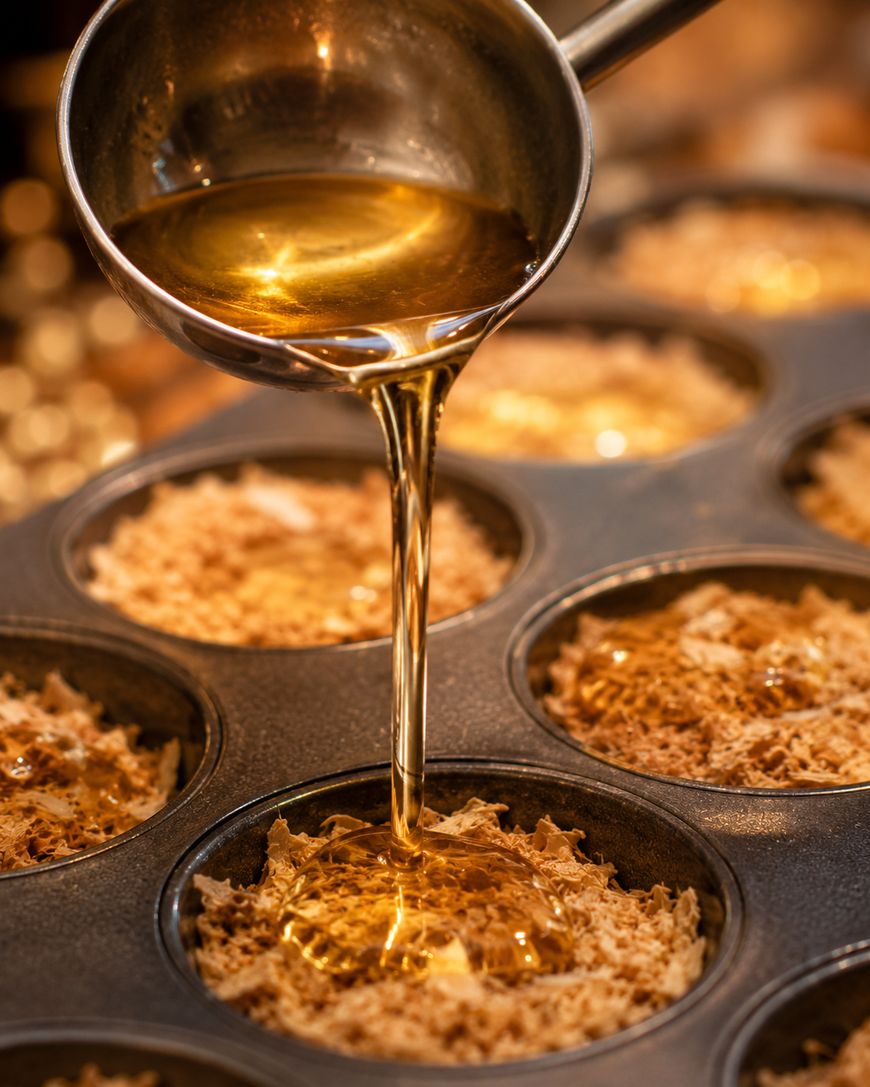
You’ll need old candle wax or paraffin wax, dry sawdust, a muffin tin, muffin liners, and a double boiler setup to melt the wax safely. Melt the wax over gentle heat, stir in the sawdust until the mixture is well combined, then pour it into the muffin liners and let it cool completely. Each puck will burn for 10 to 15 minutes, which is more than enough time to catch your kindling.
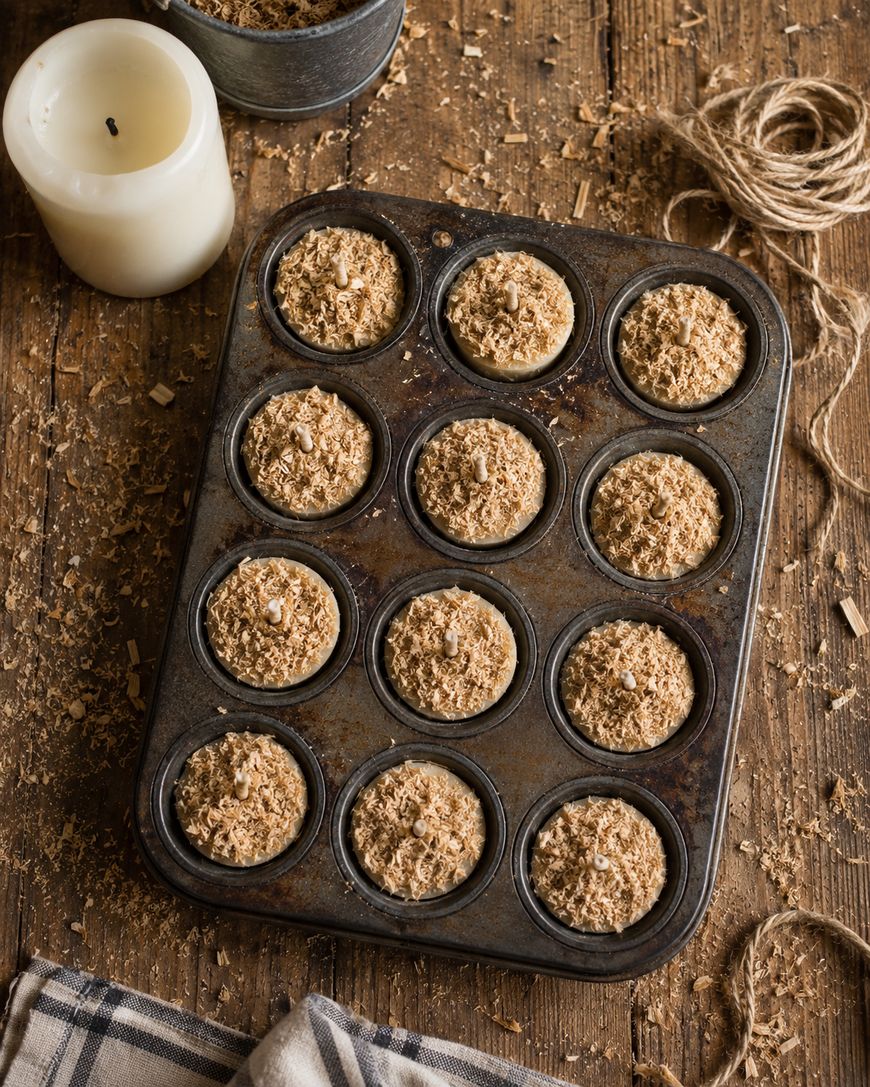
This method is also endlessly customizable. You can add dried citrus peels or a few drops of cedar essential oil to the melted wax for a pleasant aroma when the fire starts. Store the finished pucks in a zip-lock bag or old tin, and keep a few near your fireplace so they’re ready to grab at a moment’s notice.
Dryer Lint and Toilet Paper Roll Firestarters
If you’ve been throwing away toilet paper rolls and dryer lint, you’ve been throwing away free fire starters. This is one of the easiest DIY firestarters ideas you’ll come across, and it takes less than five minutes to put together.
Stuff a cardboard toilet paper roll tightly with dryer lint, then twist or fold the ends closed so the lint stays put. That’s genuinely all there is to it. The lint catches a spark almost instantly, and the cardboard tube feeds the flame steadily while your kindling gets going.
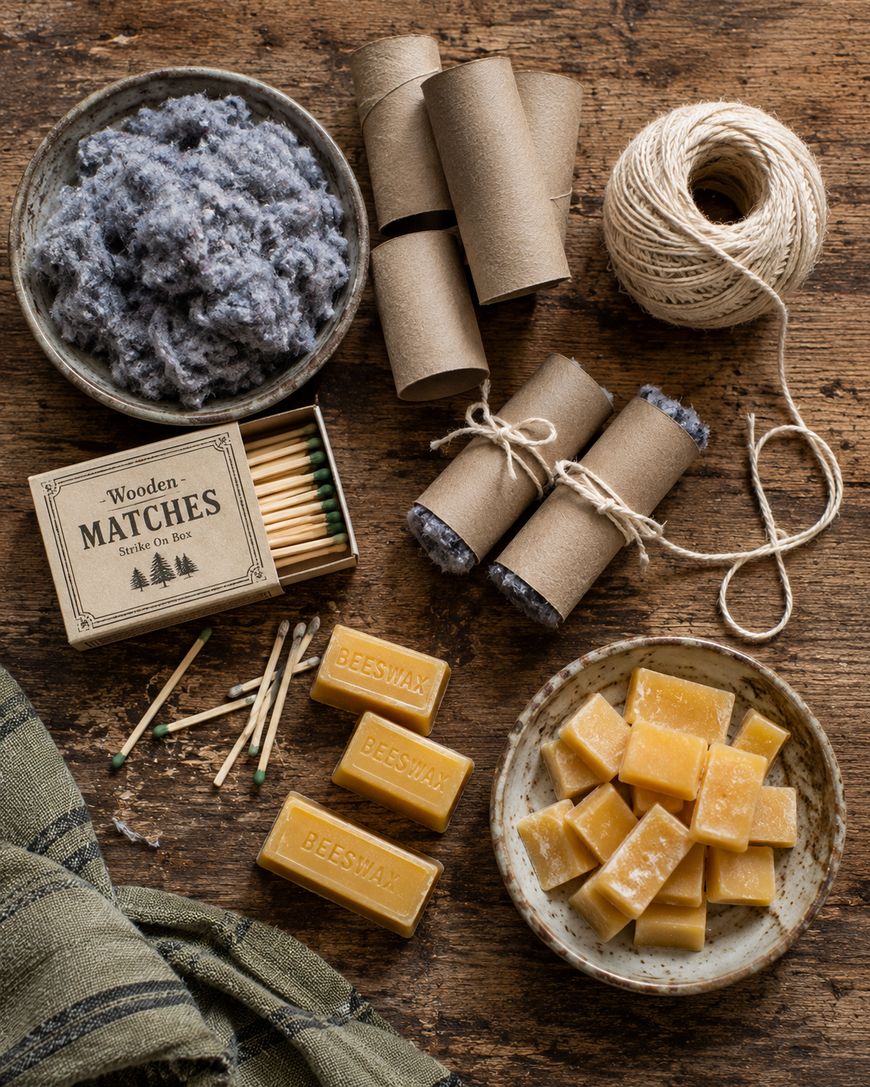
For an even more effective version, you can dip the finished rolls in melted wax before letting them dry on parchment paper. The wax coating makes them weather-resistant and extends the burn time significantly, which is particularly useful if you’re keeping these in a camping kit or outdoor storage box. They’re lightweight and compact, so you can tuck a dozen of them into any bag without taking up noticeable space.
Cotton Ball and Petroleum Jelly Firestarters
This might be the simplest DIY firestarters idea on this list, and it’s a favorite in the camping and survivalist community for good reason. All you need are cotton balls and a jar of petroleum jelly, both of which you can find at any drugstore for just a few dollars.
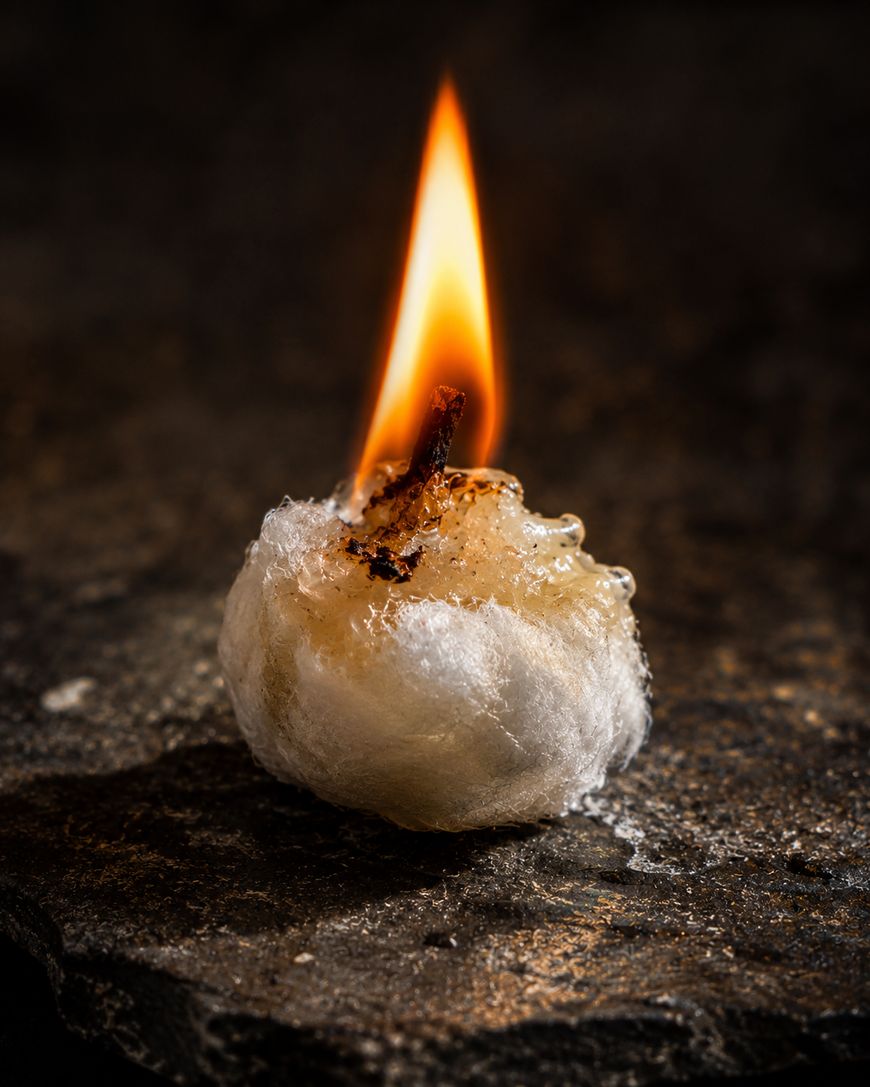
Coat each cotton ball generously in petroleum jelly, working it all the way through the fibers so they’re fully saturated. Store them in a small tin or sealed container so they don’t dry out or pick up debris. When you’re ready to use one, just place it under your kindling and touch a flame to it.
A single petroleum jelly cotton ball can burn for three to five minutes, which is impressive for something this small. They’re windproof enough to use outdoors even on breezy days, and they light easily with a match or lighter. Pack a handful whenever you’re heading out camping and you’ll always have a reliable backup even in damp conditions.
Egg Carton and Wax Firestarters
Cardboard egg cartons are another household item that makes outstanding DIY firestarters. This method is slightly more involved than the cotton ball approach but produces a more substantial starter that works well for large fire pits or wood stoves.
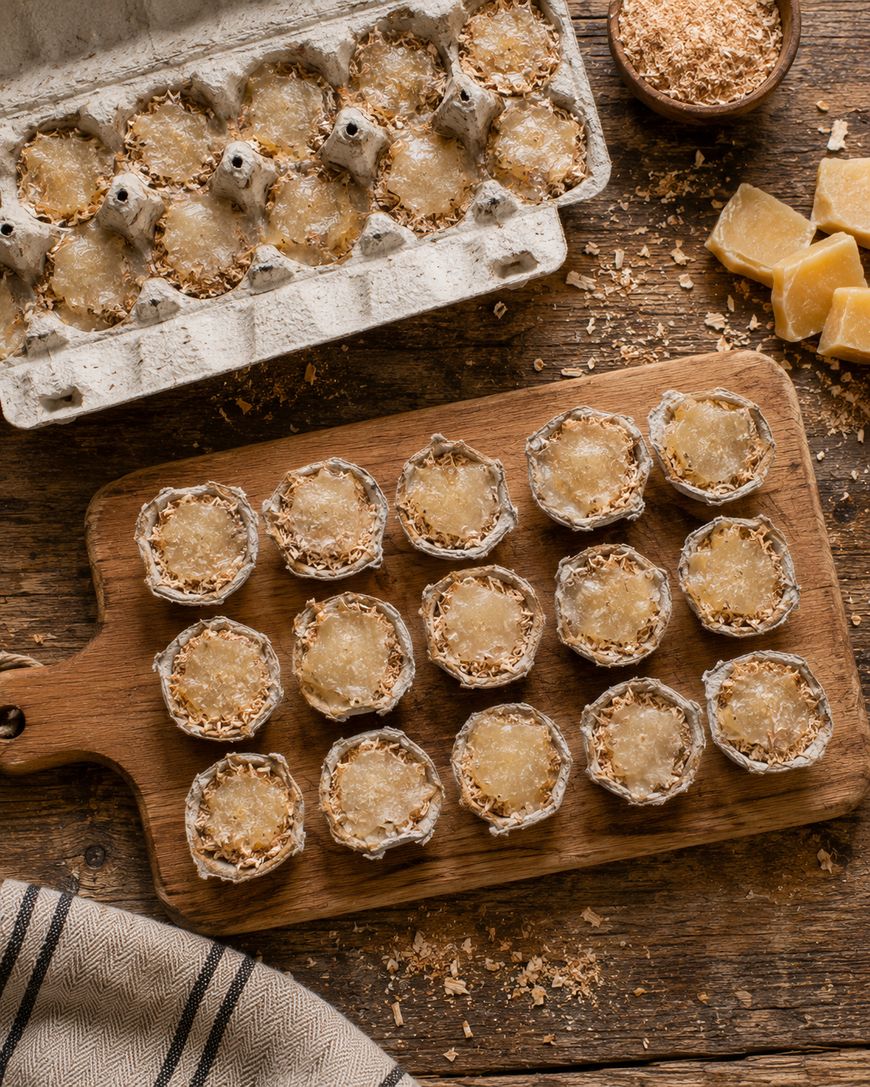
Fill each cup of the egg carton with sawdust, wood shavings, or dryer lint, then pour melted wax over the top to saturate the material. Let the wax harden completely before cutting the cups apart into individual squares. Each square becomes its own self-contained fire starter with a convenient cardboard handle for placing it exactly where you need it.
The egg carton material itself burns well, and the combination with wax-soaked filler creates a strong, steady flame. These are particularly popular for wood stoves and fireplaces because they fit neatly under a log structure and don’t require you to fuss with crumpled newspaper or kindling arrangements. Make a batch of a dozen at a time and they’ll last you several weeks of regular use.
Pine Cone Firestarters
If you have pine trees nearby, you have a nearly unlimited supply of natural fire-starting material just waiting to be collected. Pine cones are naturally resinous, which means they catch fire well on their own, but dipping them in wax takes them to the next level.
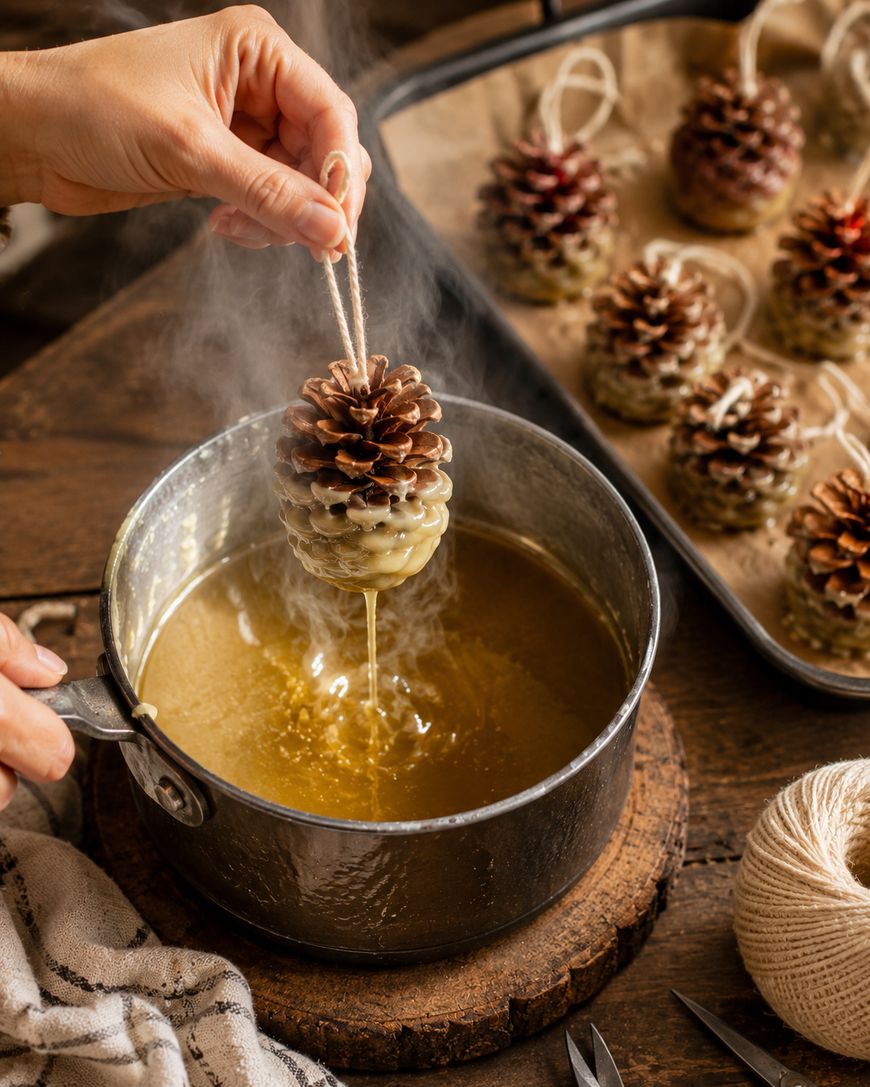
Tie a length of cotton twine around the base of each pine cone, leaving a few inches as a wick. Melt old candle wax in a double boiler and dip each pine cone fully, letting the excess drip off before placing it on parchment paper to dry. You can add crayon pieces to the wax to give them a pop of color, which also makes them appealing as gifts during the holiday season.
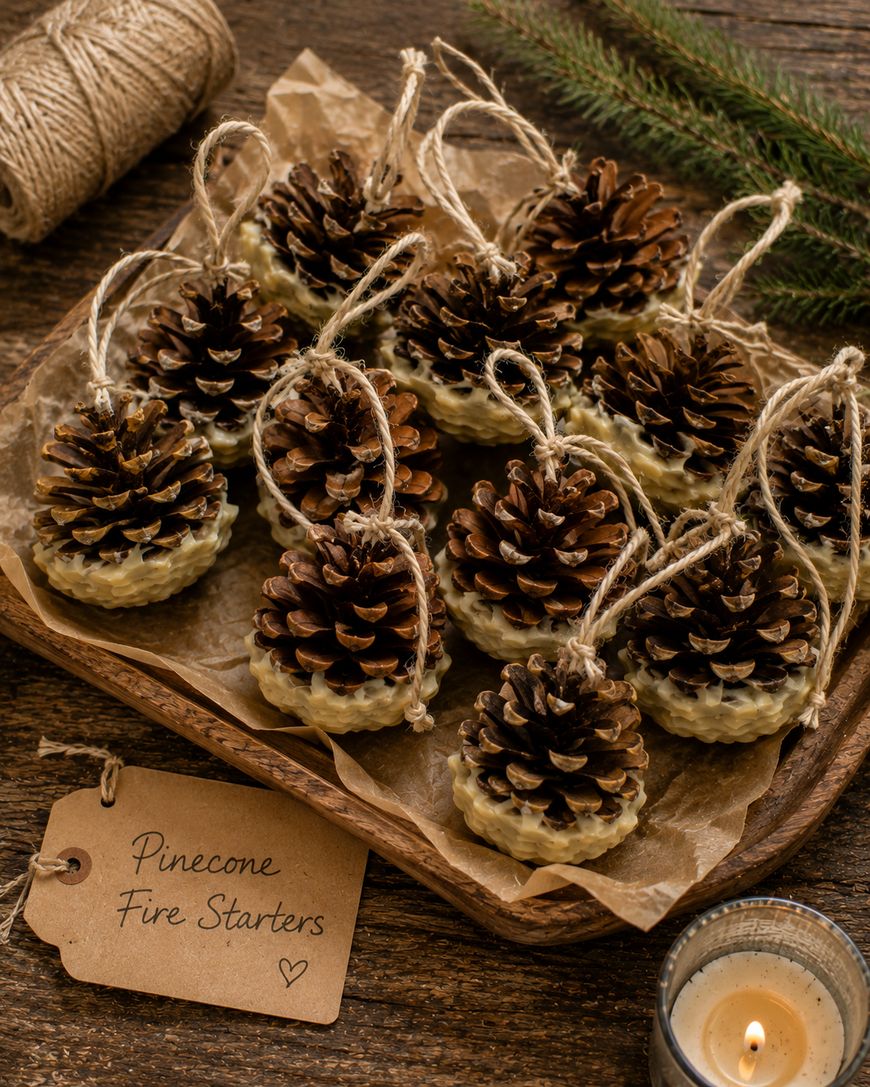
These wax-dipped pine cone firestarters are genuinely lovely to look at and work extremely well. The pine resin inside the cone helps it catch quickly, and the wax coating ensures it burns long enough to light even slightly damp kindling. Display them in a basket next to your fireplace and grab one whenever you’re ready to light a fire.
Newspaper and String Firestarters
Rolled newspaper is one of the oldest DIY firestarters ideas around, and with a small update, it becomes remarkably effective. Tightly rolling and tying newspaper creates a dense fuel source that burns slowly and steadily rather than flaring up and burning out in seconds.
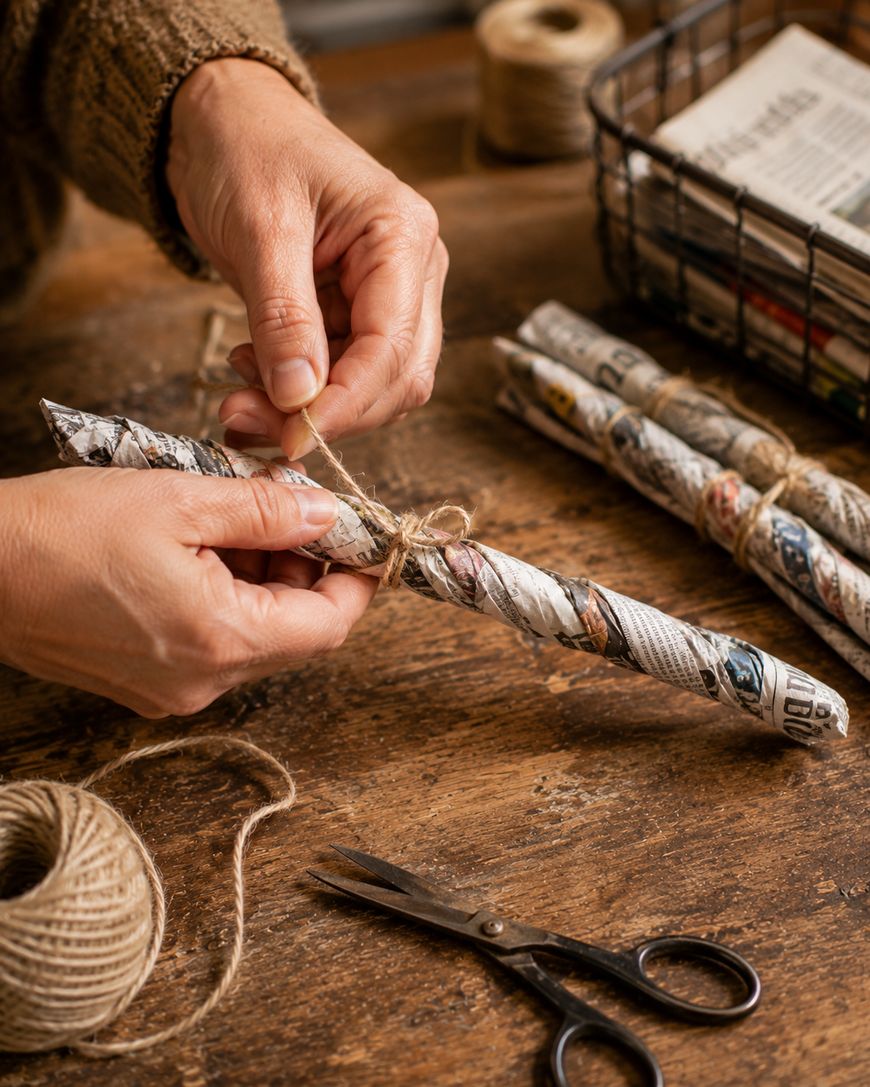
Take several sheets of newspaper and roll them as tightly as you can, then tie the roll in two or three places with natural cotton twine. You can also twist the newspaper into a rope-like shape and coil it into a ring, tying it off to hold the shape. Either form works well under larger kindling pieces.
For a longer-lasting version, soak the finished rolls briefly in a mixture of melted wax and water before letting them dry. The wax penetrates the outer layers and creates a surface that lights easily while slowing the overall burn rate. Newspaper starters made this way can burn for five minutes or more, giving your kindling a solid opportunity to catch and begin feeding the larger logs above.
Pinecone and Herb Firestarters
For a fragrant and natural approach to DIY firestarters, consider combining pine cones with dried herbs from your garden. Rosemary, thyme, and lavender all burn beautifully and release a wonderful aroma when they catch fire, making this option especially nice for outdoor fire pits and evening gatherings.

Bundle a small pine cone together with a few sprigs of dried herbs using a twist of cotton twine. You can dip the whole bundle in wax for extra staying power, or leave it unwaxed for a quicker, lighter starter. Either way, these bundles look attractive displayed in a bowl near your fire pit and make thoughtful homemade gifts for anyone who loves outdoor entertaining.
The key with herb-based starters is making sure the herbs are fully dry before you bundle them. Fresh herbs have too much moisture to catch reliably, so harvest them in summer and dry them thoroughly in a warm, airy spot before storing them for fall fire-starting season.
Why Homemade Firestarters Are Worth Making
Store-bought fire starters are convenient, but they’re also surprisingly expensive when you use them regularly throughout fall and winter. Making your own costs next to nothing and gives you a satisfying way to repurpose items that would otherwise end up in the trash.
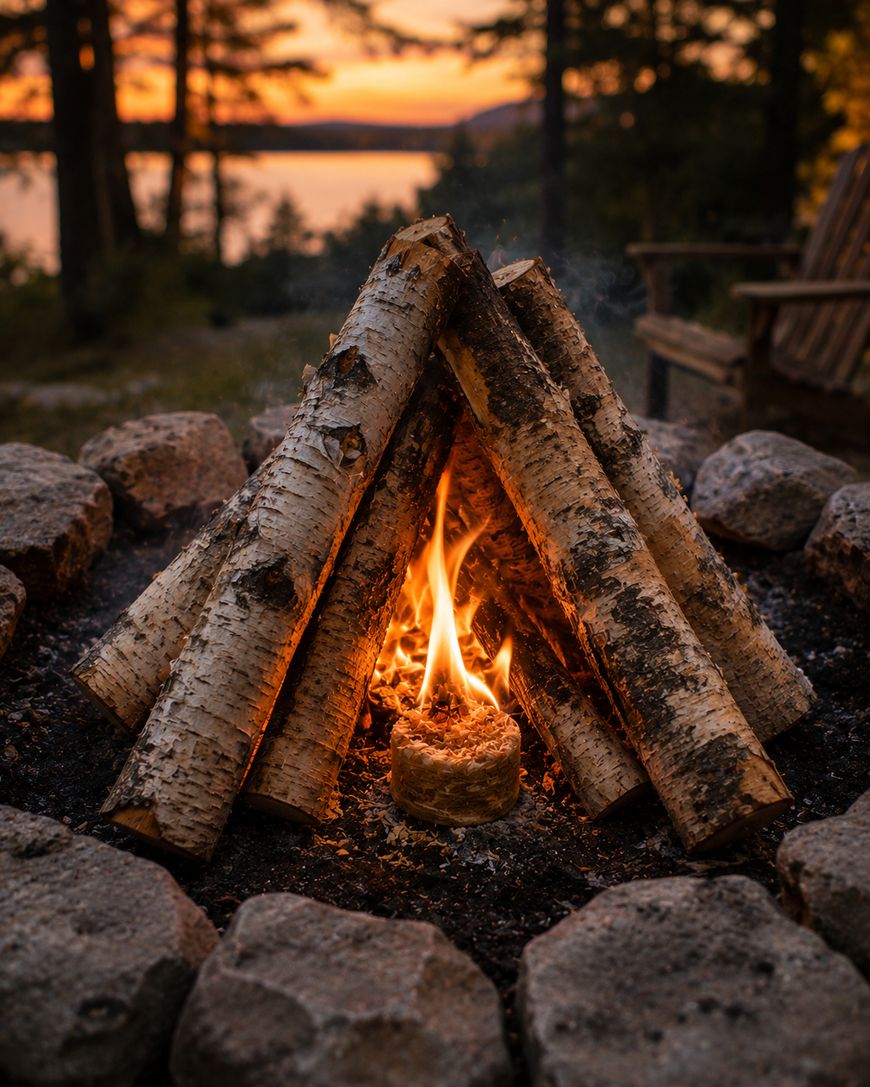
DIY firestarters also tend to burn longer and more reliably than cheap commercial options. When you control what goes into them, you can tailor the burn time and intensity to exactly what your fireplace, fire pit, or camp setup needs. Once you try a few of these methods, you’ll never go back to buying them.
Frequently Asked Questions About DIY Firestarters Ideas
What is the most effective homemade firestarter?
The wax and sawdust method tends to be the most consistently effective DIY firestarter because it combines a high-heat fuel with a slow-burning binding agent. It burns long enough to catch stubborn logs and works in both indoor fireplaces and outdoor fire pits.
Are DIY firestarters safe to use indoors?
Yes, most homemade firestarters made from natural materials like cotton, wax, sawdust, and cardboard are safe for indoor fireplaces and wood stoves. Avoid using anything with synthetic materials, accelerants, or chemicals that could release harmful fumes when burned.
How long do homemade firestarters last in storage?
Wax-based firestarters can last for years if kept in a cool, dry place away from direct sunlight. Non-waxed versions like newspaper rolls and lint-stuffed cardboard tubes are best used within a year, and should be kept somewhere dry to prevent moisture absorption.
Can you make firestarters without wax?
Absolutely. Cotton balls soaked in petroleum jelly, tightly rolled newspaper, and stuffed toilet paper rolls all work without any wax at all. Wax extends burn time and adds weather resistance, but it’s not required for a functional firestarter.
What can I use instead of dryer lint?
You can substitute cotton balls, wood shavings, dried leaves, shredded paper, or natural twine fibers. The key is using a dry, fibrous material that catches a spark quickly and has enough structure to sustain a small flame.
Do DIY firestarters work in wet or damp conditions?
Wax-coated firestarters are significantly more reliable in damp conditions because the wax repels moisture. Petroleum jelly cotton balls are also excellent in wet weather. Unwaxed options like plain newspaper or dry lint can struggle if there’s any moisture in the air.
Start Your Fire the Easy Way
These DIY firestarters ideas prove that getting a reliable fire going doesn’t require expensive products or complicated setups. Whether you prefer the simplicity of petroleum jelly cotton balls or the satisfying craft of wax-dipped pine cones, there’s a method here that will work perfectly for your setup.
We encourage you to start with whatever materials you already have on hand and experiment from there. Once you’ve made your first batch of homemade firestarters, you’ll wonder why you ever bought the store-bought version. Pick one of these diy firestarters ideas this weekend and see just how easy a perfect fire can be.