Last updated: September 5, 2026
It’s a routine that everyone knows well: earlier alarms, longer commutes, school drop-offs, and shorter evenings on the first day of fall. The slower pace of summer meal prep strategies usually fail over the slower pace of fall, but not because they’re not effective. The things that worked for you when you were not so busy and had long nights don’t hold up the way when your calendar starts filling up again.
The great thing about meal-prep is that you can do it even when you don’t have as much time as you’d like to dedicate to it, without it taking you over.
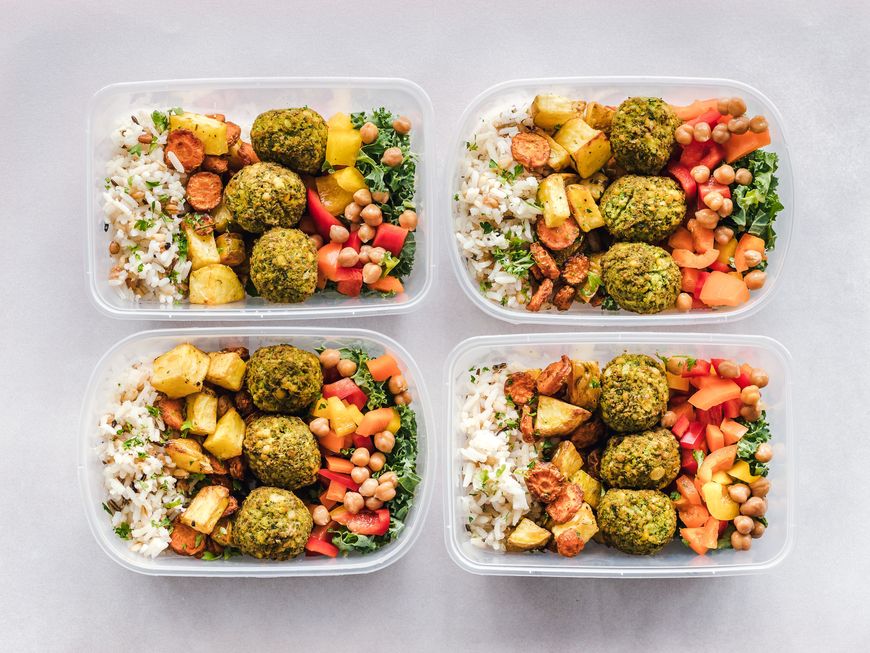
Why Fall Disrupts Meal Prep Habits
Summer hours tend to be flexible. You may cook in the evening because the sun wasn’t down at 8 pm or maybe if you had the time, you’d prepare on a random weekday afternoon. The fall takes away that flexibility. Traffic is back to normal, children are bringing their packed lunches to school, and daylight is gone by 6 pm, reducing the energy most people have to put into getting the meal ready after work.
The problem most people face is maintaining the same summer preparation into the fall, and hoping it will stick! Many people give up on meal prepping when a two-hour Sunday prepping time is thrown out the window because of a soccer game or a late meeting. The schedule changed. The approach needs to change with it.
Pick One Prep Window and Protect It
Pick a designated daily block of time you can use every week, and make it a habit. For some people, Sunday afternoon is perfect. Others generally prefer a Wednesday evening (and if weekends are filled with family time, that’s fine too). If you’re not aiming to make five meals from scratch, 90 minutes to 2 hours is reasonable for making 4 to 5 days’ worth of meals.
This is possible by batch cooking. Choose one source of protein, one source of starch, and two sources of vegetables, then cook them all in the oven and on the stovetop at the same time. While the pot of rice or farro cooks and the protein sears in a pan, roast a sheet pan of veggies. You’ll end up with a mix of ingredients you can combine in different ways for different meals and eat over 5 days a week – rather than repeating a single meal 5 days a week.
Shortcuts that Actually Save Time
Using shortcuts during a busier season isn’t cutting corners. This makes it easy to maintain a diet centered on cooking meals at home. Pre-washed greens, rotisserie chicken, frozen vegetables, and canned beans take the steps out of the way that make people think they don’t want to prepare meals anymore. The grain bowl saves an hour of roasting and cooling time.
Freezer prep is helpful during busy times of the year, especially the holidays or a big work sprint. Most soups, chili, and cooked grains can be frozen for three months. If it’s a lighter week, make a double batch, freeze one portion, and have another meal ready for nights when you don’t want to cook.
If you don’t have time to batch-cook for weeks at a time, an Ideal Nutrition service can fill the gap without sacrificing the convenience and nutrition of a cooked meal. If you have some pre-made meals to fall back on during the tougher weeks, your routine isn’t completely off course.
Build Meals that Reheat Well for Cooler Weather
Cold salads and chilled grain bowls are the main summer meal ingredients. Fall is a time for something new. With chillier temperatures and office desks back in place, dishes that reheat easily in the microwave are much more convenient: grain bowls with roasted vegetables, comforting soups and chili, and the sheet-pan dinners that retain their texture in the fridge.
Some ideas to try: sheet-pan chicken thighs tossed with butternut squash and farro, turkey chili with black beans and diced tomato, or a lentil and roasted sweet potato bowl topped with a quick vinaigrette at the last minute. All of these keep well for 3-4 days when refrigerated and reheated without getting soggy or dry, which matters when eating lunch at a desk rather than at home.
Portable Options for Desk Lunches
The type of container you use can affect how likely you are to finish your meals throughout the week. When you pack lunch in leak-proof, microwave-safe containers as a full meal instead of separate ingredients, it’s not another morning assembly chore. Thicker plastic tends to break more often over a full day’s use, while glass with locking lids will last longer.
Snacks and breakfast should be portable too. Individual packets of oats, hard-boiled eggs in a pack of 6, and pre-portioned packages of nuts or cut fruit eliminate morning decision fatigue. All of these don’t need to be cooked throughout the week. They only need a 5-minute setup during preps.
Getting Started
Fall meal preparation doesn’t have to mirror what worked in July. With a more cramped timeframe, it’s best to make fewer, more substantial selections: one protected prep time, a few dishes that reheat easily, and some shortcuts to look forward to during the week when you’re packed in a hurry. You don’t have to start all over again, so begin with a single prep session this week and tweak the routine as needed.
Frequently Asked Questions
How much time should I dedicate to weekly meal preparation?
When preparing meal components instead of separate meals, 90 minutes to two hours is enough for 4 to 5 days of meals.
Which foods stay fresh the longest for office lunches?
Grain bowls, soups, chili, and roasted vegetable dishes can be refrigerated for a few days and will still hold their shape.
Can I prep meals that don’t need reheating?
Yes. Grain salads with a vinaigrette, wraps assembled at serving, and protein-based salads with dressing served separately all serve well cold.