Last updated: July 4, 2026
If you want to know exactly which fall vegetables to grow and how to get a real harvest from your autumn garden, you are in the right place. We will walk you through the best cool-season crops, planting timelines, and care tips so you can keep your garden productive well past summer.
Fall gardening is one of the most rewarding things you can do as a home grower, and the vegetables it produces are some of the tastiest of the year.
The Best Fall Vegetables to Grow in Your Garden
Choosing the right crops is the foundation of a successful fall garden. Not every vegetable handles cold well, but the ones that do are genuinely exceptional.
Kale
Kale is arguably the king of fall vegetables to grow. It is cold-hardy down to around 10 degrees Fahrenheit, and its flavor transforms dramatically after frost exposure.

You can start kale from seed or transplant, and it will continue producing leaves through most of winter in mild climates. Dwarf Siberian and Red Russian are two varieties that perform especially well in fall gardens across most of the US.
Harvest outer leaves as the plant matures and it will keep pushing out new growth. A single row of kale can feed your family all fall and well into winter.
Spinach
Spinach is one of the fastest-growing fall vegetables, often ready to harvest in as little as 40 days from seed. It tolerates hard frosts beautifully and actually becomes sweeter and more tender in cold weather.
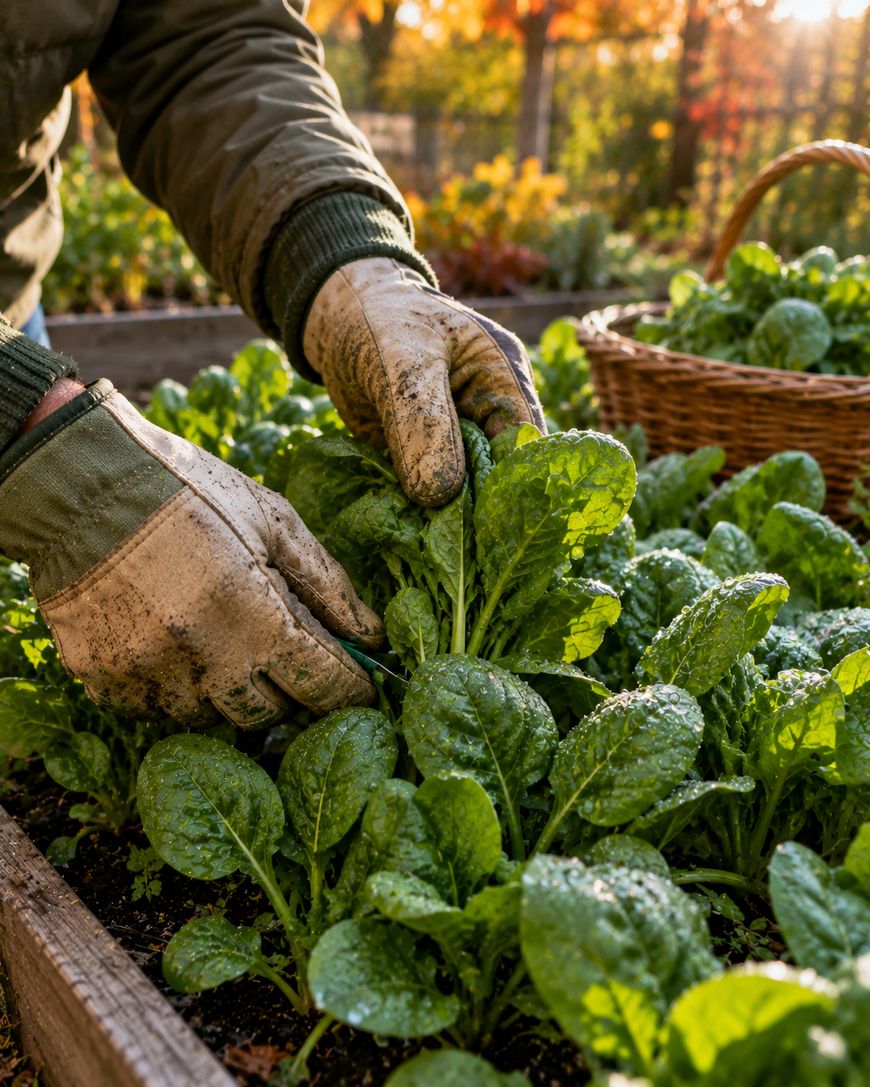
Plant spinach densely for a cut-and-come-again harvest, snipping leaves at soil level and letting the plant regrow. Bloomsdale Long Standing and Space are reliable varieties for fall planting.
Broccoli
Broccoli grown in fall is noticeably more flavorful than its spring or summer counterpart, and the heads tend to be denser and more uniform. Cool temperatures slow down the development of the head, which means each cell packs in more flavor compounds.
Start your fall broccoli transplants in midsummer so they have time to establish before the first frost. Once you harvest the main head, the plant will produce smaller side shoots that you can harvest for weeks.
Brussels Sprouts
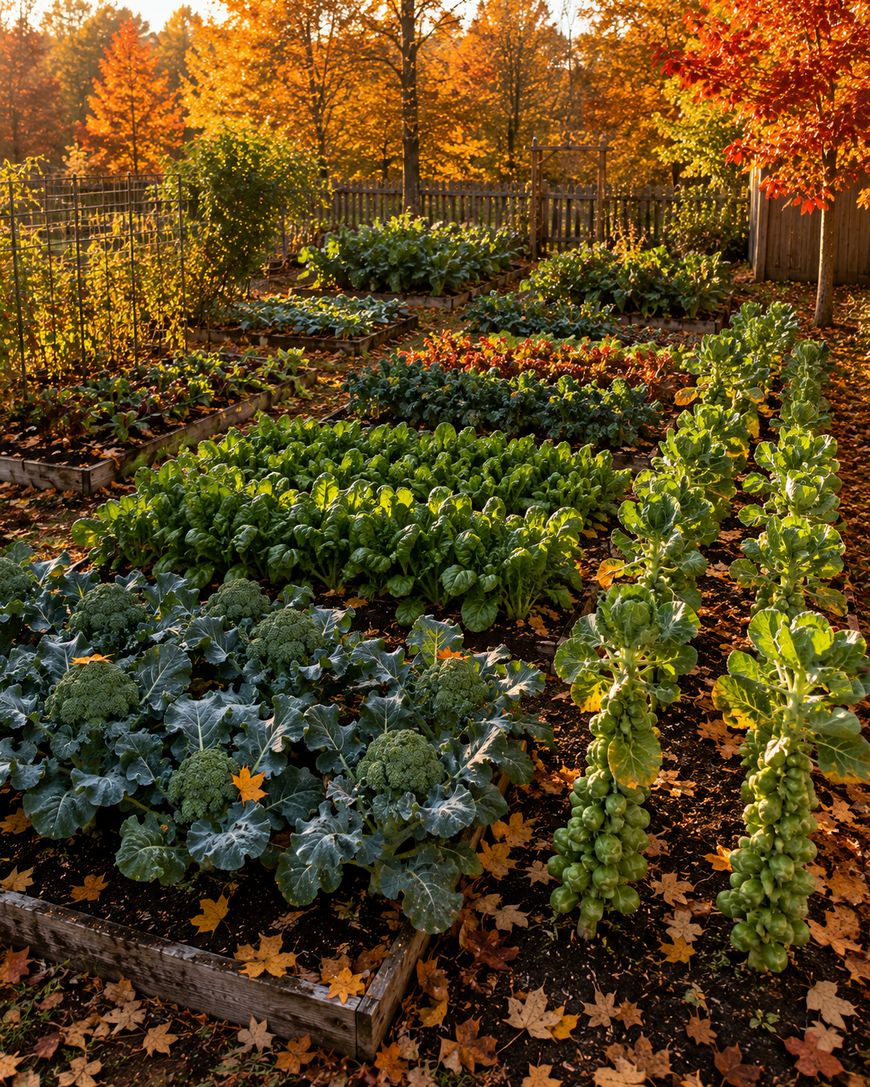
Brussels sprouts are one of the most iconic fall vegetables to grow, and they are genuinely better when grown in cool weather. They need a long growing season, so you will want to start seeds or transplants in late summer.
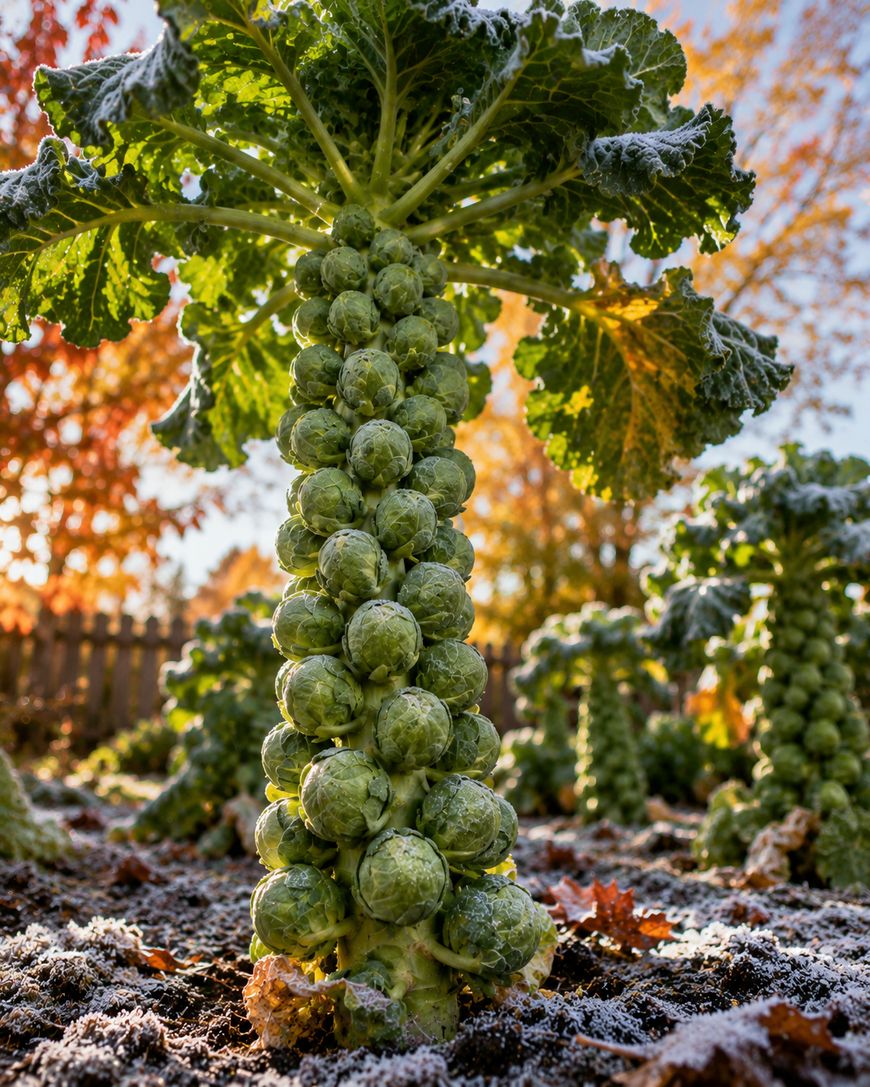
The sprouts develop from the bottom of the stalk upward, and you can harvest them progressively as they firm up. A light frost makes them taste noticeably sweeter, so do not be afraid to leave them out into November or even December in warmer climates.
Carrots
Fall-grown carrots develop exceptional sweetness as the cold sets in. Carrot roots convert starches to sugars when temperatures drop, which is why a carrot pulled from frozen ground in November tastes like candy compared to one harvested in August.
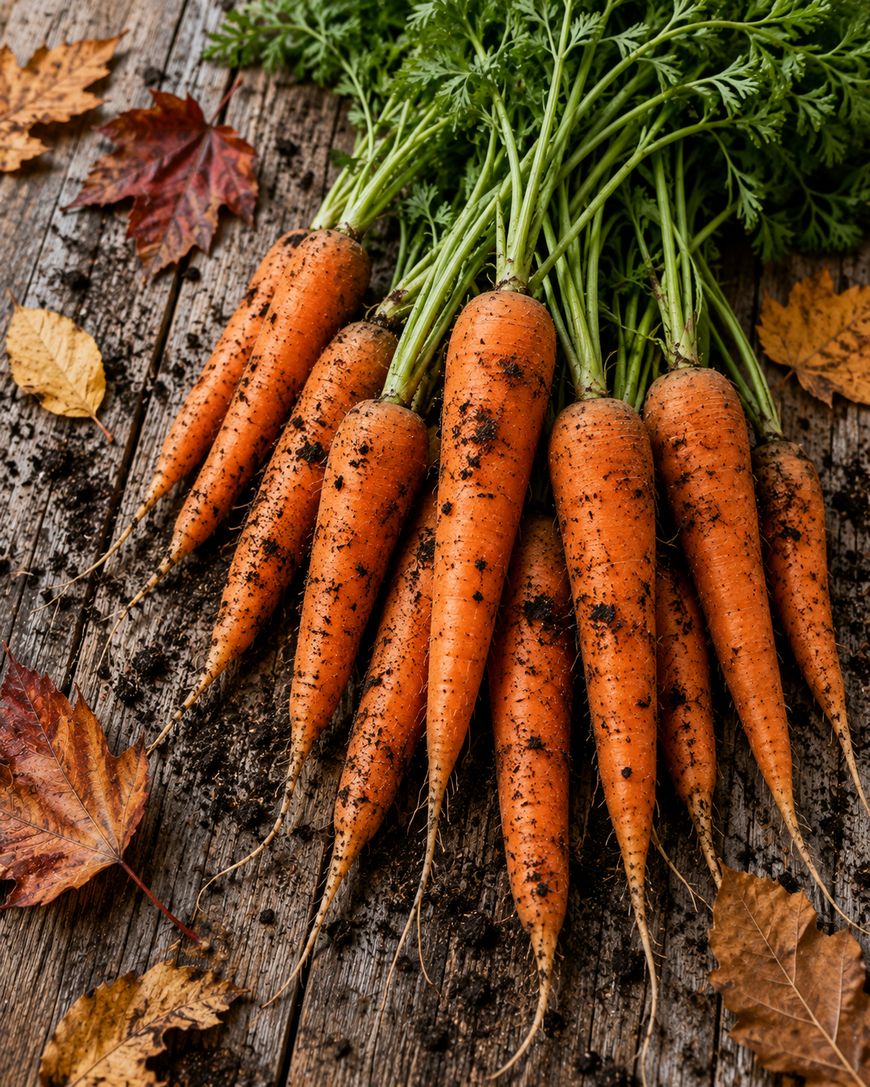
Choose fast-maturing varieties like Danvers 126 or Nantes for fall planting since you need them to size up before hard freezes arrive. You can even leave carrots in the ground all winter in many climates, pulling them fresh as needed.
Turnips and Radishes
These fast-growing root vegetables are two of the easiest fall vegetables to grow and are ready to eat in just three to five weeks. They fill gaps between slower crops and make excellent use of beds that would otherwise sit empty.
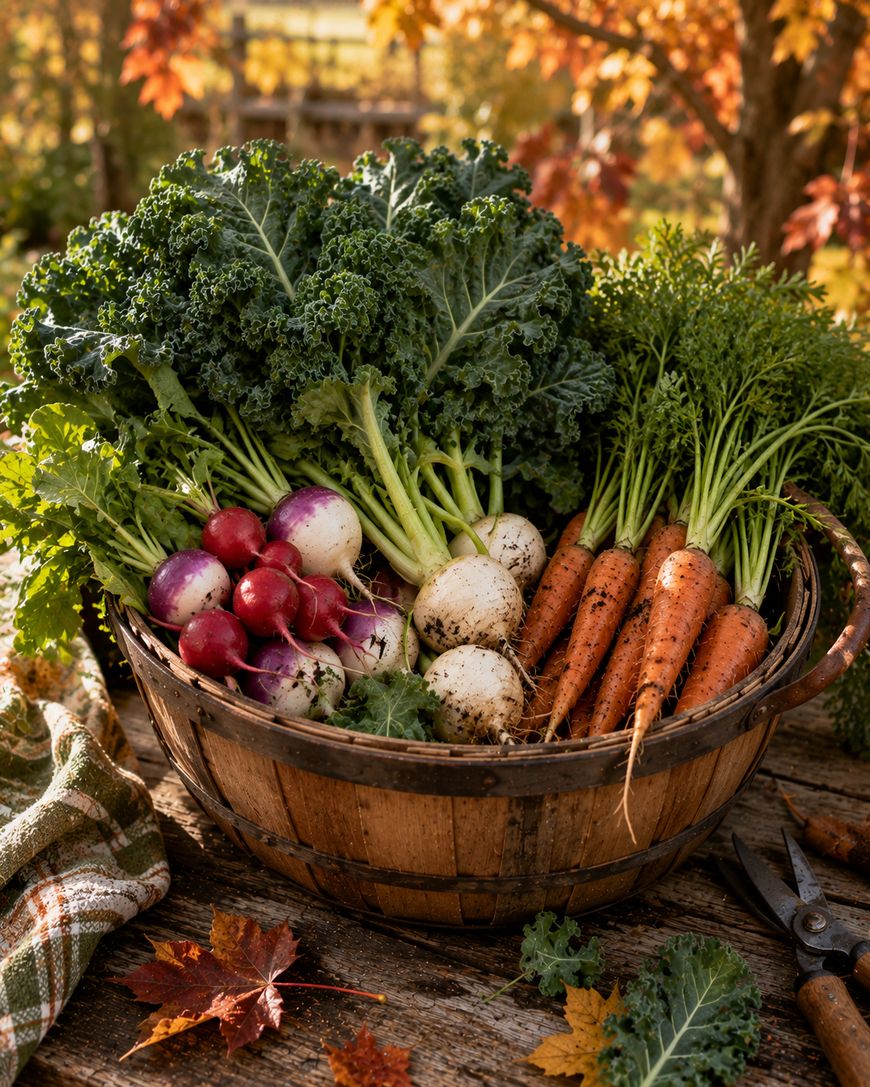
Both crops enjoy cool soil and will bolt and become bitter in summer heat, so fall is truly their time to shine. Purple Top White Globe is a classic turnip variety, while French Breakfast and Cherry Belle radishes perform well in cool weather.
Lettuce and Salad Greens
A fall salad garden is one of the simplest and most satisfying things you can grow. Loose-leaf lettuce, arugula, mache, and Asian greens like tatsoi and mizuna all thrive in cool temperatures.
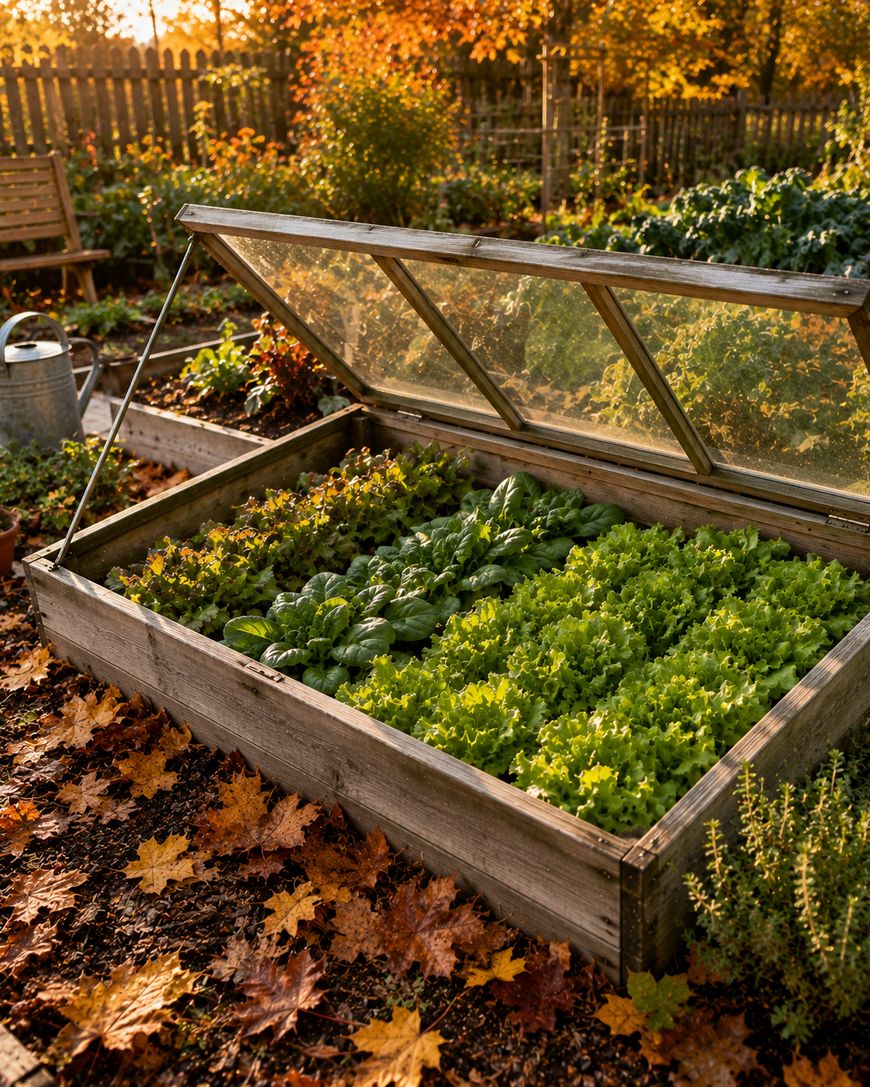
You can direct sow these in late summer for a harvest that continues well into fall, and many will survive light frosts under a row cover or cold frame. Growing a mix of colors and textures makes your salads visually stunning and nutritionally diverse.
When to Plant Fall Vegetables
Timing is everything when it comes to fall vegetable gardening. The key calculation is working backward from your average first frost date.
Most vegetables need 45 to 70 days to reach maturity, so count backward from your first frost date and add two weeks as a buffer. If your first frost typically arrives October 15, you should be planting most seeds and transplants by late July or early August.

Leafy greens and radishes can be planted later, often into September, because they mature so quickly. Root vegetables like carrots need more lead time since they develop slowly underground.
You can find your average first frost date on the Old Farmer’s Almanac website or through your local cooperative extension service. Once you have that date, building your fall planting calendar becomes straightforward.
How to Extend Your Fall Harvest
Even after frost arrives, there are several tools that let you keep harvesting fall vegetables well into winter. These season extension techniques can add weeks or even months to your growing season.
Row covers are lightweight fabric blankets you drape over crops to trap heat and protect plants from frost. A single layer can protect plants down to about 28 degrees, and a heavier frost blanket can protect down to around 24 degrees.

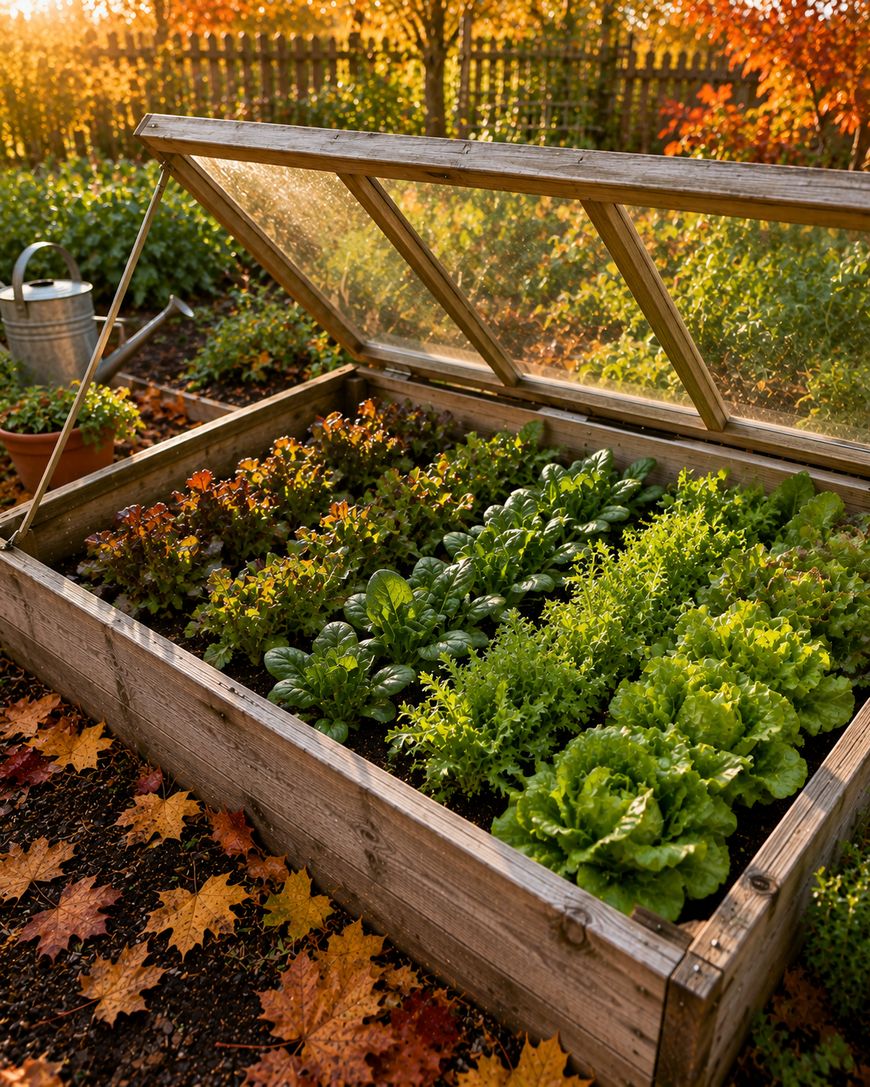
Cold frames are bottomless boxes with a transparent lid, typically old windows or polycarbonate panels, that sit over your garden beds. They create a mini greenhouse effect and can let you harvest lettuce and spinach even when snow is on the ground.
Low tunnels, which are simply hoops covered in row cover or plastic, offer similar protection across wider beds. They are quick to set up and easy to open on warm days for ventilation.
Soil Preparation for Your Fall Vegetable Garden
Good soil prep gives your fall vegetables the best possible start. After a full summer of growing, your beds may be depleted and compacted.
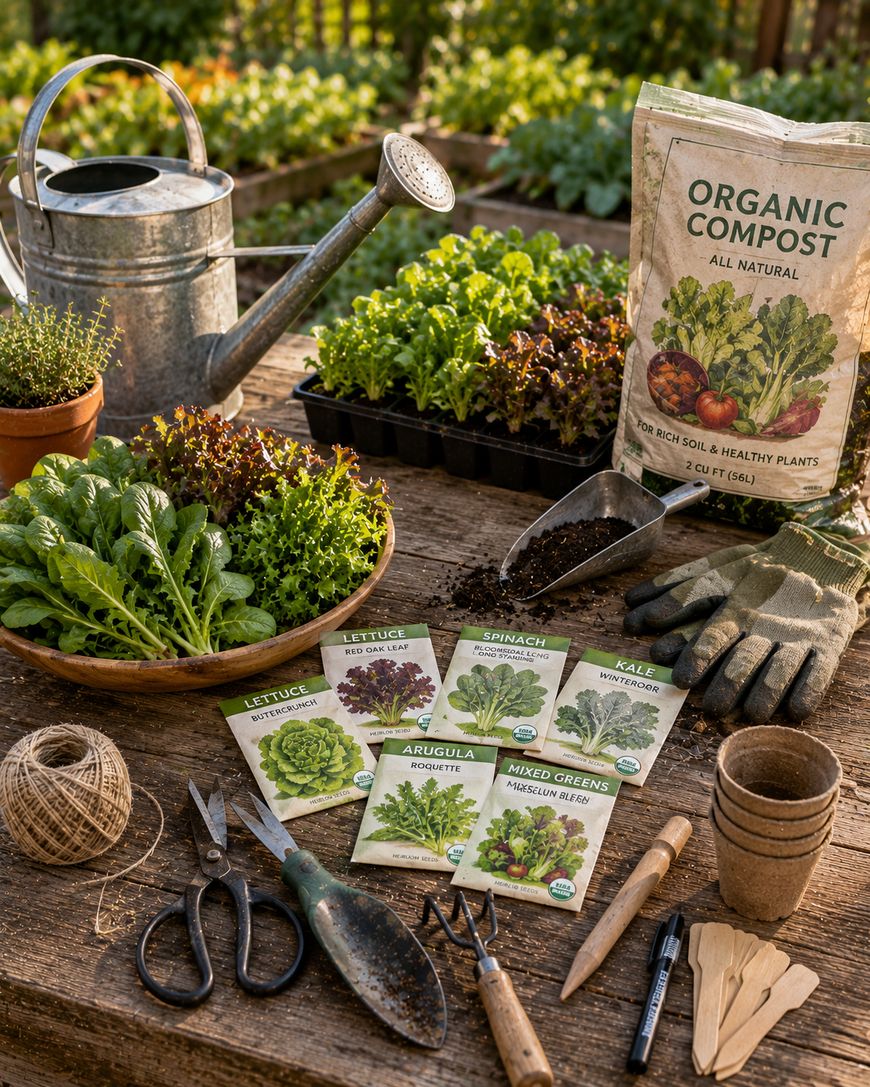
Add a two to three inch layer of compost and work it into the top six to eight inches of soil before planting. Compost restores organic matter, improves drainage, and feeds the soil microbes that make nutrients available to your plants.
A balanced vegetable fertilizer applied at planting time gives crops a quick nutritional boost. Look for a formula with moderate nitrogen to encourage leafy growth without pushing plants to grow too fast for their roots to support.
Watering Fall Vegetables
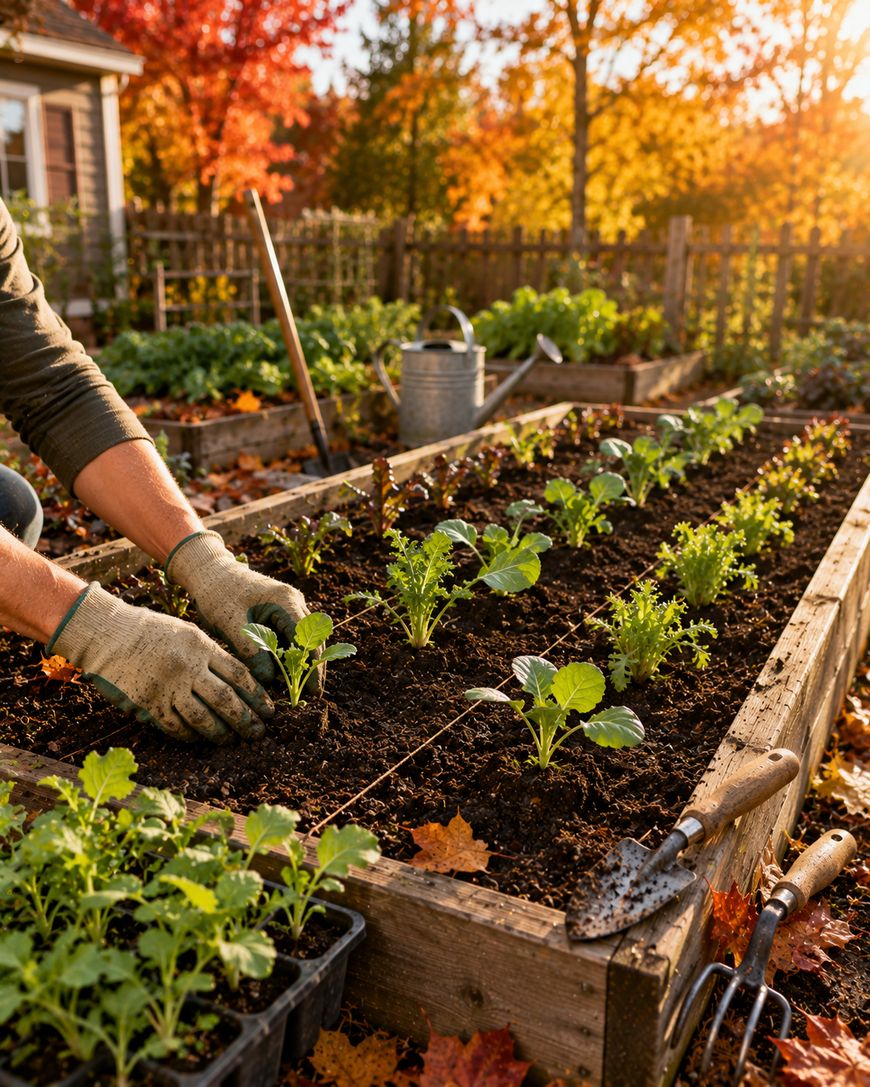
Fall vegetables need consistent moisture to germinate and establish, especially during the warmer days of late summer when you are starting your seeds. Keep the top inch of soil moist until seedlings emerge, watering gently with a spray nozzle or watering can.
Once plants are established, they typically need about an inch of water per week from rain or irrigation. As temperatures drop and plants enter slower growth phases, you can reduce watering frequency.
Drip irrigation or soaker hoses are excellent choices for fall gardens because they deliver water directly to the root zone without wetting the foliage, which reduces the risk of fungal disease in cool, humid conditions.
Common Mistakes to Avoid in Fall Vegetable Gardening
One of the biggest mistakes gardeners make is waiting too long to plant fall vegetables. If you miss your planting window, your crops will not have enough time to mature before hard frost arrives.
Another common error is skipping row covers when frost threatens. A simple frost cloth can save an entire bed of nearly mature vegetables that would otherwise be lost.
Finally, do not overlook pest monitoring just because summer is over. Aphids, cabbage worms, and flea beetles can still cause significant damage in fall gardens, and catching infestations early makes them much easier to control.
Why Fall Is the Best Season for Growing Vegetables
Most gardeners pack up their tools when summer ends, and that is a mistake. Cool temperatures actually improve the flavor of many vegetables, coaxing out natural sugars that summer heat simply bakes away.
Crops like kale, Brussels sprouts, and carrots taste noticeably sweeter after a light frost, making your fall harvest more flavorful than anything you grew in July. Pest pressure also drops dramatically in autumn, which means less spraying and more growing.
The soil stays warm from summer even as the air cools down, which encourages fast germination and strong root development. You get the best of both worlds: warm soil for roots, cool air for leafy tops.
Fall gardens also require less watering because cooler temperatures reduce evaporation and plants lose less moisture through their leaves. If you have struggled to keep a summer garden watered, you will find the fall routine much more manageable.
Q&A: Fall Vegetables to Grow
What are the easiest fall vegetables to grow for beginners?
Radishes, lettuce, and spinach are excellent starting points because they germinate quickly, mature fast, and tolerate mistakes well. You can have a salad bowl ready to harvest in as little as four weeks from planting, which is incredibly encouraging for new gardeners.
Can you grow fall vegetables in containers?
Absolutely, and container gardening in fall is a great option if you have limited space or poor garden soil. Kale, lettuce, spinach, and radishes all do well in containers of at least 6 to 8 inches deep, and you can move containers to sheltered spots when frost threatens.
How do I know when to harvest fall vegetables?
Most leafy greens can be harvested once they reach a usable size, which for baby greens is as little as 3 to 4 inches. Root vegetables like carrots and turnips are ready when they reach their mature size according to the seed packet, though you can also taste-test as they develop.
Do fall vegetables need as much fertilizer as summer vegetables?
Fall vegetables generally need less fertilizer than summer crops because they grow more slowly in cool temperatures. A single application of balanced fertilizer at planting is usually sufficient, though leafy greens may benefit from a light nitrogen boost midway through the season.
What happens to fall vegetables if there is an early frost?
Hardy crops like kale, Brussels sprouts, spinach, and carrots can survive light to moderate frosts with no protection needed. More tender crops like lettuce may need a row cover if temperatures are expected to drop below 28 degrees Fahrenheit.
Is it too late to start a fall garden if it is already September?
It depends on your climate and your first frost date, but many fast-maturing crops like radishes, lettuce, arugula, and spinach can still be planted in early to mid September in most US regions. Check your frost date and focus on varieties with short days-to-maturity to make the most of what is left of the season.
Enjoy Your Fall Harvest
Growing fall vegetables to grow is one of the best decisions you can make for your garden and your kitchen. The flavors are exceptional, the work is manageable, and the satisfaction of harvesting fresh food while your neighbors have put their gardens to bed is genuinely hard to beat.
Start with a few easy crops this season, take notes on what works best in your climate, and expand your fall garden a little more each year. Your autumn harvests will only get better as you build experience and confidence.