Last updated: June 30, 2026
Creating a home that’s modern and classic is a constant act of curation and tweaking. As we move into the middle of the year, interior design is shedding the stark, clinical minimalism that has dominated previous seasons. Instead, homeowners are gravitating toward spaces that offer warmth, character, and a sense of history.
Often called Modern Heritage, this movement is about marrying the old and the new, where traditional architectural details are combined with modern materials and furnishings. Whether you’re refreshing one room or undertaking a major property overhaul, the aim is to strike a balance where your home feels truly personal and authentically yours.
The Importance of Architectural Elements in Decoration
Real decor has very little to do with furniture and paint colors. It starts with the structural bones of the building itself. The outside of your home and how it flows with the inside has a big impact on the overall feel. If you’re looking for ways to modernize your space, looking toward Vancouver Window Replacement & Exterior Door Installation options can provide a foundational upgrade that will affect both style and comfort. Choosing frames and glass profiles that match the home’s original architectural style will make the improvements feel intentional, not an afterthought.
Think about the rhythm of your home when selecting these elements. Clean lines and large, unobstructed panes of glass allow natural light to become part of the decor in modern homes, while traditional homes might take advantage of classic silhouettes or clever use of grilles. Finish and hardware are also huge factors, with warm-toned metals or textured finishes bringing a level of sophistication that is perfectly aligned with the current move towards more tactile, collected interior styles.
Adding Texture and Warmth
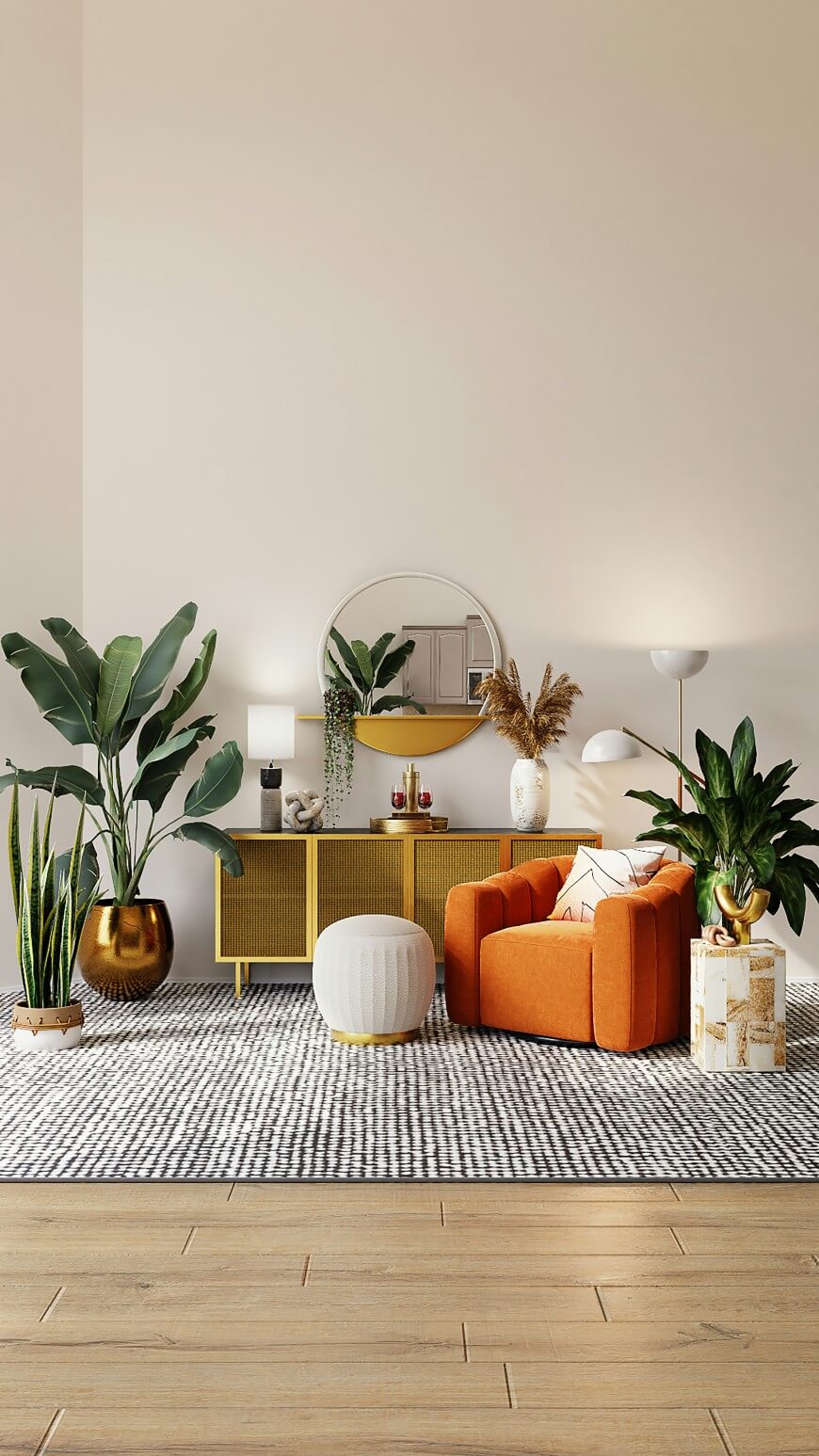
The palette of the year is definitely warmer. We’re seeing a shift from crisp, cool grays to creamier whites, deep earth tones and rich, saturated colors. Olive and dark sage in particular are becoming a favorite for their grounding, nurturing feel. These colors pair well with the trend of mixing wood tones. The old rule of matching every piece of wood in a room has given way to a more layered, expressive approach. You might see a walnut cabinet nestled cozily next to a white oak floor, giving a sense of depth that makes a room feel lived-in and warm.
2026 design also includes texture as an important part. “Surfaces feel more natural and organic, replacing the clean, high-gloss finishes of the past. Think limewash walls, textured plaster, honed stone tables, linen upholstery. They add visual weight and warmth and prevent rooms from feeling flat or sterile. It’s to create a space that looks like it’s been curated over time, with every object having a purpose and a place in the larger story of the home.
The Lighting Layer
Lighting is shifting to support a calmer, more ambient feel, as spaces become more layered. Say goodbye to rows of recessed ceiling lights, designers are choosing a mix of floor lamps, sculptural sconces and paper lanterns. This layered approach allows you flexibility throughout the day, letting you create a bright space during the day and a cozy, intimate environment in the evening. Choosing fixtures as decorative accents is another way to keep the theme of your home intact be it rustic, modern, or traditional.
Ultimately, your home should be a reflection of your journey. It’s a marriage of meaningful architectural updates with curated textures and warm color palettes to create a sanctuary that stands the test of time.” Whether you’re investing in major structural improvements or simply refreshing your decor with new accent pieces, the best approach is one that prioritizes quality, comfort and the unique stories that only your home can tell. By making intentional choices you are able to create a space that feels fresh, inviting and yours.