Last updated: August 21, 2026
Self-sufficiency doesn’t require a smallholding or a complete change of lifestyle. Small, practical steps at home can reduce what you spend, cut waste and give you more control over the things you rely on every day. Here are some straightforward ways to get started.
Making more use of what you have
The easiest place to begin is with the resources already sitting in your home. Repairing items instead of replacing them, reusing materials and finding second uses for everyday objects all chip away at the habit of constant buying. Food is a big one: planning meals around what you already have and storing it properly makes a real difference. WRAP estimates that the average UK household of four throws away around £1,000 of edible food every year, so a little planning quickly adds up to meaningful savings.
Reducing your reliance on everyday resources
You can lower your dependence on water and energy without major building work. A water butt collects rainwater for the garden, easing your reliance on mains supply during dry spells. Simple insulation and draught-proofing keep warmth in, so your heating works less hard. The Centre for Sustainable Energy notes that turning your heating down by just one degree could save up to £73 a year. Picking up basic repair skills, meanwhile, means fewer call-outs and more problems you can simply sort yourself.
Growing more of your own food
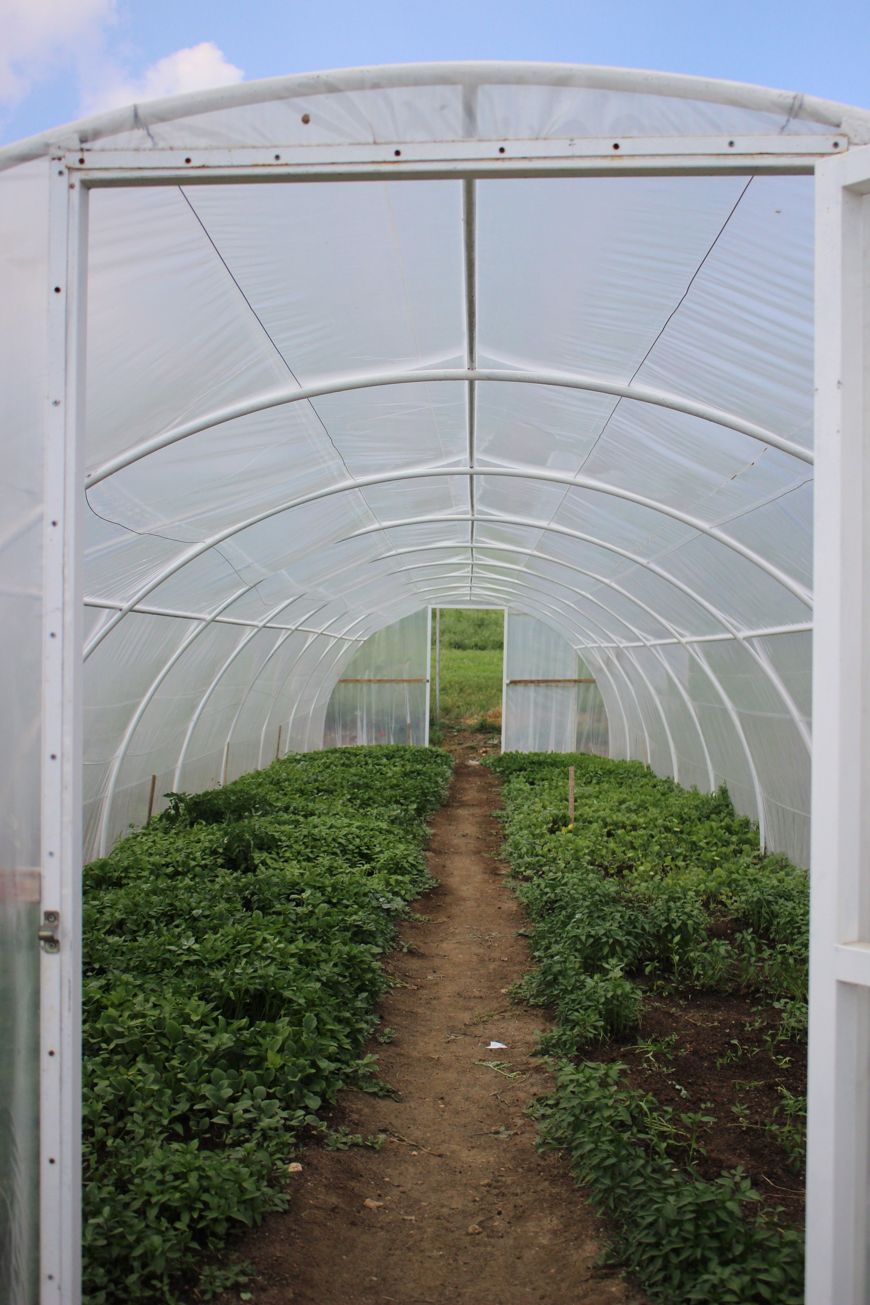
Producing even a little of your own food is one of the most satisfying steps towards self-sufficiency. A polytunnel greenhouse offers a protected growing space that shields crops from wind, frost and unpredictable weather, extending your season at both ends. Raised beds and containers make growing possible even in a small garden or on a patio. Starting with herbs, salad leaves and a few dependable vegetables gives you a useful supply without having to overhaul the whole plot.
Building skills that last
Besides the practical savings, self-sufficiency is really about skills you keep for life. Learning to cook from basic ingredients, or to preserve a seasonal glut through freezing, pickling or making jam, steadily reduces your reliance on ready-made products. Everyday gardening, DIY and maintenance know-how builds the quiet confidence to tackle things yourself instead of reaching for the phone.
None of this has to happen overnight. Pick one or two changes that suit your home and routine, get comfortable with them, and add more as you go. Step by step, these small habits build into a more resourceful, resilient and rewarding way of living.