Last updated: October 30, 2026
When something in your home looks worn or stops working properly, replacing it can seem like the easiest solution. After all, there’s something appealing about having brand-new fixtures, fresh surfaces, and updated fittings. However, replacement isn’t always necessary, and it can sometimes mean spending considerably more than you need to.
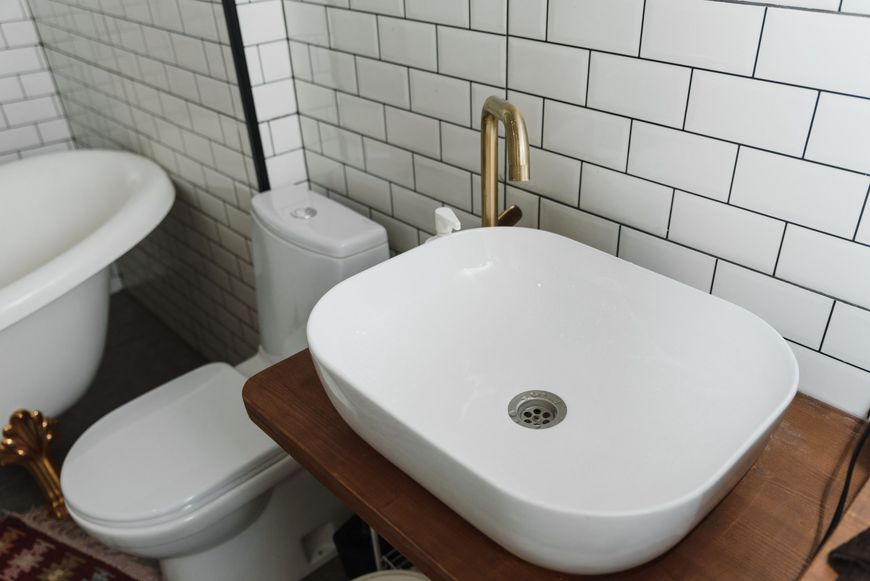
Many household features can be repaired or restored, extending their lifespan, reducing waste, and avoiding unnecessary renovation costs. Before throwing something away, consider whether a little professional attention or straightforward maintenance could bring it back to life.
1. Tiled Floors and Walls
Tiles are designed to last, but the grout between them doesn’t always age quite as well. Over time, grout can stain, crack, or loosen, leaving an otherwise attractive tiled surface looking tired and neglected. It’s tempting to assume the entire area needs replacing, particularly when the discolouration is widespread. However, if the tiles themselves remain firmly attached and undamaged, repairing the grout may be enough to transform their appearance.
Professional tile regrouting involves removing deteriorated grout and applying fresh material between existing tiles. This can refresh bathrooms, kitchens and other tiled areas without the disruption of removing perfectly serviceable tiles. Of course, loose tiles, persistent leaks, or water damage beneath the surface need further investigation before cosmetic repairs begin.
2. Kitchen Cabinets
A dated kitchen doesn’t necessarily need a complete renovation. In many cases, the cabinets themselves remain structurally sound, even when their appearance no longer suits your taste. Instead of replacing the entire cabinetry, consider repainting the doors, updating the handles, or repairing worn hinges. These relatively simple changes can make a noticeable difference, especially when combined with a fresh colour scheme. If cupboard doors are damaged but the cabinet frames remain sturdy, replacing individual doors may also be more economical than installing an entirely new kitchen.
3. Timber Flooring
Timber floors can develop scratches, dull patches and other signs of wear after years of daily use. Although these imperfections might make the flooring look past its best, they don’t automatically mean you need to replace it. Depending on the type and condition of the timber, sanding and refinishing can remove surface damage and restore its natural appearance.
Individual damaged boards may also be repairable or replaceable without disturbing the entire floor. Before proceeding, it’s worth having the flooring assessed, particularly if moisture damage or structural movement is involved.
4. Leaking Taps
A dripping tap can be irritating, particularly when the sound continues throughout the night. However, you don’t always need to replace the entire fixture. Many leaks are caused by worn washers, seals, or cartridges, which you can often replace cheaply. Addressing these problems promptly can also prevent unnecessary water wastage and damage to surrounding surfaces. If the tap is badly corroded or replacement parts are unavailable, installing a new fixture may be the more practical option.
5. Timber Decking
Outdoor decking takes a beating from the weather, especially during Australia’s hot summers and heavy rain. Over time, timber can fade, develop surface cracks or lose its protective finish. Fortunately, weathered decking doesn’t always need replacing. Cleaning, sanding and applying a suitable protective coating can restore its appearance and help protect the timber against further deterioration.
You can sometimes replace individual damaged boards while keeping the rest of the structure. However, extensive rot or structural instability should be assessed by a qualified professional before the deck is used.
Know When Repairing Makes Sense
Repairing household features can save money, reduce waste, and help preserve the character of your home. However, the condition of the existing materials should always guide your decision.
Before committing to replacement, consider obtaining a professional assessment and comparing the costs of both options. Sometimes a straightforward repair is all that’s needed to give a household feature several more years of useful life.