Last updated: May 22, 2026
Juicer recipes for beginners work best when they start simple, taste genuinely good, and build confidence with the machine before moving into more complex combinations. This guide covers the best beginner juices from a classic morning green to a sweet citrus blend, with exact produce quantities, tips for maximizing yield, and answers to the questions every new juicer owner asks.
The Best Juicer Recipes for Beginners to Start With
The best juicer recipes for beginners balance sweetness from fruit or carrot with the earthier flavor of leafy greens or beets, ensuring the first few juices taste good enough to become a daily habit. Starting with too much kale or too little fruit is the most common beginner mistake, and every recipe here is calibrated to taste great from the very first glass.
Classic Green Juice
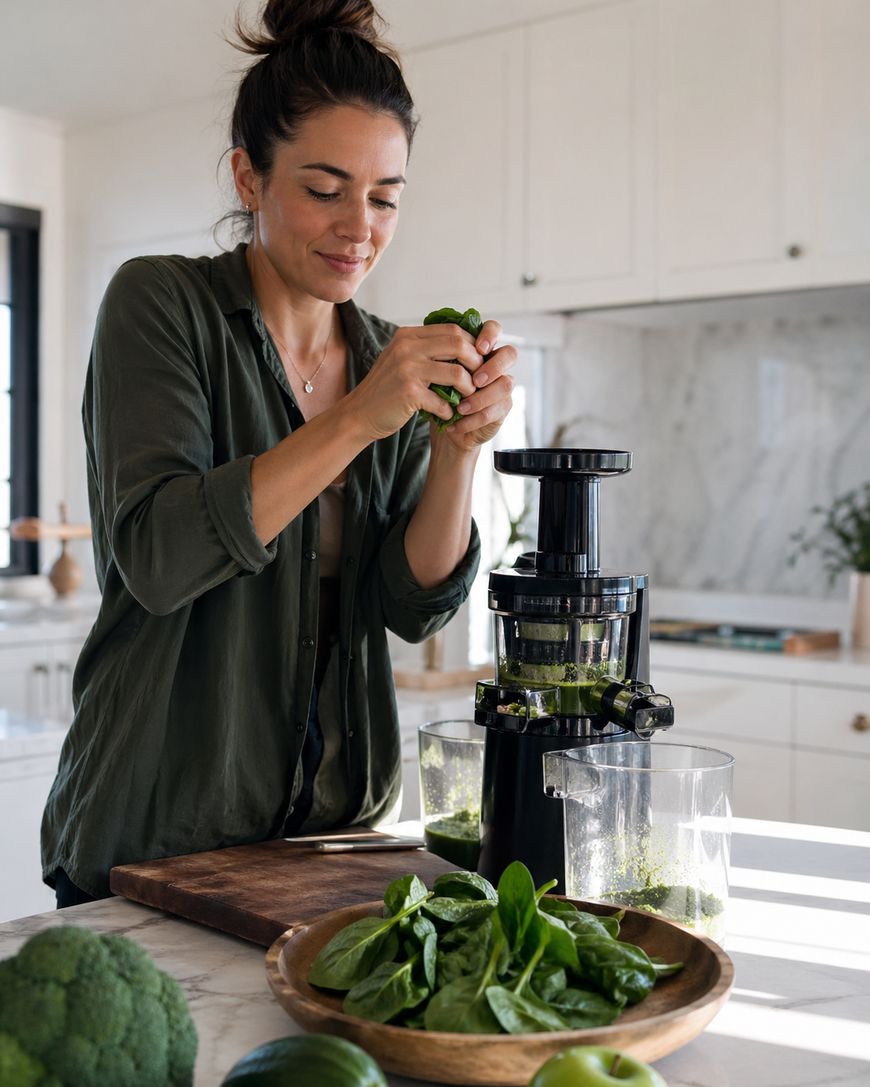
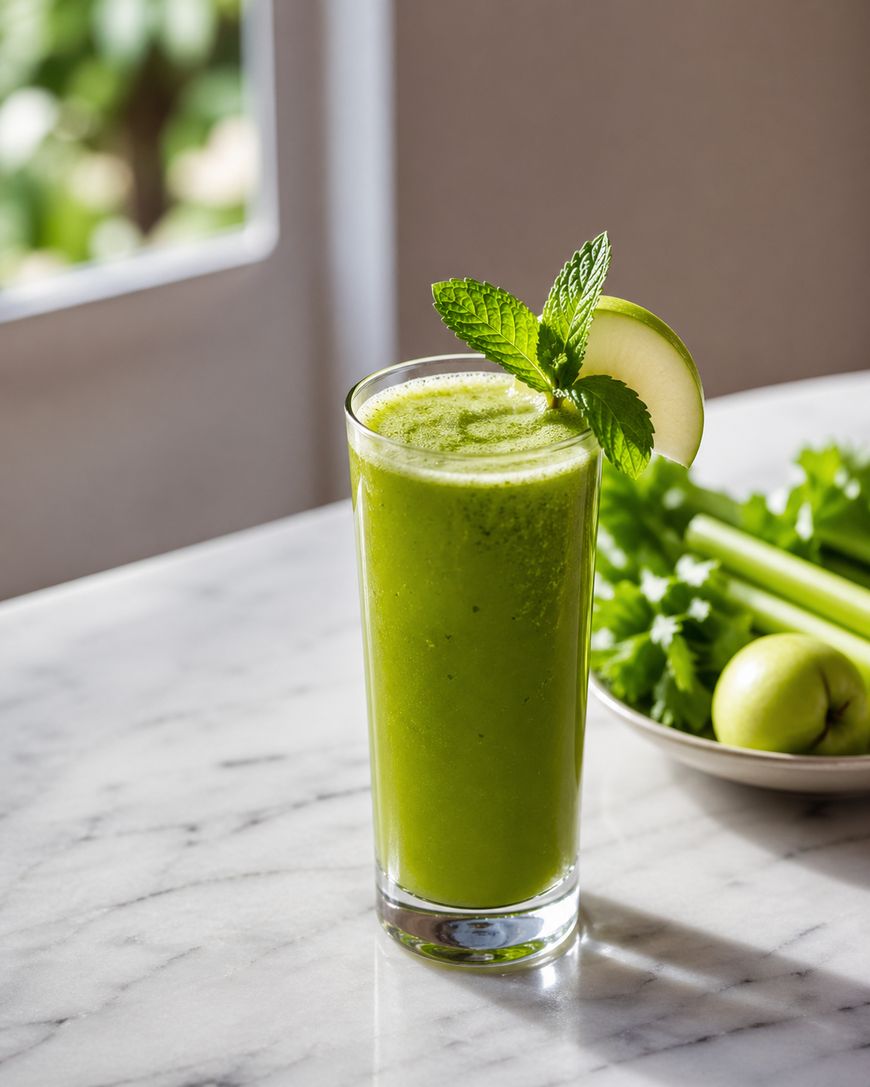
The classic green juice is the foundational juicer recipe for beginners and the one most associated with daily juicing habits. Use two large green apples, four stalks of celery, one English cucumber, one cup of loosely packed spinach, half a lemon peeled, and a one-inch piece of fresh ginger.
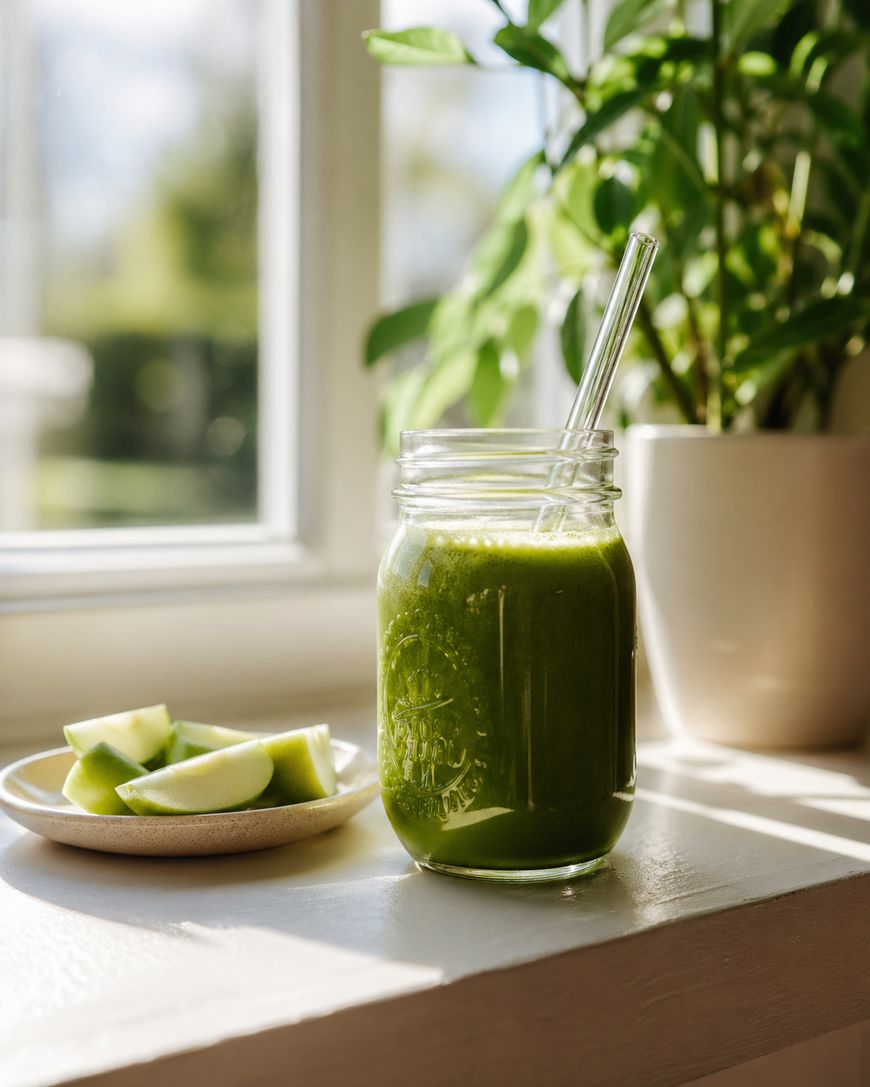
The green apple provides the sweetness that makes the spinach and celery palatable for first-time green juice drinkers, and the cucumber adds volume and a refreshing, mild flavor that dilutes the intensity of the greens. Run everything through a Breville Juice Fountain Compact or a Hurom H-AA slow juicer for the highest yield from the leafy greens.
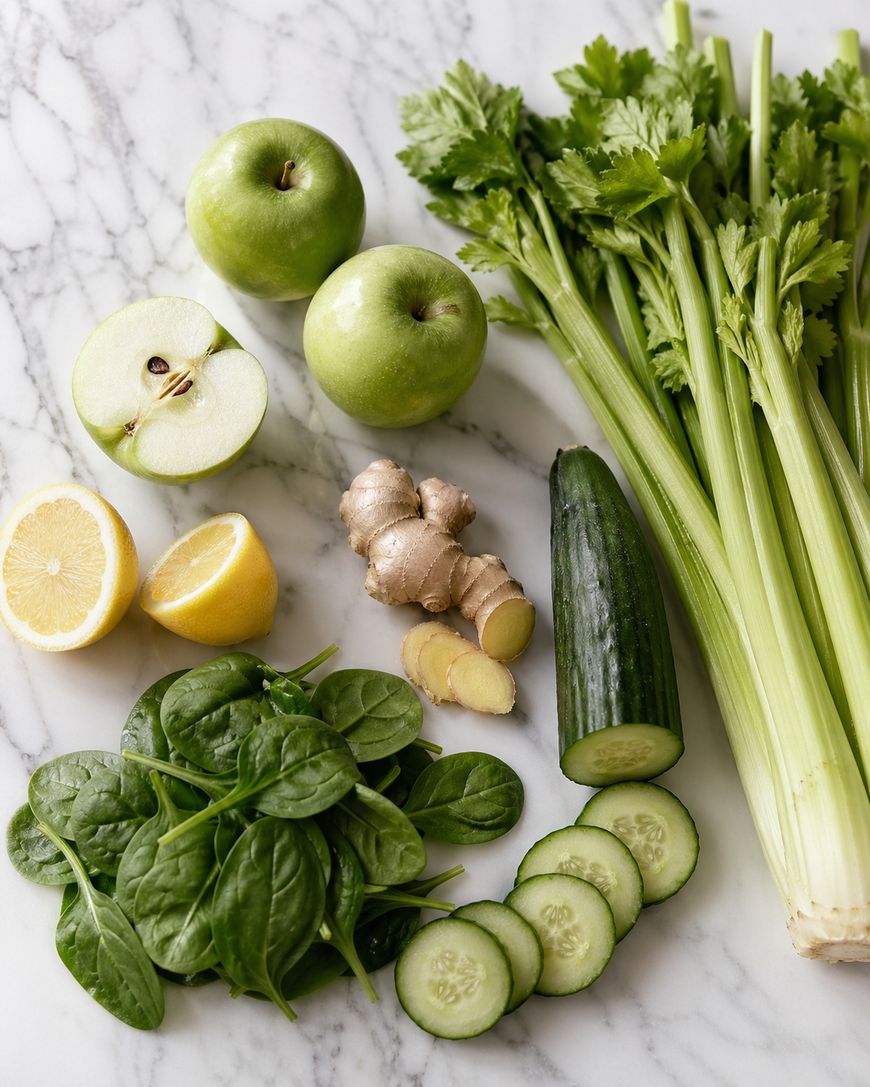
Juice the spinach last by alternating it with the cucumber pieces, which pushes the leaves through the feed tube more efficiently. This recipe produces approximately 16 ounces of juice, enough for a full morning glass.
Carrot Ginger Turmeric Juice
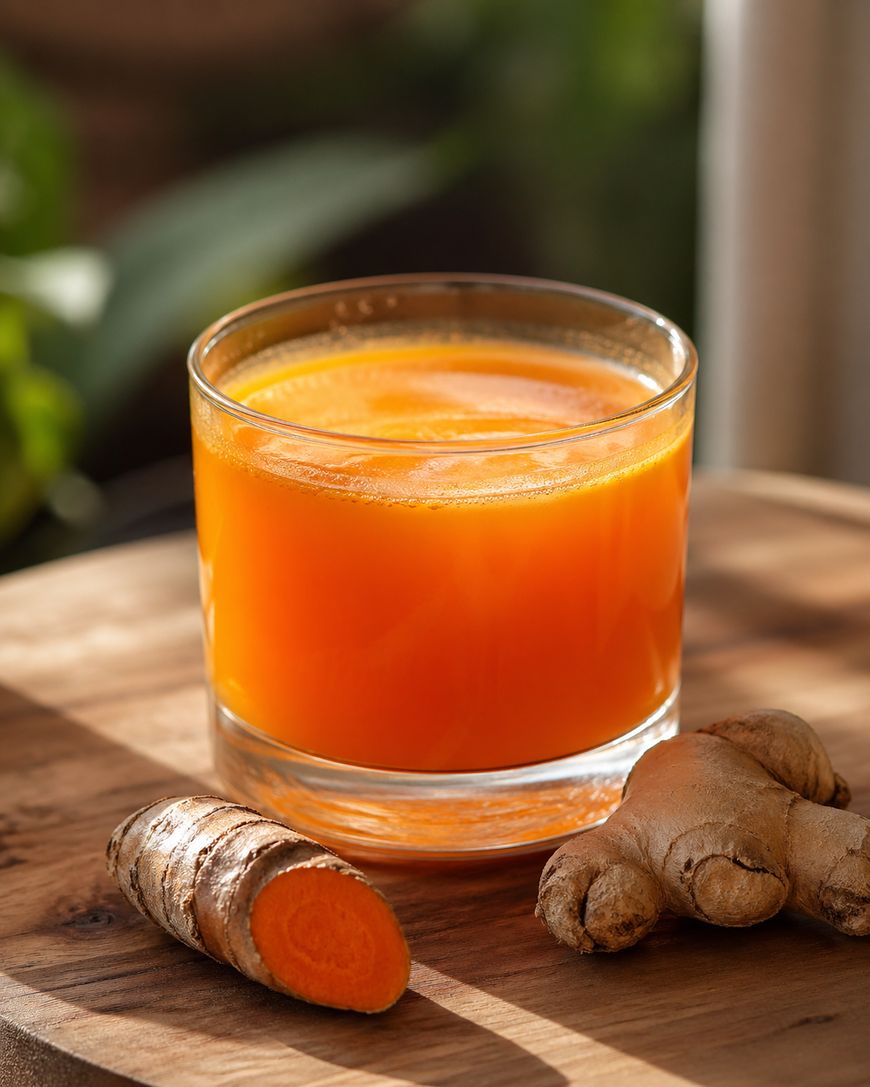
Carrot ginger turmeric juice is the easiest juicer recipe for beginners who want to start with something naturally sweet and intensely flavorful without any leafy greens. Use eight medium Bolthouse Farms carrots, a two-inch piece of fresh ginger, a one-inch piece of fresh turmeric root, one orange peeled, and half a lemon peeled.
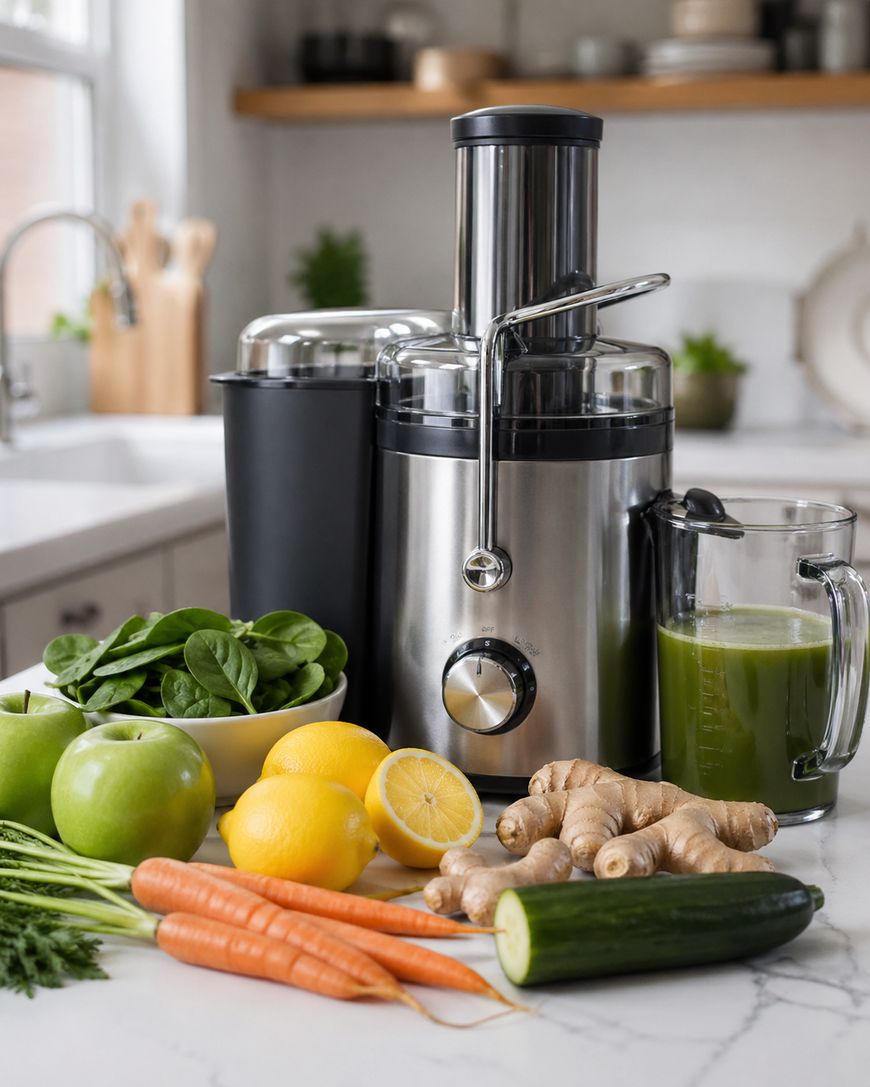
The carrot provides a naturally sweet, substantial base that produces a generous volume of juice even in an entry-level centrifugal juicer. Fresh turmeric root from Whole Foods or an Asian grocery store is significantly more flavorful than powdered turmeric and juices cleanly without staining the machine if you rinse it immediately.
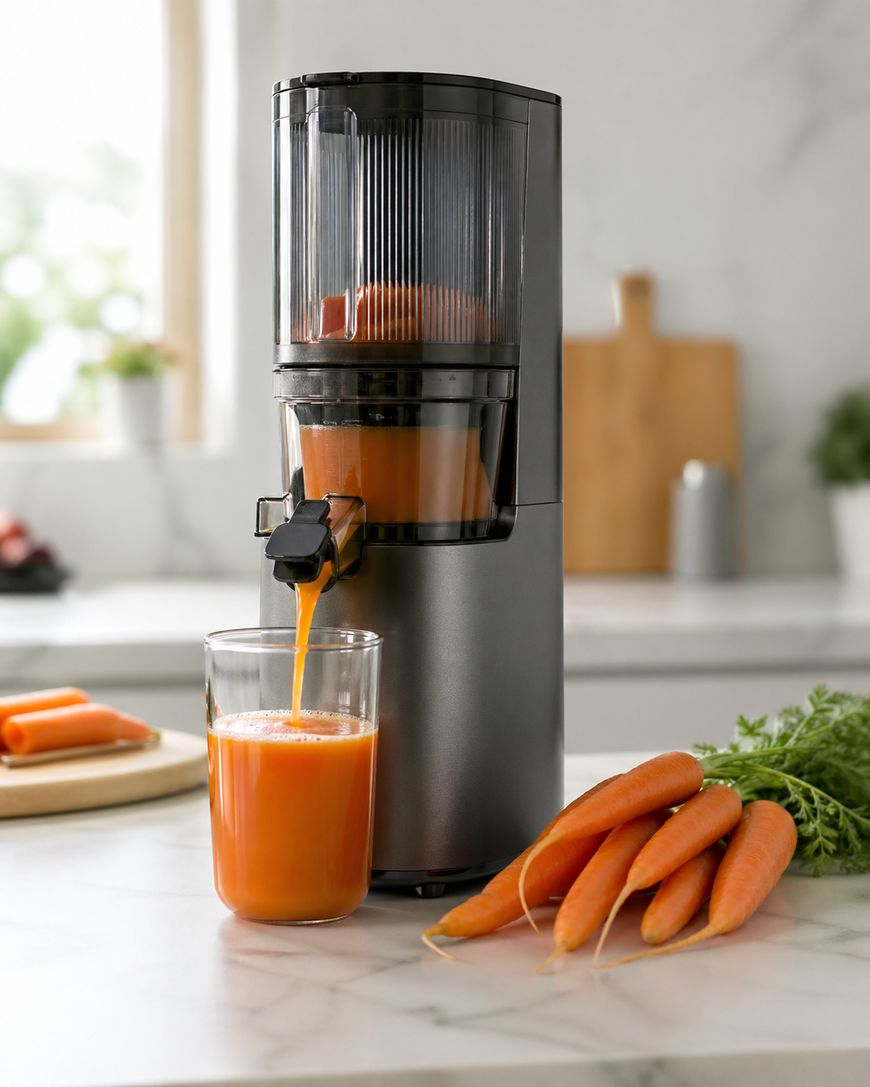
This juice has an earthy, warming quality from the ginger and turmeric that makes it one of the most energizing juicer recipes for beginners. The orange and lemon balance the earthiness with bright citrus notes.
Watermelon Mint Juice
Watermelon mint juice is the most refreshing juicer recipe for beginners in summer and requires almost no prep work. Use four cups of seedless watermelon cubed, half a lime peeled, and six to eight fresh mint leaves.
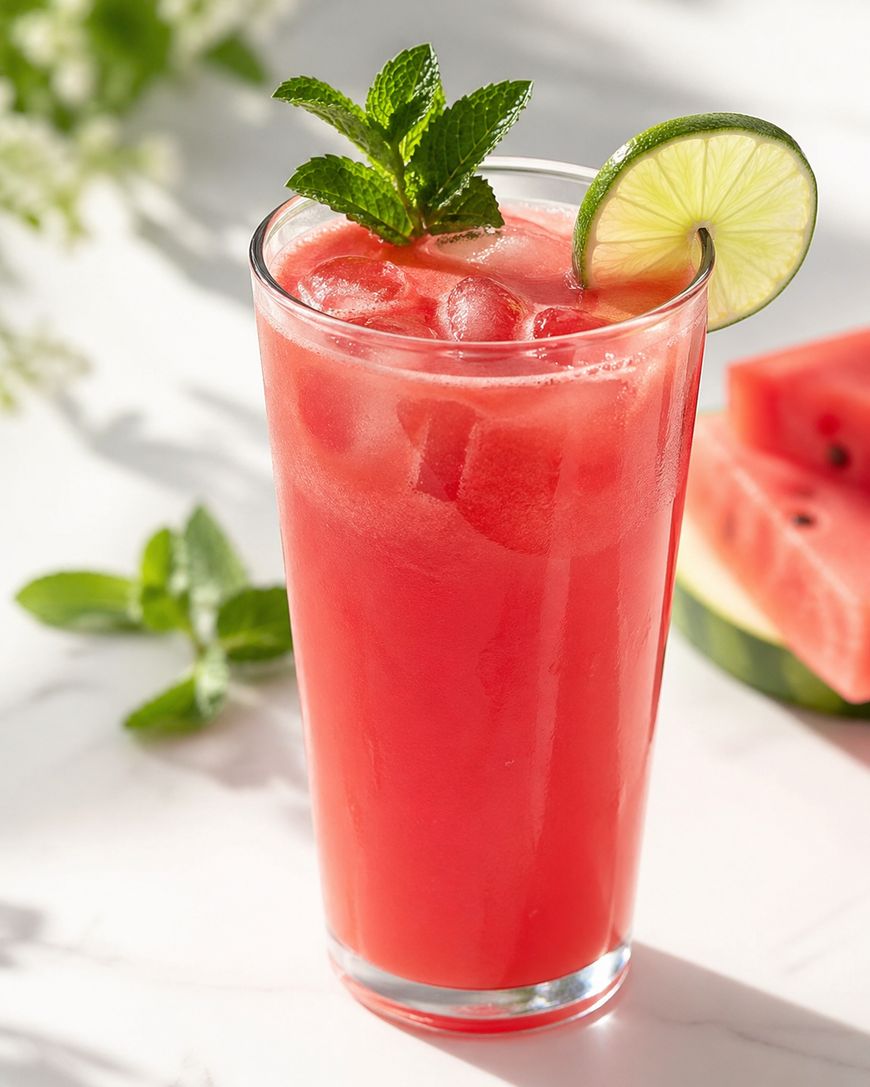
Watermelon yields an exceptionally high volume of juice because of its 92 percent water content, making it ideal for beginners who want to see immediate, satisfying results from their juicer. Run the watermelon and lime through first, then roll the mint leaves into a ball and push them through with a final piece of watermelon to extract as much mint flavor as possible.
This juice does not require any added sweetener and produces a beautifully clear, deep pink liquid. Serve immediately over ice, as watermelon juice separates quickly and is best drunk fresh.
Beet Apple Ginger Juice
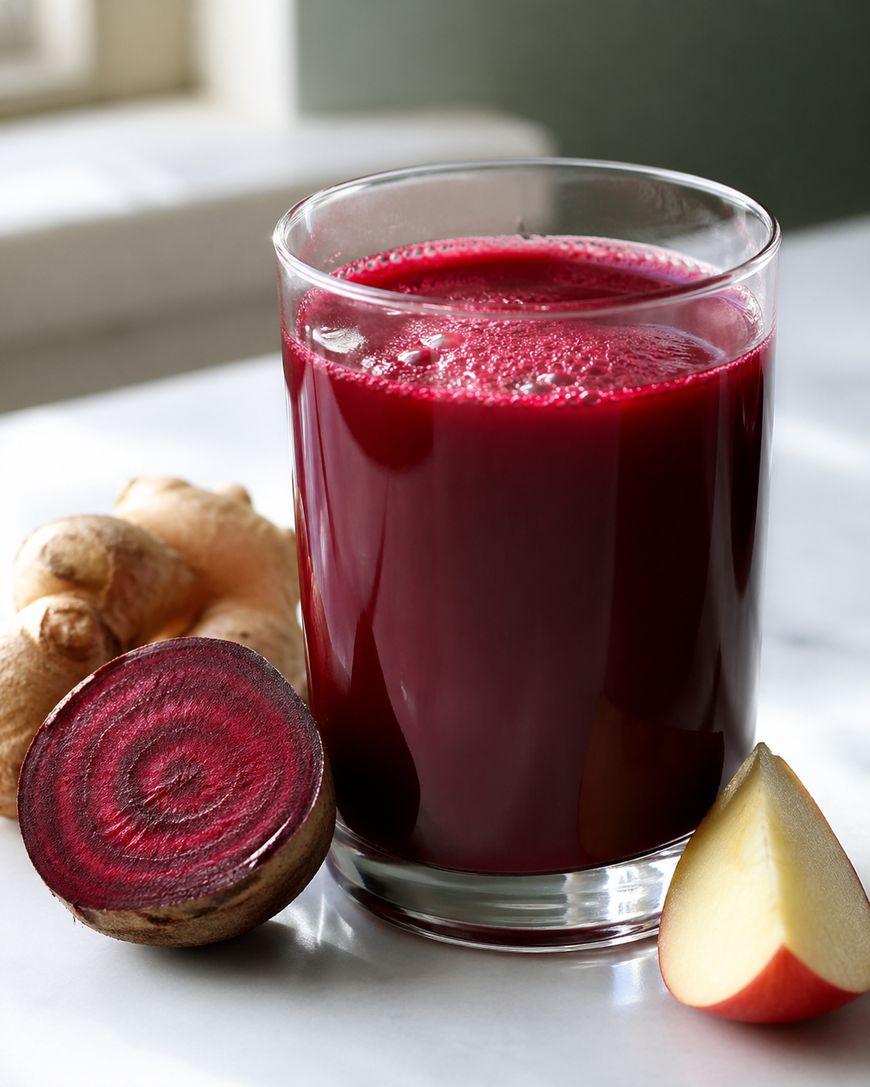
Beet apple ginger juice is the most nutrient-dense of the classic juicer recipes for beginners and produces the most visually striking result. Use two medium red beets scrubbed and trimmed, two Gala apples, a one-inch piece of ginger, and half a lemon peeled.
Beets are dense and require a powerful juicer to process efficiently. A Breville 800JEXL Juice Fountain Elite or a Kuvings Whole Slow Juicer handles beets without bogging down, whereas a basic centrifugal juicer may struggle with the fiber content.
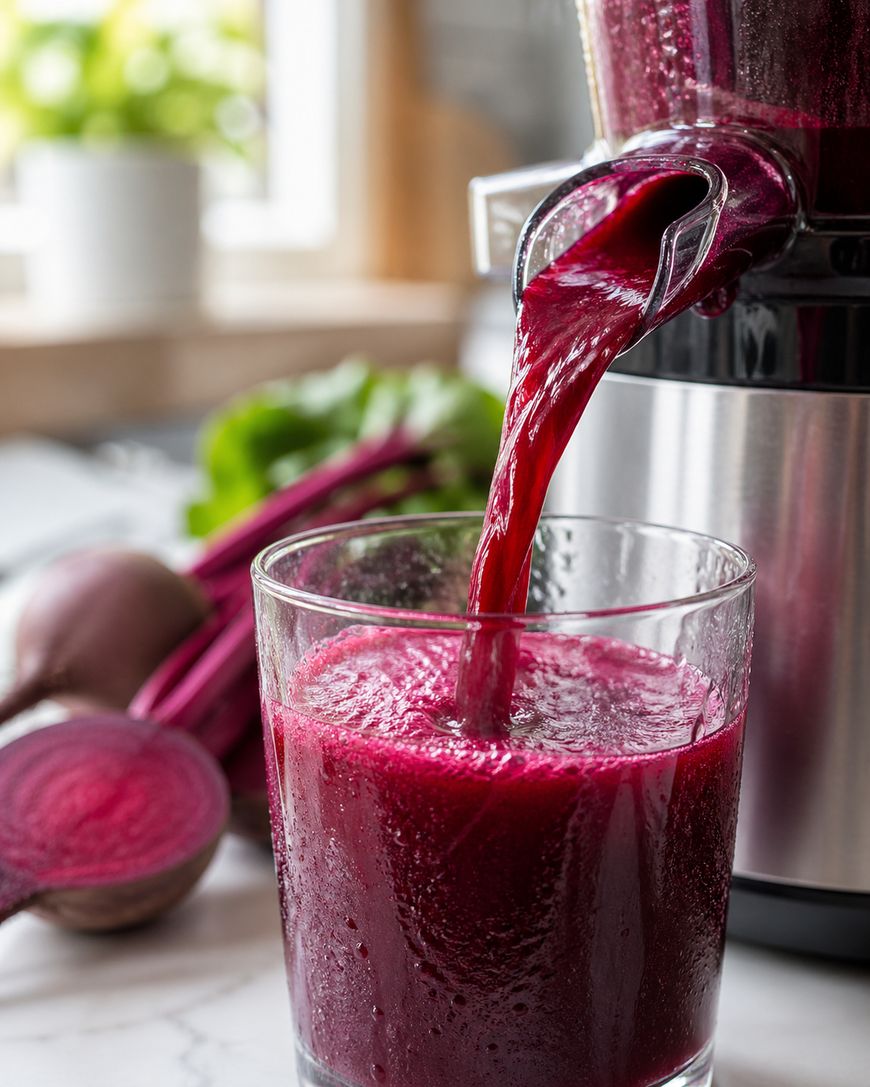
The deep red-purple color of beet juice is striking, and the apple and ginger balance the earthy, slightly sweet beet flavor into something genuinely delicious. Wear an apron when juicing beets, as the juice stains immediately.
Pineapple Cucumber Mint Juice
Pineapple cucumber mint juice is one of the sweetest and most approachable juicer recipes for beginners because the pineapple dominates the flavor and makes even the most skeptical first-time juicer enjoy the result. Use two cups of fresh pineapple chunks, one English cucumber, eight fresh mint leaves, and half a lime peeled.
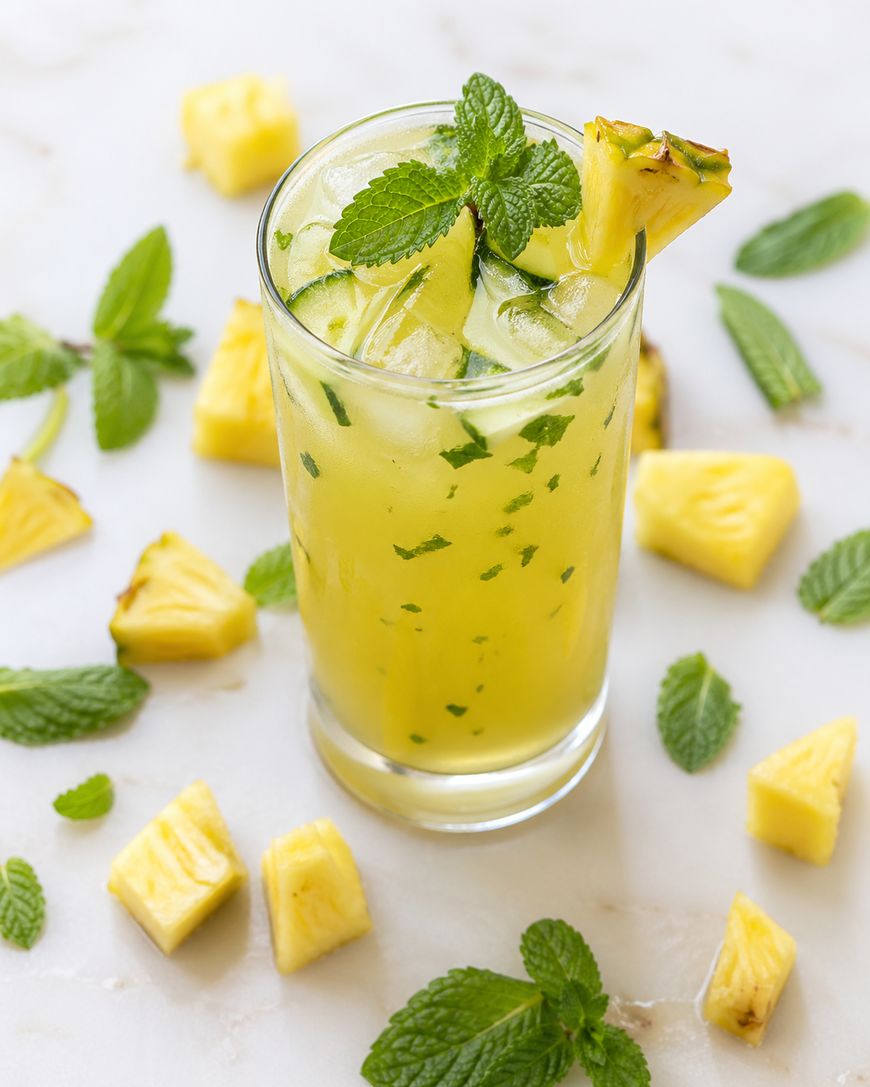
Fresh pineapple from a whole pineapple produces significantly more juice and better flavor than pre-cut pineapple from a container. Remove the tough core before juicing, as the core is fibrous and produces less juice per piece than the flesh.
This juice is naturally very sweet without any added fruit designed specifically to add sweetness. It is the best juicer recipe for beginners to share with guests or family members who are new to juicing.
Juicer Recipes for Beginners: Equipment and Technique Tips
Juicer recipes for beginners are only as good as the technique and equipment used to make them. Understanding a few fundamental principles about how different juicers work and how to prepare produce correctly makes every recipe more efficient and more flavorful.
Choosing the Right Juicer
The two main categories of juicers are centrifugal juicers and masticating (cold press) juicers, and the right choice for a beginner depends on budget, how often they plan to juice, and which produce they want to use. The Breville Juice Fountain Compact at around $100 is the best entry-level centrifugal juicer and handles fruits, root vegetables, and hard produce quickly with easy cleanup.
A masticating juicer like the Hurom H-AA or the Kuvings C7000 operates at a slower RPM to preserve more nutrients and extract more juice from leafy greens like spinach, kale, and wheatgrass. Masticating juicers cost between $250 and $500 but produce 15 to 30 percent more juice from the same quantity of produce, making them more economical over time.
Centrifugal juicers produce heat during processing that can slightly degrade heat-sensitive enzymes and vitamins in leafy greens and herbs, which is the primary reason cold press juicers are preferred by serious juicing practitioners. For beginners juicing primarily fruits and root vegetables, a centrifugal juicer performs well and the nutritional difference is minimal.
Produce Preparation
Washing all produce thoroughly before juicing is the single most important food safety step, and a produce brush from OXO used under cold running water removes surface bacteria and pesticide residue more effectively than rinsing alone. For organic produce, a rinse under cold water is sufficient.
Remove seeds from apples, pears, and citrus fruit before juicing, as apple seeds contain trace amounts of amygdalin that can release hydrogen cyanide in large quantities. The small amount from occasional juicing is not dangerous, but removing them takes seconds and is good practice.
Peel citrus fruit, beets, pineapple, and kiwi before juicing, but leave the skin on apples, cucumbers, carrots, and ginger for the additional nutrients and fiber that the skin contributes to the juice. Keeping cucumber skin on adds a slightly bitter, green note that works well in recipes with strong fruit sweetness.
Maximizing Juice Yield
Alternating hard produce like carrots and beets with softer produce like cucumber and apple prevents the juicer’s filter basket from becoming clogged with pulp too quickly. Run a piece of hard produce, then follow it immediately with a piece of soft produce to push the pulp through and clear the basket.
Roll leafy greens like spinach, kale, and parsley into tight balls before feeding them into the juicer, then push them through with a firm piece of cucumber or apple immediately after. This technique prevents the leaves from wrapping around the blade or auger and extracts significantly more liquid than feeding loose leaves.
How to Store Fresh Juice and Build a Juicing Habit
Fresh juice from juicer recipes for beginners is best consumed immediately after making for maximum nutritional value, but proper storage makes a two-day juice prep routine completely viable for busy schedules.
Storage Basics
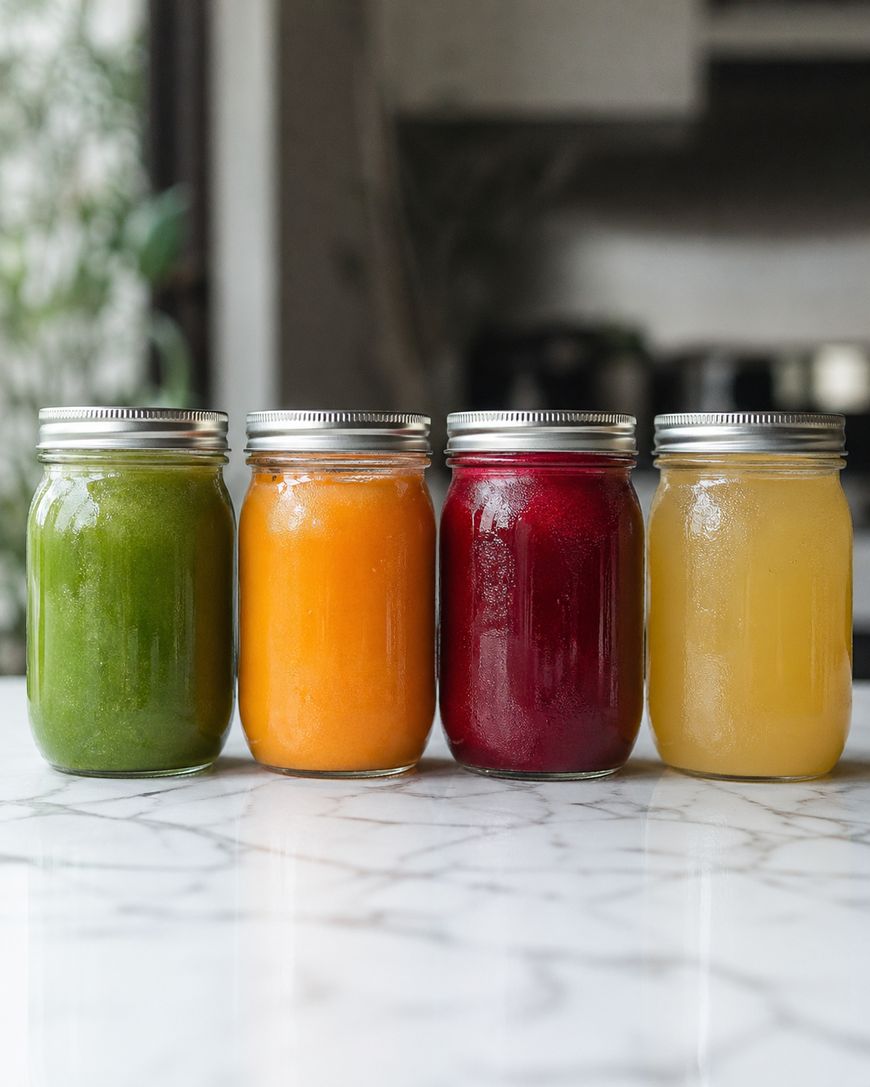
Store fresh juice in an airtight Mason jar or a Weck glass jar filled to the very top to minimize the oxygen exposure that causes oxidation and nutrient degradation. A juice stored in a jar with no air gap at the top keeps for up to 48 hours in the coldest part of the refrigerator without significant flavor or nutrient loss.
Adding a small squeeze of lemon juice to any stored juice acts as a natural preservative that slows oxidation. The lemon flavor is barely detectable in most green or carrot-based juices and is worth adding as a standard step in any juicing routine.
Building the Habit
Making juice at the same time every day is more important than which juicer recipe for beginners you start with. Most people who build lasting juicing habits juice first thing in the morning before breakfast, when the gastrointestinal tract is empty and absorbs the nutrients from fresh juice most efficiently.
Prep all produce the night before by washing, peeling, and cutting everything into juicer-ready pieces and storing it in a bowl in the refrigerator. Morning juicing becomes a five-minute routine when the produce is already waiting, which removes the friction that causes most people to abandon the habit within the first two weeks.
Juicer Recipes for Beginners Questions
What is the best first juice to make as a beginner? The carrot ginger turmeric juice is the best first juicer recipe for beginners because it is naturally sweet, requires no leafy greens, produces a high volume of juice even in a basic centrifugal juicer, and tastes genuinely delicious without any practice or refinement. It also produces the dramatic visual payoff of a vivid orange juice that makes juicing feel immediately rewarding.
Do you need an expensive juicer to make good juice? No, a Breville Juice Fountain Compact at around $100 produces excellent juice from fruits, root vegetables, and firm produce. The difference between an entry-level centrifugal juicer and a premium cold press juicer becomes most noticeable when juicing leafy greens and herbs, so beginners who focus on fruit and vegetable-based recipes will find an entry-level machine entirely sufficient.
How much produce do you need for one glass of juice? Most juicer recipes for beginners require between one and two pounds of produce to produce 12 to 16 ounces of juice, depending on the water content of the ingredients. Watermelon and cucumber produce the highest juice volume per pound, while leafy greens, beets, and ginger produce the least.
Can you juice the day before and drink it the next morning? Yes, fresh juice stored in an airtight Mason jar filled to the top keeps for up to 48 hours in the refrigerator without significant degradation. Add a squeeze of lemon to the stored juice to slow oxidation, and shake or stir before drinking as natural separation occurs overnight.
Is juicing better than blending for beginners? Juicing and blending serve different purposes. Juicing removes fiber and delivers a concentrated liquid that absorbs quickly into the bloodstream, while blending preserves fiber and produces a thicker smoothie that is more filling. For beginners specifically interested in juicer recipes, a centrifugal juicer is the right tool, but those focused on satiety and gut health will benefit more from a blender.
Start Simple and Build Your Juicing Practice
The best juicer recipes for beginners are the ones that taste good enough to make again tomorrow, and every recipe on this list qualifies. Start with the carrot ginger turmeric juice or the classic green juice, run it every morning for one week, and the habit will establish itself before you need to think about it.
Once those two recipes feel routine, add the beet apple ginger and the pineapple cucumber mint to your rotation and work through the full list over the course of a month. A consistent juicing habit built on juicer recipes for beginners that actually taste good is one of the simplest ways to increase daily vegetable and fruit consumption without changing anything else about your diet.