Last updated: August 19, 2026
Most living rooms look nearly identical, not because their owners have poor taste, but because default retail options produce uniform results. A neutral sofa, white walls, and a matching print trio are individually defensible choices that become collectively anonymous. Genuinely interesting spaces happen when someone makes a deliberate decision to step away from standard catalogue recommendations.
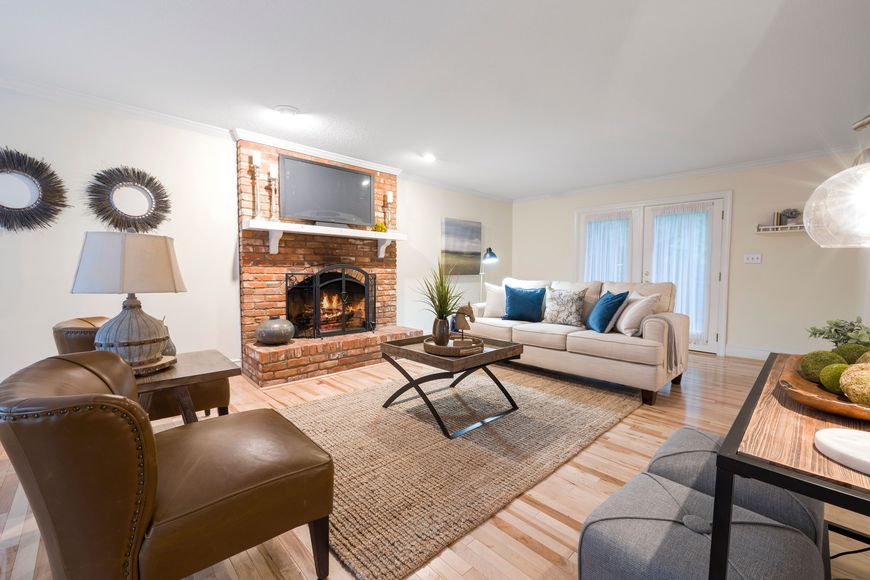
A room achieves immediate character when a bold seating choice like a large deep-seat sectional replaces a generic couch. The same principle applies to decorative objects, where an unexpected focal point such as a knight armor statement piece adds commanding visual weight. These initial investments set a distinct tone that guides every other decorative choice. Here are seven specific upgrades that consistently give a living room genuine personality with no full renovation required.
1. Invest in a Deep Comfort Sofa
The main sofa functions as the central focal point of any living room. A shallow, grey-beige default unit communicates a lack of imagination, causing the space to read as quickly assembled rather than carefully considered. Upgrading to a genuinely deep, high-quality sectional immediately transforms both the visual character and the daily comfort of the environment.
A modular L-shaped configuration features 24-inch deep cushions in customizable fabric options that provide significant physical depth. For anyone looking to upgrade their home, Home Reserve’s cozy large deep-seat sectional offers a compelling combination of comfort and practicality that elevates everyday living. The hidden storage sits beneath every seat cushion, and the machine-washable covers handle daily wear effectively. A solid 10-year frame warranty serves as concrete credibility markers for this furniture investment.
A sofa deep enough to sink into changes how guests experience a room. The rug, painted wall, and layered lighting all respond to this central piece.
2. Add One Unexpected Conversation Object
A conversation piece serves as the decorative investment with the highest aesthetic return. Vintage scientific instruments or prominent heirloom pieces bring a scale and story that demand an explanation. A singular object communicates that someone with a defined viewpoint curates the space.
For immediate impact, a Medieval Collectibles’ full knight armor statement piece might produce a dramatic response. Standing six feet tall, this functional piece creates a sense of aesthetic confidence when positioned in a corner. The accurate construction makes it register as a genuine object with physical weight rather than a decorative prop.
For anyone looking to upgrade their home beyond conventional artwork or furniture, this is the kind of investment that instantly elevates a room’s character and sets it apart from every other space.
Quote: Catalogues don’t make choices; people do, and the right single object communicates that someone with a genuine point of view lives here. |
3. Paint One Wall a Bold Color
The most impactful living room upgrade requires no furniture purchase at all. A non-neutral wall color in deep green, dusty terracotta, slate blue, or charcoal gives light and texture a new dynamic. This paint choice forces every piece of furniture to respond to a distinct backdrop.
A single gallon of quality paint covers roughly 400 square feet, meaning a standard accent wall costs between $40 and $80 in materials. This low-cost material creates a disproportionate visual impact when applied behind a main seating area. Bold walls demand equally confident furniture choices to anchor the updated room.
4. Build a Personal Image Gallery Wall
A matching print set signals a generic catalogue aesthetic, while a gallery wall built from thrifted frames and personal photographs highlights a specific life. The intentional mix of frame styles and image origins cannot be replicated by a curated retail bundle. This custom arrangement relies on real experiences to build visual interest on a blank surface.
Start by anchoring the arrangement with one central piece before building outward. Group the surrounding images by theme or palette rather than matching frame color or size. This approach guarantees that no two gallery walls will ever look identical.
Pro Tip: Start with one central anchor image, then build outward by theme or palette rather than matching frame styles. The resulting irregularity tells a personal story that a matching print set never can. |
5. Anchor Seating With a Quality Rug
The most common floor design mistake involves buying a rug that is far too small for the space. The correct sizing rule requires all major seating legs to sit completely on the fabric. When a rug is undersized, furniture appears disconnected from the floor, eliminating visual coherence.
A correctly sized rug usually falls into the 8×10 ft or 9×12 foot category for a standard living room. This larger footprint earns its cost by bringing texture, color, and proportion together beneath the furniture. A substantial rug responds directly to the bold wall color and sets the physical foundation for the main sofa.
6. Replace Overhead Lighting With Layered Atmosphere
Most living rooms rely on a single overhead source that illuminates the space without creating any actual atmosphere. The optimal lighting fix involves positioning a quality floor lamp at seated eye level and installing a dimmer switch on the main overhead fitting. Dimmer switches usually install in less than 30 minutes, making them a highly effective budget upgrade.
Avoid cool white bulbs anywhere near relaxation areas. Research indicates that warm lighting conditions improve positive emotional responses. Keep bulbs in the 2700K to 3000K range and position lamps at seated eye level so the light wraps around the room instead of flattening it from above.
Important: Cool white bulbs flatten a living room’s atmosphere, making it feel functional rather than considered. Switch to warm white or amber (2700K 3000K) for a layered, inviting glow that wraps around the room in the evening. |
7. Curate a Collection Over an Accumulation
The difference between a curated display and accumulated clutter comes down to strict editing. A dedicated shelf of specific travel finds and inherited pieces communicates a distinct personality far better than a massive pile of generic decorative items. Thoughtful curation requires choosing fewer items that hold greater visual or historical significance.
Apply one practical rule to surface styling by ensuring every object on display earns its physical footprint. Remove any item that lacks a specific story or substantial visual weight. Leaving space around three meaningful objects makes them far more striking than crowding thirty random items onto the same shelf.
The Bottom Line
Default furniture choices produce anonymous rooms, making deliberate deviations the best design strategy. A deep, modular sectional establishes a reliable daily anchor for the household. Similarly, placing a six-foot suit of armor in a prominent corner guarantees guests encounter an engaging focal point.
Building personality into a living space relies on a few confident selections instead of comprehensive renovations. Painting a single wall, sizing a rug correctly, and layering warm lighting yield massive visual shifts.