Last updated: June 17, 2026
Maid of honor duties are the responsibilities the bride’s closest attendant takes on to support the bride emotionally, logistically, and socially before and during the wedding. A maid of honor is generally expected to ask the bride what matters most, put every key date into one shared calendar, and handle one major planning task plus day-of problem-solving so she can stay present.

Maid Of Honor Duties: 25 Clear Responsibilities You Can Actually Do
1. Get A Clear “Top Three” From The Bride
Ask the bride to name the three things she cares about most (for example: a calm morning, great photos, and a fun dance floor). This keeps you from wasting time on details she doesn’t value.
If she can’t pick three, give her options and ask her to choose from a short menu. You’re not being pushy, you’re preventing overwhelm.

2. Confirm Your Budget And Time Capacity Early
Decide what you can realistically spend and how many hours per week you can give. A common guideline is planning for 1–3 hours weekly during the final 8–12 weeks.
If you can’t attend every event or pay for every activity, say it early. It’s easier to adjust plans now than to resent them later.

3. Learn The Wedding Vision In Plain Language
Ask for a simple description like “garden party,” “black-tie,” or “cozy modern.” You don’t need a mood board to be helpful, you need a shared mental picture.
If the bride already has a Pinterest board, ask her to point out 10 “must-match” images. That keeps you aligned without micromanaging.
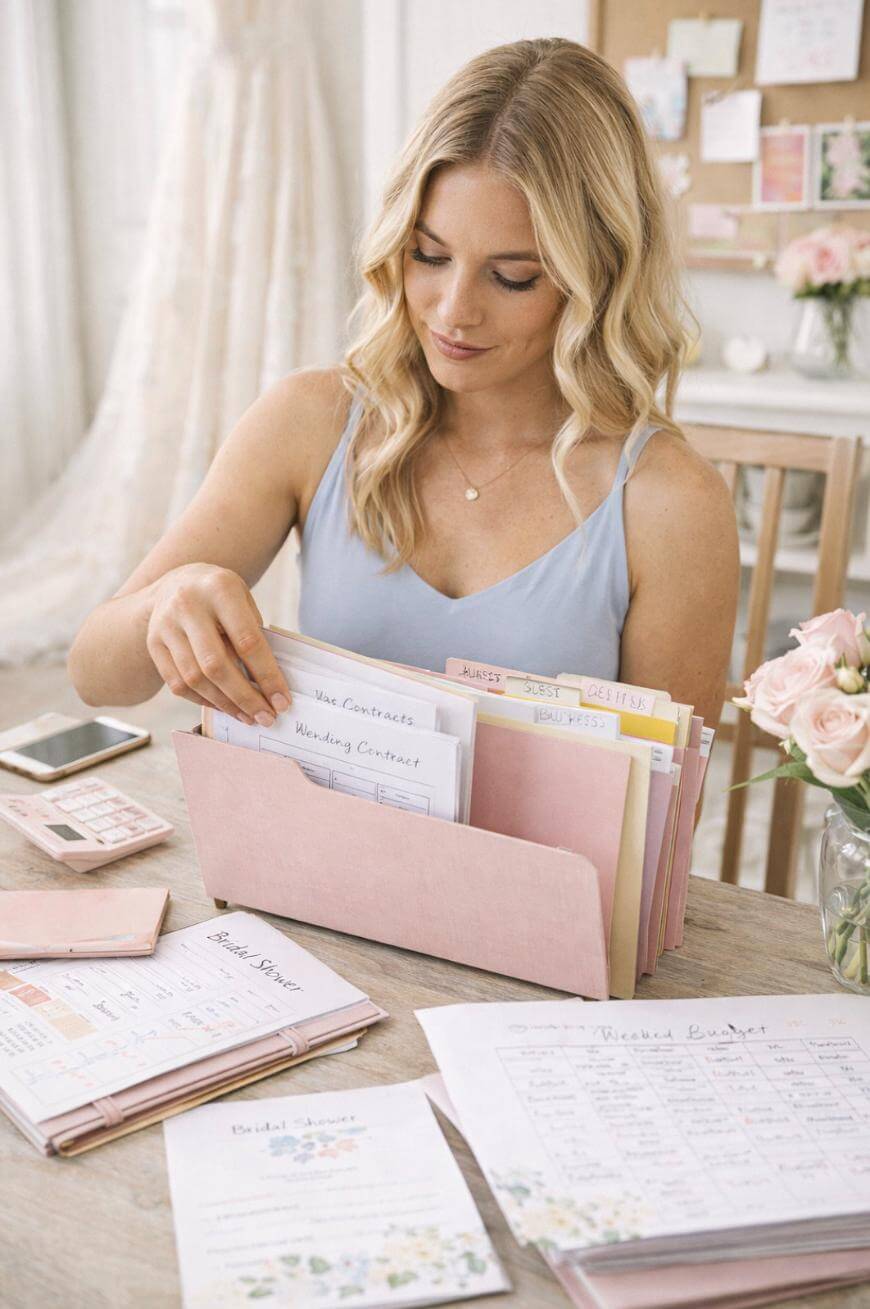
4. Track Key Dates In One Place
Put the shower date, bachelorette date, dress deadlines, RSVP deadline, and rehearsal schedule in one shared calendar. Include addresses, start times, and contact names.
A good rule is to add reminders at 30 days, 14 days, 7 days, and 24 hours for each major item. This reduces last-minute scrambles.

5. Be The Bride’s Communication Buffer When Needed
Offer to be the person who fields questions from the wedding party so the bride isn’t answering the same texts all day. This is especially helpful in the final two weeks.
If the bride prefers privacy, ask her for a short “approved script” you can reuse. For example: “She’s keeping it simple, and we’ll share details soon.”
6. Help Plan The Bridal Shower With A Simple Framework
Pick a format the bride likes (brunch, tea, backyard, restaurant) and build around it. The default approach is a 2–3 hour event with 20–40 guests, light food, and one low-pressure activity.
Avoid overcomplicating games or schedules. A smooth timeline matters more than novelty.
7. Coordinate The Guest List For Pre-Wedding Events
Confirm who should be invited to the shower and bachelorette and whether anyone must be included for family reasons. This prevents awkward omissions.
If there are sensitive dynamics, ask the bride who should not be seated together or grouped in the same activity. You don’t need gossip, you need clarity.
8. Organize The Bachelorette In A Way That Works For The Group
Choose something that fits the majority’s budget and time, then make it easy to say yes. A practical range is $150–$600 per person depending on travel, but your group may need less.
Offer at least one lower-cost option if someone can’t travel. The goal is celebration, not financial stress.
9. Collect Payments Without Making It Weird
Use one method to collect money, set a clear due date, and send one reminder. People respond better to specifics like “$85 due by May 10.”
If someone can’t pay, handle it privately and kindly. Small flexibility preserves friendships.
10. Keep The Bride Out Of Logistics For Her Own Events
Give the bride choices, not problems. Instead of “Where should we go?” offer “Option A is $40 per person, Option B is $55 per person.”
If she insists on planning everything, still protect her time by handling booking links, confirmations, and group reminders.
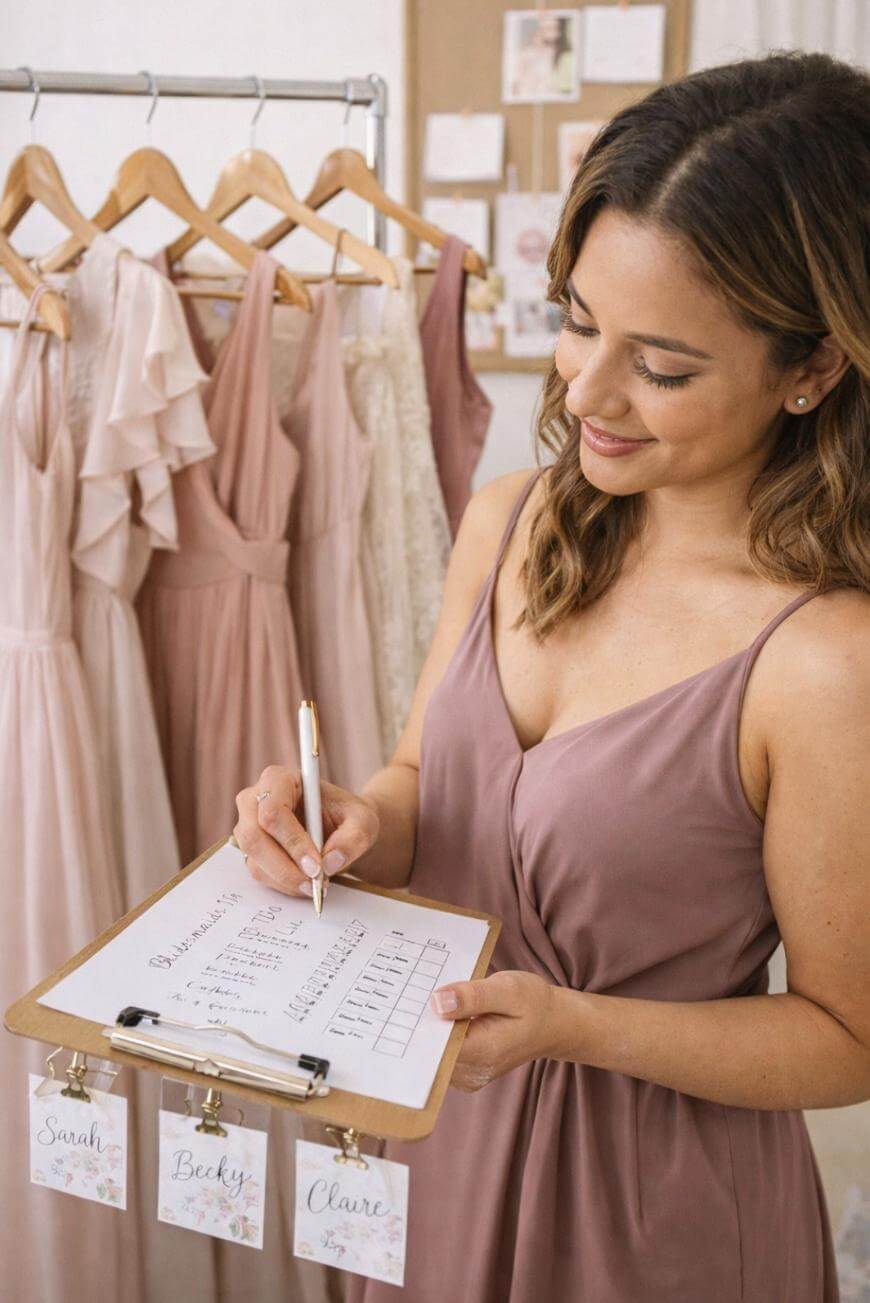
11. Help With Bridesmaid Coordination
Make sure everyone knows dress color, ordering deadlines, shoes, and accessories expectations. A simple “one message with everything” reduces confusion.
If someone is falling behind, check in early. Most issues are solvable before they become drama.
12. Support Dress Shopping Or Fittings If Asked
Some brides want company, some don’t. Your duty is to support her preference, not assume a tradition.
If you go, help by taking photos, tracking styles, and reminding her of comfort and movement. A dress you can sit and dance in is always a win.
13. Prepare A Day-Of Emergency Kit
Bring basics like bandages, blister pads, stain remover, safety pins, fashion tape, pain reliever, mints, tissues, and a phone charger. Keep it small but strategic.
Include two “save the day” items: a mini sewing kit and clear deodorant wipes. Those solve more problems than you’d expect.
14. Learn The Wedding Day Timeline Like It’s Your Job
Ask for the timeline from the planner or bride and save it offline. Know when hair and makeup start, when photos begin, and when everyone must be dressed.
A helpful habit is to set your own “arrive ready” time 15–30 minutes earlier than needed. That buffer prevents chain-reaction delays.

15. Be The Calm Point Person On The Morning Of
Your energy affects the room, so aim for steady and practical. Speak in short sentences and handle small issues quietly.
If someone is stressed, redirect them to a task like steaming dresses or organizing bouquets. Movement reduces anxiety.
16. Handle Small Vendor Or Venue Questions If Delegated
Sometimes vendors need quick answers about access, setup, or timing. If the bride wants you to manage this, get the vendor contact list ahead of time.
When you don’t know an answer, avoid guessing. Ask the planner, the venue coordinator, or the designated family point person.

17. Keep Essentials With You During Photos And Ceremony
Hold the bride’s phone, lipstick, blotting papers, and touch-up items. This prevents the classic “Where did my stuff go?” spiral.
Also keep a water bottle nearby. A few sips every 30–60 minutes can prevent headaches and faintness.
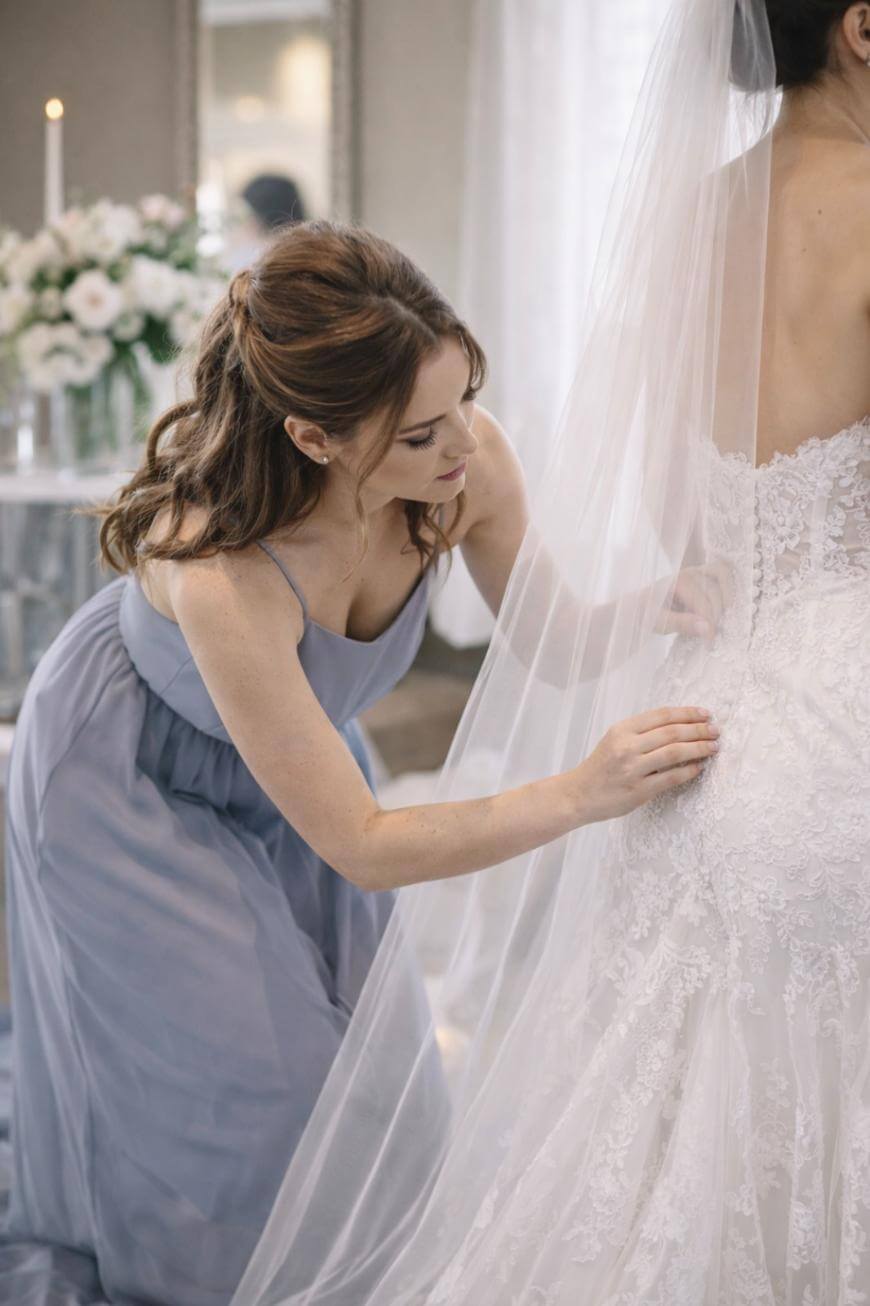
18. Manage The Bouquet And Train During Transitions
You’ll often be the person who holds the bouquet during vows, fixes the train, and makes sure it looks right in photos. Do it gently and quickly.
If the dress has a bustle, learn how it works before the reception. Practice once so you aren’t figuring it out under pressure.
19. Sign The Marriage License As A Witness If Required
In many places, the maid of honor may sign as a witness, but rules vary by location. Confirm with the couple what they need you to do and when.
Put a reminder in your phone for the exact time they plan to sign. It’s a small step that matters a lot.
20. Help The Bride Eat Something Real
Make sure she has a few bites of protein and some water, especially between photos and the ceremony. A simple target is 300–500 calories before cocktails start.
If she says she isn’t hungry, offer two easy options like half a sandwich or a protein bar. Decision fatigue is real.
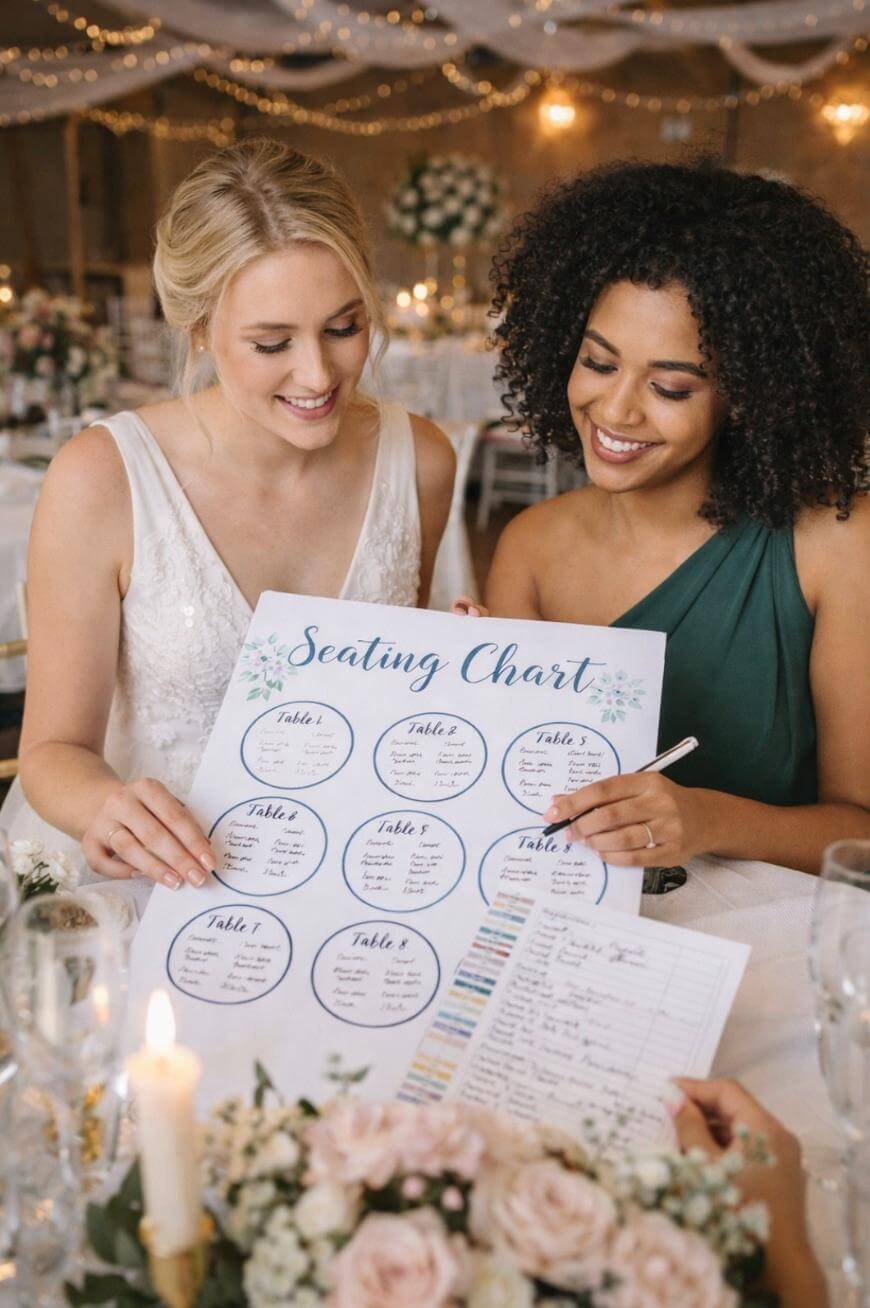
21. Coordinate The Processional Details With The Wedding Party
Make sure everyone knows the walking order, spacing, and where to stand. This reduces the “deer in headlights” look at the ceremony start.
A practical cue is “walk on the beat, one deep breath apart.” It keeps pacing natural and consistent.
22. Give A Toast That Is Short, Warm, And Specific
Plan a toast that’s 60–120 seconds long, with one clear story or detail and a simple wish for their future. Long speeches usually lose the room.
Practice it out loud twice and save it in your notes app. Nerves make people forget even basic lines.
23. Watch For Social Or Emotional Stress Signals
If you notice the bride getting pulled into conflict or overwhelmed by attention, step in with a polite interruption. You can say, “She needs a quick photo,” and whisk her away.
Your job is not to manage everyone’s feelings. Your job is to protect the bride’s experience.
24. Help With Gift, Card, And Personal Item Security
Make sure gifts and cards go to a secure place and that personal items aren’t left behind. A common approach is assigning one locked room or a trusted family member.
At the end of the night, confirm who has the gift box, the bride’s bag, and any keepsakes. Small losses cause big frustration later.
25. Support The Post-Wedding Wrap-Up
Ask how the bride wants help after the wedding, like gathering decor, returning rentals, or tracking thank-you notes. The easiest default is taking one clear task and finishing it fully.
If you’re helping with thank-you notes, offer a system like “10 notes per week” until they’re done. Consistency beats a stressful marathon.
Common Mistakes To Avoid With Maid Of Honor Duties
26. Doing Too Much Without Checking What The Bride Wants
You can create extra work by planning things she didn’t ask for. Always anchor your help to her priorities and preferences.
If you’re unsure, ask one direct question instead of making assumptions. One text can save weeks of mismatched effort.
27. Letting Group Chats Run The Show
Group chats create noise and slow decisions. You’ll get better results by offering two options, a deadline, and a clear next step.
If the group is divided, choose what fits the bride best and move forward. Consensus is not always realistic.
28. Treating Traditions Like Requirements
Not every bride wants a big shower, a weekend bachelorette, or matching everything. Your role is to support what fits her, not what social media expects.
When you feel pressure, use a simple filter: “Will this make her day better?” If not, skip it.
29. Forgetting Your Own Enjoyment And Well-Being
You can’t be a steady support if you’re burned out. Protect your sleep, eat before long days, and take breaks when you can.
A practical rule is to set one “no wedding talk” night per week. It keeps the role sustainable.
How To Make Maid Of Honor Duties Easier In The Last 30 Days
30. Create A One-Page “Wedding Day Cheat Sheet”
Write down the timeline, addresses, key contacts, and the bride’s must-haves. Keep it on your phone and printed in your bag.
Include one line for what to do if something goes wrong, like “Ask planner first, then venue coordinator.” Clarity reduces panic.
31. Confirm Every Critical Item 7 Days Out
Do a quick check on attire, transportation, event start times, and who is bringing what. You’re aiming to catch missing pieces early.
If something is uncertain, lock it down with one message and a firm deadline. Vagueness becomes chaos on wedding week.
32. Build In Buffers For Travel And Getting Ready
Plan arrival times with at least 20 minutes of buffer for traffic, parking, or slow elevators. Buffers are what keep the day feeling smooth.
If hair and makeup is tight, suggest adding 10 minutes per person or starting 30 minutes earlier. Small changes prevent domino delays.
Key Takeaways
You Support The Bride Best By Clarifying Priorities Early.
A Shared Calendar Prevents Most Maid Of Honor Stress.
Your Biggest Value Is Calm Day-Of Problem Solving.
Short Speeches And Simple Plans Usually Land Best.
A Small Emergency Kit Solves Many Common Issues.
Budget Clarity Protects Friendships And Group Energy.
FAQ
Do Maid Of Honor Duties Always Include Planning The Bachelorette?
No, they do not always include it. In many groups you lead the planning, but sometimes the bridesmaids or a family member handles it.
If the bride has a planner or strong preferences, you may simply coordinate details and communication.
How Much Should You Spend As A Maid Of Honor?
You should spend what fits your real budget, not what feels expected. A practical personal cap many people use is $300–$1,500 total depending on travel and events.
If that range doesn’t work, tell the bride early and offer time or help instead of extra spending.
What If A Bridesmaid Is Being Difficult Or Unresponsive?
Address it early and privately with one clear question and one clear deadline. Most people respond better to specifics than to vague frustration.
If it continues, update the bride with a calm summary and a suggested solution so she isn’t stuck managing it.
What Are The Most Important Day-Of Maid Of Honor Duties?
The most important duties are keeping the bride calm, keeping essentials nearby, and helping the timeline stay on track. These actions protect her experience more than any decoration detail.
If you only do three things, do timeline awareness, emergency kit readiness, and emotional support.