Last updated: October 22, 2026
Starting over in a new city is one of the most exciting decisions a person can make. It can open the door to a better job, a fresh social circle, a lower cost of living, or simply a change of pace. At the same time, the process can feel overwhelming when work, family, bills, and daily duties all compete for your attention.
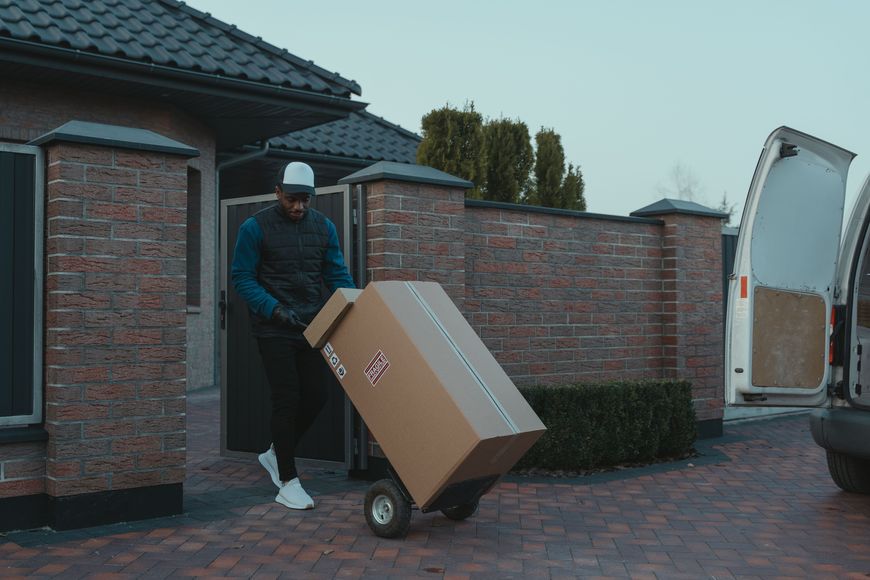
Whether you are leaving a small town or heading out from Reno, a fresh start goes far more smoothly when you treat it as a project with clear steps, sensible limits, and a realistic timeline.
Getting Your Belongings to Your New Home
Once the decision is made, attention quickly shifts to the practical side of relocating your household. Transporting furniture, appliances, and boxes across several states is often the most demanding part of the process, and it can drain your time and patience if you try to manage it alone. Many families find that handing this job to experienced long-distance movers removes a great deal of stress from the weeks before departure.
Hire local Reno long distance movers who offer packing materials, full-service packing, and secure storage options so your belongings arrive safely. With that responsibility in capable hands, you can focus on settling into your new life instead of worrying about every box.
Setting a Realistic Timeline
A clear schedule is the backbone of any successful relocation. Start by choosing a target date and working backward from it. Break the weeks ahead into smaller stages, such as sorting your possessions, handling paperwork, notifying important contacts, and preparing your new home. Giving each stage its own window keeps tasks from piling up at the last minute.
It also helps to build some extra time into your plan. Delays happen, whether from a slow lease approval, a late paycheck, or an unexpected family commitment. A little breathing room means one setback will not throw off your entire schedule.
Building a Budget That Covers the Full Picture
Few things cause as much stress during a major transition as money does. Make a list of every likely cost ahead, covering rental deposits, utility setup fees, travel costs, temporary housing, and new household items. Many people forget the smaller costs, such as meals on the road, parking permits, or replacing items that do not suit the new space.
Once you have a full list, set aside an emergency fund for surprises. Even a modest cushion can prevent stress if a cost turns out higher than expected. Compare prices where you can, and look for ways to cut back in the months before you go, such as cooking at home more often or pausing subscriptions you rarely use. A well-planned budget gives you confidence and keeps your fresh start from beginning with debt.
Sorting and Decluttering Before You Pack
Relocating is a perfect opportunity to let go of things you no longer need. Go through each room and decide what to keep, sell, donate, or throw away. Be honest about items you have not used in a year or more. The fewer belongings you bring, the less you will need to pack, carry, and find space for later.
Selling unwanted furniture or electronics can also add a little extra money to your budget. Local marketplaces, garage sales, and community groups make it easy to find buyers. Starting this process early prevents a rushed, stressful clear-out in the final days.
Managing Work and Career Responsibilities
Your job deserves careful attention during a transition. If you are keeping your current role, speak with your employer early about remote work, a transfer, or a revised schedule. If you are starting a new position, confirm your start date and make sure it leaves enough time to settle in before your first day.
Those searching for work in the new city should begin networking well ahead of time. Update your resume, reach out to contacts in the area, and research local employers. Having income lined up, or at least a clear plan for finding it, reduces financial pressure once you arrive.
Handling Paperwork and Important Updates
A fresh start comes with a surprising amount of administrative work. Make a checklist of every account and organization that needs your new address. This usually includes your bank, insurance providers, employer, doctors, schools, and any subscription services. Remember to forward your mail so nothing important goes missing.
Gather essential records in one safe folder, including identification, medical files, school records, and financial documents. Keep this folder with you rather than packing it away. If you are crossing state lines, research the rules for updating your driver’s license, vehicle registration, and voter registration so you can complete them on time.
Taking Care of Family and Personal Wellbeing
Big changes affect everyone in a household differently. Children may feel anxious about leaving friends and starting a new school, while partners may worry about their own careers or social lives. Talk openly about the transition and involve family members in decisions where possible. Giving each person a sense of control can ease the emotional strain.
Do not forget to look after yourself as well. Stress can build quickly when you are juggling many responsibilities at once. Make time for rest, regular meals, and short breaks, even during the busiest weeks.
Settling In and Building a New Routine
Arriving in a new city is only the beginning. Focus first on the essentials, such as setting up your bedroom, kitchen, and bathroom so daily life can continue comfortably. Unpack the rest gradually instead of rushing to finish everything at once.
Spend time exploring your neighborhood to find grocery stores, pharmacies, parks, and healthcare providers. Joining clubs, community events, or volunteer groups is a great way to meet people and feel at home sooner. Building a steady daily routine helps your new surroundings feel familiar, and over time the city that once felt unknown will simply feel like home.