Last updated: August 12, 2026
Moving has a way of turning calm people into frantic box counters. One minute you’re taping up cartons; the next you’re staring at four mystery chargers and a shadeless lamp, wondering how any of it ended up in your hands. None of that has to define the process, though. A move can stay calm and organized with a few smart choices made early — long before the boxes start swallowing the living room.
Start with a plan
Waiting until everything feels urgent is the biggest mistake movers make. A loose plan, built backward from the move date, keeps the whole process from spiraling. Assign days for decluttering, packing, address changes, and utility transfers. No color-coded system is required — a basic checklist does the job.
A full house move involves far more than packing boxes. Transport, scheduling, and heavy furniture each need a plan of their own. Some people handle every part alone; others bring in help for the harder pieces. Solomon & Sons Relocation Services offers full-service moving support for anyone who wants a simpler moving day.
Breaking the move into weekly goals, rather than one giant task, helps too. “Pack the whole house” feels impossible. “Finish the hall closet by Thursday” doesn’t. Those small wins keep the momentum going.
Sort before you pack
Packing stuff you don’t even want is like paying to move old guilt from one address to another. Before you tape a single box, take time to sort what you actually use. Go room by room and make simple piles: keep, donate, sell, and toss.
Ask yourself a few honest questions. Did you use it this year? Does it fit your life now? Would you buy it again today? If the answer is no, it may be time to let it go. That doesn’t mean every item needs a dramatic farewell speech.
Decluttering pays off in practical terms as well. Fewer belongings mean fewer boxes, less time spent packing, and often a smaller moving bill. It also takes the sting out of unpacking on the other end. Your new home shouldn’t be a fresh start for a blender you secretly can’t stand.
If you get stuck, start with easy areas first. Expired pantry goods, old toiletries, duplicate kitchen tools, and worn-out linens are usually low-emotion decisions.
Pack for real life
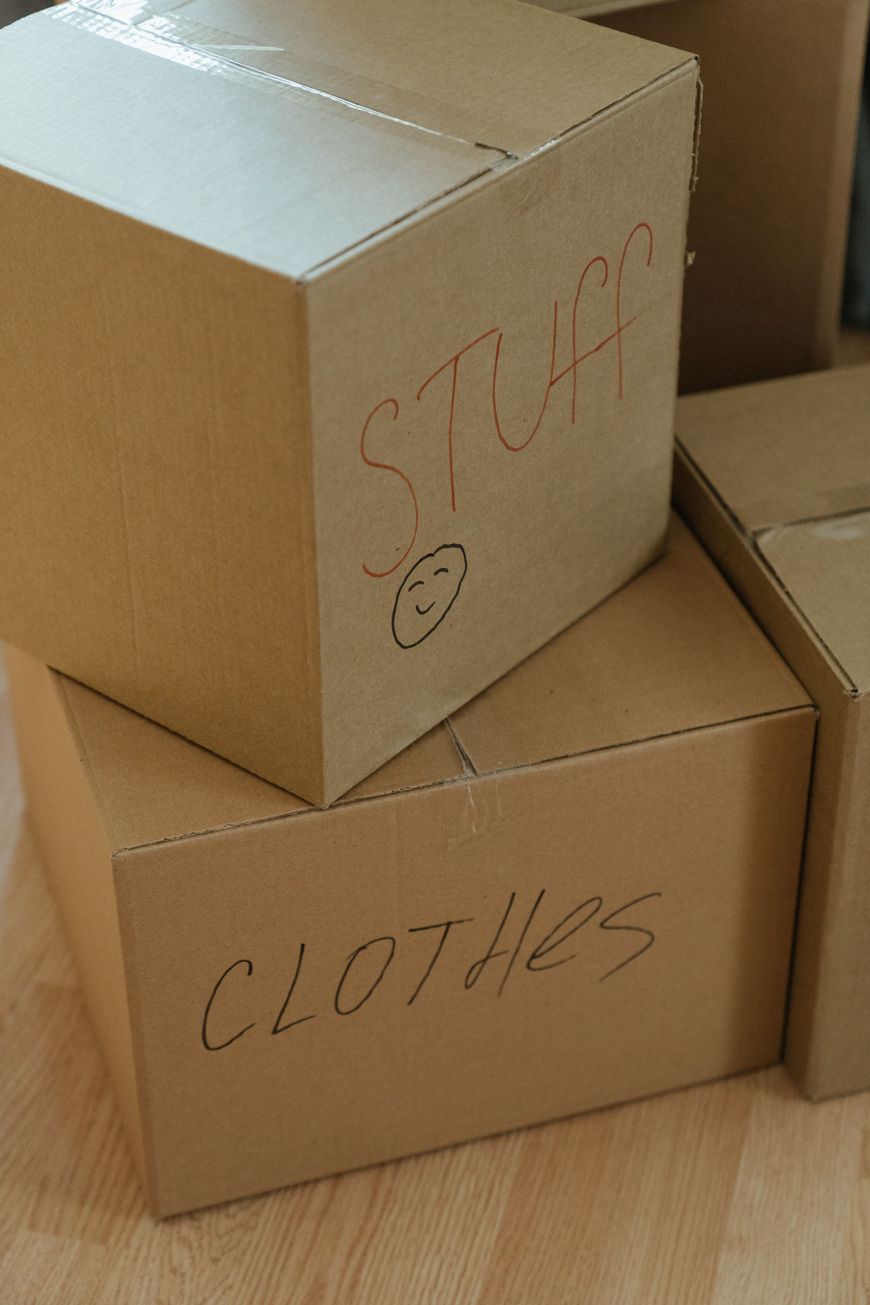
Packing looks simple until you realize you still need toothpaste, phone chargers, pajamas, and one pan that isn’t wrapped in bubble wrap. That’s why smart packing is about daily life, not just filling boxes. Label each box with both the room and what’s inside. “Kitchen” helps a little. “Kitchen—plates, mugs, coffee stuff” helps a lot.
Make one essentials box for your first night. Include toilet paper, medications, chargers, snacks, a towel, basic tools, and clean clothes. If you have kids, add one comfort item and a few easy activities. If you have pets, keep food, bowls, and leashes handy too.
Use what you already own to protect fragile things. Towels, socks, and sweaters can cushion breakables. It saves money and cuts down on waste. Just don’t forget to label those boxes well, unless you enjoy treasure hunts featuring wine glasses and winter scarves.
Pack heavier items in small boxes and lighter items in bigger ones. Your back will notice the difference.
Handle the tricky stuff
Every move has a few awkward extras. Kids may feel unsettled. Pets may act like you’ve ruined their tiny furry kingdom. Plants can droop. Utility companies suddenly become the stars of your to-do list. This is where a little preparation saves a lot of stress.
Talk to kids early in a simple, calm way. Let them help pack a few favorite things so they feel included. Keep routines as steady as possible near moving day. Familiar bedtime habits can do wonders when everything else feels upside down.
For pets, set aside a quiet room or safe space during the busiest parts of the move. Noise, open doors, and strangers can make them anxious. Update tags and microchip details before moving day, not after.
Don’t forget paperwork. Change your address, transfer internet and utilities, refill prescriptions, and keep important documents together in one folder. Think of it as your moving-day survival file. It’s not glamorous, but neither is realizing your Wi-Fi won’t be installed for six days.
Protect your energy
Moving is not just physical. It’s mentally noisy. You make hundreds of tiny decisions, and that can wear you down fast. Even organized people can hit a wall halfway through packing the bathroom cabinet. That doesn’t mean you’re bad at moving. It means moving is a lot.
Give yourself shorter work sessions when possible. Pack for an hour, then stop. Eat real meals. Drink water. Wear actual shoes instead of trying to haul boxes in floppy sandals. Little things matter when your brain is juggling ten tasks at once.
It also helps to lower the bar a bit. Not every box will look pretty. Not every plan will go smoothly. You may lose tape, patience, or one favorite pen. Perfection is not the goal. Progress is. A move can be successful even if your spice rack arrives looking emotionally confused.
If friends or family offer help, be specific. Ask them to watch the kids, bring lunch, or help with one room. Clear jobs are easier for people to say yes to.
Sometimes the easiest way to protect your time and energy is to hand over the most demanding parts of the move to someone else. Professional movers can take care of the heavy lifting and transportation, leaving you free to focus on everything else that needs sorting out. If you’re moving in or around Bothell, Washington, Tough Cookie Moving in Bothell is one local service worth looking into.
Settle in faster
Once you arrive, your goal isn’t to create a magazine-perfect home in two days. It’s to make the space functional and comfortable. Start with the rooms you use most: bedroom, bathroom, and kitchen. When you can sleep, shower, and make coffee, life feels much more normal.
Unpack in layers. Begin with essentials, then move to the things that support your routine. Hang a few clothes. Put out your usual soap. Make the bed early. Small familiar details help a new place feel like yours instead of just a building full of boxes.
If you’re overwhelmed, set one simple rule: unpack a little every day. Even twenty minutes counts. Momentum matters more than marathon sessions. It’s also okay to live with a few unopened boxes while you figure out what works in the new space.
Give yourself time to adjust. Walk around the neighborhood, find a nearby grocery store, and notice what feels good. Home usually doesn’t arrive all at once. It shows up slowly, in the little routines that make you feel settled again.