Last updated: July 21, 2026
If you are tired of the usual suggestions like painting or jogging, you are in the right place. This guide walks you through ten genuinely interesting niche hobbies, explains how to get started with each one, and answers the questions you are probably already asking.
You will find something here that fits your budget, your space, and your attention span.
Ten Niche Hobbies Worth Trying
Kokedama Moss Ball Gardening
Kokedama is a Japanese gardening technique where you wrap a plant’s roots in a ball of soil and moss instead of a pot. It looks striking hanging from a window or sitting on a shelf, and it costs very little to start.

You only need a small plant, some potting soil, sphagnum moss, and twine. Once you learn the basic wrapping technique, you can experiment with ferns, succulents, and even small orchids.
Ferrofluid Art
Ferrofluid is a magnetic liquid that forms spiky, shifting patterns when a magnet moves beneath it. Artists use it to create mesmerizing videos and desktop sculptures that respond to touch.
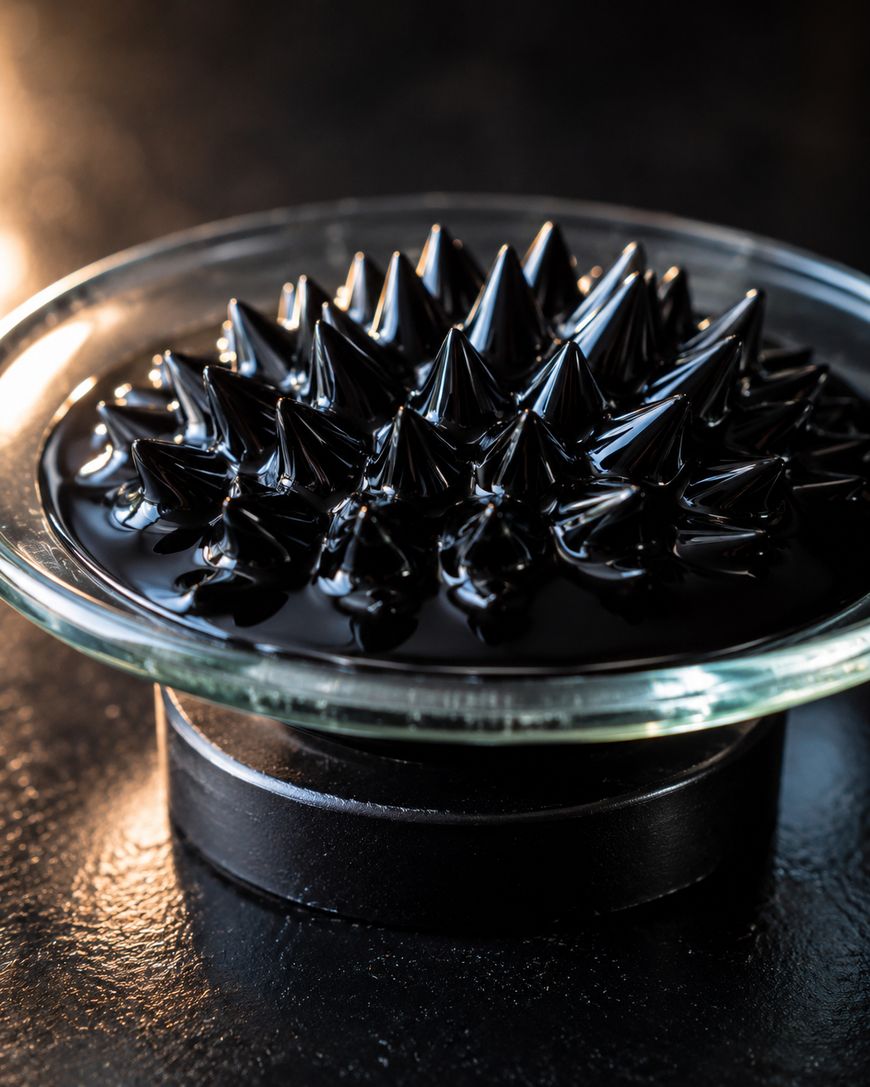
You can buy a small vial of ferrofluid online along with a magnetic base for a modest price. Many hobbyists film their creations and share them, turning a quiet solo pastime into a small creative community.
Extreme Ironing
Extreme ironing combines the mundane task of pressing clothes with outdoor adventure, since participants iron shirts on mountains, in rivers, and even underwater. It started as a joke in the United Kingdom and grew into an actual competitive activity.

All you really need is a travel iron, a board, and a sense of humor. Local extreme ironing clubs organize meetups, and the photos alone make it worth trying at least once.
Letterboxing
Letterboxing is a treasure hunt hobby that blends navigation, art, and puzzle solving using hidden clues placed in public spaces. Each hidden box contains a rubber stamp, and finders collect stamp impressions in a personal logbook.
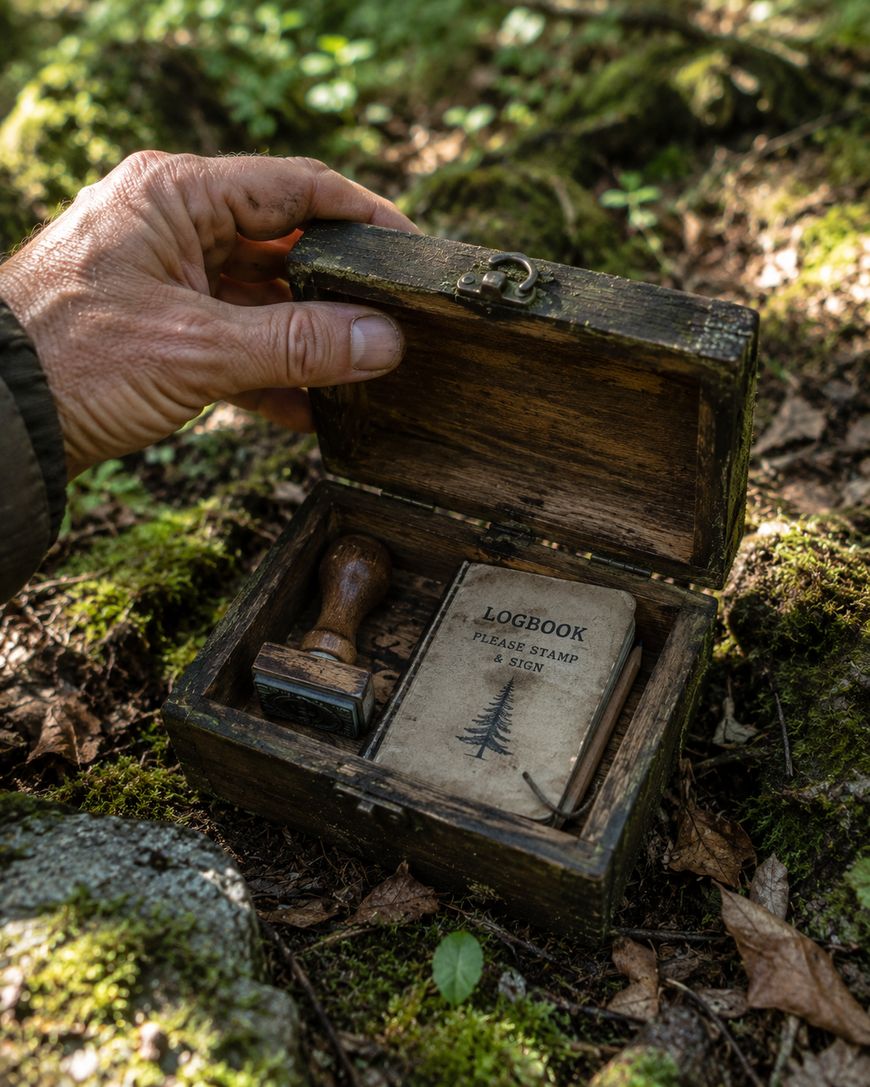
You will need a notebook, an ink pad, and access to online clue archives to begin. Because clues often reference local landmarks, this hobby also doubles as a great way to explore your own city.
Competitive Duck Herding
Duck herding events use trained dogs to guide a small flock of ducks through an obstacle course, and hobbyists compete for the fastest, cleanest run. It requires patience, since both the dog and the ducks need training before you can compete.
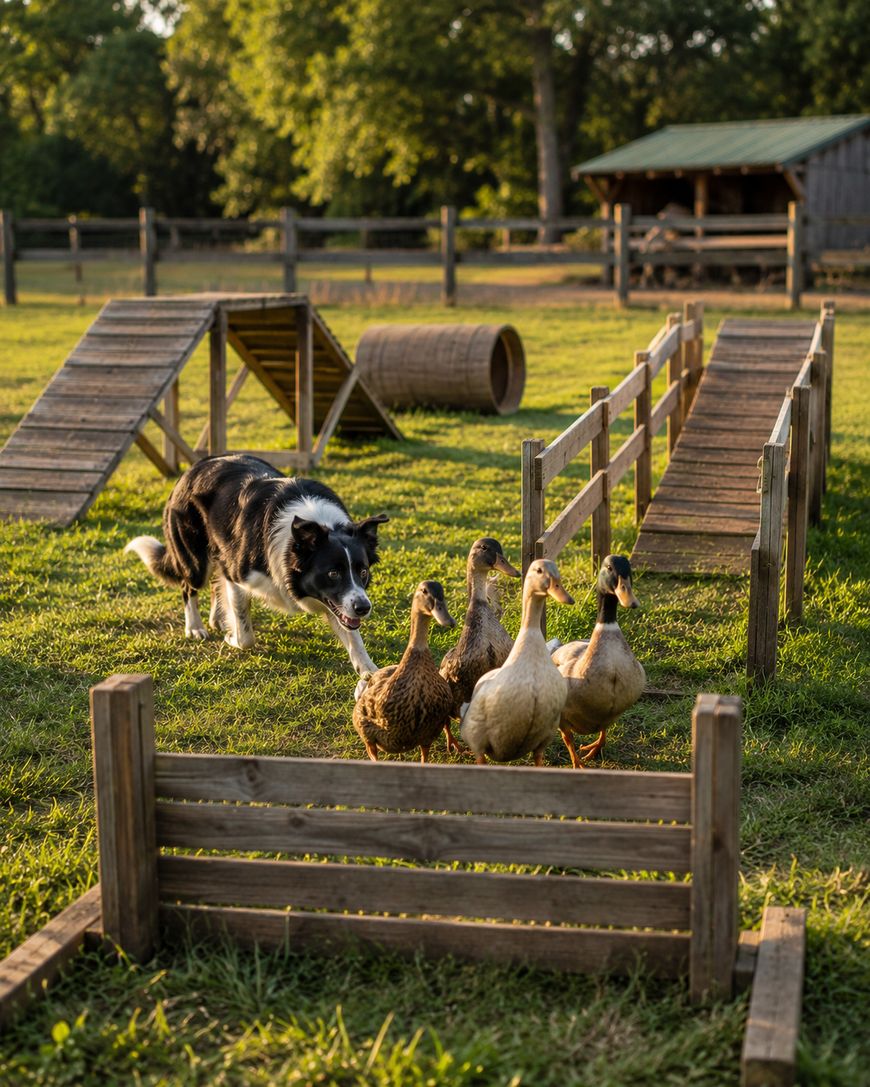
Many participants start by volunteering at a local farm or herding club to learn handling basics. Once you have the fundamentals, you can enter regional trials for a low fee.
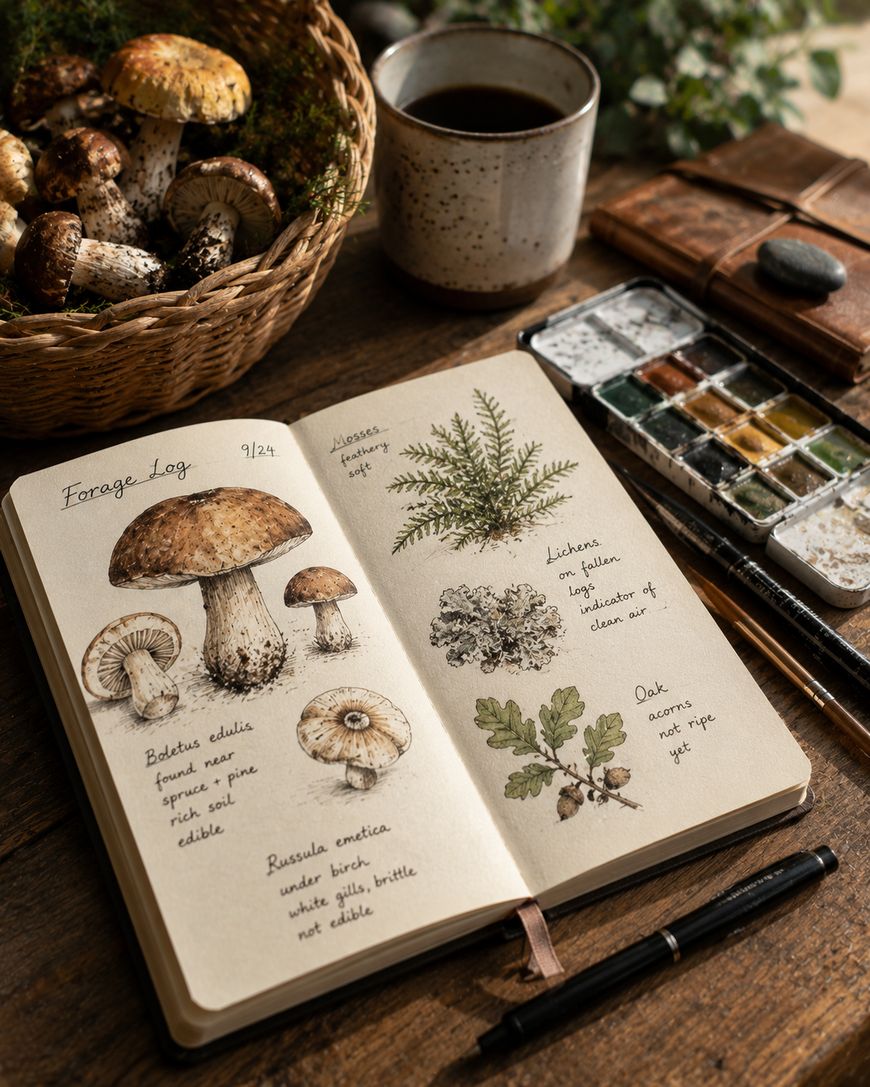
Mushroom Foraging
Mushroom foraging involves identifying and collecting wild edible mushrooms from forests and fields. It rewards patience and careful study, since correct identification is essential for safety.
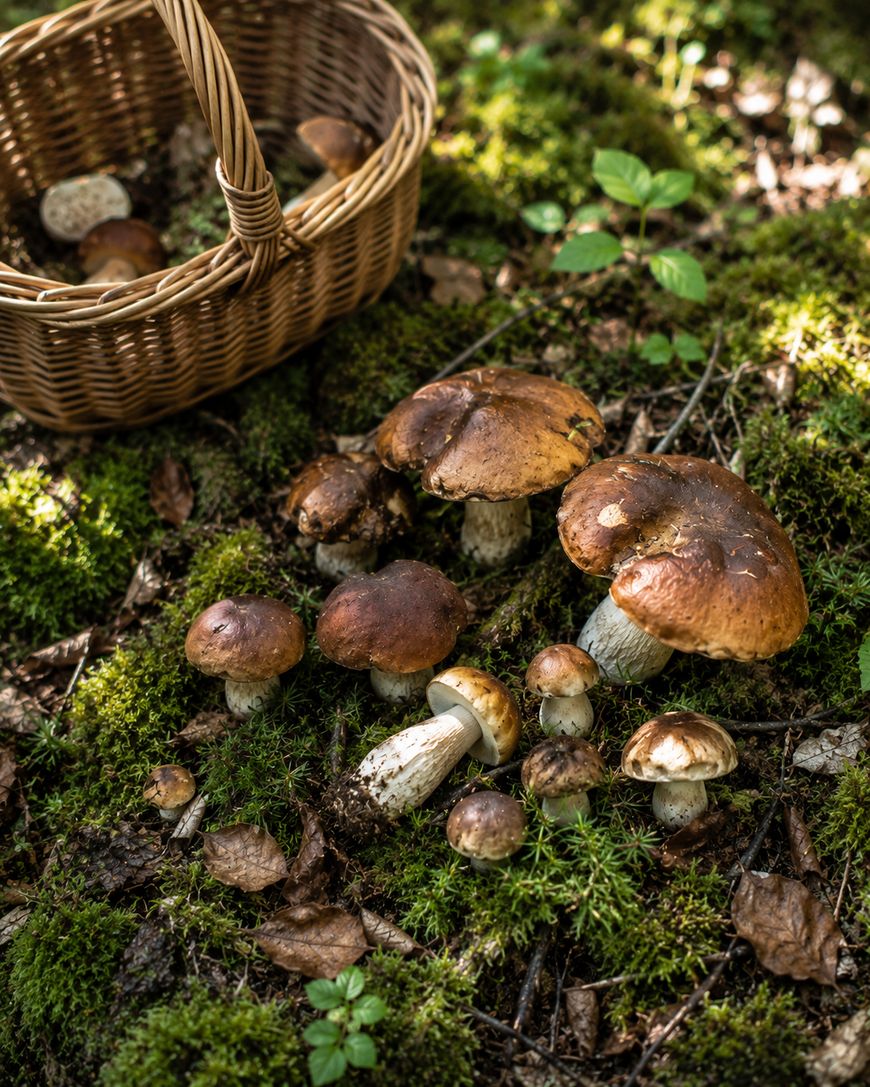
Beginners should join a local mycological society and always forage with an experienced guide at first. Over time, foragers build a mental map of seasonal hotspots that keeps the hobby interesting year after year.
Miniature Wargame Painting
Miniature painting involves detailing small resin or plastic figures used in tabletop strategy games. The hobby rewards steady hands and patience, and finished pieces often become small works of art on their own.
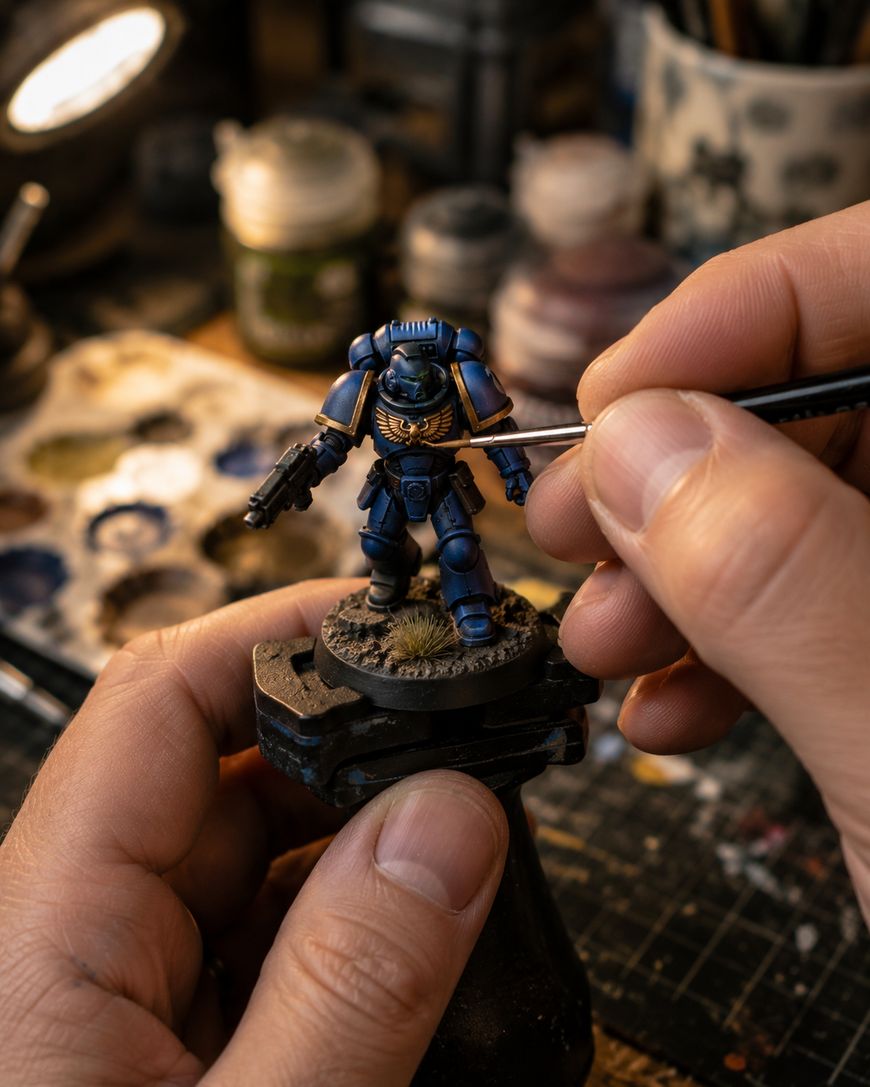
You will need brushes, acrylic paints, and a set of miniatures to begin practicing. Many painters join online forums to share techniques and get feedback on shading and highlighting.
Ferret Agility Training
Ferret agility borrows techniques from dog sports and adapts them for small, energetic ferrets navigating miniature obstacle courses. Owners build simple tunnels and ramps at home before working up to timed runs.
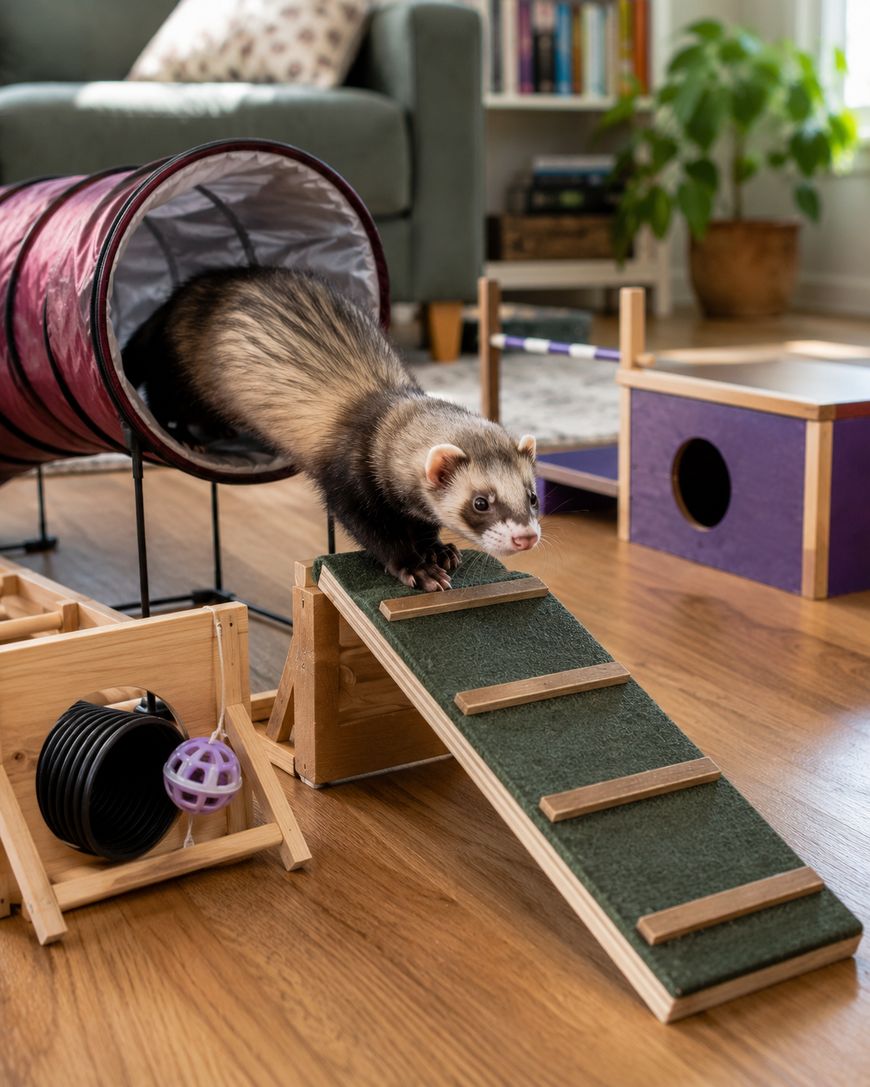
This hobby suits people who already keep ferrets and want a structured way to bond with their pets. Local exotic pet clubs sometimes host informal agility meetups for owners to compare notes.
Cheese Making at Home
Home cheese making lets you turn milk, cultures, and rennet into fresh mozzarella, ricotta, or aged cheddar in your own kitchen. It takes practice to get texture and flavor right, but the learning curve is part of the appeal.
Beginner kits include everything you need except the milk, making the first batch approachable. As your skills grow, you can experiment with aging techniques and different milk sources.
Owl Prowling
Owl prowling is a specialized branch of birdwatching focused entirely on locating and observing owls after dark. It requires patience, quiet movement, and familiarity with different owl calls.
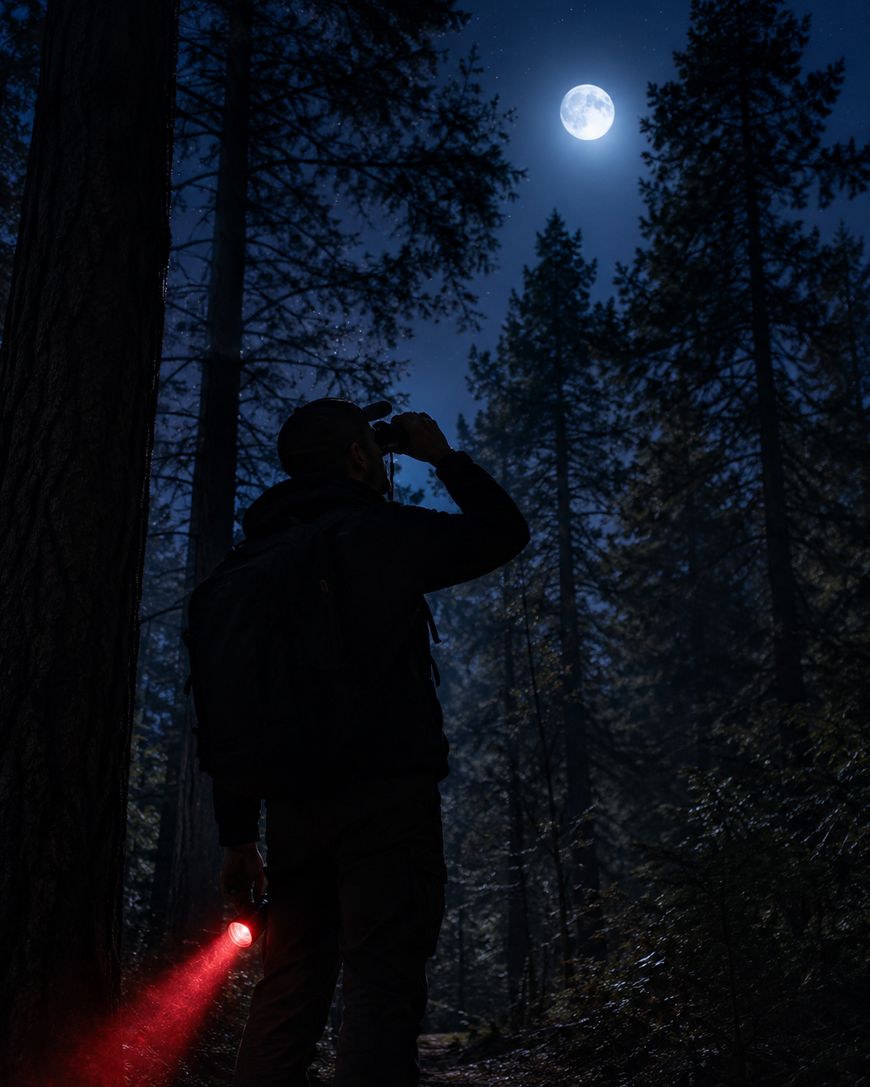
A basic setup includes a flashlight with a red filter, binoculars, and a field guide to local species. Many birdwatching groups host guided night walks, which make a great starting point for beginners.
How to Pick the Right Niche Hobby for You
Choosing among niche hobbies comes down to matching the activity to your available time, budget, and living situation. Apartment dwellers might lean toward kokedama or ferrofluid art, while those with more outdoor access could try mushroom foraging or owl prowling.
Think about whether you want a solo, meditative pastime or something social and competitive. Duck herding and letterboxing both involve community events, while miniature painting can be enjoyed quietly at home.
Budget matters too, since some niche hobbies require specialized gear while others need almost nothing. Starting small and upgrading equipment later is usually the smarter approach for any new interest.
Finally, consider how much guidance you will need at the start. Mushroom foraging and cheese making both benefit from mentorship, so look for local clubs or classes before diving in alone.
Where to Find Niche Hobby Communities
Most niche hobbies have dedicated online forums, subreddits, or Facebook groups where beginners can ask questions. These spaces are often more welcoming than you might expect, since enthusiasts love introducing newcomers to their craft.

Local meetup platforms are another great resource, especially for hobbies like letterboxing, extreme ironing, and duck herding that benefit from in person events. Searching your city name alongside the hobby often turns up an active local group.
Libraries and community centers sometimes host workshops for hobbies like cheese making or miniature painting. Checking a community calendar once a month can help you discover events you would otherwise miss.
Specialty shops, whether online or in person, are also useful because staff often know about nearby clubs and can recommend starter kits suited to beginners. Building a relationship with a knowledgeable retailer can shortcut a lot of trial and error.
Frequently Asked Questions About Niche Hobbies
What is considered a niche hobby?
A niche hobby is an activity that appeals to a small, dedicated group of enthusiasts rather than the general public. These hobbies often have their own communities, terminology, and equipment that set them apart from mainstream pastimes.
Are niche hobbies expensive to start?
Most niche hobbies can be started for under fifty dollars using basic beginner kits or household items. Costs typically rise only if you decide to compete or invest in specialized equipment later.
How do you find people who share a niche hobby?
Online forums, subreddits, and local meetup groups are the fastest way to connect with other enthusiasts. Many niche communities are small enough that members quickly get to know each other by name.
Can you turn a niche hobby into a side income?
Several niche hobbies, including miniature painting and cheese making, can generate side income through commissions or small batch sales. Building an income usually takes time, so it works best to start for enjoyment first and monetize later if it makes sense.
Is it normal to try several niche hobbies before finding the right one?
Yes, and most enthusiasts experiment with a few options before settling into one that truly fits. Trying a hobby for a few weeks before committing to more equipment is a reasonable way to test the fit.
Do niche hobbies require a lot of free time?
Some, like mushroom foraging, work well with occasional weekend outings, while others, like miniature painting, can be done in short sessions throughout the week. You can usually scale the time commitment up or down depending on your schedule.
Start Exploring Niche Hobbies Today
Niche hobbies offer a refreshing break from generic weekend routines, and the ten ideas above are just a starting point. Whether you are drawn to the quiet focus of moss ball gardening or the social energy of duck herding trials, there is a niche hobby suited to your personality.
Pick one that caught your attention while reading, and look up a local group or beginner kit this week. The best way to know if a hobby fits you is to actually try it, so give yourself permission to start small and see where it leads.