Last updated: July 22, 2026
Modern pools have raised the bar for outdoor design. Clean lines, neutral materials, and deliberate spatial planning now define what it means to have a backyard that actually functions as an extension of your living space. But here’s what trips up most homeowners: the furniture you pick can either seal the deal or completely undermine it, and you won’t realize the damage until everything’s already set in place.
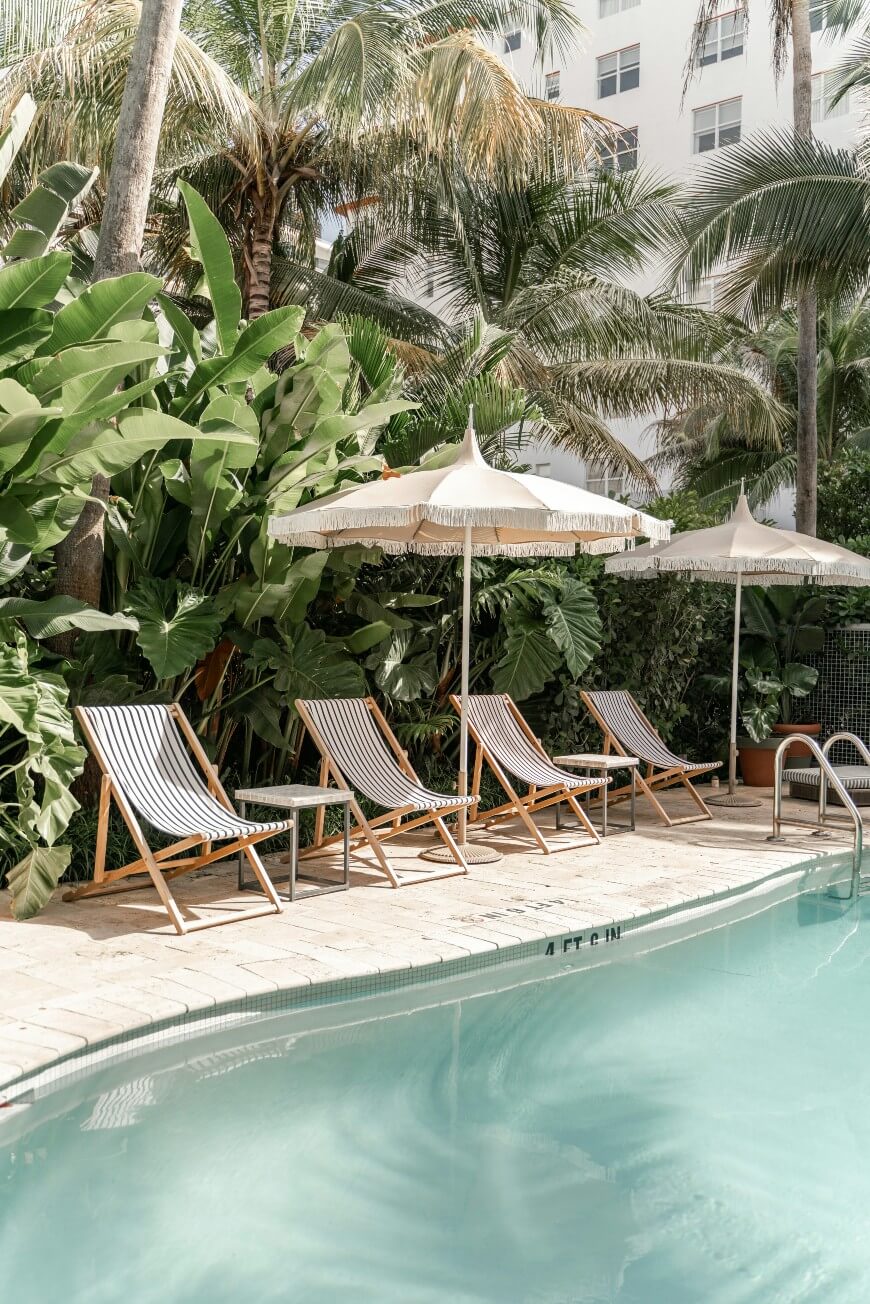
If you’re wondering which outdoor furniture styles work best for modern pools, you’re already on the right track. It depends on a few factors: material durability, visual weight, and how well the furniture complements the pool’s geometry. This article breaks down the styles that consistently perform best around modern pools, from sleek lounge options to weather-resistant dining sets that hold their shape across seasons.
Minimalist Aluminum and Steel Frames
The most direct way to complement a modern pool is with aluminum or powder-coated steel furniture. These metals read as intentional and structured, mirroring the sharp angles and flat finishes that define contemporary pool design. A well-curated pool furniture collection built around aluminum frames gives you corrosion resistance, low maintenance, and a visual weight that doesn’t compete with the water feature itself. Look for matte black, brushed silver, or charcoal finishes. These tones anchor the space without pulling attention from the pool’s surface or surrounding hardscape.
Aluminum furniture works in modern settings for straightforward reasons: it doesn’t rust, doesn’t warp, and stays light enough to move without strain. That last point matters more than you’d think; a pool deck’s function shifts throughout the day. You might want lounge chairs angled toward afternoon sun by 2 p.m., then pushed back to make room for dinner by 6 p.m. Powder-coated steel is heavier and offers a solid feel underfoot, better for fixed dining zones where stability matters. Both materials pair easily with cushions in weather-resistant fabrics like solution-dyed acrylic, which holds color through repeated sun and moisture exposure without fading noticeably after one season.
Teak and FSC-Certified Hardwood Styles
Teak has held its position as one of the most respected outdoor furniture materials for decades, and it continues to deliver in modern pool settings. The trick is knowing how to use it. Raw or lightly oiled teak develops a silver-gray patina over time, which actually works well with the cool, neutral palettes that dominate modern pool design. Bleached or weathered finishes on FSC-certified hardwoods carry the same appeal and pair cleanly with concrete decking, limestone tile, or large-format porcelain pavers, all common in contemporary pool builds. If your pool deck features warm stone tones or exposed aggregate, teak naturally bridges the gap between the organic texture of the ground and the clean geometry of the water.
What makes hardwood furniture read as modern isn’t ornamentation but restraint. The pieces should have simple silhouettes: flat armrests, straight legs, no carved detailing. Slatted surfaces are fine and actually help with drainage and drying, with even, uniform spacing. Teak loungers with wide, flat profiles read as modern; ornate curved-back teak chairs read as traditional. The difference is almost entirely in silhouette, not material. Keep hardware in stainless steel or matte black rather than antique brass; the look stays firmly contemporary instead of drifting toward a colonial or resort aesthetic.
Woven All-Weather Resin Styles
All-weather resin wicker has come a long way from the oversized, overstuffed sets that cluttered pool decks throughout the early 2000s. Today’s resin weave furniture has tighter patterns, lower profiles, and cleaner geometric forms that fit naturally into modern design language. The material itself is synthetic polyethylene woven over aluminum frames, meaning it resists moisture, UV degradation, and the wear that comes with permanent outdoor placement near a pool. From a maintenance perspective, it asks very little: periodic rinsing and occasional cushion swaps keep a quality piece looking sharp for years.
In a modern pool context, style succeeds when you prioritize form. Look for sectionals with flat, square-edged cushions rather than rounded, pillow-heavy profiles. A low-slung sectional in a tight weave, finished in charcoal or warm taupe, creates a social seating zone that feels grounded and intentional without interrupting the view across the pool. Pair it with a concrete or stone-look side table, skip the decorative throw pillows, and let structure do the talking. Color matters too; all-weather resin in white or off-white works well against dark pool surfaces or black-bottom pools, while dark charcoal weaves complement light concrete or white plaster finishes.
Sling and Mesh Seating Options
Sling chairs are underused in modern pool design, and that’s a mistake worth correcting. The sling format, a single continuous piece of breathable fabric stretched across a frame, is both elegant and practical. It dries immediately after water contact, requires no cushion, and produces an almost sculptural profile when the frame is powder-coated in a bold or neutral tone. No cushioning means you skip the whole cycle of storing, drying, and replacing foam pads after every swim.
And modern sling chairs have evolved well past simple folding silhouettes. Today’s versions come in low, wide lounge profiles with contoured backs; you’ll find matching ottomans, side tables, and dining chair versions that coordinate into a complete outdoor environment. Mesh seating works on the same principle: open weave stretched over an aluminum or steel frame, offering breathability and near-instant drying. Both formats are ideal for modern pools where the deck sees heavy use, and you’d rather spend less time managing furniture and more time using the space.
Concrete and Stone-Look Accent Pieces
Not every piece needs to be movable. Fixed seating walls, built-in benches, and concrete-look accent tables are part of the modern pool furniture conversation, and they often do more for the overall aesthetic than any single chair or lounger. A poured concrete bench integrated into a raised planter or pool surround creates material continuity that ties the whole space together. These fixed elements also define zones, separating the lounging area from the dining area without relying on visual dividers or rugs.
If portability matters, cast aluminum or fiber-reinforced concrete (GFRC) tables and side pieces give you the same aesthetic without poured-slab weight. GFRC furniture weighs a fraction of real concrete, resists cracking in freeze-thaw conditions, and holds up well against moisture. Stone-look porcelain table tops on powder-coated steel bases are another option that bridges furniture and architecture, a design move that reads as highly intentional in modern settings. Pair these with aluminum loungers or sling chairs, and the pool deck starts to feel like a fully designed room rather than a collection of separate purchases.
Conclusion
Choosing which outdoor furniture styles work best for modern pools comes down to three priorities: material integrity, visual restraint, and how well the pieces work together as a system. Aluminum frames, teak hardwoods, tight-weave resin, sling seating, and concrete-look accents all earn their place in a contemporary pool environment. Choose with the pool’s geometry and palette in mind. Start with materials that can handle permanent outdoor exposure, then layer in style through form and finish rather than decoration. The result is a pool deck that looks considered, holds up through the seasons, and genuinely gets used.