Last updated: June 4, 2026
Planning your next adventure starts long before you lace up your boots. Whether you are heading into the backcountry for a week or spending a weekend at a mountain campground, knowing your outdoor travel needs in advance makes all the difference between a memorable trip and a miserable one.
We put together this complete guide so you can shop smart, pack light, and feel confident no matter where the trail takes you.
Shelter and Sleep: Your First Priority
Your ability to stay warm and dry overnight is the foundation of any outdoor adventure. Before anything else, you need to assess your shelter situation based on your destination, season, and trip length.
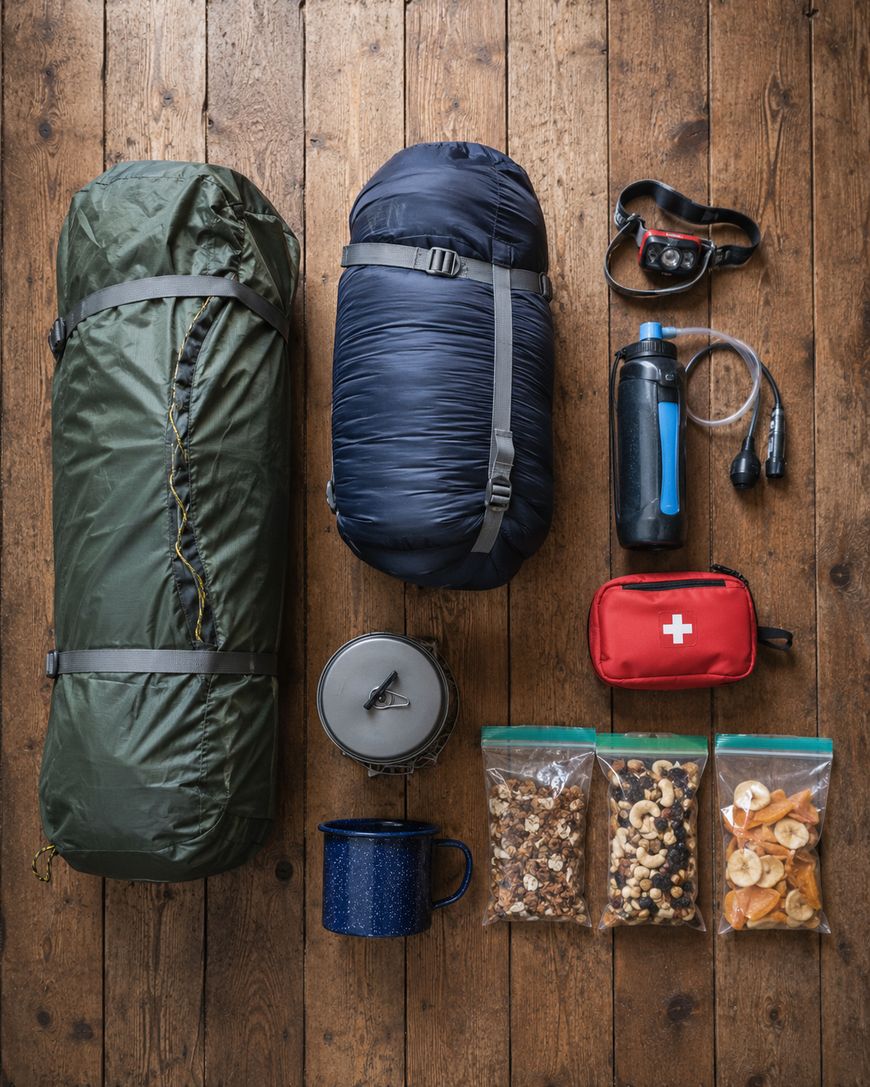
A four-season tent is not always necessary, but if you are heading into alpine terrain or traveling in fall and spring, it is worth the investment. Three-season tents are lighter, more affordable, and handle most camping situations well. Look for a tent with a full rain fly, a waterproof floor rating of at least 1,500mm, and good ventilation to prevent condensation.
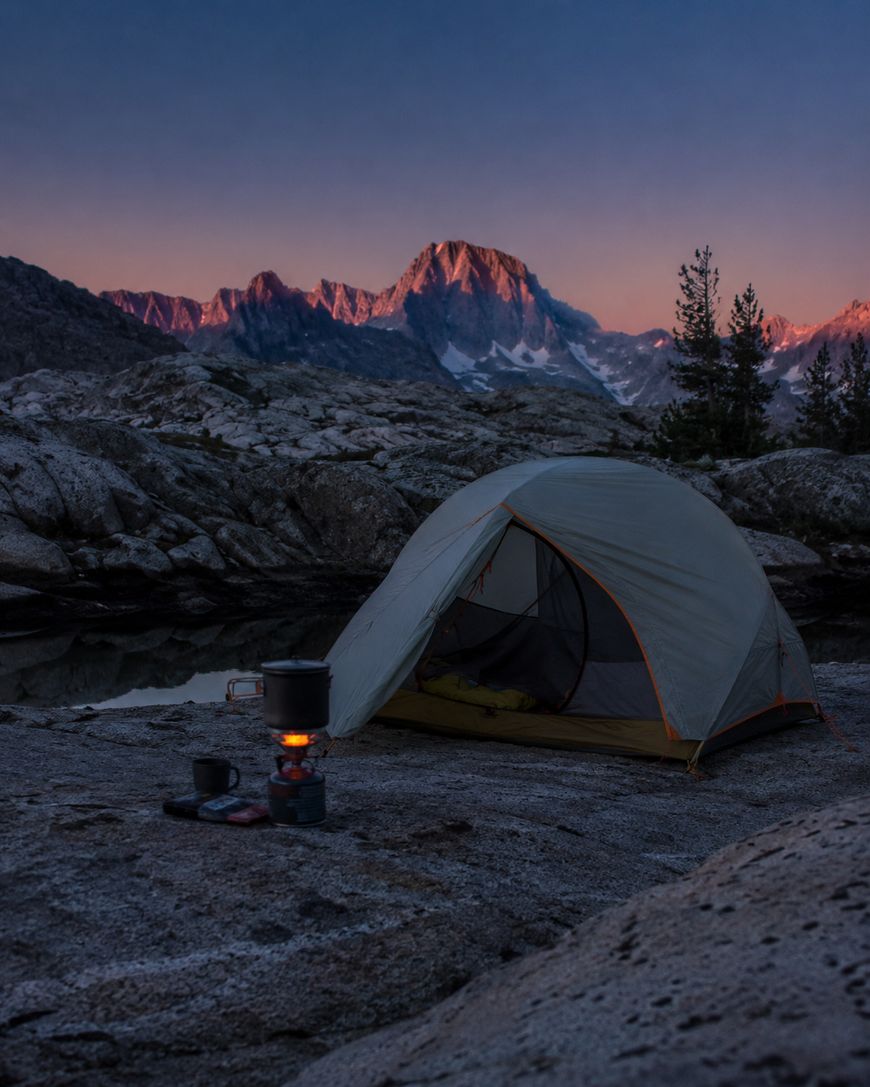
Your sleeping bag is equally critical. Down bags offer the best warmth-to-weight ratio but lose insulation when wet. Synthetic fill bags are heavier but perform reliably in damp conditions. Match your bag’s temperature rating to the coldest night you expect to encounter, then go one rating lower for a safety margin.
A quality sleeping pad does double duty — it cushions your sleep and insulates you from the cold ground. Foam pads are durable and affordable. Inflatable pads are lighter and more comfortable but require a bit more care on rocky terrain. An R-value of 3 or higher is appropriate for most three-season camping, while cold-weather trips call for an R-value of 5 or more.
Clothing and Layering: Staying Comfortable in Any Conditions
What you wear on an outdoor adventure is just as important as the gear you carry. The layering system — base layer, mid layer, and outer shell — is the gold standard for managing body temperature across changing conditions throughout the day.
Your base layer should wick moisture away from your skin. Merino wool is a favorite because it regulates temperature, resists odor, and feels soft even after days of wear. Synthetic options like polyester are more affordable and dry faster after heavy exertion. Avoid cotton in any wet or cold environment — it absorbs moisture and holds it, chilling your body when temperatures drop.
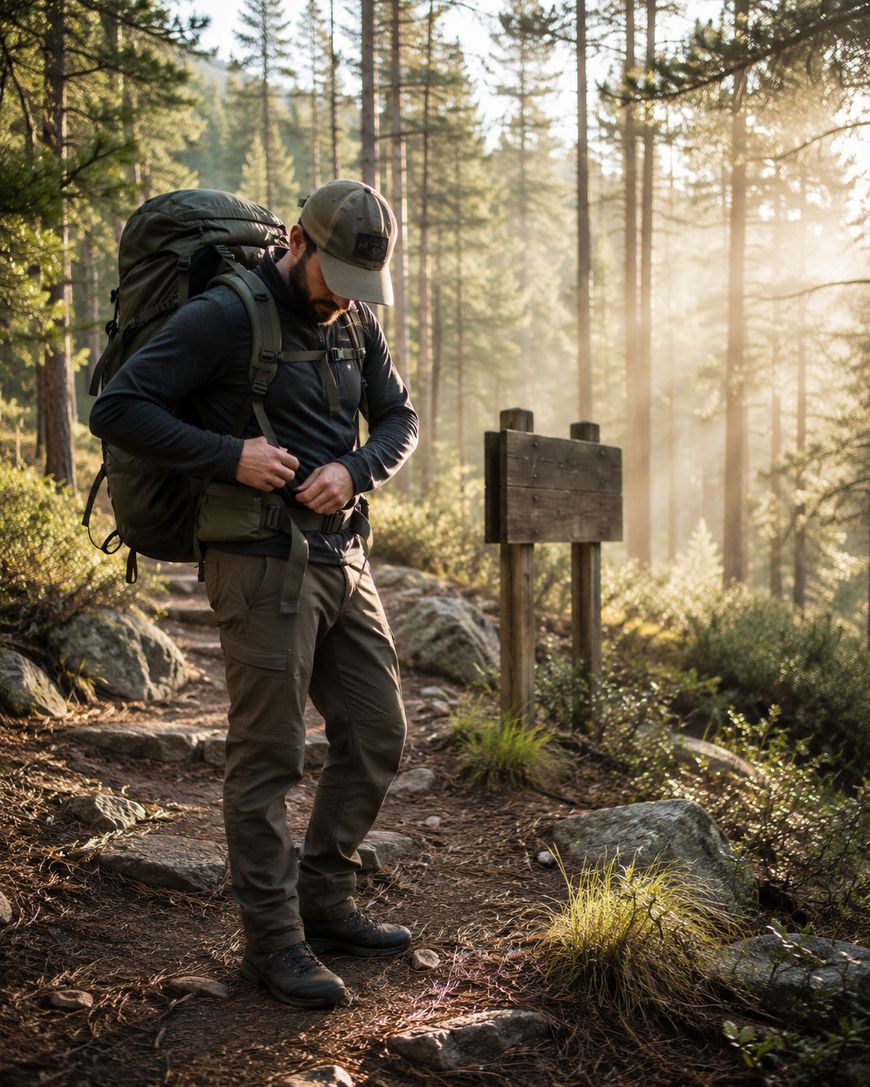
A mid layer provides insulation and should be easy to add or remove as conditions change. Fleece jackets and down vests are popular choices because they pack small and trap warmth effectively. For high-output activities like trail running or fast hiking, a lightweight softshell often works better than a thick puffer.
Your outer shell protects against wind and rain. Look for a jacket rated with Gore-Tex or a similar waterproof-breathable membrane. Pit zips for ventilation and a helmet-compatible hood are features worth prioritizing if you are heading into mountain terrain. Do not forget waterproof pants — staying dry from the waist down is just as important as protecting your torso.
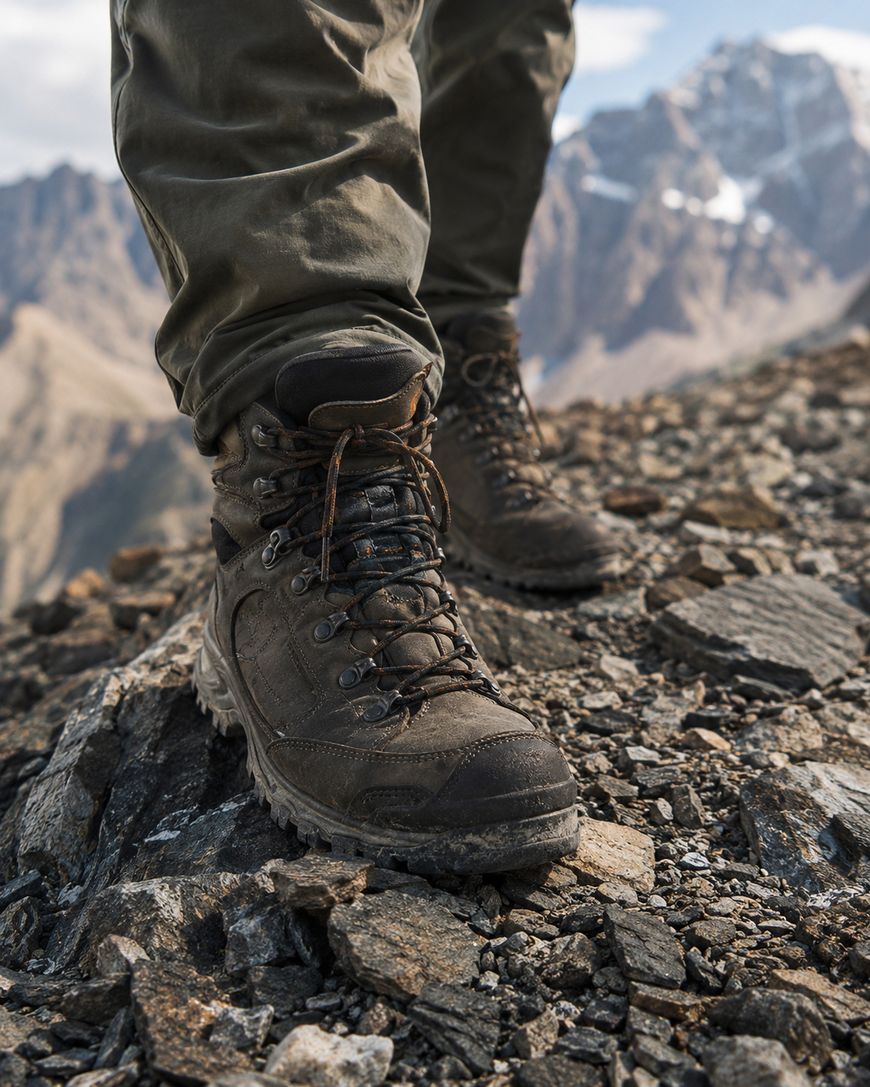
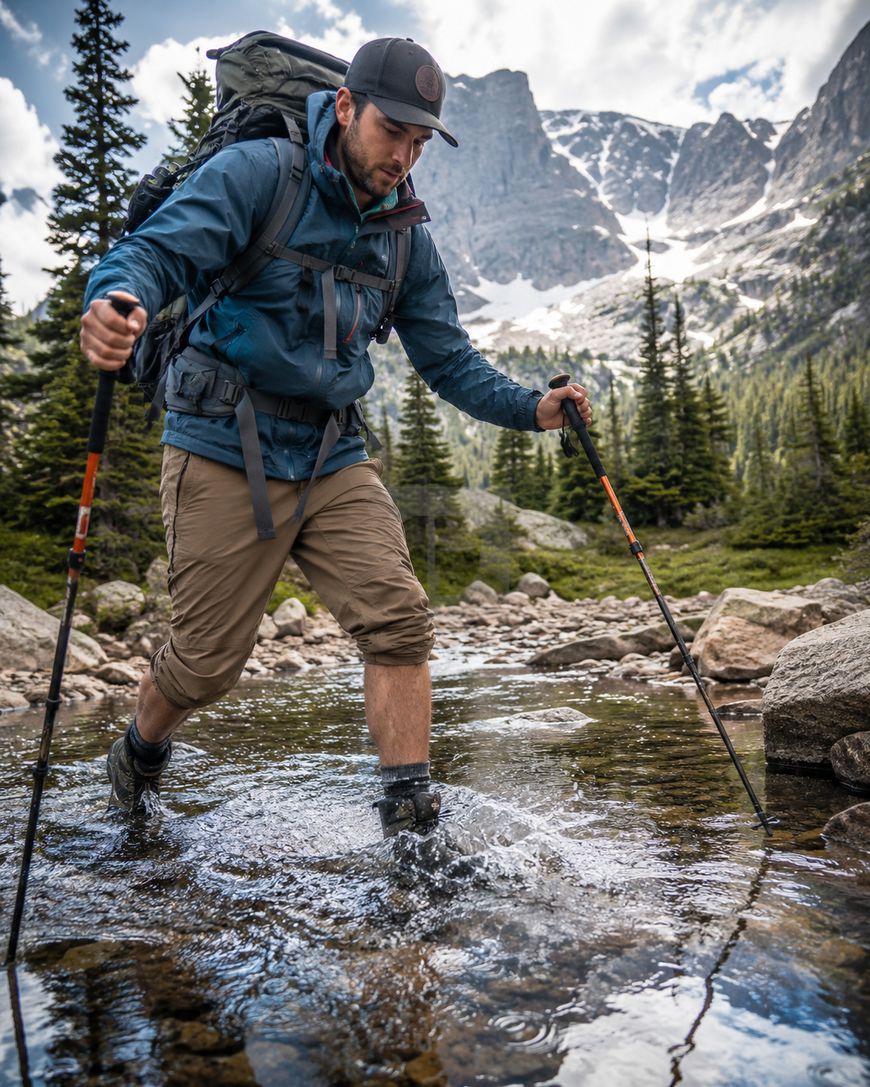
Footwear deserves its own mention. Trail runners are lighter and dry faster, making them excellent for well-maintained paths in dry conditions. Waterproof hiking boots with ankle support are worth the extra weight when you are crossing streams, hiking loose scree, or carrying a heavy pack over rough terrain. Always break in new boots before a multi-day trip.
Navigation and Safety Essentials
No matter how experienced you are, navigation tools and safety gear are non-negotiable outdoor travel needs. Technology has made navigation easier, but it has also made some hikers dangerously overconfident in devices that can fail.
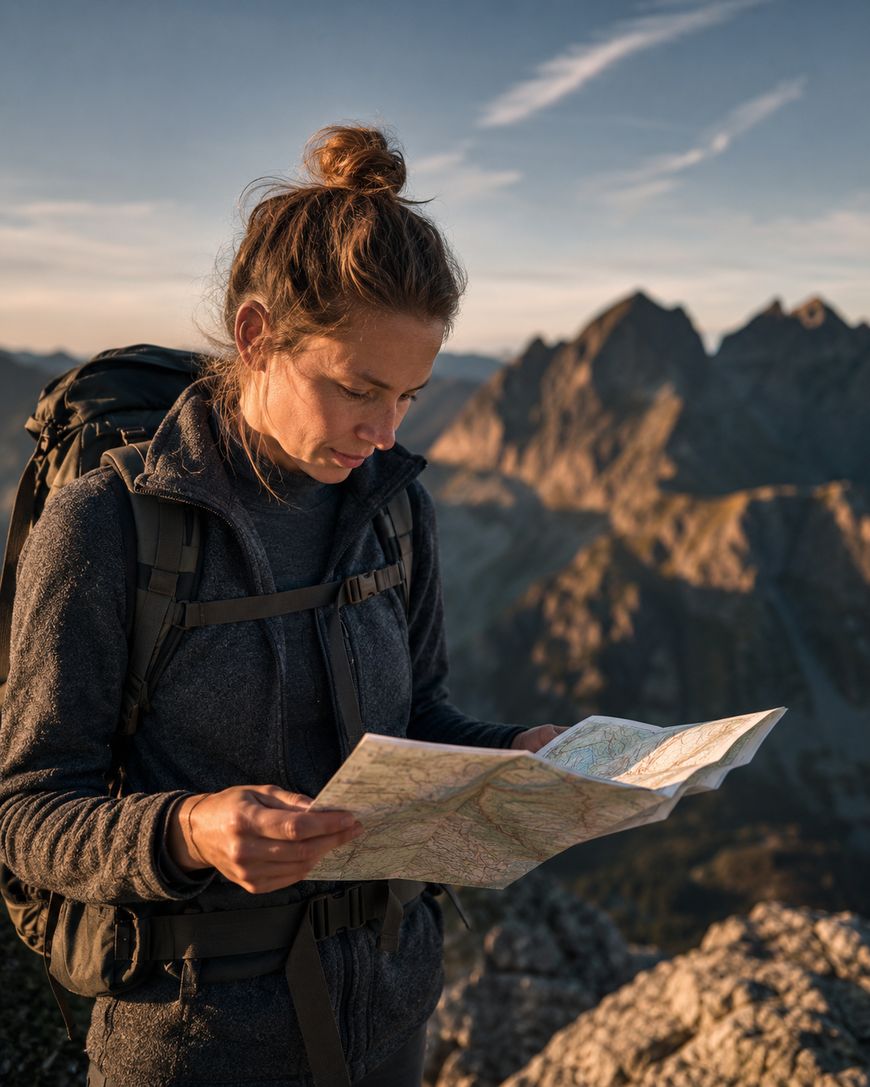
Always carry a physical map of your route and a compass. Smartphone GPS apps like Gaia GPS or AllTrails are incredibly useful for planning and following your route, but they rely on battery life and sometimes lose signal in dense terrain. Download your maps offline before you leave and bring a portable battery bank to extend your phone’s life on multi-day trips.
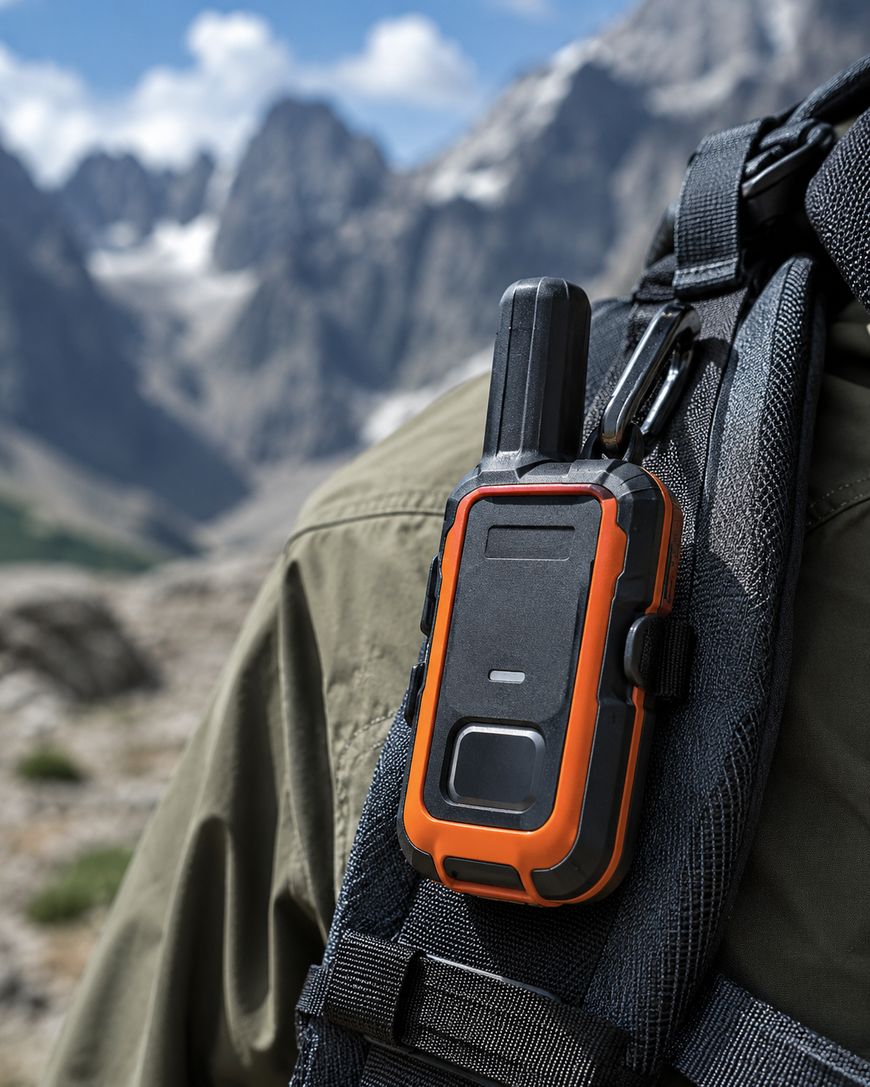
A personal locator beacon (PLB) or satellite communicator like a Garmin inReach is one of the smartest investments you can make if you travel in remote areas. These devices allow you to send an SOS signal from anywhere on earth, even where there is no cell service. The annual subscription costs are modest compared to the peace of mind they provide for you and your emergency contacts.
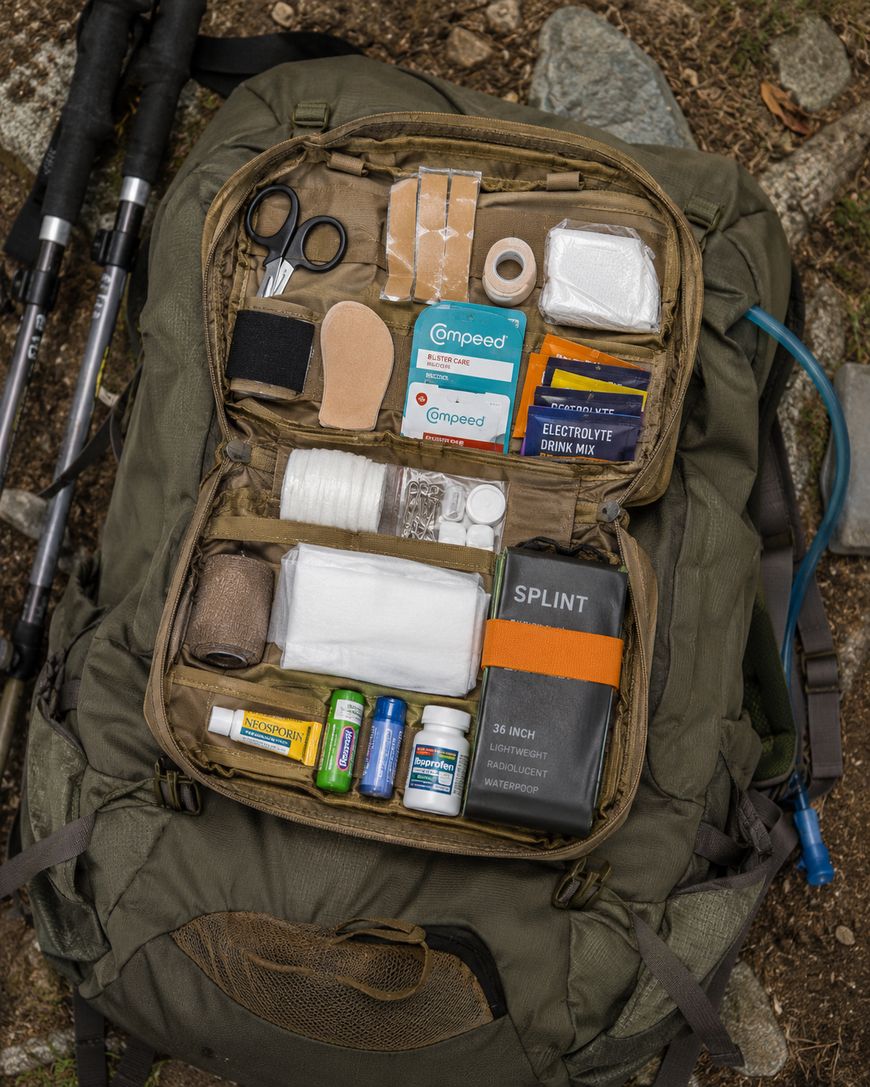
Your first aid kit should be tailored to the length and remoteness of your trip. A day hike kit can be small — blister treatment, bandages, pain relief, and an emergency space blanket. A multi-day backcountry kit should include wound closure strips, a SAM splint, moleskin, antihistamines, electrolyte packets, and any personal medications. Take a wilderness first aid course if you travel regularly in remote terrain.
A headlamp with fresh batteries or a USB-rechargeable model should always be in your pack, even if you plan to be back at camp before dark. Conditions change. Trails take longer than expected. A headlamp that weighs three ounces can rescue an evening that went sideways.
Food and Hydration: Fueling Your Adventure
Meeting your caloric and hydration needs is essential to performing well and staying safe outdoors. Dehydration and under-fueling are among the most common causes of poor decision-making and accidents on the trail.
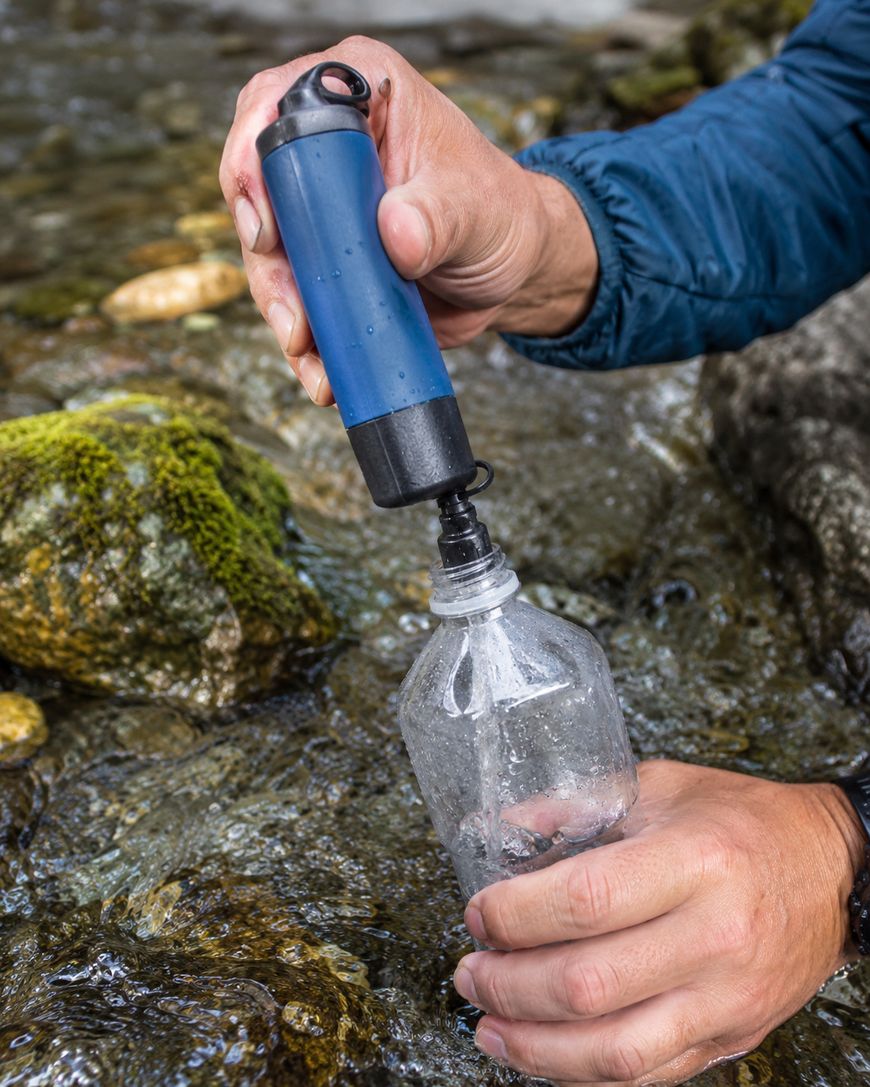
Aim for 2 to 2.5 liters of water per day under normal conditions, more in heat or at high altitude. Rather than carrying all your water, use a water filter or purification tablets to resupply from natural sources along your route. Squeeze filters like the Sawyer Squeeze are lightweight and reliable. Gravity filters and UV pens like the SteriPen are excellent for camp use when you need to process larger volumes at once.
For food, prioritize calorie density and ease of preparation. Freeze-dried backpacking meals have improved dramatically in taste and variety over the past decade, and they require nothing but boiling water. Supplement with high-calorie trail snacks — nut butters, jerky, energy bars, cheese, and hard salami travel well without refrigeration and provide sustained energy between meals.
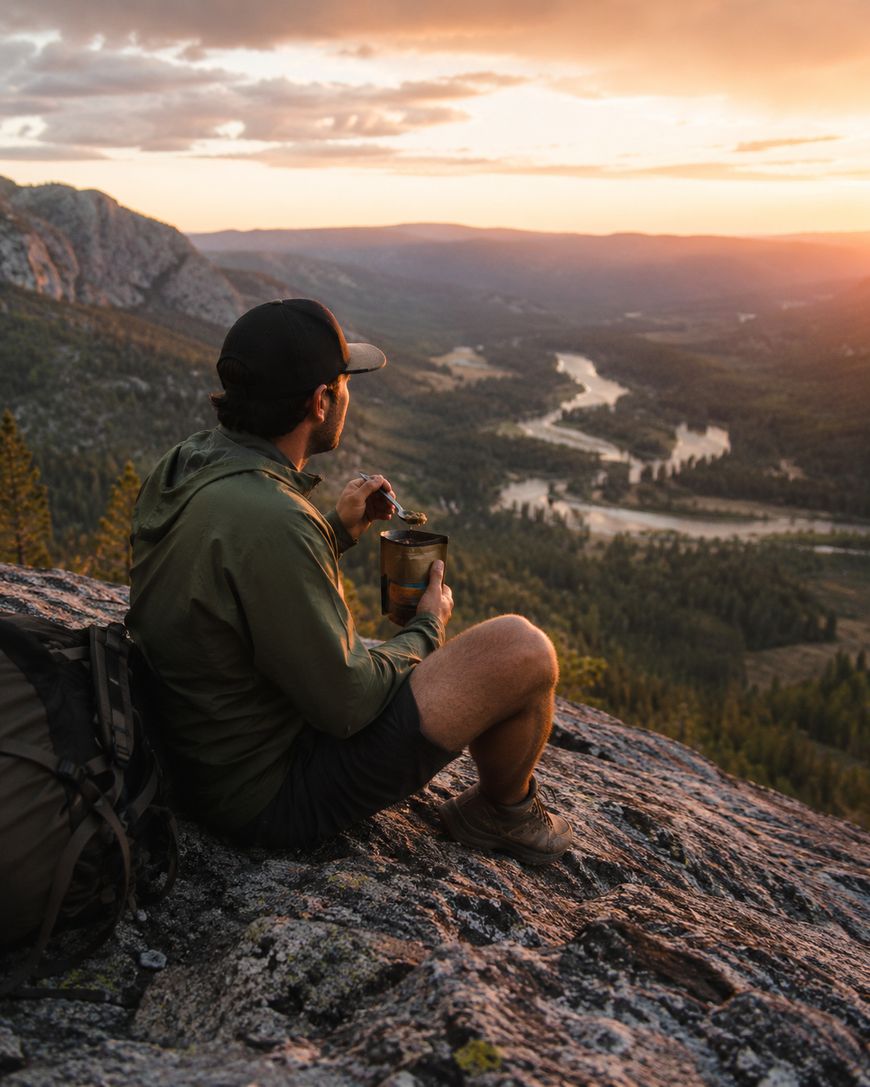
A lightweight camp stove and fuel canister allows you to boil water for meals and hot drinks, which matters enormously for morale on cold mornings. Titanium cookware is the lightest option. For a solo trip, a small pot or integrated stove system like the JetBoil is compact and efficient.
Packs and Organization: Carrying It All Comfortably
The right pack for your trip depends on how long you are out and how much gear you need to carry. Day hikes call for a pack in the 15 to 25 liter range with a hydration sleeve and easy-access hip pockets. Overnight trips typically require 40 to 55 liters, while extended backcountry expeditions often need 60 to 75 liters.
Fit matters more than brand. Visit an outfitter where staff can measure your torso length and adjust the harness properly. A well-fitted pack distributes weight onto your hips rather than your shoulders, which makes a significant difference over miles of terrain. Look for a frame sheet or internal frame that keeps the load stable and close to your center of gravity.
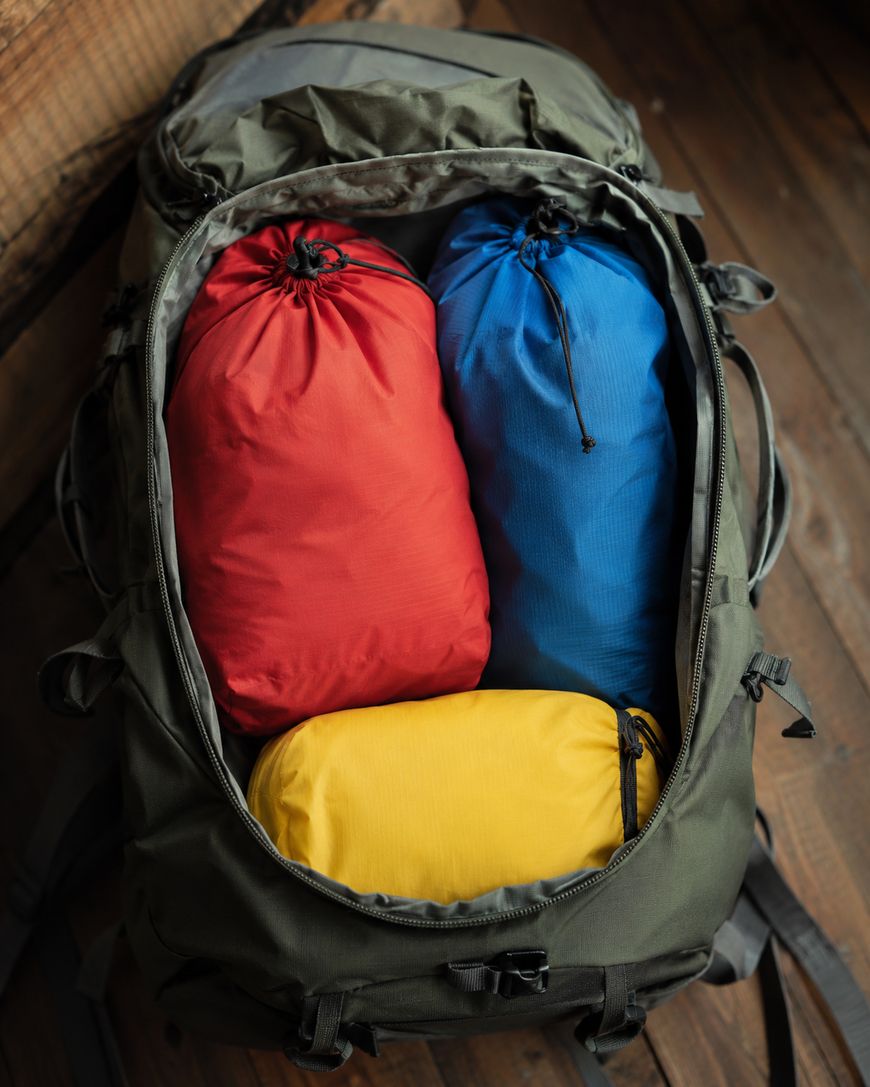
Pack organization saves time and frustration on the trail. Keep your rain gear, snacks, and headlamp accessible in the top lid or a hip pocket. Store heavier items close to your back and centered between your shoulder blades. Use stuff sacks or color-coded dry bags to separate your clothing, food, and camp gear so you can find what you need without unpacking everything.
Leave No Trace: Responsible Outdoor Travel
No guide to outdoor travel needs is complete without addressing your responsibility to the places you visit. The Leave No Trace principles exist to protect wilderness areas from the cumulative impact of millions of visitors each year.
Pack out everything you pack in, including food scraps and micro-trash. Camp on durable surfaces like rock, gravel, or established sites rather than fragile vegetation. Dispose of human waste properly — in a cat hole at least 200 feet from water sources, trails, and campsites — and pack out used toilet paper. Keep noise levels low to protect wildlife and the experience of other visitors.
Choosing the right campsite, using biodegradable soap well away from water sources, and staying on established trails in fragile ecosystems are habits that add almost no burden to your trip but have a significant positive impact on the environment. We all share these spaces, and the way we treat them today determines whether future generations get to enjoy them too.
Why Getting Your Outdoor Travel Needs Right Matters
There is a reason experienced hikers and overlanders spend weeks preparing for a single trip. The wilderness does not offer the conveniences of home, and even a short overnight excursion can turn dangerous without the right gear.
Understanding your outdoor travel needs before you leave means you will have the essentials on hand when you need them most. A blister kit that costs three dollars at the outfitter can save a five-day hike. A backup headlamp battery can mean the difference between setting up camp safely and stumbling in the dark. These are not exaggerations — they are the lessons every veteran traveler has learned the hard way.
Being prepared also means you will enjoy your trip more fully. When you are not anxious about what you forgot or struggling with gear that does not fit your needs, you can focus on the scenery, the wildlife, and the experience itself.
Frequently Asked Questions About Outdoor Travel Needs
What are the most essential outdoor travel needs for a first-time camper?
For a first trip, focus on the basics: a reliable tent, a sleeping bag rated for the expected temperatures, a sleeping pad, a headlamp, a water filter, and enough food for your trip plus an extra day. You can add specialty gear over time as you learn what you actually use.
How do I choose the right sleeping bag for my outdoor travel needs?
Match the bag’s temperature rating to the coldest night you expect, then subtract 10 degrees for a safety buffer. Consider fill type based on whether your environment is wet (synthetic) or dry (down). Also factor in weight if you are backpacking long distances.
Do I really need a satellite communicator for day hikes?
For day hikes on well-traveled trails near populated areas, a smartphone with an offline map app is usually sufficient. For remote routes, solo travel, or multi-day trips well away from cell coverage, a satellite communicator is a smart addition to your outdoor travel needs kit.
What should I pack in a backcountry first aid kit?
Include blister care, bandages and gauze, wound closure strips, a SAM splint, pain relievers, antihistamines, moleskin, electrolyte packets, and any personal prescriptions. A printed reference card for treating common wilderness injuries is also worth adding.
How do I reduce pack weight without sacrificing safety?
Audit your pack by laying out every item and asking whether it is essential, could be replaced by something lighter, or could be shared with a trip partner. Invest first in a lighter shelter, sleeping bag, and pack, since those are typically the heaviest items. Never cut weight from your navigation tools, first aid kit, or rain gear.
Is a camp stove necessary for every overnight trip?
Not always, but it makes a significant difference in comfort and nutrition. If you are only out for one night in warm weather, you can get by on no-cook foods. For trips of two nights or more, or in cold conditions where hot food and beverages support warmth and morale, a lightweight stove is well worth the extra few ounces.
Conclusion: Be Ready for Anything
The best outdoor adventures are the ones where you feel confident and capable no matter what comes your way. Addressing your outdoor travel needs thoughtfully before each trip means you will spend less time stressing and more time enjoying the wild places you came to see.
Start with the fundamentals — shelter, sleep, clothing, navigation, water, and food — and build from there based on your destination and the season. Review your kit before every outing, replace worn or depleted items, and never stop learning from more experienced travelers.
The trail is waiting. Get your gear sorted and go enjoy it.
This post contains affiliate links. A full disclosure is available from the main menu.