Last updated: September 25, 2026
You want a system that stops paper from piling up on your counters. These paper organization ideas give you simple, realistic ways to sort mail, receipts, and school forms the moment they enter your home.
We will walk through the exact stations and habits that work, then answer the questions you are probably asking right now.
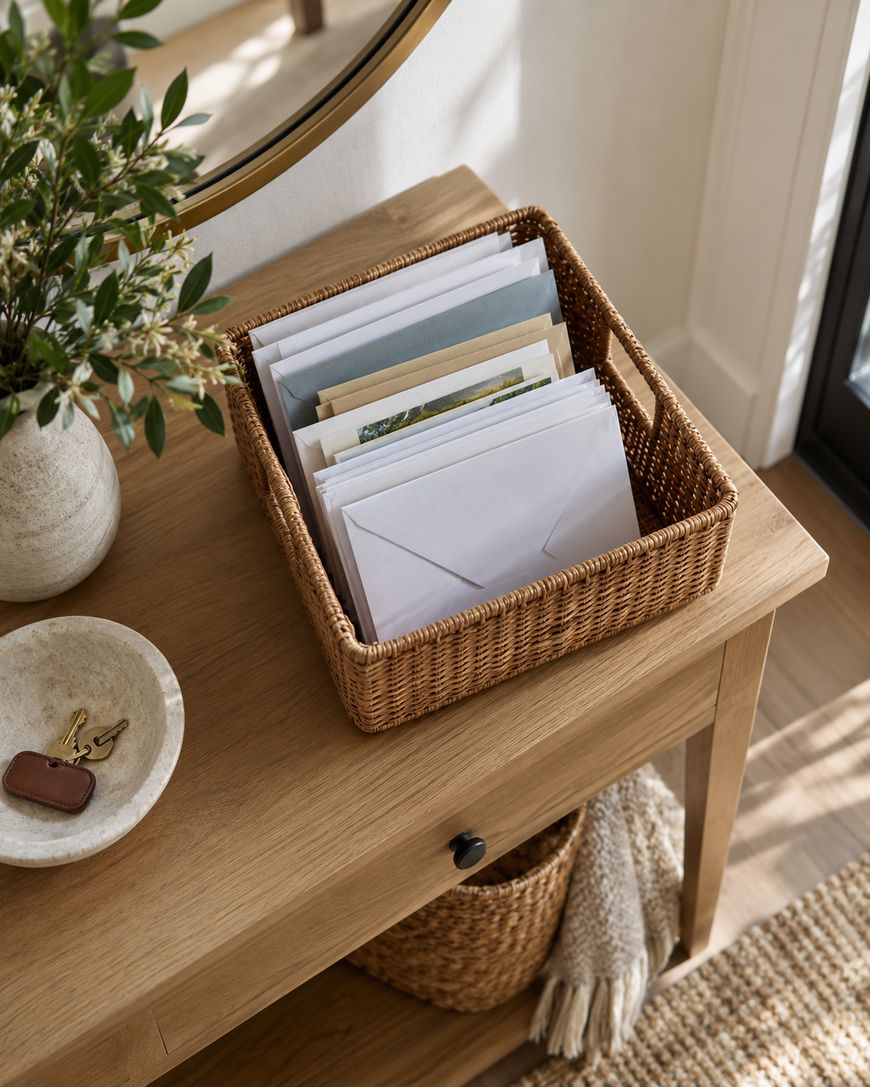
Set Up a Landing Zone Near Your Entryway
Every home needs one spot where paper lands the second it comes through the door.
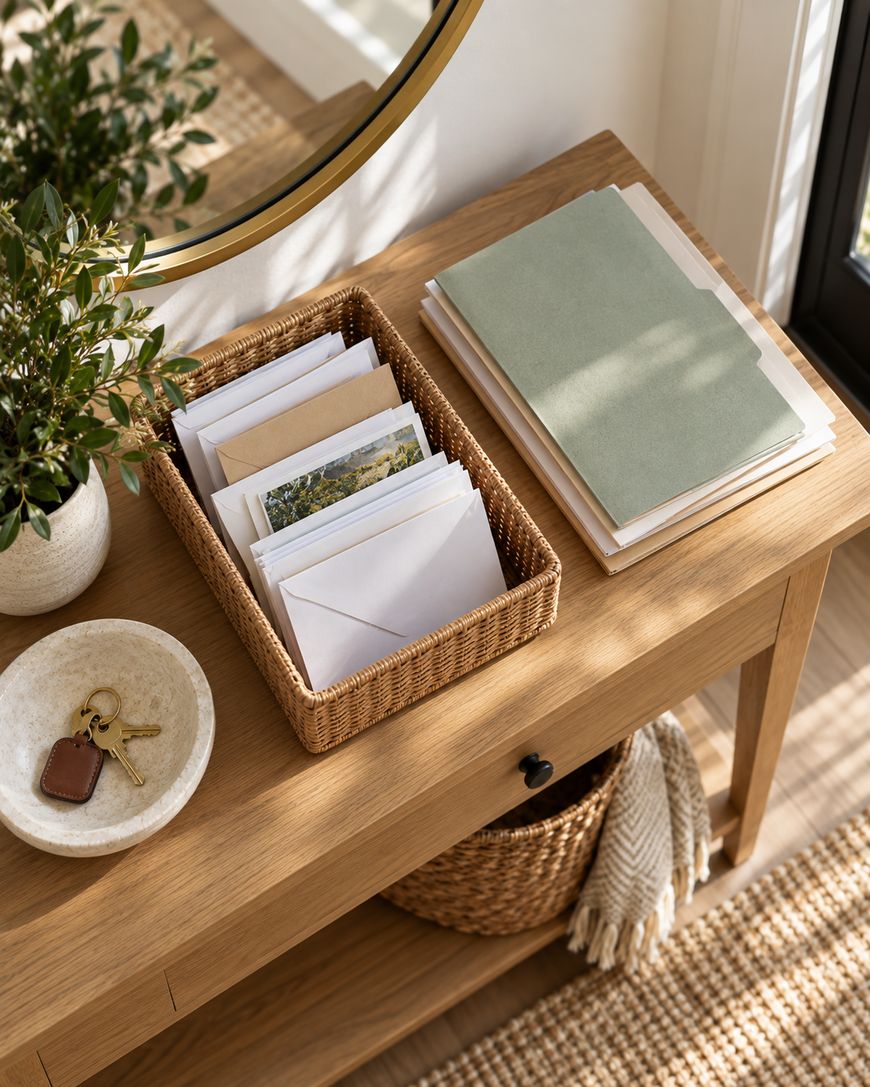
This is the single most effective paper organization idea because it stops mail and flyers from spreading to the kitchen counter, the couch, and your car.
Choose a small tray, a wall-mounted file rack, or a shallow basket and place it on a table or shelf right by your entry.
You want it close enough that dropping papers there takes less effort than setting them anywhere else.
Sort as you drop by keeping a small recycling bin right next to the landing zone.
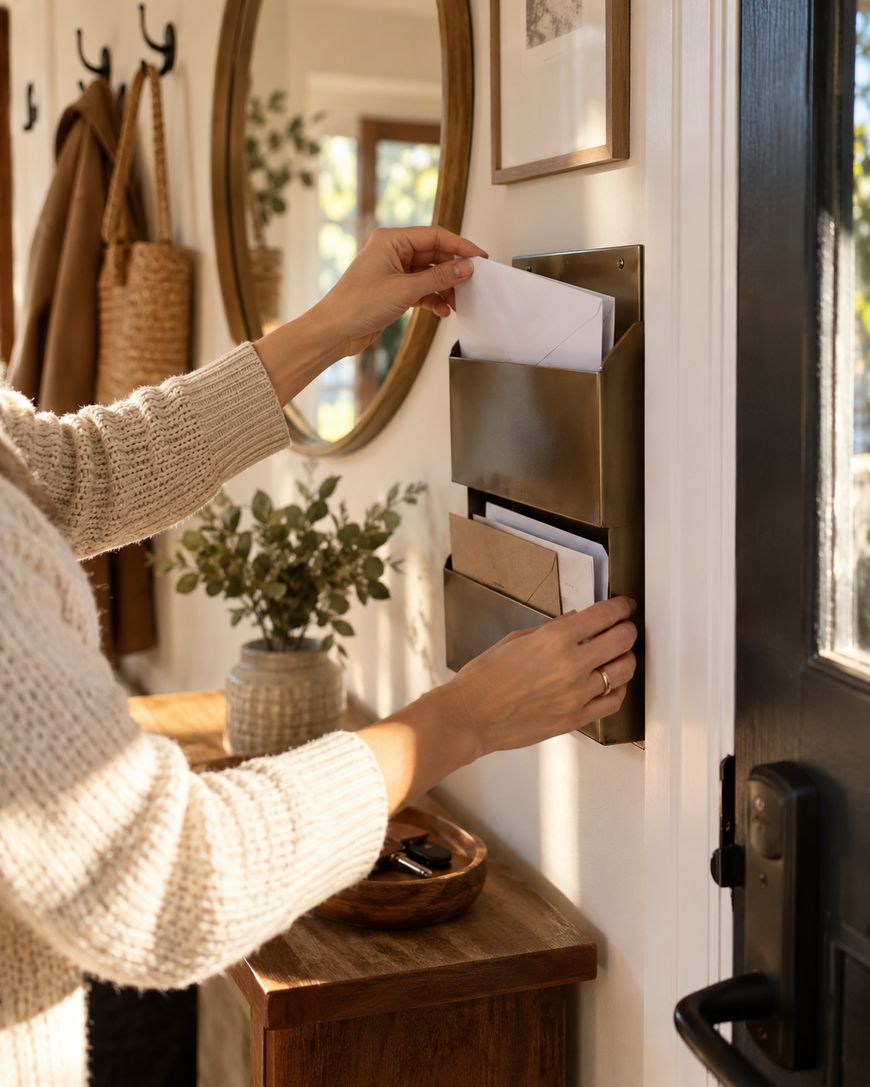
Junk mail and expired flyers should never make it past this point.
Label the tray or add a small sign so everyone in your household uses the same spot.
A landing zone only works if it becomes a shared habit rather than a rule only you follow.
Create Categories That Match Your Real Paper Types
Generic folders like “important” or “misc” tend to become junk drawers in disguise.
Instead, build categories around the paper that actually comes into your home each week.
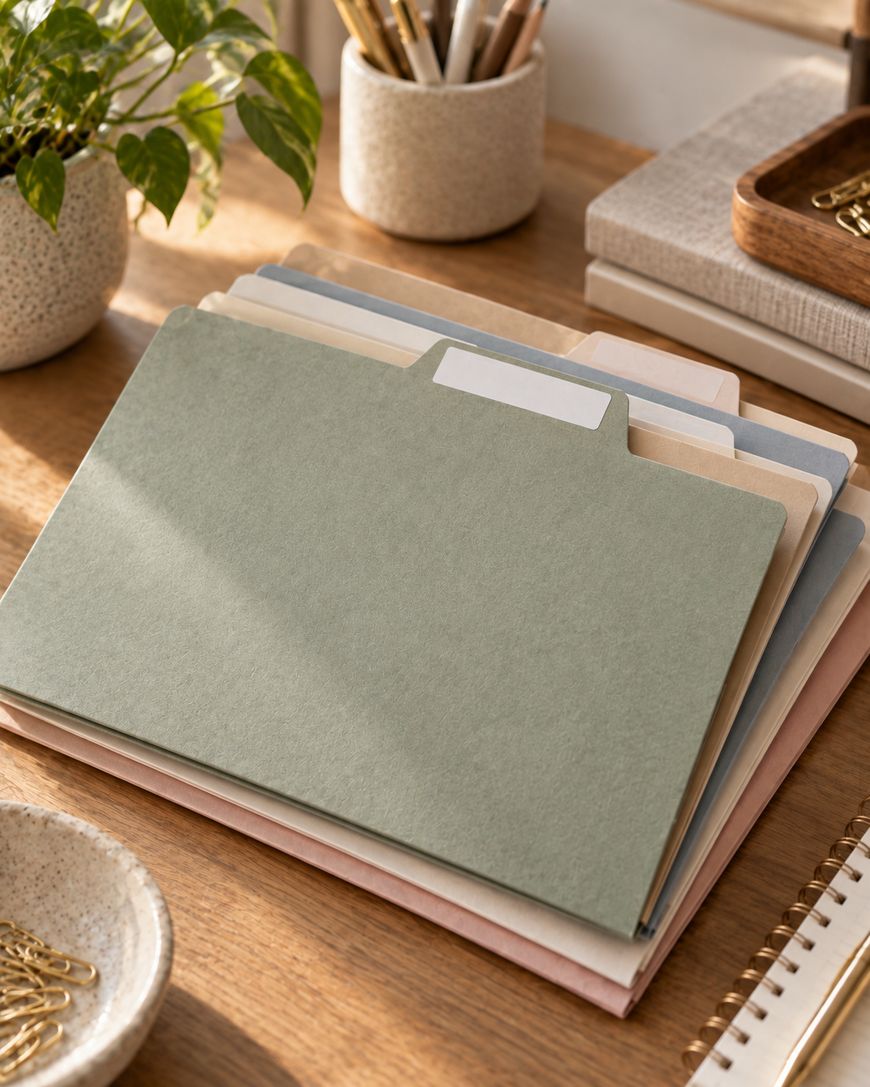
Common categories include bills to pay, school forms, medical paperwork, warranties and manuals, and papers to file long term.
You can adjust these based on your household, but keep the list short enough that filing takes seconds, not minutes.
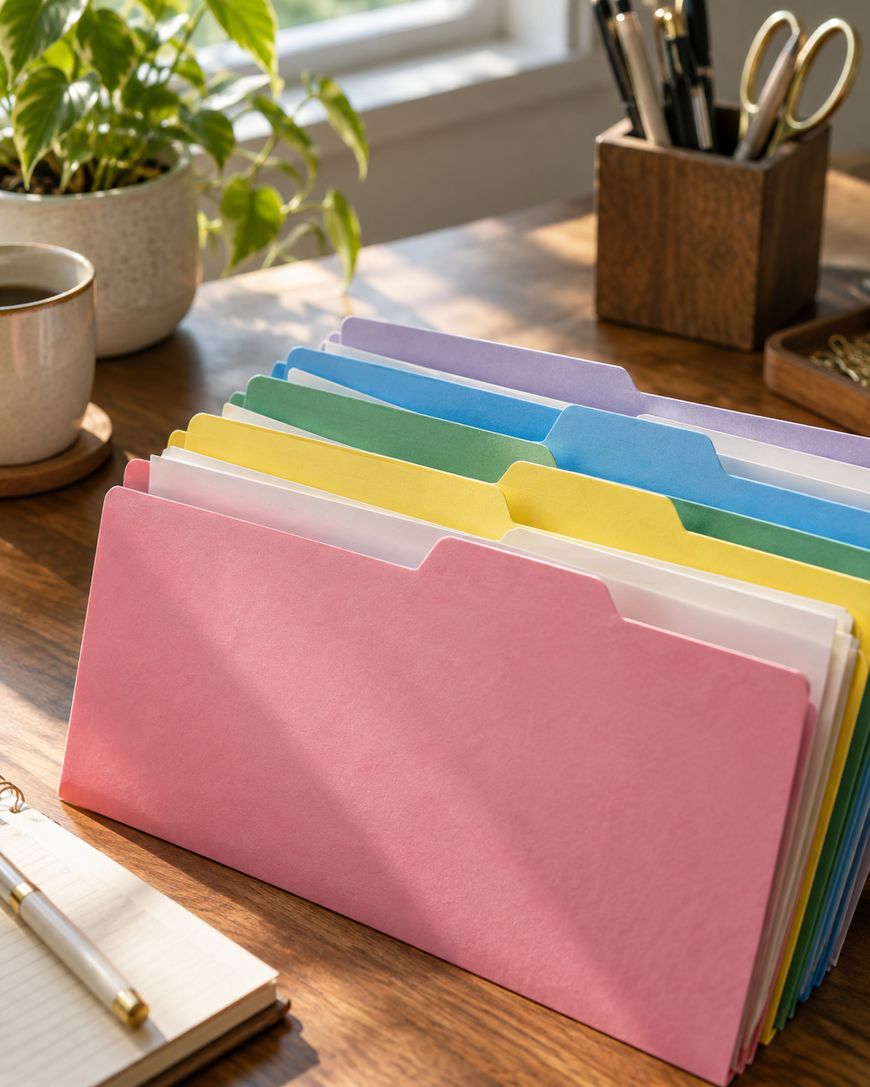
Use color-coded folders so you can identify a category at a glance without reading labels.
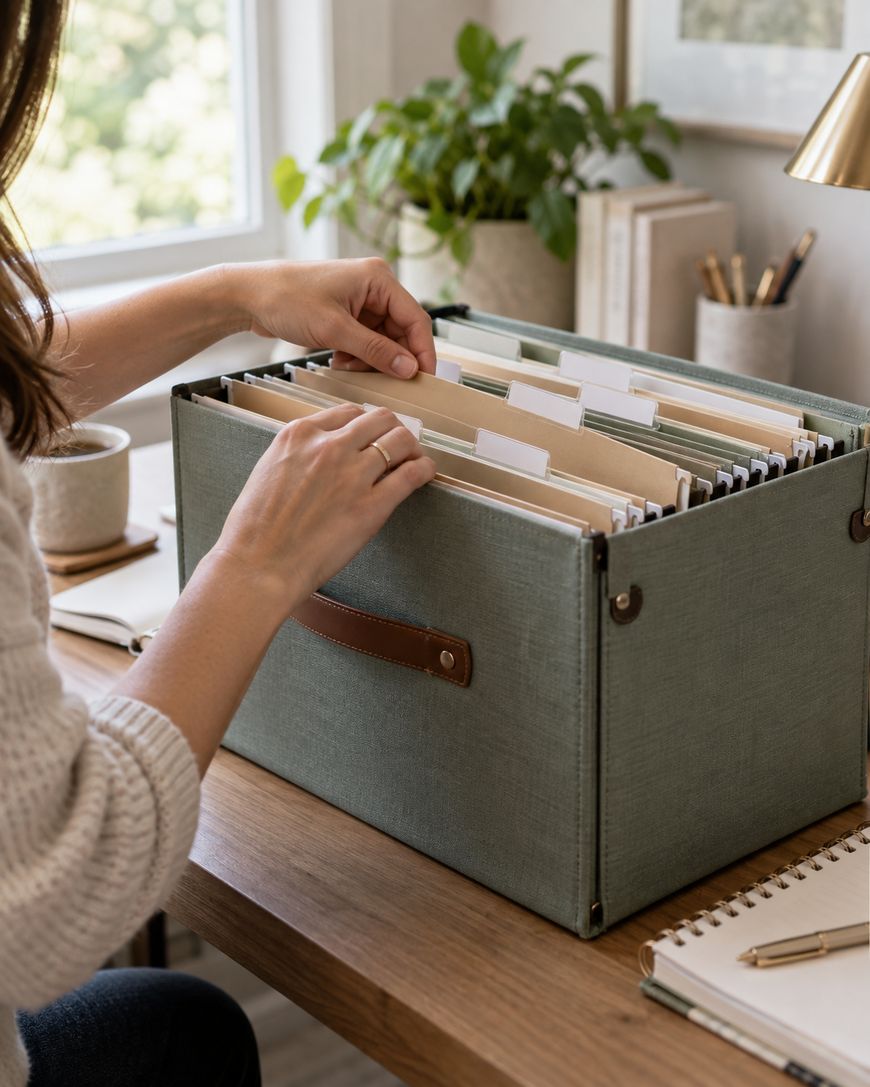
This works especially well for households with kids, since school forms and permission slips move fast.
Store these folders in a portable file box near your landing zone or desk.
Keeping them close means you actually use the system instead of stacking papers “to file later.”
Build a Weekly Paper Reset Routine
Even the best paper organization ideas fall apart without a regular reset.
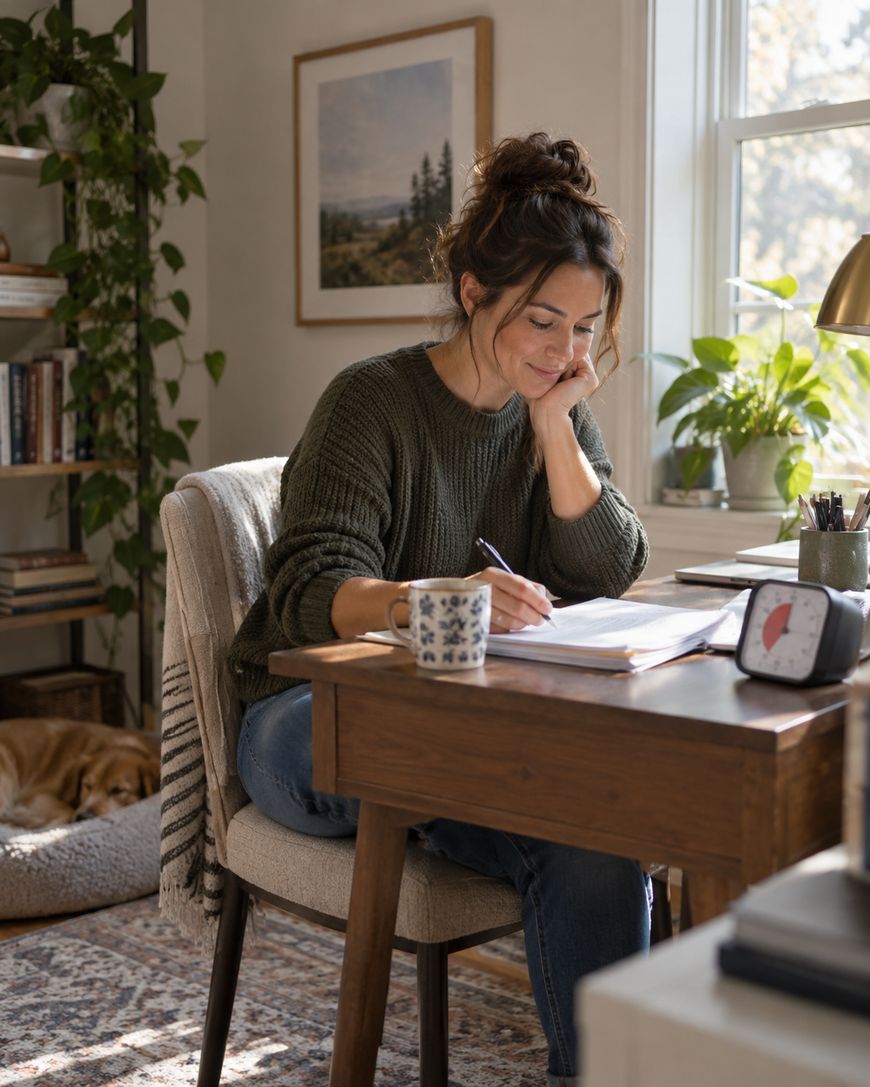
Pick one day each week, like Sunday evening or trash day, to clear out your landing zone and folders.
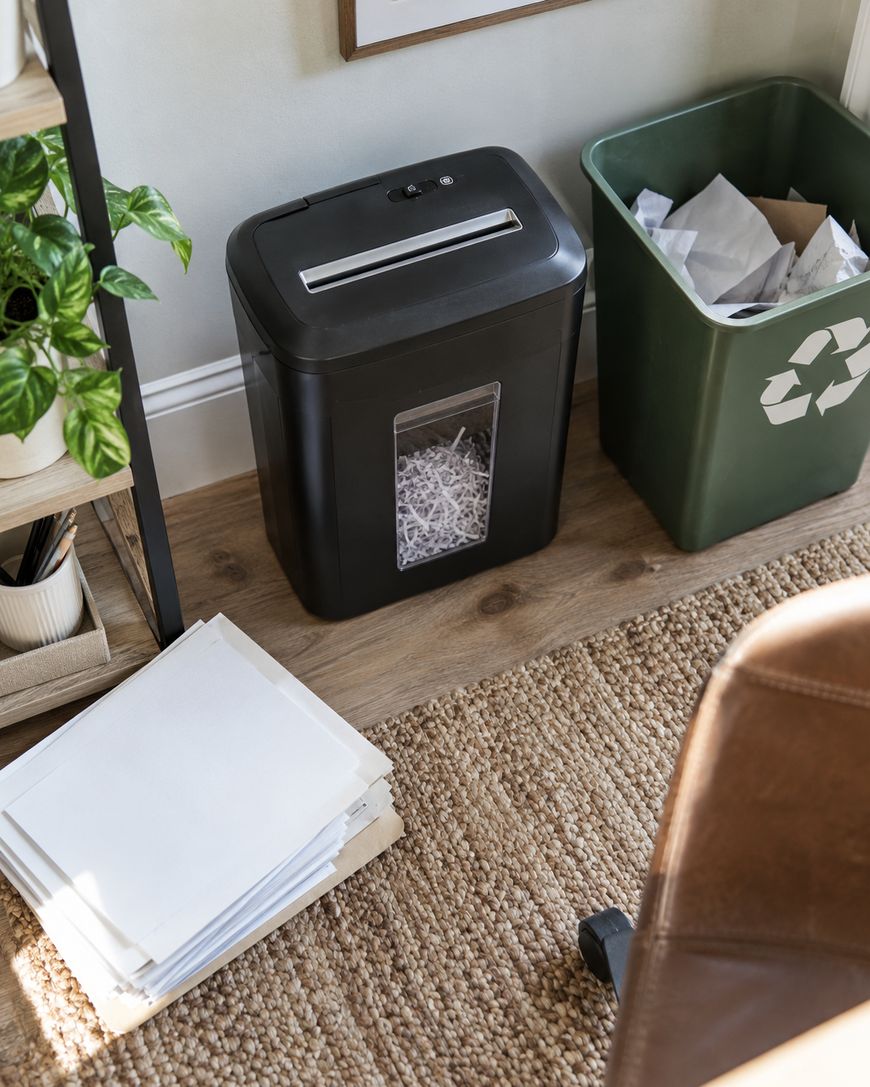
During this reset, pay any bills that are due, file papers you are keeping, and shred or recycle anything you no longer need.
This keeps your system from becoming its own kind of clutter.
Set a timer for ten minutes so the task feels manageable and never turns into a dreaded chore.
Most paper backlogs are small enough to clear in that window when you stay consistent.
Pair this reset with your regular cleaning routine so it becomes automatic.
You will notice far less paper clutter building up on shared surfaces once this habit sticks.
Digitize What You Can
Not every piece of paper needs a physical home.

Scanning apps on your phone let you capture receipts, warranties, and school newsletters in seconds.
Store these digital copies in labeled folders on your phone or a cloud storage app so you can find them later.
This is especially useful for documents you need for reference but do not need to keep physically.
Photograph receipts immediately after a purchase so you never lose one before a return deadline.
Once the photo is saved, you can toss the paper copy right away.
Digitizing paperwork also protects you if the physical copy gets damaged or lost.
You get the peace of mind of a backup without adding more paper to your home.
Use Wall Space for Active Papers
Papers you reference often, like a school calendar or a weekly menu, do better on display than tucked in a folder.
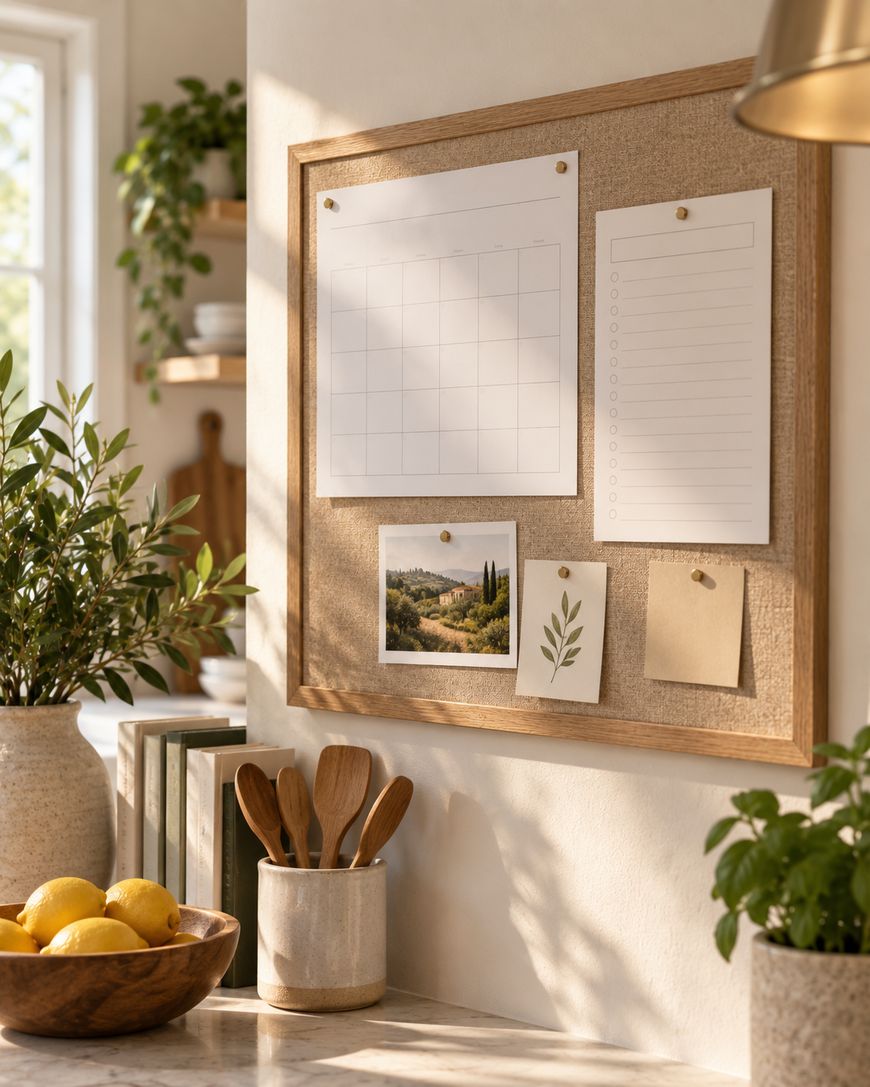
A wall-mounted file sorter or a bulletin board keeps these papers visible and easy to grab.
This approach works well in kitchens and mudrooms where family members pass through often.
You save time because you are not digging through a bin to find the paper you need that day.
Reserve wall space only for active items so it does not turn into another catch-all surface.
Anything that becomes outdated should move to a folder or the recycling bin right away.
Why Paper Organization Ideas Matter for Your Home
A clear system for handling paper does more than tidy your counters.
It saves you time when you need to find a bill, a form, or an important document quickly.
You also reduce the stress that comes from feeling like your home is always a little behind.
These paper organization ideas give you a repeatable structure so paper never controls your space again.
Frequently Asked Questions
What is the best way to start organizing paper clutter?
Start with a landing zone near your entryway so incoming paper has one clear destination.
From there, add simple categories for the paper types that show up most in your home.
How often should you go through your paper piles?
A quick weekly reset works well for most households.
Setting a consistent day helps the habit stick without feeling like an extra task.
Should you keep physical copies of receipts?
You can photograph most receipts and toss the paper version once the photo is saved.
Keep physical copies only for high-value purchases or items you may need to return.
What supplies do you need for a paper organization system?
A small tray or file rack, a portable file box, and a few labeled folders cover most needs.
You can always add a wall-mounted sorter later for papers you reference often.
How do you keep kids’ school papers organized?
Use a dedicated folder or bin for each child so their forms and artwork stay separate.
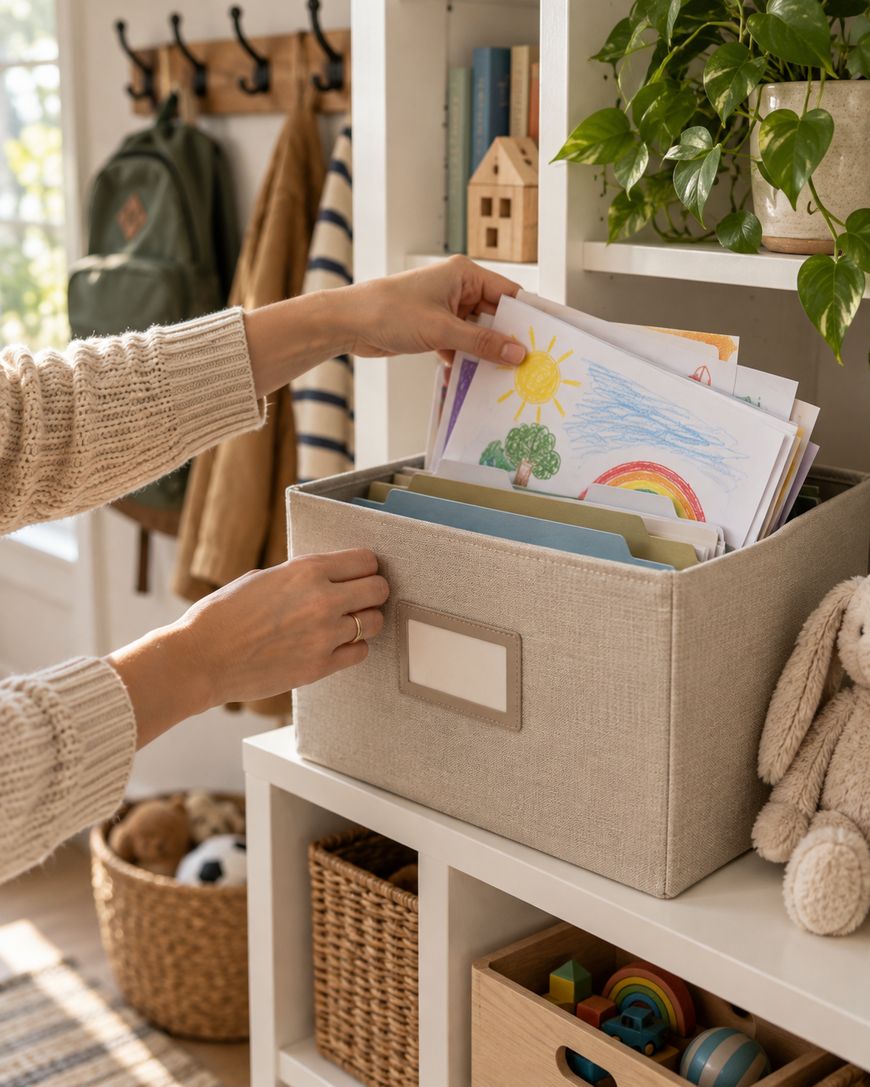
Reviewing this folder during your weekly reset keeps it from overflowing.
What should you do with old warranties and manuals?
Store them in a labeled folder or digitize them so you can find them if you ever need a repair or return.
Recycle manuals for items you no longer own.
Start Your Paper Organization System Today
You do not need an elaborate setup to keep paper clutter under control.
Pick one or two of these paper organization ideas, put them in place this week, and build from there as your routine settles in.
You might also like:
Mail Organization Ideas That Will Finally Tame Your Paper Pile
20+ Genius Wrapping Paper Storage Ideas to Keep You Organized