Last updated: May 19, 2026
Planning a luxury adventure to one of the world’s most spectacular wilderness destinations requires careful thought and preparation. Patagonia, straddling the southern reaches of Chile and Argentina, offers dramatic landscapes that range from towering granite peaks to massive glaciers and pristine lakes. This guide will walk you through everything you need to know to create an unforgettable high-end Patagonian experience that balances adventure with comfort.
Choosing the Right Time to Visit
Timing can make or break your Patagonia experience, so understanding the region’s seasonal patterns is essential. The peak season runs from November through March, which corresponds to the Southern Hemisphere’s spring and summer months. During this period, you’ll enjoy the longest days, warmest temperatures, and the best conditions for hiking and outdoor activities.
December through February represents the height of summer, offering temperatures between 50-70°F and up to 17 hours of daylight. However, this is also when trails and luxury lodges are busiest, so booking well in advance becomes crucial. If you prefer fewer crowds while still enjoying decent weather, consider visiting in November or March, often called the shoulder seasons.
Keep in mind that Patagonia’s weather remains notoriously unpredictable year-round. Even during summer, you might experience four seasons in a single day, so packing appropriately is non-negotiable regardless of when you travel.
Deciding Between Chilean and Argentine Patagonia
Both sides of Patagonia offer distinct experiences, and many travelers choose to explore both countries during a single trip. Chilean Patagonia is home to Torres del Paine National Park, arguably the region’s most famous destination, featuring the iconic granite towers and excellent infrastructure for luxury travelers. The region also provides access to glaciers, including the massive Grey Glacier, and world-class lodges with stunning views.
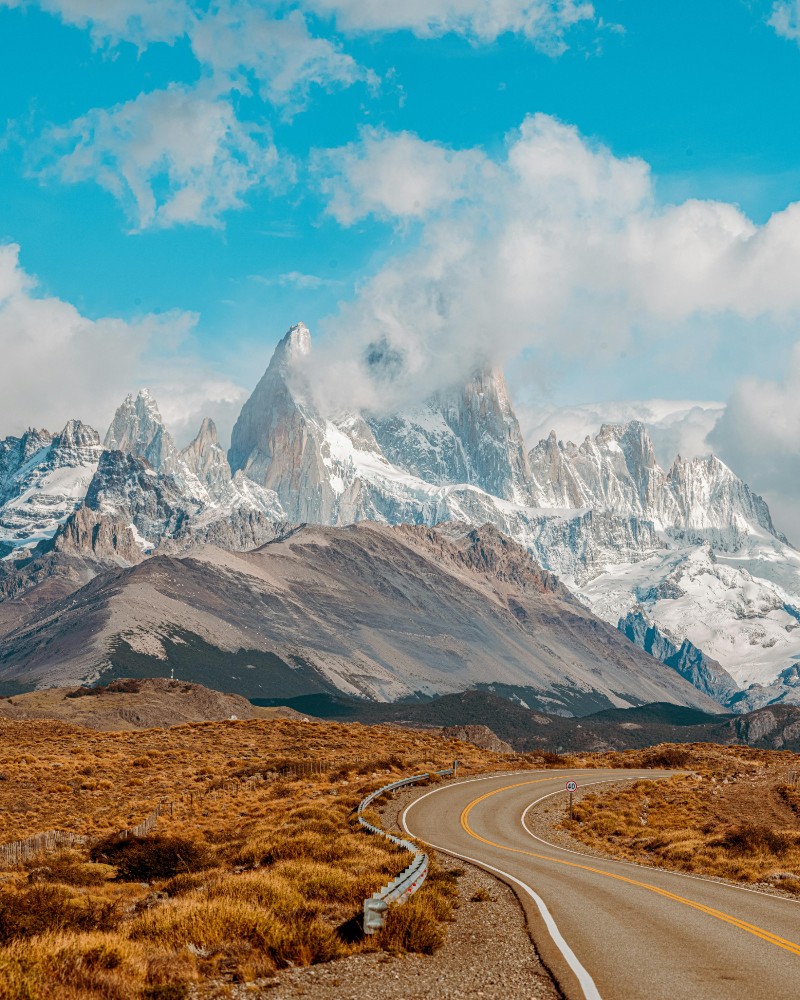
Argentine Patagonia showcases different but equally impressive landscapes, including the Perito Moreno Glacier and Mount Fitz Roy near El Chaltén. The Argentine side tends to be slightly more affordable and offers charming towns like El Calafate and Bariloche, which provide excellent bases for exploration. The wine regions near Patagonia’s northern edge add another dimension to the Argentine experience.
For first-time visitors with limited time, focusing on Torres del Paine in Chile offers the most concentrated luxury experience. Those with two weeks or more should absolutely consider crossing the border to experience both countries.
Selecting Your Accommodation Style
Luxury accommodations in Patagonia come in several forms, each offering unique advantages. All-inclusive luxury lodges provide the most seamless experience, with gourmet meals, guided excursions, and transfers typically included in one package price. These properties often feature spa facilities, wine cellars, and floor-to-ceiling windows showcasing incredible views.
Boutique hotels in gateway towns like Puerto Natales or El Calafate offer more flexibility in your daily schedule while still providing upscale amenities. This option works well if you prefer organizing some activities independently or want to explore local restaurants. Many of these properties can arrange private guides and transportation for day trips.
For the ultimate in exclusivity, consider booking luxury Patagonia tours that include stays at remote estancias, traditional Patagonian ranches that have been converted into high-end lodges. These properties offer intimate experiences with personalized service and opportunities to learn about gaucho culture and regional history.
Planning Your Activities and Excursions
The activities you choose will shape your entire Patagonian adventure, so think carefully about your fitness level and interests. Hiking remains the primary way to experience the region’s beauty, with options ranging from gentle lakeside walks to challenging full-day treks. Private guides can customize routes to your abilities while sharing knowledge about local geology, wildlife, and ecology.
Beyond hiking, consider ice trekking on glaciers, horseback riding across the pampas, kayaking among icebergs, or taking scenic helicopter flights over the ice fields. Wildlife enthusiasts should allocate time for penguin colonies, condor watching, or spotting guanacos and foxes in their natural habitat.
Building in rest days between active excursions allows you to fully enjoy your lodge’s amenities and prevents burnout. Remember that luxury travel isn’t about cramming in every possible activity but rather experiencing each moment fully.
Making Final Preparations
Successful luxury travel to Patagonia requires attention to practical details well before departure. Book your accommodations and international flights at least six to nine months in advance, especially for peak season travel. Consider working with a specialized travel advisor who knows the region intimately and can secure exclusive experiences.
Invest in high-quality outdoor gear, particularly waterproof layers, as weather protection makes the difference between misery and enjoyment. Most luxury lodges provide some equipment, but having your own well-fitted hiking boots and weather-appropriate clothing ensures comfort throughout your journey.
With thoughtful planning and realistic expectations, your luxury Patagonian adventure will deliver memories that last a lifetime. This remote corner of the world rewards those who prepare properly with experiences that few other destinations can match.