Last updated: September 30, 2026
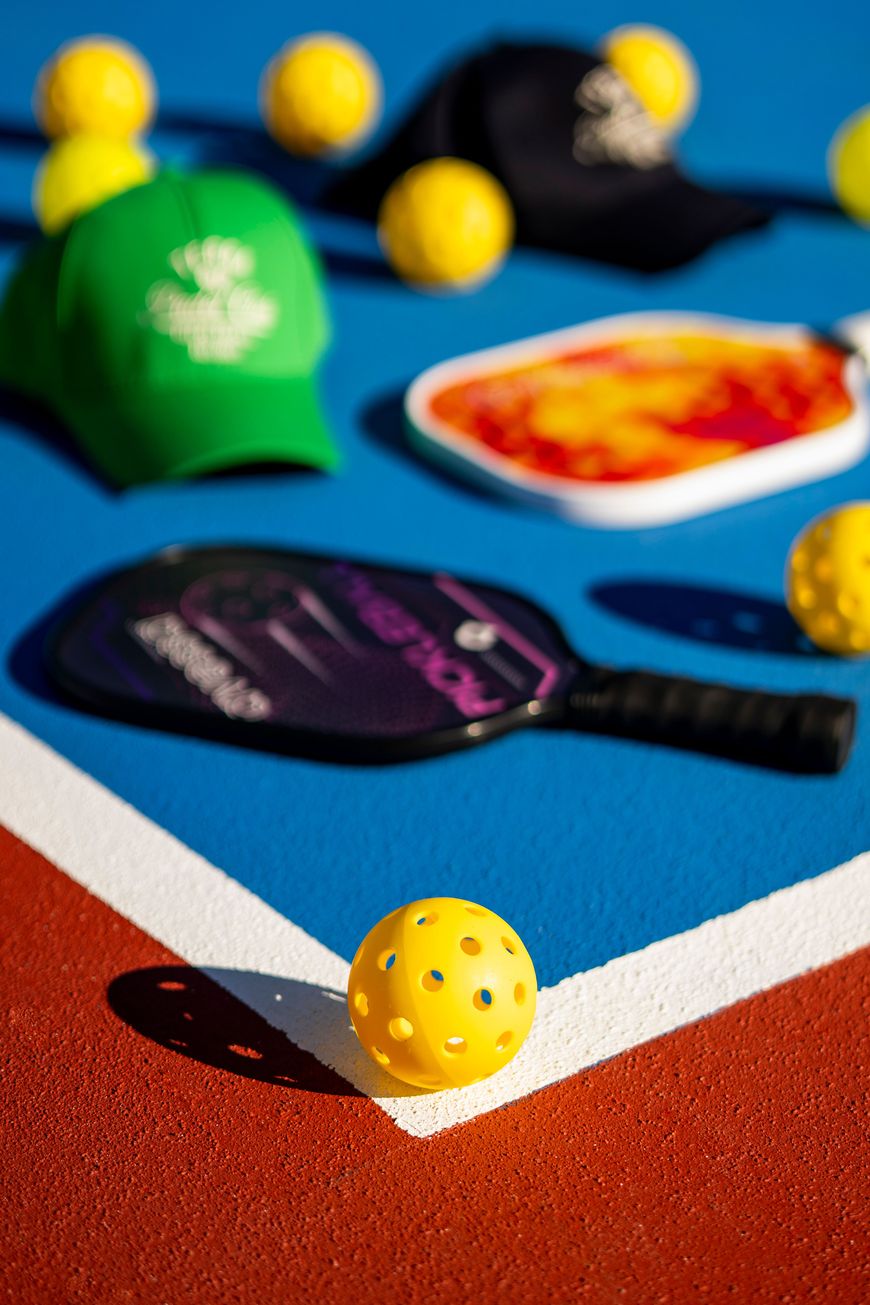
A pickleball session may start with a short list: paddle, balls, shoes, and water. Regular players, however, often carry much more. Towels, spare clothing, sunscreen, grips, valuables, snacks, and small accessories can quickly fill an ordinary bag.
That makes the way you pack just as important as what you bring.
A well-designed setup should protect equipment, separate clean items from used ones, and make the things you need most easy to reach. Rather than treating a backpack or gear bag as one large compartment, it helps to assign a clear purpose to each section.
The goal is simple: fit everything you need into one organized court-ready system without carrying unnecessary bulk.
1. Give Your Paddles Their Own Protected Space
Paddles should be the first consideration when organizing your bag because they are the pieces of equipment most worth protecting.
A dedicated paddle compartment keeps them away from shoes, bottles, keys, and other hard objects. It also prevents them from shifting while you walk or drive to the court.
If you carry a backup paddle or one for a partner, choose a compartment with enough room for both without forcing them together.
This is where purpose-built pickleball backpacks and gear bags can be especially useful. Their layouts are designed around the size and shape of pickleball equipment, making it easier to organize paddles alongside the rest of your gear.
2. Use a Separate Compartment for Pickleballs
Pickleballs are easy to lose underneath larger items, so they benefit from a dedicated pocket.
A side, upper, or zippered compartment keeps them contained and easy to reach when you arrive at the court.
The amount of space you need depends on the session. A casual game may require only a few balls, while drills or group play may call for several extras.
Keeping them together also makes it easier to check that you have collected them all before leaving.
3. Keep Shoes Separate
Court shoes take up considerable space and often return home dusty or damp.
A dedicated shoe compartment keeps the soles away from towels, clothing, food, and paddles. Ventilation is useful after longer sessions because it reduces the amount of moisture trapped inside the bag.
If your bag has no built-in shoe section, a washable shoe pouch provides a simple alternative without taking up much extra room.
4. Keep Water Upright and Easy to Reach
A water bottle should be accessible without opening the main compartment.
An exterior bottle pocket works well because it keeps moisture away from clothing, electronics, and paddle surfaces. The pocket should also hold the bottle securely so it does not tip or fall out while you are walking.
Check the size before packing for longer sessions. A bag may have plenty of interior space but still be inconvenient if the bottle holder cannot accommodate the container you normally use.
5. Keep a Towel Near the Top
A towel is one of the items you may reach for repeatedly during a session, so it should stay near the top of the bag or in an outer compartment.
There is little benefit in burying it underneath shoes and equipment.
After use, transfer it to a waterproof pouch or wet-item section so it does not dampen clean clothing or other belongings.
A compact microfiber towel is particularly convenient because it uses little space and dries relatively quickly.
6. Create a Clean Clothing Section
A spare shirt, lightweight layer, or pair of socks should have its own dry area.
Rolling or folding clothing neatly helps reduce bulk and leaves more room for paddles, shoes, and accessories.
This setup is especially useful if you play before work, after work, or before another activity. You can carry a fresh change of clothes without exposing it to footwear or damp towels.
Used clothing should move to the wet-item section after play rather than returning to the clean compartment.
7. Make Space for Extra Hydration
Longer sessions may require more than a single bottle.
A larger backpack or gear bag can accommodate an extra drink, electrolyte product, or compact recovery item without interfering with paddle storage.
For extended exercise or play in warm weather, staying properly hydrated during exercise becomes especially important. Keeping drinks in an accessible part of the bag makes it easier to take regular breaks without unpacking other equipment.
8. Keep Sun Protection Together
Outdoor pickleball often means carrying several small sun-protection items.
Sunscreen, lip balm, and sunglasses can share a small front or side pocket, while a hat or visor can sit near the top of the main compartment.
Sunglasses are best kept in a protective case so they are not crushed by heavier equipment.
Grouping these items together also makes it easier to check them before heading out for a long outdoor session.
9. Reserve a Pocket for Playing Accessories
Small accessories can disappear quickly inside a large bag.
Overgrips, replacement grips, wristbands, tape, and cleaning cloths fit easily into a compact zippered pocket.
Keeping them together prevents them from mixing with personal belongings or settling underneath larger equipment.
Limit this section to items you actually use. Empty wrappers, worn grips, and broken accessories only make the pocket harder to manage.
10. Secure Your Phone, Keys and Wallet
Valuables should have a protected location away from sports equipment.
A zipped interior pocket works well for a phone, wallet, keys, and cards because it keeps them contained and less exposed while you are playing.
This also prevents hard objects such as keys from rubbing against paddles or other equipment.
Using the same pocket each time makes it easier to find your belongings when you are ready to leave.
11. Add a Compact First-Aid Pouch
A few basic first-aid items can fit into a very small area.
Adhesive bandages, blister coverings, athletic tape, and wipes can be stored together in a compact pouch inside an interior pocket.
This protects them from dirt and moisture while keeping them easy to locate if needed.
Check the pouch occasionally and replace anything that has been used or damaged.
12. Use a Dedicated Space for Snacks
For longer sessions, a small snack can fit neatly into a side pocket or sealed pouch.
Keeping food in its own area prevents crumbs, wrappers, and odors from spreading to clothing or equipment.
Choose items that travel well and are unlikely to leak, melt, or crush easily.
The space does not need to be large. A compact food section encourages you to pack only what you are likely to eat.
13. Create a Wet and Dirty Zone
One of the most useful features in a well-organized gear bag is a place for items that are no longer clean or dry.
By the end of a session, shoes may be dusty, towels damp, and shirts sweaty. A waterproof compartment, washable pouch, or separate lower section keeps these items away from the rest of your belongings.
If your bag does not include a dedicated wet section, keep a lightweight waterproof pouch inside. It creates the same separation without changing the rest of your setup.
14. Pack Differently for Longer Trips
A quick local game requires less space than a tournament, clinic, social event, or full day at unfamiliar courts.
Longer trips may mean carrying extra clothing, more water, food, chargers, and personal items in addition to your normal equipment.
These days, compartment layout becomes especially important. Keep frequently used travel items in outer pockets while leaving paddles, shoes, and clothing in their usual sections.
The same logic applies when organizing road trip essentials: items you expect to use during the journey should be easy to reach without disturbing everything else.
15. Reset the Bag After Every Session
A court bag stays useful when it is cleared and reset regularly.
Remove damp clothing, towels, shoes, food wrappers, and anything that needs cleaning as soon as you get home.
Once the remaining gear is dry and ready to use again, return paddles, balls, and accessories to their usual sections.
Replace anything you used up, then remove items that have started accumulating without a purpose. This keeps the bag lighter and prevents unnecessary clutter from building over time.
Keep Your Court Setup Simple
The best pickleball backpack or gear bag is one that suits the way you actually play.
Paddles need protection, shoes need separation, water needs secure storage, and smaller items need compartments that keep them from disappearing. Longer sessions may require more space, while a short recreational game may call for only the basics.
A clear packing system makes one bag much more useful. Instead of carrying several loose items or searching through a crowded main compartment, you can give each essential a logical place and keep the entire setup ready for the court.
The result is a bag that works as a complete carrying system rather than simple storage.