Last updated: August 2, 2026
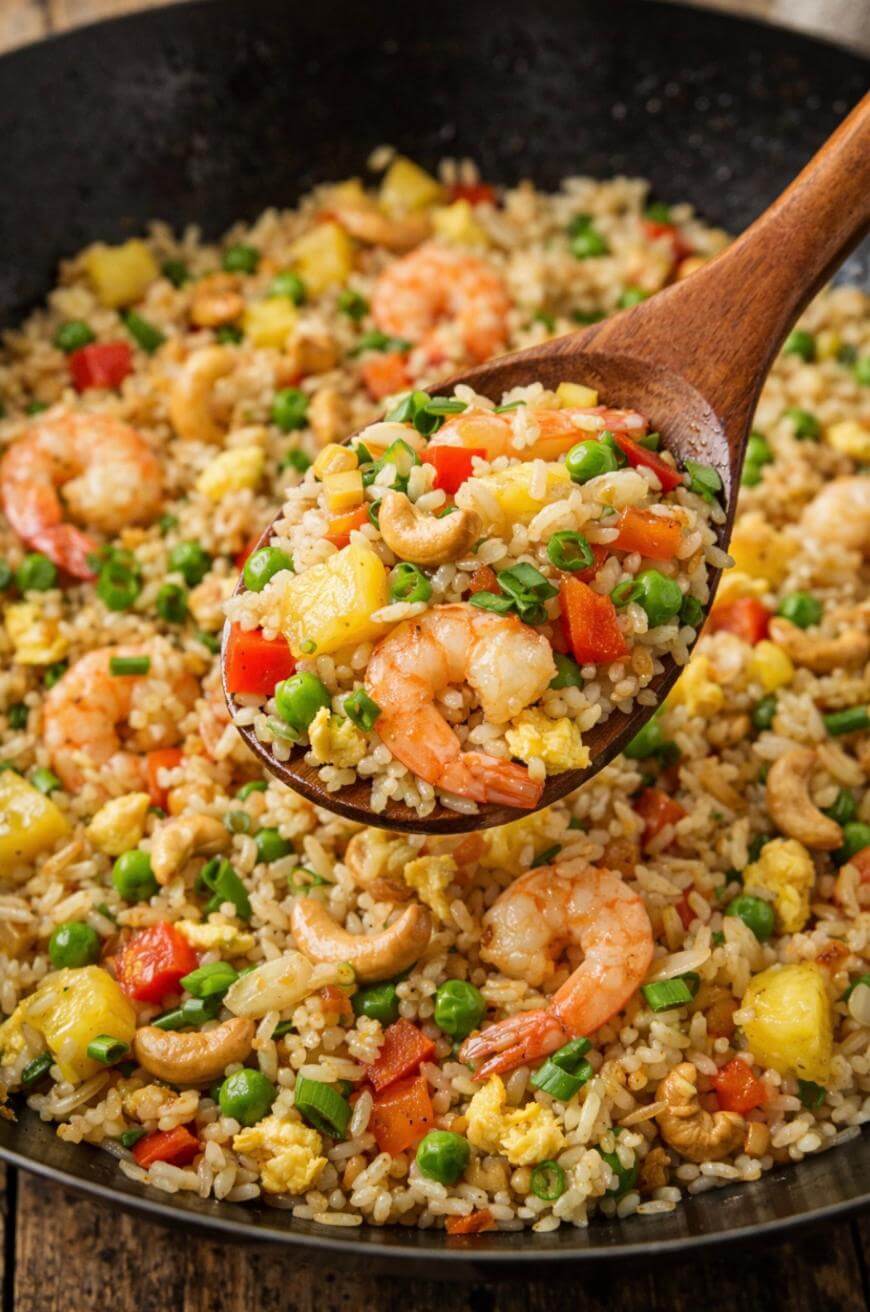
Pineapple fried rice is a sweet-and-savory stir-fried rice dish made with cooked rice, pineapple, vegetables, and a salty umami sauce. The tastiest approach to use cold day-old rice, cook everything fast in a very hot pan, and add the pineapple near the end so it stays juicy.
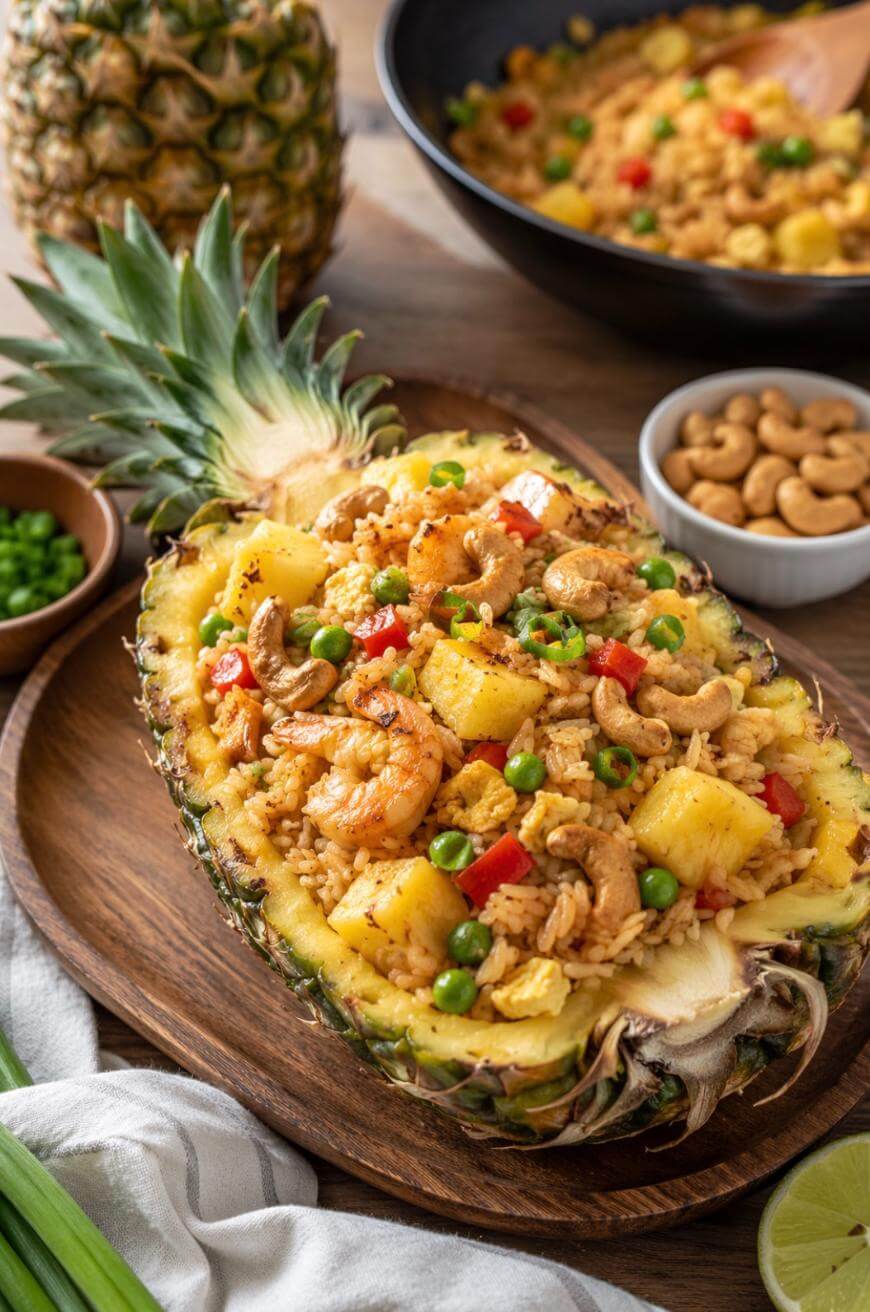
Ingredients For This Pineapple Fried Rice Recipe
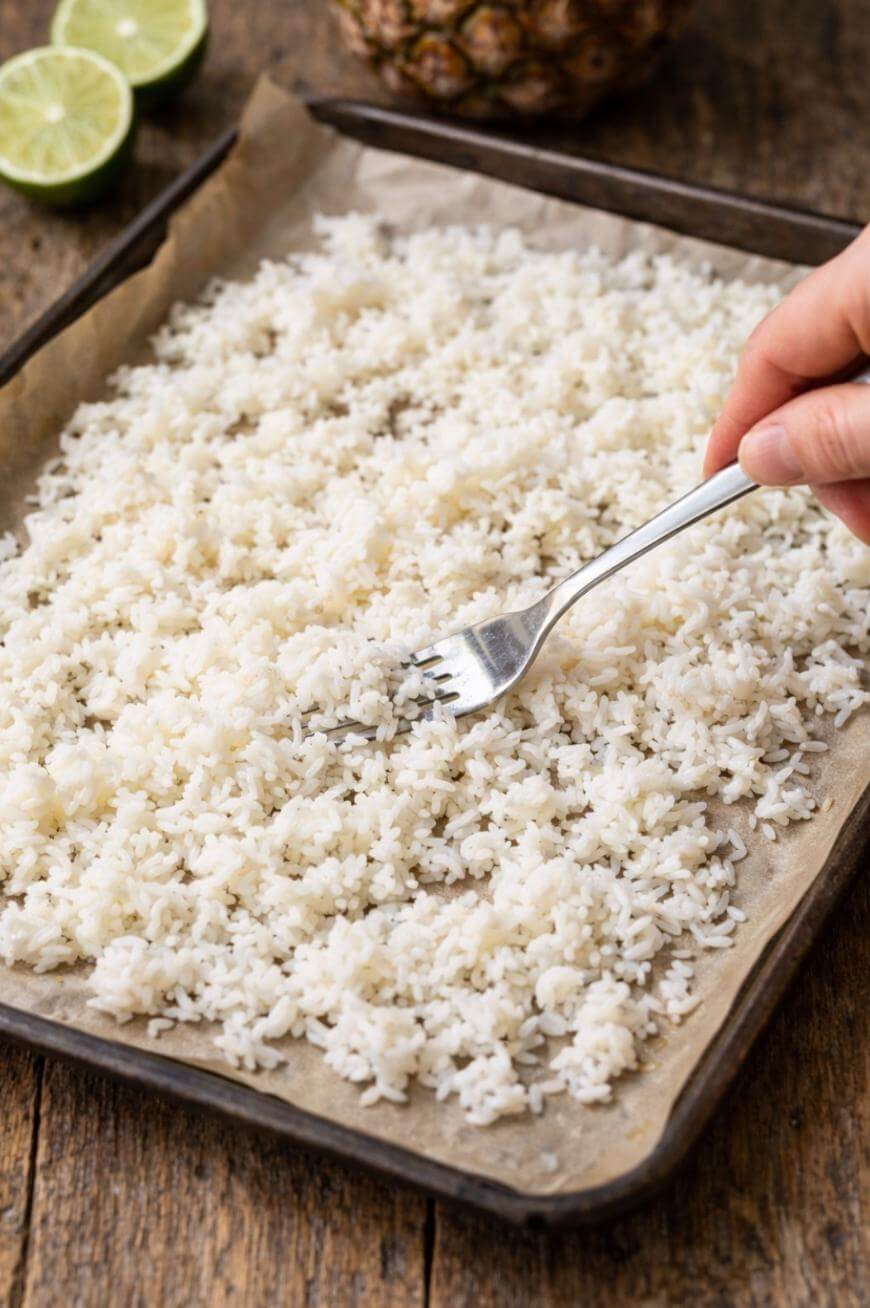
Cooked Rice (About 3 Cups). Use jasmine or long-grain rice if you can, and make sure it’s cold so it fries instead of steaming. If your rice is fresh, spread it out and chill it for 30–45 minutes to dry it out.
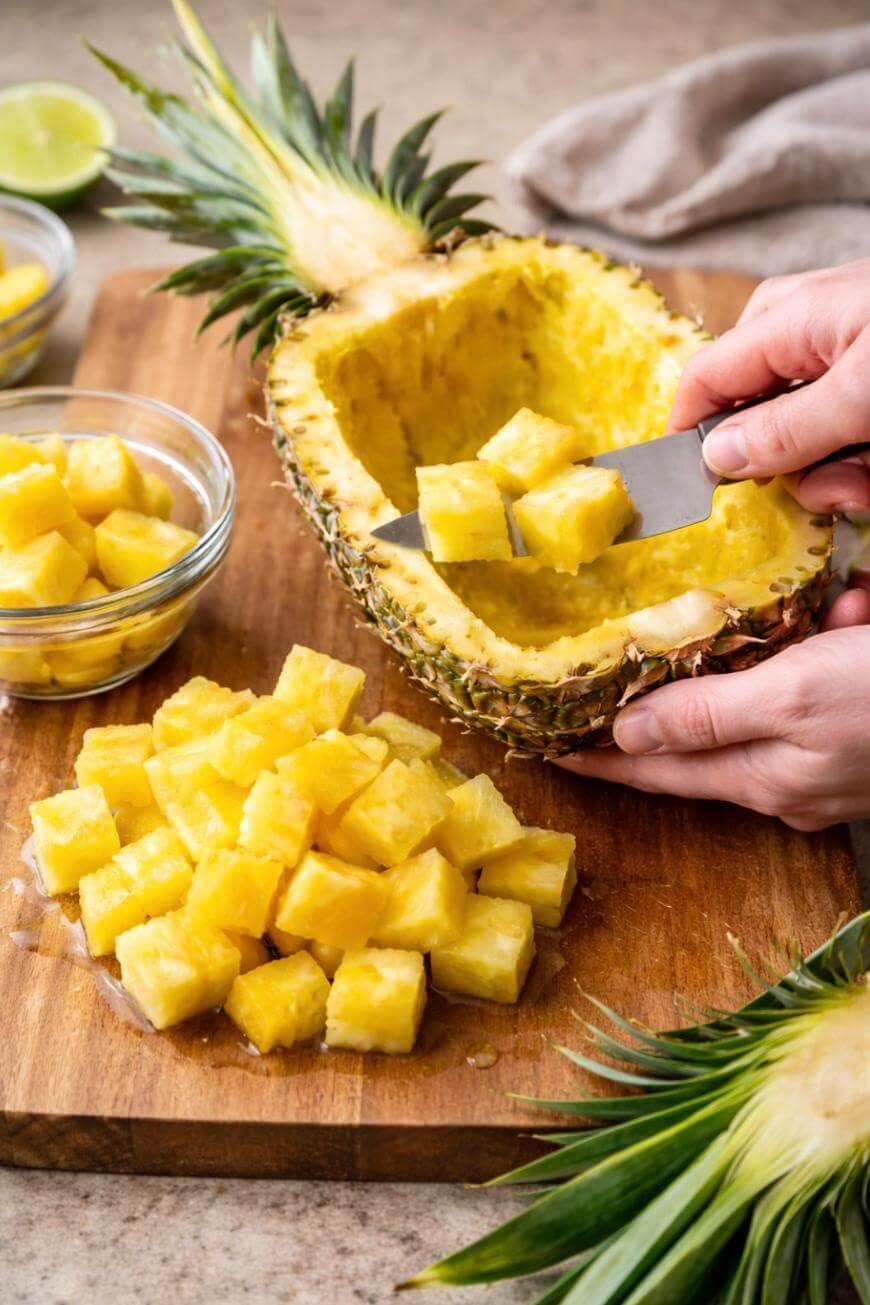
Pineapple (1 To 1 1/2 Cups Chunks). Fresh pineapple gives brighter flavor and firmer texture, while canned is sweeter and softer. If you use canned, drain it well and pat it dry so it doesn’t water down the pan.
Oil (1 To 2 Tablespoons). Use a high-heat oil like avocado, peanut, canola, or grapeseed. If your pan looks dry while frying, add oil in 1-teaspoon increments so you don’t get greasy rice.
Garlic (2 Cloves) And Ginger (1 Teaspoon). These aromatics make the rice taste instantly more “fried rice” and less like plain rice with sauce. Mince or grate them so they cook quickly and don’t leave raw chunks.
Vegetables (1 To 1 1/2 Cups Total). Good options are peas, diced carrots, bell pepper, corn, chopped snap peas, or green beans. Keep pieces small so they cook in 2–4 minutes and stay crisp-tender.
Eggs (2). Eggs add richness and help the dish feel like a full meal. Scramble them in the pan and fold them in so you get soft ribbons throughout.
Protein (Optional, 8–10 Ounces). Shrimp, diced chicken, ham, tofu, or edamame all work well. If you use raw protein, cook it first and set it aside so it stays juicy.
Soy Sauce (About 2 Tablespoons). This is your main salty base, so start modest and adjust at the end. Different brands vary a lot in saltiness, so tasting is part of the recipe.
Oyster Sauce (Optional, 1 Tablespoon). This adds depth and a glossy finish, but you can skip it and still get a great result. If you want vegetarian, use a mushroom-based alternative.
Sesame Oil (1 Teaspoon). Add it at the end for aroma, not at the start for frying. A little goes a long way, and too much can overpower the pineapple.
Lime Juice Or Rice Vinegar (1 To 2 Teaspoons). A small hit of acid keeps the dish from tasting flat or overly sweet. Add it after cooking so it stays bright.
Salt, Pepper, And Optional Heat. Use salt only if needed after tasting, since soy sauce can be plenty. Chili crisp or sriracha is an easy way to balance sweetness with heat.
Crunchy Finish (Optional, 1/4 Cup). Toasted cashews or peanuts add texture and make it feel restaurant-level. Add them at the very end so they stay crunchy.
Pineapple Fried Rice Recipe Ideas And Setups
1. Use Day-Old Rice For Non-Sticky Grains
Cold rice gives you distinct grains that fry up fluffy instead of clumping. Aim for 3 cups cooked rice for a large skillet, because a smaller pan will crowd and steam it.
If you only have fresh rice, cool it fast on a tray and refrigerate it for 30–45 minutes. The mistake to avoid is tossing hot rice straight into the pan, which turns it gummy.
2. Dry Your Pineapple So The Pan Stays Hot
Pineapple carries moisture that can turn fried rice soggy. Pat it dry with paper towels before cooking, especially if it’s canned.
A simple upgrade is searing the pineapple alone for 1–2 minutes, then removing it. Adding it back later keeps the fruit juicy and prevents it from breaking down.
3. Choose A Large Pan And Preheat It Properly
A 10–12 inch skillet or a wok gives you room for evaporation and browning. Preheat until a drop of water sizzles and disappears quickly.
If your pan isn’t hot, you’ll taste “stirred rice” instead of fried rice. Keep the heat at medium-high to high, depending on your stove and pan type.
4. Use A High-Smoke-Point Oil For Cleaner Flavor
Avocado, peanut, canola, and grapeseed oils handle high heat without tasting burnt. Start with 1 tablespoon oil, then add more only if the pan looks dry.
If you pour in too much oil early, the dish tastes heavy and greasy. A better move is adding 1 teaspoon at a time as you cook.
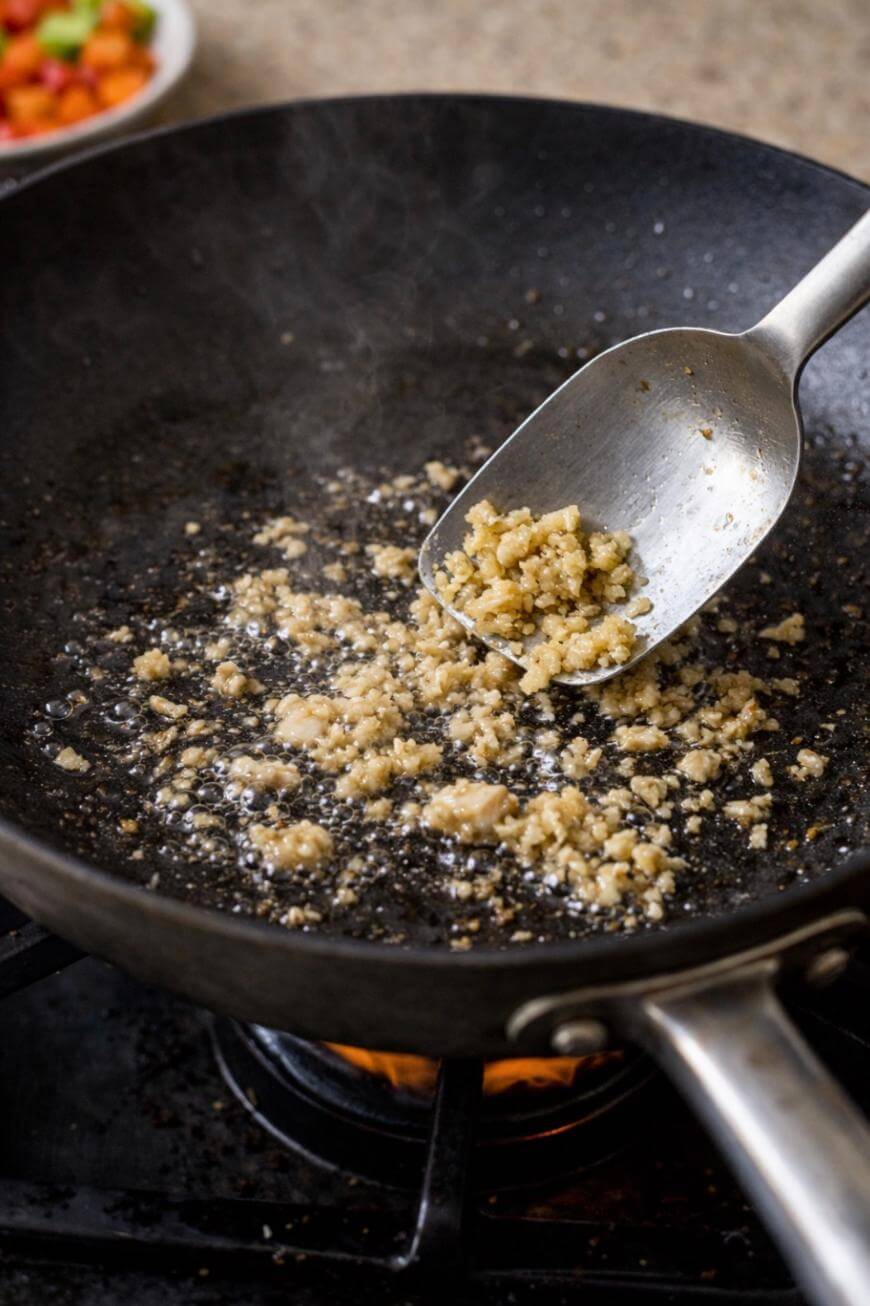
5. Start With Garlic And Ginger For Fast Flavor
Minced garlic and grated ginger are the quickest way to make this dish taste intentional. Use about 2 cloves garlic and 1 teaspoon ginger for a standard batch.
Cook them for about 20–30 seconds so they turn fragrant, not brown. If they burn, everything tastes bitter, so keep them moving.
6. Keep Vegetables Small For Even Cooking
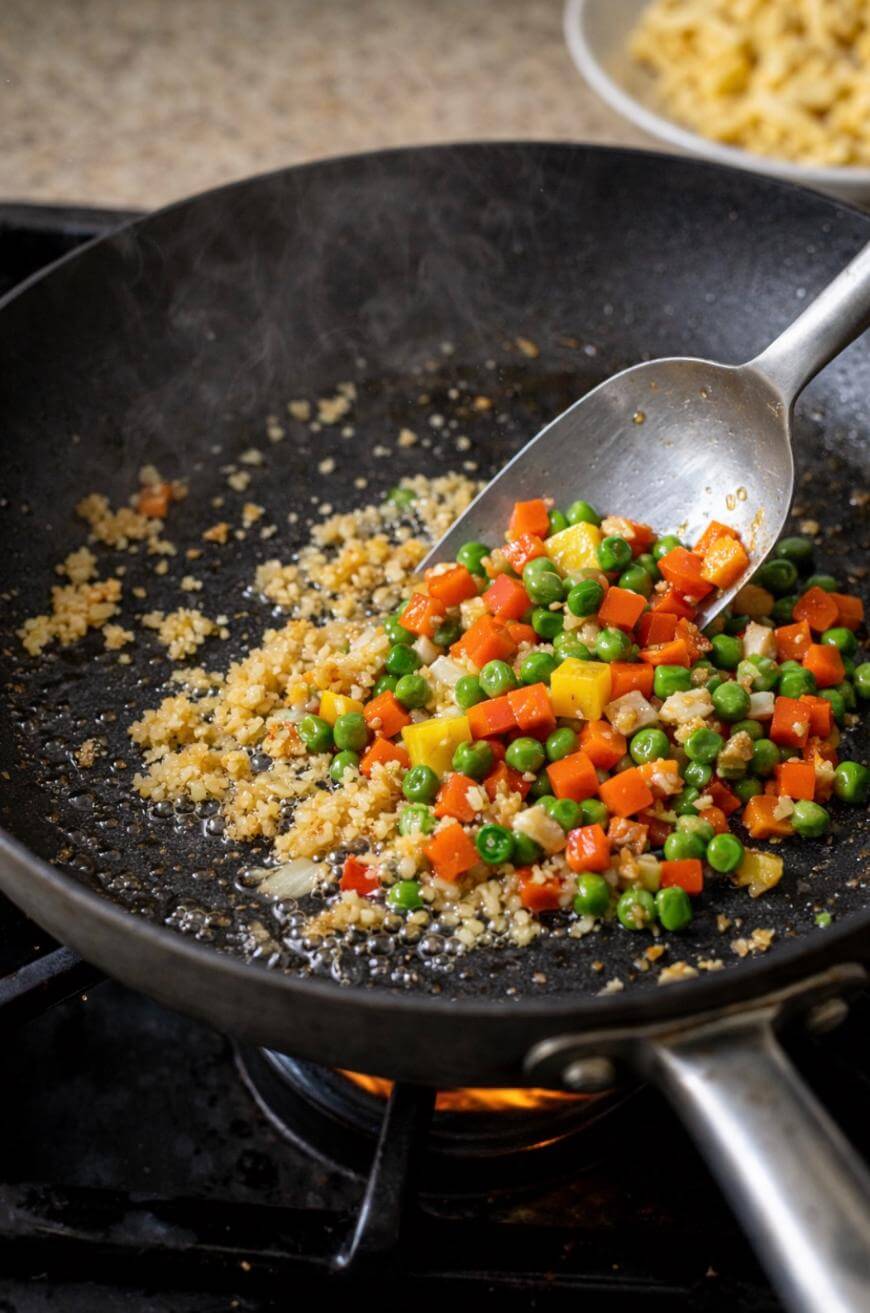
Dice vegetables into pea-size pieces so they cook quickly and match the rice texture. A good target is 1 to 1 1/2 cups vegetables total for 3 cups rice.
If you add too many watery vegetables, the pan cools down and the rice steams. If you want more volume, add extra protein instead of piling on veggies.
7. Cook Protein First So It Browns Properly
Protein browns best when it has direct contact with the hot pan. Cook your shrimp, chicken, ham, or tofu first, then remove it.
For shrimp, 1–2 minutes per side is usually enough. Overcooking is the common mistake, so pull it early and let it finish when you add it back later.
8. Use Eggs For Richness Without Extra Cost
Eggs make the dish more filling and balance pineapple sweetness. Whisk 2 eggs with a pinch of salt for the best texture.
Push rice to the side, scramble the eggs in the empty space, then fold them in. This keeps the eggs tender instead of disappearing into the rice.
9. Use A Simple Sauce Ratio That You Can Adjust
Start with 2 tablespoons soy sauce and 1 teaspoon sesame oil for 3 cups rice. If you want deeper savory flavor, add 1 tablespoon oyster sauce.
Add sauce in small amounts, because you can always add more at the end. The mistake is dumping in too much soy early, which makes the rice taste overly salty.
10. Add Acid At The End To Prevent Flat Flavor
A squeeze of lime or a splash of rice vinegar balances sweet pineapple and salty soy. Use 1–2 teaspoons, then taste again.
If your dish tastes “sweet-salty” but not lively, it usually needs acid. Add it off heat so it stays bright.
11. Use Curry Powder For A Classic Takeout-Style Version
Curry powder makes pineapple fried rice taste instantly more complex. Use 1 to 1 1/2 teaspoons for a standard batch.
Add it into the oil after the aromatics so it blooms. If you sprinkle it in at the end, it can taste dusty and raw.
12. Add Fish Sauce Carefully For Umami
Fish sauce gives depth and a savory edge that fights sweetness. Start with 1/2 teaspoon and only increase after tasting.
If the dish tastes “too sweet,” fish sauce can fix it faster than adding more soy. The key is restraint, because it’s easy to overpower everything.
13. Use Frozen Veggies The Right Way
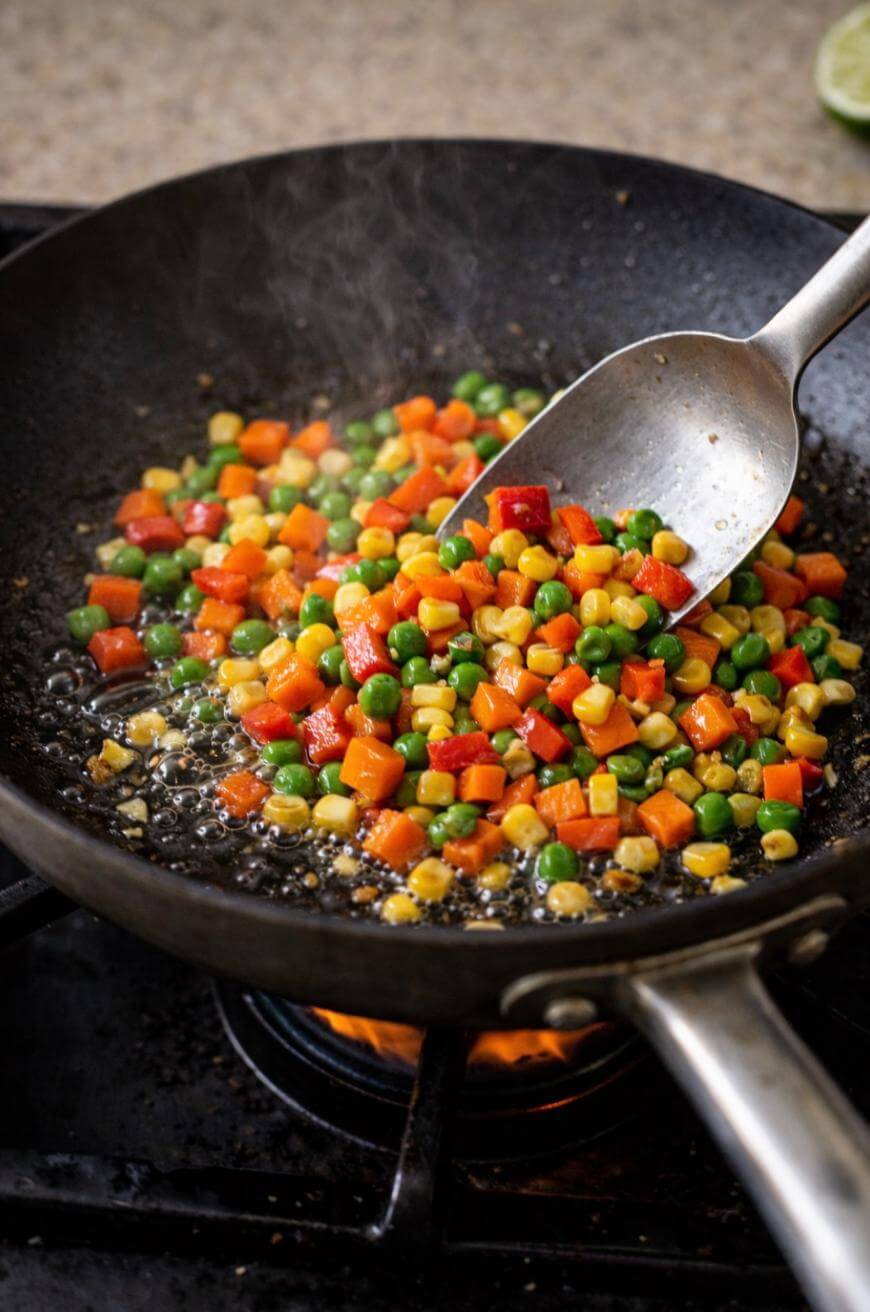
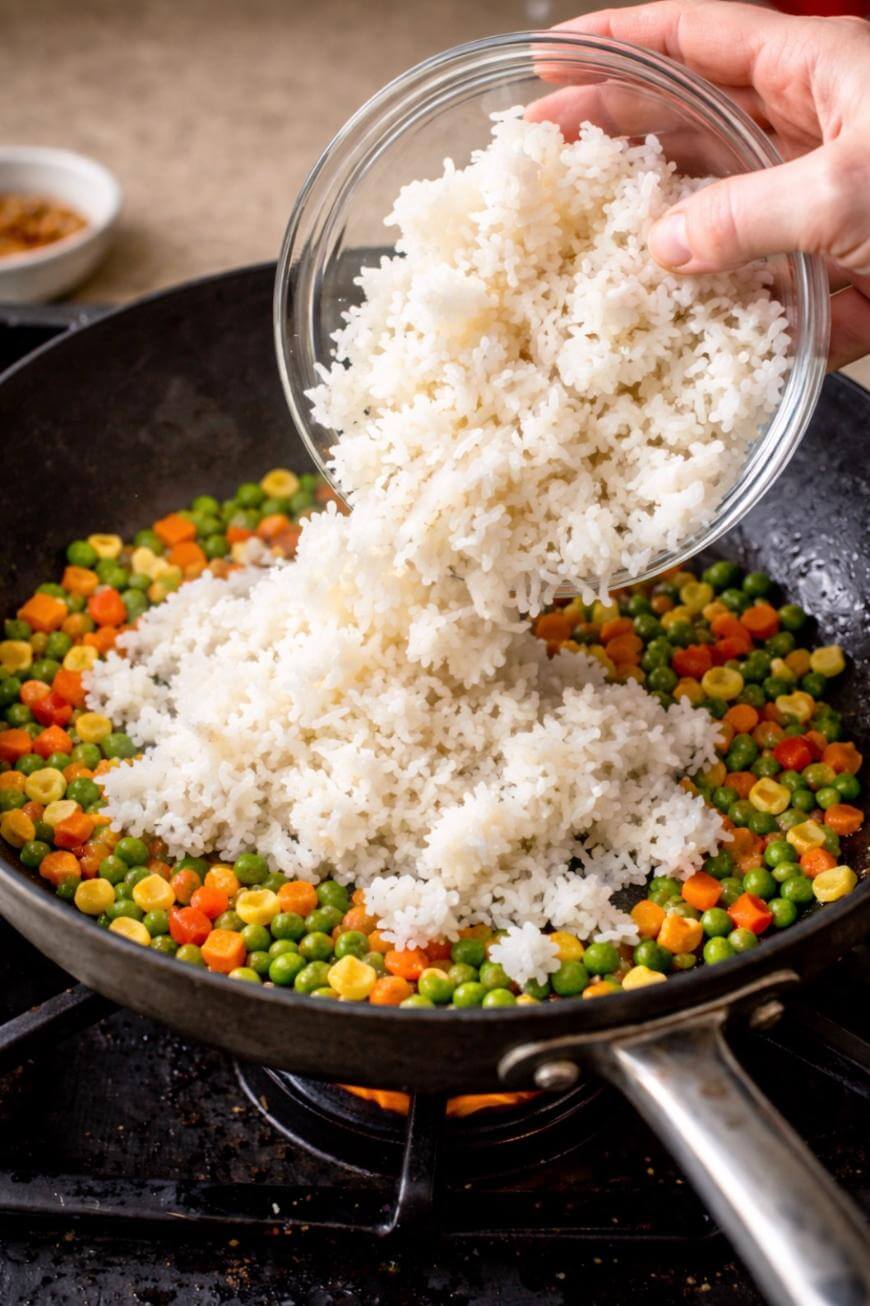
Frozen peas and carrots are convenient, but they release water. Add them early and cook until the moisture evaporates before adding rice.
A practical timing is 3–4 minutes on medium-high heat for frozen mix. If you rush this step, the rice gets wet and soft.
14. Toast Nuts For Crunch That Stays Crunchy
Cashews or peanuts add texture that makes the dish feel special. Use about 1/4 cup, lightly toasted.
Add nuts at the very end so they don’t soften. If you want extra crunch, toast them separately and sprinkle right before serving.
15. Add Heat To Balance Pineapple Sweetness
Chili crisp, sriracha, or red pepper flakes sharpen the flavor. Start with 1 teaspoon chili crisp for the whole pan, then adjust.
If you’re serving mixed spice preferences, keep heat optional. Putting hot sauce on the side keeps the base dish crowd-friendly.
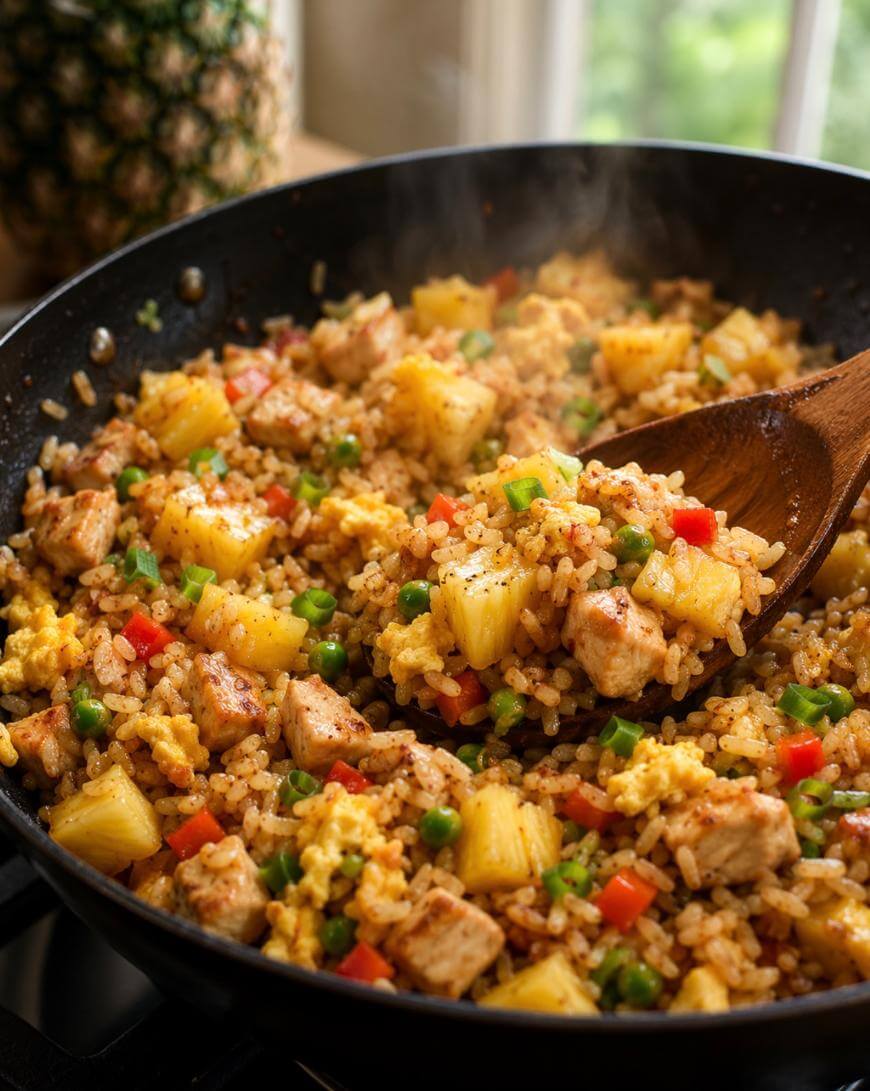
16. Finish With Scallions For Fresh Contrast
Scallions add brightness and a light bite that keeps the rice from tasting heavy. Slice them thin and add them off heat.
A simple amount is 2 scallions for a standard batch. If you cook them too long, they lose their fresh flavor.
17. Use Sesame Oil As A Finishing Oil, Not A Frying Oil
Sesame oil burns easily and can taste bitter if cooked too hot. Use 1 teaspoon stirred in right at the end.
If you love sesame flavor, add a few toasted sesame seeds too. Keep it modest so it doesn’t compete with pineapple.
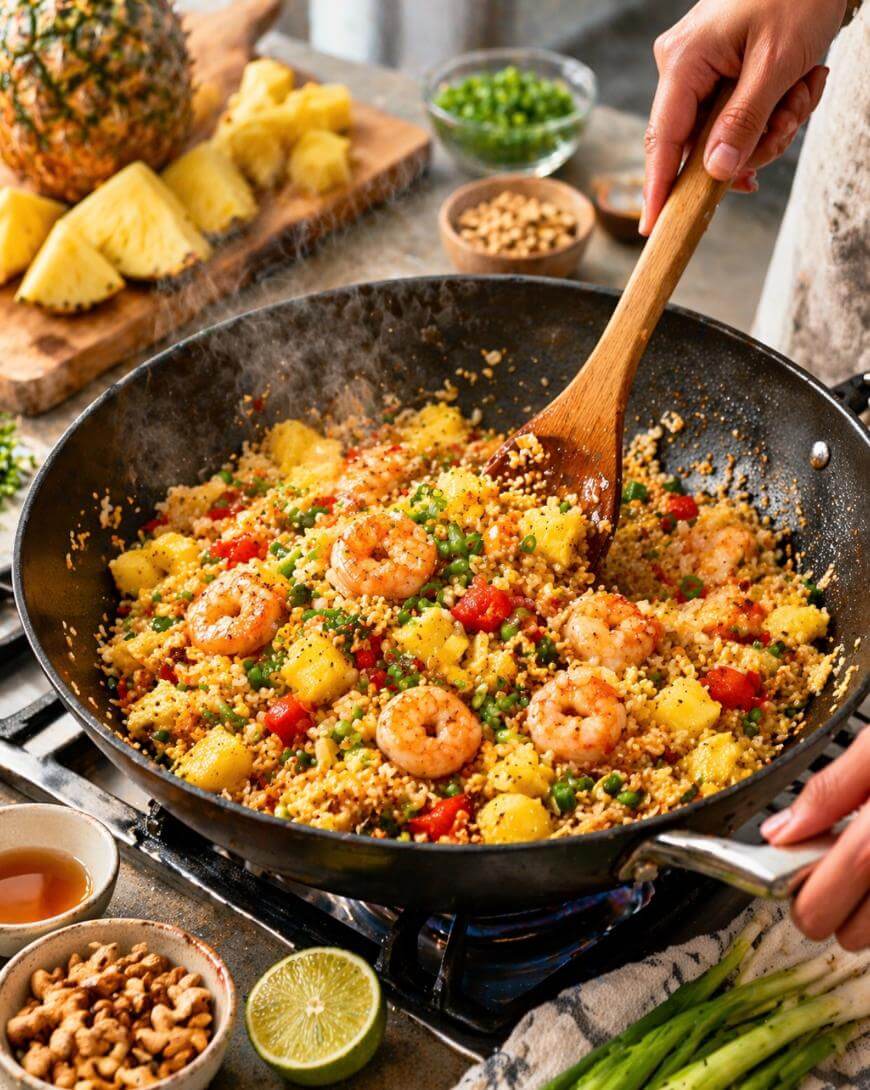
18. Make It Vegetarian Without Losing Depth
Tofu, edamame, and extra egg make an easy vegetarian version. For deeper savory flavor, whisk 1 teaspoon miso into 1 tablespoon warm water, then add it to your sauce.
If you skip oyster sauce, this miso trick helps replace that “rounded” taste. The mistake is relying only on soy, which can taste sharp without a second savory note.
19. Use A “Sauce Cup” To Prevent Mid-Cook Chaos
Fried rice moves fast, so mix sauce before you turn on the stove. Combine soy sauce, oyster sauce if using, sesame oil, and lime juice in a small bowl.
This prevents uneven seasoning and over-saucing. It also keeps you from burning garlic while you measure ingredients.
20. Keep Pineapple Late So It Stays Distinct
Pineapple breaks down if it cooks too long. Add it after the rice is coated and hot, then toss for 30–60 seconds.
If you want more caramelized pineapple, sear it earlier and remove it. Adding it twice is the best texture upgrade.
21. Let The Rice Sit Briefly For Browning
Browning happens when rice contacts the pan without constant stirring. Stir, then let it sit 20–30 seconds, then stir again.
Do this for 3–5 minutes until the rice looks slightly toasted. If you stir nonstop, you lose that “fried” flavor.
22. Control Salt By Tasting At The End
Soy sauces vary, so your final salt level should be a decision, not a surprise. Taste right before serving and adjust with 1 teaspoon soy at a time.
If you accidentally oversalt, add more rice or more pineapple. Acid from lime also helps reduce the perception of saltiness.
Pineapple Fried Rice Recipe Step-By-Step Method
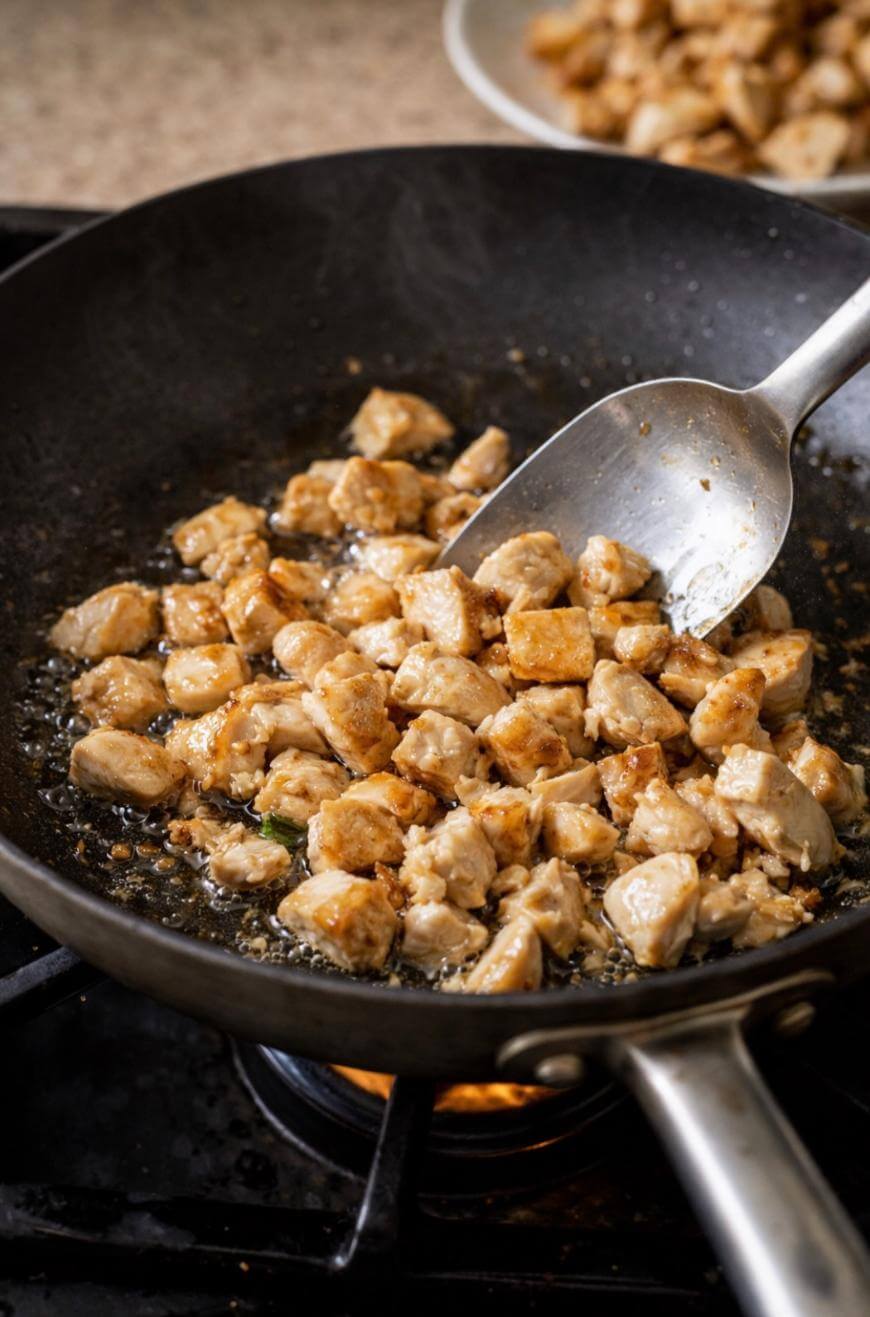
23. Cook Protein And Remove It
Heat 1 tablespoon oil in a hot pan and cook your protein until browned and just cooked through. Remove it to a plate so it doesn’t overcook.
For chicken, cut pieces small so they cook quickly and stay juicy. For tofu, press it first so it browns instead of steaming.
24. Cook Aromatics And Vegetables Until Crisp-Tender
Add garlic and ginger, then vegetables, and cook until bright and slightly softened. Aim for 2–4 minutes, depending on what you’re using.
If your pan looks dry, add 1 teaspoon oil. You want sizzle and movement, not simmering vegetables.
25. Add Rice And Fry Until Separated And Hot
Add cold rice and break it up with a spatula so you don’t leave large clumps. Stir-fry until the grains separate and look lightly toasted.
Give the rice 3–5 minutes and use the “sit” method for browning. If the rice is still clumpy, it likely wasn’t cold enough.
26. Add Sauce, Then Eggs, Then Pineapple
Pour in your sauce and toss until every grain is coated. Scramble eggs in the pan if you haven’t already, then fold them through.
Add pineapple last and toss briefly so it warms without turning mushy. If you seared pineapple earlier, add it here as the final step.
27. Add Finishers And Adjust Flavor
Turn off the heat and add sesame oil, lime juice, scallions, and nuts. Taste and adjust with small additions, not big pours.
If it tastes heavy, add more lime. If it tastes bland, add a splash more soy or a pinch of salt.
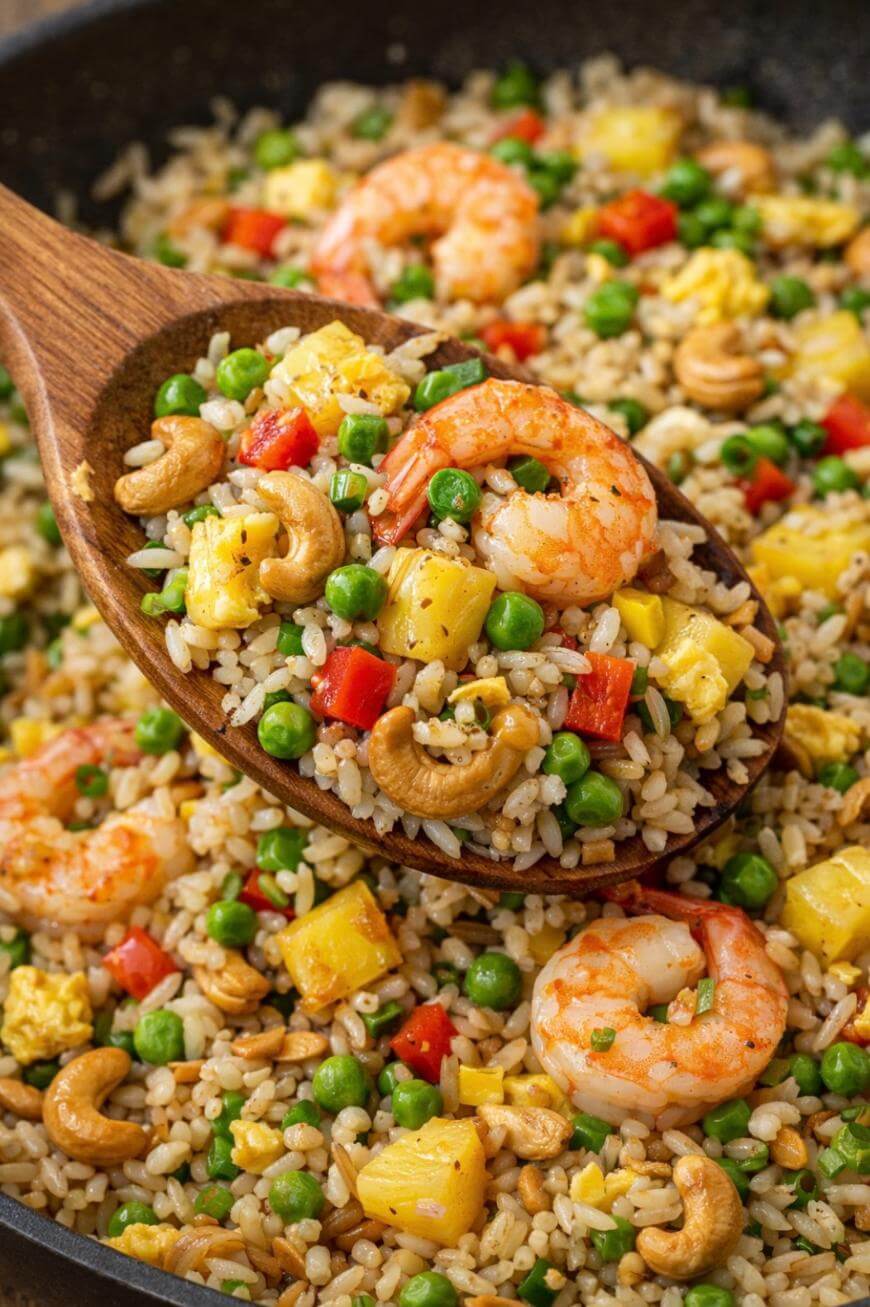
28. Store And Reheat Without Ruining Texture
Cool leftovers quickly and refrigerate in airtight containers for up to 4 days. Reheat in a skillet with 1–2 teaspoons water, stirring until hot.
If you microwave, cover with a damp paper towel to keep rice from drying out. Add nuts and fresh scallions after reheating so they stay crisp.
Get the exact measurements and step-by-step instructions in the recipe card below.

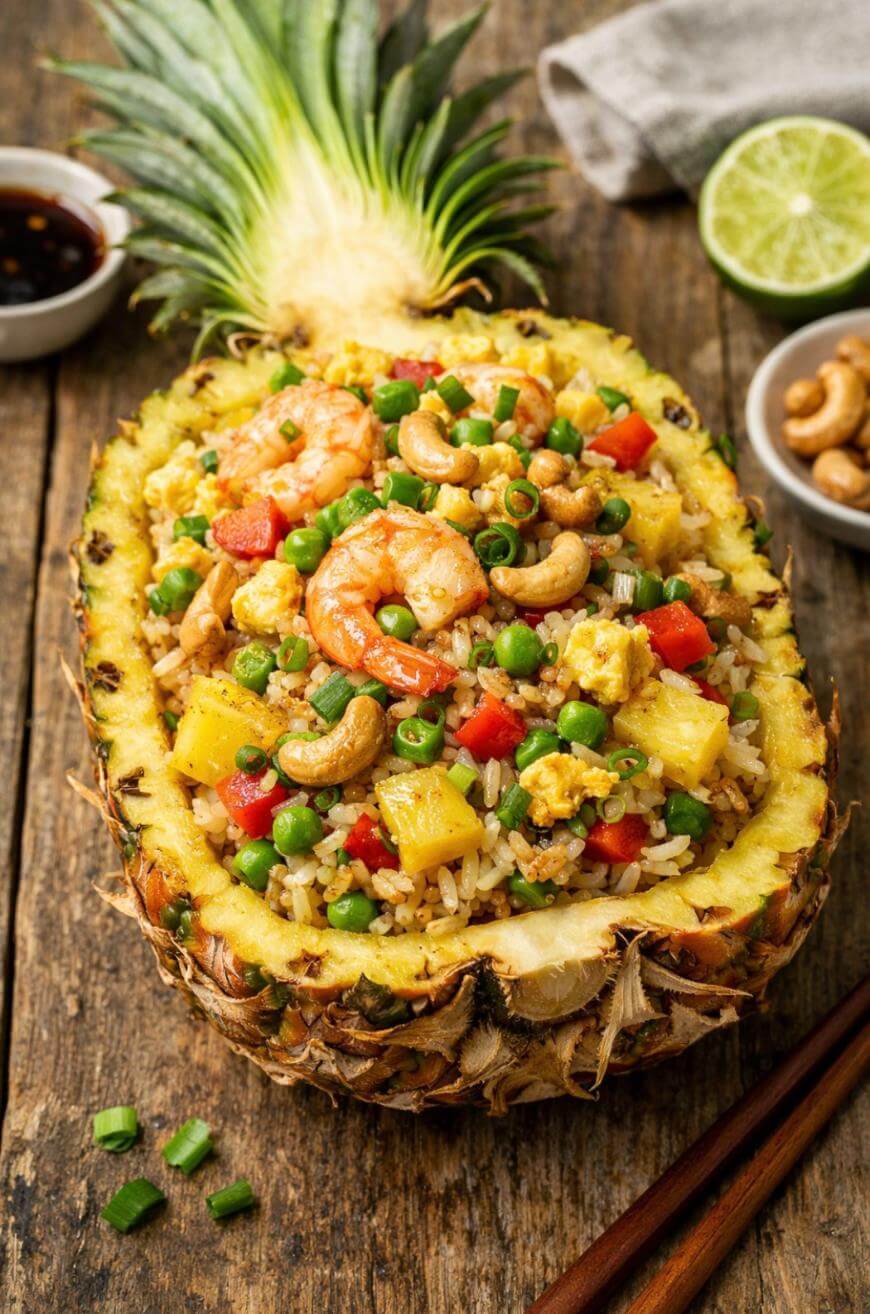
Pineapple Fried Rice
A sweet-and-savory stir-fried rice loaded with juicy pineapple, crisp vegetables, and your choice of protein, ready in about 30 minutes.
Ingredients
- 3 cups cooked, cold day-old jasmine or long-grain rice
- 1 to 1 1/2 cups pineapple chunks (fresh or canned, well drained)
- 1 to 2 tablespoons high-heat oil (avocado, peanut, canola, or grapeseed)
- 2 cloves garlic, minced
- 1 teaspoon ginger, grated
- 1 to 1 1/2 cups mixed vegetables (peas, diced carrots, bell pepper, corn)
- 2 eggs
- 8 to 10 ounces protein, optional (shrimp, chicken, ham, or tofu)
- 2 tablespoons soy sauce
- 1 to 2 teaspoons lime juice or rice vinegar
- Salt and pepper, to taste
- 1/4 cup toasted cashews or peanuts, optional
- 2 tablespoons scallions, sliced
- Sesame oil, a drizzle
Instructions
- If using protein, heat 1 tablespoon oil in a hot pan and cook until browned and just cooked through. Remove to a plate.
- Add garlic, ginger, and vegetables to the pan and cook 2 to 4 minutes until crisp-tender.
- Add the cold rice, breaking up clumps, and stir-fry 3 to 5 minutes until grains separate and lightly toast.
- Push rice aside, scramble the eggs in the pan, then fold them through the rice.
- Pour in the soy sauce and toss until every grain is coated. Return the cooked protein to the pan.
- Add the pineapple and toss briefly just to warm it through.
- Turn off the heat and stir in sesame oil, lime juice, scallions, and nuts. Taste and adjust seasoning before serving.
Notes
Use cold, day-old rice so it fries into distinct grains instead of turning gummy or sticky. Pat pineapple dry before cooking, especially if using canned, so the pan stays hot and the rice doesn't turn soggy.
Nutrition Information:
Yield:
4Serving Size:
About 1 1/2 cupsAmount Per Serving: Calories: 420Total Fat: 13gSaturated Fat: 3gSodium: 680mgCarbohydrates: 55gFiber: 3gSugar: 9gProtein: 18g
This site provides estimated nutritional information. This information comes from online calculators. Although we try to provide accurate nutritional information, these figures are only estimates.
Key Takeaways
Cold rice gives you the best fried rice texture.
Dry pineapple well so the pan stays hot.
Use a large pan and medium-high heat to avoid steaming.
Start with a simple sauce, then adjust after tasting.
Add pineapple near the end so it stays juicy and distinct.
Finish with lime and crunch for balance.
FAQ
Can You Use Fresh Rice Instead Of Day-Old Rice?
Yes, you can, but you should chill it first. Cooling it for 30–45 minutes helps it dry so it fries instead of turning sticky.
What Is The Best Protein For This Dish?
Shrimp and chicken are the easiest and most balanced options. Tofu and edamame are great if you want a vegetarian version with good texture.
How Do You Prevent Soggy Pineapple Fried Rice?
You prevent sogginess by using cold rice and drying the pineapple. Cooking in a hot, uncrowded pan also helps moisture evaporate fast.
Can You Freeze It?
Yes, you can freeze it for up to 2 months in airtight containers. The pineapple will soften after thawing, so add crunchy toppings after reheating.