Last updated: July 4, 2026
Pizza is only as good as what goes on top of it, and the world of pizza toppings is vastly more exciting than most home cooks realize. These pizza topping ideas cover everything from the finest Italian classics to unexpected gourmet combinations that will completely change how you think about homemade pizza.
Classic Pizza Topping Ideas Done Right
The classics earned their status for a reason. These pizza topping ideas produce the traditional results that have made certain combinations beloved for generations.
Margherita: San Marzano Tomato, Fresh Mozzarella, Basil
The greatest pizza topping combination in the world is the simplest: San Marzano crushed tomatoes, buffalo mozzarella torn by hand, and fresh basil added after the pizza comes out of the oven. The quality of each ingredient determines everything.
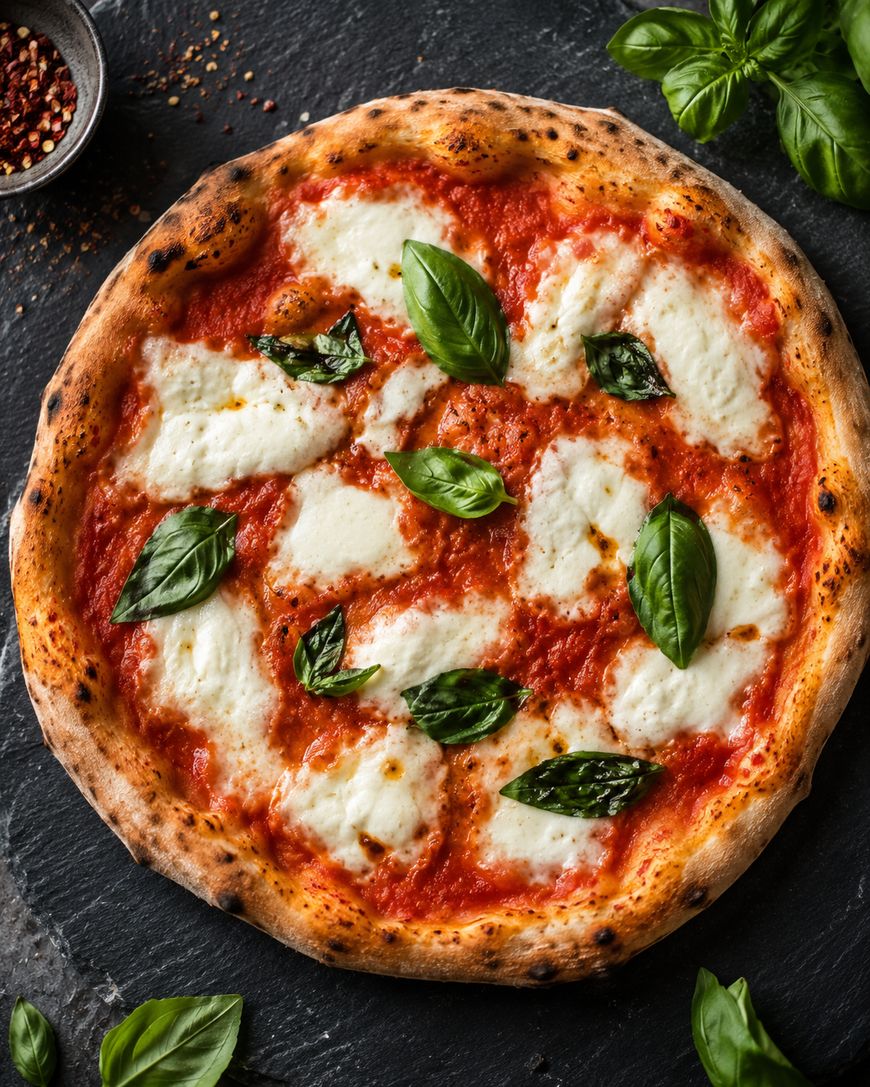
Use Cento or La Valle canned San Marzano tomatoes, Belgioioso or Di Stefano fresh mozzarella, and fresh basil from a living plant rather than a plastic clamshell. The result is extraordinary when the ingredients are this good.
Classic Pepperoni and Hot Honey
Standard pepperoni becomes something exceptional when finished with a drizzle of hot honey immediately after baking. The spice and fat of the pepperoni combined with the sweetness and heat of hot honey (Mike’s Hot Honey is the definitive brand) creates one of the most craveable flavor profiles in pizza.
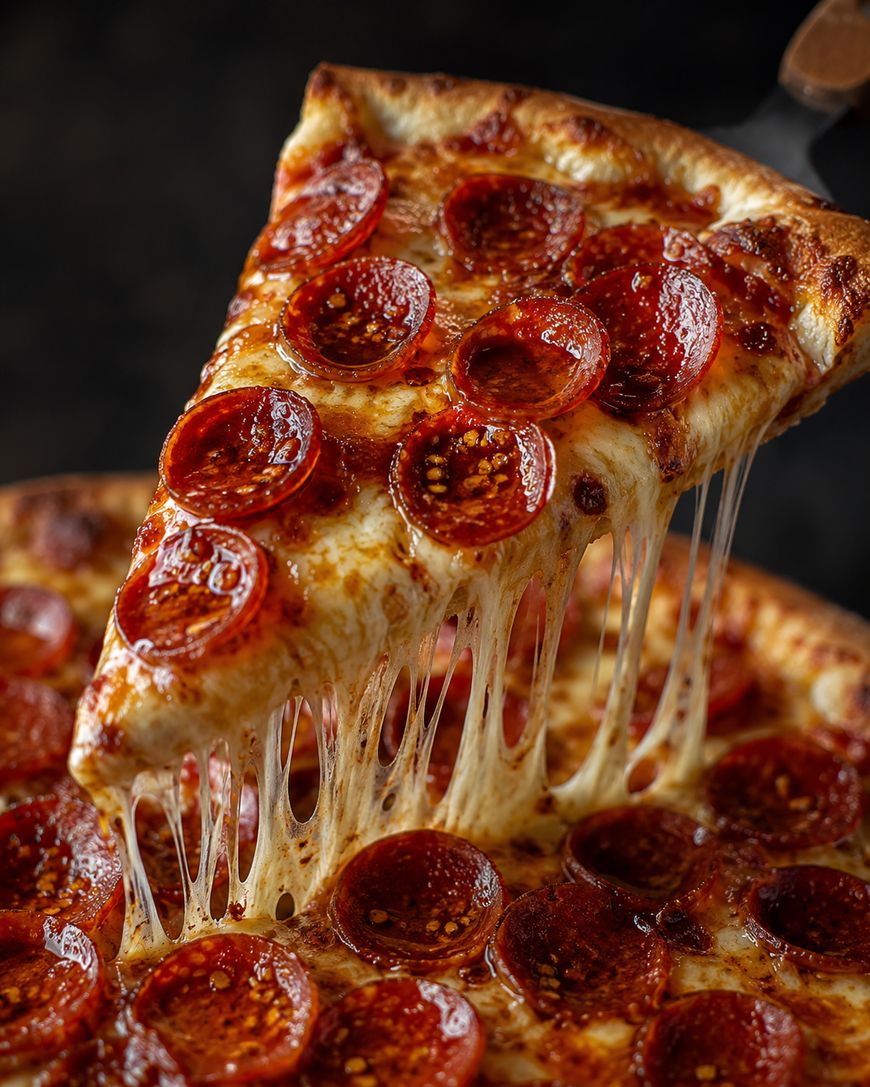
Cup and char pepperoni (which curls up and crisps at the edges) is dramatically better than flat pepperoni. Boar’s Head and Vermont Smoke and Cure both make excellent versions widely available at grocery store deli counters.
Sausage and Fennel
Italian sausage crumbled and cooked on pizza alongside thinly sliced fresh fennel is a combination that appears on menus at serious pizza restaurants like Una Pizza Napoletana and Motorino for a reason. The anise flavor of fennel complements the fennel seed already present in most Italian sausage.
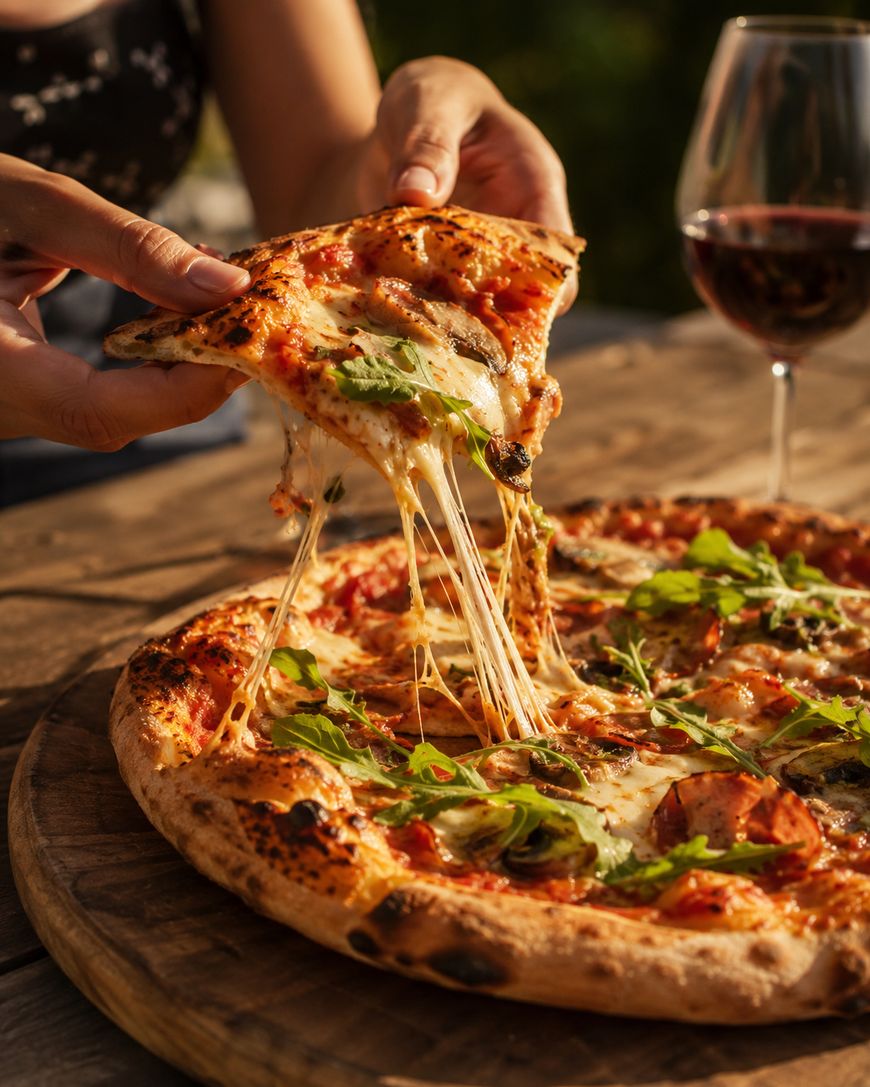
Remove the sausage from its casing before cooking and break it into rough, irregular pieces. Irregular pieces create more surface area and more caramelized flavor than uniform rounds.
Four Cheese Pizza
A four cheese pizza (quattro formaggi) uses mozzarella for pull and creaminess, Parmigiano Reggiano for salt and umami, Gorgonzola dolce for funk and creaminess, and Fontina for nuttiness and melt. Each cheese contributes something the others cannot.
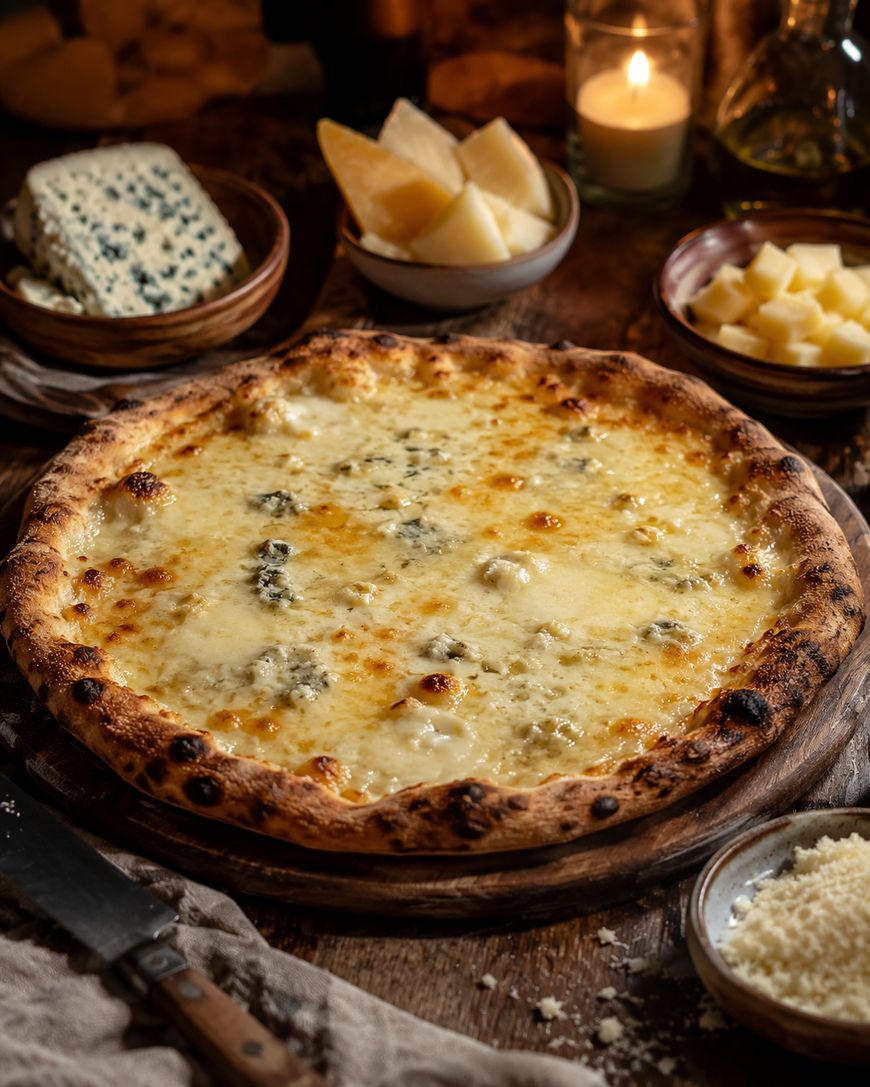
Apply the cheeses in this order: mozzarella as the base layer, then Fontina, then Parmigiano, then small dollops of Gorgonzola. The heat distribution ensures even melt across all four cheeses.
Prosciutto and Arugula
Thinly sliced prosciutto di Parma and a handful of fresh arugula dressed with lemon juice and olive oil, added immediately after the pizza comes out of the oven, is a combination found across Italy and celebrated for good reason. The prosciutto softens from the residual heat without fully cooking, and the peppery arugula cuts through the richness.
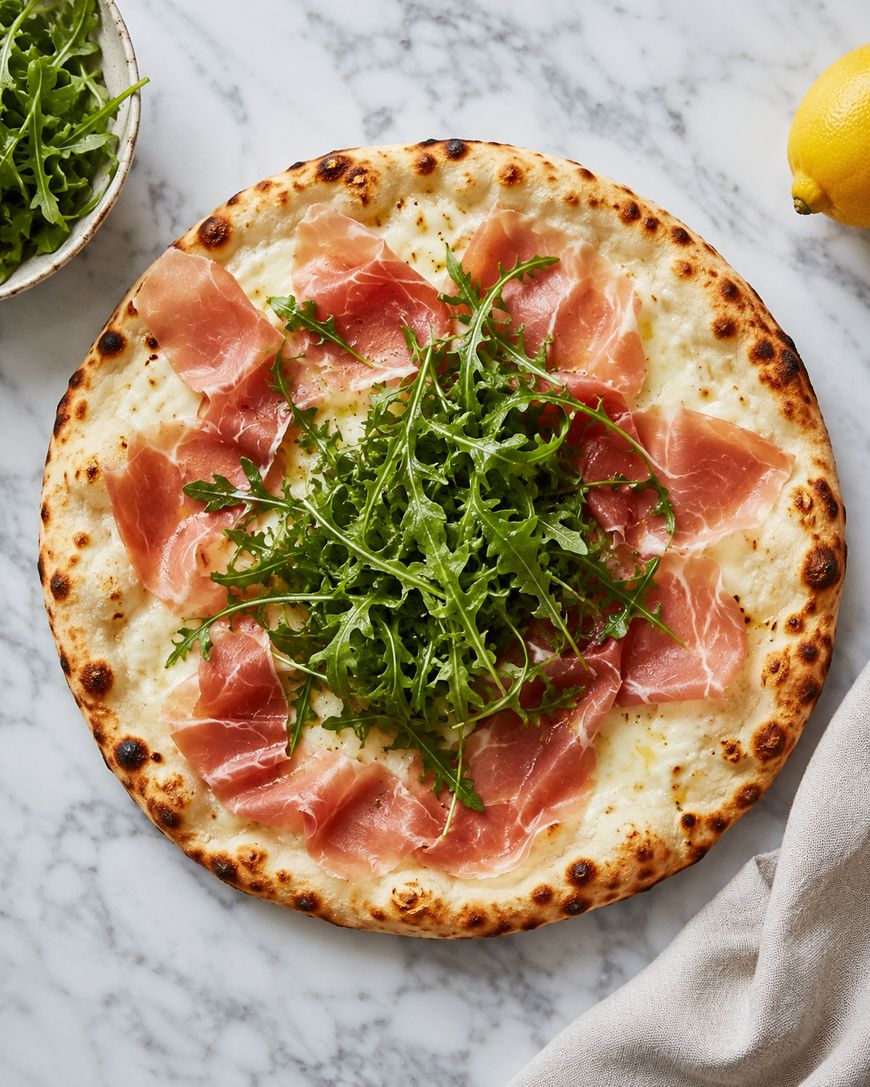
This combination requires a white pizza base (no tomato sauce) with mozzarella and a smear of ricotta. It is one of the most elegant pizza topping ideas on this list.
Gourmet Pizza Topping Ideas
These pizza topping ideas push further into sophisticated territory while remaining achievable at home.
Fig, Prosciutto, and Gorgonzola
Fresh or dried figs, torn prosciutto, Gorgonzola dolce, and a drizzle of balsamic glaze on a white pizza base with mozzarella is a combination that reads as genuinely luxurious. The sweetness of fig, the salt of prosciutto, and the sharpness of Gorgonzola create a three-way contrast that makes every bite different.
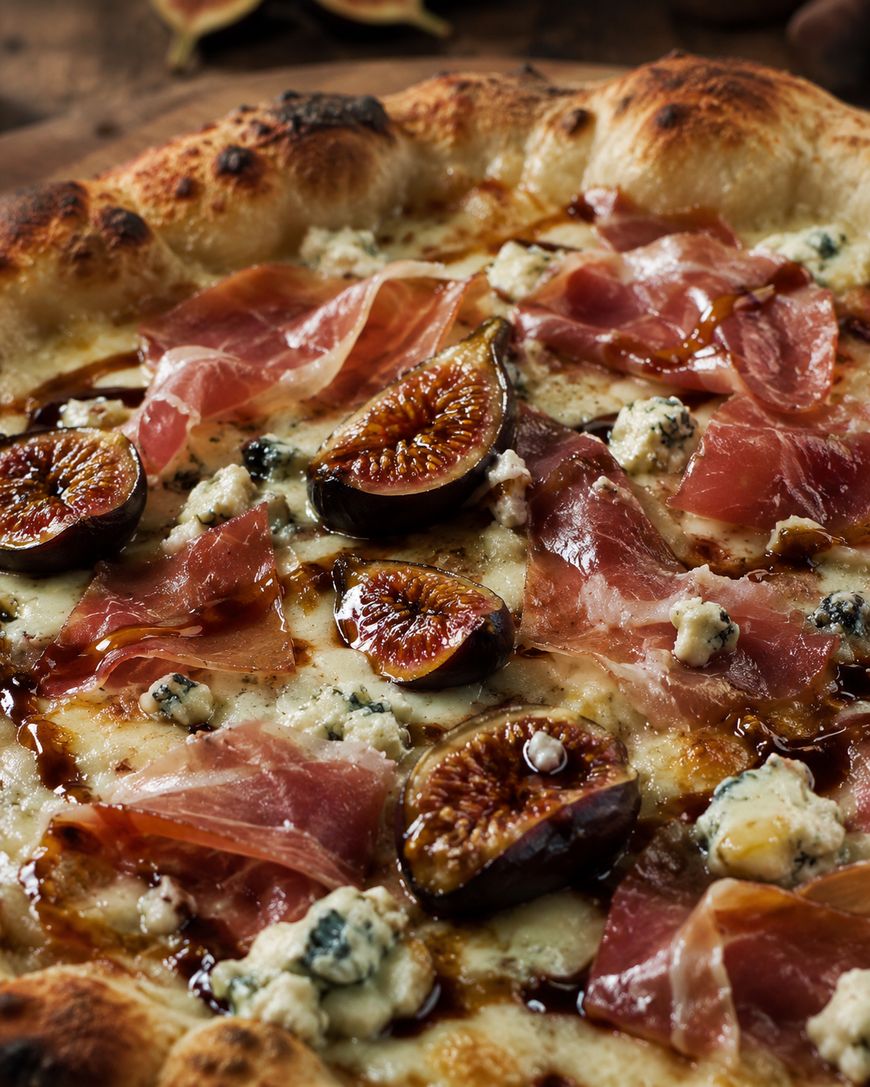
Use Divina dried Calimyrna figs or fresh Black Mission figs when in season. Balsamic glaze from Trader Joe’s or Alessi is an excellent pantry staple for this combination.
Truffle, Mushroom, and Fontina
A white pizza base with a thin layer of truffle oil, sauteed wild mushrooms (shiitake, cremini, and oyster), melted Fontina, and fresh thyme is one of the most indulgent pizza topping combinations you can make at home. The truffle and mushroom combination is umami-driven and deeply satisfying.
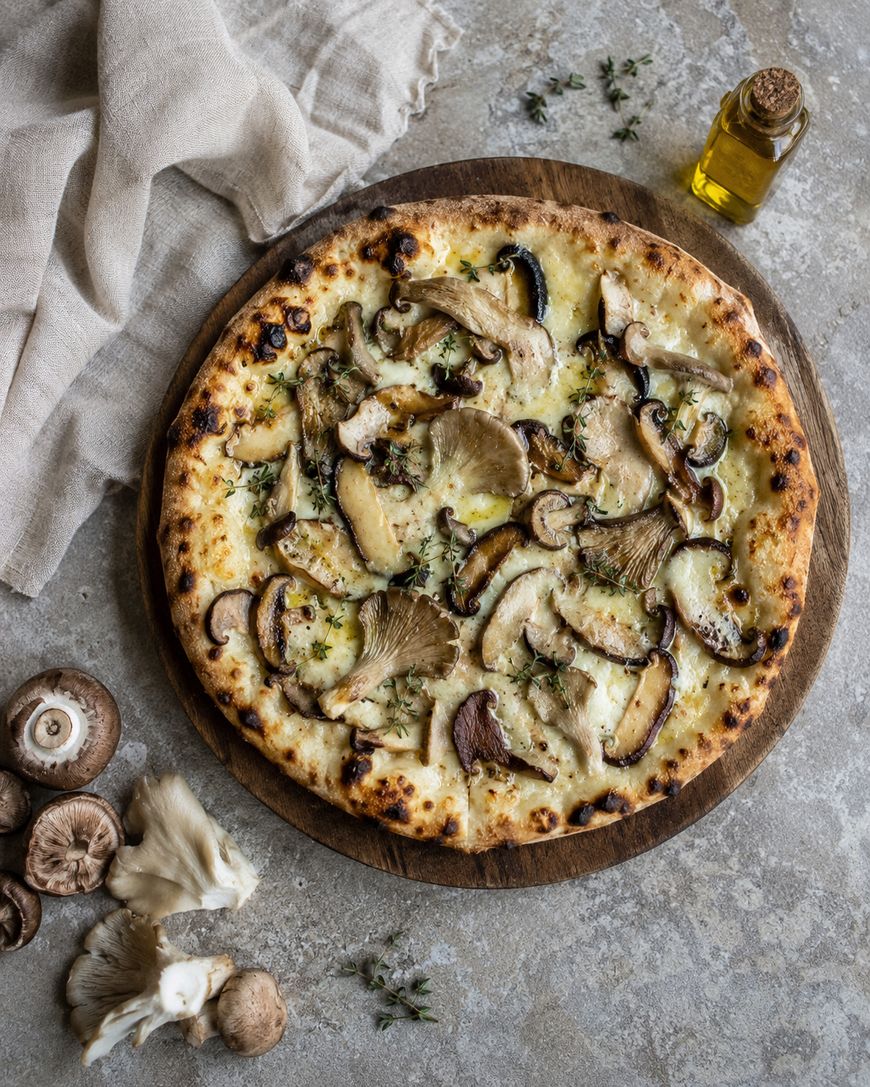
Use a very light hand with truffle oil, which is powerful and can overwhelm. A teaspoon or two drizzled after baking is sufficient.
Burrata, Heirloom Tomato, and Basil Oil
Place a full ball of burrata in the center of a freshly baked pizza and arrange sliced heirloom tomatoes around it, then drizzle with basil oil (blend fresh basil with olive oil in a 1:4 ratio). This combination is best in late summer when heirloom tomatoes are at peak sweetness.
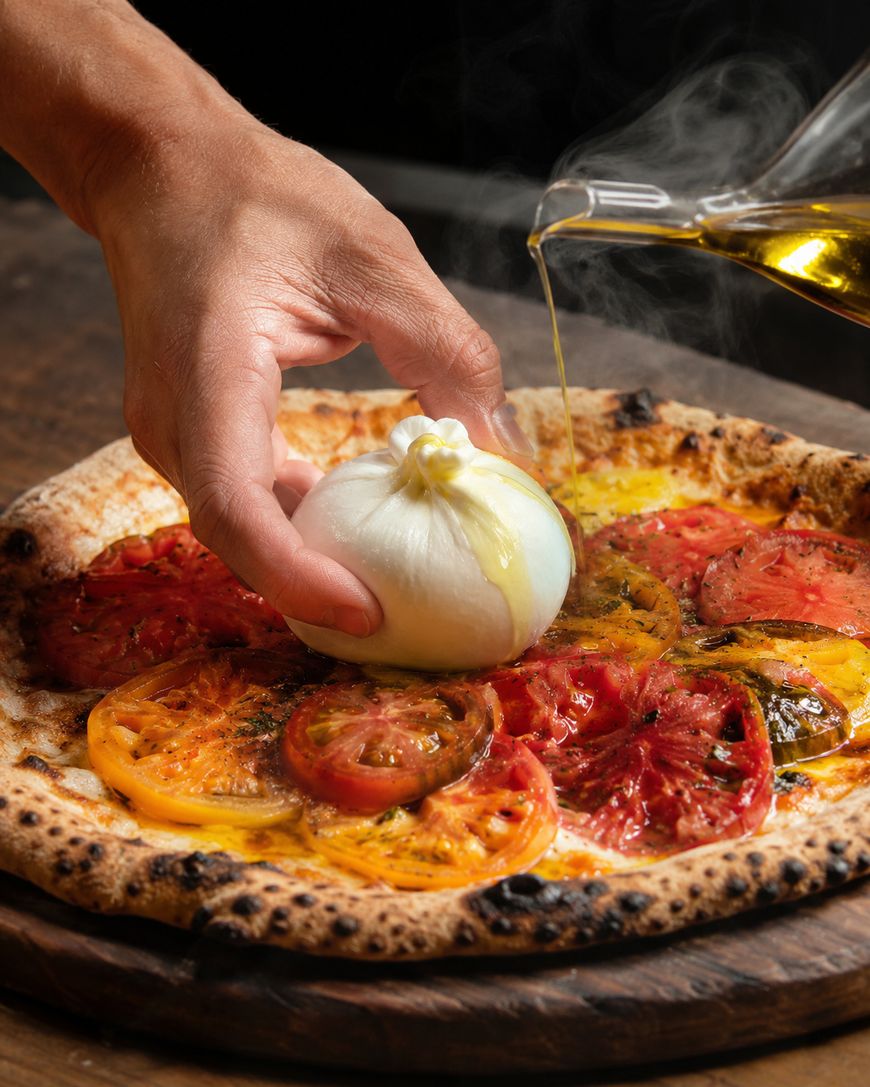
The burrata melts slightly from the heat of the pizza and spreads across the surface as you cut it. This is one of the most visually striking pizza topping ideas for entertaining.
Clam and Bacon White Pizza
The white clam pizza, made famous by Frank Pepe Pizzeria Napoletana in New Haven, Connecticut, uses littleneck clams, crispy bacon, olive oil, garlic, oregano, and Pecorino Romano on a thin crust with no tomato sauce and no mozzarella. It is unlike any other pizza and genuinely extraordinary.

Use canned chopped clams in their juice (Bar Harbor is an excellent brand) if fresh clams are unavailable. Drain most of the liquid but reserve a tablespoon to drizzle over the pizza before baking.
Smoked Salmon and Creme Fraiche
A cold-smoked salmon pizza uses a pre-baked crust spread with creme fraiche, topped after cooling with thinly sliced smoked salmon, capers, red onion, and fresh dill. This is strictly a room-temperature or cool-serve pizza.
The combination tastes like a very good bagel and lox, but in pizza form. It makes an extraordinary brunch centerpiece.
Vegetarian Pizza Topping Ideas
Vegetables make some of the most compelling pizza topping ideas when prepared with the right techniques.
Roasted Garlic and Ricotta
Whole heads of garlic roasted in olive oil until completely soft and caramelized, then squeezed directly onto a pizza with whole-milk ricotta, mozzarella, and black pepper, creates one of the most savory vegetarian pizzas imaginable. Roasted garlic loses all its sharpness and becomes sweet, nutty, and spreadable.
Roast garlic at 400 degrees Fahrenheit for 45 minutes wrapped in foil with olive oil. One full head per pizza is the right quantity.
Caramelized Onion and Gruyere
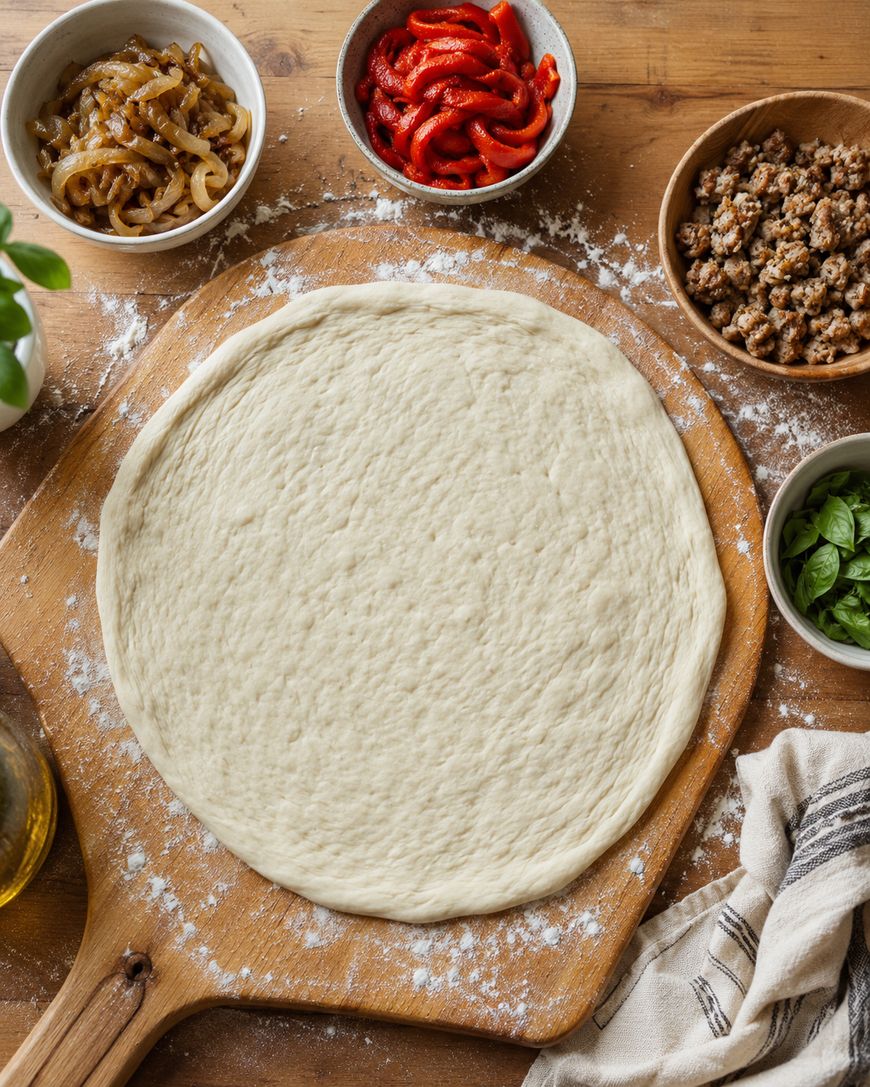
Deeply caramelized onions (cooked low and slow for 45 to 60 minutes until jammy and dark golden) paired with melted Gruyere and fresh thyme on a pizza crust create a flavor profile that resembles the best French onion soup in pizza form. This combination requires patience but delivers extraordinary results.
Add a teaspoon of balsamic vinegar to the onions during the last 5 minutes of cooking to deepen the sweetness. Do not rush the caramelization; the flavor development at low temperature is the entire point.
Roasted Vegetable Medley
Roasting vegetables before putting them on pizza is the step most home cooks skip and the reason most vegetarian pizzas disappoint. Roast zucchini, bell peppers, eggplant, and cherry tomatoes separately at 425 degrees Fahrenheit until caramelized before assembling.
Pre-roasting drives out excess moisture that would otherwise make the pizza soggy and concentrates the vegetables’ natural sweetness. The result tastes completely different from raw vegetables placed directly on pizza dough.
Potato, Rosemary, and Garlic
Paper-thin slices of potato, fresh rosemary, sliced garlic, flaky salt, and a generous drizzle of olive oil on pizza dough with no tomato sauce is a traditional preparation from Rome known as pizza bianca. It sounds simple but tastes extraordinary.
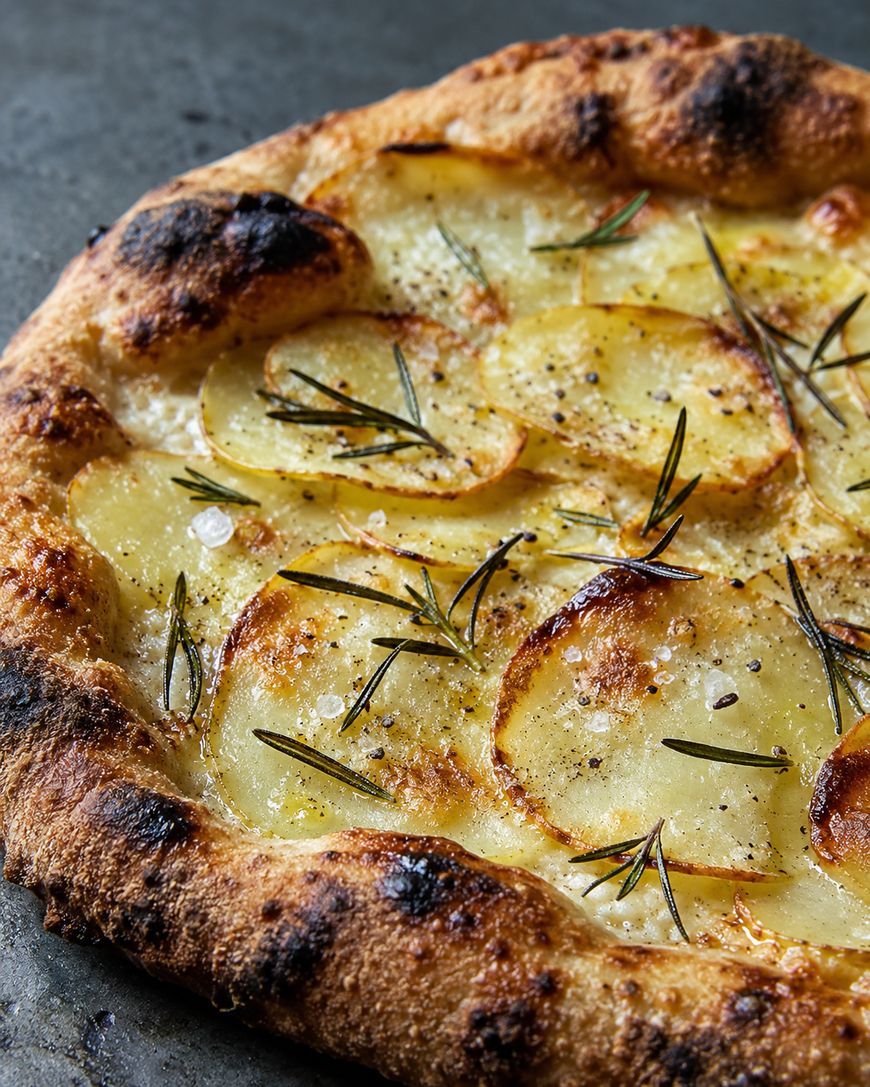
Slice the potato 1 millimeter thin on a mandoline, toss with olive oil, and layer directly on the stretched dough. The potato cooks fully in the oven and becomes lightly crispy at the edges.
Butternut Squash, Sage, and Brown Butter
Cubed butternut squash roasted until caramelized, crispy fried sage leaves, a brown butter drizzle, and crumbled goat cheese on a mozzarella base is a fall pizza that tastes as beautiful as it looks. This combination is served seasonally at Flour + Water in San Francisco and Pizzeria Mozza in Los Angeles.
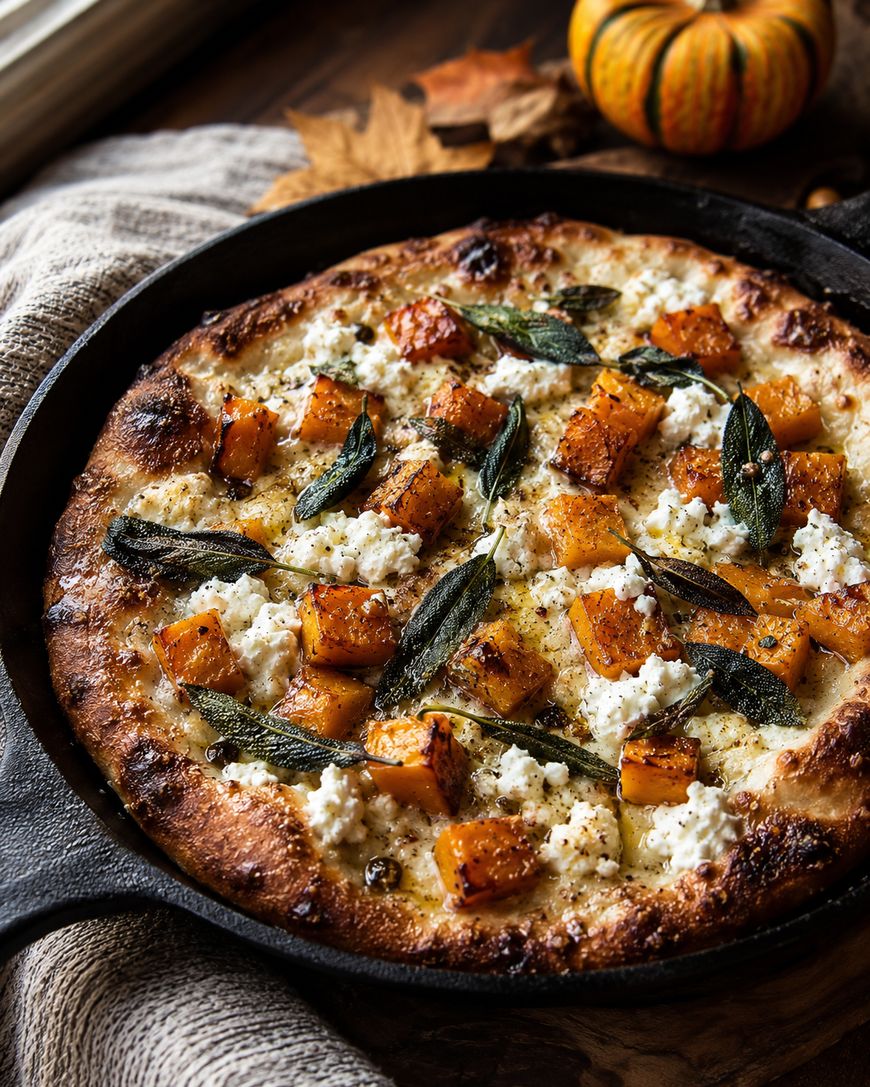
Brown butter by cooking unsalted butter in a light-colored saucepan until the milk solids toast to a deep golden brown and the butter smells nutty. Drizzle it over the finished pizza just before serving.
Questions People Ask About Pizza Topping Ideas
What are the most popular pizza toppings in America?
The most popular pizza toppings in America are pepperoni (ordered on approximately 36 percent of all pizzas), mozzarella, Italian sausage, mushrooms, onions, black olives, green peppers, fresh garlic, and bacon. Pepperoni alone accounts for around 251 million pounds consumed on pizza annually in the United States.
What toppings go well with each other on pizza?
The most successful pizza topping combinations balance fat, acid, sweetness, and heat. Pepperoni and hot honey balance salt with sweetness. Prosciutto and arugula balance richness with peppery bitterness. Fig and Gorgonzola balance sweetness with funk. The general principle is that strong, salty, or rich toppings need a counterpoint: something acid, sweet, or fresh.
What should you not put on pizza?
Toppings with very high water content are the most problematic: raw mushrooms, fresh bell peppers, and fresh tomatoes release significant moisture during baking and can make crusts soggy. Pre-cook or pre-roast these toppings before adding them to pizza. Overly wet sauces and too much fresh mozzarella are the other most common causes of soggy pizza at home.
How do you keep pizza toppings from making the crust soggy?
Pre-cook or roast high-moisture vegetables before adding them to pizza. Use less sauce than you think you need (a thin layer is correct). Use low-moisture mozzarella rather than fresh mozzarella for pizzas cooked in a standard home oven. Bake pizza on a preheated pizza stone or steel at the highest oven temperature your oven reaches.
What are good pizza topping ideas for kids?
Pizza toppings that work well for kids prioritize familiar flavors and mild seasonings: mozzarella, pepperoni, cooked Italian sausage, black olives, cooked mushrooms, canned pineapple, and mild cheddar. A build-your-own pizza station where children choose their own toppings dramatically increases the likelihood they will eat the result.
What is the best cheese for homemade pizza?
The best cheese for homemade pizza depends on the oven temperature. Low-moisture whole-milk mozzarella (like Galbani or Polly-O) melts evenly and browns beautifully in a standard home oven at 500 degrees Fahrenheit. Fresh buffalo mozzarella is ideal for Neapolitan-style pizza cooked at 800 to 900 degrees in a wood-fired oven. Mixing mozzarella with Parmigiano Reggiano and Fontina adds complexity and flavor depth.
Build Your Best Pizza Tonight
The best pizza topping ideas are the ones that match your ingredients, your oven, and the people you are feeding. Start with the best tomatoes and the best mozzarella you can find, and the rest follows naturally.
Pick one combination from this list you have never tried before and make it your next pizza night. With pizza topping ideas this good, homemade pizza will become one of your most requested meals.