Last updated: July 3, 2026
Why Robot Vacuums Deserve a Second Look
Robot vacuums have quietly graduated from novelty gadgets to genuinely useful household tools. Most people start their research by searching for the robot vacuum to browse model comparisons and feature breakdowns—but those lists rarely help you figure out which device actually suits your home and lifestyle. Whether you’re battling pet hair, trying to reduce allergens, or simply keeping daily dust under control, the most useful thing you can do upfront is understand what these machines genuinely offer and where they consistently fall short. Robot vacuums are tools, not magic solutions—and knowing the difference will save you a lot of frustration.
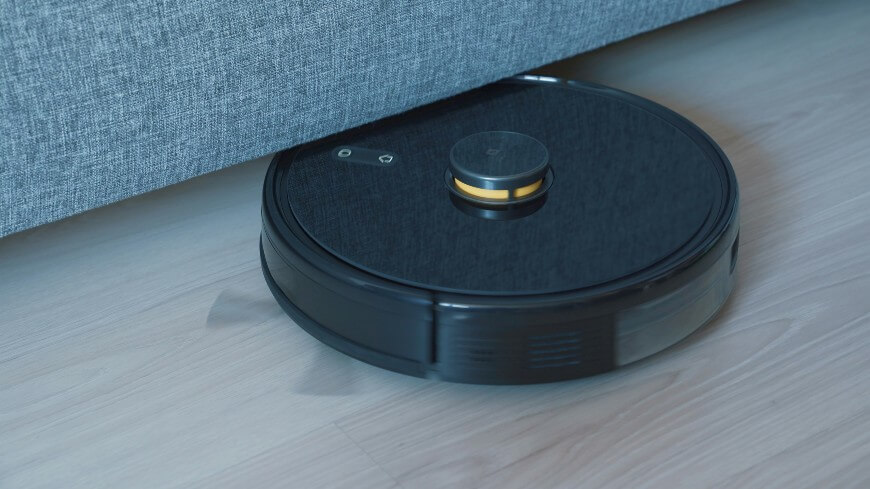
What Robot Vacuums Can (and Can’t) Do
A typical robot vacuum combines sensors, suction, and brush rolls to navigate a space and collect debris before returning to its dock. The sophistication of that navigation varies considerably: older models bounce around using basic bump-and-infrared systems, while modern ones rely on LiDAR or camera-based mapping to plan efficient, systematic routes through a room.
That said, there’s an important distinction worth keeping in mind—robot vacuums are built for maintenance cleaning, not deep cleaning. They struggle with cluttered floors, loose cables, high-pile rugs, and uneven door thresholds. A household with pets, for instance, might run a robot vacuum daily to stay on top of shedding, but still pull out a traditional vacuum weekly to properly handle stairs, edges, and upholstery. One device rarely does it all.
Key Factors to Consider Before Buying
Before you get drawn in by specs and star ratings, take an honest look at your home:
- Floor type: Hard floors are generally well-suited to systematic cleaning; thick or plush carpets demand stronger suction and purpose-designed brush rolls.
- Layout: Open-plan spaces are where robot vacuums thrive; rooms packed with furniture and obstacles significantly limit their effectiveness.
- Pets: Homes with shedding animals need robust suction, tangle-resistant brush rolls, and a willingness to empty the bin far more often than you’d expect.
- Daily habits: If your floors are regularly covered with toys, shoes, or laundry, you’ll spend more time rescuing the device than it saves you.
When it comes to features, navigation quality is more important than raw suction power—a well-mapped cleaning route will outperform brute-force suction in real-world conditions every time. Battery life, dustbin capacity, and noise level all influence how naturally the device fits into your day. Smart features like app-based scheduling and no-go zones can be genuinely convenient, but only if you’re prepared to invest the time to configure them properly.
The goal is to match features to your actual habits—not to whatever the marketing copy promises.
Robot Vacuums Within a Broader Cleaning Routine
Robot vacuums work best when they’re one part of a cleaning ecosystem rather than the whole of it. A practical setup might look something like this: the robot handles daily floor maintenance, a stick vacuum takes care of corners and upholstery once a week, and a mop—manual or robotic—manages wet cleaning on hard floors. No single tool covers every task, and if you’re not willing to adapt your space or routines at all, you’re unlikely to get full value from the investment.
Getting the Most From Your Device
Setup matters far more than most buyers anticipate. Running a full mapping session before scheduling regular cleans, tidying away cables, and configuring no-go zones all go a long way toward preventing the device from getting stuck or leaving patches uncleaned. Ongoing maintenance is equally important—emptying the bin regularly, cleaning the filters, and removing hair from the brush rolls directly affects suction quality and how long the machine lasts.
Reading Reviews Without Bias
Lab-based tests are useful for measuring objective performance across different floor types and obstacle scenarios. Long-term user reviews, on the other hand, reveal things labs can’t easily capture: app reliability, build durability, and how well a company handles support. Both sources have their place. Avoid fixating on a single metric like price or suction rating, and factor in the ongoing cost of replacement filters and brushes—those expenses add up over time.
What Long-Term Owners Wish They’d Known
Seasoned robot vacuum owners will almost universally tell you that the first few weeks involve a fair amount of trial and error with mapping and scheduling. Many also discover, over time, that reliability and simplicity matter far more than headline features. A well-tested mid-range model will often outperform a flashier, less-proven one in the day-to-day reality of keeping a home clean.
Bringing It All Together
A robot vacuum delivers real, lasting value when it’s chosen based on your specific home, habits, and honest expectations—and when it’s used alongside other cleaning tools rather than as a wholesale replacement for them. “Best of” lists are a reasonable starting point, but the final decision should come down to what actually fits your space and the way you live in it.
“The ‘best’ robot vacuum is the one that fits your home, not the one at the top of a list.”