Last updated: June 26, 2026
There is a particular kind of exhaustion that does not show up on a balance sheet. It lives in the Sunday evening dread, the calendar blocked from 7am to 7pm, the inability to sit through a meal without checking a phone. For high-earning professionals, this is the quiet cost of constant availability. Increasingly, it is why more of them are choosing to step back.
Slow living is not a trend born out of financial necessity. It is a decision made by people who have concluded that how they spend their time matters as much as what they earn.
What Slow Living Actually Means
Slow living is a philosophy built on quality over quantity: the deliberate choice to invest time in things that truly enrich daily life, rather than accumulating possessions for their own sake. The movement has its roots in 1980s Italy, when activist Carlo Petrini launched the Slow Food Movement. Its principles have since spread into interior design, fashion and everyday routine.
Why High Earners Are Reassessing Their Time
The professional world in the UK is under strain. According to the Health and Safety Executive’s 2024/25 annual statistics, nearly one million workers reported stress, depression or anxiety caused or made worse by work that year, above pre-pandemic levels.
For many high earners, burnout is not an abstract risk but a lived experience. Corporate culture treats busyness as a proxy for value, and packed schedules become markers of status even as they erode health.
What is shifting is the definition of wealth. A growing number of professionals are placing time affluence alongside financial security as a real marker of success.
Your Home – a Slow Living Foundation
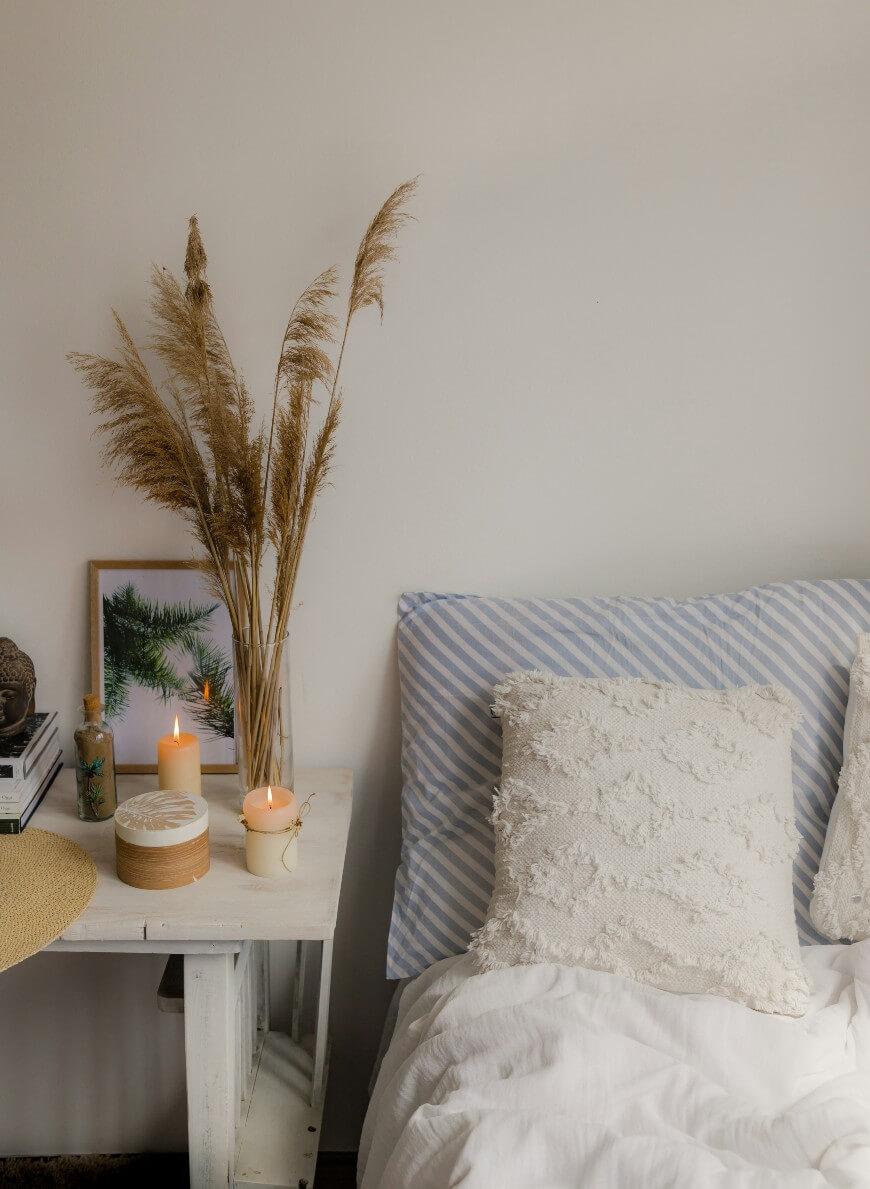
One of the most immediate ways people begin this transition is through their home. Returning to a cluttered space after a demanding day does nothing to help the nervous system recover. A calmer environment becomes part of the solution.
Slow interior design is not minimalism for its own sake. It is about choosing materials and furnishings with intention: pieces built to last, selected for how they feel to live with. Natural textures, warm lighting and clear surfaces support genuine rest.
Decluttering is often the most accessible first step, creating physical and mental space.
Three Steps to Start Slowing Down This Week
A significant lifestyle shift does not require an overhaul. These three changes can be made this week.
- Audit one recurring commitment: Identify one regular obligation that drains more than it gives and remove it. One hour returned to discretionary time marks a real change in direction.
- Redesign your morning: Reserve the first thirty minutes for something that belongs to you: reading, a walk, or sitting without a screen.
- Create one screen-free space at home: Designate a corner where no work takes place. Physical boundaries reinforce mental ones.
Research from INTEGRIS Health indicates that a slower daily pace can lower blood pressure, ease muscle tension and improve sleep quality.
Securing the Freedom to Slow Down
Making the leap from a high-powered career to a more intentional lifestyle requires more than a mindset shift. It demands a realistic look at long-term financial sustainability, so that stepping back from a corporate salary does not compromise future security.
For those looking to fund an early retirement or map out a phased career exit, consulting specialist UK lifestyle financial advisors like PMW Wealth Management can provide the cash-flow modelling needed to protect personal capital. By aligning financial assets with new lifestyle priorities, professionals can embrace a slower pace of life without financial anxiety.
This transition more often unfolds in stages: reducing hours, shifting to consultancy work or building a portfolio that generates independent income. Each path benefits from structured planning put in place well in advance.
A Quieter Life Is Worth Planning For
Slow living is sometimes framed as a privilege. In one sense that is fair: stepping back from a demanding career requires financial groundwork. But that groundwork is precisely what can be put in place, with the right support and lead time.
A fully scheduled life has a real cost. For a growing number of professionals, the return is no longer sufficient.
A slower life is not a lesser one. It is a more deliberate, more considered and ultimately more satisfying version of success.