Last updated: April 22, 2026
This summer road trip packing list is a simple, repeatable set of things you bring so you stay comfortable, safe, and ready for common roadside problems. The simplest approach is to pack for heat plus one cool layer, bring water and snacks, and keep a small “car emergency” kit that never leaves your trunk.
Summer Road Trip Packing List Essentials
1. Put Your True Must-Haves In One Small “Grab Bag”
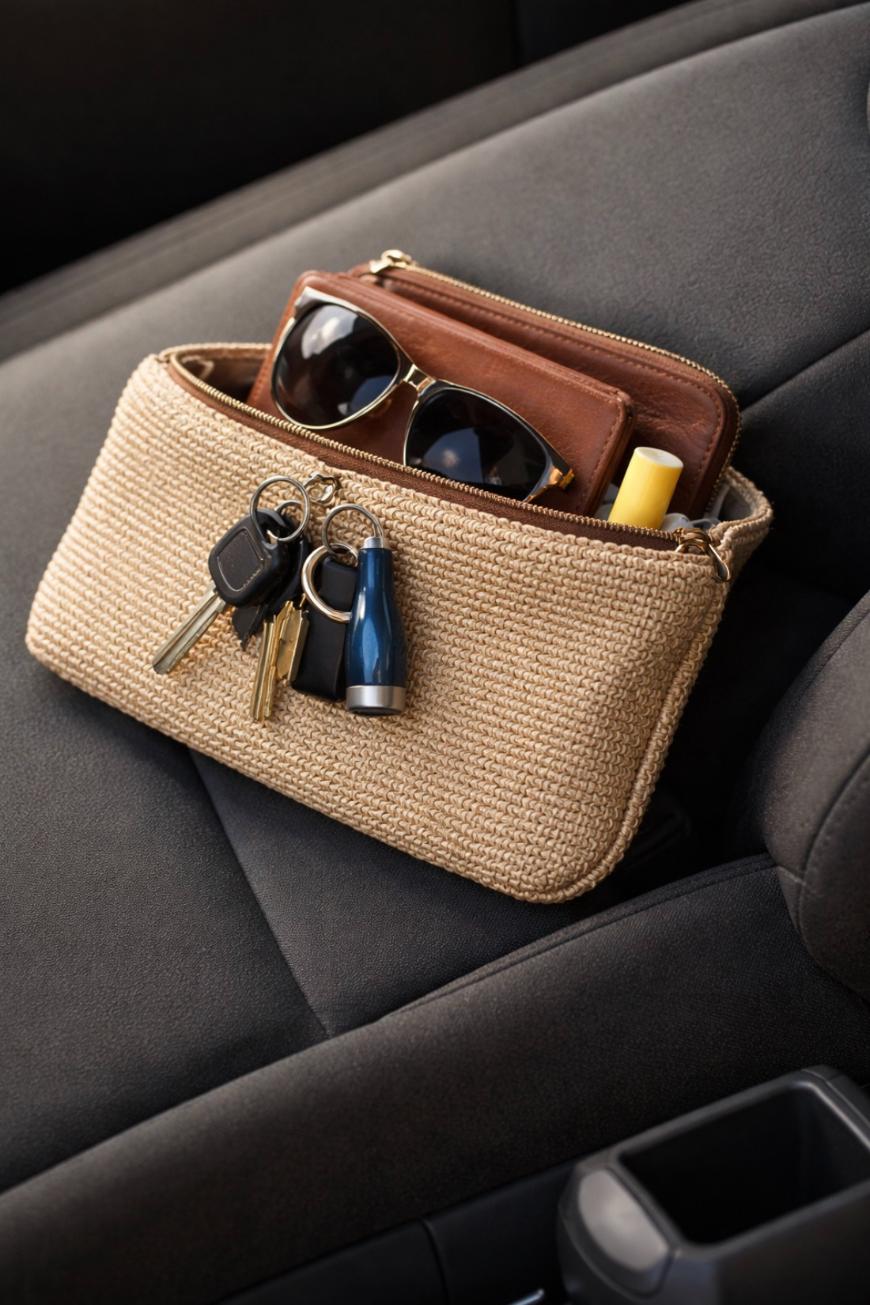
Keep your wallet, ID, keys, sunglasses, lip balm, and earbuds in a single pouch you can carry into bathrooms and stops. This reduces the chance you leave something behind at a gas station.
If you always lose one item, attach it to the pouch with a small clip and make “pouch in hand” your default habit whenever you exit the car.
2. Pack A Refillable Water Bottle For Every Seat
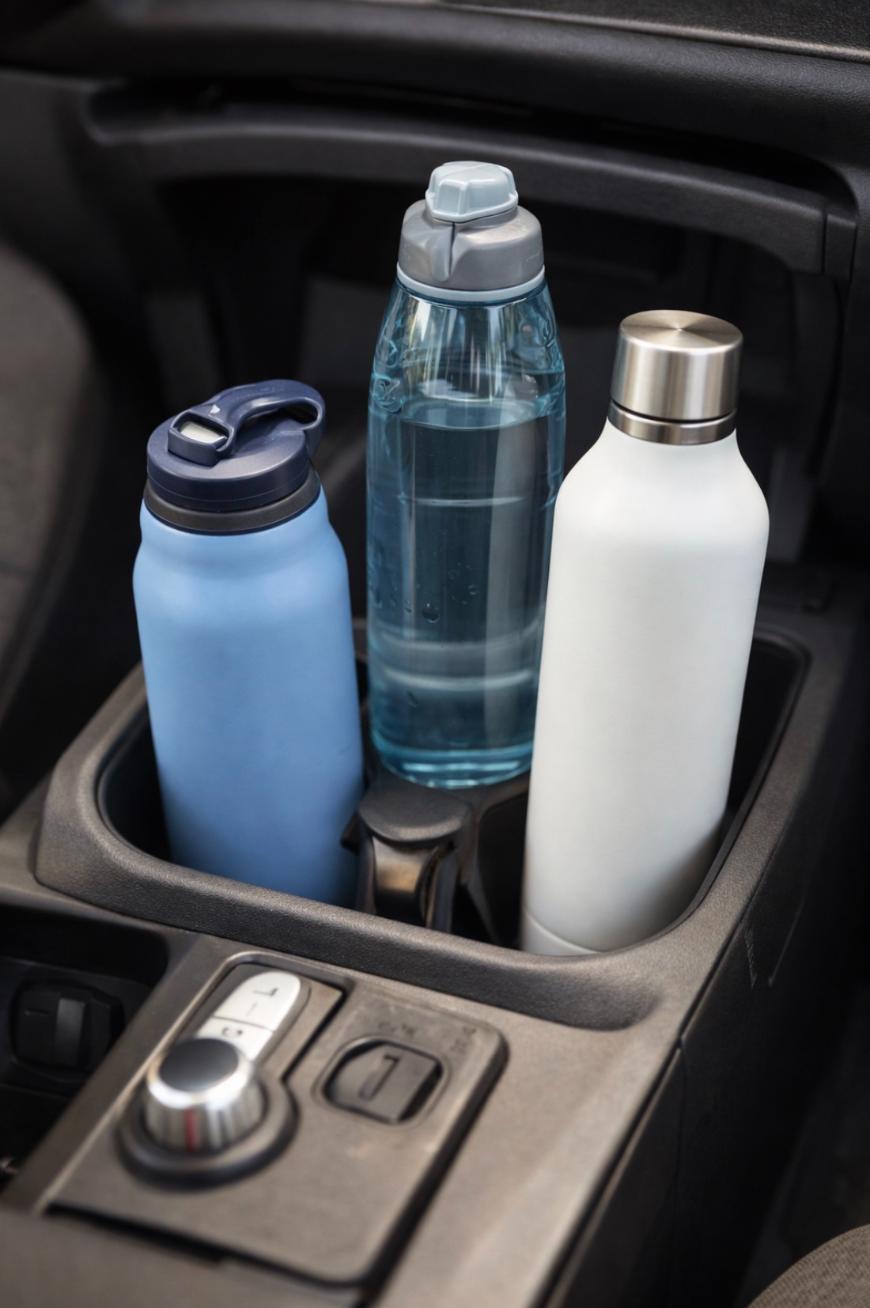
Plan on at least 32 ounces per person for the day, then refill whenever you stop. Summer heat, air conditioning, and salty snacks add up fast.
If you’re driving long stretches, add a backup gallon jug in the trunk and treat it as “do not touch unless you’re low” water.
3. Bring A Cooler That Matches Your Stop Style
A small soft cooler is enough if you stop often, while a hard cooler is better for long highway days. Pick one that fits behind a seat so it’s reachable without unpacking the trunk.
A practical target is space for one day of drinks plus two meals, so you don’t get forced into overpriced roadside food.

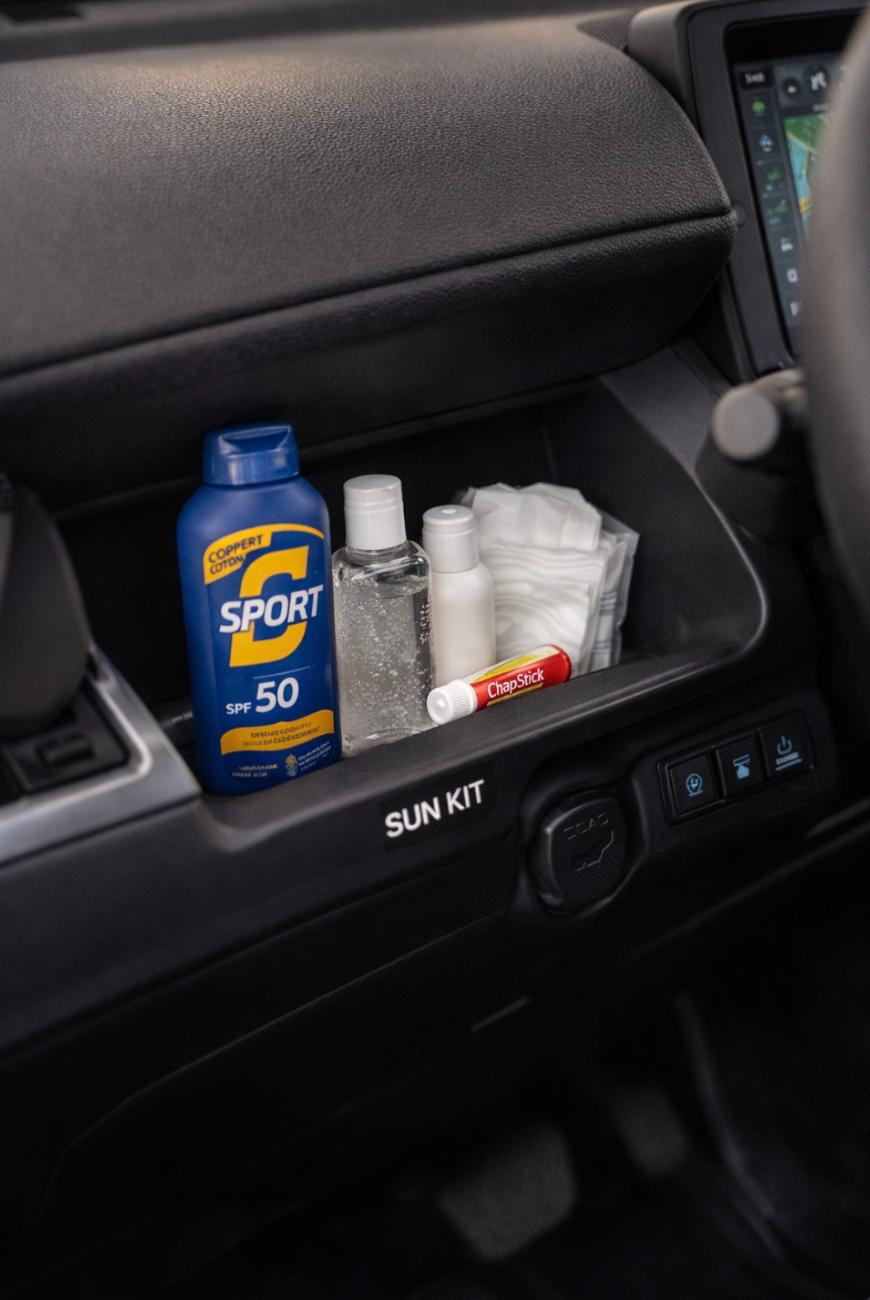
4. Keep A “Sun Kit” In The Front Console
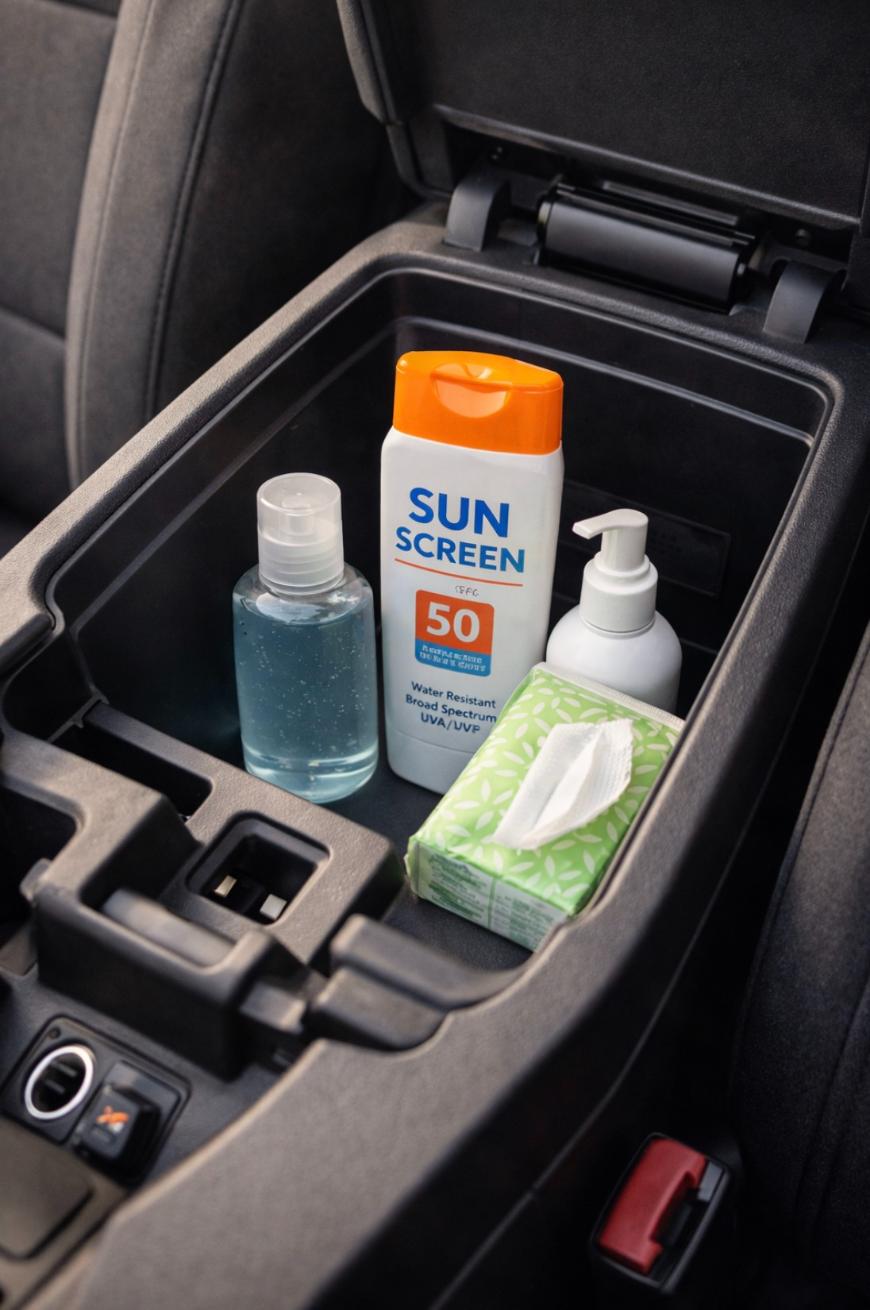
Include sunscreen (SPF 30+), hand sanitizer, tissues, and a small lotion. Sun exposure sneaks up on you during quick exits, scenic stops, and roadside meals.
If you burn easily, reapply every 2 hours and keep a travel-size bottle in the door pocket so it’s effortless.
5. Add A Cooling Towel Or Small Spray Mister
A cooling towel helps when you step out into 90°F+ heat or when the car AC needs time to catch up. It’s also useful for outdoor attractions and long photo stops.
If you’re traveling with kids, this can prevent mood crashes better than another snack.
6. Pack A Basic First Aid Kit You Can Actually Find
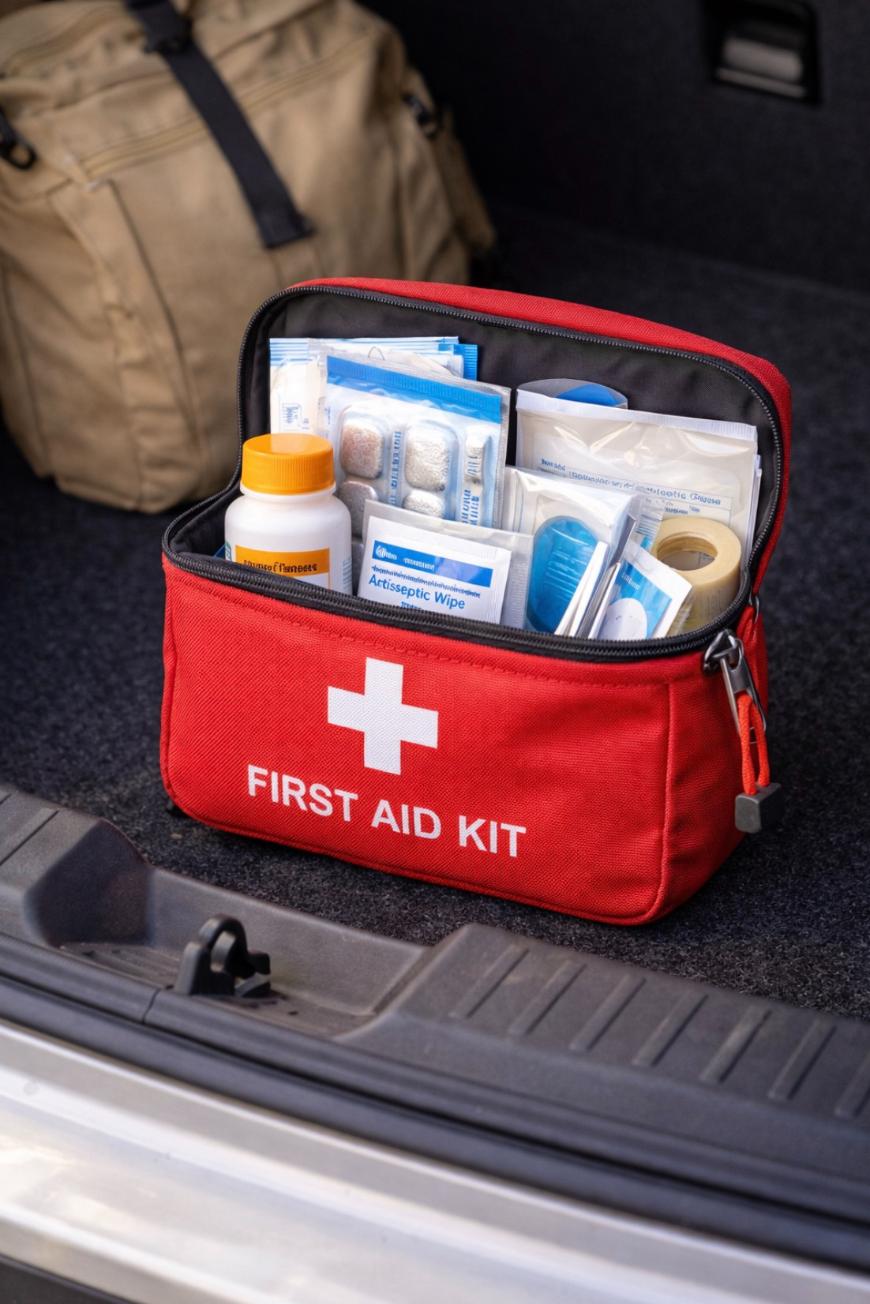
Include bandages, blister pads, antiseptic wipes, pain reliever, allergy meds, and any personal prescriptions. Put it in a bright pouch near the top of your luggage, not buried under clothes.
A simple upgrade is adding tweezers and hydrocortisone, because bug bites and splinters are common on summer stops.
7. Summer Road Trip Packing List For Hot Days
Assume heat will be the default and pack for sweat, sun, and sudden thirst. Your baseline should be breathable clothes, sun protection, and water access without unpacking the car.
If you do only one thing, keep water, sunscreen, and a hat within arm’s reach so you don’t “forget once” and pay for it later.
8. Carry A Compact Emergency Road Kit
Bring jumper cables or a jump pack, a flashlight, reflective triangles, and a basic tool multi-set. Even a simple kit reduces stress when your phone signal is weak.
A good jump pack often costs $60–$120, but it can save you from a tow or a long wait.
9. Include A Tire Plan, Not Just Hope
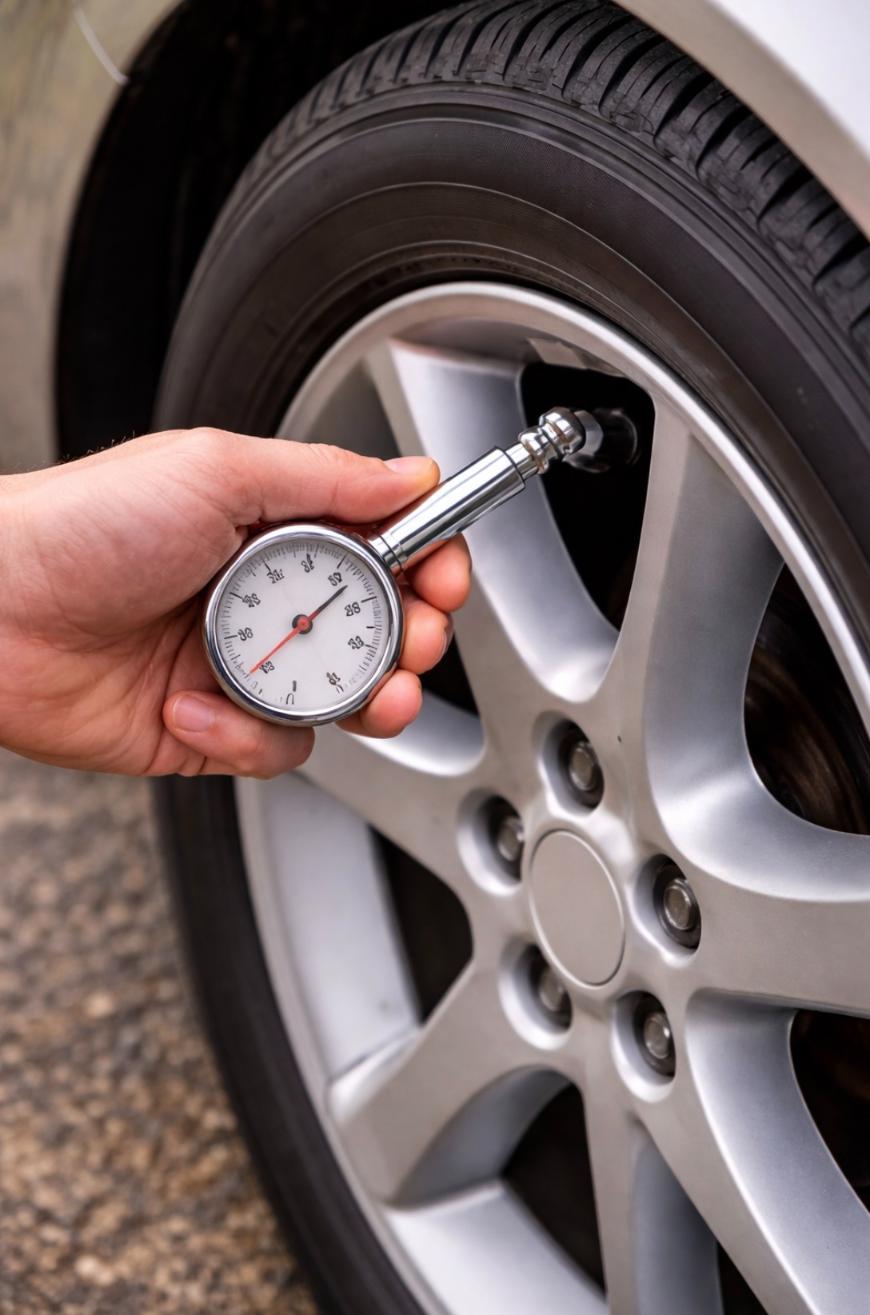
Pack a tire pressure gauge, a small compressor, and know where your spare and jack are. Check tire pressure before you leave and again after your first long hot drive day.
If you don’t want to buy a compressor, plan a rule like “check pressure every 3 fuel stops” and top off at stations with reliable air.
10. Keep A Paper Backup For Directions And Contacts
Save key addresses offline and write down your main hotel or campsite details. Phones die, maps apps glitch, and rural areas can be patchy.
Even one printed page with your route highlights and emergency numbers can prevent a stressful detour.
Clothes That Work For Summer Driving
11. Pack One “Driving Outfit” You Don’t Rotate Out
Choose something soft, breathable, and not restrictive for long sits. When you have a default, you stop overthinking what to wear on early starts.
A simple rule is one driving outfit that stays clean until the trip ends, then goes straight into laundry at home.

12. Add One Warm Layer Per Person
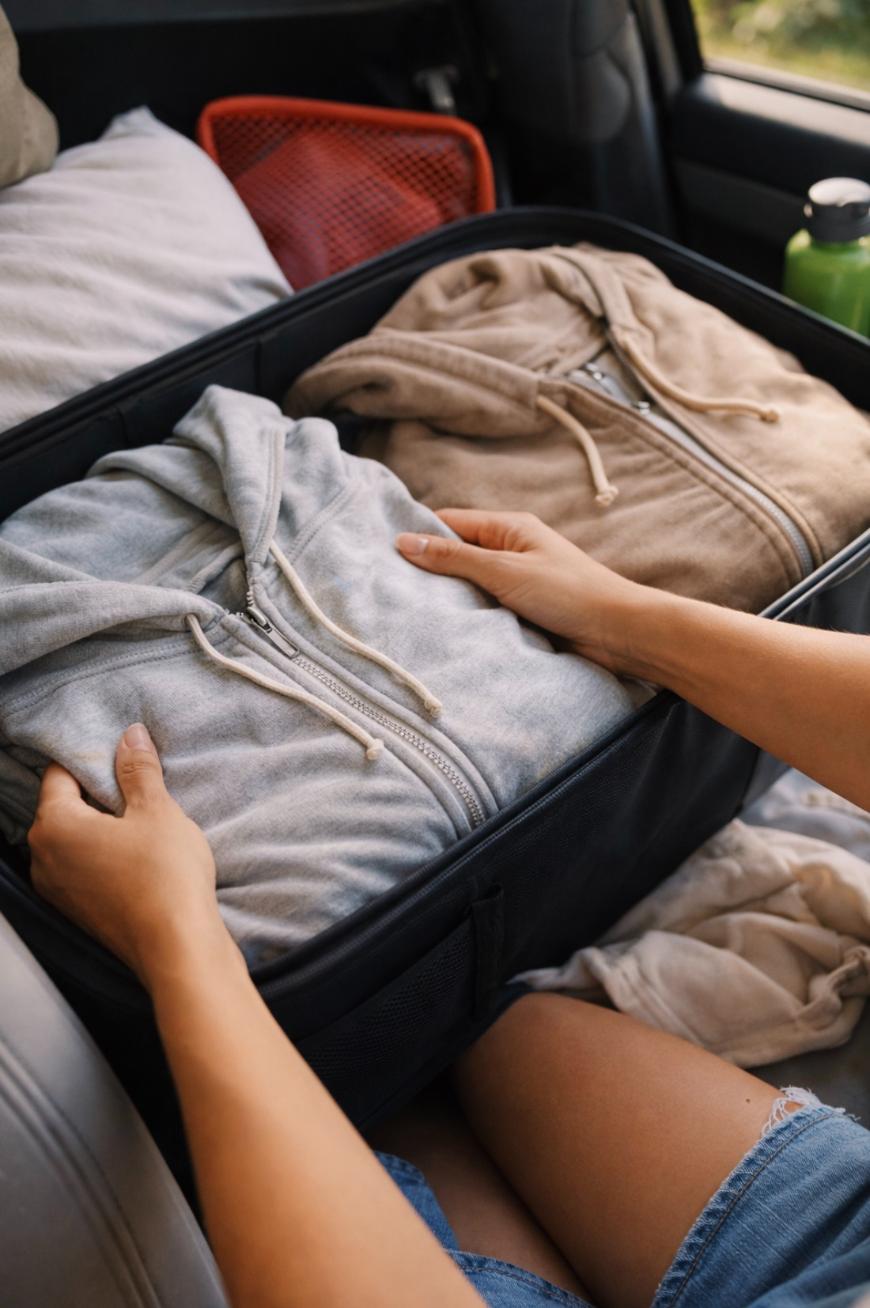
Air conditioning, mountain passes, and rainy evenings can feel surprisingly cold. A light sweatshirt or thin jacket is usually enough.
If you’re short on space, pick one layer that also works as a pillow or lumbar support in the car.
13. Bring Two Pairs Of Shoes With Different Jobs
Pack one pair for walking and one pair for quick stops or beach time. This keeps you from wrecking your main shoes with sand, water, or muddy trails.
If you only want one pair, choose supportive sneakers and add cheap flip-flops as a lightweight backup.

14. Don’t Forget Socks That Prevent Blisters
Heat plus walking equals friction, and blisters can ruin a day. Pack at least one extra pair per person beyond what you think you need.
If you’re doing national parks or lots of city walking, prioritize moisture-wicking socks over cotton.
15. Use A Dirty Laundry System From Day One
Bring one laundry bag or a large tote, and make it the only place dirty clothes go. This prevents the “everything smells like the trunk” problem.
A good habit is to empty pockets into the same bag, so you don’t lose chargers, receipts, or cash.

16. Pack Swimwear Even If You “Probably Won’t Swim”
Summer road trips create surprise swimming opportunities, from hotel pools to lakes to beach detours. One suit takes up almost no space and can save a whole afternoon.
If you hate wet suits in luggage, pack a zip bag so damp items don’t soak everything else.

Comfort And Sleep On The Road
17. Bring A Real Pillow Or A Supportive Travel Pillow
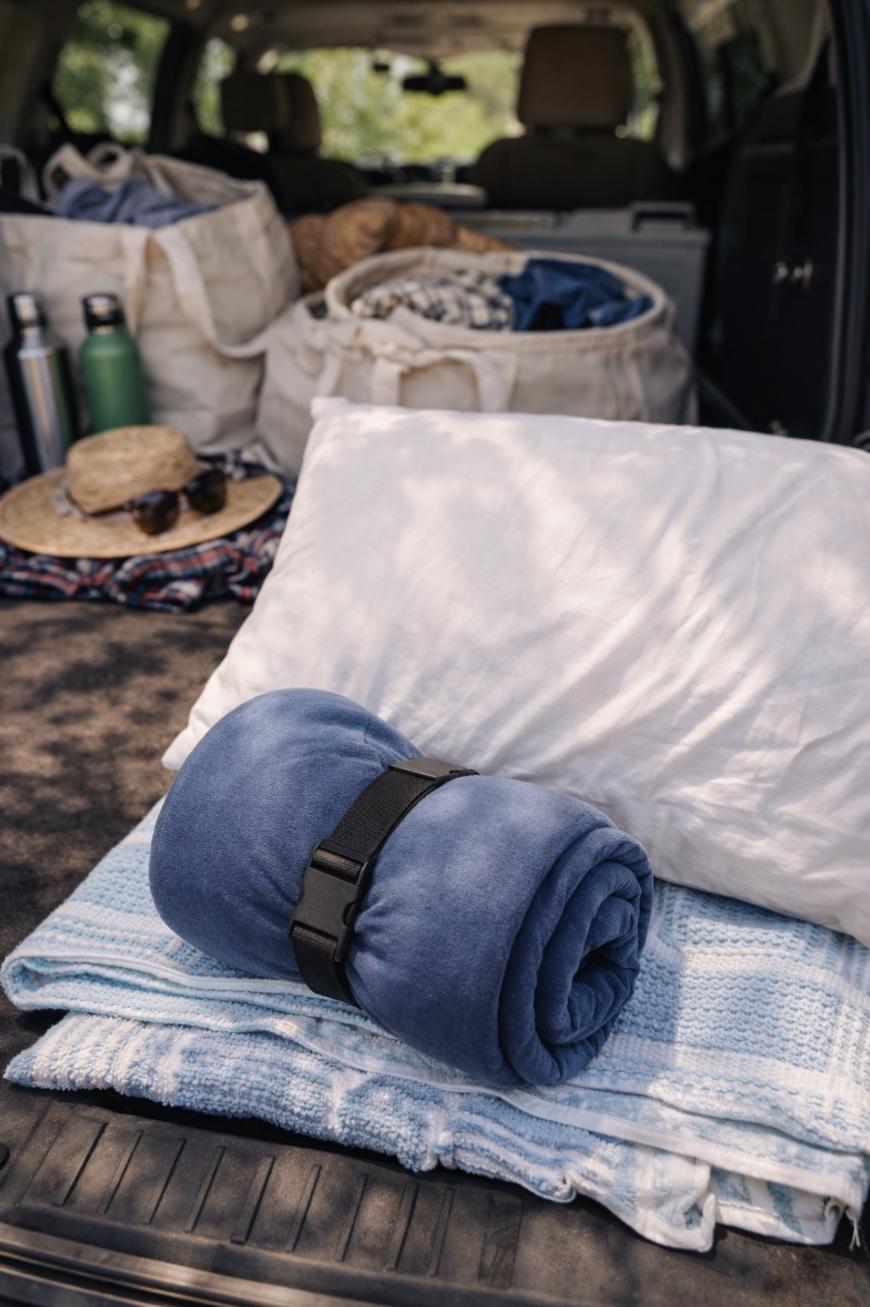
A decent pillow can improve naps, passenger comfort, and hotel sleep quality. It’s one of the highest-impact items for long drives.
If you’re tight on space, choose one medium-size pillow and rotate it between people based on who’s not driving.
18. Pack A Light Blanket For AC And Rest Stops
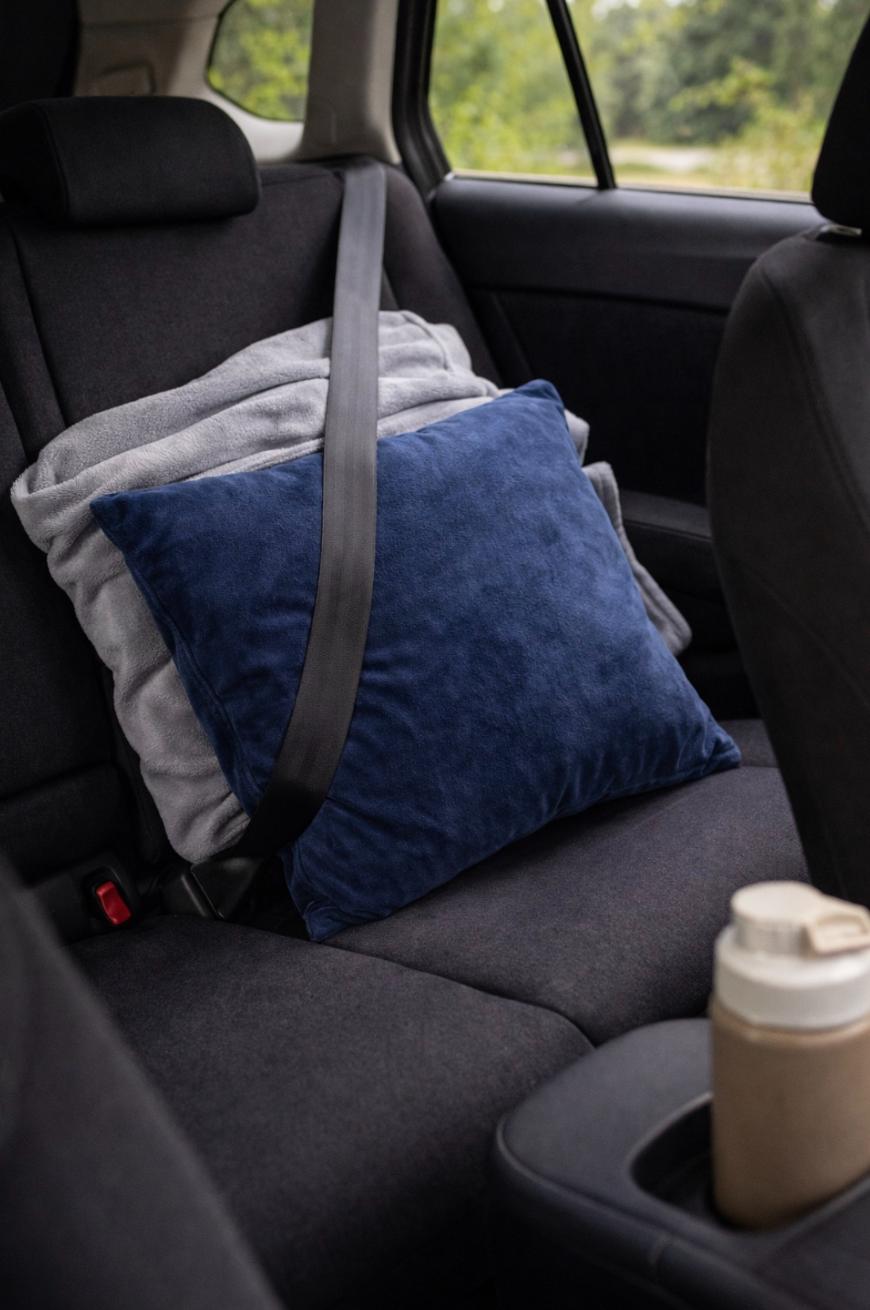
A thin blanket helps for cold car AC, roadside naps, and unexpected delays. It also makes cheap hotel bedding feel better.
A compact fleece throw is usually enough and folds into a seat corner without taking over your trunk.
19. Add Earplugs And A Sleep Mask
Hotels can be noisy, and early sunlight can wake you up before you’re ready. These two items are tiny but can protect your sleep and mood.
If you’re sharing rooms, this is one of the cheapest upgrades you can make for under $15.
20. Bring A Small Fan Or Vent Clip For Back Seats
Rear passengers often feel heat differently than the front seats. A small USB fan can keep kids or friends comfortable without blasting the whole cabin.
If you use a fan, pair it with a power bank so it works even when the car is off at a scenic stop.
Tech And Organization That Prevents Chaos
21. Pack One Charger Per Person, Plus One Spare
Aim for at least 2 charging options in the car, such as a multi-port adapter and a power bank. You want a backup in case a cord dies or gets lost.
A simple numeric rule is one cable per person plus one extra, because someone always forgets theirs.
22. Use A Car Trash System That Stays Put
Bring a small trash bag that hangs from the console or sits in a door pocket. This stops wrappers and receipts from spreading everywhere.
Empty it at every gas stop, because a 30-second habit prevents a full-car cleanup later.
23. Keep A “Daily Use Bin” For Repeat Items
Put snacks, wipes, sunscreen, bug spray, and tissues in one bin within reach. You’ll stop opening luggage for small things and keep the back seat calmer.
If your bin gets messy, reset it every morning in 2 minutes before you start driving.

24. Pack Zip Bags For Wet, Sticky, Or Smelly Items
Zip bags solve a surprising number of problems, from leaky sunscreen to leftover food to wet swimsuits. Keep a few sizes so you can adapt.
A great upgrade is adding one large freezer bag per day for trash or emergency spill control.
Food And Drinks Without Regret
25. Pack High-Protein Snacks You’ll Actually Eat
Choose snacks that keep you full, like jerky, nuts, protein bars, or cheese sticks. This reduces impulse stops and helps you avoid sugar crashes.
A practical target is one snack per person for every 2–3 hours of driving.
26. Bring Electrolytes For Hot Days
Electrolyte packets or tablets help when you’re sweating or spending time outdoors. They’re especially useful if you’re prone to headaches from heat.
If you’re budgeting, one box of packets around $10–$20 can cover multiple travel days.
27. Include One “No-Mess Meal” Backup
Pack something you can eat without plates, like wraps, shelf-stable tuna kits, or pre-made sandwiches in the cooler. This keeps you covered when restaurants are closed or crowded.
If you’re traveling with kids, this can prevent a full meltdown at the worst possible time.
Safety And Convenience Add-Ons
28. Bring Bug Spray And After-Bite Relief
Summer stops often mean mosquitoes, ticks, and random bites. Pack bug spray and a simple after-bite option so you’re not hunting for a pharmacy at night.
If you’re hiking, treat this as mandatory and apply before you sweat, not after you’re already itchy.
29. Pack A Small Cash Stash And A Backup Card
Some tolls, parking spots, and small-town stops still fail on card readers. Keep a small amount of cash and one backup payment method separate from your wallet.
A reasonable amount is $40–$100 in small bills, tucked somewhere you won’t forget.
30. Include A “Quick Clean” Kit For Spills
Bring a small pack of wipes, paper towels, and a stain remover pen. Summer drinks, melting snacks, and sunscreen hands will test your interior.
If your car has fabric seats, add a small towel you can sit on after swimming or sweating.
Final Checks Before You Pull Out
31. Do A 5-Minute Car Prep Checklist
Fill the tank, top off washer fluid, check tire pressure, and make sure your spare is accessible. This is the fastest way to prevent avoidable delays.
If you’re doing a multi-day trip, repeat the tire pressure check after the first long driving day when heat has been high.
32. Set A Simple Packing Rule For Repacking
Choose one rule like “everything returns to the same spot” or “front-seat items stay in the daily bin.” A consistent system prevents you from losing things in different bags.
If you’re sharing the car, assign one person to reset the front area at each stop so the driver stays focused.
Key Takeaways
Keep water, sunscreen, and a hat within reach, not in the trunk.
Plan for heat plus one warm layer for AC and cooler evenings.
Use one daily-use bin so you stop unpacking luggage for small items.
Carry a real tire plan with a gauge and a way to add air.
Pack one no-mess meal backup so hunger doesn’t control your route.
Reset trash and clutter at every fuel stop to keep the car livable.
FAQ
FAQ 1: How Many Outfits Should You Pack For A Summer Road Trip?
Pack one outfit per day if you hate laundry, or one outfit per 2 days if you’re comfortable re-wearing basics. Add one extra “nice enough” outfit for dinners or unexpected plans. Keep one dedicated driving outfit to stay comfortable.
FAQ 2: What If You Don’t Have Room For A Cooler?
Use a small insulated tote and refill ice at gas stations or hotels. Prioritize shelf-stable snacks and buy cold drinks as needed. Even a tiny cooler replacement helps you avoid constant overpriced stops.
FAQ 3: How Much Water Should You Carry In The Car?
Carry at least 32 ounces per person within reach, plus a backup gallon in the trunk for long stretches. Refill whenever you stop, even if you’re not empty yet. Heat and AC can dehydrate you faster than you expect.
FAQ 4: What’s The Best Budget For Road Trip Gear Upgrades?
A practical starter budget is $80–$200 for a jump pack, multi-port charger, basic first aid kit, and cooler setup. Focus on safety and comfort first because those improve every mile. You can upgrade convenience items later as you learn your travel style.