Last updated: August 30, 2026
The summer solstice is one of the most powerful moments in the natural calendar, and a well-chosen summer solstice ritual can make it feel truly transformative. In this post you’ll find everything you need to mark this turning point with intention—from ancient practices to simple modern ceremonies anyone can try. Whether you’re celebrating solo or with a circle of friends, these ideas will help you connect with the season in a way that feels personal and alive.
What Is the Summer Solstice and Why Does It Matter?
The summer solstice marks the longest day and the shortest night of the year, typically falling around June 20 or 21 in the Northern Hemisphere. At this moment the sun reaches its highest point in the sky, and daylight peaks before beginning its slow retreat toward winter.
For thousands of years, cultures around the world have recognized this turning point as sacred. The ancient Egyptians aligned their pyramids with the solstice sunrise, Stonehenge in England channels the first light of the longest day through its central stone, and Norse midsummer celebrations lit massive bonfires to honor the sun at its height.
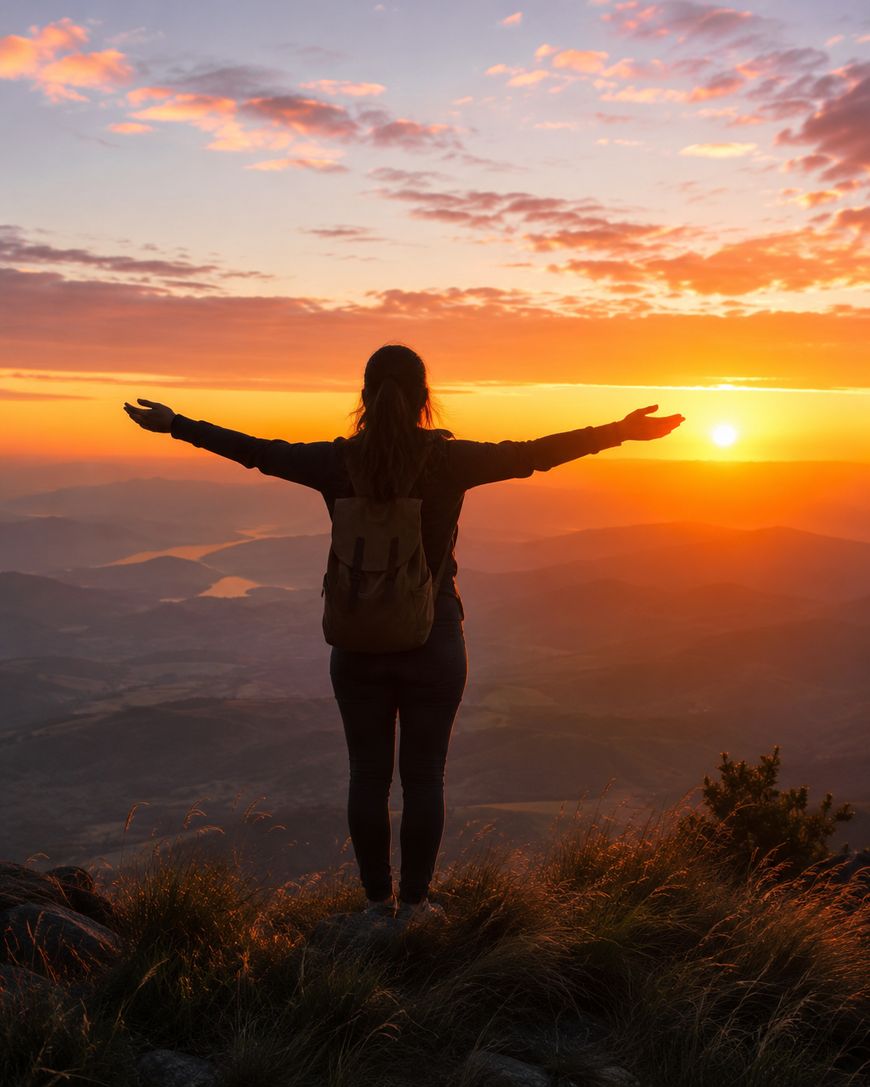
Today the solstice matters just as much, even if your calendar doesn’t mark it as a holiday. It’s a natural pause point—a moment to take stock of what you’ve built since the new year, to honor the abundance of summer, and to set intentions before the wheel turns again. Creating a ritual around it anchors you to something larger than everyday routine.
How to Prepare for a Summer Solstice Ritual
Good preparation makes any ceremony feel more meaningful. You don’t need elaborate supplies—what matters most is intention.
Start by choosing your setting. Outdoors is ideal for a summer solstice ritual because you’re working with solar energy and the living world. A backyard, a park, a hilltop, or a beach all work beautifully. If outdoor space isn’t available, a sunny windowsill or a candle-lit room serves just as well.
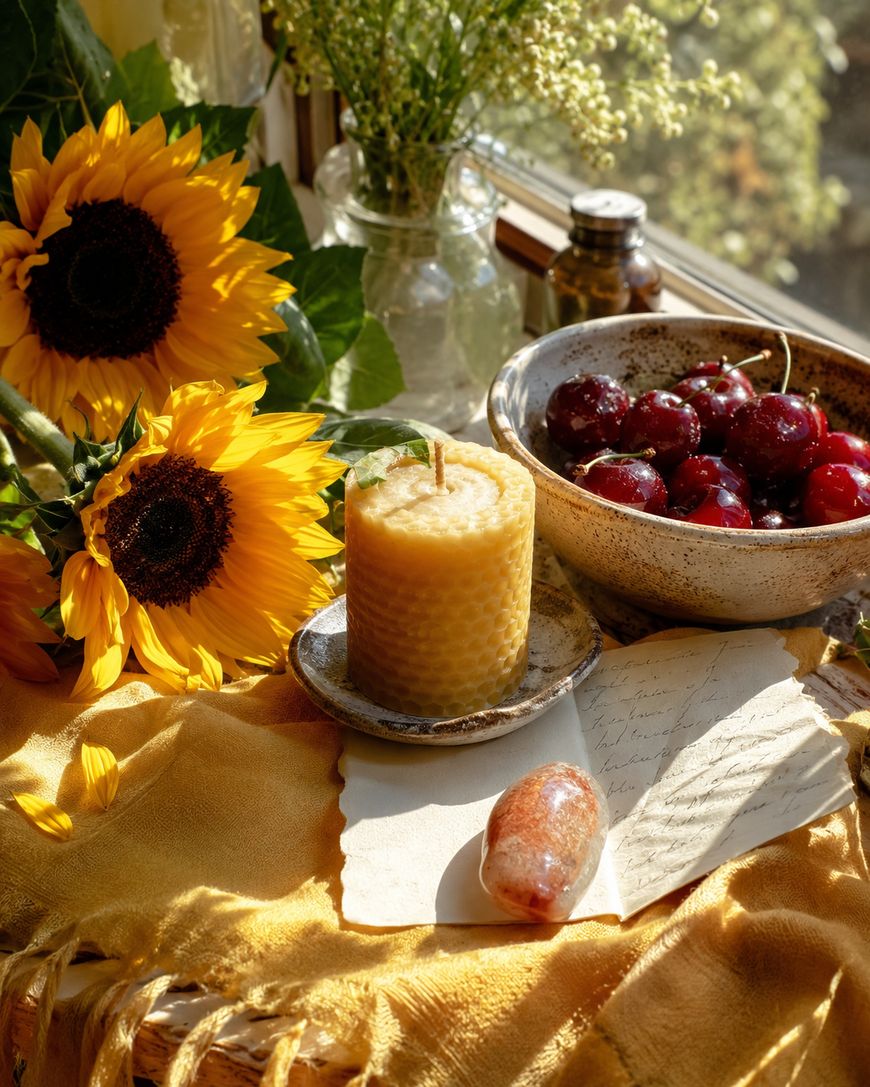
Gather a few simple objects to anchor the ritual. Flowers are a classic solstice symbol—sunflowers, marigolds, St. John’s Wort, and chamomile are all traditionally associated with midsummer. A candle in gold, yellow, or orange represents the sun. A small bowl of water connects you to the element that balances fire. You might also collect a feather, a stone, or a sprig of herbs that feels meaningful to you.
Decide on timing. Sunrise is the most potent moment for a summer solstice ritual because you’re welcoming the sun at the peak of its power. Noon is a strong second choice. If neither fits your schedule, a sunset ceremony is equally beautiful—you’re honoring the sun as it closes the longest day of the year.
Finally, set a clear intention. Ask yourself what you want to celebrate, release, or invite into your life. Write it down before you begin.
Sunrise Welcome: A Simple Summer Solstice Ritual to Start the Day
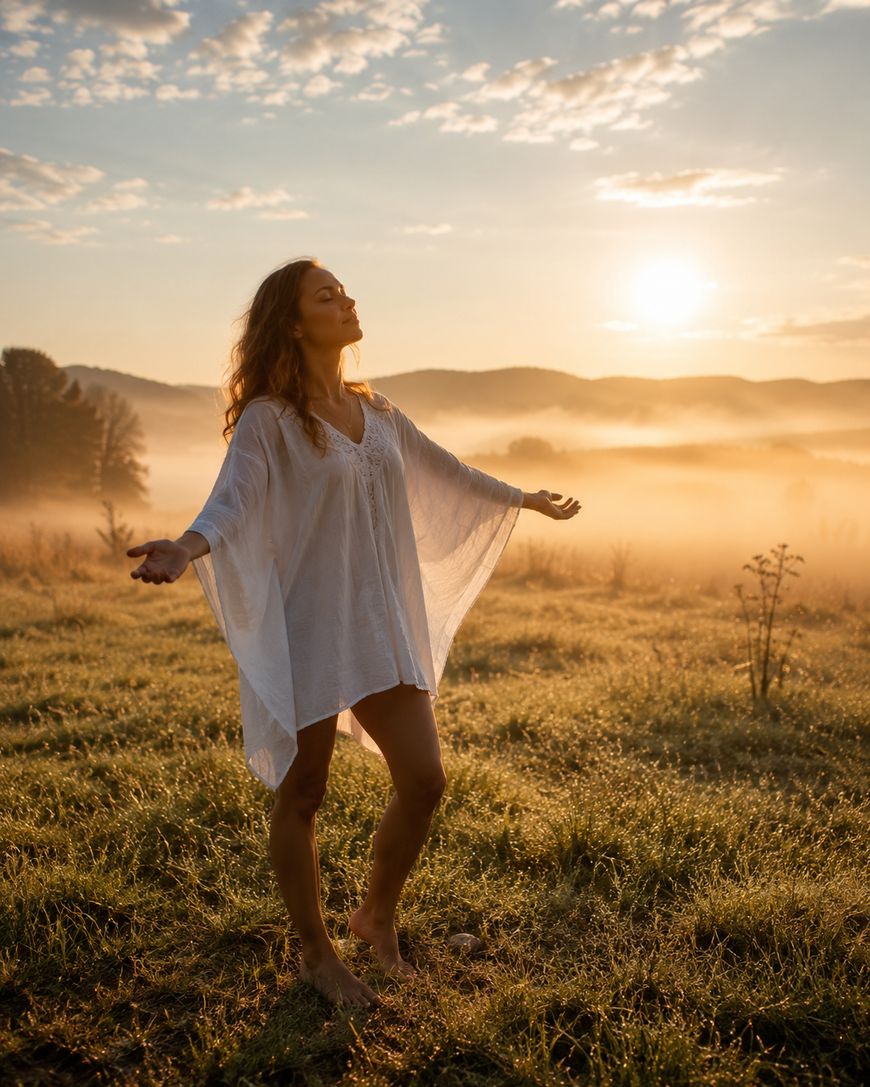
The sunrise welcome is one of the most accessible summer solstice ritual forms and requires almost nothing to perform. Wake before dawn, go outside (or stand at your window), and face east.
As the first light appears, take three slow, deep breaths. With each exhale, consciously release something you’ve been carrying—worry, exhaustion, a project that hasn’t gone the way you hoped. With each inhale, draw in warmth, clarity, and solar energy.
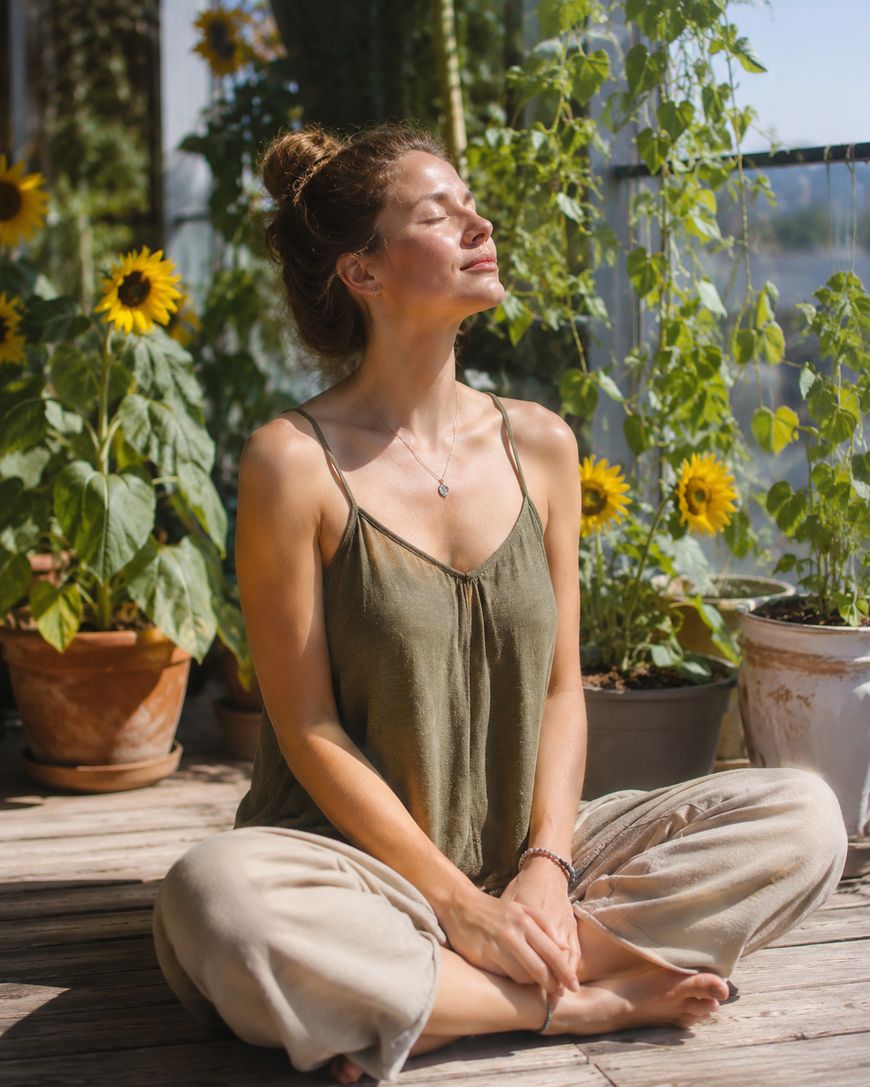
When the sun clears the horizon, speak your intention aloud. You can keep it simple: “I welcome this longest day. I am grateful for all that has grown. I am open to what comes next.” Let the words be yours—there’s no script that works better than your own honest voice.
Stand in the light for a few minutes without your phone. Feel the warmth on your face. This quiet receptivity is the heart of the practice.
Close by bowing your head slightly as a gesture of respect, then go about your day carrying that stillness with you.
Fire Ceremony: Honoring the Sun With Flame
Fire is the classic element of summer solstice ritual across nearly every culture. The Norse lit midsummer bonfires, the Celts leaped through flames to purify and protect, and communities across Europe danced around fire all night to keep evil spirits at bay.
You don’t need a bonfire to work with fire intentionally. A single candle on your kitchen table can serve the same purpose when you bring full attention to it.
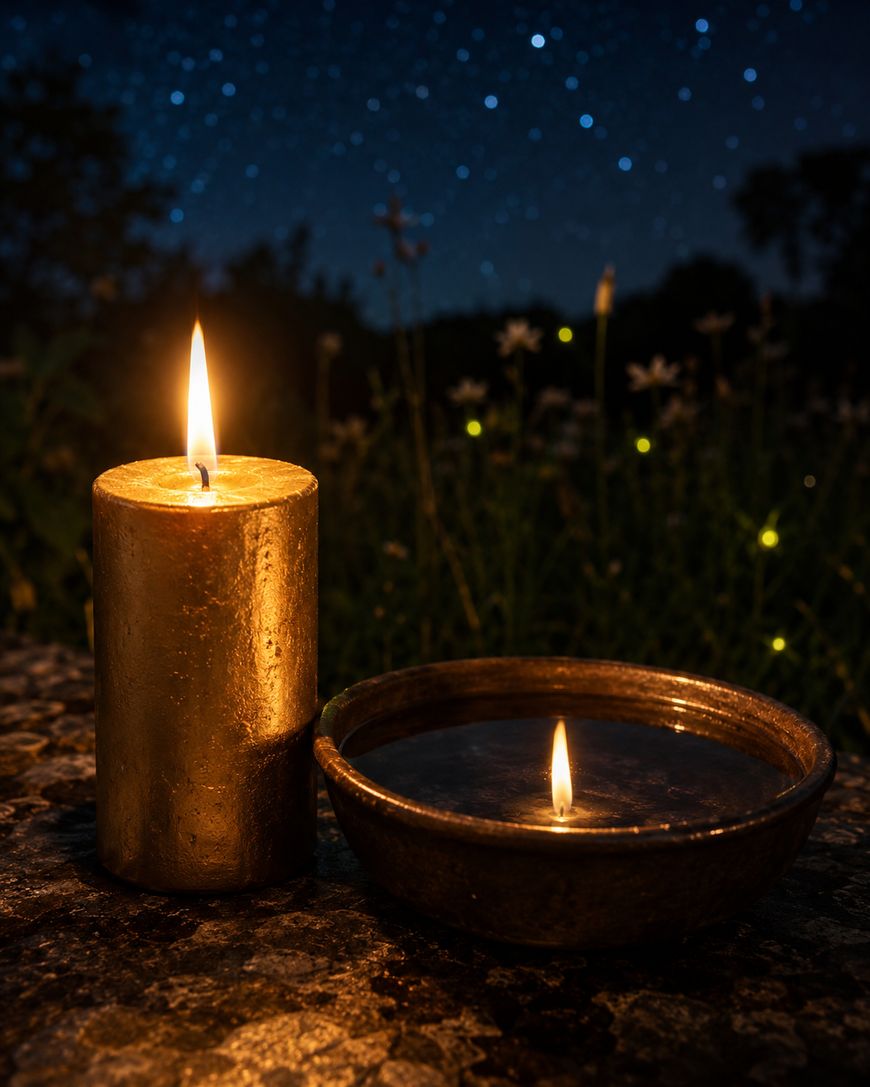
Light your candle just after sunset on the solstice. Write on a small slip of paper one thing you want to release—a fear, a habit, a relationship dynamic that no longer serves you. Read it out loud, then hold it to the flame and let it burn safely in a fireproof bowl.
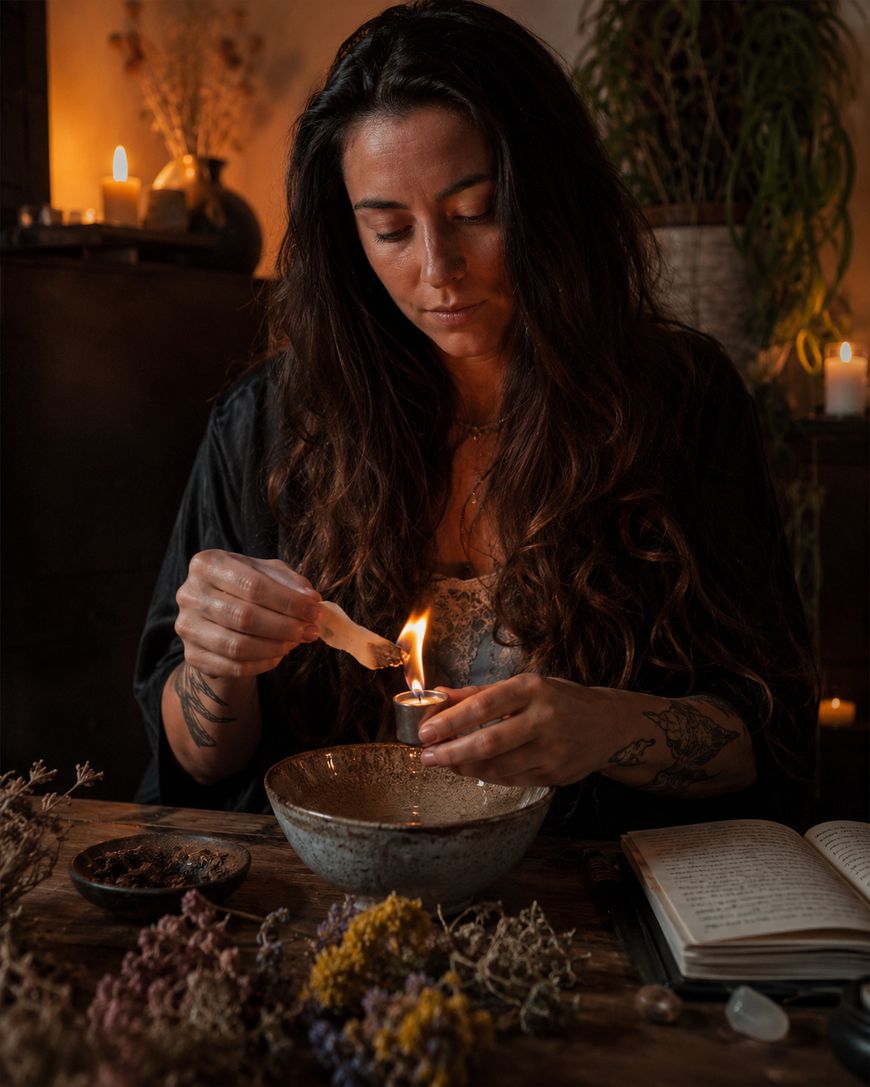
Next, write on a second slip one thing you want to call in. Read it aloud, then fold it and place it beneath your candle to sit overnight. In the morning, you can bury it in the earth to plant your intention, or keep it somewhere you’ll see it often.
If you have outdoor space and local fire regulations permit, even a small fire in a contained pit amplifies this ritual enormously. The combination of night air, star-filled sky, and crackling flame creates exactly the kind of atmosphere that opens the heart and quiets the thinking mind.
Creating a Summer Solstice Nature Altar
An altar is a physical reminder of your intentions and a focal point for ritual energy. A summer solstice nature altar is easy to assemble and beautiful to look at.
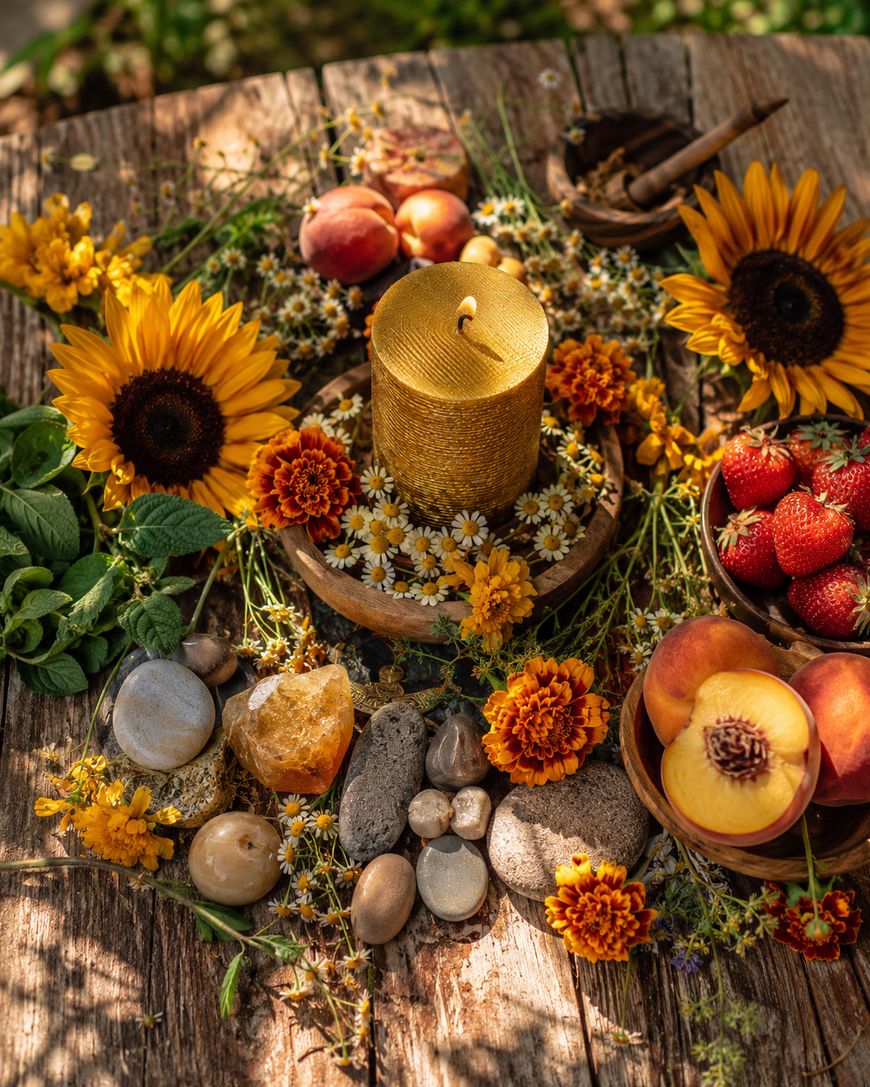
Find a flat surface that gets natural light—a windowsill, an outdoor table, a large flat stone. Lay a cloth in a warm color: gold, orange, cream, or deep green. Then gather objects that represent summer abundance.
Fresh flowers are the heart of a solstice altar. Arrange them loosely and generously—this is not a season for restraint. Add fruits that are at peak ripeness: strawberries, peaches, cherries, or whatever is growing near you. A yellow or gold candle anchors the center. Surround it with crystals like citrine or sunstone if you have them, or simply with smooth river stones.
Include something personal: a photo of people you love, a piece of jewelry, a written intention. The altar should feel like a portrait of what matters to you most right now.
Leave it in place for a full three days if you can. Tend it each morning by lighting the candle briefly, replacing wilted flowers, and spending a few quiet moments with your intention.
Summer Solstice Ritual With Friends and Community
The solstice becomes even more powerful when celebrated in community. Gathering with others multiplies the energy and creates memories that last for years.
An outdoor feast is the simplest way to celebrate together. Cook dishes that use the season’s best produce—grilled corn, tomato salads, fruit galettes, herb-infused drinks. Before eating, go around the table and have each person share one thing that has flourished in their life since the new year began. This simple practice of naming abundance makes the meal feel ceremonial without requiring any previous ritual experience.

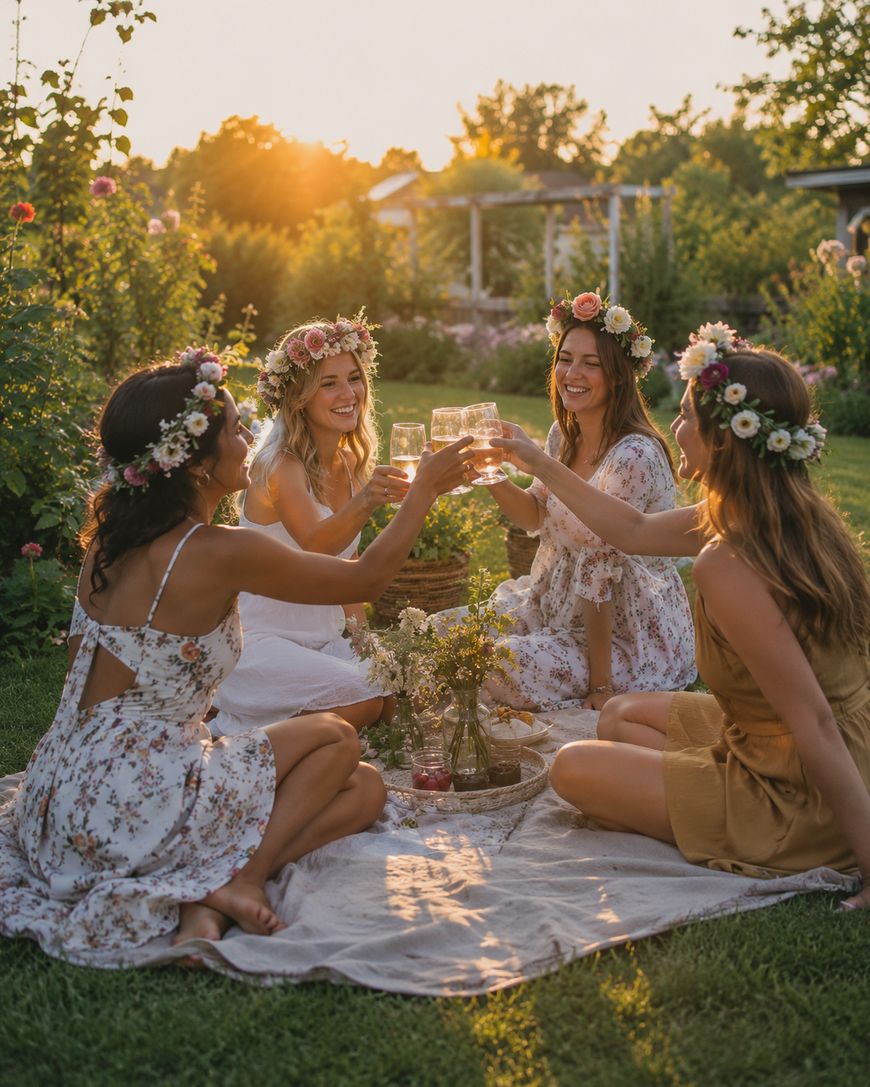
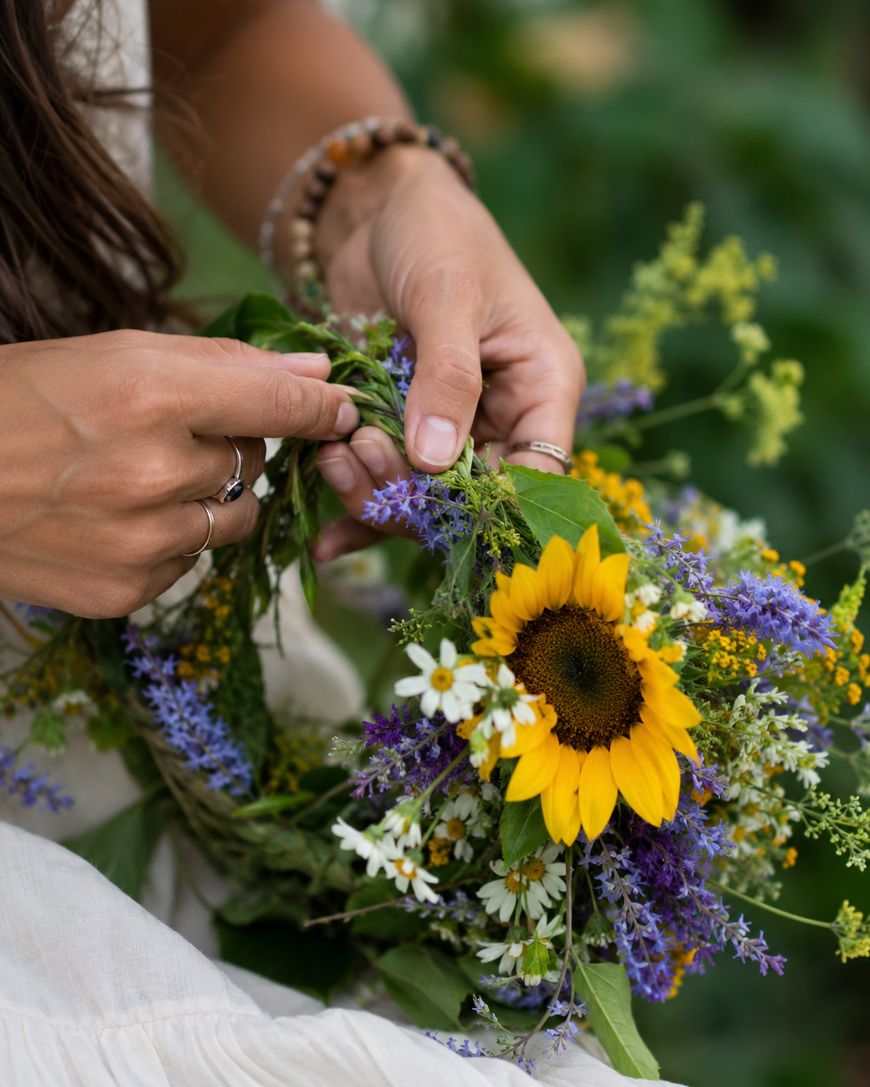
A flower crown circle is another beloved summer solstice tradition you can do with friends. Gather flexible-stemmed flowers and greenery, and sit together weaving crowns while talking and laughing. The shared making is a ritual in itself.
As evening falls, light candles or a small fire and take turns sharing an intention for the second half of the year. Close with a toast: to the sun, to the season, to each other.

Solstice Journaling: The Inner Ritual
Not every summer solstice ritual requires physical ceremony. Reflective writing is a powerful inward practice that complements any outer celebration.
Sit somewhere quiet on the solstice morning or evening with a journal and a cup of tea. At midsummer you are, metaphorically speaking, at the peak of your year. What have you built? What has surprised you? What has fallen away?

Write freely for fifteen to twenty minutes using these prompts: What has come into full bloom in my life this year? What am I most grateful for right now? What do I want to carry forward into the second half of the year, and what am I ready to leave behind?
Don’t edit yourself. Let the words come without judgment. When you finish, read back over what you’ve written and circle the one sentence that feels most alive. That sentence is your solstice intention.
Q&A: Summer Solstice Ritual Questions Answered
When exactly should you perform a summer solstice ritual?
The solstice moment itself is the most powerful time, but any point during the solstice day carries the energy. Sunrise and noon are ideal for welcoming and celebrating; sunset and nightfall are better for release and reflection.
Do you need special supplies for a summer solstice ritual?
No special supplies are required. A candle, something from nature like a flower or stone, and your own clear intention are enough. Elaborate tools can enhance the experience but are never necessary.
Can you do a summer solstice ritual indoors?
Absolutely. An indoor ritual with open windows, natural light, candles, and fresh flowers can be just as meaningful as an outdoor ceremony. The most important element is your focused attention, not your location.
Is a summer solstice ritual appropriate for children?
Yes—children often love solstice traditions. Making flower crowns, planting seeds, watching an adult light the candles, or using flameless ones so little hands can join in safely, and sharing what they’re grateful for are all age-appropriate and genuinely joyful. It teaches them to notice and celebrate natural cycles.
What if the solstice date doesn’t work for my schedule?
The energy of the solstice extends for about three days before and after the actual date. Celebrating the day before or after the solstice is completely valid and many traditional cultures observed the entire solstice “window” rather than a single day.
How is the summer solstice different from Litha or Midsummer?
Litha is the Pagan/Wiccan name for the summer solstice celebration, and Midsummer is the broader European folk tradition. All three refer to essentially the same moment and share overlapping symbolism—fire, flowers, the sun, and abundance. The names reflect different cultural frameworks for honoring the same turning point.
Make This Summer Solstice Ritual Your Own
The most meaningful summer solstice ritual is always the one you actually do. Start simple—a candle, a few minutes outside, one honest intention spoken aloud. Build from there year after year until the practice becomes something you genuinely look forward to.
The solstice doesn’t ask for perfection. It asks for presence. Show up, look toward the light, and let this longest day of the year remind you of everything that is full, warm, and growing in your life right now.
Mark your calendar, gather a few flowers, and let this summer solstice ritual become your own annual homecoming to the sun.