Last updated: March 22, 2026
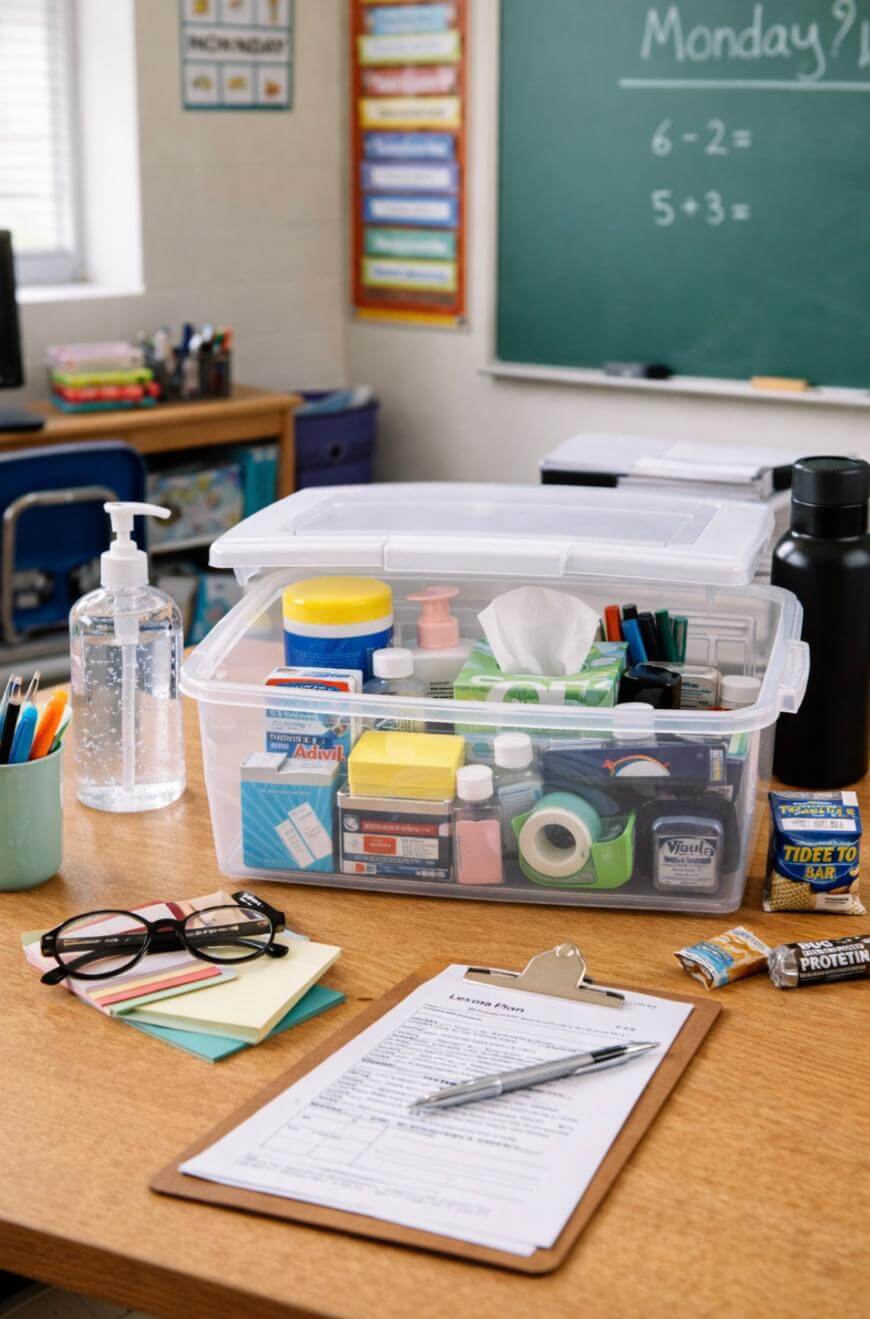
These teacher survival kit ideas are the must-have physical items you keep close so you can solve common classroom problems in seconds. The easiest way to make sure you have everything you need on hand is to build one small desk bin and one zip pouch for your bag, then restock both every Friday.
Teacher Survival Kit Ideas You Can Build Fast
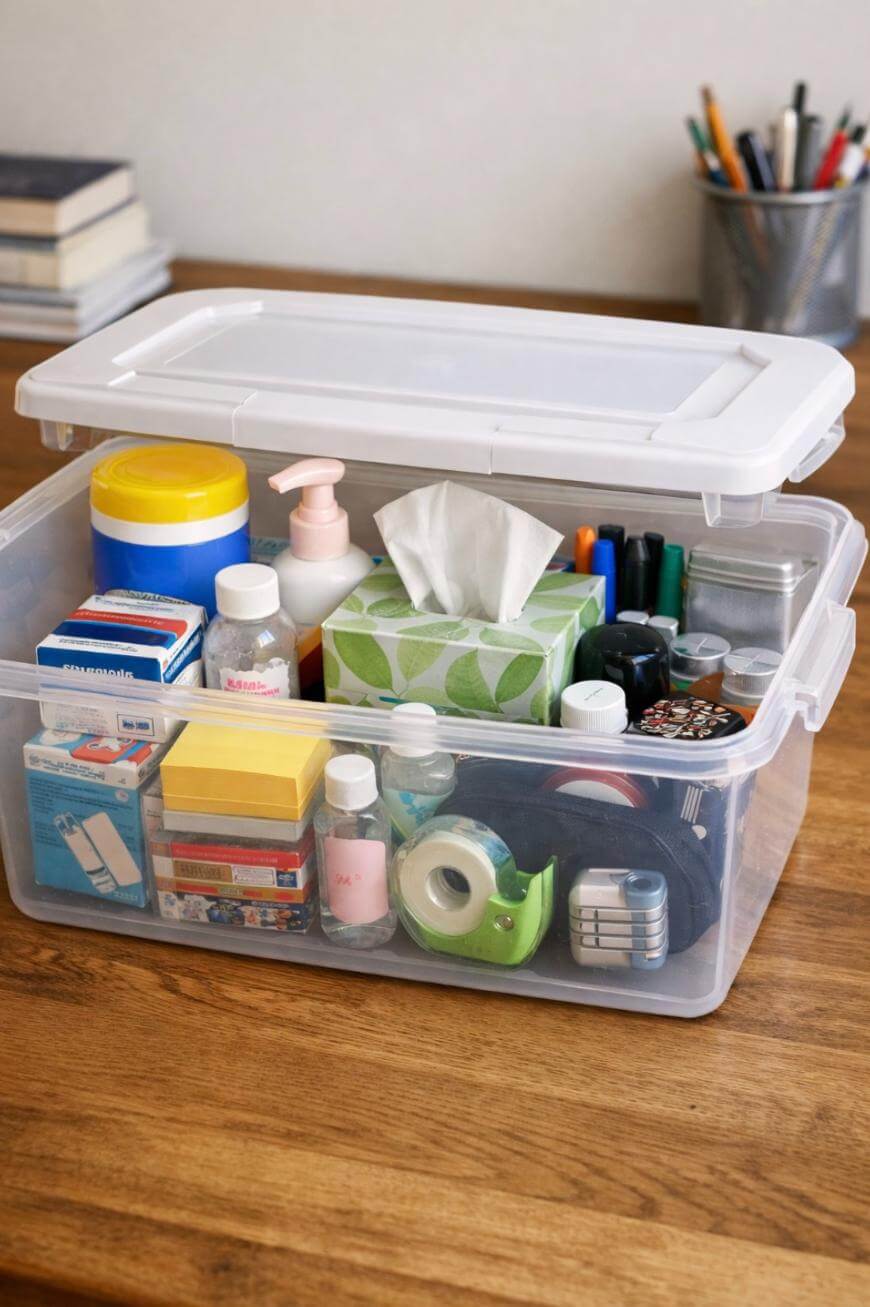
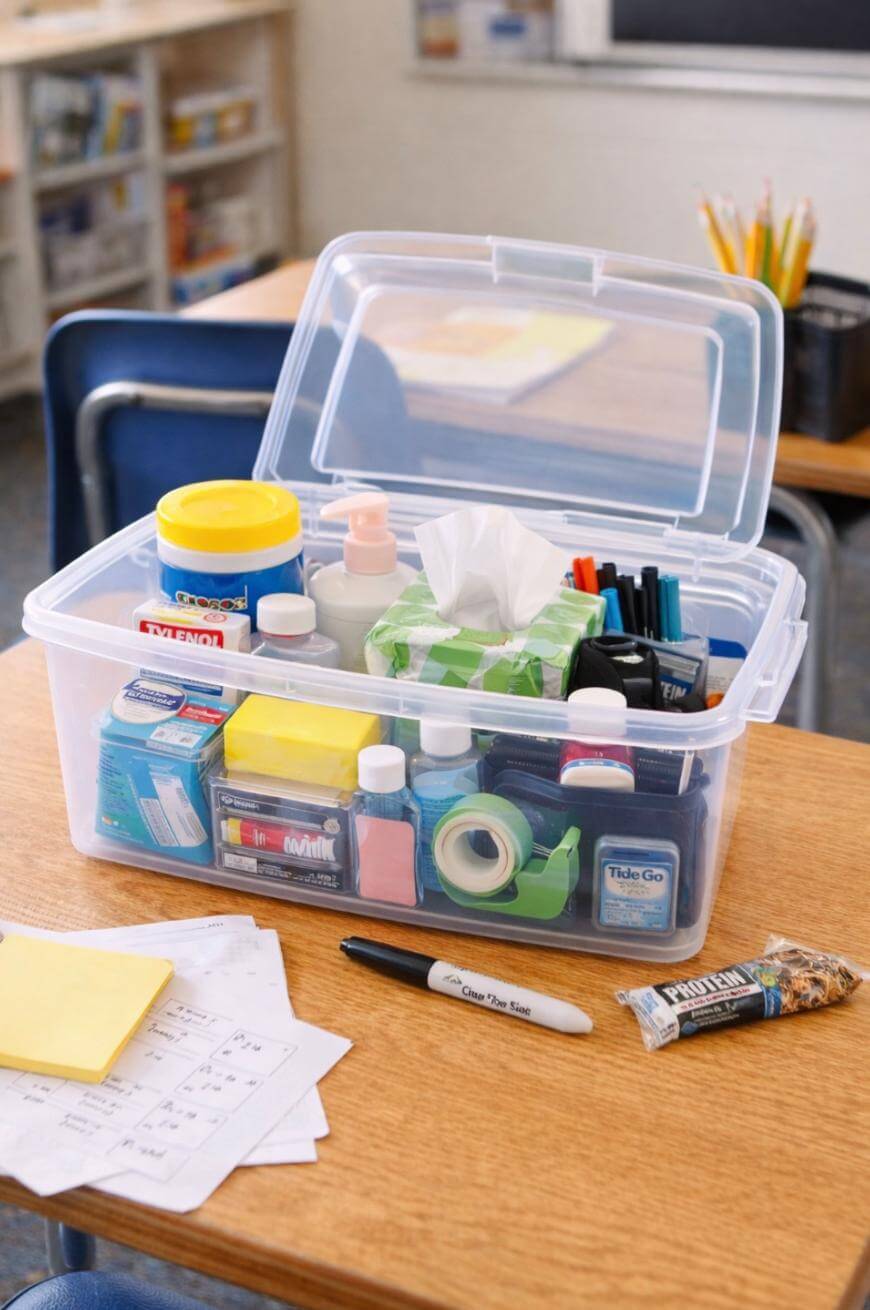
1. Clear Lidded Storage Bin
A clear, lidded bin is the “home base” that keeps your kit clean, visible, and easy to grab. Pick one that fits in a drawer or on a single shelf so you actually use it.
A good size target is roughly 12–16 quarts, which is big enough for essentials without becoming a junk box. If you tend to overpack, go smaller on purpose.
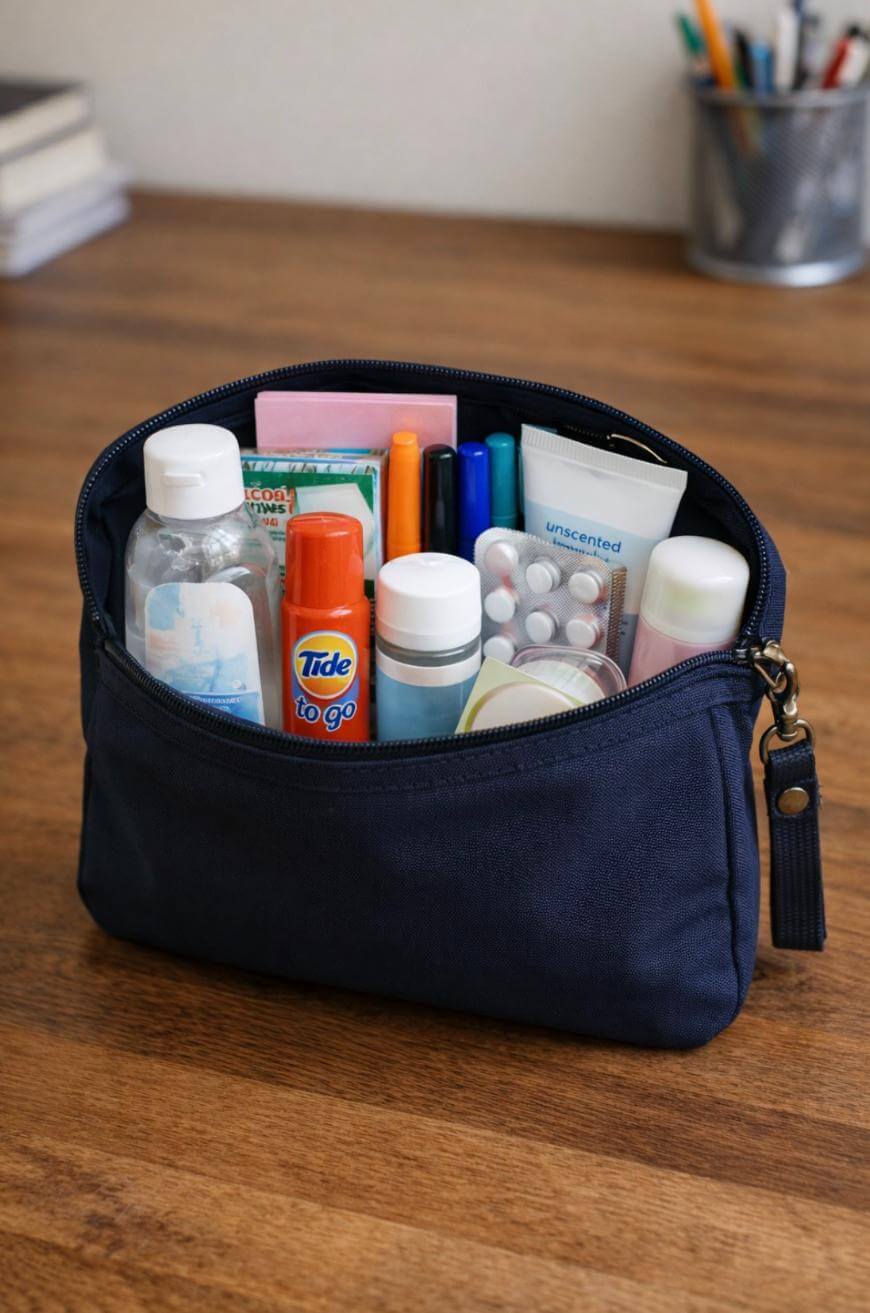
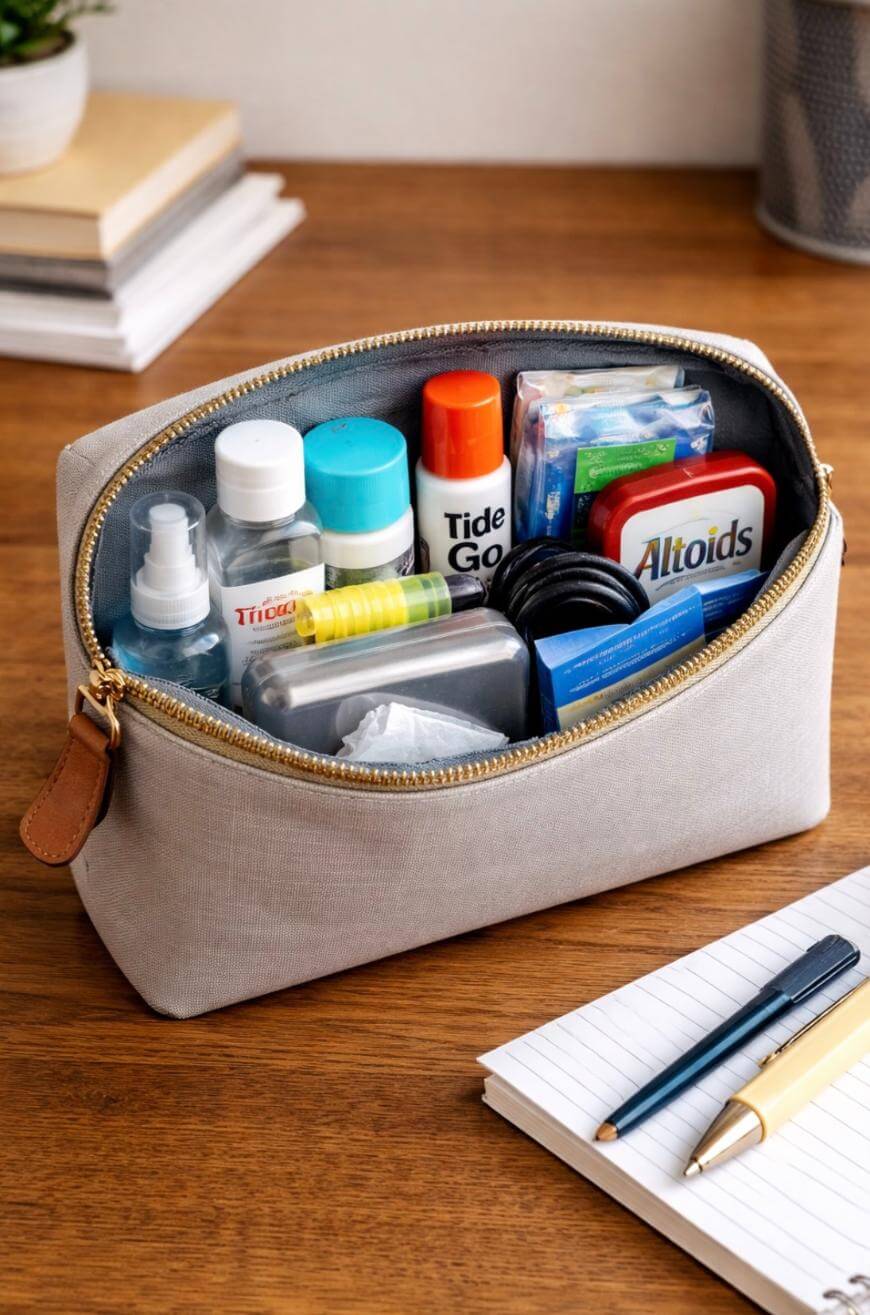
2. Zip Pouch
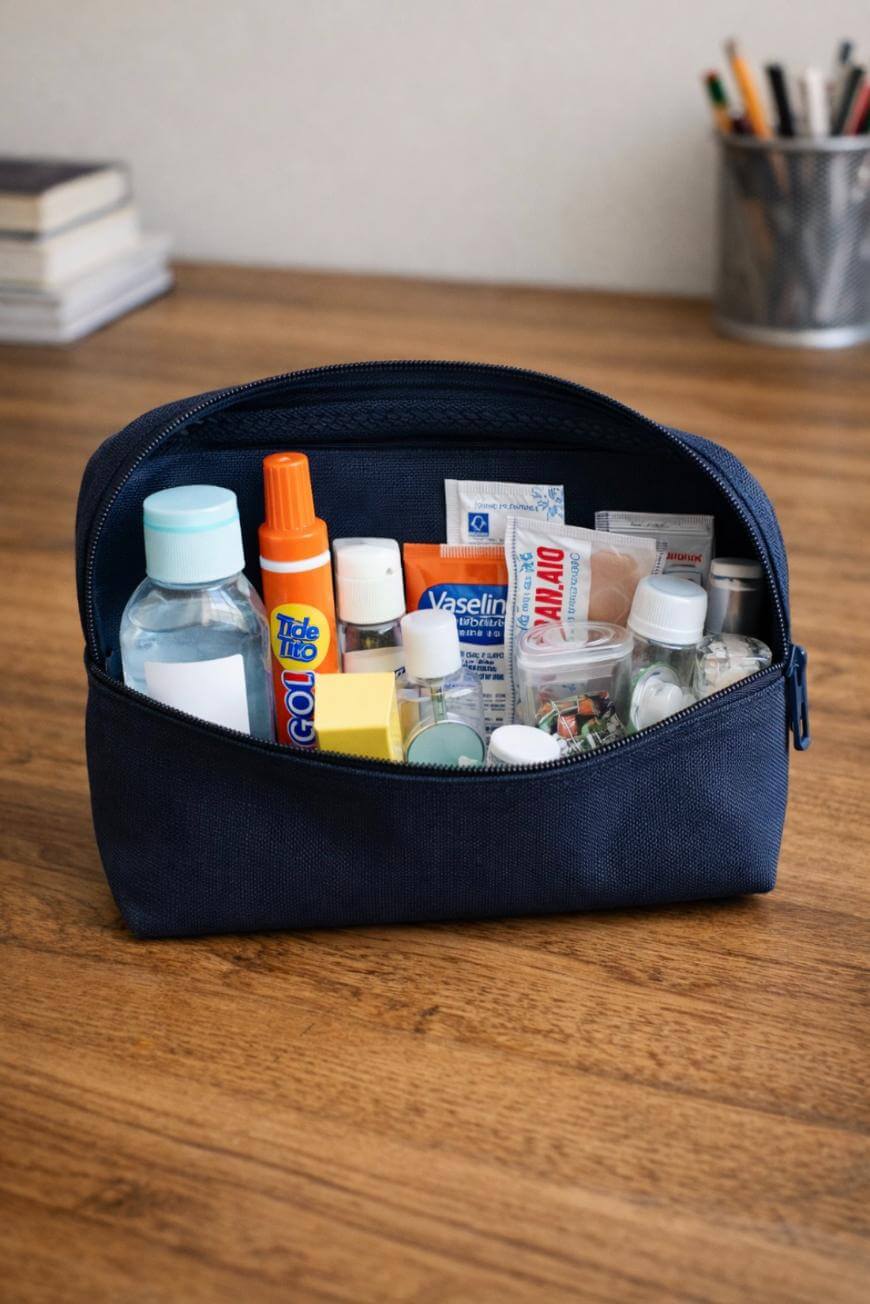
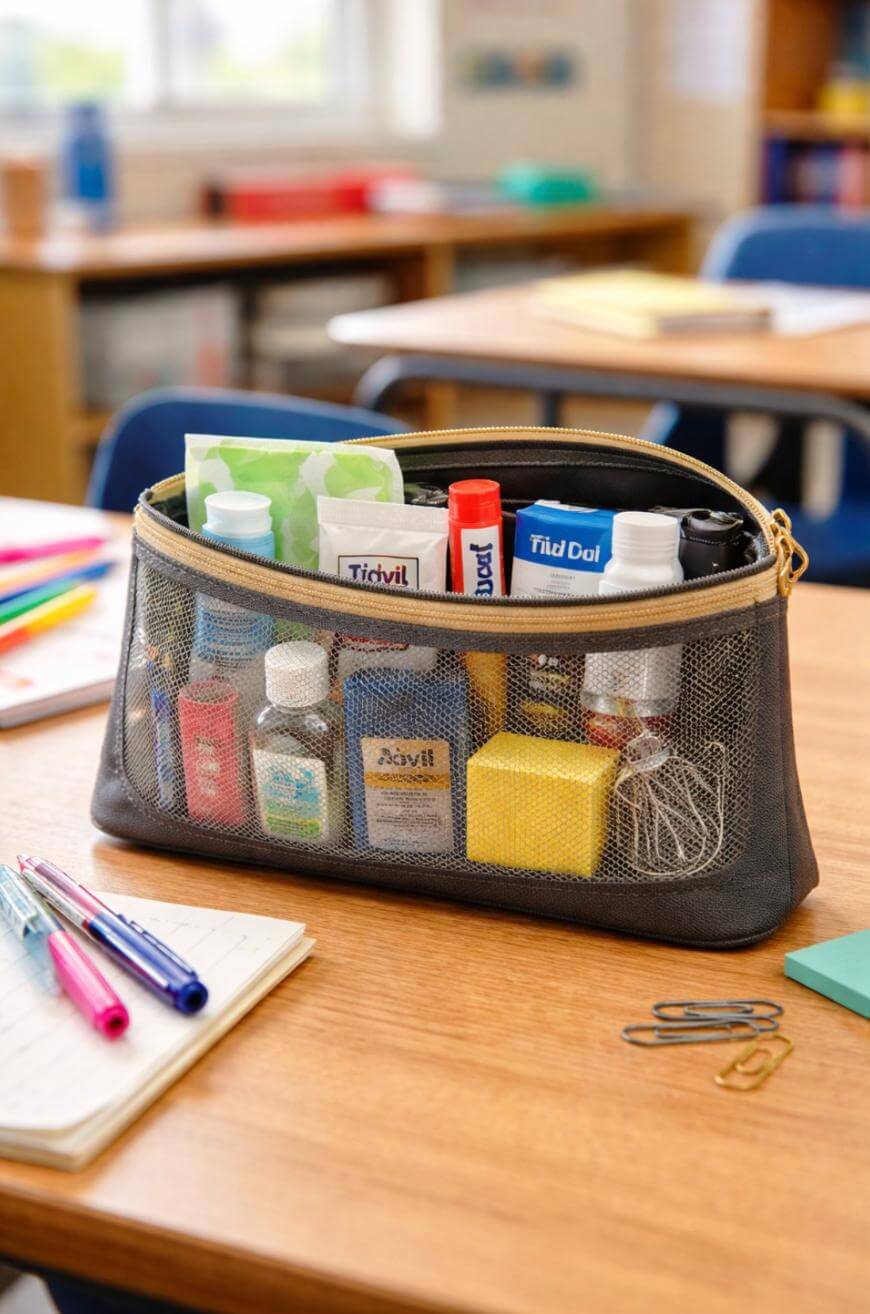
A zip pouch is your mobile survival kit for hallway duty, meetings, assemblies, and unexpected room changes. It also keeps small items from vanishing into your tote bag.
Choose one that stands up on its own and opens wide so you can see everything at once. A 9–11 inch pouch usually holds plenty without getting bulky.
3. Hand Sanitizer Pump Bottle
A pump bottle stays put on your desk and makes routines smoother because students can sanitize quickly without you managing a cap. It’s also one of the fastest ways to reduce “I touched everything” moments.
If you want fewer interruptions, place it next to where students turn in work. Refill it from a larger bottle to save money.
4. Travel Hand Sanitizer
A mini sanitizer in your bag covers you when you’re away from your desk, on duty, or heading to a meeting. You’ll use it more than you think, especially on busy transition days.
Buy a 2–3 oz size so it’s TSA-friendly and doesn’t leak as easily. Replace it when it’s below one-third full so you’re not stuck with an empty bottle.
5. Disinfecting Wipes
Disinfecting wipes let you reset desks, shared supplies, and sticky surfaces in under a minute. They’re also useful after art projects, science labs, or mystery spills.
Keep one canister in your desk kit and one small pack in your mobile pouch. Store them upside down so the top wipe stays moist.
6. Tissues
Tissues are non-negotiable because they prevent constant trips to the trash can and reduce disruptions. Having your own stash also helps when classroom supplies run low.
Aim for one standard box at your desk plus a backup box in your cabinet. If you’re tight on space, keep pocket packs for emergencies.
7. Lotion
Lotion saves you from dry hands caused by sanitizer, chalk, markers, and constant handwashing. When your hands feel better, you’re less distracted and more patient.
A pump lotion is easiest for daily use, but a small squeeze tube is better for your bag. Unscented is the safest bet for sensitivity concerns.
8. Lip Balm
Lip balm is a small comfort item that makes long days more tolerable, especially in dry classrooms or winter months. It’s also a simple way to feel more “put together” mid-day.
Keep one in your desk drawer and one in your bag pouch. If you lose them often, attach one to a keychain holder.
9. Pain Relief Or Approved Alternative
If your school policy allows, a small supply of your preferred pain relief can rescue you on headache days. If medication isn’t allowed, keep an alternative like a peppermint roll-on, instant cold pack, or a note with the nurse extension.
The key is having a plan before you need it. Put it in a clearly labeled mini pouch so it doesn’t get mixed with student items.
10. Bandage Variety Pack
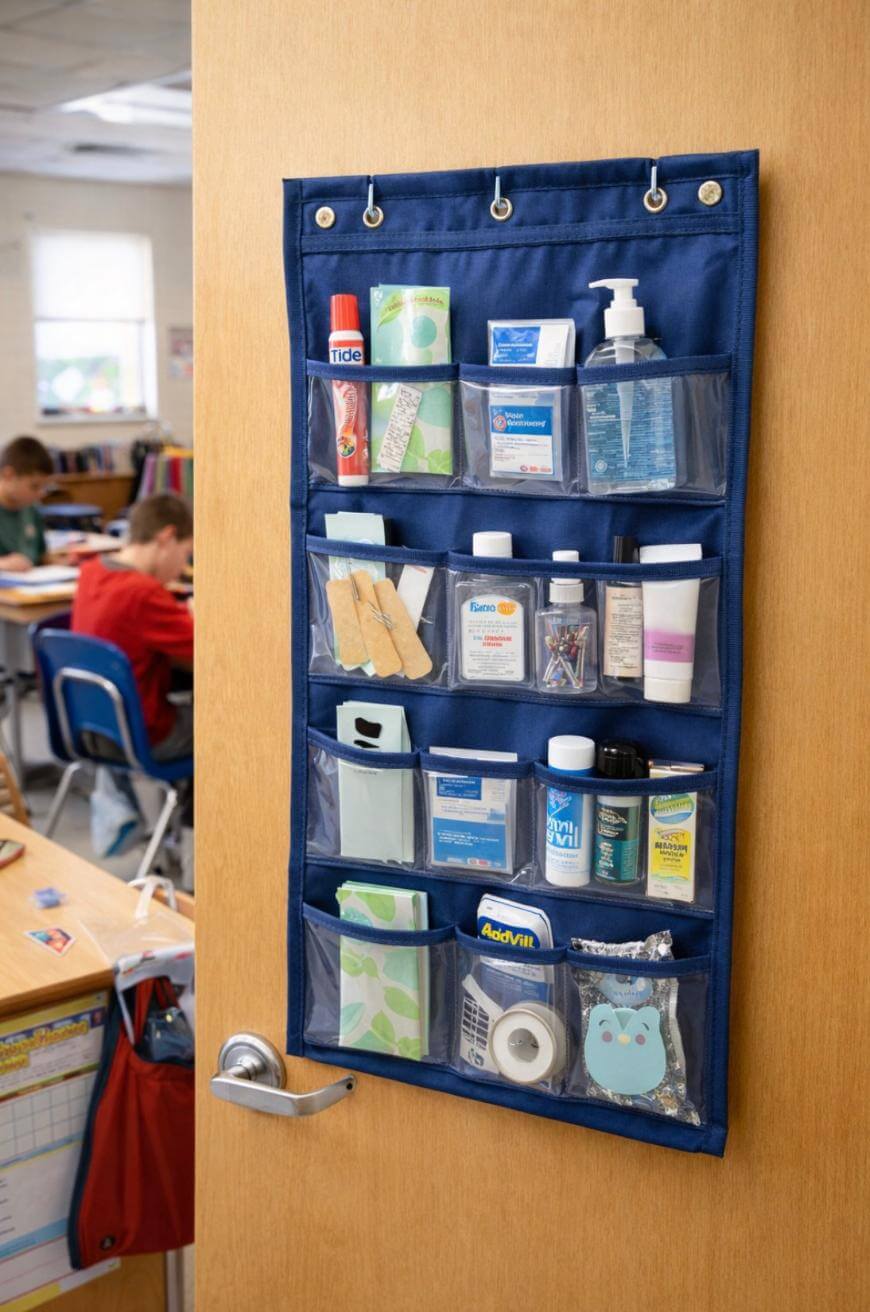
A variety pack covers paper cuts, blisters, and the occasional scraped knuckle without a whole first-aid box. It’s a high-utility item that takes almost no space.
Store it somewhere you can reach quickly but students can’t rummage through. Restock as soon as you open the last few.
11. Alcohol Wipes
Alcohol wipes are perfect for quick cleanups of small cuts (within policy) and for wiping scissors, staplers, or shared tools. They also help with sticky residue on surfaces.
Keep them sealed in a small zip bag so they don’t dry out. Add a few to your mobile pouch for field trips or outdoor duty.
12. Mini Sewing Kit
A mini sewing kit solves popped buttons, small tears, and lanyard mishaps without you having to “just deal with it all day.” It’s one of those items you won’t need often, but you’ll be thrilled when you do.
Look for one with needles, thread, safety pins, and tiny scissors. Add a couple extra safety pins because those are the real MVP.
13. Safety Pins
Safety pins are the quickest fix for wardrobe malfunctions, broken badge clips, or loose posters. They also help when you need a temporary clip in a pinch.
Keep 6–10 in a tiny pill container so they don’t stab anything. Toss a few larger ones in your desk bin too.
14. Lint Roller
A lint roller helps you recover fast from chalk dust, marker smudges, pet hair, or glitter transfer from student projects. It’s a confidence saver five minutes before a meeting.
A travel size is best for your bag, and a full size can live in your desk kit. If you do a lot of bulletin board work, you’ll use it constantly.
15. Tide Pen Or Stain Remover Pen
A stain remover pen covers coffee splashes, ink streaks, and mystery stains before they set. It’s one of the cheapest items that can save an entire outfit.
Use it immediately, then blot with a paper towel. Replace it when it starts to dry out, because a half-dry pen is useless.
16. Mini Deodorant
Mini deodorant is a quiet confidence tool for long days, warm classrooms, or after outdoor duty. It’s also helpful on days you forget your regular one at home.
Choose a solid stick to reduce leakage. Keep it sealed in a small baggie so it doesn’t get linty.
17. Hair Ties Or Clips
Hair ties and clips keep you comfortable and focused when the room gets hot or you’re moving a lot. They also help with quick “photo day” or surprise observation moments.
Store 3–5 extras because they disappear. A small claw clip plus elastics covers most hair situations.
18. Breath Mints
Breath mints are practical when you’re talking all day, meeting with parents, or stuck in close conversation during small group work. They’re also useful after a rushed lunch.
Keep them in your desk and in your bag pouch. Choose individually wrapped if you want to keep them cleaner.
19. Refillable Water Bottle
A dedicated water bottle prevents dehydration headaches and reduces the temptation to “just push through” without drinking. Teaching is voice-heavy work, and hydration matters.
A 24–32 oz bottle is a solid target for all-day use. If you forget to drink, set a simple goal like finishing one bottle by lunch.
20. Protein Snack Pack
A protein snack keeps your energy stable when lunch gets short or delayed. It’s a small change that prevents the “hangry teacher” spiral.
Stock shelf-stable options like nuts, protein bars, or crackers and peanut butter. A good rule is to keep 3–5 snacks so you don’t run out mid-week.
21. Electrolyte Packets
Electrolyte packets are helpful on hot days, heavy-duty days, or anytime you feel worn down. They’re compact and easy to keep in your mobile pouch.
Use them when you notice headaches or fatigue paired with low water intake. Keep 2–3 packets as backup rather than relying on them daily.
22. Phone Charger Cable
A charger cable prevents the panic of a dying phone during dismissal, duty, or emergencies. It also helps if your classroom tech relies on your phone for quick logins or two-factor codes.
Keep one cable permanently at school and another at home so you stop carrying it back and forth. Add a labeled wall plug if you don’t have easy access to a USB port.
23. Portable Power Bank
A power bank is the “insurance policy” when outlets are taken, your cable disappears, or you’re supervising somewhere without easy charging. It’s especially useful on field trips and PD days.
Aim for at least 10,000 mAh so you can get 1–2 full phone charges. Charge it every weekend so it’s ready when you need it.
24. Extra Pens
Extra pens prevent the daily “Does anyone have a pen?” scramble and save you when your favorite pen vanishes. You’ll also want them for quick signatures, notes, and forms.
Keep a dedicated cup of “loaner pens” separate from your personal pens. Expect them to disappear, and plan for that.
25. Dry-Erase Markers
Dry-erase markers are a teaching-critical item that always seems to die at the worst moment. Having backups means you can keep instruction moving without a pause.
Store 4–6 new markers in your kit and rotate them in when current ones fade. If you color-code, keep at least one black as your baseline.
26. Sticky Notes
Sticky notes handle quick reminders, attendance notes, student check-ins, and “don’t forget” items without opening your laptop. They’re also great for labeling student work or creating fast exit tickets.
Keep two sizes: a standard 3×3 and a slim tab style for books or files. Restock when you’re down to the last pad.
27. Strong Tape
A strong tape roll fixes ripped charts, loose cords, broken book spines, and emergency signage. It’s also the fastest solution for bulletin board mishaps.
Keep one roll of clear tape and one roll of heavy-duty tape in your desk bin. Don’t leave them where students can “borrow” them permanently.
28. Stapler With Extra Staples
A reliable stapler saves you when you’re assembling packets, grading, or prepping last-minute handouts. Having extra staples means you’re not dead in the water mid-task.
Pick a stapler that handles thicker stacks if you do packets often. Store a full backup box of staples right next to it.
29. Paper Clips Or Binder Clips
Clips prevent paper chaos when you’re sorting student work, making sub packets, or organizing forms for a meeting. Binder clips also work as quick cable holders.
Keep a mixed set so you have small ones for day-to-day and larger ones for packets. Store them in a small container so they don’t scatter.
30. Permanent Marker
A permanent marker is essential for labeling bins, student supplies, and anything that needs to survive the school year. It also helps with quick signage when tech fails.
Keep one on your person and one in the desk kit. Replace it when it starts to “ghost” and waste your time.
How To Stock And Maintain Your Kit Without Overspending
31. Set A Simple Budget Cap
A realistic starter budget keeps you from buying everything at once and quitting halfway through. A workable goal is $25–$60 to get the essentials in place.
Build the kit in layers: week one is teaching-critical items, week two is comfort items, week three is emergency backups. You’ll end up with a better kit and less clutter.
32. Use A Weekly Restock Trigger
A kit only works if it stays stocked. A weekly trigger makes it automatic instead of something you remember when it’s already too late.
Pick one consistent time, like Friday after dismissal, and spend 5 minutes checking your top 10 items. If you don’t want to check everything, check snacks, wipes, and markers first.
33. Keep One Backup Of Your Top Five Items
Backups prevent the most common “I’m stuck” moments. You don’t need backups of everything, just the items that break your flow when they run out.
A solid top five is dry-erase markers, pens, tape, wipes, and snacks. Store backups in a second labeled bag inside your main bin.
Key Takeaways
A teacher survival kit works best when it’s split into a desk kit and a mobile pouch.
Clear containers and simple labels save time every day.
Prioritize teaching-critical items first, then add comfort and emergency backups.
Keep at least one backup of your top five most-used supplies.
A weekly 5-minute restock prevents most classroom stress.
A $25–$60 starter budget is usually enough to build a strong first version.
FAQ
What If My School Has Rules About First Aid Or Medication?
Yes, you should follow your school policy first. Stock non-medication comfort items and keep nurse contact info in your kit if medication isn’t allowed.
How Often Should You Restock A Teacher Survival Kit?
You should restock weekly for fast-moving items. A 5-minute check every Friday prevents most mid-week shortages.
What Should You Put In A Mobile Kit Versus A Desk Kit?
Your mobile kit should hold essentials you may need away from your desk. Your desk kit should hold bulk items and backups you don’t want to carry.
How Do You Keep Students From Taking Supplies?
You should store the kit in a lidded bin or drawer and keep “loaner” items separate. Labeling helps, but physical separation helps more.