Last updated: July 23, 2026
Sleep gets treated like a moral issue when it’s often a mechanical one. People blame stress, screens or late meals, yet the bedroom often escapes scrutiny. That’s absurd. A body trying to sleep in a room that’s too warm behaves like an engine stuck in traffic. It doesn’t drift into deep rest. It idles, complains and wakes too easily. Temperature control sounds dull, but practicality wins. Light matters. Noise matters. Air temperature matters more than many admit, as sleep is a biological process that involves blankets.
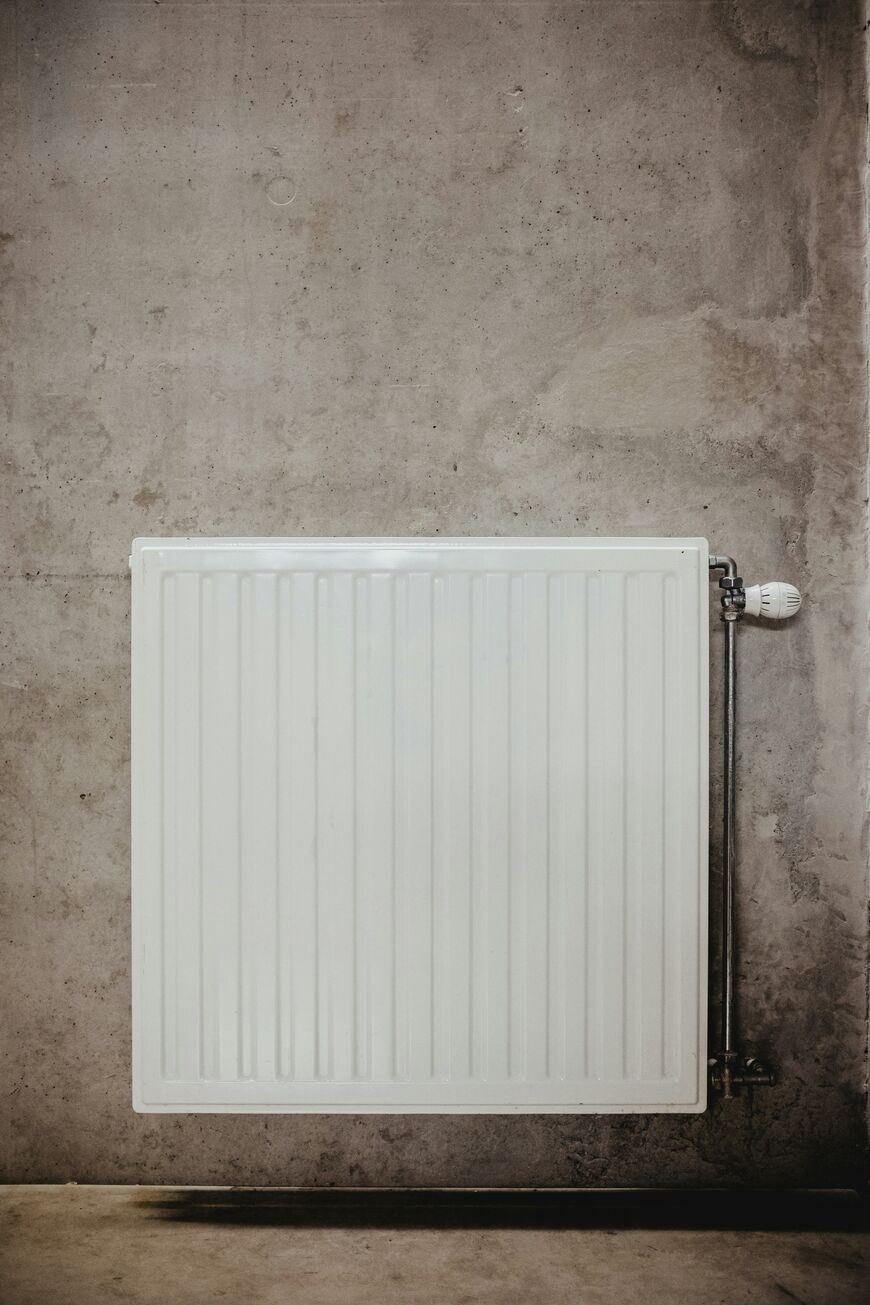
The Body Likes a Drop
Human sleep follows rhythm, not wishful thinking. As evening arrives, core body temperature begins to fall, which helps cue sleep. A bedroom that stays stuffy or overheated can disrupt that process, leaving a person tired but restless. This is where sensible cooling systems come into play, and specialist air conditioning and mechanical providers such as Sub Cool FM Ltd become relevant in a practical, straightforward way. The goal is steadiness. A slightly cooler, stable room helps the body fall asleep faster, stay asleep longer and cut down on irritating night-time wake-ups.
Why Overheating Ruins the Night
People rarely wake and declare, with scientific precision, that thermal discomfort caused the problem. They say they slept badly. They kicked off the duvet. They woke up sweaty. They turned the pillow over again and again. The pattern matters. Overheating fragments sleep. It can disrupt deeper stages and make REM sleep less stable, which matters because REM supports mood, memory and mental sharpness. Comfort is not trivial. It is the platform on which sleep rests. Take it away, and the whole night becomes choppy. A person may spend eight hours in bed and still wake exhausted.
The Room is a System
Temperature control is insufficient. Anyone who believes a cooler room fixes all sleep problems is misusing a tool. Bedding, ventilation, humidity, mattress material, and sleepwear affect body heat. Stuffy air can make a cool room feel stuffy. Healthy sleep settings are integrated. A constant sleep temperature, lighter bedding, breathable materials, and ventilation aid. The body perceives the environment, not the wall device.
Who Notices the Biggest Change?
Some groups profit more than others. Heat lingers, making life difficult for hot sleepers, older adults, hormonally changing people, and top-floor flat dwellers during warm weather. Problems for shift workers. When rooms naturally warm up during the day, sleeping might feel like fighting physics. Another issue is consistency. Sleeping well only when the weather is nice is not a routine. Improved temperature control can provide reliability.
Conclusion
Yes, but not in the naive, miracle-cure sense often portrayed in glossy ads and overhyped devices. Better temperature control helps the body cool down, calm down, and stay settled at night, improving sleep quality. That’s crucial. Overheated rooms can disrupt sleep for months while the victim blames everything else. Cooler, steadier weather won’t fix everything. Anxiety, disease, and agony persist. Misinterpreting temperature as a trivial detail is wrong. Sleep is conditional.