Last updated: May 26, 2026
If you’ve been wondering about the best things to do in Japan, you’re about to get a very satisfying answer. Japan is one of those rare destinations where every single day hands you something unforgettable, whether you’re wandering through bamboo groves, slurping ramen at a tiny counter, or watching cherry blossoms drift down like pink snow.
We’ve put together this guide to cover the full picture — from the iconic must-sees to the quieter, off-the-beaten-path moments that end up becoming your favorite memories.
Explore Kyoto’s Ancient Temple District
Kyoto is the cultural heart of Japan, and no trip is complete without spending real time here. The city holds over 1,600 Buddhist temples and 400 Shinto shrines, so you could spend an entire week and still not scratch the surface.
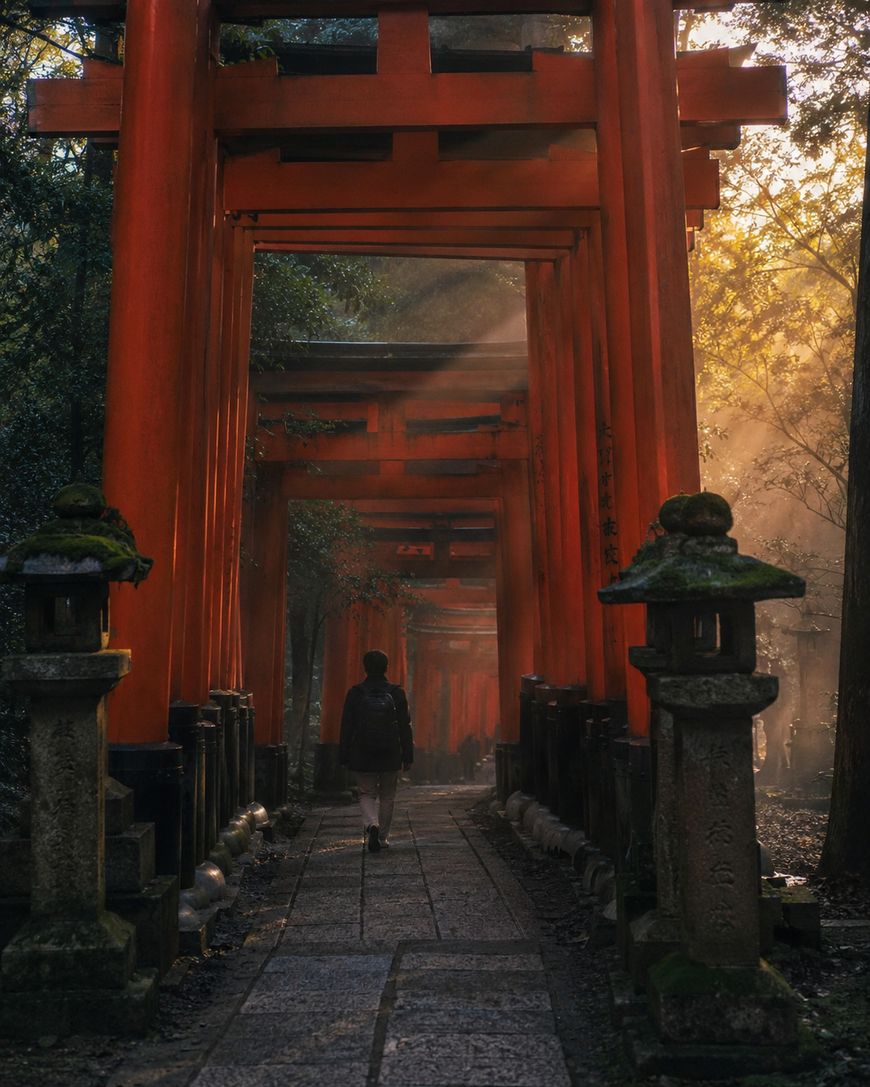
Fushimi Inari Taisha is the one most travelers recognize immediately — those thousands of vermillion torii gates winding up the mountain behind the main shrine create one of the most visually striking experiences in all of Asia. Go early in the morning before the crowds arrive and you’ll have stretches of the path nearly to yourself.
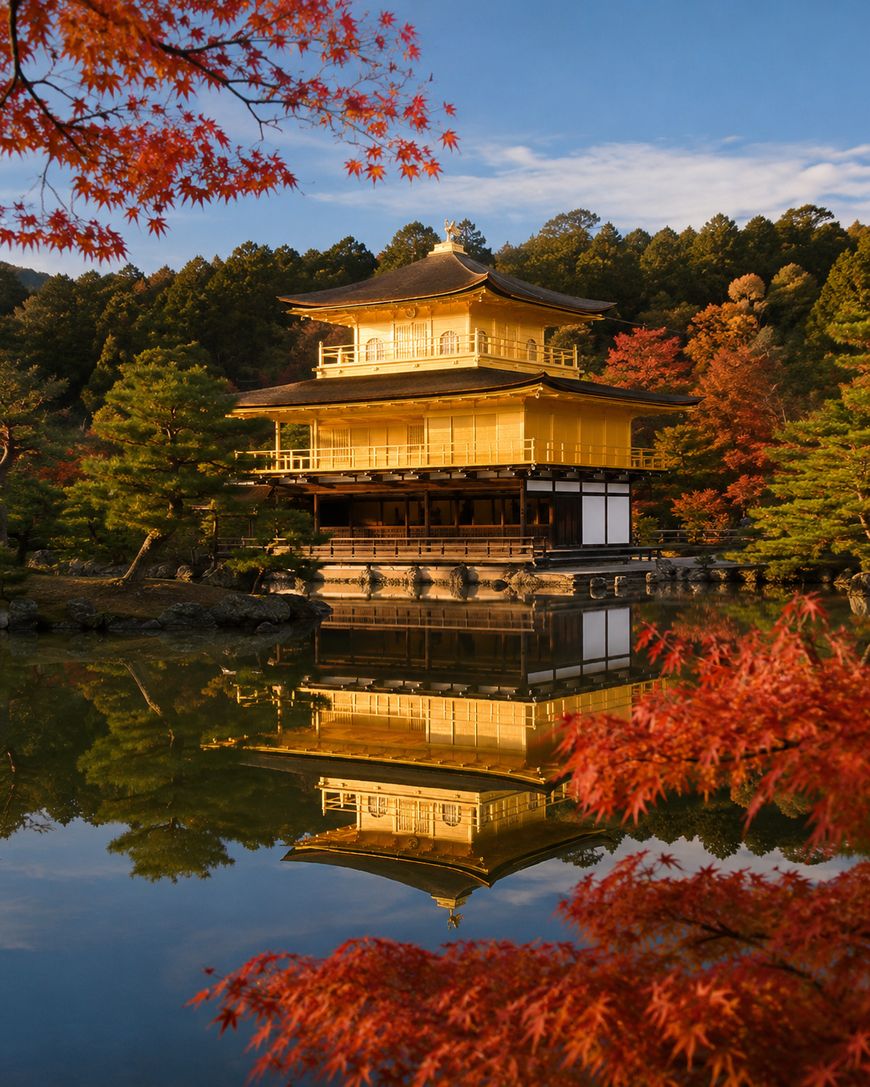
Kinkaku-ji, the Golden Pavilion, is another landmark you can’t skip. The top two floors of this Zen Buddhist temple are completely covered in gold leaf, and on a clear day the reflection in the surrounding pond is the kind of image that doesn’t feel quite real. Nearby, the Arashiyama district offers the famous bamboo grove, the Tenryu-ji garden, and riverside scenery that feels pulled from a painting.
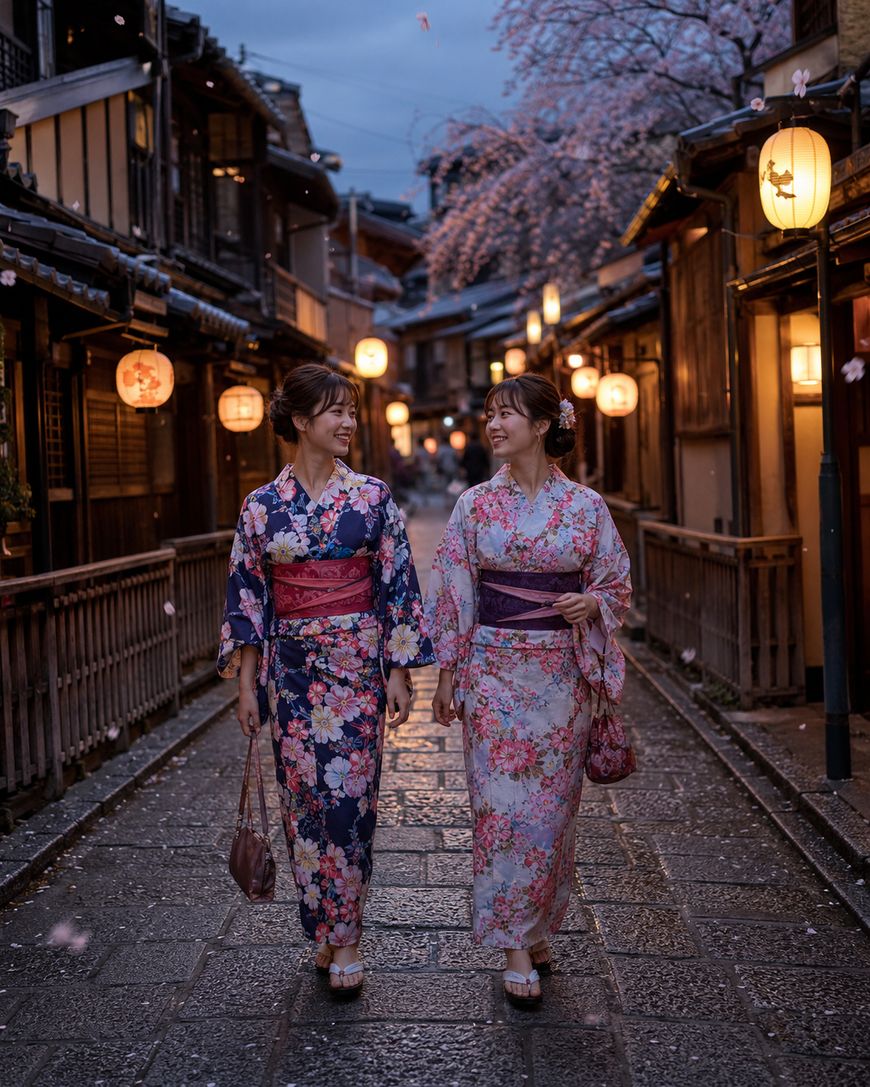
Gion, Kyoto’s historic geisha district, deserves an evening walk. The preserved machiya townhouses, the lantern-lit streets, and the occasional glimpse of a maiko in full dress make this neighborhood feel like a living museum. Book a tea ceremony experience here if you can — it’s one of those things to do in Japan that completely reframes the way you think about ritual and slowness.
Immerse Yourself in Tokyo’s Electric Energy
Tokyo is one of the most dynamic cities on earth, and it operates at a scale that takes your breath away. Over 13 million people live here, yet the trains run on time, the streets are immaculate, and strangers go out of their way to help you find where you’re going.
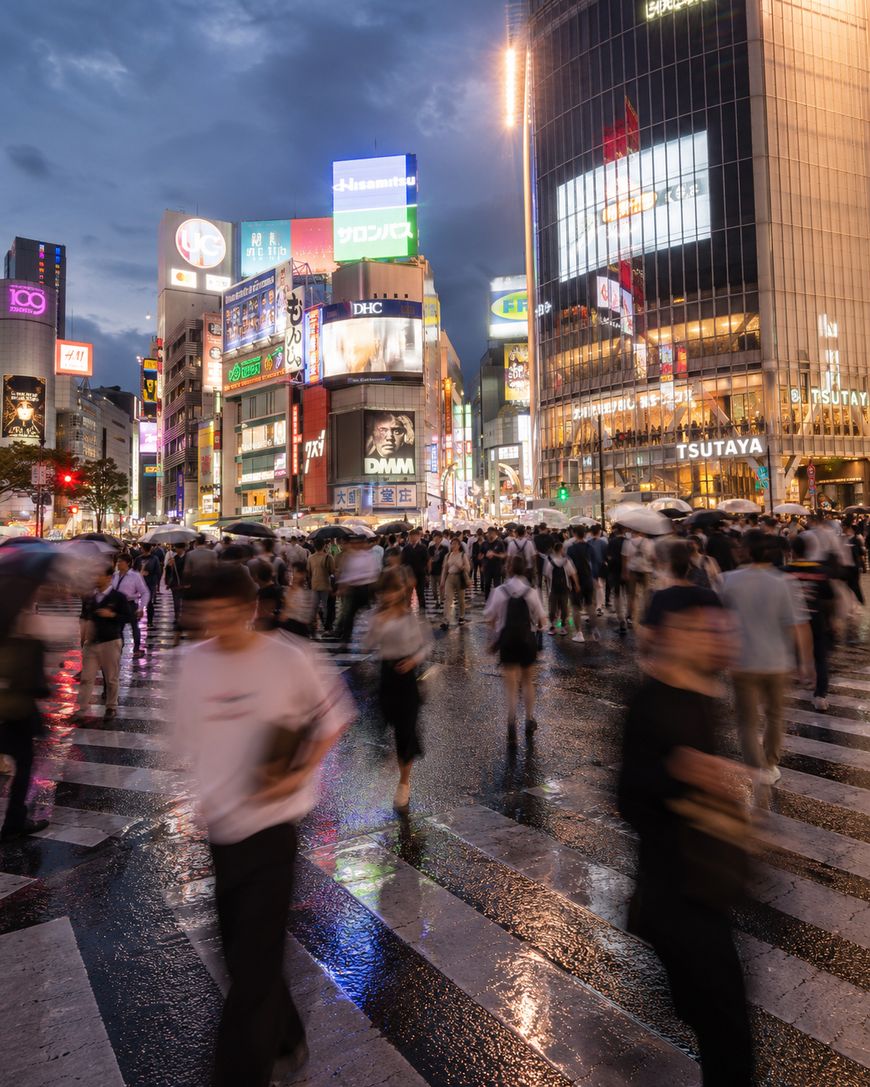
Start in Shibuya, home to the famous scramble crossing that sees thousands of pedestrians cross from every direction simultaneously at each signal change. It’s chaotic and perfectly choreographed at the same time, and watching it from the Starbucks above is a classic Tokyo moment.
Shinjuku offers a completely different energy. By day it’s packed with department stores, ramen shops, and the sprawling Shinjuku Gyoen National Garden. By night, the Golden Gai neighborhood — a maze of narrow alleys packed with tiny bars that seat maybe eight people each — becomes one of the most memorable drinking experiences you’ll have anywhere.
Harajuku is the neighborhood for fashion, youth culture, and the wildest street food on Takeshita Street. Shibuya Sky and the Tokyo Skytree both offer panoramic views of the city stretching to the horizon, and on a clear day you can see Mount Fuji from either one.
Akihabara deserves its own afternoon. Even if you’re not deep into anime or gaming culture, the sheer density of electronics shops, multi-story arcades, and themed cafes makes it one of the most visually overwhelming and entertaining neighborhoods in the country.
Eat Your Way Through Japanese Street Food and Markets
The food alone is a good enough reason to visit Japan, and eating well here doesn’t require reservations at fancy restaurants. Some of the best meals you’ll have come from a stall, a basement food court, or a counter with eight seats and a chef who has been perfecting one dish for forty years.
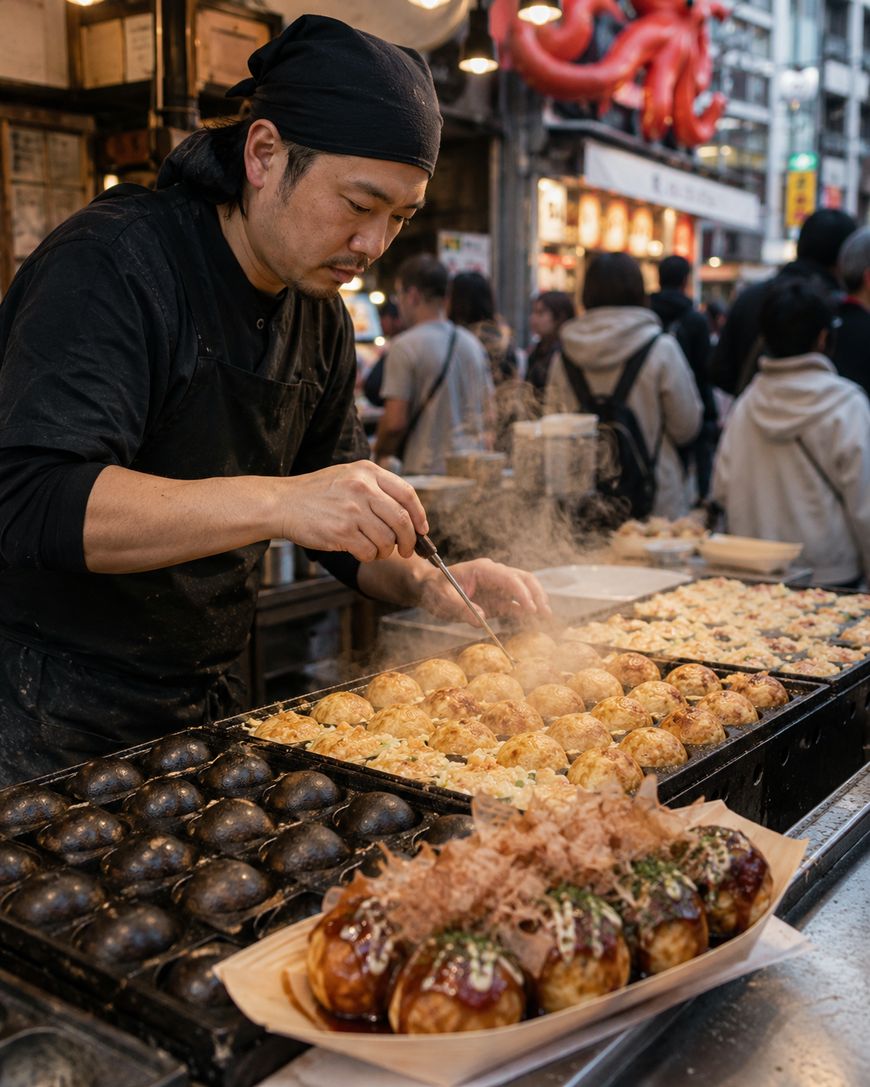
Osaka is the undisputed capital of Japanese street food. Dotonbori, the canal-side entertainment district, is lined with takoyaki (octopus balls), okonomiyaki (savory pancakes), and kushikatsu (breaded skewers). The locals say kuidaore — “eat until you drop” — and they mean it.
Tsukiji Outer Market in Tokyo still operates as a lively food market even after the inner wholesale market moved to Toyosu. Fresh sushi for breakfast at one of the tiny counters here is a rite of passage. The quality is extraordinary and the portions are generous.
Nishiki Market in Kyoto is a narrow five-block covered arcade known as “Kyoto’s Kitchen.” You can graze through pickled vegetables, grilled skewers, tofu in every imaginable form, and green tea everything as you work your way from one end to the other.
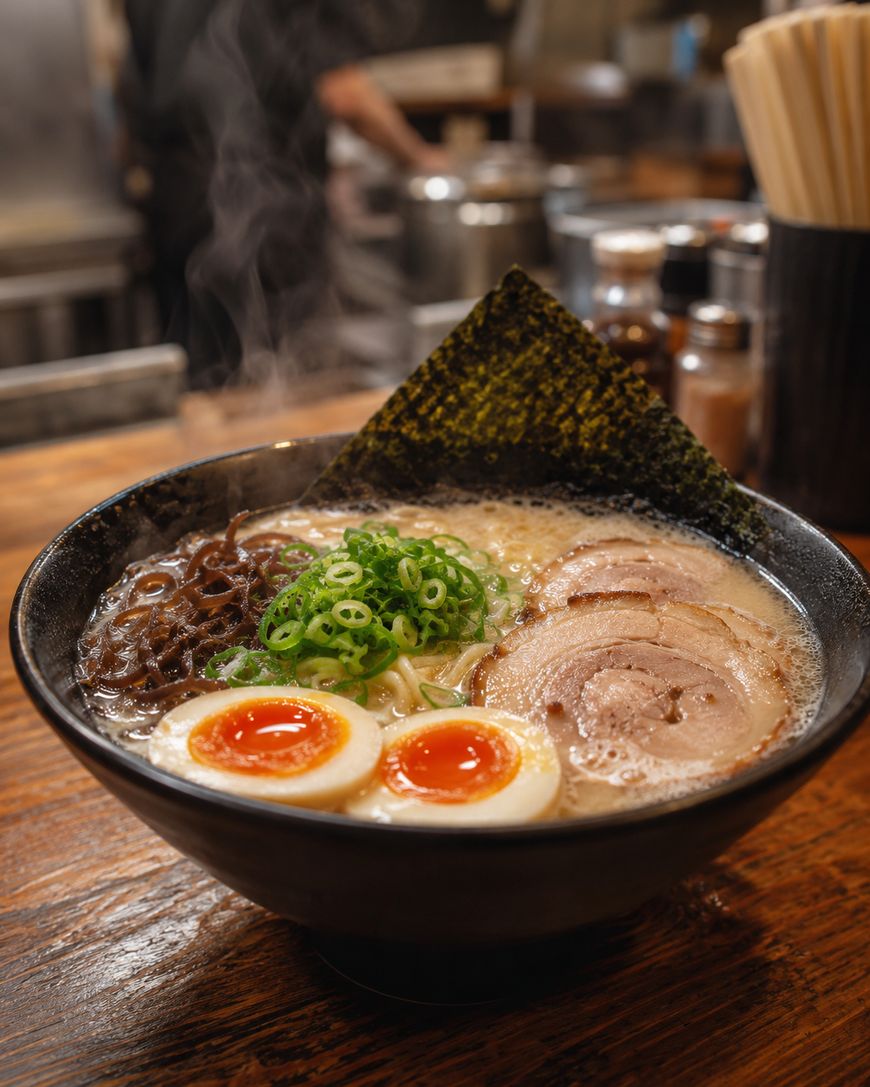
Ramen deserves its own chapter. Each region of Japan has its own style — Hokkaido’s rich miso ramen, Hakata’s cloudy tonkotsu broth, Tokyo’s soy-based shoyu version. Seek out a ramen museum or a specialist shop in whatever city you’re visiting and sit at the counter if you can. It’s one of those simple things to do in Japan that becomes a full experience.
Soak in a Traditional Onsen
Japan has volcanic activity to thank for its extraordinary onsen culture. There are thousands of natural hot spring resorts across the country, and spending a night or two at a ryokan (traditional inn) built around an onsen is one of the defining travel experiences the country offers.
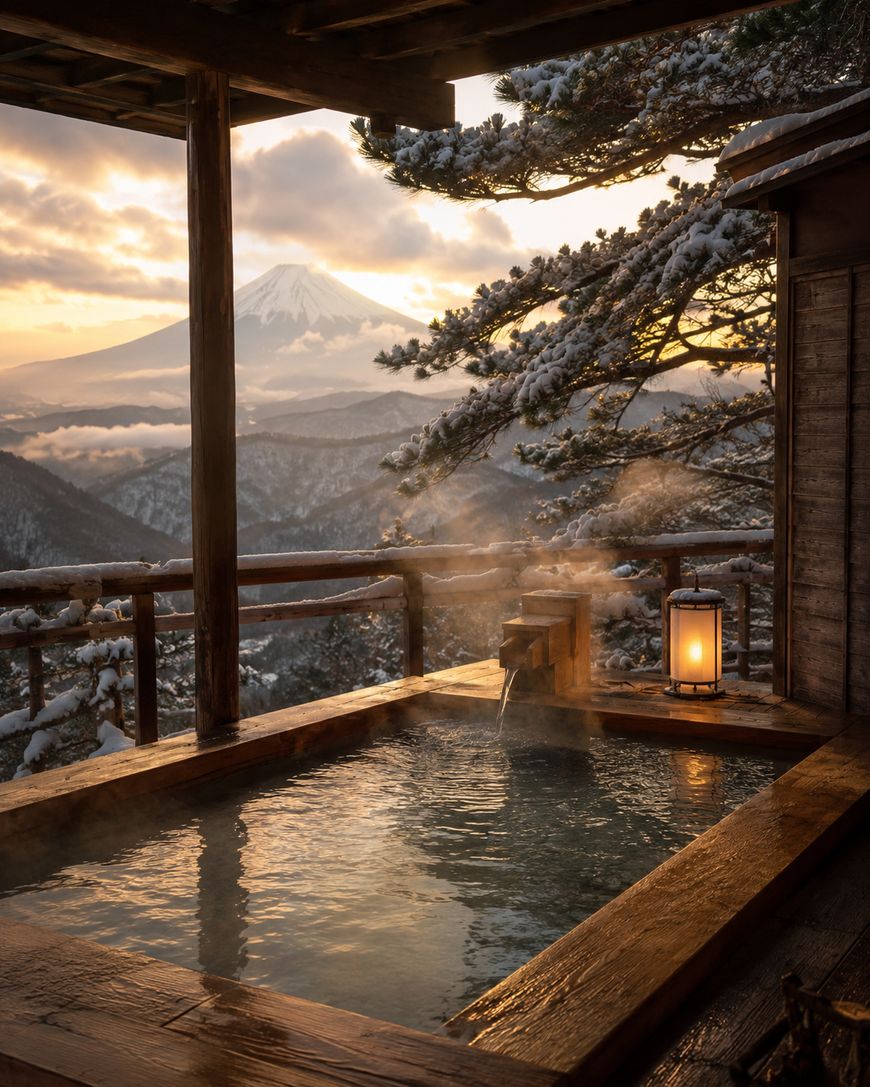
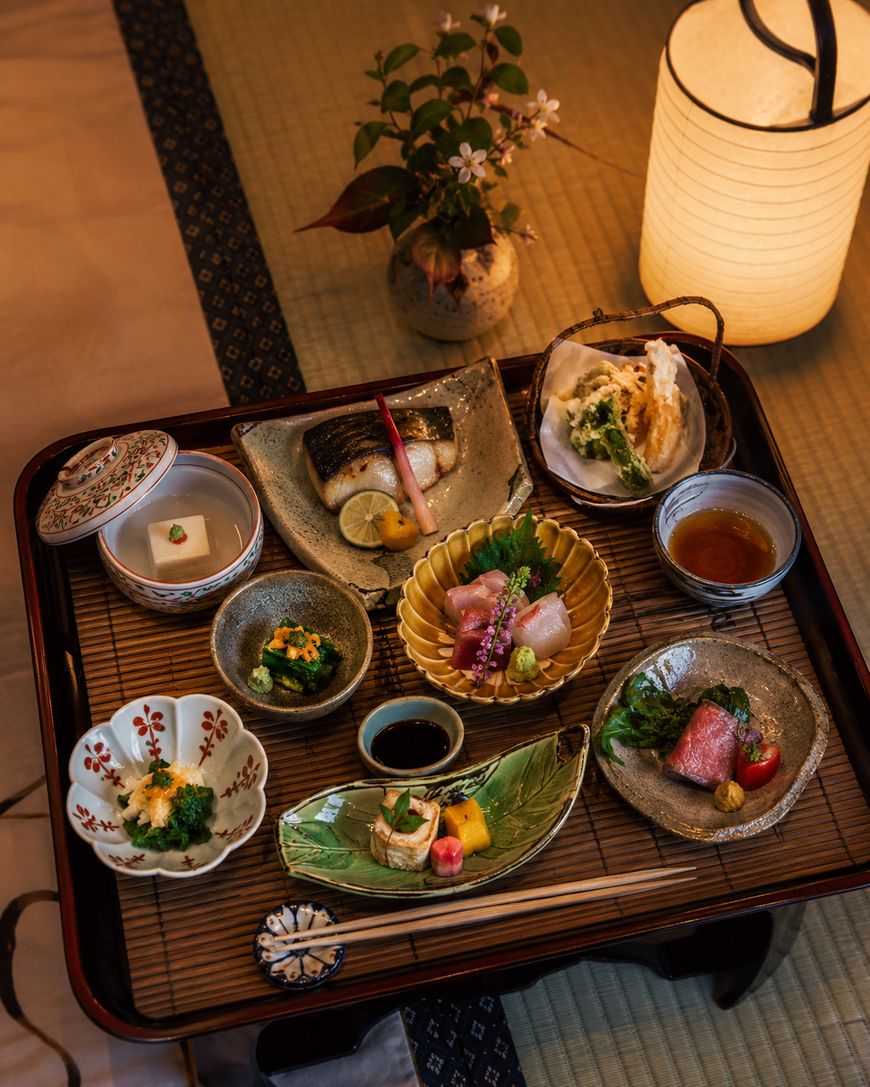
Hakone is the most accessible onsen town from Tokyo, about an hour and a half by train. The town sits in volcanic hills with views of Mount Fuji across the lake on clear days, and the ryokan options range from affordable to incredibly luxurious. You soak in mineral-rich water, wear a yukata around the inn, and eat a multi-course kaiseki dinner served in your room.
Beppu, on the island of Kyushu, takes onsen culture to a theatrical extreme. The city has more hot springs than anywhere else in Japan, and the famous “hells” — brightly colored boiling pools in vivid blues, reds, and grays — are a surreal sightseeing attraction in their own right.
Rotenburo, outdoor hot spring baths, are particularly magical in fall and winter when the steam rises against cold air and colored leaves or snow. Ryokan etiquette is simple: you wash thoroughly before entering, tattoos may restrict access at some baths, and silence is generally the norm in the water.
Visit Hiroshima and Reflect
Hiroshima is one of the most important places to visit in Japan, and the experience it offers is both sobering and ultimately hopeful. The Peace Memorial Museum tells the story of August 6, 1945 with unflinching honesty, and the Atomic Bomb Dome — the skeletal ruin of the former Industrial Promotion Hall, preserved exactly as it stood after the blast — stands a few hundred meters away as a UNESCO World Heritage Site.
The Peace Memorial Park surrounding these sites is a place of genuine tranquility. Families picnic on the grass, children fold paper cranes at the Children’s Peace Monument, and the rivers that run through the city reflect a city that rebuilt itself into one of the most livable and forward-looking in Japan.
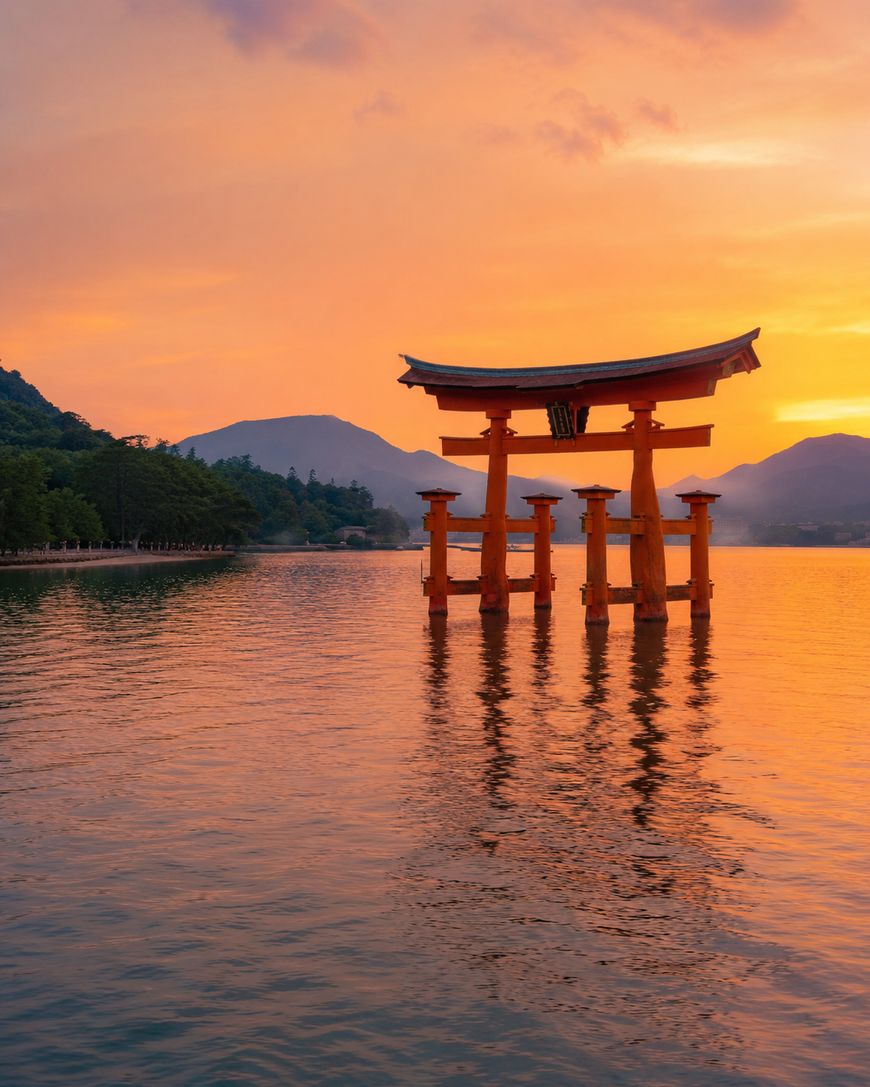
A short ferry ride from Hiroshima takes you to Miyajima Island, home to Itsukushima Shrine and its famous floating torii gate that appears to rise from the sea at high tide. Deer wander freely around the island. It’s one of the most photographed scenes in Japan, and it earns every click of the shutter.
Hike the Nakasendo and Japanese Countryside
Japan’s countryside is staggeringly beautiful and surprisingly accessible for independent travelers. The Nakasendo is a historic highway that once connected Kyoto and Tokyo through the mountains, and several sections of it can still be walked between preserved post towns.
The stretch between Magome and Tsumago in the Kiso Valley is the most popular and easiest to do as a day hike — about eight kilometers of forested trail passing waterfalls, old stone markers, and tea houses. Both towns look almost exactly as they did in the Edo period, with wooden buildings, paper lanterns, and virtually no modern signage to break the spell.
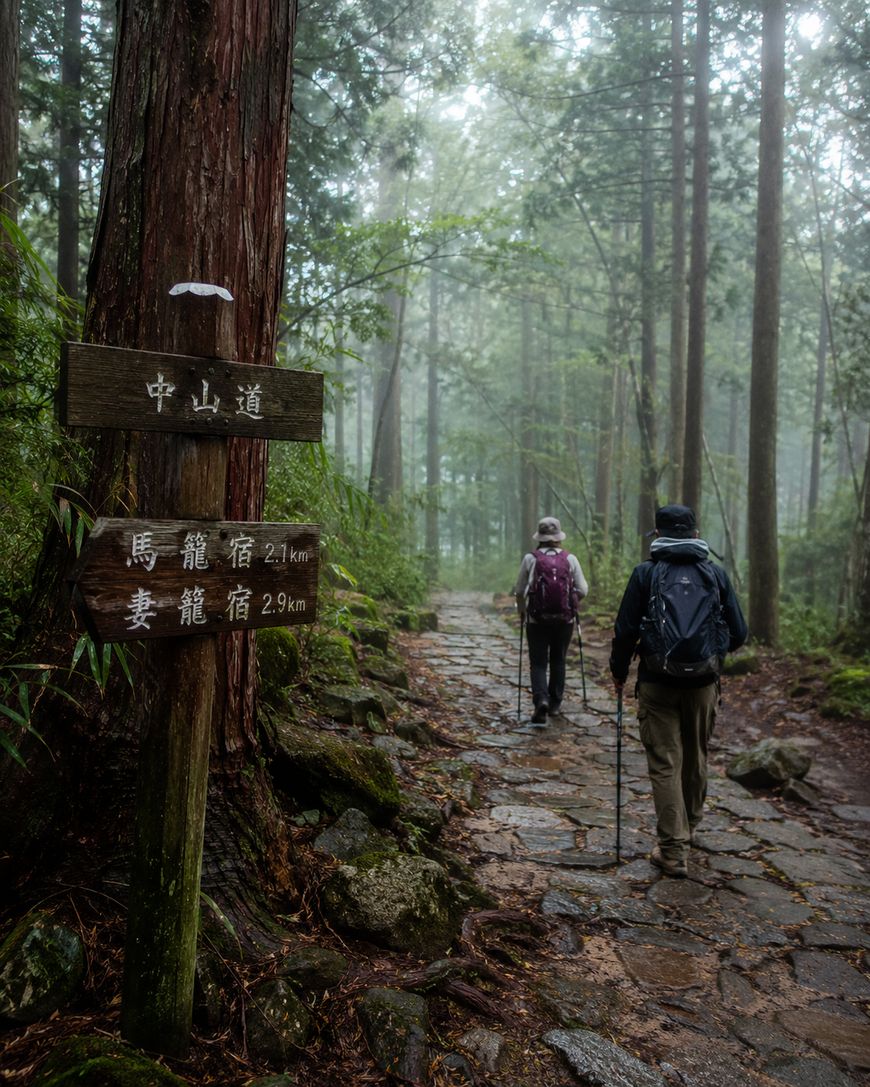
The Japanese Alps offer serious hiking for those who want it. The Kamikochi valley in Nagano Prefecture is a spectacular high mountain basin open from late April to November, with the jagged Hotaka peaks reflected in the clear Azusa River. You can hike all day or simply walk the flat path along the river and enjoy the scenery at a gentle pace.
Experience Japanese Festivals and Seasonal Events
Japan’s calendar is packed with matsuri (festivals) and seasonal events that give you a reason to visit at almost any time of year. Timing your trip around one of these can transform a great vacation into something genuinely extraordinary.
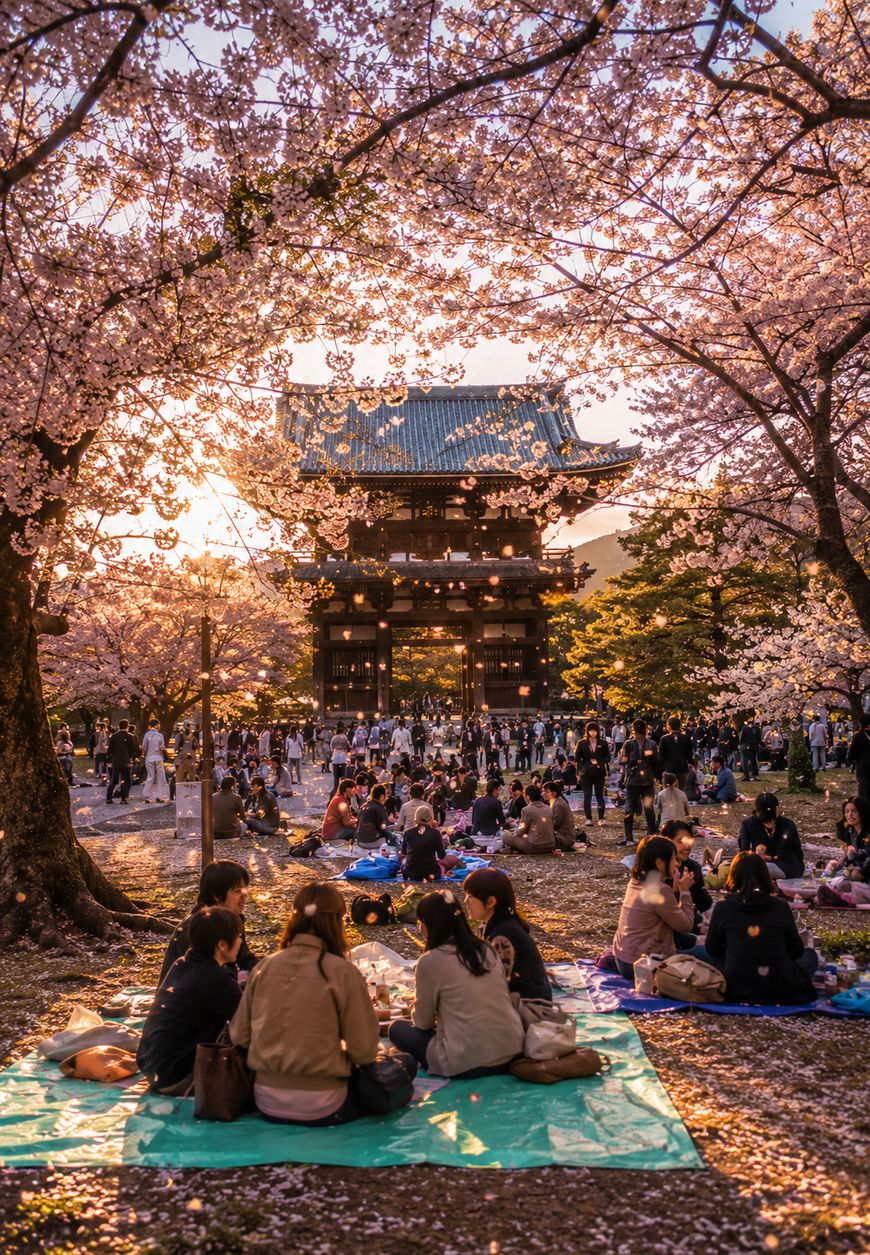
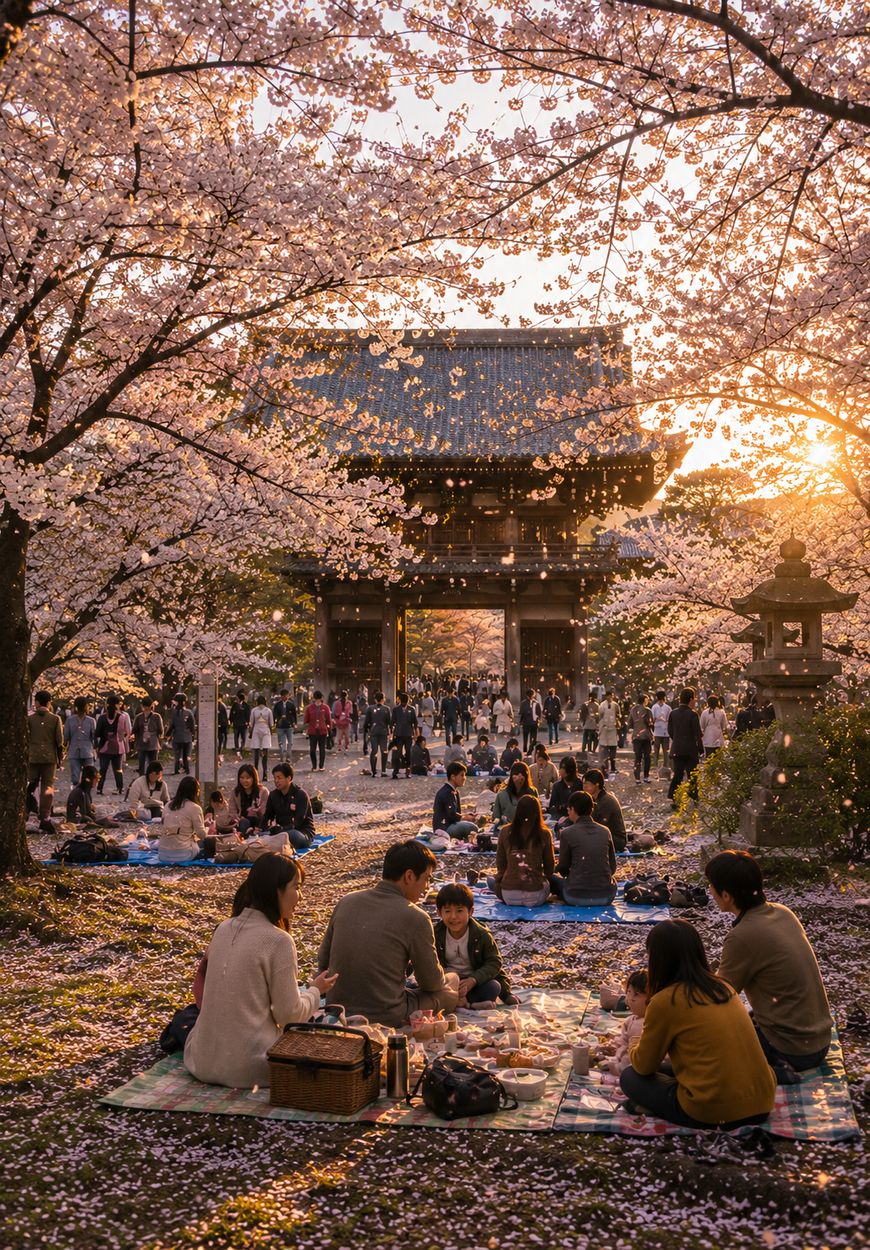
Cherry blossom season (sakura), which typically runs from late March through mid-April depending on the region, is the most famous. Parks, temple grounds, and riverbanks fill with pink and white flowers, and the tradition of hanami — flower viewing picnics under the blossoms — brings communities together in a celebration that feels ancient and modern at the same time.
The Gion Matsuri in Kyoto runs throughout July and is one of Japan’s oldest and most elaborate festivals. The Yamaboko Junko parade on July 17th sends enormous decorated floats through the city center, drawn by teams of white-robed attendants. The evenings leading up to it fill Shijo Street with food stalls, yukata-clad locals, and live music.
Fall foliage season, called koyo, runs from October through December and rivals sakura season for sheer beauty. Temple gardens in Kyoto and Nikko turn blazing shades of red, orange, and gold, and the crowds thin out just enough to make the experience feel less rushed than spring.
Frequently Asked Questions About Things to Do in Japan
What is the best time of year to visit Japan?
Spring (late March to April) for cherry blossoms and fall (October to November) for foliage are the most spectacular times to visit. Summer brings festivals but also heat and humidity, while winter offers snow-capped scenery and great skiing in Hokkaido.
How many days do you need in Japan?
Two weeks gives you enough time to cover Tokyo, Kyoto, Osaka, and a few day trips without feeling rushed. Ten days works if you focus on two or three regions. A week is possible but you’ll have to make hard choices about what to skip.
Is Japan expensive to travel?
Japan is more affordable than many Western travelers expect. Budget accommodation, convenience store meals, and local train travel keep costs reasonable. Ryokan stays, multi-course kaiseki dinners, and shinkansen (bullet train) tickets are the bigger splurges, but they’re worth planning for.
Do you need to speak Japanese to get around?
You don’t need to speak Japanese to travel comfortably in Japan. Major train stations, airports, and tourist areas have English signage, and translation apps handle most situations. Learning a handful of basic phrases — arigatou gozaimasu (thank you), sumimasen (excuse me) — is appreciated and goes a long way.
What is the best way to get around Japan?
The Japan Rail Pass is worth purchasing before you leave home if you plan to travel between cities. IC cards like Suica or Pasmo work on local trains, buses, and even convenience stores. Within cities, the subway systems are fast, clean, and remarkably easy to navigate even without Japanese.
Can you visit Japan on a first international trip?
Japan is actually one of the friendliest countries in the world for first-time international travelers. It’s extremely safe, public transport is intuitive, and locals are genuinely helpful. The main adjustment is the etiquette around shoes, chopsticks, and onsen — all of which are easy to learn.
Plan Your Trip and Start Exploring
There is no single right way to experience all the incredible things to do in Japan — the country is layered enough to reward a dozen different visits, and even seasoned travelers keep finding new corners to explore. Whether you’re drawn to the temples and slow mornings of Kyoto, the relentless energy of Tokyo, the steaming waters of a mountain onsen, or the poignant quiet of Hiroshima, Japan meets you where you are and gives you something real.
Start with a region or two, build in time to wander without a plan, and let yourself get genuinely lost — in the best possible way.