Last updated: September 6, 2026
You just got home from a trip and already the details are starting to blur together. These travel journal ideas will help you capture the moments, feelings, and small details that make a trip worth remembering.
A good travel journal is not just a diary of where you went. It is a place to hold onto the textures of a trip that photos alone tend to miss.
Start With a Daily Recap
The simplest travel journal idea is also the most useful one: write a short recap at the end of each day.

You do not need paragraphs of polished prose. A few honest sentences about where you went, what you ate, and how you felt work just as well.
Try writing your daily recap before bed, while the day is still fresh, rather than saving it all for the end of the trip. You will remember far more detail this way, and the habit takes less than ten minutes once you get into a rhythm.
If you are short on time, jot down three words that summarize the day and expand on them later. This keeps the habit from feeling like a chore, which is often why travel journals get abandoned halfway through a trip.
Record the Small Sensory Details
Photos capture what a place looked like, but they rarely capture what it sounded like, smelled like, or felt like to stand there.
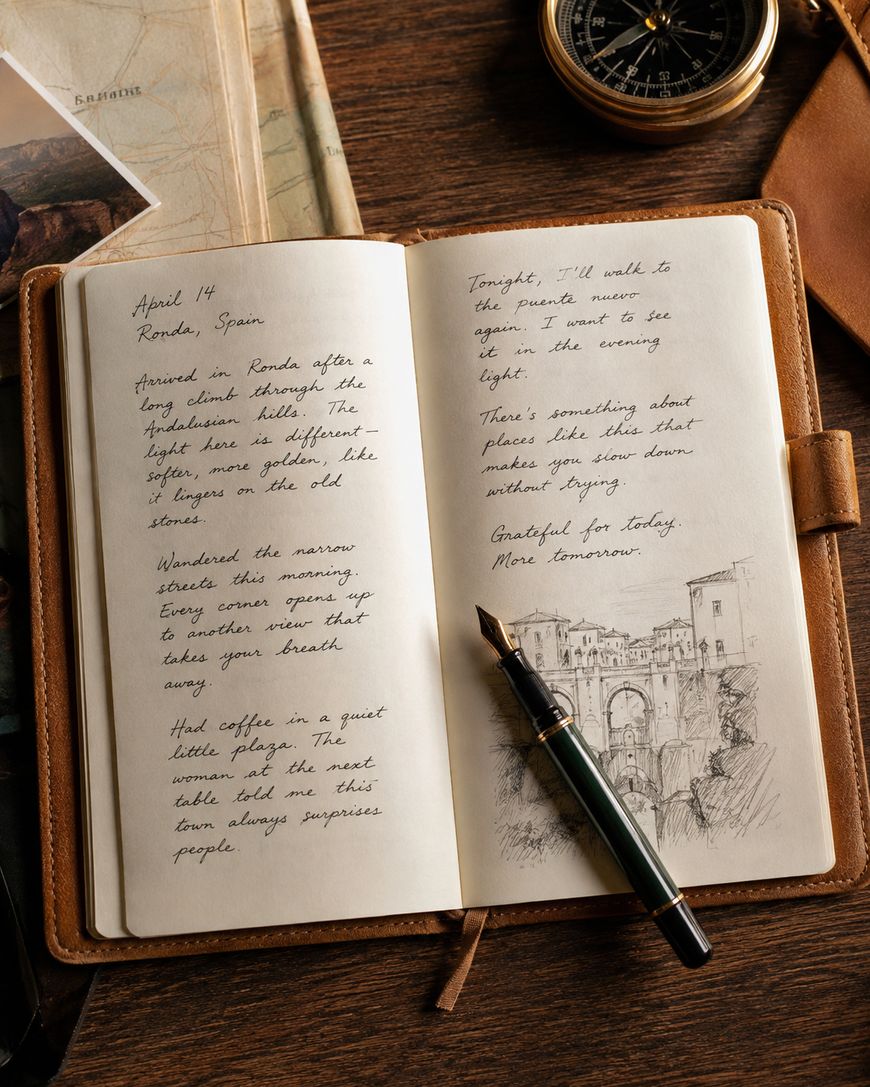
Write down the sound of a market in the morning, the smell of bread from a bakery you passed, or the feeling of sand between your toes. These sensory notes are what make a journal entry feel alive years later.
Keep a running list of sounds and smells in the margin of each entry so you do not have to interrupt your main writing to capture them. Even a single sensory detail per day adds enormous richness when you read the journal again.
Track the People You Meet
Some of the best travel stories are not about places at all. They are about the people you talked to along the way.

Write down the name of the shop owner who gave you directions, the fellow traveler you shared a table with, or the local who recommended their favorite restaurant. Include a line about what you talked about, even if it was brief.
You can also note the exact words someone said if a phrase stuck with you. Conversations fade from memory faster than scenery does, so this is one of the travel journal ideas that pays off the most over time.
Save Ticket Stubs, Menus, and Small Ephemera
A pocket-sized envelope taped into the back of your journal is an easy way to collect train tickets, museum stubs, business cards, and restaurant menus as you go.
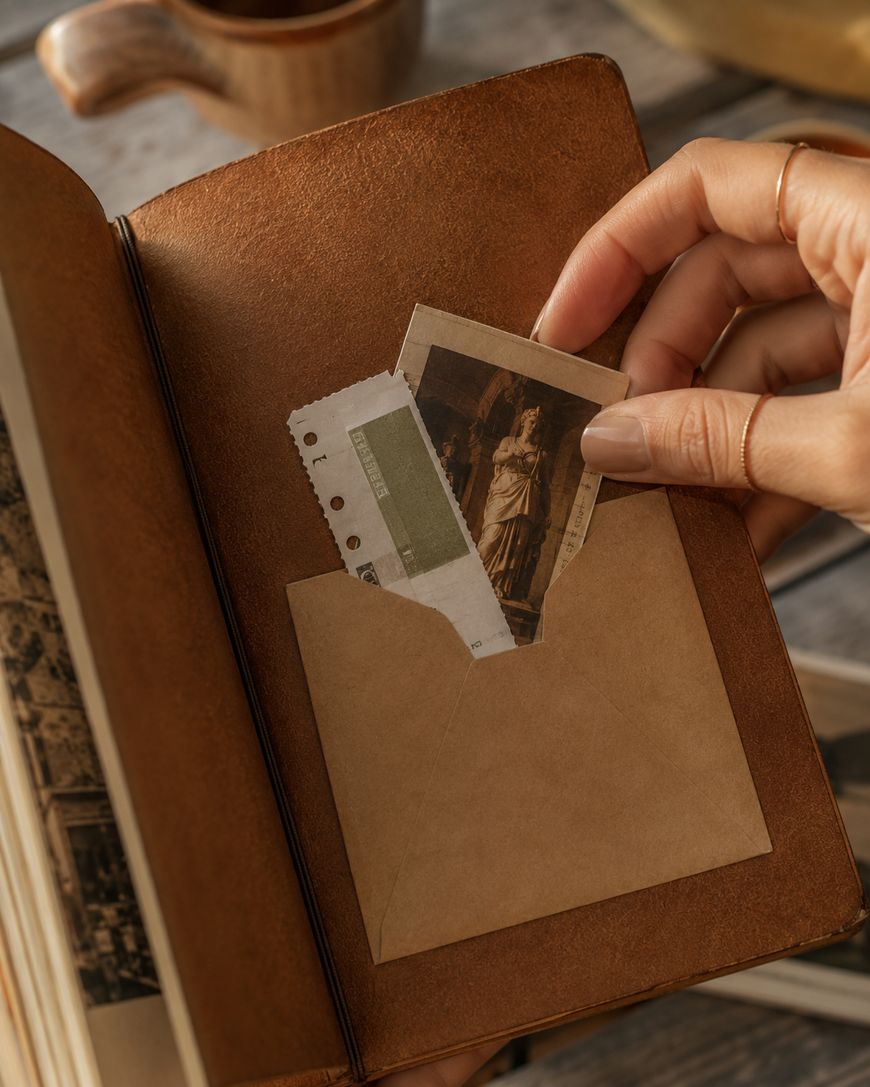
These small paper items are physical evidence of a day that a photo cannot replicate. Years later, a folded museum map or a coffee shop receipt can bring back a moment more vividly than a picture does.
Glue or tape a few of these items directly onto the journal page next to the matching entry instead of storing them loosely, so the story and the object stay connected.
Sketch, Even If You Are Not an Artist
You do not need to be good at drawing for a sketch to be worth including. A rough outline of a building, a map of your walking route, or a doodle of your lunch plate adds a visual layer that words alone cannot.

Quick five-minute sketches force you to look closely at a scene in a way that snapping a photo does not. That closer attention is often what makes a memory stick.
Note the Practical Details Too
Alongside the emotional and sensory notes, jot down a few practical details: where you stayed, how you got around, and what you would do differently next time.
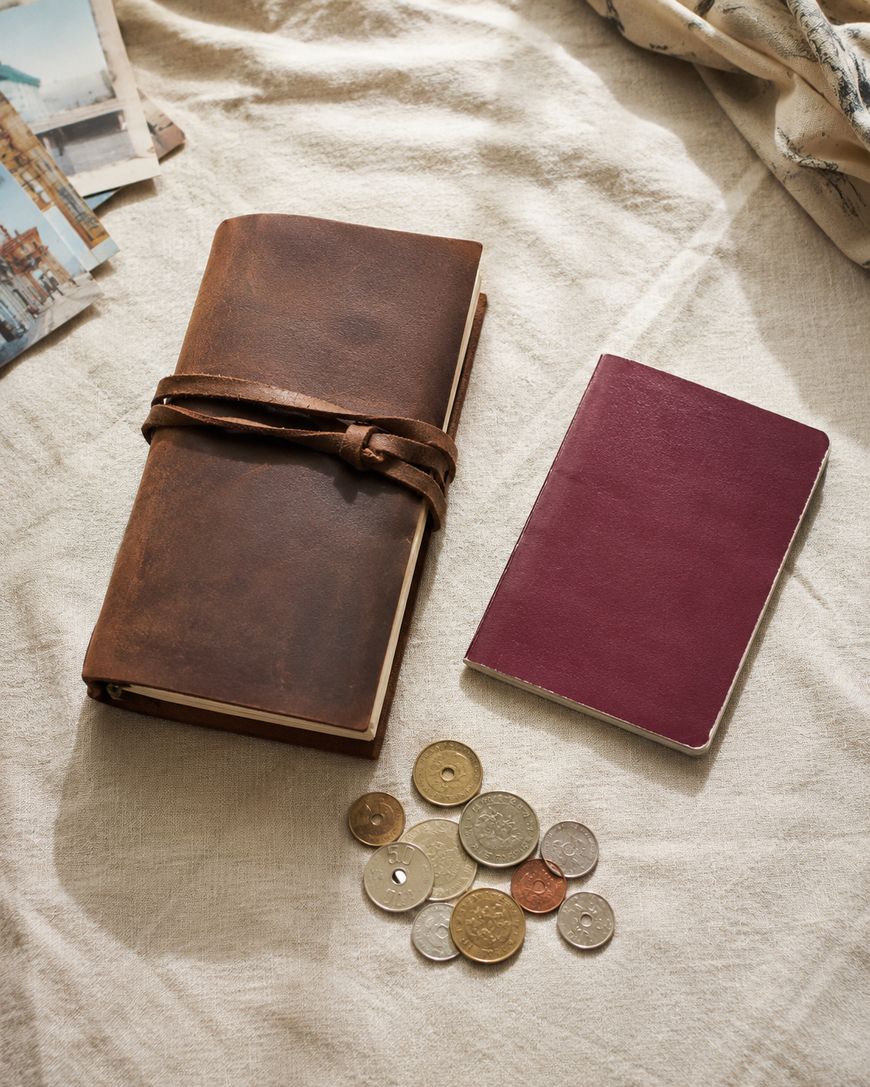
This turns your journal into a useful reference for future trips, not just a keepsake. A quick note like “the market is busiest before nine in the morning” or “book the ferry a day ahead” saves you research the next time you plan a similar trip.
Record Your Mood, Not Just Your Itinerary
Travel is not always glamorous, and a journal that only records the highlights can feel hollow when you read it back.
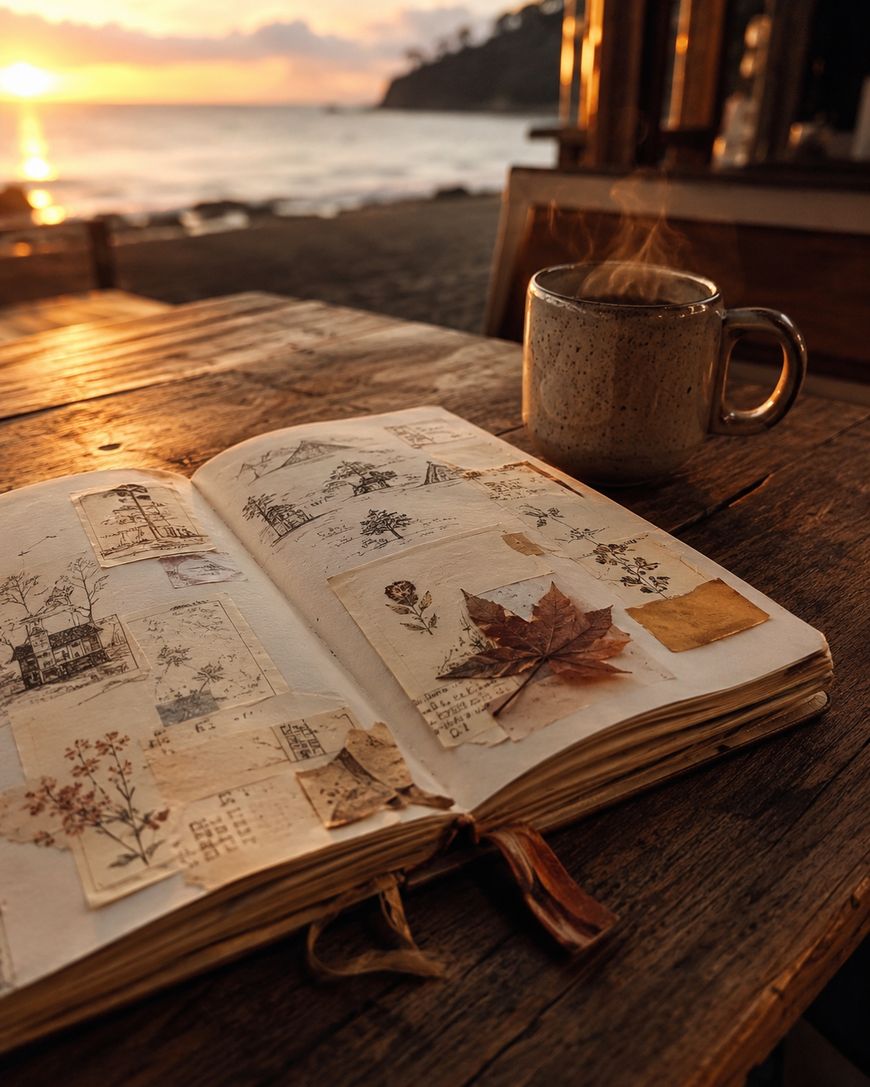
Write honestly about the moments that were tiring, confusing, or overwhelming, alongside the moments that felt magical. This honesty is what makes a travel journal feel true to the trip rather than a highlight reel.
Use Voice Notes When Writing Is Not Practical
Some days you simply will not have the energy to write, especially after a long day of sightseeing or travel.
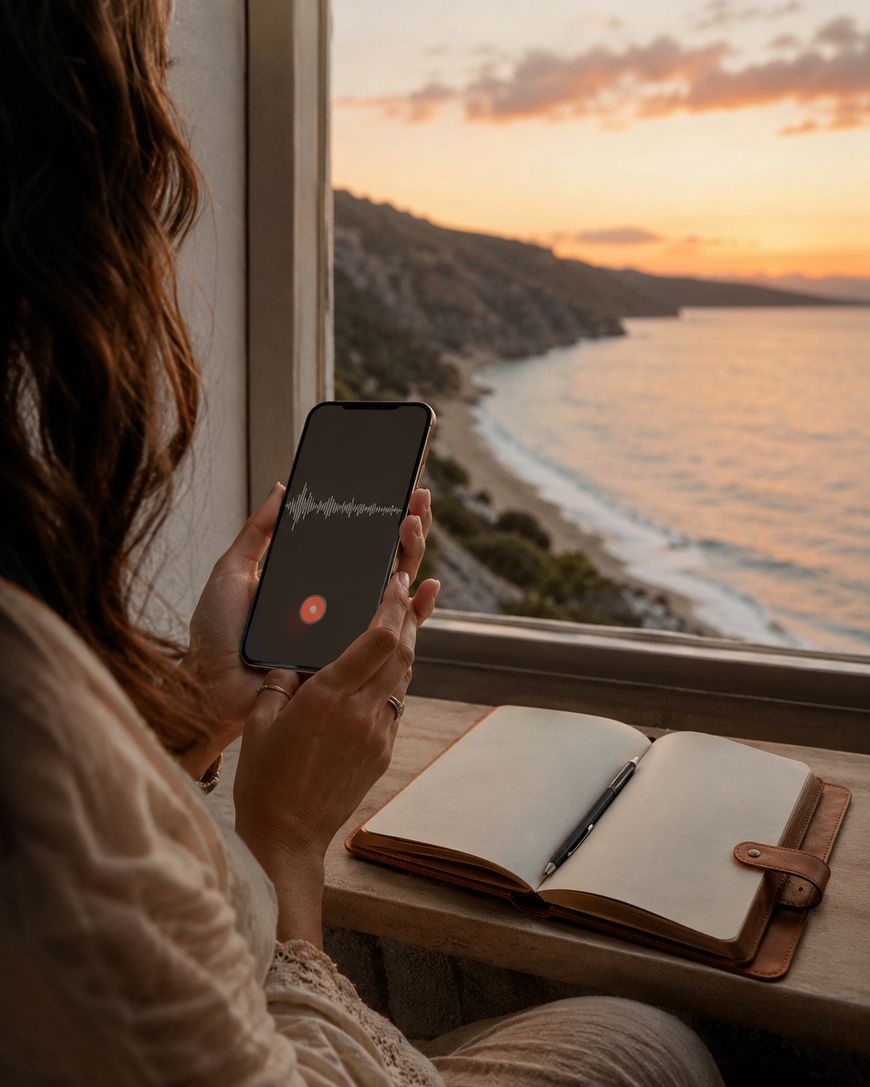
Record a short voice memo on your phone describing the day instead, then transcribe it into your journal once you are home or resting. This keeps the details fresh without forcing you to sit down and write every single night.
Why Keeping a Travel Journal Matters
A journal changes how you experience a trip while it is happening, not just how you remember it afterward. Knowing you will write about your day encourages you to pay closer attention to it in the moment.

Over time, a shelf of travel journals becomes a record of who you were during different chapters of your life, not just where you went. That is something a folder of photos on your phone rarely manages to do on its own.
Frequently Asked Questions
What should I write in a travel journal every day?
Aim for a short recap of what you did, one sensory detail, and a note about someone you met or talked to. Even a few sentences a day builds a rich record over the course of a trip.

What if I do not have time to write every day?
Jot down a few keywords each night and expand on them later, or record a short voice memo instead. The goal is to capture enough detail that the day comes back to you when you read the notes again.
Do I need to be a good writer to keep a travel journal?
Not at all. A travel journal is for you, not an audience, so plain and honest notes work just as well as polished writing.
Should I include bad days in my travel journal?
Yes, a few honest notes about a tiring or frustrating day make the journal feel true to the trip and often become some of the most interesting entries to read back later.
What supplies do I need to start a travel journal?
A simple notebook, a pen, and a small envelope or pocket for ticket stubs and other paper keepsakes are really all you need to get started.
Can a travel journal be digital instead of paper?
Yes, a notes app or a dedicated journaling app works well too, especially for voice memos, though many people enjoy the tactile feel of a paper journal they can hold onto for years.
Start Your Next Trip With a Journal in Hand
The best time to start using these travel journal ideas is on your very next trip, even if it is just a weekend away. Pack a small notebook, set aside ten quiet minutes each evening, and let the small details fill in the story around your photos.

Related: How to Plan the Perfect City Break
Related: Best Places To Travel To This Year And How To Pick One Fast