Last updated: April 28, 2026
You’re searching for an urban survival kit because you want to be ready: not anxious, just prepared. Here’s exactly what goes in one, why each item earns its place, and how to put yours together today.

What Is an Urban Survival Kit?
An urban survival kit is a curated collection of tools, supplies, and food designed to keep you safe and functional during city-specific emergencies — power outages, natural disasters, civil disruptions, or situations where you need to leave home fast.
Unlike wilderness survival kits, an urban kit accounts for concrete environments, dense populations, and the unique challenges of navigating a city when systems fail.
The goal isn’t to prepare for the apocalypse. It’s to cover the 72-hour window that emergency management agencies consistently identify as the most critical period after a disaster — before relief infrastructure kicks in.
The Urban Survival Kit Essentials
Water and Water Purification
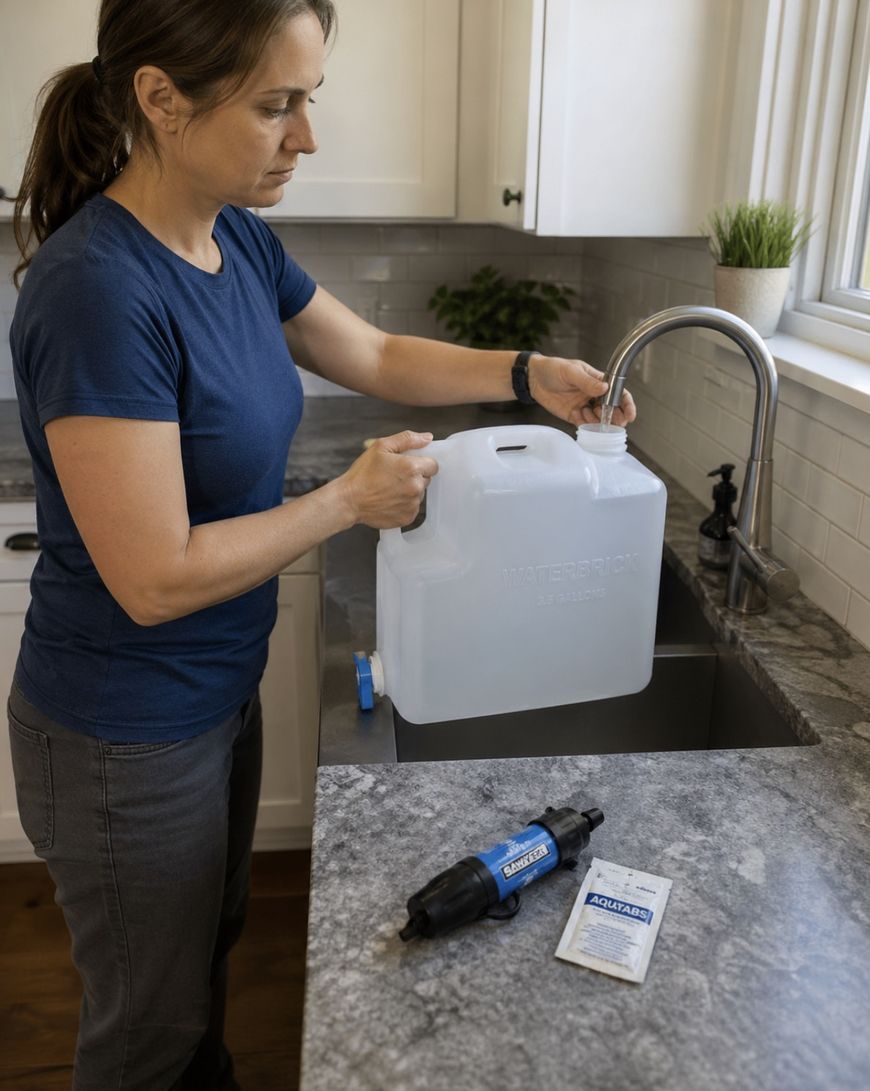
Water is your first priority. Store at least one gallon per person per day for a minimum of three days — so a solo urban kit needs at least three gallons of drinking water. Use FEMA-recommended food-grade water storage containers or sealed commercial options like WaterBrick 3.5-gallon containers, which stack efficiently in small apartments.
For purification on the go, carry a Sawyer Squeeze water filter and a small supply of Aquatabs water purification tablets. If you’re evacuating on foot through an urban environment, both give you the ability to make questionable water sources safe — including from municipal fountains or building water systems still under pressure.
Emergency Food Supply
Urban survival food needs to be calorie-dense, long-shelf-life, and require minimal or no cooking. A solid 72-hour food supply includes:
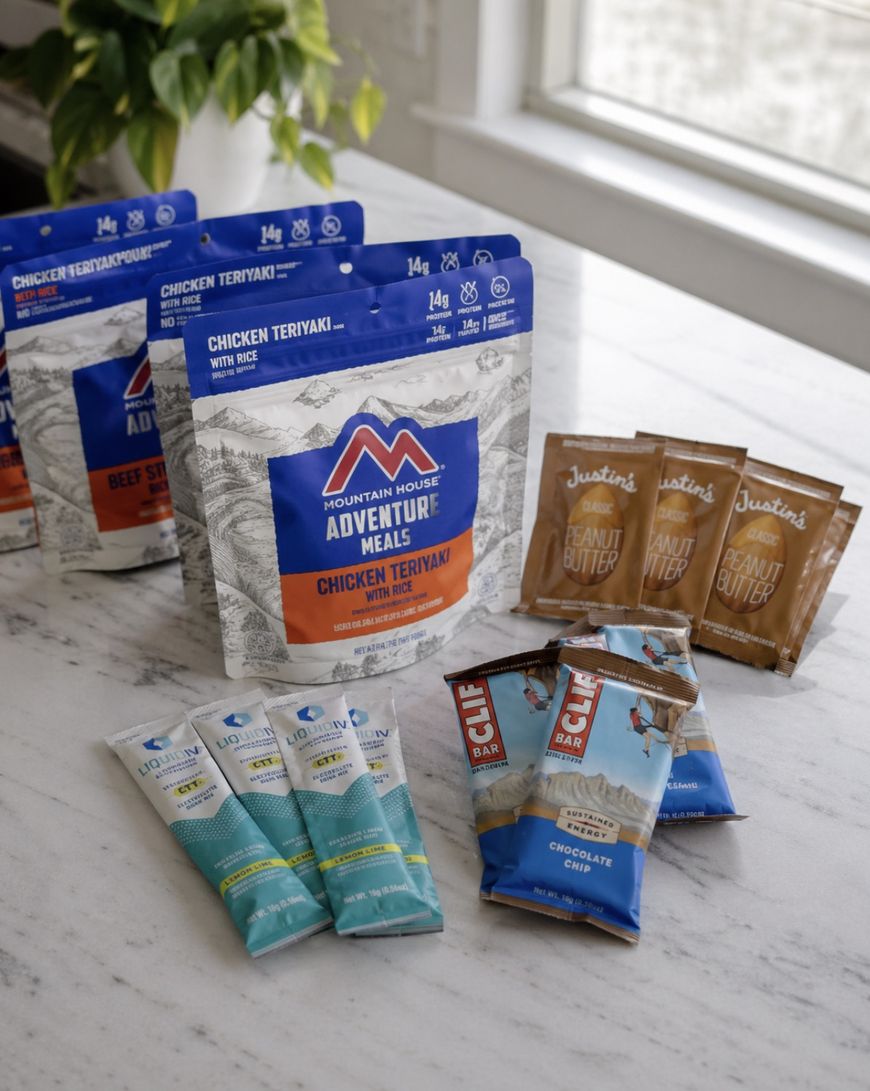
- CLIF Bars or similar 250–300 calorie bars (pack 6–9)
- Backpacker’s Pantry or Mountain House freeze-dried meals (no refrigeration, 25-year shelf life)
- Individual peanut butter packets (high-calorie, no preparation needed)
- Hard candy and electrolyte packets like Liquid IV for morale and hydration support
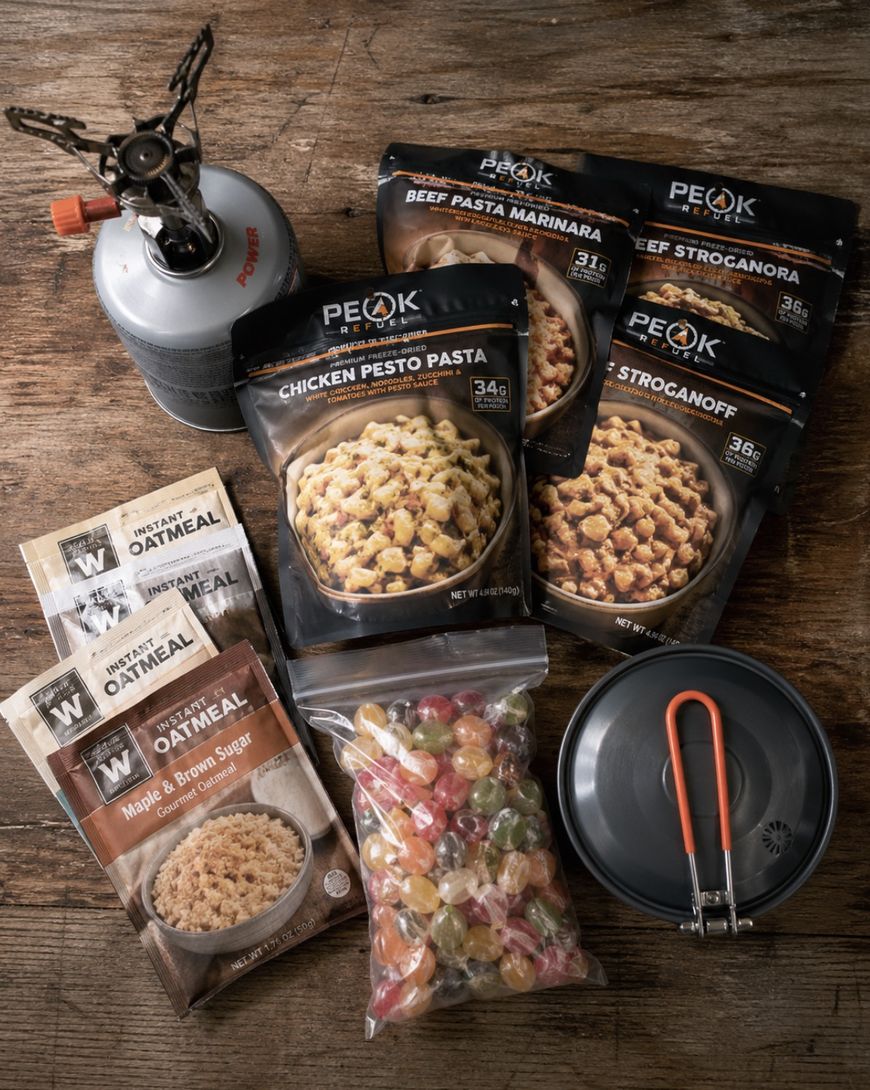
If you have a camp stove in your kit (more on that below), you can expand to instant oatmeal packets, instant ramen, and vacuum-sealed rice pouches. Keep it practical — food you’ll actually eat, not just food that’ll sit in a box for a decade.
First Aid and Medical
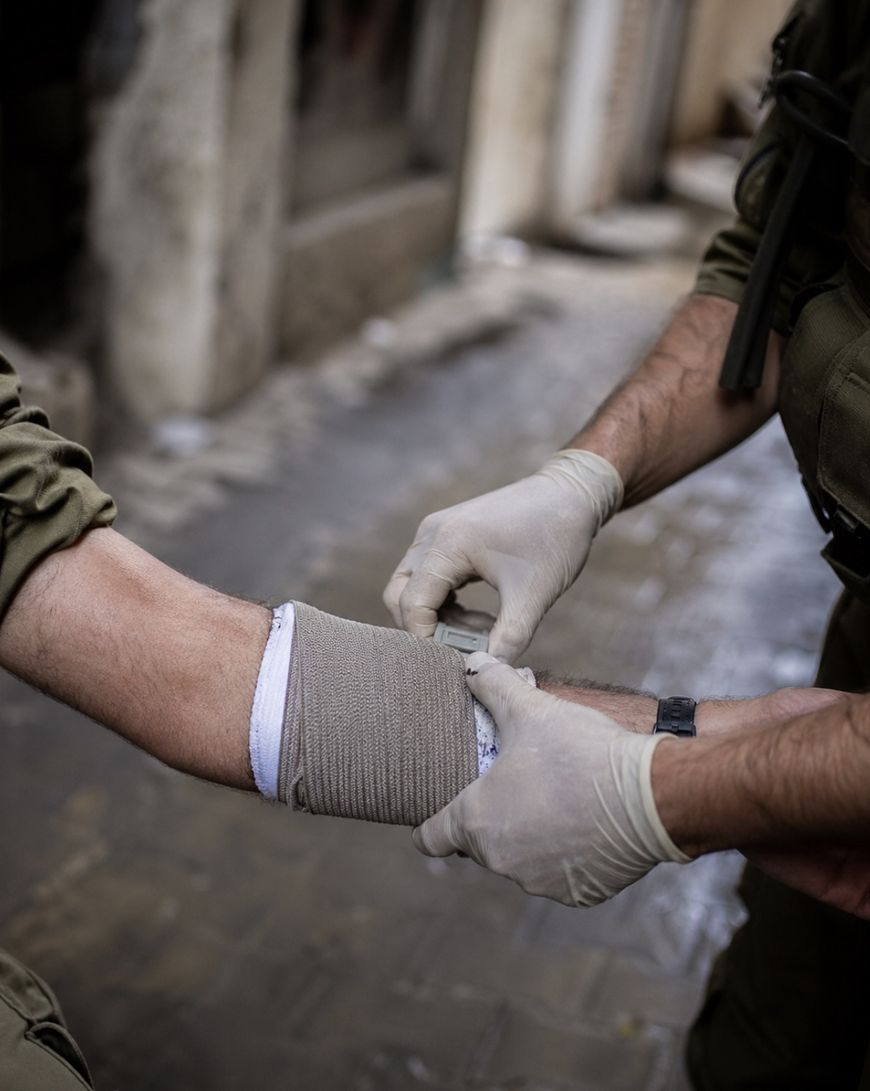
Your urban survival first aid kit should go beyond a basic drugstore kit. The essentials:
- Israeli bandage (pressure bandage) for serious wound control
- QuikClot hemostatic gauze
- CAT tourniquet
- Nitrile gloves (at least four pairs)
- SAM splint
- Medical tape and sterile gauze
- Diphenhydramine (Benadryl), ibuprofen, and antidiarrheal medication
- Any personal prescription medications (keep a 7-day rotating supply)
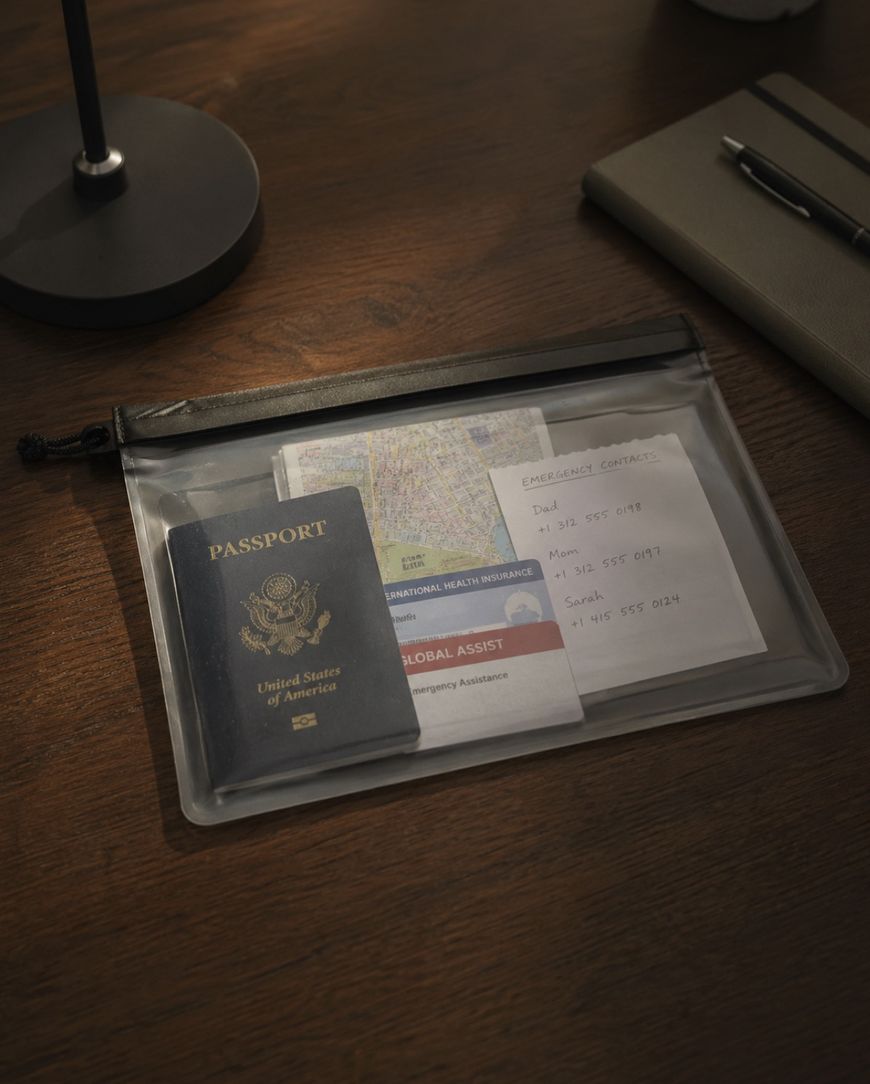
- A copy of your prescriptions and insurance cards in a waterproof sleeve
The North American Rescue Individual First Aid Kit (IFAK) is a reliable pre-built option that covers trauma. Add your personal meds and OTC drugs on top.
Light and Power
In urban emergencies, power outages are common and often extended. Your lighting and power setup should include:
- Energizer or Black Diamond headlamp with extra AAA batteries
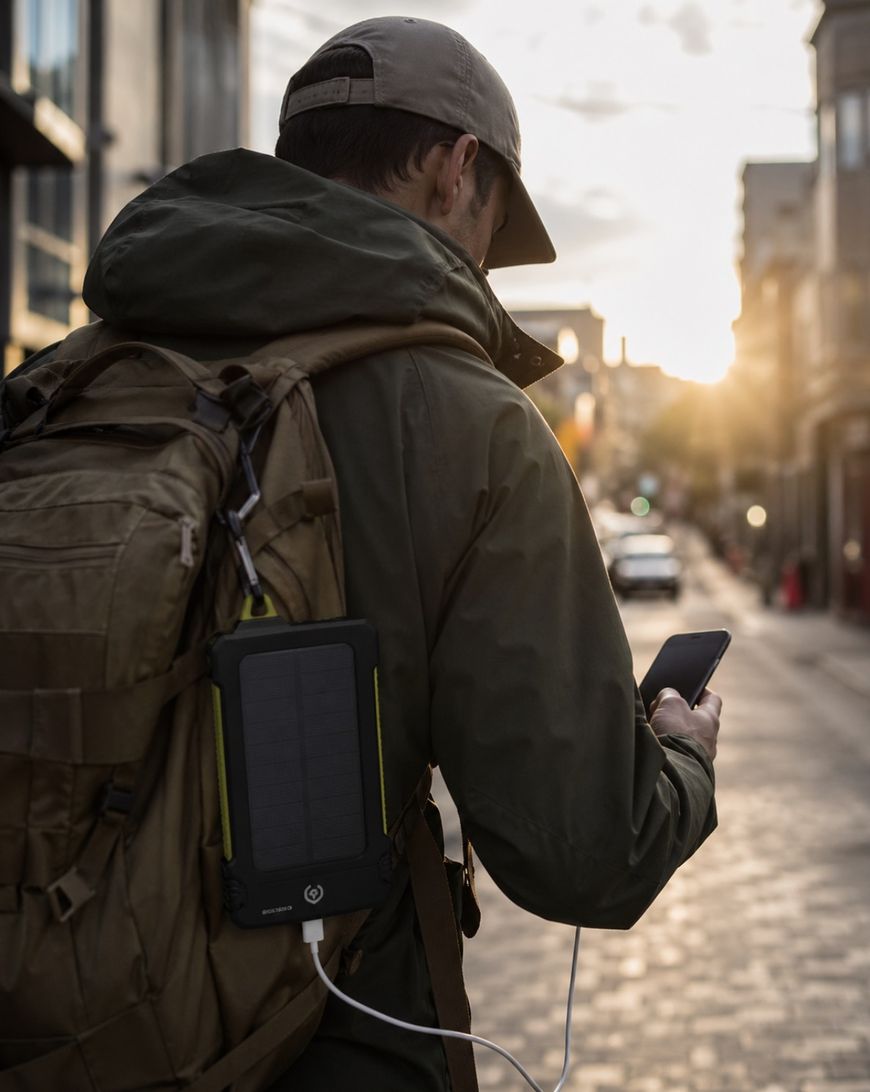
- Goal Zero Venture 35 or similar solar power bank (charges your phone and headlamp batteries)
- Glow sticks (chemical, no battery dependency, useful for signalling)
- Battery-powered or hand-crank NOAA weather radio — the Midland ER310 is the standard recommendation
Tools and Multi-Use Gear
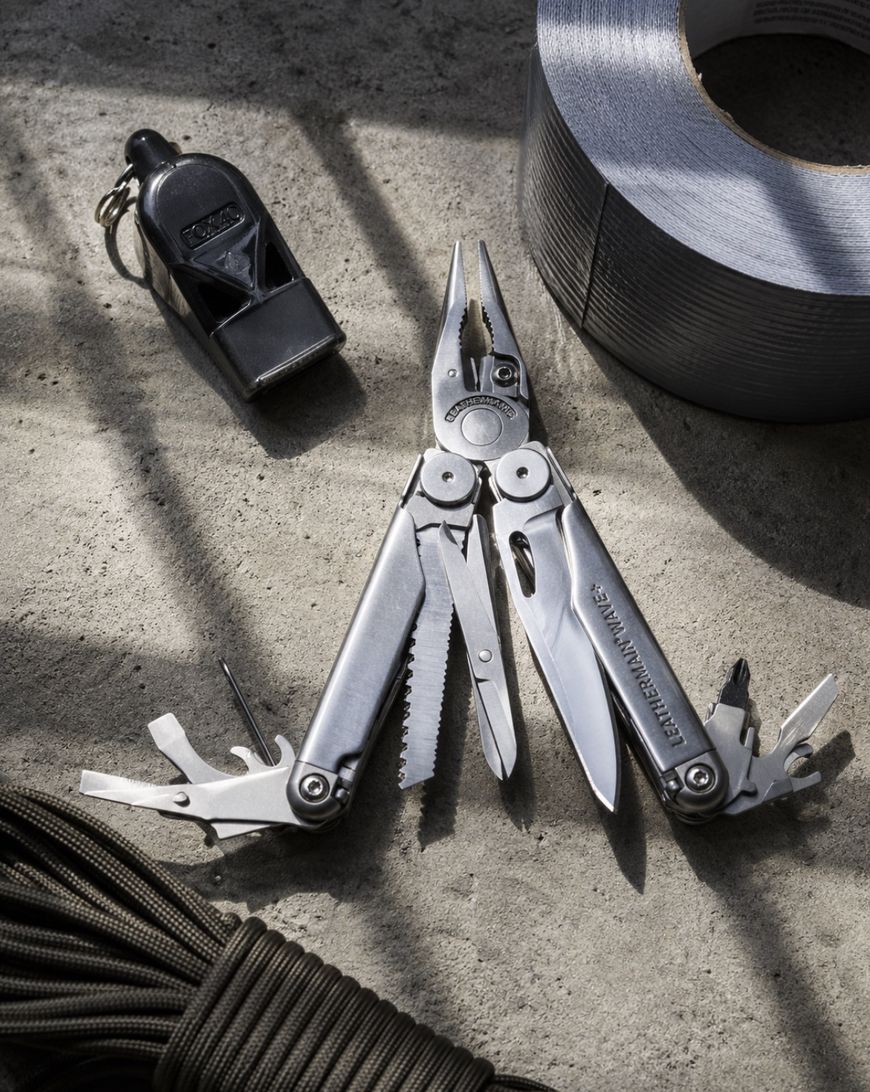
- Leatherman Wave+ multi-tool — covers cutting, screwdriving, pliers, and wire cutting in one pocket-sized tool
- Duct tape (a partial roll, not a full one — weight matters)
- Paracord, 50 feet minimum
- N95 or KN95 respirator masks (at least four — useful for smoke, dust, or biological hazards)
- Work gloves
- A quality fixed-blade knife like the Morakniv Companion for general utility
- Whistle for signalling (Fox 40 Micro is loud, light, and clips to a bag)
Navigation and Communication
Don’t rely on your phone’s GPS. Urban emergencies often coincide with cellular network failures.
- Physical map of your city and surrounding area, laminated or in a waterproof sleeve
- Compass (basic baseplate compass like a Suunto A-10 is sufficient)
- A pre-written contact list of family, friends, and emergency contacts — you probably don’t know any phone numbers by heart
- Two-way radios (Baofeng UV-5R is affordable and powerful for neighbourhood-level communication)
Cash and Documents
ATMs go offline during power outages. Carry small-denomination cash — a mix of $1s, $5s, $10s, and $20s, totalling $200–$300. Keep originals or high-quality copies of your passport, driver’s licence, birth certificate, insurance documents, and medication list in a waterproof document holder like a Sea to Summit Ultra-Sil Document Pouch.
The Urban Survival Kit Bag: What to Carry It In
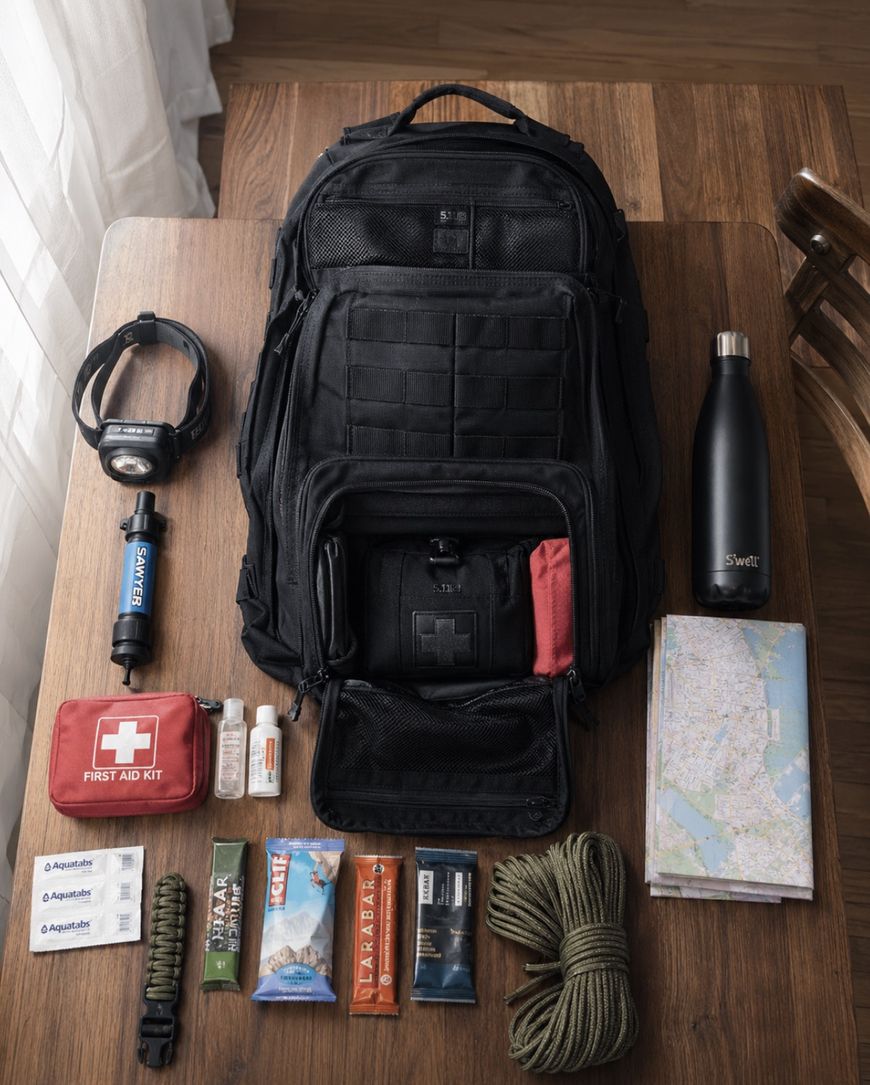
Your bag matters as much as what’s inside it. A well-fitted backpack that you can carry for hours is far better than a giant duffel bag. Look for:
- 40–50L capacity (enough for 72 hours without being unmanageable)
- Hip belt to transfer weight off your shoulders
- MOLLE webbing for attaching additional pouches
- Neutral colours — bright orange or camo both draw the wrong kind of attention in a city
The 5.11 Tactical Rush 24 2.0 and the Osprey Farpoint 40 are both proven options in the urban preparedness community. Both are durable, comfortable on long carries, and don’t look like tactical military gear.
Where to Store Your Urban Survival Kit
Most preparedness experts recommend keeping your kit in one of three locations, depending on your situation:
At home: Under the bed or in a hall closet — accessible but out of the way. Climate-controlled to preserve food and battery shelf life.
In your car: A smaller version of your kit in the boot, sometimes called a “Get Home Bag” — focused on getting you from wherever you are to your home base.
At the office: A minimal day kit in your desk drawer — water, snacks, a charger, basic first aid, and your essential documents.
The most prepared people have all three.

How to Maintain Your Urban Survival Kit
A survival kit that’s out of date is almost as bad as no kit at all. Set a calendar reminder to audit your kit every six months — check food and water expiry dates, replace batteries, rotate your prescription medications, and update your cash to account for inflation.
Urban Survival Kit Q&A
How much does a good urban survival kit cost to build?
A solid 72-hour urban survival kit costs between $150 and $400 depending on quality and whether you already own any of the components. Prioritise water storage, a quality first aid kit, and a reliable bag first — then add tools and food over time. You don’t need to buy everything at once.
Should my urban survival kit be different from a wilderness survival kit?
Yes, significantly. Urban kits prioritise cash, documents, N95 masks, and communication tools — things irrelevant in the backcountry. Wilderness kits emphasise fire-starting, shelter construction, and foraging knowledge. An urban kit assumes you’ll be navigating buildings, crowds, and city infrastructure, not wilderness terrain.
How heavy should my urban survival kit be?
A 72-hour urban survival kit should weigh no more than 20–25% of your body weight when fully packed. For most adults, that’s 25–35 lbs at the upper end. If your kit is heavier than that, you’ll struggle to carry it for more than a few hours — which defeats the purpose. Cut weight by choosing multi-use items and avoiding redundancy.
Do I need a firearm in my urban survival kit?
This is a personal and legal decision. Many urban preparedness experts include a legally owned, licenced firearm as part of their kit for self-defence. Others rely on non-lethal deterrents like pepper spray (Sabre Red is widely recommended). At minimum, carry a high-decibel personal alarm. Know the local laws in your city and state before making this decision.
What food should I avoid putting in my urban survival kit?
Avoid anything requiring refrigeration, glass containers (breakage risk), or foods with very high water content that add weight without proportionate calories. Canned goods are fine if you include a manual can opener, but freeze-dried and vacuum-sealed options offer a better weight-to-calorie ratio for a portable kit.
How often should I actually replace the water in my stored supply?
Commercially sealed water bottles last 2 years. Tap water stored in cleaned food-grade containers should be rotated every 6 months. Label your containers with the fill date and add it to your 6-month kit audit. Stagnant water doesn’t become toxic quickly, but taste and safety are best maintained with regular rotation.
Building Your Urban Survival Kit: Where to Start
Start with water and first aid — these two categories save lives first. Then add food, light, and communication. Documents and cash come next. Tools and navigation round out the kit.
Don’t let perfect be the enemy of ready. A modest urban survival kit assembled this week is worth more than an elaborate one you’re still planning six months from now. Start with what you have, add what you can afford, and audit twice a year.
Your urban survival kit is an investment in calm. When the lights go out and the grocery store shelves are cleared in an hour, you’ll have what you need — and so will the people you care about.
This post contains affiliate links. A full disclosure is available from the main menu.