Last updated: July 19, 2026
If you’re planning a trip and want to skip the rental car, you’re in the right place. We’re breaking down the 12 most walkable cities in the USA, ranked by real Walk Score data, so you can start mapping out a car-free itinerary today.
Every city on this list lets you get from your hotel to dinner, museums, and nightlife on your own two feet.
The 12 Most Walkable Cities in the USA
These rankings come from official Walk Score data, which measures how easy it is to complete daily errands and explore a neighborhood without a car.
1. San Francisco, California
San Francisco tops the list with a Walk Score of 88.7, and it earns that number honestly. The hills can be a workout, but neighborhoods like Union Square, North Beach, and the Mission are packed tightly enough that you’ll rarely need a car.

Cable cars and the Muni system fill in the gaps when your legs need a break.
2. New York City, New York
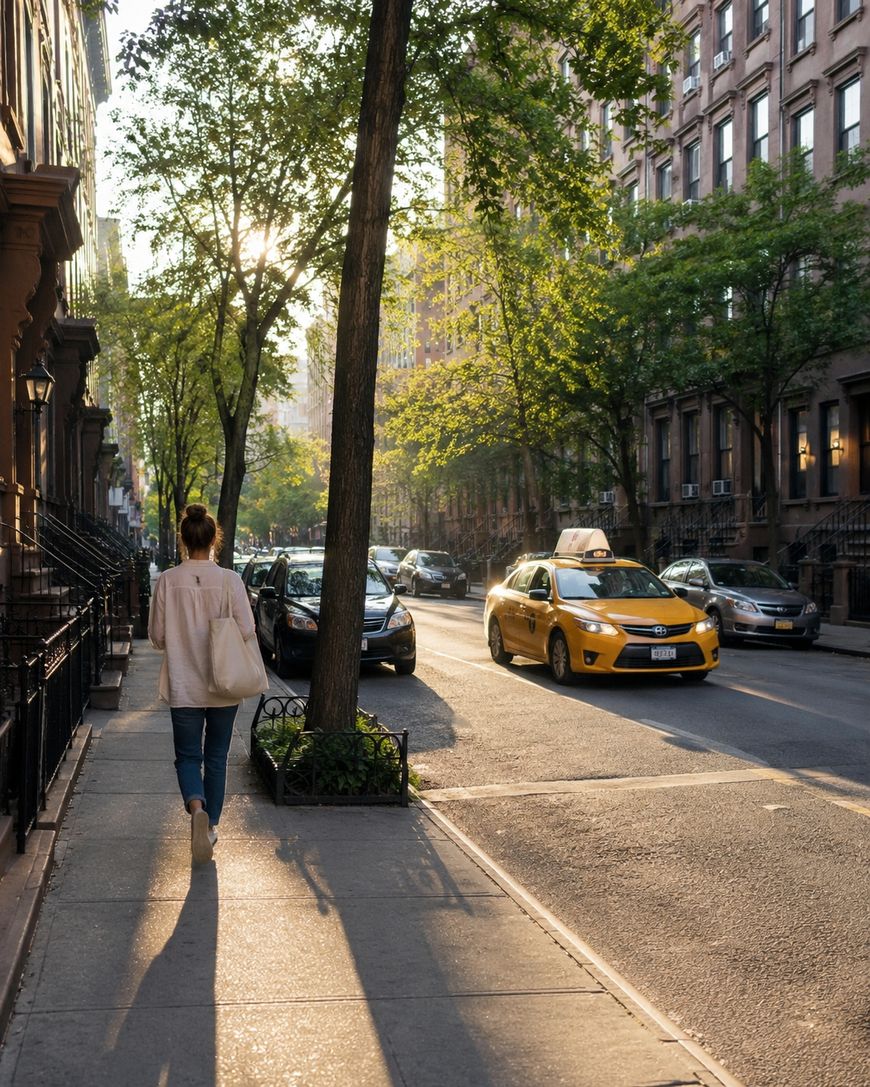
New York comes in close behind with a Walk Score of 88.0. Manhattan’s grid system makes navigation simple, and you can walk for hours through completely different neighborhoods without ever feeling like you’ve left civilization.
The subway is there when you want to cover more ground quickly.
3. Jersey City, New Jersey
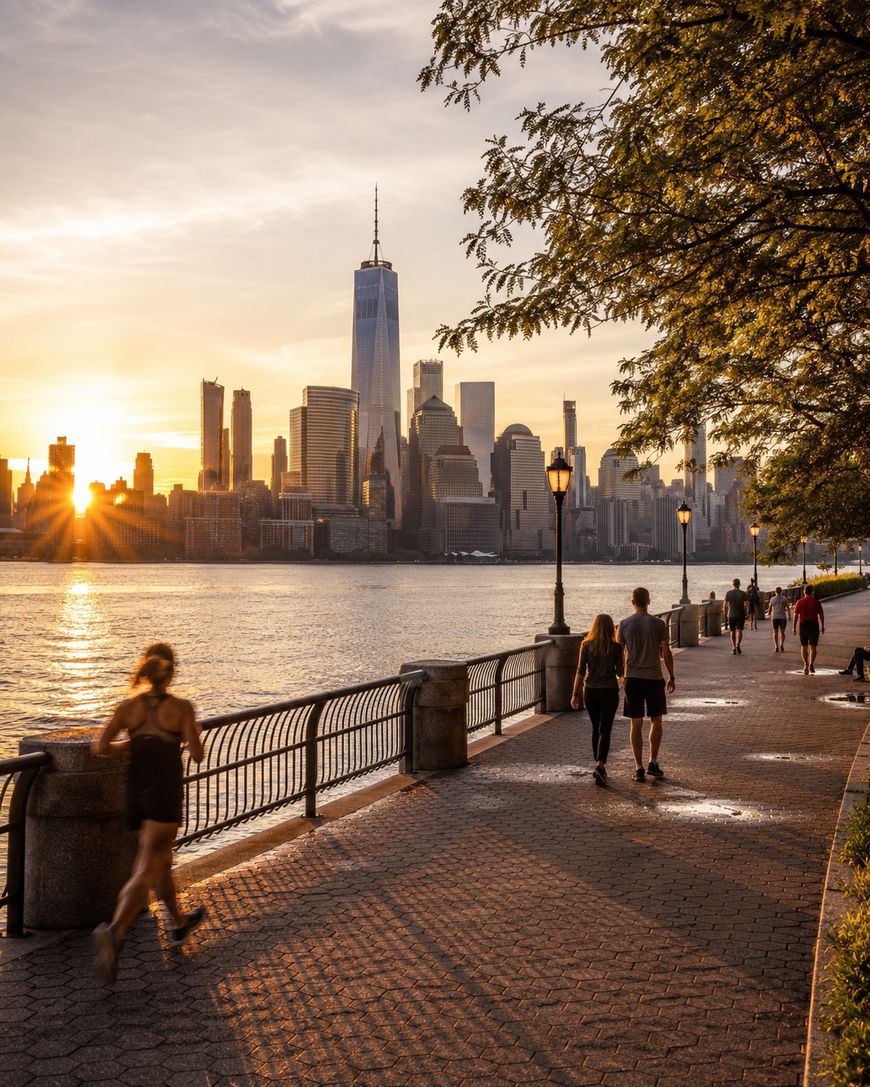
Jersey City has quietly become one of the most walkable spots in the country, with a Walk Score of 86.6. It sits just across the water from Manhattan, so you get skyline views along with tree-lined streets full of shops and restaurants.
It’s a smart home base if you want a quieter alternative to New York proper.
4. Boston, Massachusetts
Boston’s Walk Score of 82.8 reflects its compact, historic layout. The Freedom Trail alone will have you walking through centuries of history, and neighborhoods like Beacon Hill and the North End are made for wandering.
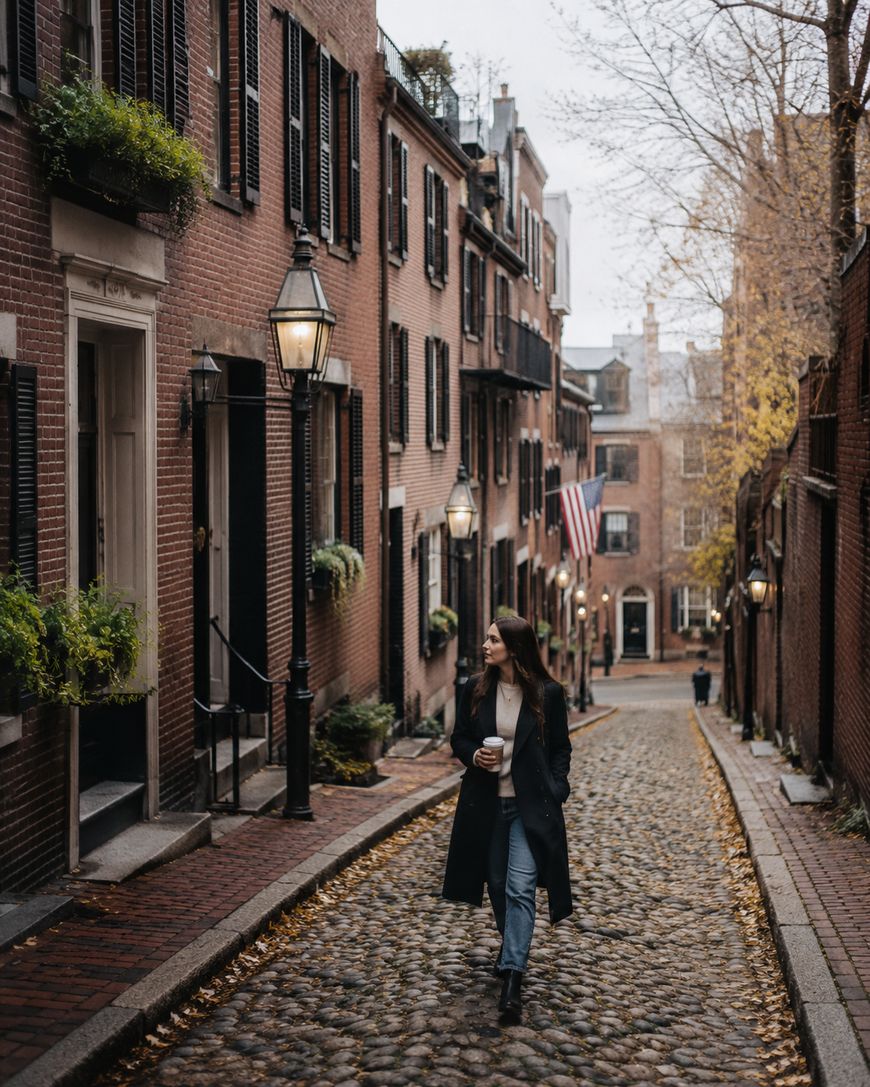
Cobblestone streets mean comfortable shoes are non negotiable here.
5. Chicago, Illinois
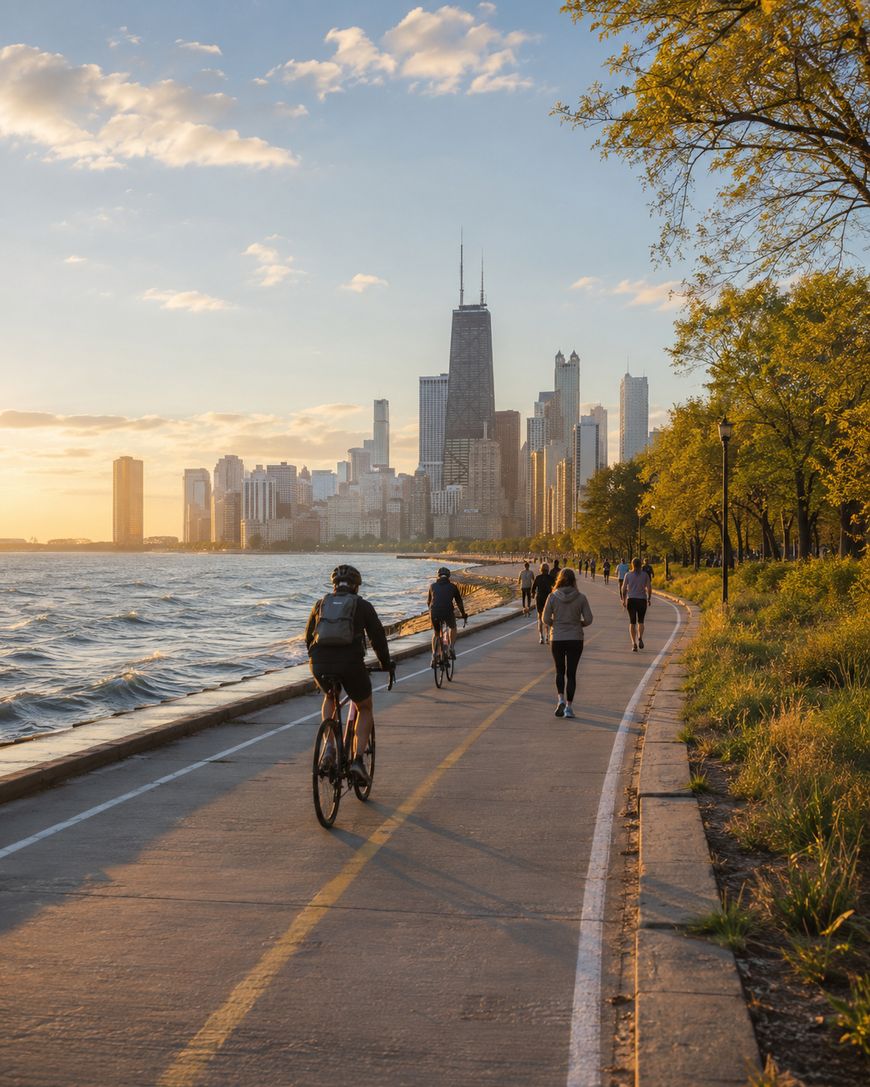
Chicago earns a Walk Score of 77.2 thanks to its dense downtown and lakefront paths. The Loop, River North, and Lincoln Park are all easy to explore on foot, and the lakefront trail gives you miles of scenic walking without a single intersection.
6. Washington, D.C.
The nation’s capital has a Walk Score of 76.7. Monuments, museums, and government buildings are clustered close together on the National Mall, so you can see an enormous amount of history in a single day of walking.

Metro stations fill in the rest when you need to save your feet.
7. Miami, Florida
Miami surprises a lot of visitors with how walkable it actually is, especially in neighborhoods like South Beach and Brickell. Wide sidewalks, warm weather, and a flat layout make it easy to stroll between the beach, restaurants, and art deco architecture.

8. Oakland, California
Oakland has climbed into the top ten with a Walk Score of 75.3, making it one of the biggest risers in recent years. Downtown Oakland and Lake Merritt offer a walkable mix of restaurants, parks, and public art.

It’s an easy add-on if you’re already visiting San Francisco.
9. Philadelphia, Pennsylvania
Philadelphia’s historic core was designed on a grid long before cars existed, and it shows. You can walk from Independence Hall to Reading Terminal Market to Rittenhouse Square without breaking a sweat.
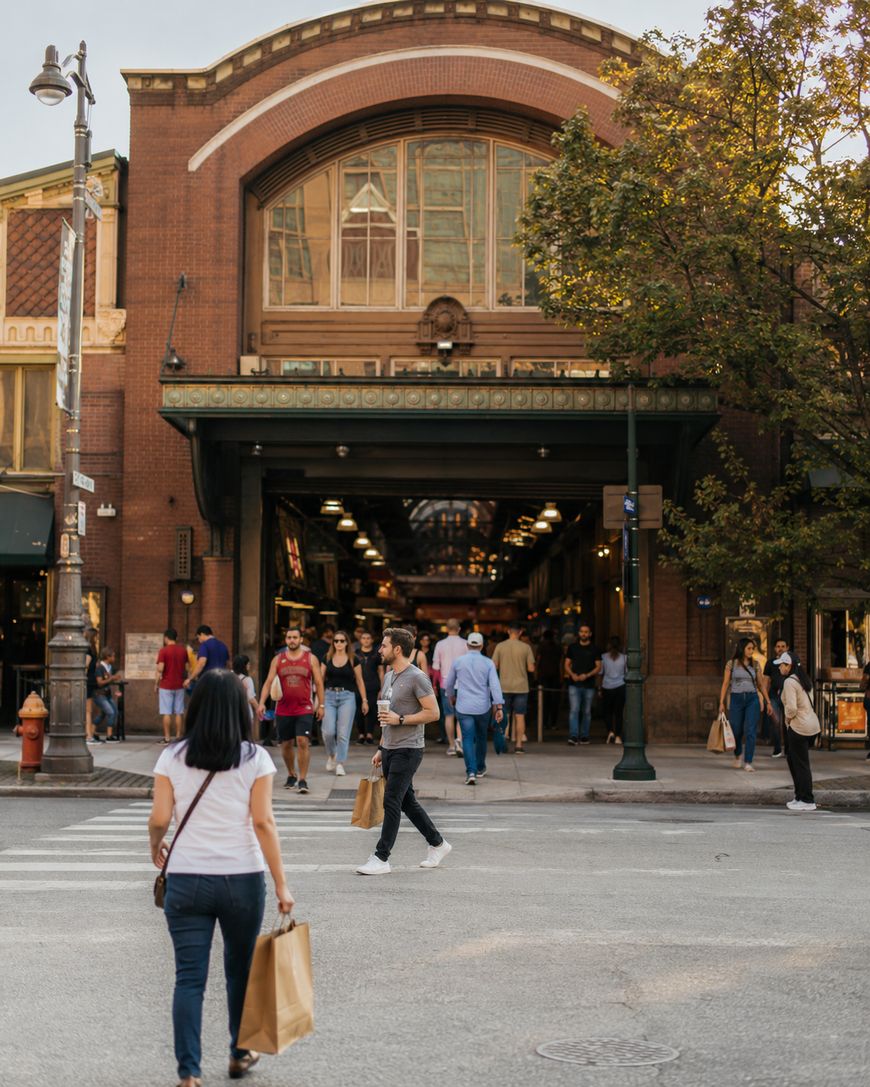
The city’s food scene alone makes the walking worth it.
10. Seattle, Washington
Seattle blends walkability with dramatic hills and water views. Downtown, Capitol Hill, and Pike Place Market are all connected by pedestrian friendly streets, and the monorail and streetcar cover longer distances.

11. San Diego, California
San Diego’s mild climate makes it a year round walking destination. The Gaslamp Quarter, Little Italy, and the waterfront are all close enough together that a car often becomes unnecessary once you’re downtown.

12. Minneapolis, Minnesota
Minneapolis rounds out the list with a surprisingly walkable downtown and an extensive skyway system that connects buildings during colder months. The Chain of Lakes area also offers some of the most scenic walking paths in the country.

Why Walkability Matters When You’re Planning a Trip
Choosing a walkable city changes the entire feel of a trip. Instead of budgeting time for parking, traffic, and rideshare wait times, you can wander into a coffee shop that catches your eye or take a longer route home just because the weather is nice.
Walkable cities also tend to concentrate their best restaurants, shops, and attractions close together, which means less time in transit and more time actually experiencing the destination.
There’s a financial upside too. Skipping a rental car or constant rideshare fees can save a meaningful amount on any trip budget, especially for longer stays.
Walking also gives you a better sense of a city’s rhythm. You notice the architecture, the local shops, and the small details that get missed when you’re moving through a place at driving speed.
For families and older travelers, walkable cities often mean shorter distances between key attractions, which makes for an easier, less exhausting trip overall.
How to Plan a Car-Free Trip to a Walkable City
Start by choosing accommodations in the center of the action rather than the outskirts. A hotel or rental within a walkable neighborhood will save you time and money for the entire length of your stay.
Pack comfortable, broken in shoes, since even the best walkable cities involve several miles of walking per day. Blisters can derail an otherwise great trip fast.
Map out your must see attractions ahead of time and group them by neighborhood. This lets you build a loose walking route each day instead of crisscrossing the city and wasting energy.
Download a transit app for your destination city so you have a backup plan when your feet need a break or the weather turns. Most walkable cities also have excellent public transportation to fill in the gaps.
Frequently Asked Questions
What is considered a walkable city?
A walkable city typically has a Walk Score of 70 or higher, meaning most errands can be completed without a car. These cities usually have dense, mixed use neighborhoods where housing, shopping, and dining sit close together.
Which US city has the highest Walk Score?
San Francisco currently holds the top spot with a Walk Score of 88.7, closely followed by New York City at 88.0. Both cities combine dense layouts with strong public transportation.
Do I still need a car in a walkable city?
Most visitors don’t need a car for day to day exploring in cities like New York, Boston, or San Francisco. You may still want to rent one for day trips outside the city center or visits to more remote attractions.
Are walkable cities more expensive to visit?
Not necessarily. While hotels in the most central, walkable neighborhoods can carry a premium, you’ll often save that money back by skipping a rental car, parking fees, and rideshare costs.
What should I pack for a walking focused trip?
Comfortable, broken in walking shoes are the top priority, along with layers for changing weather. A crossbody bag or small backpack also makes it easier to carry essentials while you’re on the move all day.
Start Planning Your Walkable City Getaway
Whether you’re drawn to the hills of San Francisco or the historic streets of Boston, these walkable cities in the USA make it easy to leave the car behind and explore at your own pace. Pick one from this list, book a centrally located place to stay, and start building your walking route today.