Last updated: April 17, 2026
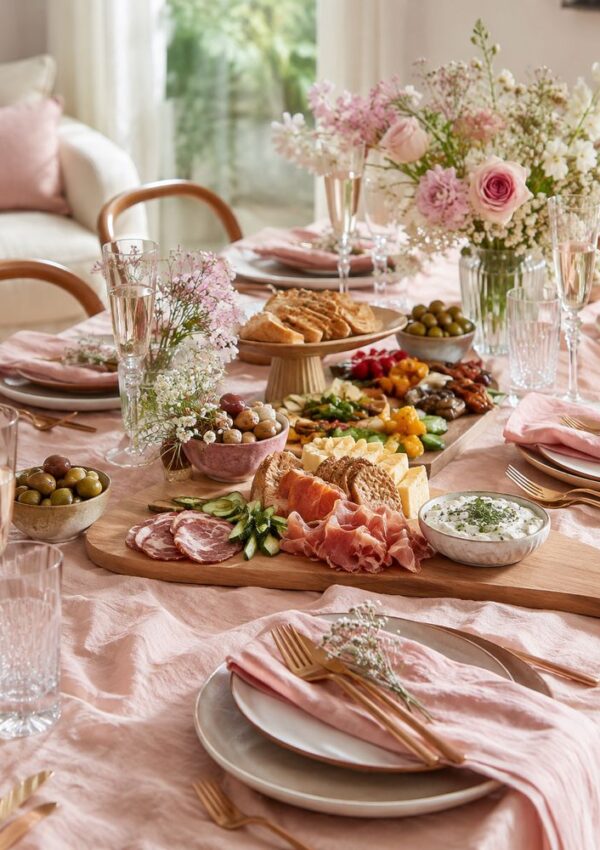
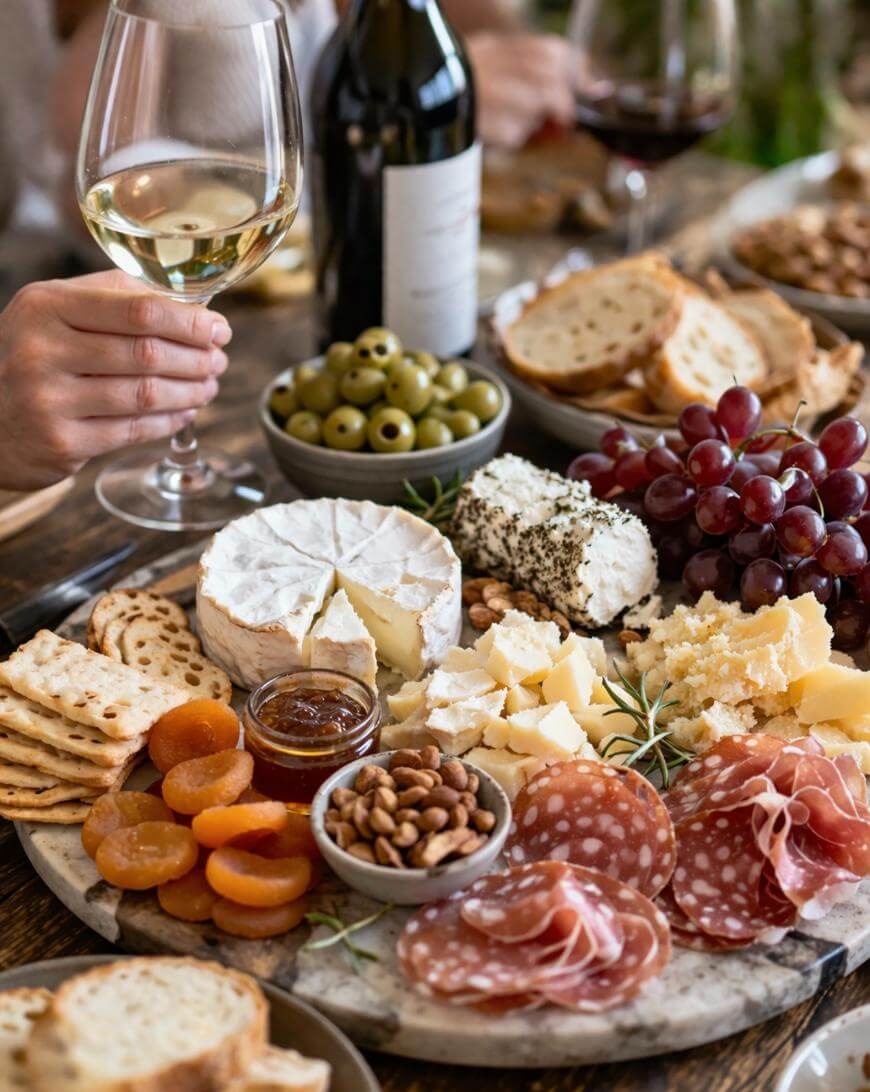
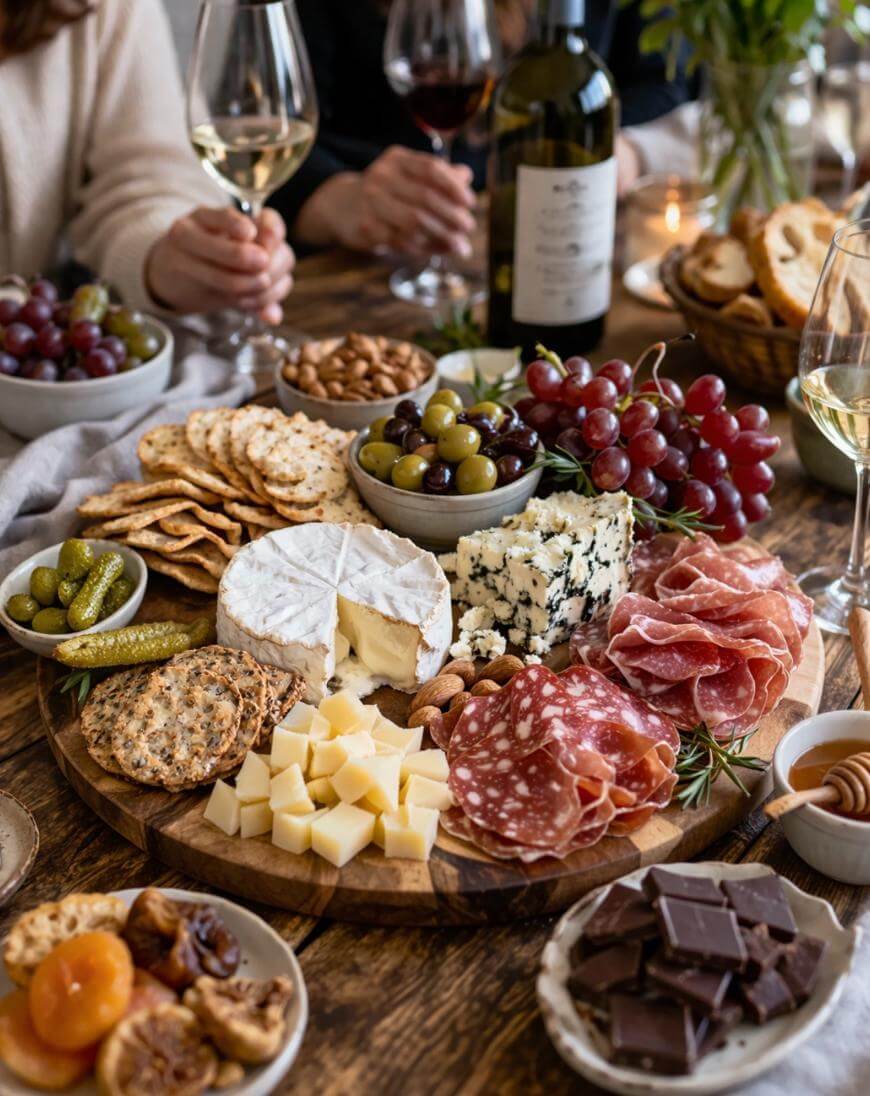
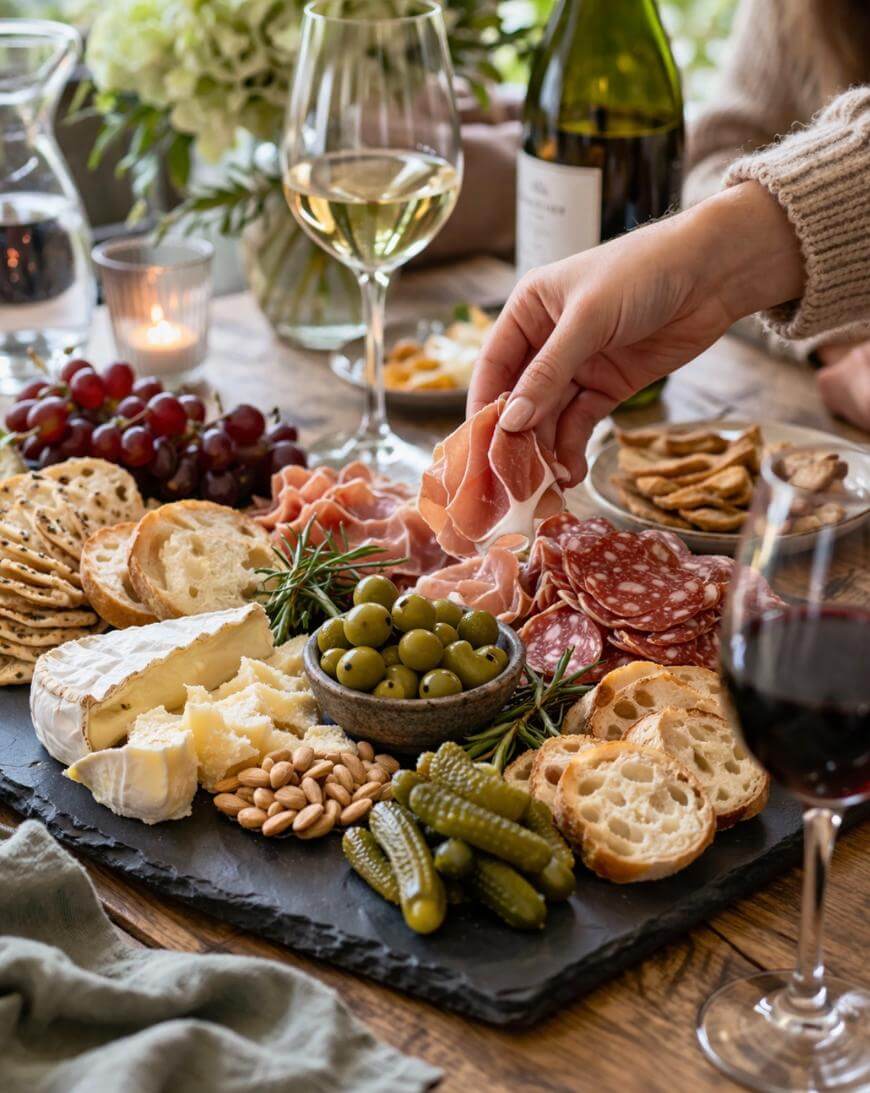
Wine tasting food ideas are simple, bite-sized foods you serve alongside wine to help balance acidity, tannins, sweetness, and bubbles without overpowering the pour. The most simple approach is to do a “3–3–3” board: 3 cheeses, 3 proteins, and 3 crunchy/salty items, plus a small sweet bite.
Wine Tasting Food Ideas For A Crowd
1. Choose Neutral Crackers As Your Base
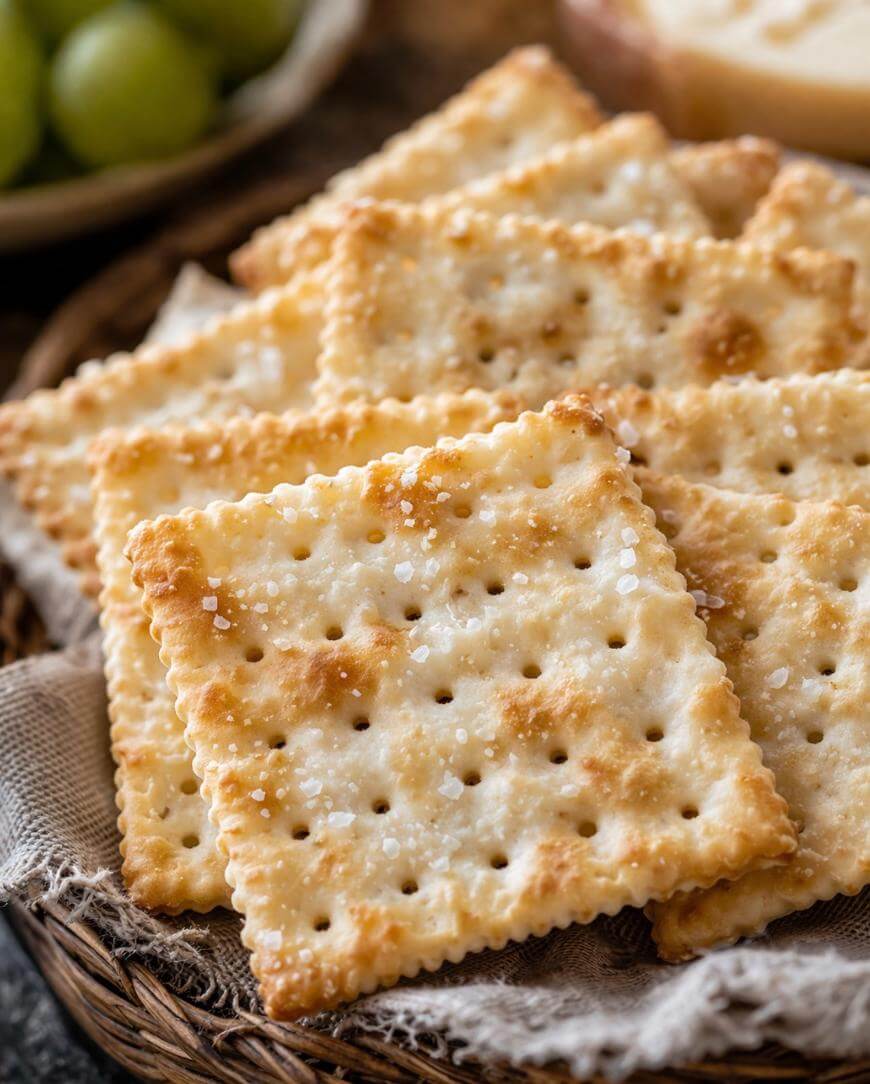
Pick 2–3 plain crackers so every wine has a clean “reset” option and your guests can compare sips consistently. A water cracker, a thin wheat cracker, and a seeded crispbread is plenty.
Keep flavors mild so you are not fighting rosemary, garlic, or heavy spice in every bite. If you want one “fun” cracker, make it the fourth option, not the main one.
2. Add A Simple Bread Option
Offer a sliced baguette or small toast rounds for people who prefer softer bites with whites and sparkling wines. Bread also helps guests slow down and pace themselves.
A practical upgrade is to lightly toast half the slices so you get both soft and crunchy textures without adding more ingredients.
3. Serve A Soft, Creamy Cheese
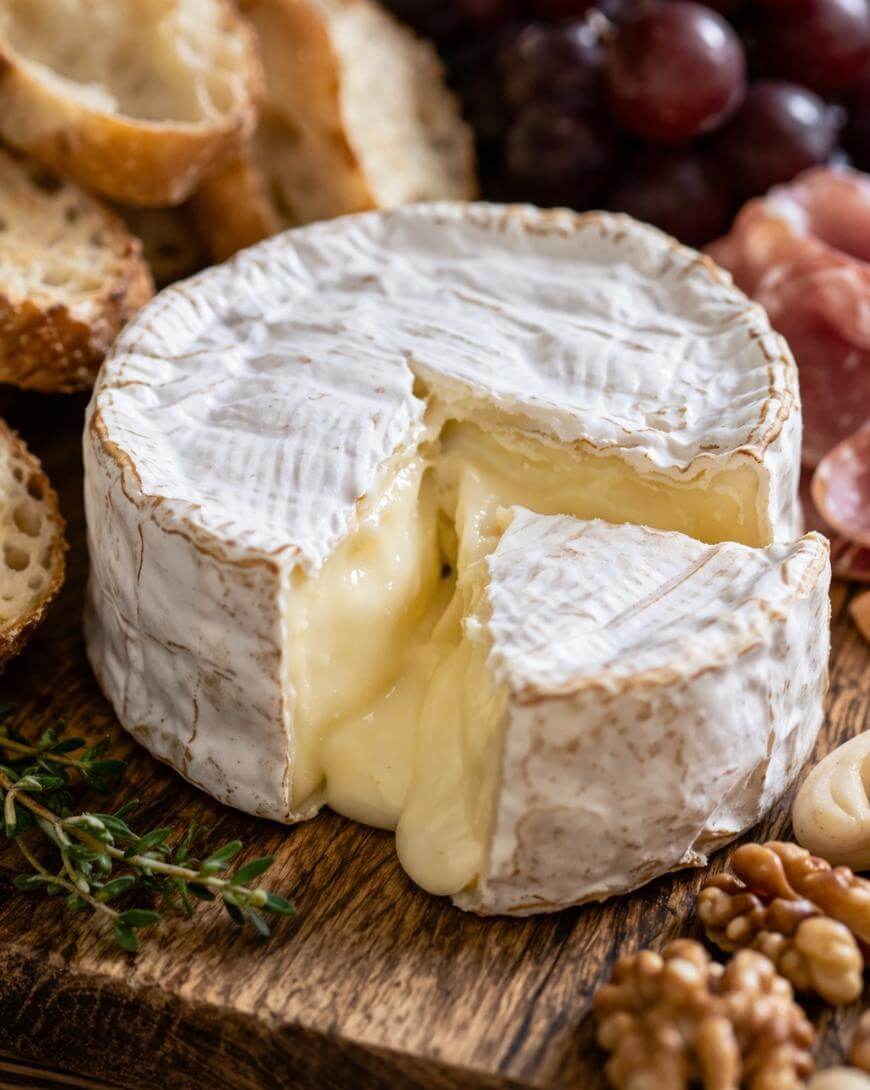
A brie, camembert, or triple-cream adds richness that makes bright whites taste even crisper and can soften the edge of young reds. It is also a crowd-pleaser that disappears fast.
If you want the easiest win, serve it at room temp for 30–45 minutes so it is spreadable and tastes like it should.
4. Include A Tangy, Salty Cheese
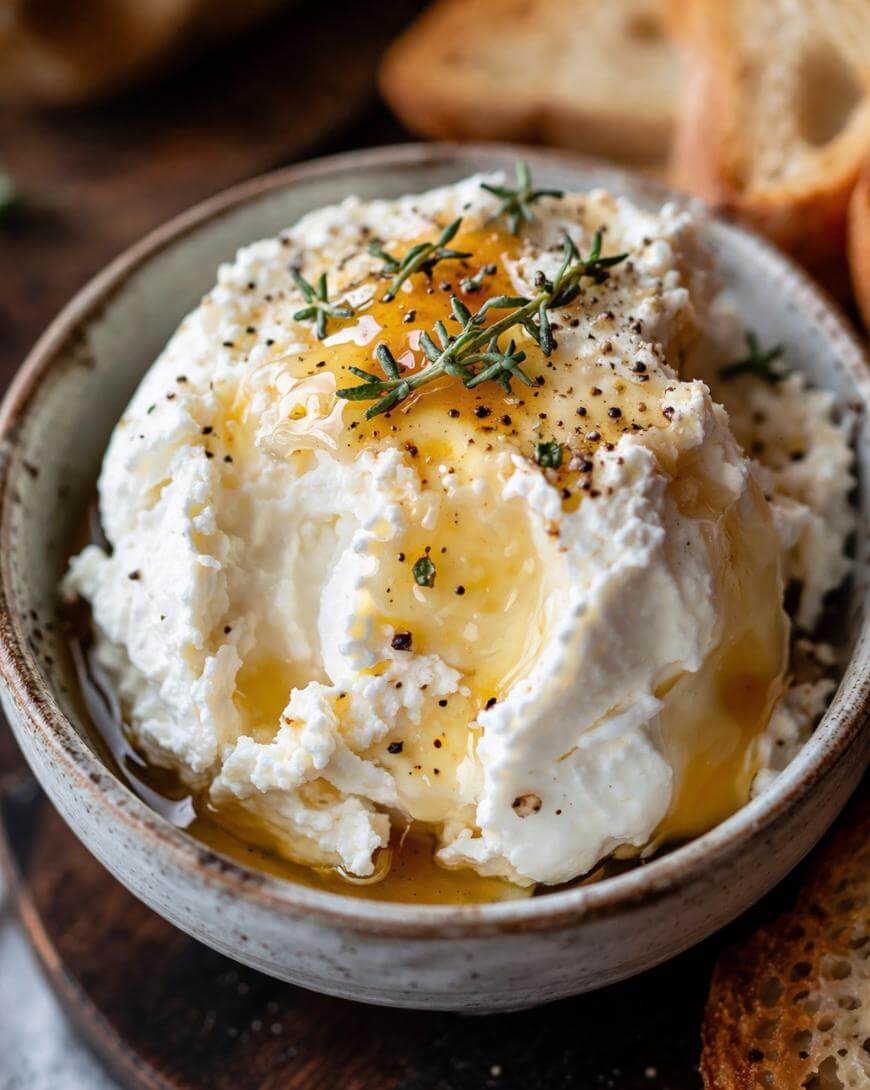
Goat cheese, feta, or a fresh chèvre log adds a sharp contrast that pops with sauvignon blanc, rosé, and sparkling wine. That tangy bite keeps the tasting from feeling heavy.
A simple move is to crumble it into a small bowl and drizzle a teaspoon of honey on one side so guests can try it both ways.
5. Add A Hard, Nutty Cheese
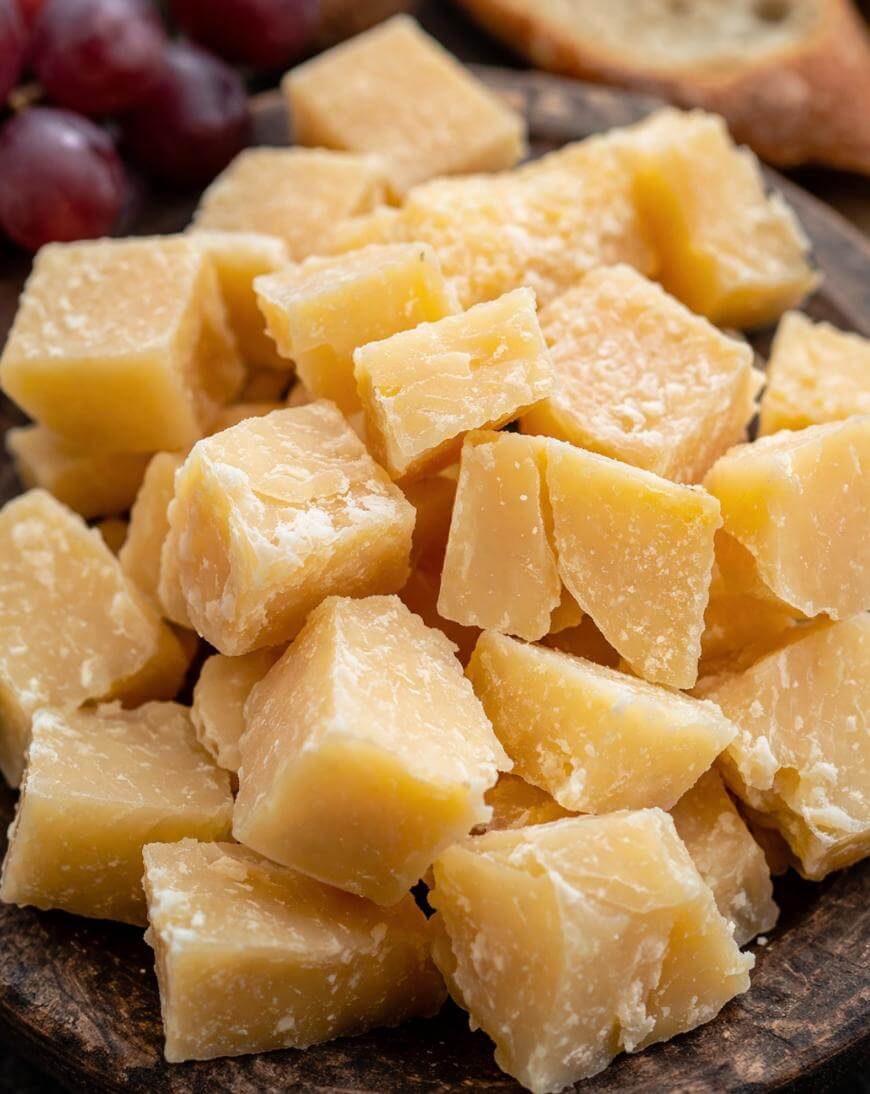
Aged cheddar, gouda, or manchego brings salty, nutty depth that pairs well with reds and richer whites. It also holds up on the table longer than softer cheeses.
Cut it into small cubes or thin shards so guests can take one bite and get back to the glass without committing to a huge piece.
6. Offer A Mild Cured Meat
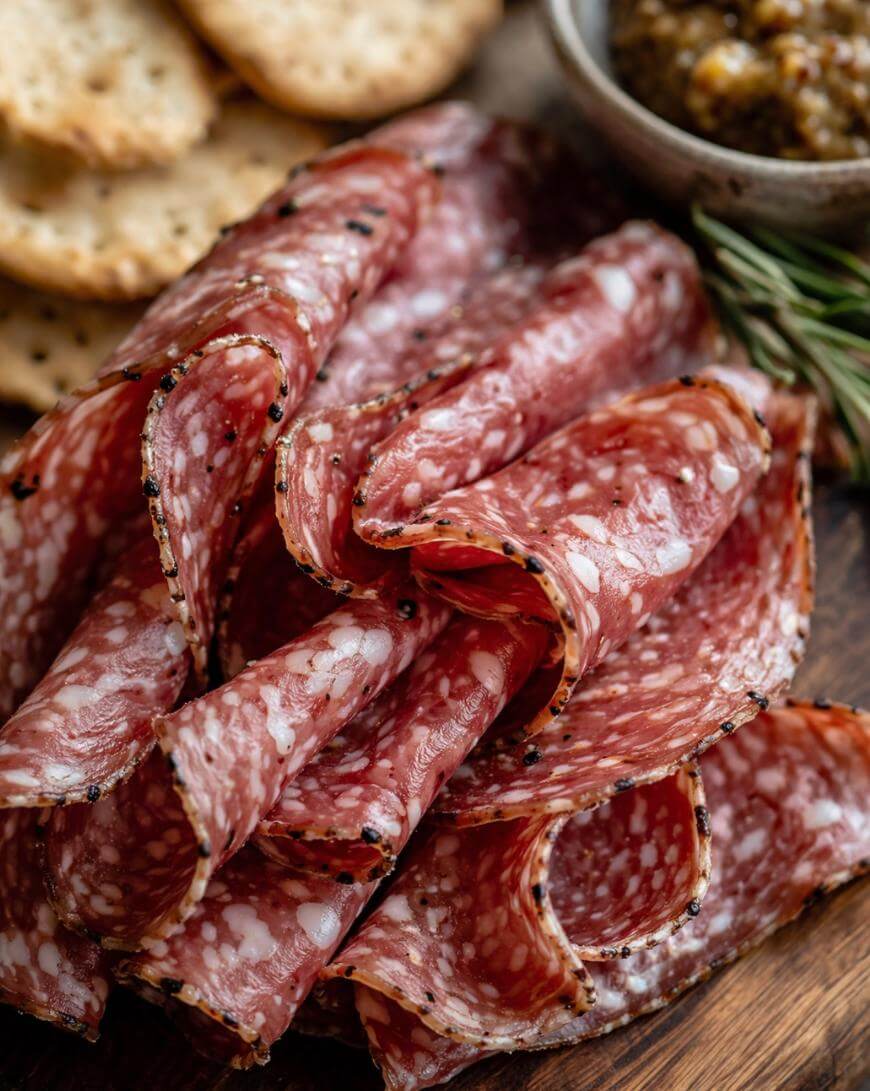
Salami, soppressata, or a mild dry sausage works with most wines and gives a savory anchor for the board. Keep it on the less spicy side so it does not flatten delicate whites.
A smart serving tip is to fold slices into loose ribbons so they are easy to grab and feel “fancier” without extra effort.
7. Add A Lean, Salty Protein
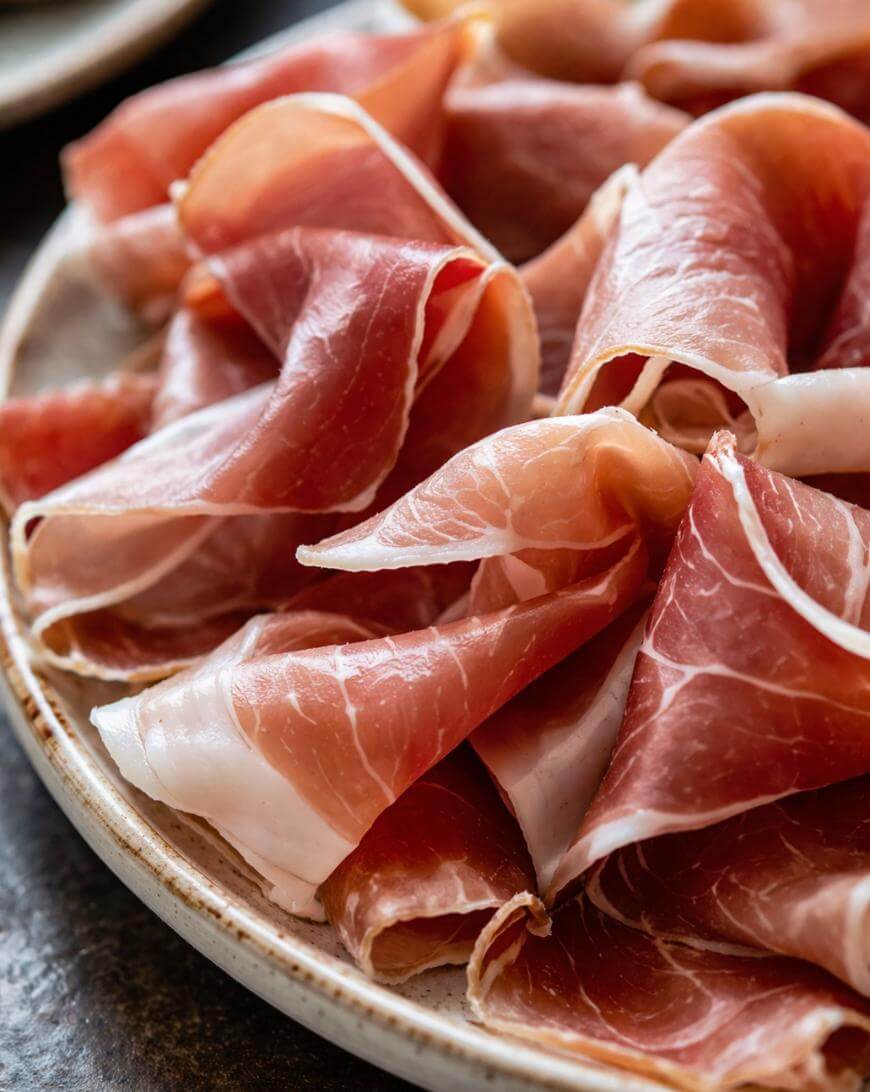
Prosciutto, smoked turkey, or a simple ham provides salt and umami without heavy seasoning. This is especially helpful if you are tasting lighter reds like pinot noir.
If you want an easy upgrade, wrap thin prosciutto around melon or a cucumber spear for a clean, refreshing bite.
8. Include A Smoked Or Briny Bite
Smoked salmon, anchovy-stuffed olives, or even a small dish of marinated mussels can be incredible with the right wines. The key is to keep portions tiny so it is “accent” food, not a meal.
If you worry it is too bold, choose one briny option only and place it at one end of the board so guests can opt in.
9. Put Out A Bowl Of Green Olives
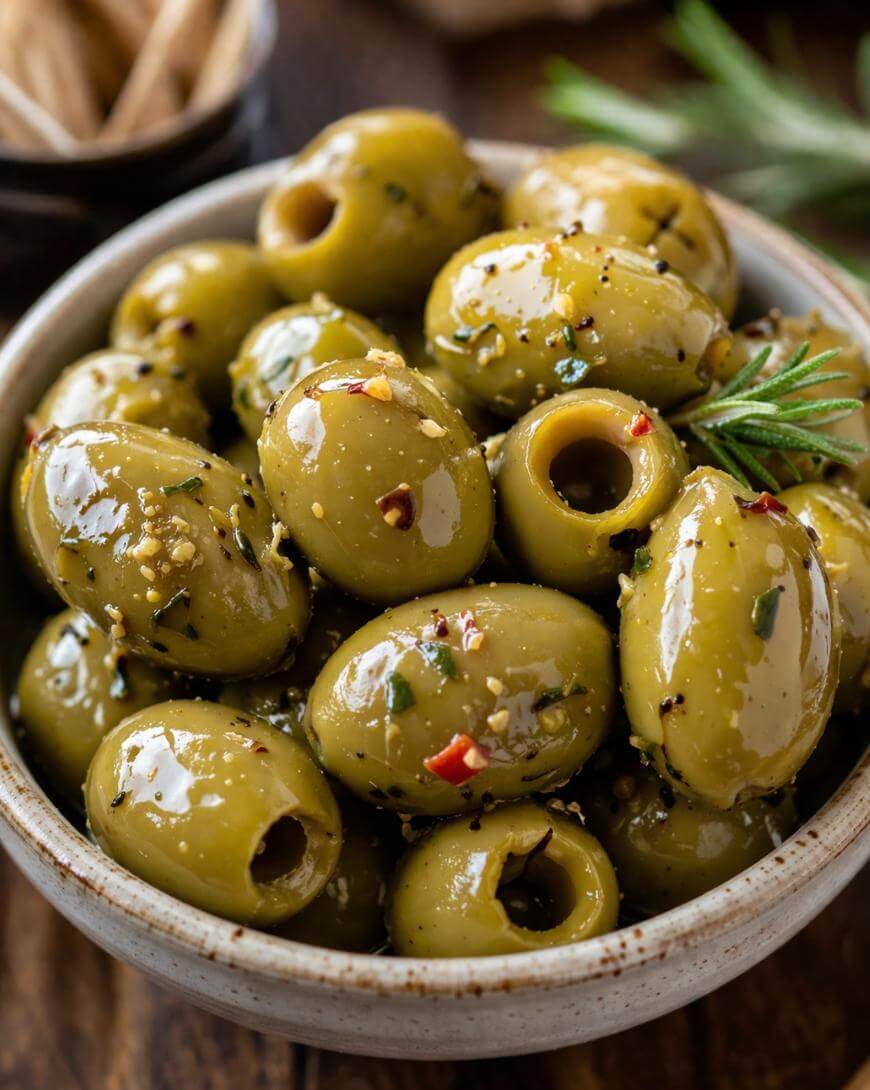
Olives are salty, fatty, and easy to nibble, making them a strong match for whites, rosés, and many reds. They also help make the tasting feel more like an event.
Drain them well so the board stays neat, and offer toothpicks so guests are not handling everything with their fingers.
10. Add Pickles Or Cornichons
Small pickles add acidity that can wake up a palate between pours. They are especially useful when tasting bigger reds or oaked whites.
Keep the jar flavors classic and avoid spicy or sweet pickles unless you are intentionally pairing with off-dry whites.
11. Serve Roasted Nuts
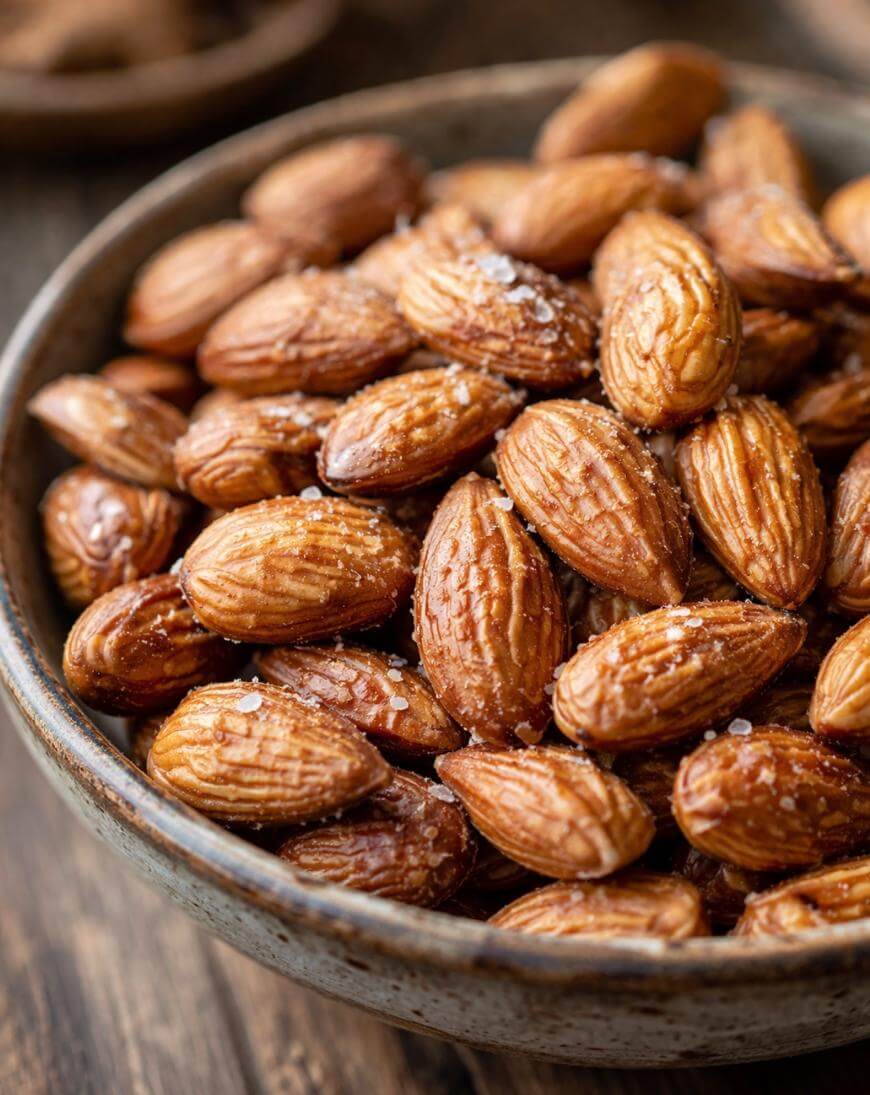
Marcona almonds, cashews, or mixed nuts add crunch and a toasty note that plays well with both whites and reds. They are also one of the most budget-friendly “fills” for a board.
Choose lightly salted nuts rather than heavily seasoned blends so you do not mute the wine’s aroma.
12. Add One Crunchy Salty Snack
Pretzel thins, plain potato chips, or salted popcorn are surprisingly great with sparkling and crisp whites. They also make your tasting feel relaxed and not overly precious.
A concrete guideline: plan about 1 cup of crunchy snack per person if wine tasting is the main activity and not dinner.
13. Include Fresh Grapes
Grapes are classic because they are juicy, mildly sweet, and easy to eat between sips. They help cleanse the mouth without adding strong flavor.
Serve them in small clusters so guests can grab a portion without pulling the entire bunch across the table.
14. Put Out Apple Or Pear Slices
Crisp fruit pairs beautifully with cheeses and can highlight the fruit notes in many wines. Apples work especially well with cheddar, and pears shine with brie.
Slice right before serving or toss lightly with lemon juice so they do not brown fast.
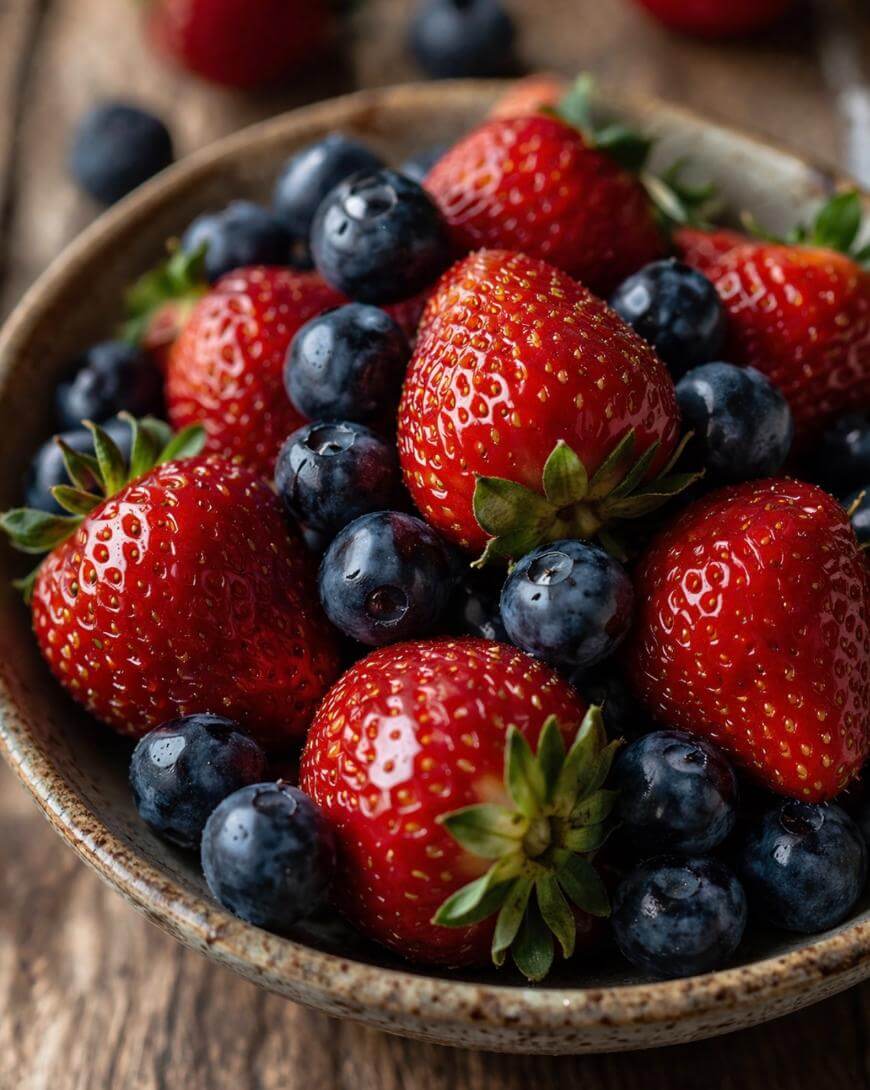
15. Add Berries For Lighter Wines
Strawberries, raspberries, or blackberries can be a great match for rosé, sparkling, and lighter reds. They also make the spread look instantly more inviting.
Keep portions small because fruit sugar can make dry wines taste sharper if guests overdo it.
16. Serve Dried Apricots Or Figs
Dried fruit adds concentrated sweetness that pairs well with bold reds and dessert wines. It is also an easy way to add variety without cooking.
A helpful tip is to put dried fruit in a separate dish so its sweetness does not migrate onto mild cheeses.
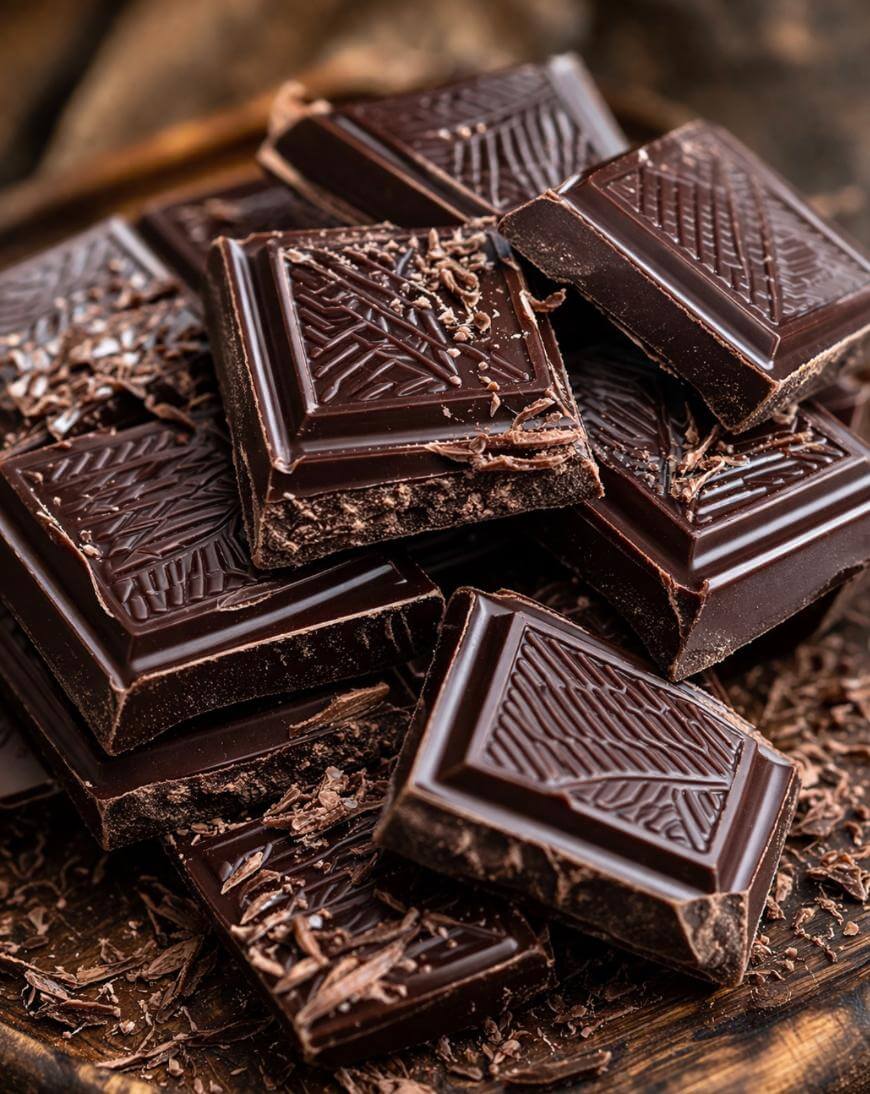
17. Add Dark Chocolate Squares
Dark chocolate (around 70%) works best with fuller-bodied reds and can be a fun “final pairing” moment. Offer small squares so it is a taste, not a dessert plate.
If you want a second option, add chocolate-covered almonds for crunch without creating a sugar overload.
18. Include One Simple Jam Or Honey
A small ramekin of fig jam or honey gives guests a pairing “experiment” with cheeses. It is a quick way to make the board feel curated.
Keep it to one sweet spread so the table does not turn into a sugar-forward snack situation.
19. Serve A Mild Dip With Veggies
A plain hummus, tzatziki, or whipped feta dip with cucumbers and carrots adds freshness and gives non-meat eaters more to enjoy. Keep spices minimal so the wine still leads.
A practical note: avoid raw onions or heavy garlic dips, because they can linger and skew how the next wine tastes.
20. Add A Simple “Heat-Free” Bite
Spicy foods can make many wines taste harsher, so include at least one option that is flavorful but not hot, like roasted red pepper strips or marinated artichokes. This keeps the tasting friendly for sensitive palates.
If your guests love spice, put spicy items in a separate bowl and label it so people can choose it at the end.
21. Offer Mini Caprese Skewers
Cherry tomato, mozzarella, and basil on a toothpick is fresh, simple, and very wine-friendly. It pairs well with rosé, crisp whites, and even lighter reds.
Skip balsamic glaze during a tasting if you want cleaner comparisons, because it can dominate the palate.
22. Serve A Small Charcuterie “Flight”
Make three tiny piles labeled mild, medium, and bold so guests can match to lighter whites, rosés, and reds. This helps beginners understand pairing without any lecturing.
A budget-friendly version is one salami, one prosciutto, and one smoked option, spaced out instead of stacked together.
23. Add A Sparkling-Friendly Fried Bite
If you want one “wow” item, choose something lightly fried like kettle chips, tempura shrimp, or even store-bought crispy chicken bites. Sparkling wine is famously great with salty, crunchy foods.
Keep portions small and serve it closer to the start so it is still crisp, and so it does not feel like you are turning the tasting into dinner.
24. Include A Simple Dessert Wine Pairing Plate
If you are serving a sweet wine, give it its own little moment with one or two matching bites like blue cheese + honey or dark chocolate + berries. That keeps the main board from being pulled into dessert territory too soon.
A simple numeric plan: 1–2 small dessert bites per person is enough, because sweet pairings are intense.
Easy Pairing Map You Can Use Immediately
25. Pair Crisp Whites With Bright, Salty, And Fresh Foods
Think goat cheese, cucumbers, green olives, and apple slices to complement acidity. These foods keep the tasting feeling clean and energized.
As a rule, if the white wine tastes “too sharp,” add a bite with a little fat or salt, like brie or nuts.
26. Pair Oaked Whites With Creamy And Toasty Foods
A richer chardonnay usually shines with brie, smoked salmon, roasted nuts, and buttery crackers. These bites match the wine’s weight so it does not feel thin.
If the wine tastes “too heavy,” switch to fruit like grapes or pear to brighten it back up.
27. Pair Light Reds With Savory, Not Spicy Foods
Pinot noir and similar reds do well with mild cured meats, manchego, and berries. The goal is to avoid heat and keep flavors elegant.
If the red tastes tart, add a salt-forward bite like aged cheddar or pretzels to round it out.
28. Pair Bold Reds With Salt, Fat, And A Touch Of Sweet
Cabernet-style wines can handle aged cheddar, salami, dried figs, and dark chocolate. These pairings soften tannins and make the wine taste smoother.
If a bold red feels too drying, add a creamy cheese or a bite with a little sweetness, like fig jam on a cracker.
29. Pair Sparkling With Crunch And Light Salinity
Sparkling wine loves potato chips, popcorn, olives, and briny bites in tiny portions. Bubbles cut through salt and fat and reset your palate fast.
If the sparkling wine tastes too dry, add fruit like grapes or strawberries to bring balance.
How Much Food To Plan
30. Use A Simple Per-Person Formula
Plan 3–5 ounces of total food per person for a pure tasting, and 6–8 ounces per person if you want it to feel like a light meal. This keeps the table abundant without wasting half the board.
If you are serving 6–8 wines, aim for 4–6 different food categories so the table feels curated, not cluttered.
Key Takeaways
Wine tasting food ideas work best when bites are small, mild, and easy to grab.
Use a “3–3–3” board to keep planning simple and balanced.
Keep spicy foods separate so they do not distort the wines.
Plan 3–5 ounces of food per person for a tasting-only setup.
Include at least one sweet bite only if you are serving a sweet wine.
Offer neutral crackers and water as palate resets.
FAQ
What Foods Should You Avoid At A Wine Tasting?
Avoid very spicy foods, heavy garlic, and strong raw onion because they linger and make many wines taste harsh. Choose cleaner flavors so each pour is easier to evaluate.
Do You Need Cheese For A Wine Tasting?
No, you do not need cheese, but it is one of the easiest pairing anchors. If you skip cheese, replace it with nuts, olives, and a mild protein so guests still have salty and fatty options.
How Far Ahead Can You Prep A Wine Tasting Board?
You can prep most items 2–4 hours ahead, but leave sliced apples/pears and soft cheeses for closer to serving. Cover the board tightly and refrigerate, then bring cheeses out 30–45 minutes before.
What If Someone Does Not Eat Meat?
Offer extra nuts, olives, veggies with dip, and two cheeses to keep it filling. Adding a hummus or whipped feta dip gives vegetarian guests a satisfying protein option.