Last updated: May 19, 2026
Planning a trip to one of Africa’s most spectacular wildlife destinations requires careful consideration and preparation. While the allure of Victoria Falls, diverse wildlife, and stunning landscapes draws thousands of visitors each year, many travelers make preventable mistakes that diminish their experience. Understanding these common pitfalls before you book can mean the difference between a good trip and an extraordinary adventure that exceeds all expectations.
Visiting During the Wrong Season
Many first-time visitors don’t realize that timing can dramatically affect their safari experience. The dry season from May to October offers the best wildlife viewing because animals congregate around water sources, making them easier to spot. During the wet season from November to April, lush vegetation provides more hiding spots for animals, and some camps may even close due to flooding.
That said, the wet season has its advantages, including lower prices, fewer tourists, and spectacular birdlife. The landscape transforms into a green paradise, and newborn animals take their first steps. The key is matching your visit to your priorities rather than assuming any time will do.
Consider also that Victoria Falls looks completely different depending on when you visit. The falls are at their most powerful between February and May, while lower water levels from September to December reveal the dramatic rock formations and allow for activities like Devil’s Pool.
Trying to See Everything in One Trip
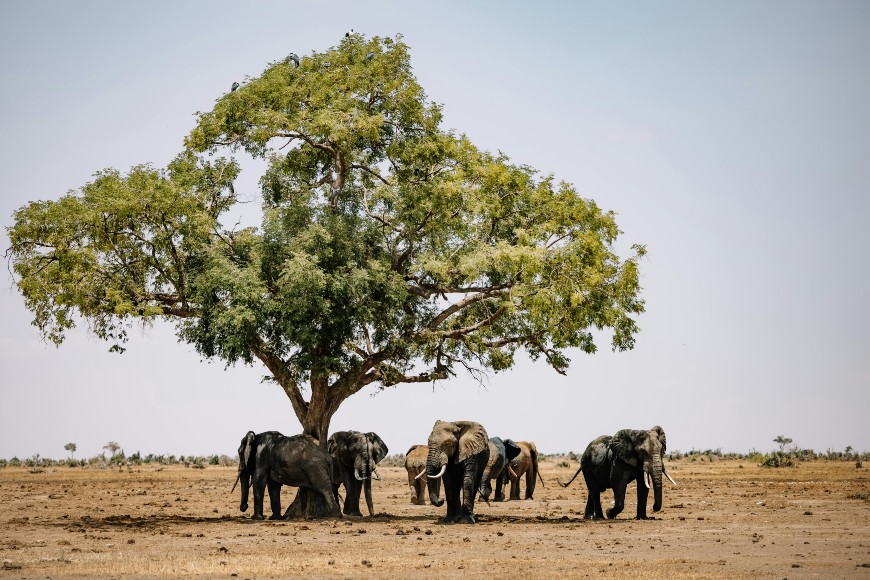
Zimbabwe offers an embarrassing wealth of attractions, and many visitors attempt to cram too much into a single itinerary. Rushing between Hwange National Park, Mana Pools, Victoria Falls, and the Eastern Highlands leaves you exhausted and prevents you from truly absorbing each destination’s unique character.
Quality trumps quantity when it comes to Zimbabwe safari experiences. Spending three or four nights in one location allows you to explore different areas at various times of day, increasing your chances of memorable wildlife encounters. Animals follow patterns, and patient observers who stay put are often rewarded with extraordinary sightings.
Instead of a whirlwind tour, focus on two or three complementary destinations. Pair Victoria Falls with Hwange for a classic combination, or choose Mana Pools if you prefer a more remote, walking-focused experience.
Overlooking Lesser-Known Parks and Reserves
Most international visitors automatically gravitate toward Hwange National Park, and while it’s undeniably spectacular, this narrow focus means missing out on some of Africa’s best-kept secrets. Mana Pools National Park offers unparalleled walking safaris and canoeing opportunities along the Zambezi River, creating intimate wildlife encounters impossible in a vehicle.
Matusadona National Park provides excellent game viewing with far fewer visitors, while Gonarezhou National Park in the southeast showcases dramatic landscapes and a genuine wilderness atmosphere. These lesser-known areas often deliver more authentic experiences at lower prices.
Private conservancies and community-run areas also deserve consideration. They typically offer exclusive access, meaning you won’t share sightings with multiple vehicles, and your visit directly supports local communities and conservation efforts.
Skimping on Accommodation Quality
Budget considerations matter, but choosing the cheapest accommodation option can seriously compromise your experience. Safari camps and lodges vary dramatically in terms of location, guide expertise, and overall quality. A poorly situated camp might require long drives to reach productive game-viewing areas, wasting precious time.
Experienced guides make an enormous difference in what you see and understand. Premium lodges invest in training their guides extensively, many of whom hold professional qualifications and possess encyclopedic knowledge of animal behavior and ecology. Their expertise transforms a simple animal sighting into an educational and thrilling experience.
Remember that you’ll spend significant time at your accommodation. Comfortable beds, good food, and pleasant communal areas contribute substantially to your overall enjoyment, especially after long days in the bush.
Ignoring Health and Safety Preparations
Some travelers arrive unprepared for the health requirements and safety considerations of an African safari. Malaria prophylaxis is essential for most safari areas in Zimbabwe, yet some visitors skip this crucial protection. Consult a travel health specialist at least six weeks before departure to discuss antimalarial medication and necessary vaccinations.
Travel insurance that covers medical evacuation is non-negotiable. Medical facilities in remote areas are limited, and serious emergencies may require evacuation to South Africa. Comprehensive coverage provides peace of mind and financial protection.
Conclusion
Avoiding these common mistakes will significantly enhance your safari experience in this remarkable country. Take time to research thoroughly, plan according to your interests rather than following the crowd, and invest in quality experiences that align with your budget. With proper preparation and realistic expectations, your adventure will create memories that last a lifetime and leave you planning your return before you’ve even departed.