Last updated: October 5, 2026
Brown butter cookies are chewy, crisp-edged cookies with a nutty, toffee-like flavor that comes from simply cooking the butter until it turns golden amber before you mix the dough. This post walks you through every step, from browning the butter to the flaky salt finish, and the full recipe card waits further down the page when you are ready to bake.
How to Make Brown Butter Cookies From Start to Finish
You make brown butter cookies by cooking 1 cup of unsalted butter until it smells nutty, cooling it, whisking in the sugars and eggs, folding in the flour, chilling the dough for 30 minutes, and baking at 350°F for 10 to 12 minutes.

The whole process takes about 1 hour 30 minutes, and most of that time is hands-off cooling and chilling.
What You Need
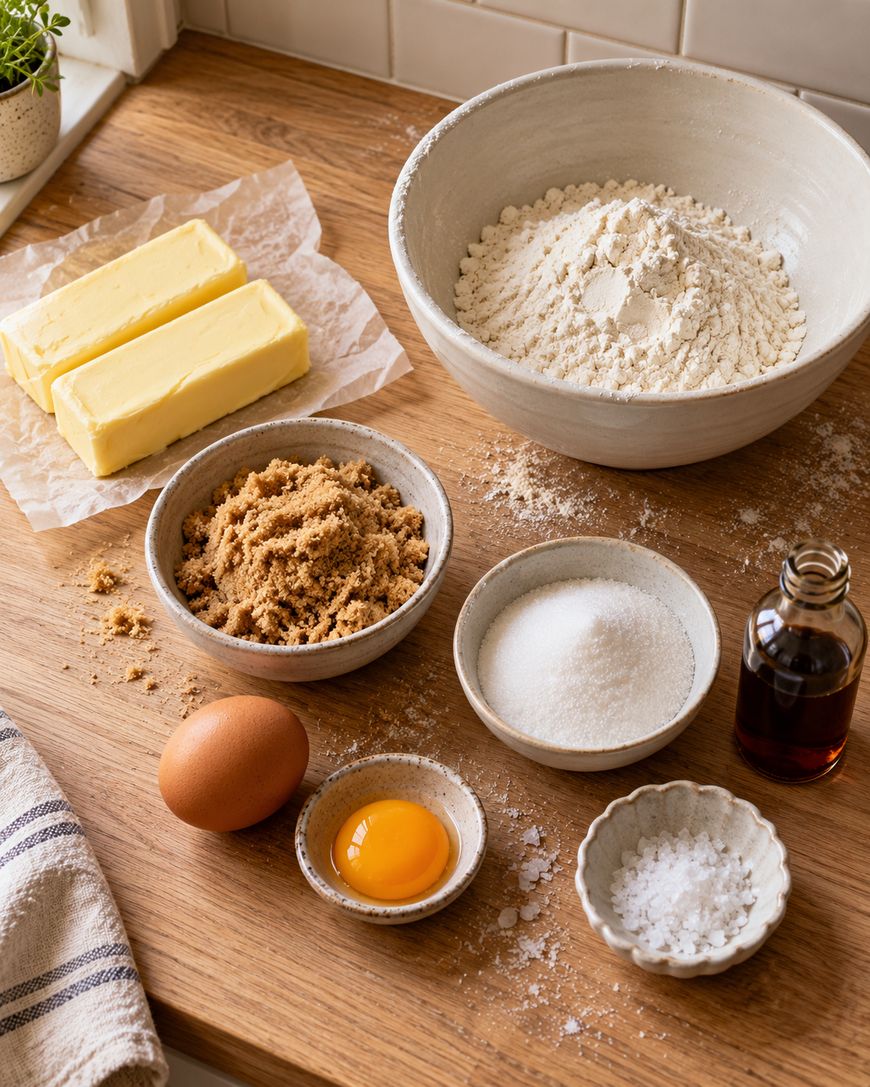
The dough uses 1 cup (227 g) of unsalted butter, 1 1/4 cups (250 g) of packed light brown sugar, and 1/4 cup (50 g) of granulated sugar. Brown sugar is the main sweetener because its molasses adds moisture and a caramel note that echoes the browned butter.
You also need 1 large egg plus 1 large egg yolk, 2 teaspoons of pure vanilla extract, 2 1/4 cups (280 g) of all-purpose flour, 1 teaspoon of baking soda, and 3/4 teaspoon of fine sea salt. Keep 1/2 teaspoon of flaky sea salt, such as Maldon, on hand for sprinkling over the warm cookies.
Weigh the flour if you can, because scooping straight from the bag packs in extra flour and makes the cookies dry.
Brown the Butter
Cook the butter in a light-colored skillet or saucepan over medium heat for 5 to 8 minutes, swirling the pan often. The butter will melt, foam, and then settle down as the water cooks off and the milk solids begin to toast.

You are done when the butter turns amber, smells like toasted nuts, and shows brown flecks on the bottom of the pan. Pull it off the heat right away, because browned butter can go from golden to burnt in under a minute.
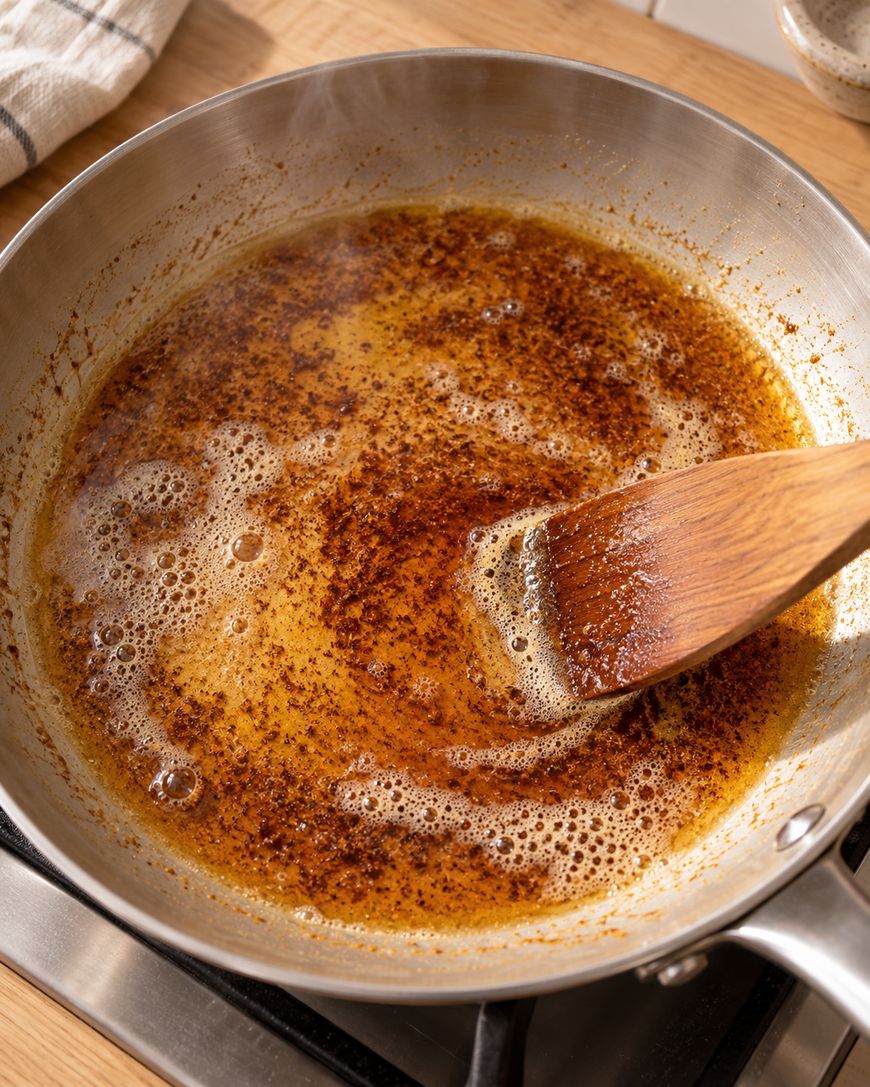
Scrape every speck into a large heatproof bowl, since those flecks hold most of the flavor. Let the butter cool for 15 minutes, until it is warm but not hot, so it does not scramble the egg in the next step.

Mix the Dough
Whisk the flour, baking soda, and fine sea salt together in a medium bowl and set it aside. Then whisk the brown sugar and granulated sugar into the cooled butter until the mixture is smooth.
Whisk in the egg, the extra yolk, and the vanilla for about 1 minute, until the mixture looks glossy and thick. No mixer is needed, because this dough uses melted butter instead of creamed butter.
Fold in the flour mixture with a spatula until no dry streaks remain. Stop as soon as the flour disappears, since overmixing builds gluten and makes the cookies tough.

Chill and Scoop
Cover the bowl and refrigerate the dough for 30 minutes, until it feels firm enough to scoop. The dough can stay in the refrigerator for up to 48 hours if you want to bake later.
Heat the oven to 350°F and line two rimmed baking sheets with parchment paper. Scoop heaping 2 tablespoon mounds of dough, placing 10 on each sheet about 2 inches apart, for about 20 cookies in total.

Bake and Finish
Bake one sheet at a time on the center rack for 10 to 12 minutes, until the edges are set and golden and the centers still look slightly soft. Take them out at that point even if the middles seem underdone, because the cookies finish cooking on the hot pan.
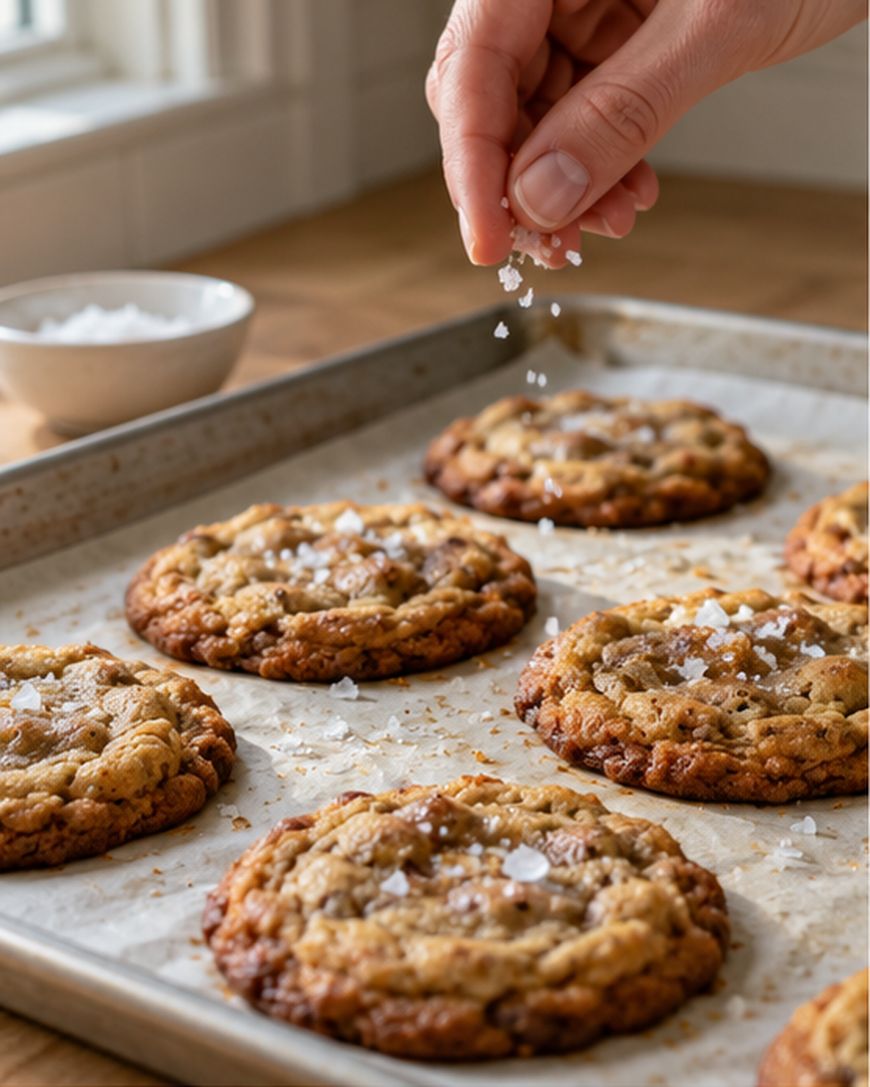
Sprinkle the 1/2 teaspoon of flaky sea salt over the cookies as soon as they leave the oven. Let them rest on the baking sheet for 5 minutes, then move them to a wire rack.
Tips for Perfect Brown Butter Cookies Every Time
The three habits that matter most are watching the butter closely, cooling it before you mix, and never skipping the chill. Each one controls a different part of the finished cookie, from flavor to spread to chew.
Use a Light-Colored Pan
A stainless steel or light enameled pan lets you see the milk solids toast, which a dark nonstick pan hides. If you cannot see the flecks, you can easily under-brown the butter and lose flavor or overshoot into bitter territory.
Start With the Full Cup of Butter
Butter is about 16 percent water, and most of that cooks off while the butter browns. The recipe already accounts for that loss, so start with the full 1 cup and do not add extra to make up the difference.
Do Not Skip the Chill
Chilling lets the flour absorb moisture and firms up the fat, so the cookies spread less and bake up thicker and chewier. Thirty minutes is the minimum, and a day or two in the refrigerator deepens the toffee flavor even more.
Pull Them Early
Slightly underbaked centers are the secret to a chewy cookie. Take the sheet out when the middles still look soft and let the hot pan finish the job.

Brown Butter Cookies Variations and Easy Substitutions
You can swap the sugar, add nuts, or change the finish without changing the basic method. Every option below keeps the same browning, cooling, and chilling steps.

Swap the Sugar or the Butter
Dark brown sugar works in equal amounts in place of light brown sugar and gives you a deeper, more molasses-forward cookie. Salted butter also works if you cut the fine sea salt to 1/4 teaspoon, and the card below assumes unsalted butter.
Add Crunch or Chocolate
For crunch, fold 3/4 cup of chopped toasted pecans or walnuts into the dough along with the flour. If you want chocolate, stir in 1 cup of chopped semisweet chocolate at the same point.
The card leaves both of these out, so treat them as optional extras.
Change the Finish
For a sparkly, crackly top, roll each dough ball in 2 tablespoons of coarse sugar before baking. The card leaves this out as well, so treat it as optional, and still add the flaky sea salt if you like a sweet and salty cookie.
How to Store and Freeze Brown Butter Cookies
Store cooled brown butter cookies in an airtight container at room temperature for up to 4 days. Layer parchment paper between the cookies so the salt crystals do not stick to the cookie above.

To freeze the dough, scoop it into balls, freeze them on a tray until solid, and move them to a freezer bag for up to 3 months. Bake from frozen at 350°F and add 1 to 2 minutes to the baking time.

The unbaked dough also keeps covered in the refrigerator for up to 48 hours, so you can mix it one evening and bake the next day. Do not eat raw cookie dough, because the FDA advises against it due to the raw egg and uncooked flour.
If a cookie has lost its softness, a few seconds in the microwave brings back that fresh-baked texture.
Cookies stay softest when the container is sealed tightly and kept away from heat and direct sunlight.
What to Serve With Brown Butter Cookies
Brown butter cookies pair best with something cold, creamy, or bitter, such as a tall glass of cold milk, a scoop of vanilla ice cream, or a mug of hot coffee. The nutty flavor stands up well to all three without getting lost.
For an easy dessert, sandwich a scoop of vanilla or salted caramel ice cream between two cookies and freeze for a short while. The soft centers make them ideal for ice cream sandwiches.
They also pack well for gift tins and cookie swaps, because the flaky salt keeps them from tasting too sweet. Stack them in a clear jar with a linen napkin tucked inside and you have a ready-made gift.
If you are hosting, set out a small bowl of flaky sea salt and let guests add a pinch to their own cookie. A plate of warm brown butter cookies next to a pot of tea also makes a cozy fall dessert that needs no extra work.
The Story Behind Brown Butter in Baking
Brown butter is called beurre noisette in French cooking, which translates to hazelnut butter, a name it earns from its toasty smell rather than any actual nuts. It is made by heating butter past the point where the water cooks off so the milk solids toast through the Maillard reaction.
French cooks have long used it in sauces for fish and vegetables and in small cakes such as financiers. Home bakers later began stirring it into cookie dough, and it is now one of the most popular upgrades for any butter-based cookie.
Because the flavor comes from a technique instead of an extra ingredient, brown butter cookies cost no more than a regular batch. All it takes is a few extra minutes at the stove and a little attention to the color of the butter.
When you are ready to bake, use the recipe card below for the full ingredient list, steps, and nutrition information.

Brown Butter Cookies
Chewy brown butter cookies with crisp edges, a nutty toffee flavor, and a flaky sea salt finish, made by hand with no mixer.
Ingredients
- 1 cup (227 g) unsalted butter
- 1 1/4 cups (250 g) packed light brown sugar
- 1/4 cup (50 g) granulated sugar
- 1 large egg, room temperature
- 1 large egg yolk, room temperature
- 2 teaspoons pure vanilla extract
- 2 1/4 cups (280 g) all-purpose flour
- 1 teaspoon baking soda
- 3/4 teaspoon fine sea salt
- 1/2 teaspoon flaky sea salt, for sprinkling
Instructions
- Whisk the flour, baking soda, and fine sea salt together in a medium bowl and set aside.
- Melt the butter in a light-colored skillet or saucepan over medium heat, then keep cooking and swirling for 5 to 8 minutes until it foams, turns amber, and smells nutty with brown flecks on the bottom.
- Pour all of the browned butter and the brown bits into a large heatproof bowl and cool for 15 minutes, until warm but not hot.
- Whisk the brown sugar and granulated sugar into the butter until smooth.
- Whisk in the egg, egg yolk, and vanilla for about 1 minute until the mixture looks glossy and thick.
- Fold in the flour mixture with a spatula until no dry streaks remain.
- Cover the bowl and refrigerate the dough for 30 minutes.
- Heat the oven to 350°F and line two rimmed baking sheets with parchment paper.
- Scoop heaping 2 tablespoon mounds of dough onto the sheets, 10 per sheet, about 2 inches apart.
- Bake one sheet at a time on the center rack for 10 to 12 minutes, until the edges are set and golden and the centers still look slightly soft.
- Sprinkle the cookies with the flaky sea salt right out of the oven, cool on the baking sheet for 5 minutes, then transfer to a wire rack.
Notes
Use unsalted butter. If you use salted butter, reduce the fine sea salt to 1/4 teaspoon. Brown the butter in a light-colored pan so you can see the color change. Store cooled cookies in an airtight container at room temperature for up to 4 days. Freeze scooped dough balls for up to 3 months and bake from frozen at 350°F, adding 1 to 2 minutes. The dough keeps covered in the refrigerator for up to 48 hours. Do not eat raw cookie dough.
Nutrition Information:
Yield:
20Serving Size:
1 cookieAmount Per Serving: Calories: 195Total Fat: 10gSaturated Fat: 6gSodium: 190mgCarbohydrates: 26gFiber: 0gSugar: 15gProtein: 2g
Brown Butter Cookies FAQ
Why did my brown butter cookies spread too much?
The most common cause is butter that was still hot when the egg went in, or dough that skipped the 30 minute chill. Let the butter cool for 15 minutes and chill the dough before scooping, and the cookies should hold their shape.
Can you use salted butter for brown butter cookies?
Yes, but cut the fine sea salt to 1/4 teaspoon so the cookies are not too salty. The card is written for unsalted butter, so adjust only if you use salted.
How do you know when brown butter is done?
Look for an amber color, brown specks on the bottom of the pan, and a nutty smell. Pull the pan off the heat right away, because the butter can burn quickly after that point.
Can you freeze brown butter cookie dough?
Yes, freeze scooped dough balls for up to 3 months. Bake them from frozen at 350°F and add 1 to 2 minutes to the baking time.
Why are my brown butter cookies dry or cakey?
Too much flour is the usual culprit, so weigh 280 grams or spoon and level your measuring cup. Overbaking also dries cookies out, so pull them while the centers still look soft.
Why This Recipe Works
Browning the butter gives you toffee flavor with no extra ingredients. As the butter heats, the water boils off and the milk solids toast, which creates nutty, caramel notes that plain butter cannot.
Using melted butter instead of creamed butter keeps the dough dense and chewy, and it means you never need a mixer. Whisking the sugars into the warm butter dissolves some of them, which helps the edges turn crisp while the centers stay soft.
The extra egg yolk adds fat and richness without adding extra liquid, and the high ratio of brown sugar to white sugar adds moisture and a hint of molasses.
A 30 minute chill and slightly underbaked centers finish the job. The flaky sea salt on top balances the sweetness and makes the toasted butter flavor stand out.
The 1 teaspoon of baking soda helps the cookies brown and spread just enough to form crisp edges without turning cakey. Every step is simple, but together they add up to a cookie that tastes far more complicated than it is.
Time to Bake Your Brown Butter Cookies
Brown butter cookies prove that one small technique can turn a simple dough into something that tastes like it came from a bakery. Brown the butter, cool it, chill the dough for 30 minutes, and bake until the centers still look soft.
Grab your butter and a light-colored pan, bake a batch today, and sprinkle the flaky sea salt on while the cookies are still warm. Save the recipe card for your next cookie swap, holiday gift tin, or quiet afternoon with a cup of coffee.
Whether you bake them for a weeknight treat or a holiday cookie plate, brown butter cookies reward you with a flavor people always ask about. The extra few minutes at the stove is the only effort that separates these from an ordinary butter cookie, and it is well worth it.
Once you have made them one time, you will find yourself browning butter for every cookie recipe in your rotation.