Last updated: October 18, 2026
You are about to make the kind of snickerdoodle cookies that stay soft in the middle and just barely crisp at the edges, even a few days after baking.

We will walk you through every part of the process below, and the full recipe card sits further down the page whenever you are ready to bake.
Why These Snickerdoodle Cookies Work So Well
Snickerdoodle cookies get their signature tang from cream of tartar, and that one ingredient is what separates a real snickerdoodle from a plain sugar cookie rolled in cinnamon.
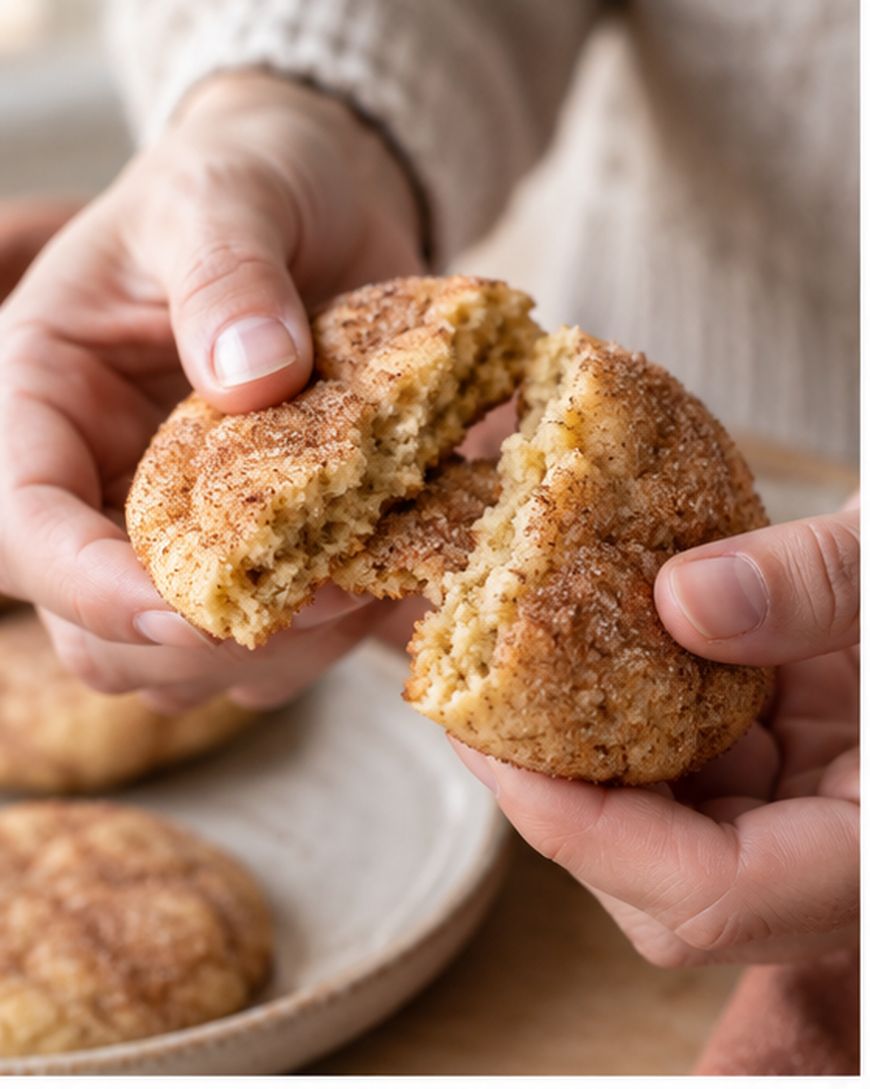
Cream of tartar is an acid, and when it meets the baking soda in this dough, it creates a light lift while also giving the cookie that faint tartness people associate with the classic version.
You will notice the dough comes together quickly with a stand mixer or hand mixer, since the butter needs to be properly creamed with the sugar before anything else goes in.
Creaming butter and sugar together until pale and fluffy traps tiny air pockets, and those pockets are part of why the finished cookie has a tender, soft crumb instead of a dense one.
This recipe also leans on a slightly higher ratio of brown sugar blended with the white sugar in the dough itself, which keeps the centers moist while the outsides still develop that classic golden edge.
Ingredients You Will Need for Snickerdoodle Cookies
The base dough calls for all purpose flour, granulated sugar, unsalted butter, eggs, cream of tartar, baking soda, salt, and vanilla extract.
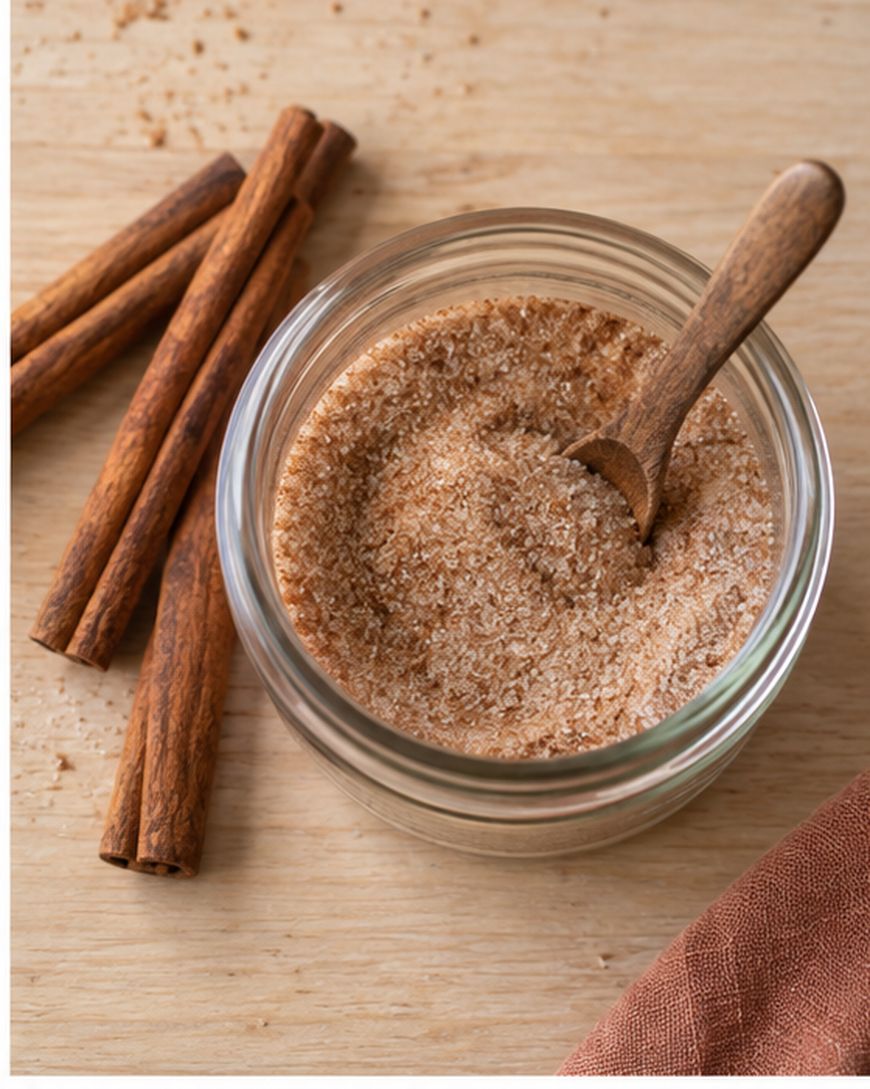
You will also need extra granulated sugar and ground cinnamon set aside separately, since that mixture is what each ball of dough gets rolled in right before baking.
Room temperature butter matters here, because cold butter will not cream properly and softened butter blends evenly with the sugar in about two to three minutes on medium speed.
Use pure vanilla extract rather than imitation vanilla if you have it on hand, since the flavor comes through more clearly in a simple dough like this one.
Cream of tartar can sometimes be tucked in the back of the spice aisle at the grocery store, so check near the baking powder and baking soda if you do not spot it right away.
How to Make Snickerdoodle Cookies Step by Step
Start by creaming the softened butter with the granulated sugar and brown sugar until the mixture turns pale and fluffy, which usually takes two to three minutes with an electric mixer.
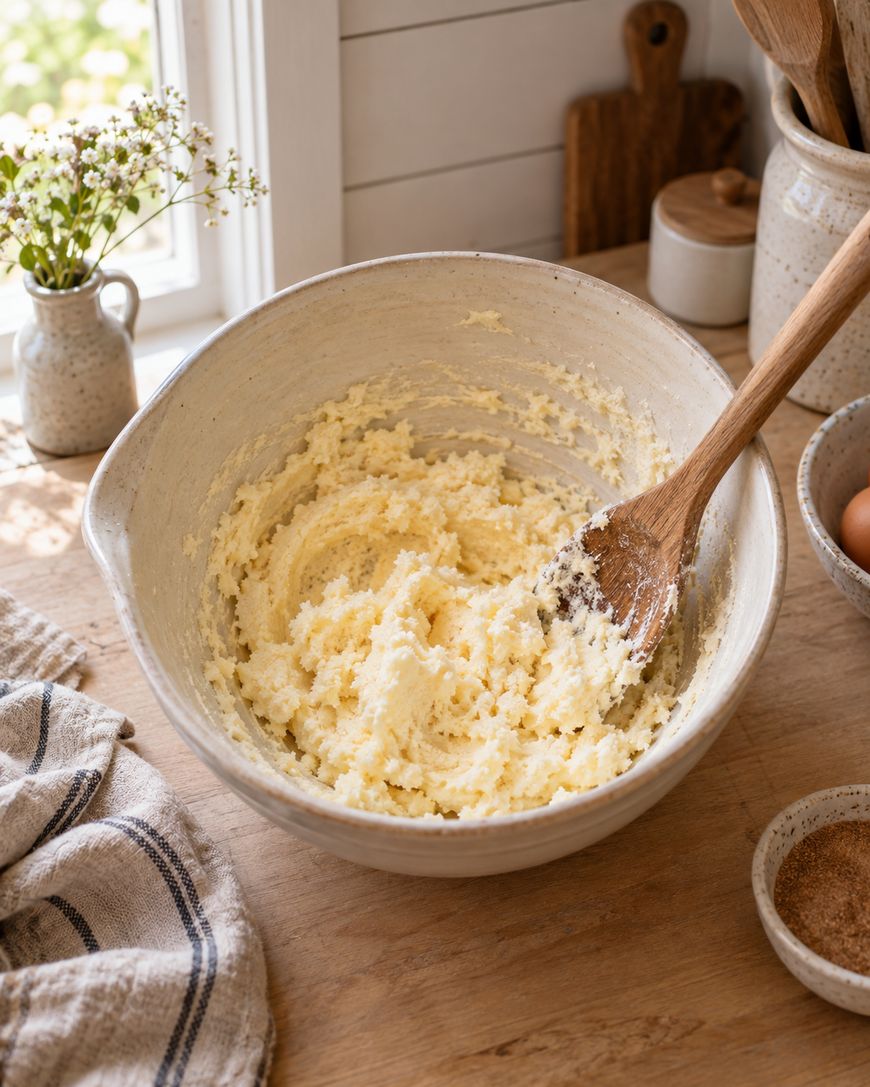
Add the eggs one at a time, mixing fully after each addition, then stir in the vanilla extract until everything looks smooth and combined.
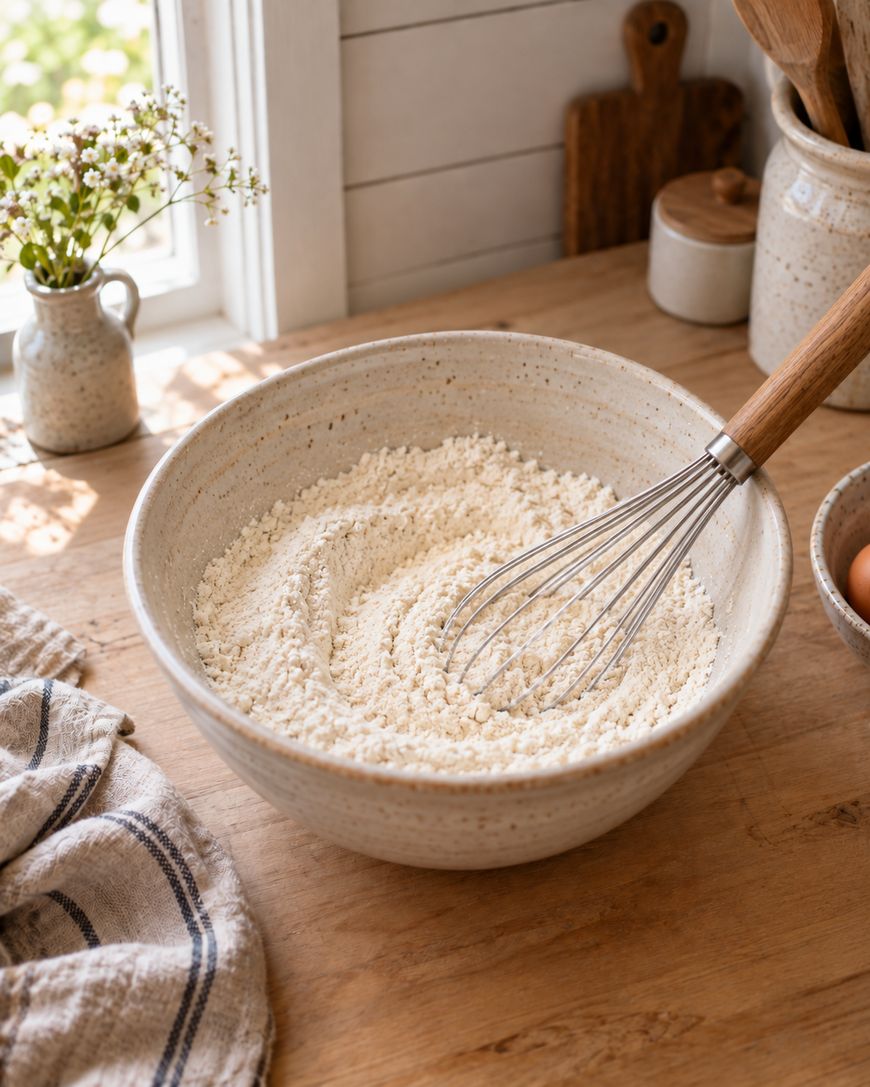
In a separate bowl, whisk together the flour, cream of tartar, baking soda, and salt so the leavening and salt are evenly distributed before they meet the wet ingredients.
Gradually add the dry ingredients into the butter mixture on low speed, mixing just until no streaks of flour remain, since overmixing at this stage can make the cookies tougher than they need to be.
Cover the dough and chill it in the refrigerator for at least thirty minutes, which firms up the butter again and keeps the cookies from spreading too thin in the oven.
While the dough chills, stir together the cinnamon and sugar coating in a small shallow bowl so it is ready to go the moment you start rolling.

Scoop the chilled dough into balls, roll each one between your palms until smooth, then roll it through the cinnamon sugar mixture until it is fully coated on every side.

Space the coated dough balls a few inches apart on a parchment lined baking sheet, since they will spread as they bake.

Bake in a preheated 375 degree Fahrenheit oven for nine to eleven minutes, pulling them out when the edges look set but the centers still look slightly underdone.
Let the cookies rest on the baking sheet for about five minutes before moving them to a wire rack, since they continue cooking slightly from residual heat during that time.

Tips for Soft, Chewy Snickerdoodle Cookies
Slightly underbaking the cookies is the single biggest factor in keeping them soft, so pull the tray as soon as the centers look just set rather than fully firm.
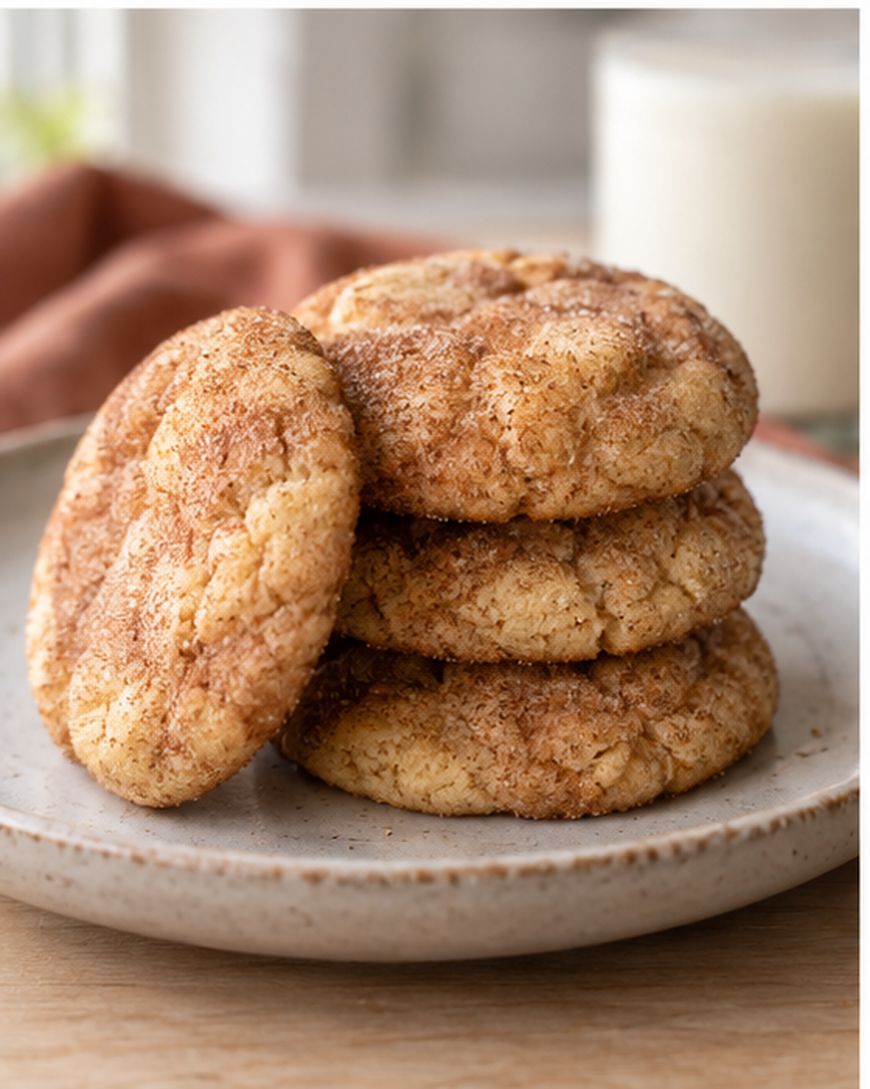
Chilling the dough before baking prevents excess spreading, which keeps the cookies thick enough to stay chewy instead of turning thin and crisp all the way through.
Measuring flour correctly makes a real difference, and spooning flour into your measuring cup and leveling it off gives a more accurate result than scooping straight from the bag.
If your kitchen runs warm, chill the dough for a full hour rather than thirty minutes, since softer dough spreads faster in a hot oven.
A light dusting of extra cinnamon sugar on top right after baking gives the tops a little more sparkle and crunch without changing the texture underneath.
Variations and Substitutions for Snickerdoodle Cookies
You can swap up to half of the granulated sugar in the dough for additional brown sugar if you prefer an even softer, more caramel leaning cookie.

Nutmeg pairs naturally with cinnamon, so adding a small pinch to the cinnamon sugar coating brings out a warmer, slightly spiced flavor without overpowering the classic taste.
For a browned butter version, melt and brown the butter first, then let it cool back to a solid but soft state before creaming it with the sugars as usual.
If you need the dough to be egg free, a flax egg made from ground flaxseed and water works reasonably well here and keeps the texture close to the original.
Cream of tartar has no direct one to one substitute, but a small amount of lemon juice or white vinegar added to the wet ingredients can mimic some of its tang if you are out.
Storing and Freezing Snickerdoodle Cookies
Store baked snickerdoodle cookies in an airtight container at room temperature, where they stay soft and fresh for up to five days.
Placing a slice of plain sandwich bread in the container helps keep the cookies from drying out, since the cookies pull moisture from the bread instead of the surrounding air.
The raw dough balls freeze beautifully, so roll them in the cinnamon sugar coating first, then freeze on a tray until solid before transferring them to a freezer bag for up to three months.
Bake frozen dough balls straight from the freezer, adding about one to two extra minutes to the bake time listed in the recipe card.
Already baked cookies also freeze well in an airtight container for up to three months, and they thaw at room temperature in under an hour.
The History Behind Snickerdoodle Cookies
Snickerdoodle cookies are widely believed to have German or Dutch origins, brought to American kitchens by immigrant bakers in New England during the nineteenth century.
The name itself does not translate to anything specific, and food historians generally agree it was simply a playful, whimsical name common to that era’s cookie and cake recipes.
New England and Pennsylvania Dutch communities are often credited with popularizing the cinnamon sugar coating that makes this cookie so recognizable today.
By the early twentieth century, snickerdoodle cookies had become a fixture in American cookbooks, prized for using simple pantry staples that most home bakers already had on hand.
That same appeal holds true today, since this recipe still relies on basic ingredients you likely already have in your kitchen right now.
Ready to see exactly how it all comes together? The full recipe card below has every ingredient amount and step laid out so you can start baking right away.

Snickerdoodle Cookies
Soft, chewy snickerdoodle cookies rolled in cinnamon sugar, with slightly crisp edges and a tender center that stays soft for days.
Ingredients
- 2 3/4 cups all purpose flour
- 2 teaspoons cream of tartar
- 1 teaspoon baking soda
- 1/2 teaspoon salt
- 1 cup unsalted butter, softened
- 1 1/4 cups granulated sugar (for dough)
- 1/4 cup brown sugar, packed
- 2 large eggs
- 1 teaspoon vanilla extract
- 1/4 cup granulated sugar (for cinnamon sugar coating)
- 2 tablespoons ground cinnamon
Instructions
- Whisk together the flour, cream of tartar, baking soda, and salt in a bowl and set aside.
- In a large bowl, cream the softened butter with 1 1/4 cups of the granulated sugar and the brown sugar until pale and fluffy, about 2 to 3 minutes.
- Add the eggs one at a time, mixing fully after each addition, then mix in the vanilla extract.
- Gradually add the dry ingredients to the butter mixture on low speed, mixing just until no streaks of flour remain.
- Cover the dough and chill in the refrigerator for at least 30 minutes.
- Stir together the remaining 1/4 cup granulated sugar and the ground cinnamon in a small shallow bowl.
- Preheat the oven to 375 degrees Fahrenheit and line baking sheets with parchment paper.
- Scoop the chilled dough into balls, roll each between your palms until smooth, then roll through the cinnamon sugar mixture until fully coated.
- Place the coated dough balls a few inches apart on the prepared baking sheets.
- Bake for 9 to 11 minutes, until the edges look set but the centers still look slightly underdone.
- Let the cookies rest on the baking sheet for 5 minutes before moving them to a wire rack to cool completely.
Notes
Store in an airtight container at room temperature for up to 5 days, or freeze baked cookies or raw dough balls for up to 3 months.
Nutrition Information:
Yield:
24Serving Size:
1 cookieAmount Per Serving: Calories: 140Total Fat: 6gSaturated Fat: 3.5gSodium: 95mgCarbohydrates: 20gFiber: 0.5gSugar: 12gProtein: 1.5g
Snickerdoodle Cookies: Common Questions
Why do you use cream of tartar in snickerdoodle cookies?
Cream of tartar reacts with the baking soda in the dough to create lift while also giving the cookie its signature slightly tangy flavor. Without it, you end up with a cookie that tastes more like a plain cinnamon sugar cookie.
Why did my snickerdoodle cookies turn out flat?
Flat cookies usually mean the dough was not chilled long enough or the butter was too warm when it went into the oven. Chill the dough for at least thirty minutes and make sure your baking sheet has fully cooled between batches.
Can you make snickerdoodle cookie dough ahead of time?
Yes, the dough can be made up to forty eight hours in advance and kept covered in the refrigerator. You can also roll the dough into balls and freeze them for up to three months before baking.
What is the difference between a snickerdoodle and a sugar cookie?
A sugar cookie relies only on baking powder or baking soda for lift and has no tang, while a snickerdoodle includes cream of tartar and gets rolled in cinnamon sugar before baking. The cream of tartar is what gives snickerdoodles their distinct flavor.
How do you keep snickerdoodle cookies soft after baking?
Store them in an airtight container with a slice of plain bread to help retain moisture, and avoid overbaking them in the first place. Pulling the cookies out while the centers still look slightly underdone makes the biggest difference.
Can you double this snickerdoodle cookie recipe?
Yes, this dough doubles easily as long as you have a mixer large enough to handle the increased volume. Bake times stay about the same, so just work in batches if your baking sheets cannot fit all the dough at once.
Why This Recipe Works
This dough relies on creaming softened butter with a blend of granulated and brown sugar, which builds the air pockets that give these cookies their soft, tender crumb.
Chilling the dough after mixing firms the butter back up, so the cookies hold their shape in the oven instead of spreading into thin, crisp discs.
The combination of cream of tartar and baking soda does double duty, creating gentle lift while also producing the tangy flavor that separates a snickerdoodle from an ordinary cinnamon sugar cookie.
Pulling the cookies from the oven while the centers still look slightly soft lets residual heat finish the job on the baking sheet, which is exactly why these snickerdoodle cookies stay soft for days instead of turning hard and crumbly.
Bake a Batch of Snickerdoodle Cookies Today
These snickerdoodle cookies come together with pantry staples you likely already have, and the payoff is a soft, chewy cookie with that classic cinnamon sugar coating in every bite.
Scroll back up to the recipe card, gather your ingredients, and get a batch of snickerdoodle cookies into the oven today.
Brown Butter Chocolate Chip Cookies
Snickerdoodle Cobbler With a Built-In Caramel Sauce
Thumbprint cookies with a jam center
Meringue cookies that stay crisp
Pudding cookies with bakery-style centers
Brown butter cookies with a nutty flavor
Oatmeal cream pies with a marshmallow filling