Last updated: September 15, 2026
If you love the warm, caramelized spice flavor of Biscoff cookies, you are absolutely in the right place — scroll down to the recipe card to get started right away.
These homemade Biscoff cookies deliver everything you love about the iconic Lotus Biscoff biscuit: the deep caramel sweetness, the whisper of cinnamon and warming spices, and that perfectly crisp snap. Making them from scratch means you can tweak the spice level, adjust the sweetness, and have a full batch ready whenever the craving strikes.
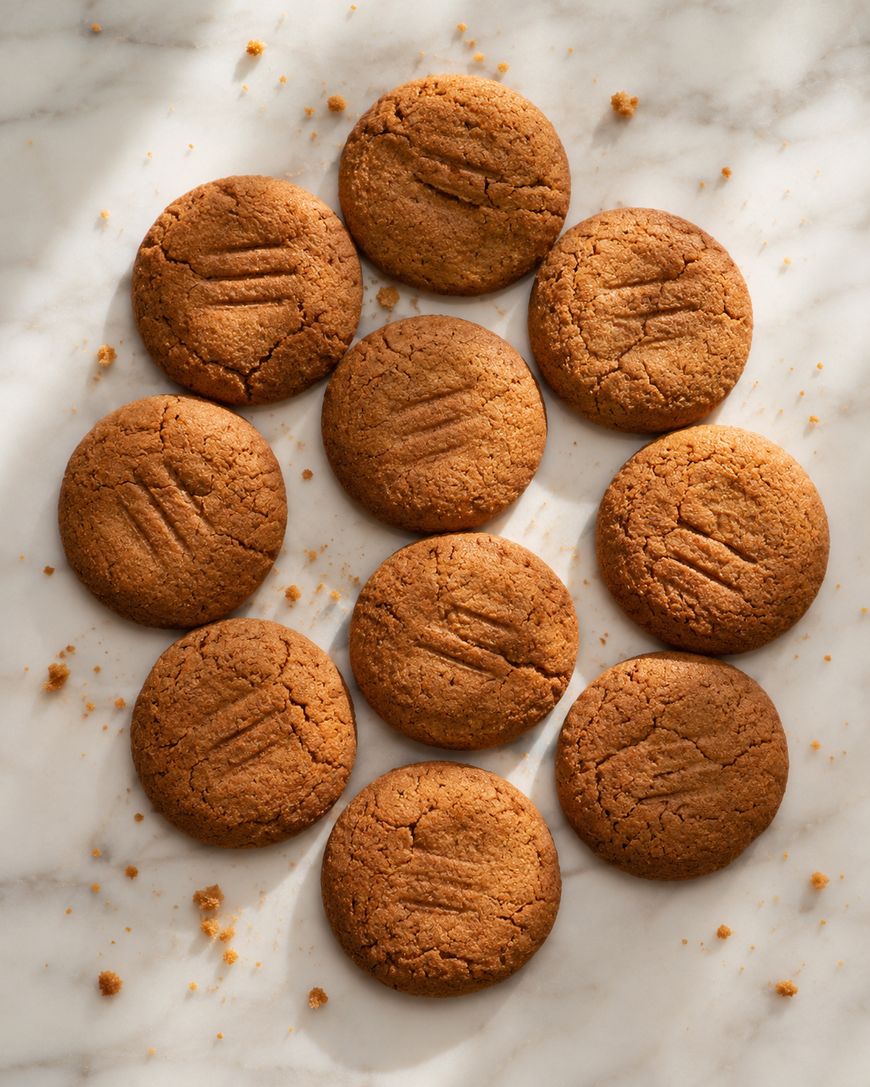
What You Need to Make Biscoff Cookies
Getting the ingredients right is the foundation of a great Biscoff cookie, and most of what you need is already in your pantry.
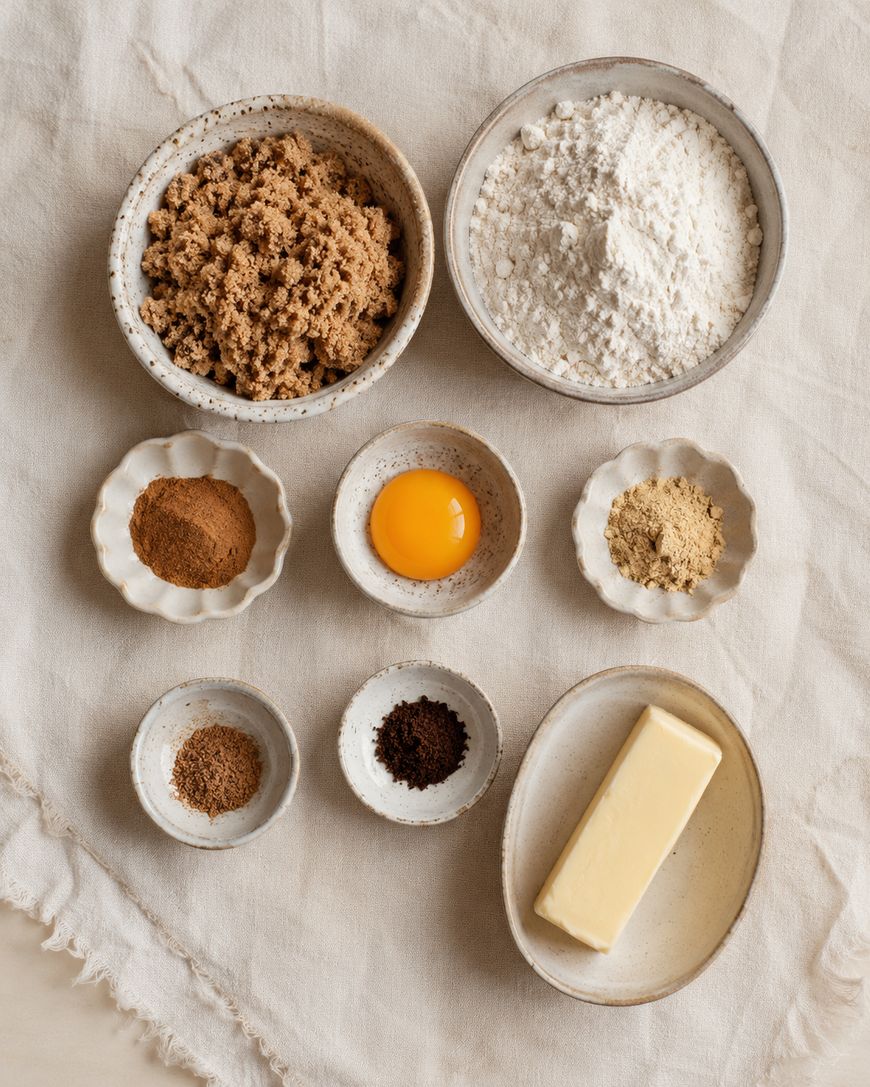
Brown sugar is the star of the show here — it brings the deep, molasses-rich caramelization that defines the Biscoff flavor profile. Dark brown sugar will give you a more intense caramel note, while light brown sugar produces a slightly milder result; either works beautifully depending on your preference.
All-purpose flour provides the structure, and a small amount of cornstarch works alongside it to keep the texture tender in the center while the edges crisp up. Butter — real, unsalted butter at room temperature — gives the cookies their rich flavor and helps them spread into that characteristic thin, snappy wafer.
The spice blend is where you build the Biscoff magic. Ground cinnamon is the dominant note, supported by ginger, nutmeg, allspice, and a pinch of cloves. A small amount of vanilla extract rounds everything out without overpowering the spice blend.
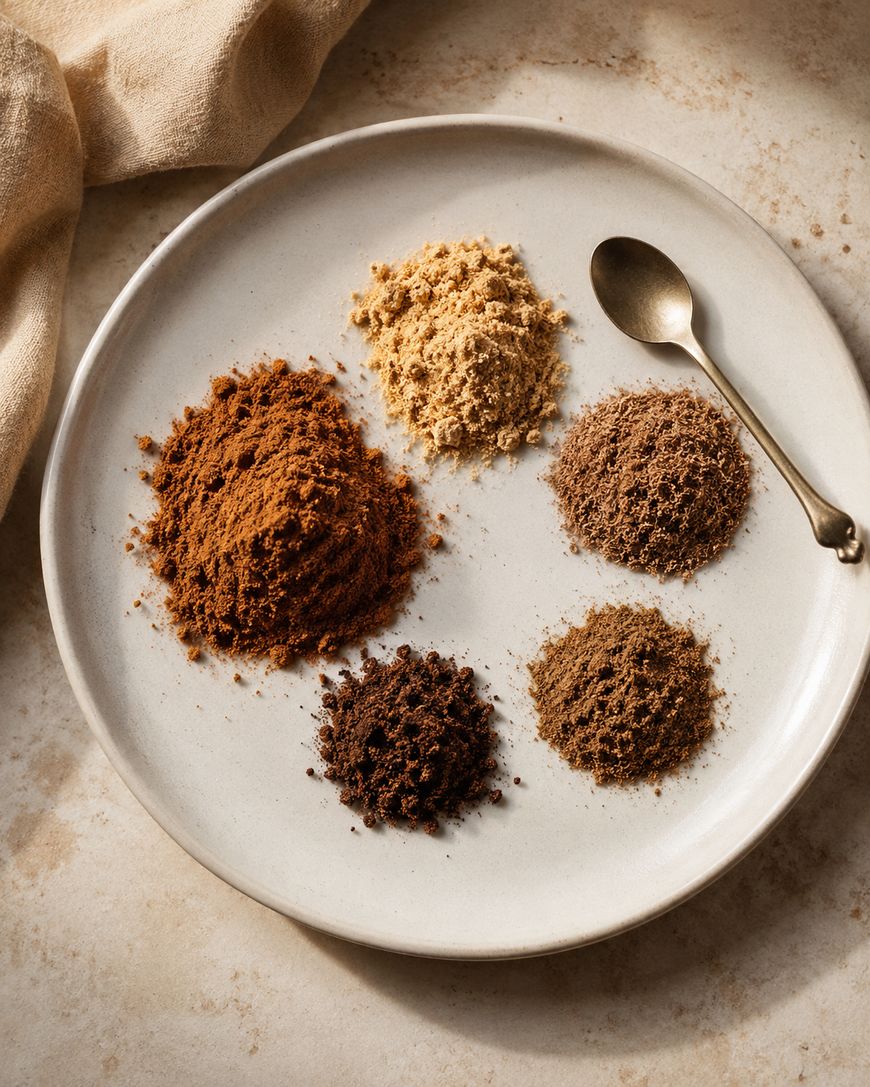
One egg yolk (rather than a whole egg) reduces moisture and encourages a crispier finish — this is an important detail that separates a soft sugar cookie from a true Biscoff-style crisp biscuit.
Mixing the Dough
The mixing process for Biscoff cookies is straightforward and comes together in one bowl with a hand mixer or stand mixer.
Start by creaming the butter and brown sugar together for about two minutes until the mixture is smooth and slightly lightened in color. You are not going for the full pale-and-fluffy stage you would use for a chocolate chip cookie — a shorter cream time helps keep the cookies from spreading too much and losing their snap.
Add the egg yolk and vanilla extract and mix until just combined. Sift the flour, cornstarch, spices, baking soda, and salt into the bowl, then fold everything together until a soft dough forms. The dough will be smooth and slightly stiff — this is exactly what you want.
Chilling the Dough
Chilling the dough for at least 30 minutes in the refrigerator is an important step that should not be skipped.
Cold dough spreads more slowly in the oven, which is what gives Biscoff cookies their neat shape and crisp edges. If you are short on time, 20 minutes in the freezer will achieve a similar result. The dough can also be made a day ahead and kept wrapped in the refrigerator — the extra resting time actually deepens the spice flavor.
Rolling and Cutting Biscoff Cookies
Once chilled, the dough is ready to roll. Lightly flour your work surface and roll the dough out to about 3mm (roughly one-eighth of an inch) thickness.
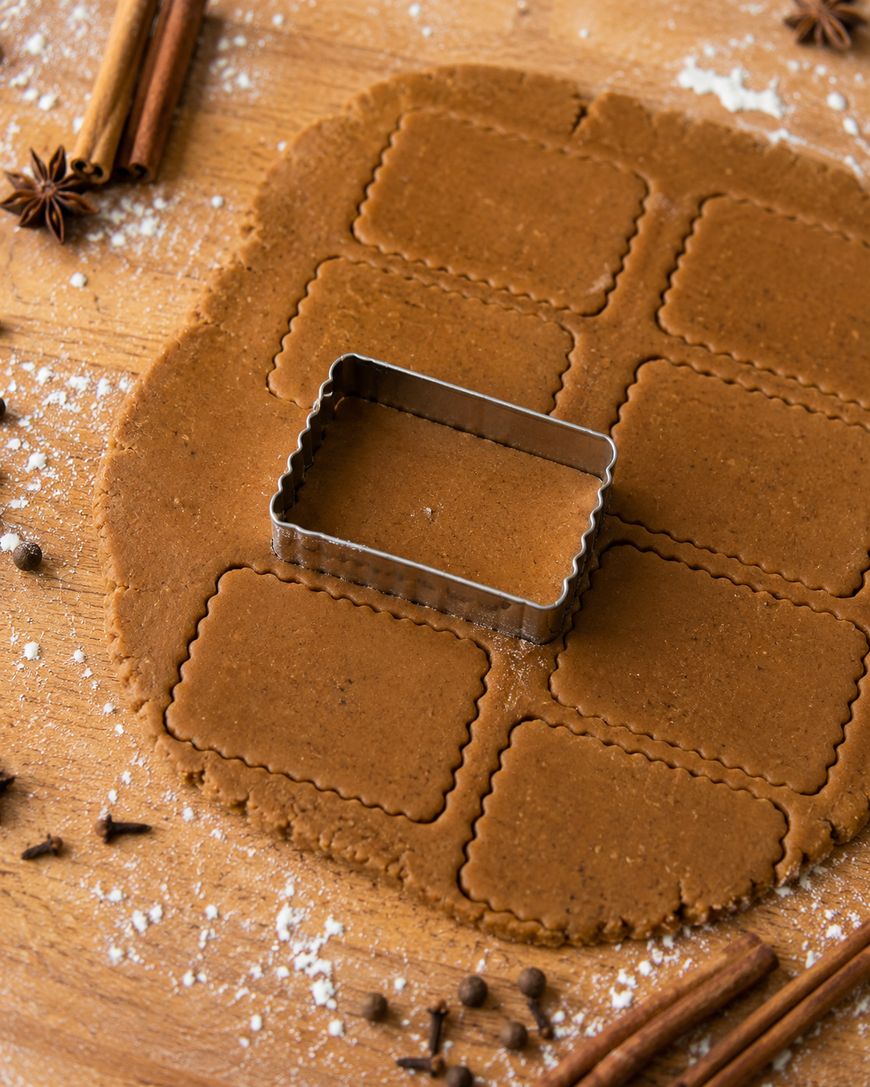
Thinner is better here — the Biscoff cookie is not a thick, chewy biscuit. Rolling the dough thin ensures the cookies bake evenly all the way through and develop that signature crisp texture. A rectangular cutter or a fluted round cutter both look authentic; you can also use a plain cookie cutter or even a sharp knife and a ruler to cut them into neat rectangles the way Lotus Biscoff are shaped commercially.
Scoring and Stamping
One of the charming details of homemade Biscoff cookies is the opportunity to stamp or score them before baking.
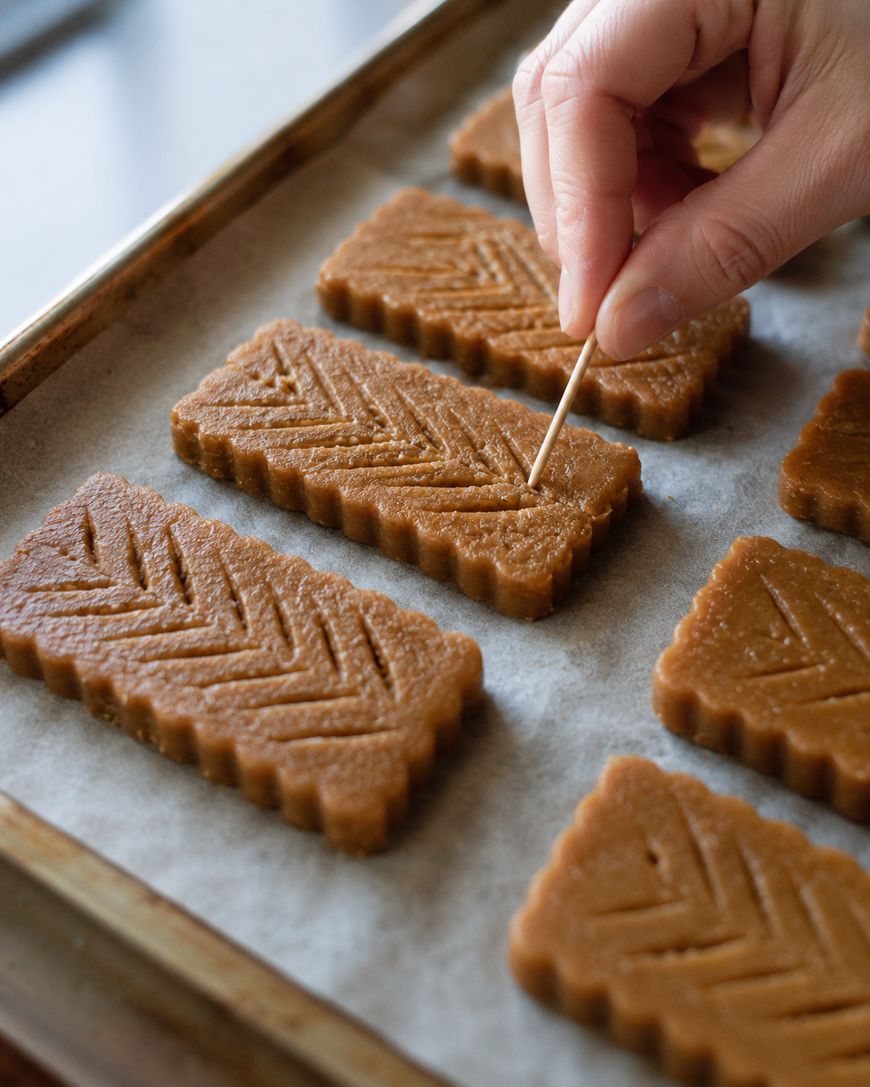
Use a toothpick or a skewer to draw a simple pattern on the top of each cookie, or use a patterned cookie stamp to press a design into the surface. The design stays visible through baking and gives your homemade cookies a polished, professional look. Keep the scoring shallow — you are imprinting, not cutting through.
Baking for the Perfect Crisp
Preheat your oven to 325°F (165°C) and line two baking sheets with parchment paper.
Arrange the cut cookies in a single layer with a little space between each one. Because the dough is cold and thin, they should not spread significantly — if you see them puffing rather than staying flat, gently press down with the back of a spatula halfway through baking.
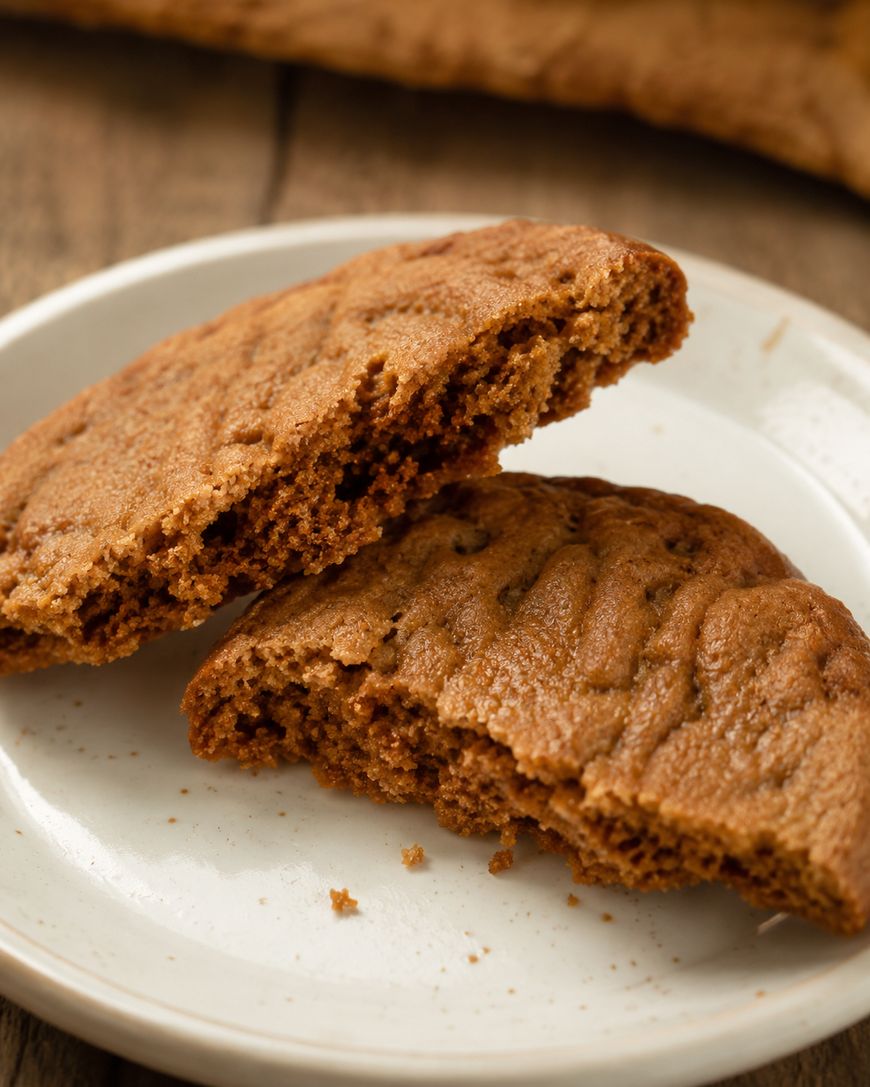
Bake for 12 to 14 minutes until the edges are golden and the tops look set and matte rather than shiny. The cookies will feel slightly soft when you first take them out — this is normal. They firm up and crisp as they cool on the baking sheet. Resist the urge to over-bake in search of crunch; an over-baked Biscoff cookie turns bitter.
Cooling and Setting
Transfer the cookies to a wire rack after five minutes on the baking sheet.
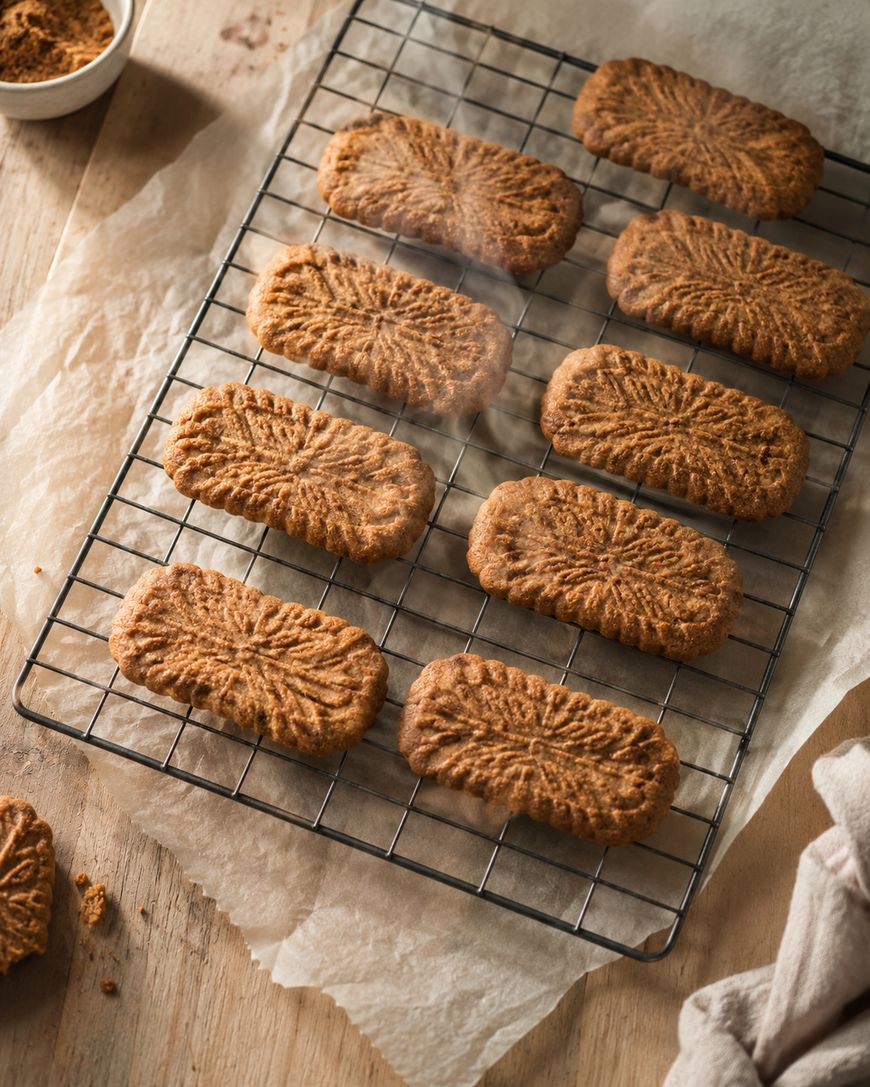
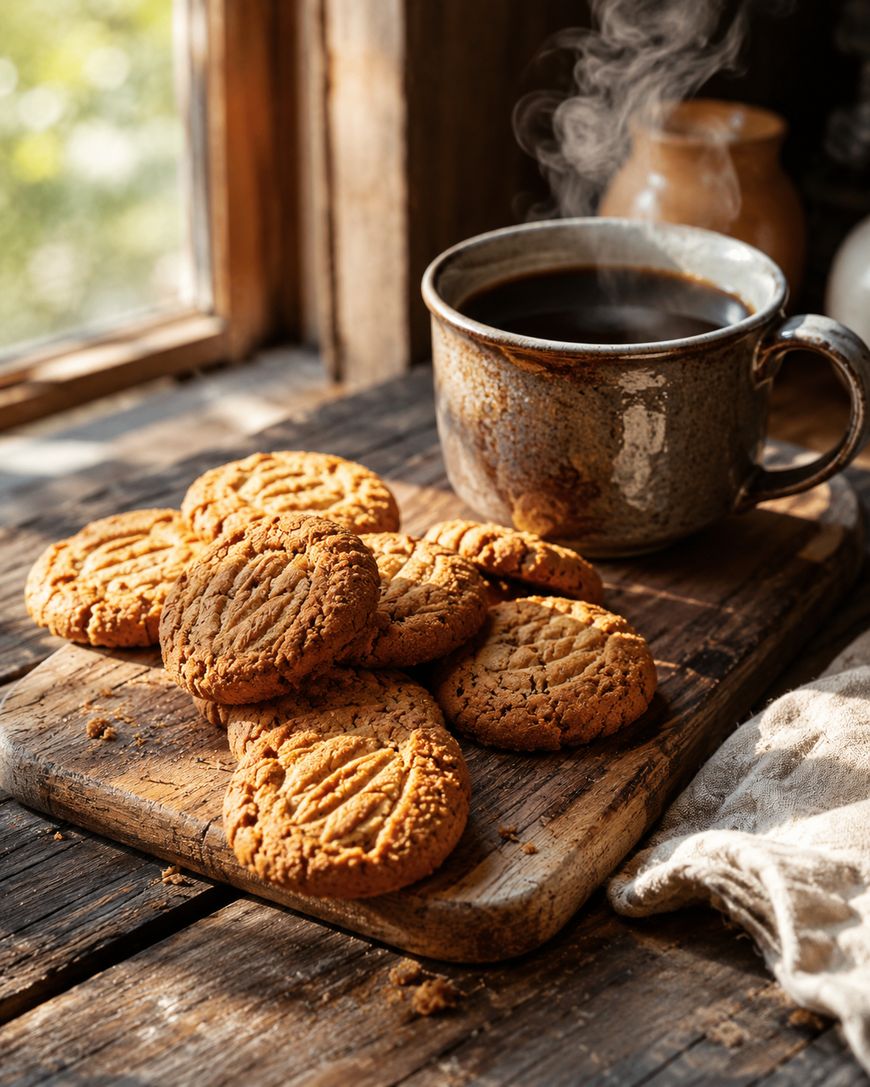
Full crispness develops as the cookies cool completely, so give them at least 20 minutes before tasting. If after cooling they are not as crisp as you would like, return them to the oven at 300°F for five more minutes, then cool again.
Variations and Substitutions
The base Biscoff cookie recipe is wonderfully adaptable.
For a vegan version, replace the butter with a good-quality vegan block butter (not a soft spread) and the egg yolk with one tablespoon of aquafaba. The texture will be very similar to the original, though the color may be slightly lighter.
If you want to lean into the Biscoff spread flavor, stir two tablespoons of Lotus Biscoff spread into the dough along with the butter — this intensifies the caramelized flavor and makes the cookies slightly softer. They will spread a little more, so chill for an extra 15 minutes before rolling.
Sandwich Cookies
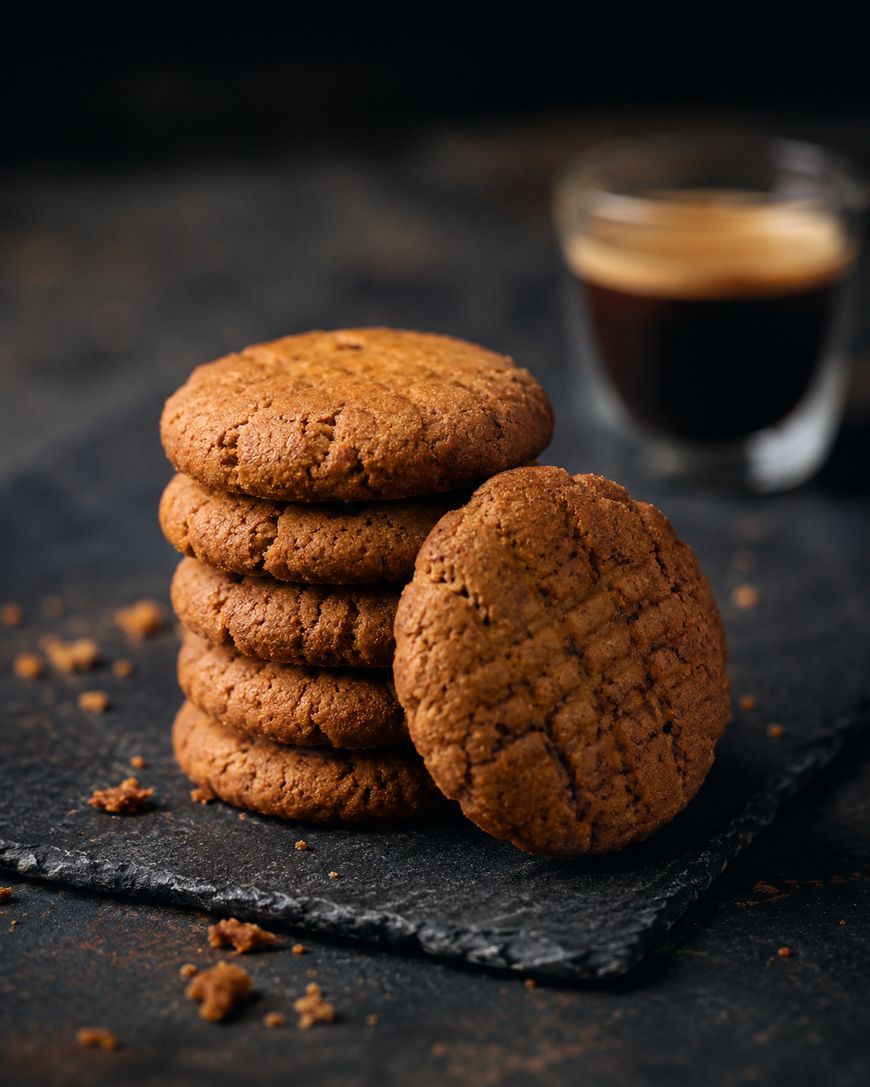
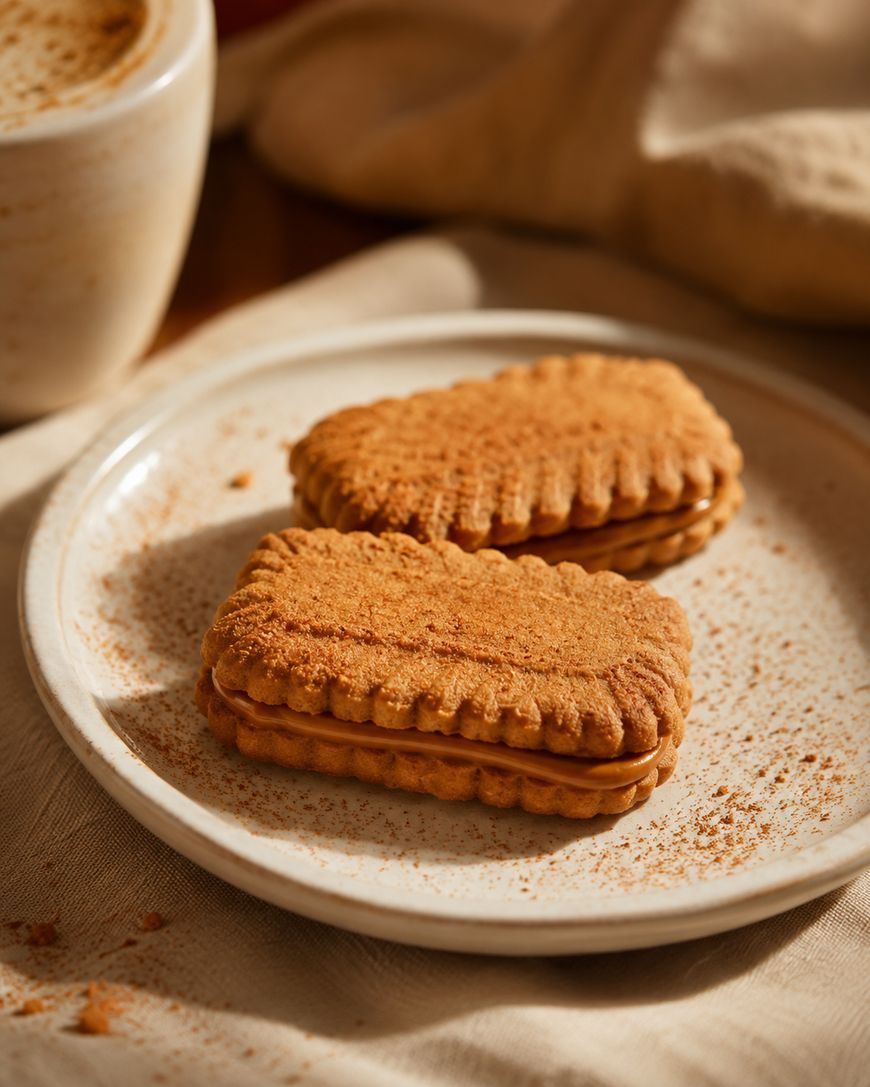
Biscoff cookies make an exceptional base for sandwich cookies.
Spread a thin layer of Biscoff spread, cream cheese frosting, or salted caramel buttercream between two cooled cookies for a simple and spectacular treat. Keep the filling layer thin so the cookies retain their crispness. Sandwich cookies are best eaten within a day of assembly; store assembled cookies in a cool spot, not the refrigerator, to avoid the shells softening.
Storage and Make-Ahead Tips
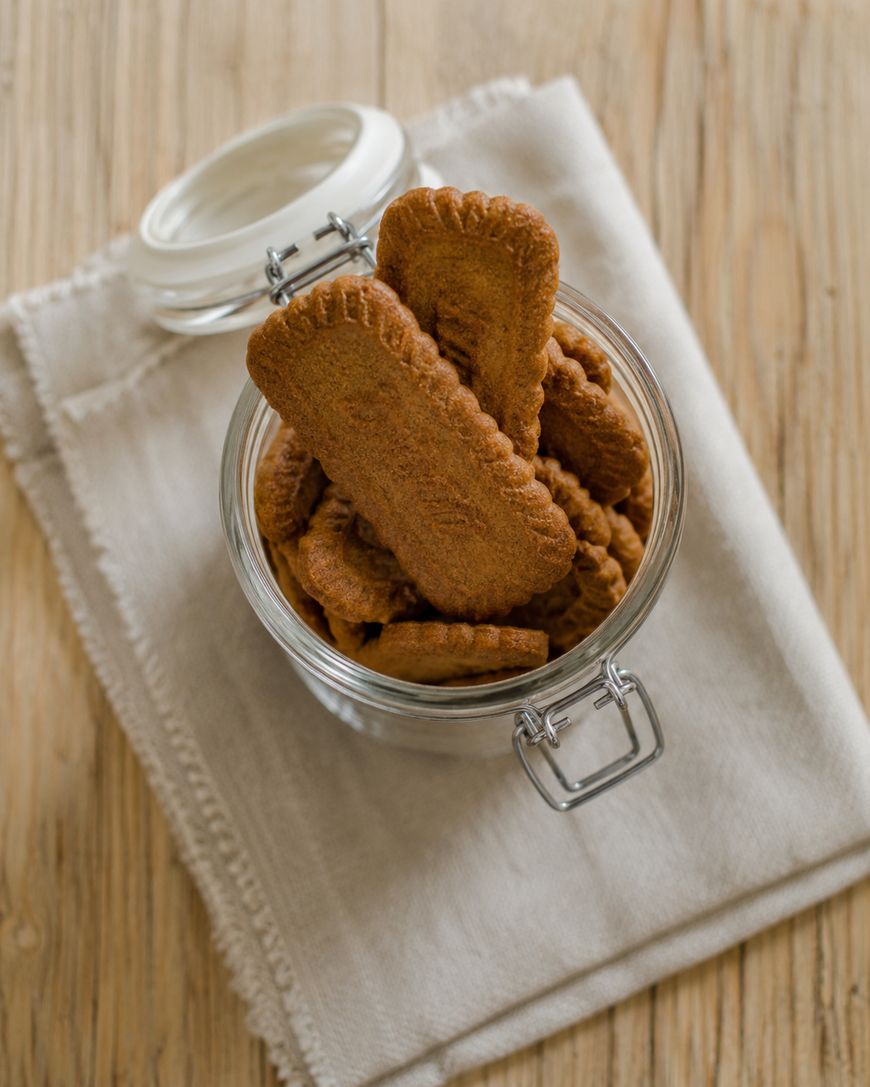
Biscoff cookies store exceptionally well compared to most homemade cookies — their low moisture content keeps them crisp for up to two weeks.
Store cooled cookies in an airtight container at room temperature, with a small piece of parchment between layers to prevent sticking. Avoid storing them with soft cookies or baked goods that release moisture, as this will soften them quickly.
The unbaked dough can be frozen for up to three months, either as a block or pre-rolled and cut. Freeze cut cookies flat on a baking sheet until solid, then transfer to a zip-top bag. Bake from frozen, adding two to three extra minutes to the baking time.
Serving Suggestions
Biscoff cookies are excellent on their own with a strong cup of coffee or tea — the spiced caramel flavor is a natural pairing for espresso.
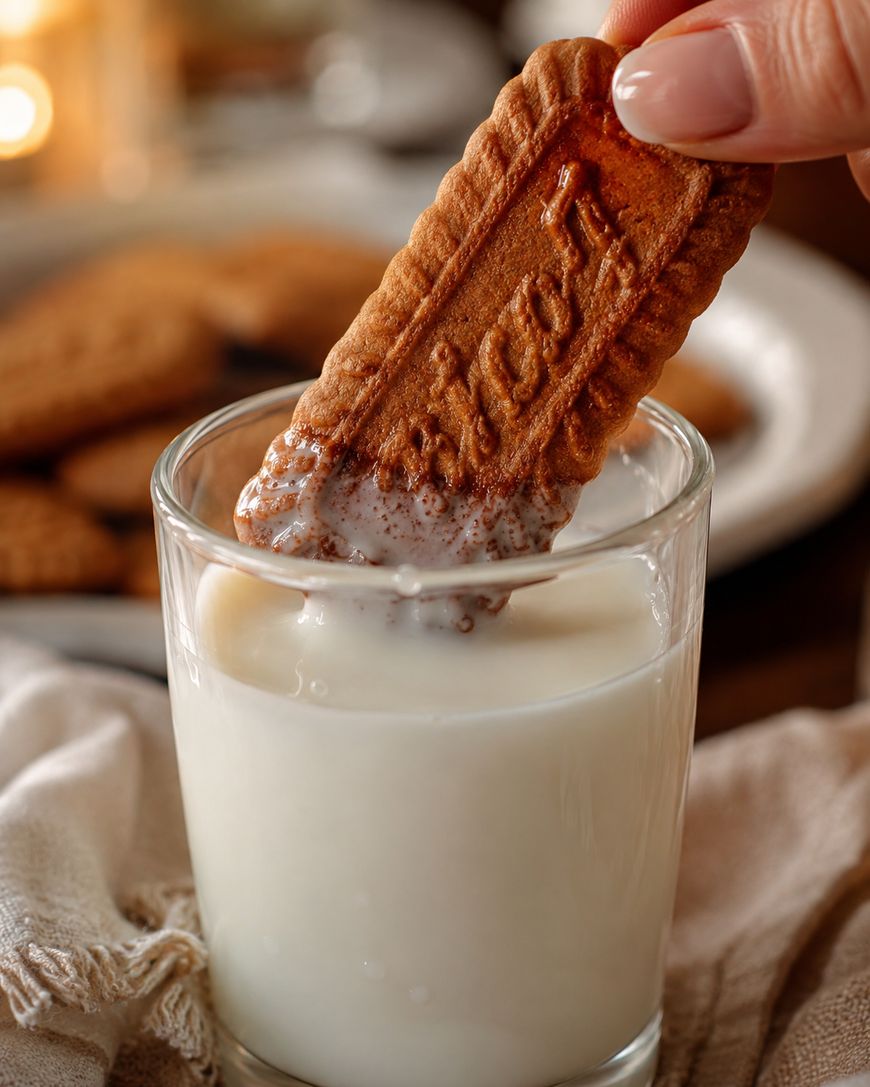
Crushed Biscoff cookies make a brilliant cheesecake base in place of graham crackers, adding warmth and spice to any no-bake or baked cheesecake. They also work beautifully as a garnish for ice cream, crumbled over butterscotch pudding, or layered into a trifle.
The Story Behind Biscoff Cookies
The original Biscoff cookie is a Belgian speculoos biscuit made by Lotus Bakeries, first created in 1932 in the town of Lembeke, Belgium.
The name “Biscoff” is a portmanteau of “biscuit” and “coffee,” a nod to the cookie’s long association with being served alongside coffee. Speculoos is a traditional Belgian and Dutch spiced shortcrust biscuit historically baked for the feast of Saint Nicholas and shaped in wooden molds. Lotus scaled up speculoos production into the iconic individually wrapped biscuits now found in airline galleys and coffee shops around the world.
The commercial recipe remains proprietary, but the flavor profile — brown sugar, cinnamon, ginger, cloves, nutmeg, and allspice in a crisp shortcrust base — is well understood and replicable at home with beautiful results.
Why This Biscoff Cookie Recipe Works
This recipe works because it applies the same principles Lotus uses at scale: a high ratio of brown sugar to flour for caramelization, a blend of warming spices that build depth without any single note overpowering the others, and a thin roll that maximizes surface area for browning.
Using an egg yolk rather than a whole egg is the key technical choice. The additional fat from the yolk enriches the dough and reduces the water content, which is what pushes the texture toward crisp rather than chewy. Rolling the dough thin and baking at a moderate temperature completes the transformation.
Ready to bake? Use the recipe card below for a quick reference as you work through this one.
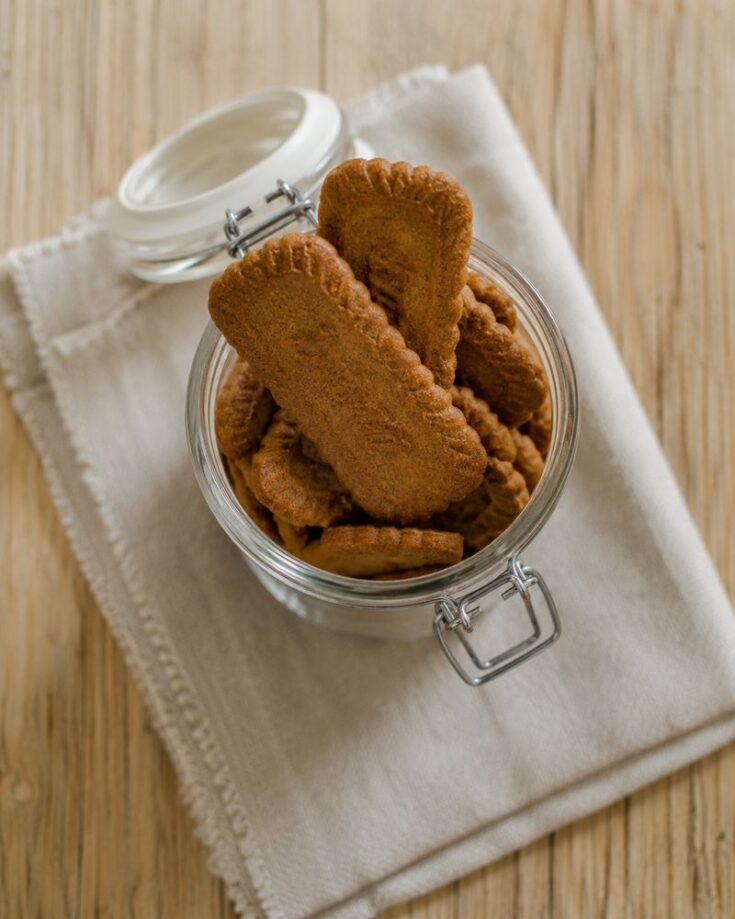
Homemade Biscoff Cookies
These homemade Biscoff cookies are crispy, spiced, and deeply caramelized — a dead-ringer for the iconic Lotus Biscoff biscuit, ready in under an hour.
Ingredients
- 1 cup (225g) unsalted butter, room temperature
- 1 cup (200g) packed dark brown sugar
- 1 egg yolk
- 1 teaspoon vanilla extract
- 2 cups (250g) all-purpose flour
- 2 tablespoons cornstarch
- 1 teaspoon ground cinnamon
- 1/2 teaspoon ground ginger
- 1/4 teaspoon ground nutmeg
- 1/4 teaspoon ground allspice
- 1/8 teaspoon ground cloves
- 1/2 teaspoon baking soda
- 1/4 teaspoon salt
Instructions
- Cream butter and brown sugar together with a hand or stand mixer for about 2 minutes until smooth and combined.
- Add the egg yolk and vanilla extract and mix until just incorporated.
- Sift in the flour, cornstarch, cinnamon, ginger, nutmeg, allspice, cloves, baking soda, and salt. Fold until a smooth dough forms.
- Wrap the dough in plastic wrap and refrigerate for at least 30 minutes.
- Preheat oven to 325°F (165°C). Line two baking sheets with parchment paper.
- On a lightly floured surface, roll the dough out to about 3mm (1/8 inch) thickness.
- Cut into rectangles or desired shapes using a cookie cutter or sharp knife.
- Optional: Score or stamp a pattern on the surface of each cookie using a toothpick or cookie stamp.
- Arrange cookies on prepared baking sheets with a little space between each.
- Bake for 12 to 14 minutes until edges are golden and tops look set. Cookies will feel slightly soft — they crisp as they cool.
- Cool on the baking sheet for 5 minutes, then transfer to a wire rack to cool completely before storing.
Notes
Substitutions: For a vegan version, replace butter with a vegan block butter and the egg yolk with 1 tablespoon of aquafaba. For extra Biscoff flavor, stir 2 tablespoons of Lotus Biscoff spread into the dough with the butter.
Storage: Store in an airtight container at room temperature for up to 2 weeks. Keep away from soft baked goods that release moisture.
Make-Ahead: Dough can be refrigerated for up to 3 days or frozen for up to 3 months. Bake frozen dough straight from the freezer, adding 2 to 3 extra minutes to baking time.
Technique Tips: Roll the dough thin — no more than 3mm. Thicker cookies will be soft rather than crispy. If cookies soften in storage, return them to a 300°F oven for 5 minutes, then cool again.
Nutrition Information:
Yield:
40Serving Size:
1Amount Per Serving: Calories: 20Total Fat: 0gSaturated Fat: 0gUnsaturated Fat: 0gCholesterol: 5mgSodium: 34mgCarbohydrates: 3gFiber: 0gSugar: 0gProtein: 0g
This site provides estimated nutritional information. This information comes from online calculators. Although we try to provide accurate nutritional information, these figures are only estimates.
Frequently Asked Questions About Biscoff Cookies
What makes Biscoff cookies different from regular sugar cookies?
Biscoff cookies are a type of speculoos biscuit, which means they are flavored with a specific blend of warming spices — predominantly cinnamon with ginger, nutmeg, allspice, and cloves. Regular sugar cookies use vanilla as the primary flavor and tend to be soft and thick, while Biscoff-style cookies are thin, crisp, and deeply caramelized from the brown sugar base.
Can you make Biscoff cookies without Biscoff spread?
Yes — this recipe does not use Biscoff spread at all. The flavor comes entirely from brown sugar and the spice blend, which together recreate the taste of the original cookie. Adding Biscoff spread to the dough is an optional variation that intensifies the flavor but is not necessary for an authentic result.
Why did my Biscoff cookies come out soft instead of crispy?
Soft cookies usually mean the dough was too thick, the baking time was too short, or moisture got in during storage. Roll the dough to no more than 3mm thick, bake until the edges are visibly golden, and let the cookies cool fully before storing in an airtight container. If they softened in storage, five minutes back in a 300°F oven will restore the crunch.
Can I make the dough ahead of time?
The dough keeps well in the refrigerator for up to three days, tightly wrapped in plastic wrap. It also freezes beautifully for up to three months. Resting the dough overnight in the fridge actually deepens the spice flavor, so making it a day ahead is a great option when you are preparing for guests or a bake sale.
How do I get the pattern on top of homemade Biscoff cookies?
You can press a pattern into the surface of each cookie using a toothpick, a skewer, or a cookie stamp before baking. The classic Lotus Biscoff has a simple dotted border and “Lotus” lettering, but any shallow imprint will look great. The pattern is purely decorative and does not affect the texture or baking time.
Are Biscoff cookies vegan?
The original Lotus Biscoff cookie is vegan — it contains no dairy or eggs. This homemade recipe uses butter and an egg yolk, so it is not vegan as written. To make a vegan version, swap the butter for a vegan block butter and replace the egg yolk with one tablespoon of aquafaba or a flaxseed egg.
Make a Batch of Homemade Biscoff Cookies Today
Biscoff cookies are one of those recipes that delivers outsized results for surprisingly little effort — a short ingredient list, no special equipment, and a baking time under 15 minutes.
The combination of caramelized brown sugar and warming spices produces a cookie that tastes deeply considered and complex, even though the method is completely approachable for any home baker. Whether you are making them to serve with coffee, to use as a cheesecake base, or simply to have a jar of something wonderful on the counter, this homemade Biscoff cookie recipe will not let you down. Give it a try this weekend and see why this little Belgian biscuit has earned such a devoted following.