Last updated: November 6, 2026
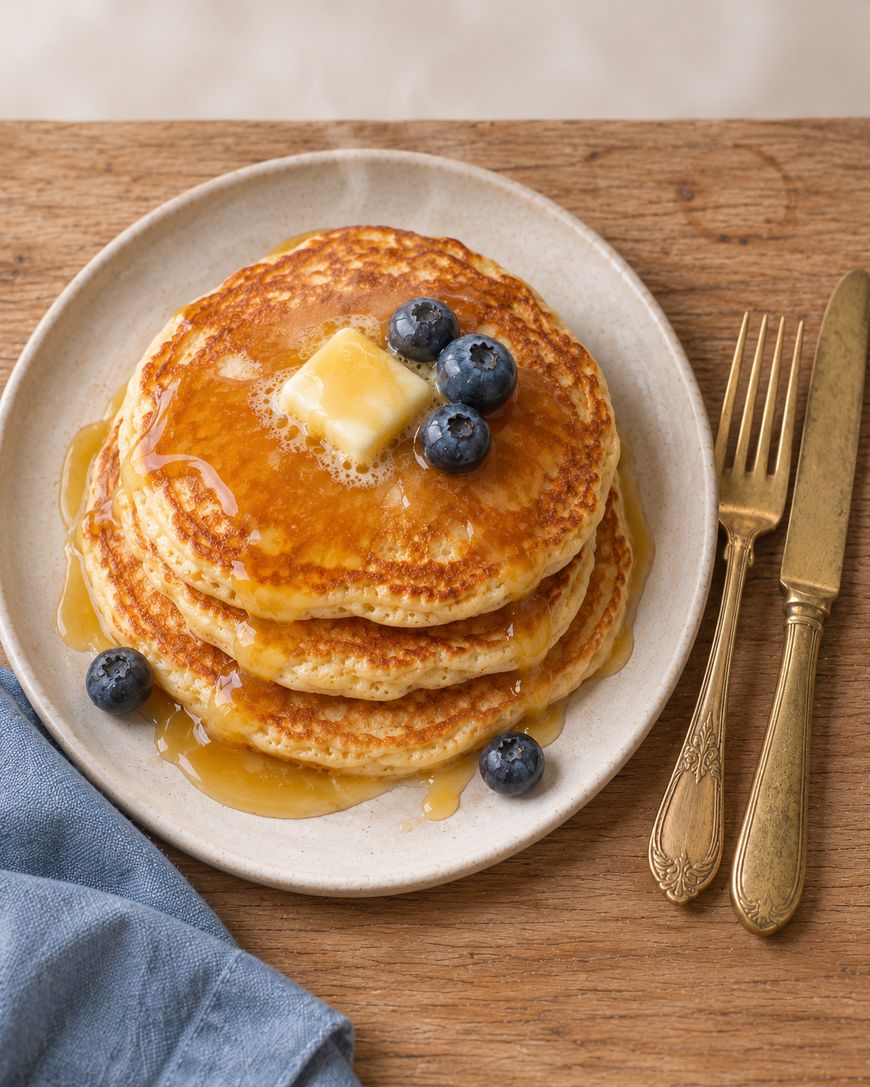
Buttermilk syrup is the tangy, creamy, caramel-colored pancake topping you can make in 15 minutes with pantry staples.
This post walks you through every step, and the recipe card below has the full ingredient list and instructions.
How to Make Buttermilk Syrup From Start to Finish
You make buttermilk syrup by boiling sugar, buttermilk, butter, corn syrup, and baking soda for 5 minutes, then stirring in vanilla off the heat. The whole process takes about 15 minutes from the first measuring cup to the first pour.
The Ingredients You Need
This recipe uses seven ingredients, and you likely have every one of them in your kitchen right now. We use 1 cup of granulated sugar, 1/2 cup of buttermilk, 1/2 cup (1 stick) of unsalted butter, 2 tablespoons of light corn syrup, 1 teaspoon of baking soda, 1/4 teaspoon of fine salt, and 2 teaspoons of vanilla extract.

Full-fat cultured buttermilk gives the deepest tang. Shake the carton before you measure so the thickness stays even.
Choosing the Right Pot
Use a heavy-bottomed saucepan that holds at least 3 quarts, because the baking soda makes the mixture foam up to about four times its starting volume. A small pot will boil over, and burnt sugar on a stovetop is a miserable cleanup.
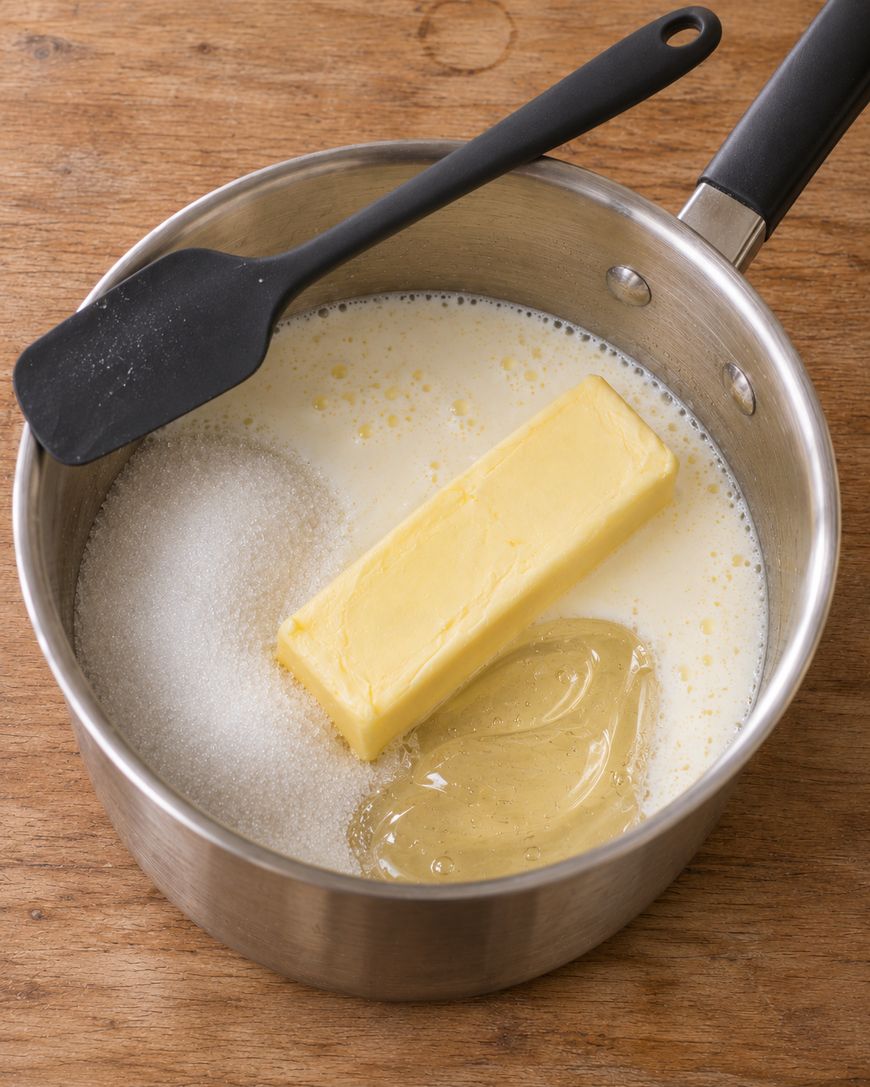
A wide, heavy pot also spreads the heat evenly, which keeps the bottom of the syrup from scorching before the top is ready.

Melt and Dissolve
Add the sugar, buttermilk, butter, corn syrup, baking soda, and salt to the pot and set it over medium heat. Stir with a heatproof silicone spatula for about 3 minutes, until the butter melts and the sugar dissolves.

The mixture looks pale and a little curdled at this stage, and that is completely normal.
Boil Until Golden
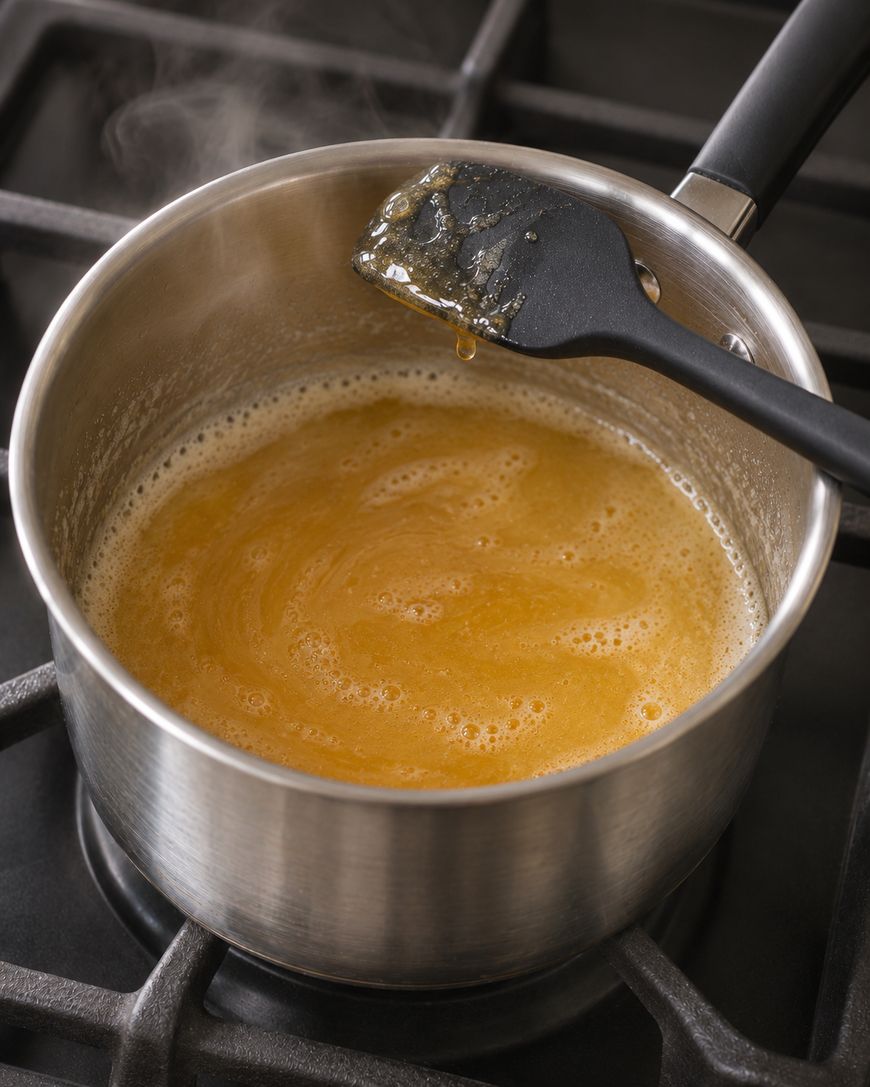
Raise the heat slightly so the mixture reaches a steady boil, then keep it boiling for 5 minutes while you stir constantly. The foam climbs the sides of the pot, then settles as the syrup darkens from cream to a light caramel gold.

Set a timer, because a minute too short leaves the syrup thin and a minute too long pushes it toward a chewy, toffee-like candy.
Add the Vanilla and Rest
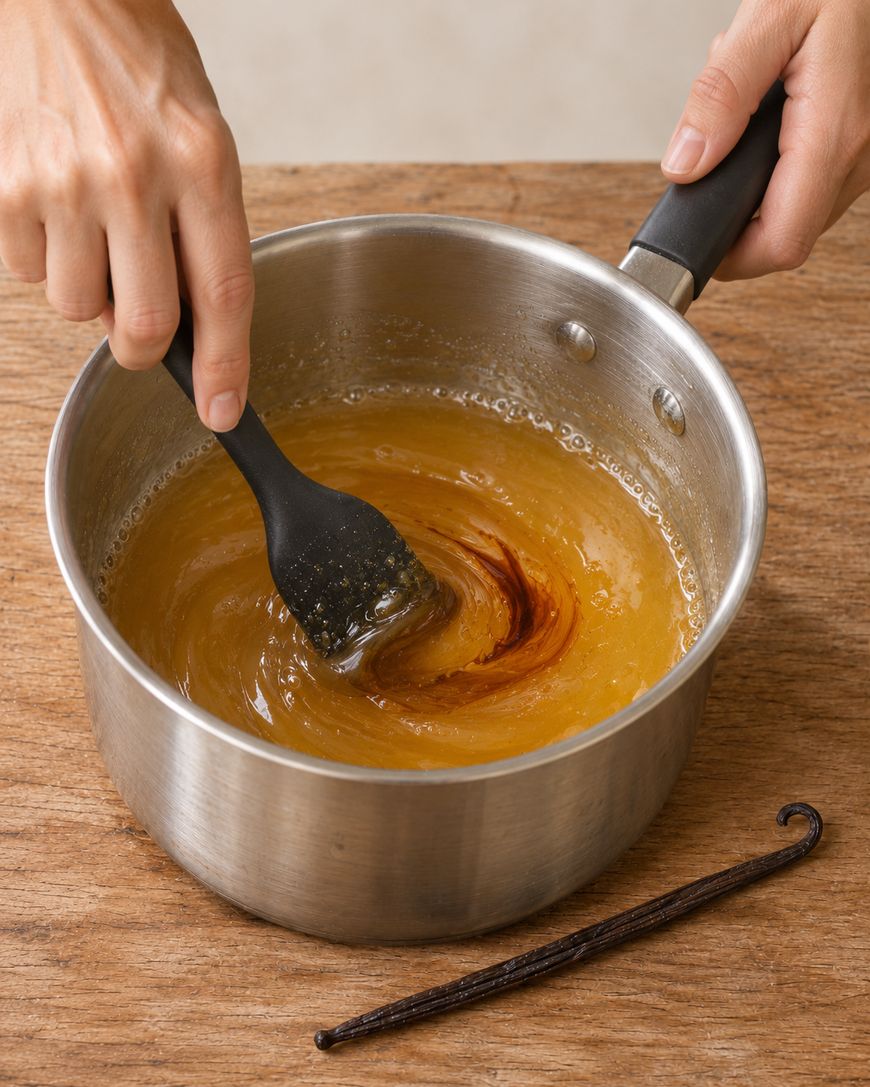
Take the pot off the heat and stir in the vanilla extract, which bubbles up for a moment. Let the syrup rest for 2 minutes so the foam settles and the texture thickens slightly.
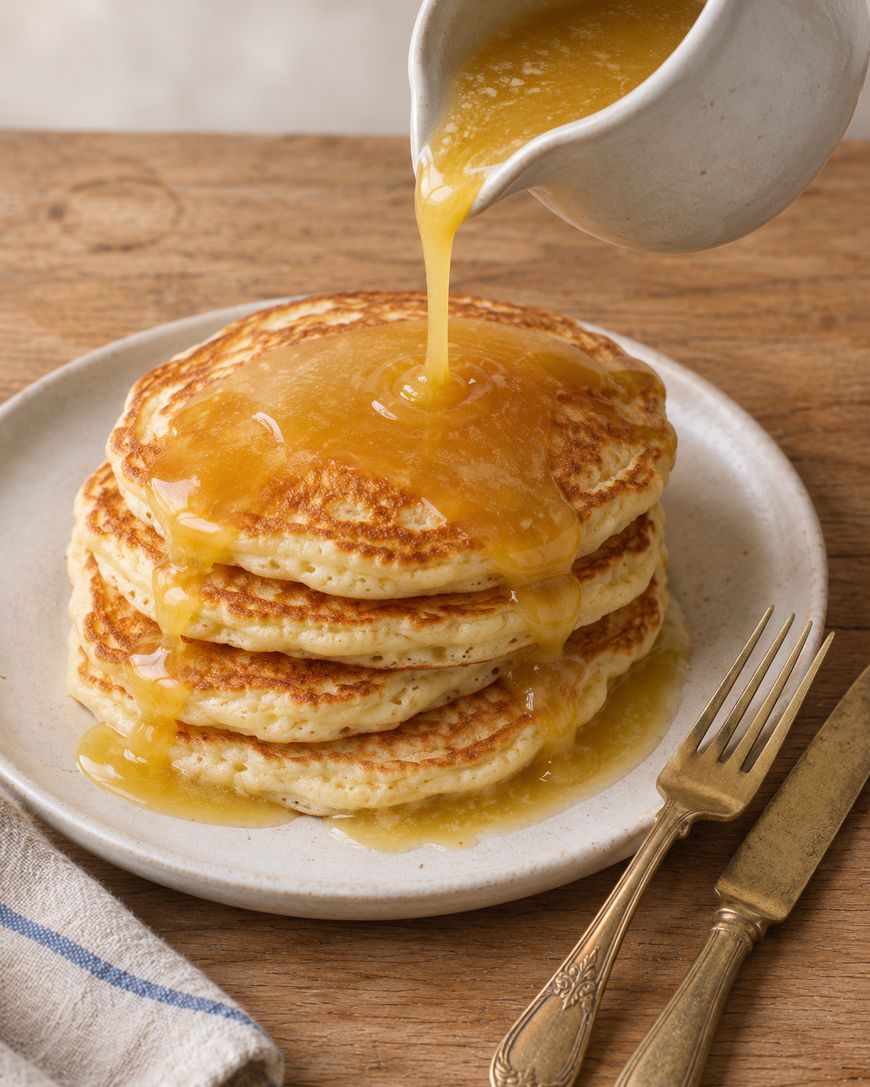
Pour it warm over pancakes, waffles, or French toast, and expect about 1 1/2 cups of syrup, which is enough for 12 servings of 2 tablespoons each.
Tips for Making Perfect Buttermilk Syrup
The biggest secrets to great buttermilk syrup are a big pot, constant stirring, and watching the color instead of guessing. Each of these small habits protects the smooth, glossy texture that makes this topping so good.
Stir Constantly and Skip the Scraping
Keep the spatula moving along the bottom of the pot during the 5-minute boil so nothing catches and burns. Avoid scraping the sides of the pot once the syrup is boiling, because stray sugar crystals can fall back in and make the finished syrup grainy.
Judge by Color and Texture
The syrup should look like light caramel with a slightly thickened, glossy sheen when it comes off the heat. It will look thinner in the pot than it does on the plate, because it thickens noticeably as it cools for those first 2 minutes.
Adjust the Thickness
The recipe card uses a 5-minute boil, which gives a pourable syrup that soaks into pancakes without turning runny. If you prefer a thicker, more sauce-like syrup, boil for 6 minutes instead, but watch the color closely because it darkens quickly in that last minute.
Use the Right Heat
Medium heat for the first stage and a steady boil for the second is all you need. Cranking the burner to high does not speed anything up, and it raises the risk of boiling over or scorching the sugar.
Buttermilk Syrup Variations and Substitutions
You can change the flavor of buttermilk syrup in small ways without changing the method. Every variation below keeps the sugar, butter, and boil time exactly the same.
Cinnamon or Pecan Buttermilk Syrup
Stir 1/2 teaspoon of ground cinnamon in with the vanilla for a warm, cozy flavor that suits fall breakfasts. The recipe card leaves the cinnamon out, so treat it as an optional extra.
Toasted chopped pecans stirred in at the very end add crunch and make the syrup feel like a special occasion topping. This is also optional and not listed on the card.
Making Buttermilk Syrup Without Corn Syrup
The card includes 2 tablespoons of light corn syrup because it helps keep the sugar from crystallizing. If you leave it out, the syrup still works, but it has a slightly higher chance of turning grainy, so be extra careful not to scrape the sides of the pot.
Substituting for the Buttermilk
If you do not have buttermilk, stir 1 1/2 teaspoons of white vinegar or lemon juice into 1/2 cup of whole milk and let it stand for 5 minutes. The flavor is a little milder than real cultured buttermilk, but the baking soda still has acid to react with and the syrup foams as it should.
Salted Butter
You can use salted butter in a pinch, and in that case reduce the added salt to a tiny pinch. Unsalted butter lets you control the seasoning, which is why the card calls for it.
Storing and Reheating Buttermilk Syrup
Store buttermilk syrup in an airtight glass jar in the refrigerator, and use it within 4 days. The USDA Food Safety and Inspection Service advises eating refrigerated leftovers within 3 to 4 days and keeping the refrigerator at 40°F or below, so we follow that guidance for this dairy-based syrup.
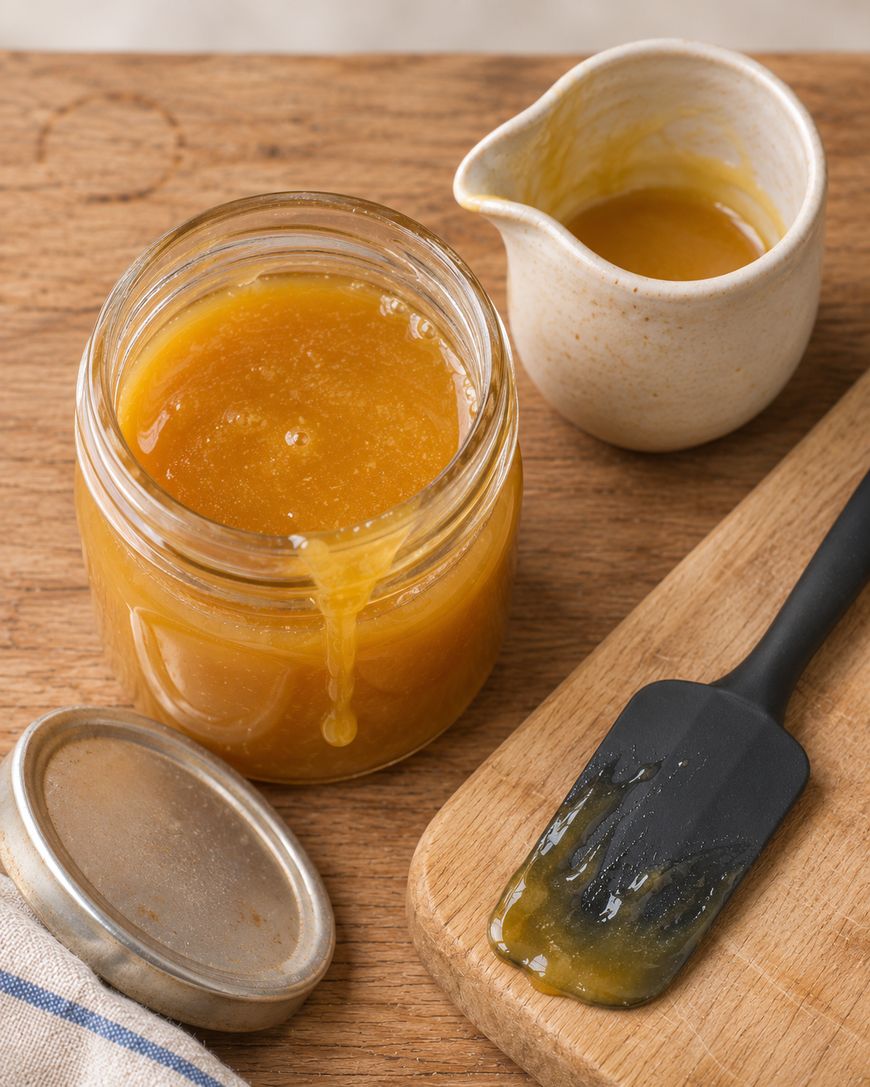
The syrup thickens into a spreadable, fudgy consistency when cold. To reheat it, microwave it in 15-second bursts, stirring between each one, until it pours easily again.
You can also warm it in a small saucepan over low heat for a minute or two. We have not tested freezing, so we recommend making a fresh half batch or a full batch you will finish within the week instead.
What to Serve With Buttermilk Syrup
Buttermilk syrup is made for fluffy pancakes, but it goes far beyond the breakfast table. The tangy caramel flavor cuts through rich, buttery foods and lifts simple ones.

Pour it over crisp waffles, golden French toast, or warm biscuits for a classic diner-style breakfast. It is also lovely drizzled over vanilla ice cream, bread pudding, sliced apples, or a warm slice of pound cake.

For a pancake bar, serve the syrup warm in a small pitcher with a spoon, alongside fresh berries and whipped cream. Guests love pouring their own, and the pitcher keeps the sticky mess off the table.
The Story Behind Buttermilk Syrup
Buttermilk syrup is often associated with Southern home kitchens and diner breakfast tables, where cooks stretched a few pantry staples into something that tastes like dessert. The idea is simple: cook sugar, butter, and cultured milk together until the mix turns into a caramel-like sauce.
The baking soda is the clever part of the recipe. It reacts with the acid in the buttermilk, which makes the mixture foam and helps the sugar brown into a deeper, more complex flavor than plain sugar syrup.
Today you will find versions of this syrup in family recipe boxes, church cookbooks, and pancake houses across the country. Every cook has a favorite ratio, and the one here lands on a balance of tang, butter, and sweetness that most people love on the first bite.
Use the recipe card below whenever you want the quick version while you cook.
Buttermilk Syrup
Creamy, tangy buttermilk syrup with a caramel-golden color, made in one pot in 15 minutes. It is perfect for pancakes, waffles, and French toast.
Ingredients
- 1 cup granulated sugar
- 1/2 cup buttermilk
- 1/2 cup (1 stick) unsalted butter
- 2 tablespoons light corn syrup
- 1 teaspoon baking soda
- 1/4 teaspoon fine salt
- 2 teaspoons vanilla extract
Instructions
- Add the sugar, buttermilk, butter, corn syrup, baking soda, and salt to a heavy-bottomed saucepan that holds at least 3 quarts.
- Set the pan over medium heat and stir for about 3 minutes, until the butter melts and the sugar dissolves.
- Raise the heat slightly to reach a steady boil, then boil for 5 minutes, stirring constantly, until the foam settles and the syrup turns a light caramel gold.
- Remove the pan from the heat and stir in the vanilla extract, which will bubble up briefly.
- Let the syrup rest for 2 minutes, then pour it warm over pancakes, waffles, or French toast.
Notes
Use a pot that holds at least 3 quarts because the syrup foams to about four times its starting volume. Store in an airtight jar in the refrigerator for up to 4 days, following USDA FSIS guidance on refrigerated leftovers, and keep the refrigerator at 40°F or below. Reheat in the microwave in 15-second bursts, stirring between each one, or warm gently in a saucepan over low heat. The syrup thickens as it cools. Cinnamon and pecans are optional extras that are not part of the base recipe.
Nutrition Information:
Yield:
12Serving Size:
2 tablespoonsAmount Per Serving: Calories: 150Total Fat: 8gSaturated Fat: 5gSodium: 160mgCarbohydrates: 20gFiber: 0gSugar: 20gProtein: 0g
Buttermilk Syrup FAQs
Why does buttermilk syrup foam so much?
The baking soda reacts with the acid in the buttermilk and releases carbon dioxide, which creates a lot of foam. That is why you need a pot that holds at least 3 quarts, since the mixture rises to about four times its starting volume before it settles again.
Why is my buttermilk syrup grainy?
Grainy syrup usually means sugar crystals formed because the sugar was not fully dissolved before the boil or because crystals from the pot sides fell back in. Stir for about 3 minutes over medium heat until the sugar dissolves, and avoid scraping the sides during the boil.
How long does buttermilk syrup last in the fridge?
Store it in an airtight jar in the refrigerator for up to 4 days. This follows USDA Food Safety and Inspection Service guidance to eat refrigerated leftovers within 3 to 4 days.
Can you make buttermilk syrup without corn syrup?
Yes, you can leave the corn syrup out. The syrup may be a little more likely to crystallize, so stir until the sugar dissolves and resist scraping the sides of the pot.
Can you use regular milk instead of buttermilk?
You can make a substitute by stirring 1 1/2 teaspoons of white vinegar or lemon juice into 1/2 cup of whole milk and letting it stand for 5 minutes. The flavor will be milder, but the baking soda still has the acid it needs to react.
How do you reheat leftover buttermilk syrup?
Microwave it in 15-second bursts, stirring between each one, until it pours easily. You can also warm it gently in a small saucepan over low heat for a minute or two.
Why This Buttermilk Syrup Recipe Works
This buttermilk syrup works because the baking soda goes into the pot at the very start and reacts with the acid in the buttermilk as the mixture heats. That reaction creates the foam and helps the sugar and milk solids brown into a rich caramel flavor during the 5-minute boil.
The butter adds richness and a silky mouthfeel, while the light corn syrup keeps the sugar crystals from clumping together so the finished syrup stays smooth. The salt balances the sweetness, and the vanilla goes in off the heat so its aroma stays bright instead of cooking away.
Finally, the steady 5-minute boil concentrates the sugars just enough to give a pourable syrup that clings to a pancake instead of soaking straight through it. Because every step happens in one pot, the recipe is simple to repeat and hard to get wrong.
Final Thoughts on Buttermilk Syrup
Buttermilk syrup is one of those recipes that makes a plain stack of pancakes feel like a special breakfast, and it takes only 15 minutes and one pot. Once you taste the tangy, buttery caramel flavor, store-bought syrup will feel a little flat by comparison.
Grab your biggest saucepan, make a batch this weekend, and drizzle it over whatever you are serving. If you love it, save the recipe and share it with the pancake lovers in your life.
Toasted Marshmallow Syrup That Tastes Like a Campfire in a Bottle
Easy Waffle Batter Recipe for Crisp Golden Waffles With Fluffy Centers