Last updated: November 22, 2026
This waffle batter recipe gives you crisp, golden waffles with fluffy centers from eight everyday ingredients and about 10 minutes of mixing. The recipe card sits below, and the walkthrough here covers every step so your first waffle comes out as good as your last.
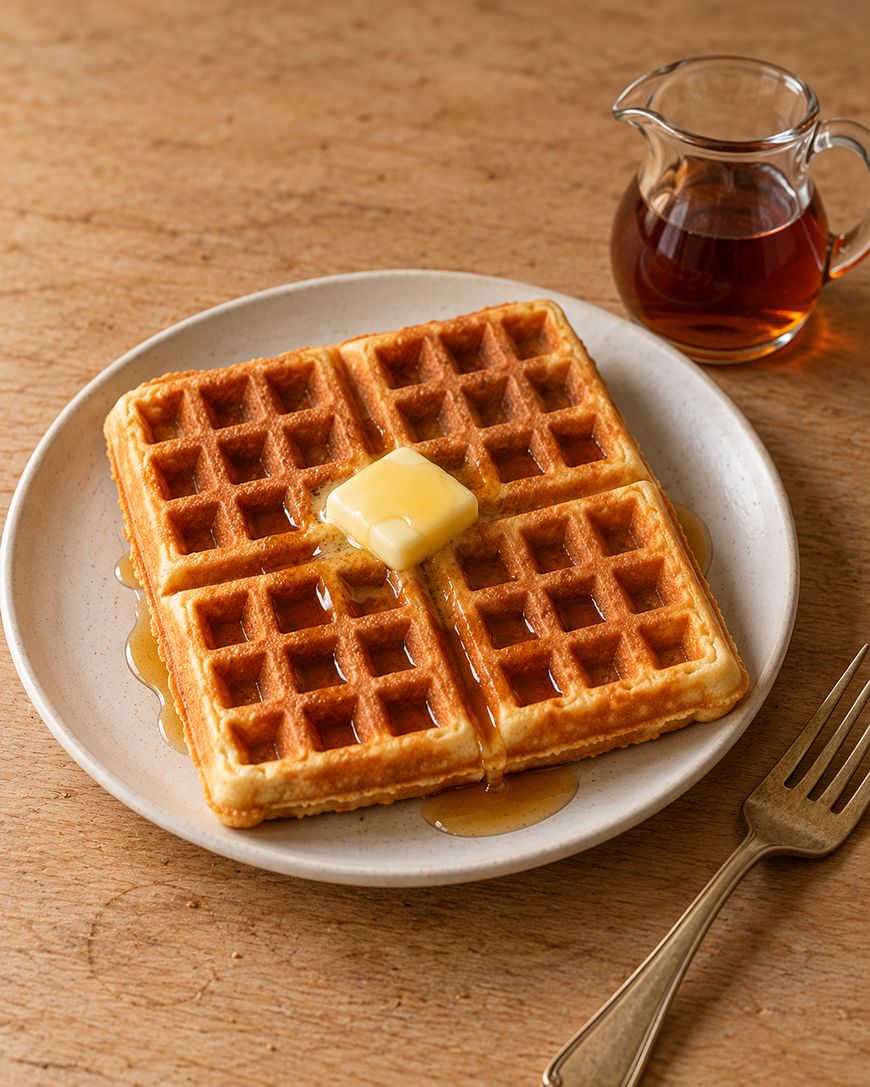
What You Need for This Waffle Batter Recipe
This waffle batter recipe uses eight everyday ingredients: all-purpose flour, granulated sugar, baking powder, fine sea salt, large eggs, whole milk, unsalted butter, and pure vanilla extract. A waffle iron, two mixing bowls, and a wire rack finish the setup.
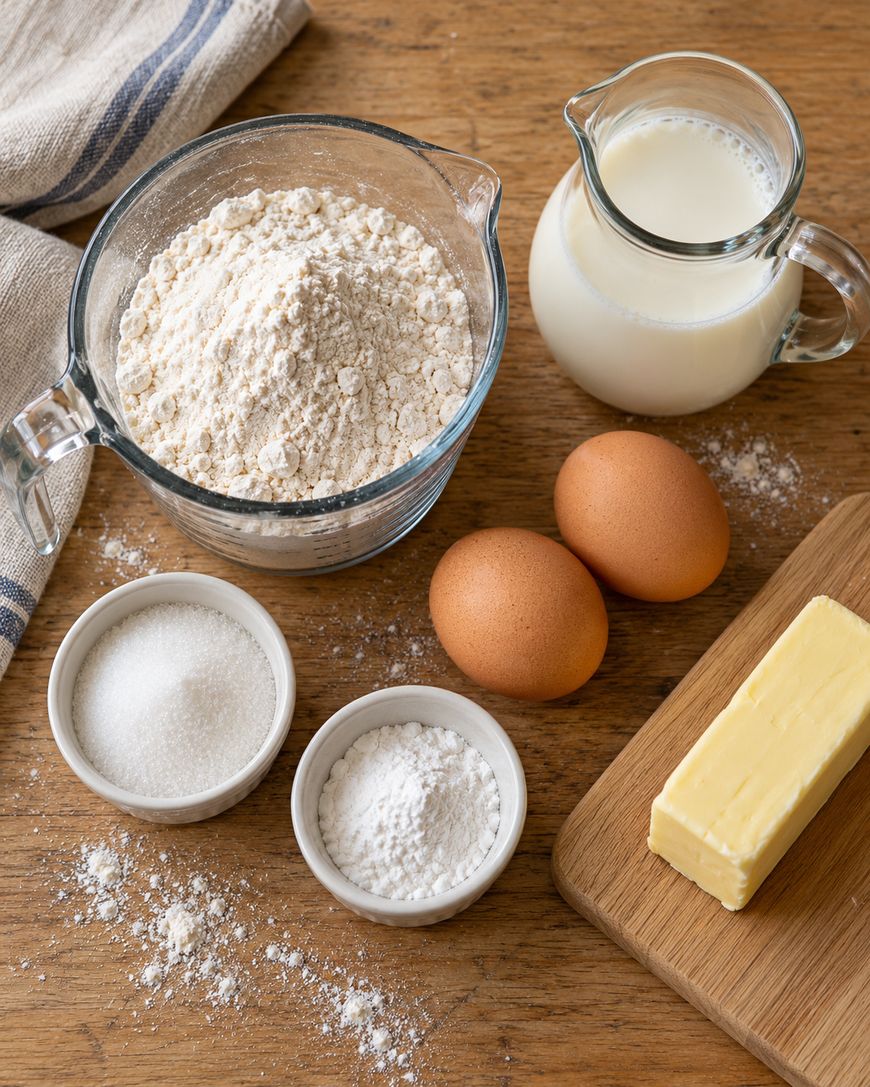
Everything is measured by volume, so no kitchen scale is required. The batter makes 6 waffles when you pour in about 1/2 to 2/3 cup per waffle, depending on the size of your iron.
The Dry Ingredients
The dry mix is 2 cups of all-purpose flour, 2 tablespoons of granulated sugar, 1 tablespoon of baking powder, and 1/2 teaspoon of fine sea salt. Whisking them together first spreads the baking powder evenly, which helps the waffles rise the same way from edge to edge.
The sugar is small on purpose. It helps the outside brown and crisp without turning the waffles into dessert, so they still work with savory toppings.
The Wet Ingredients
The wet mix is 2 large eggs, 1 3/4 cups of whole milk, 1/2 cup of melted unsalted butter, and 1 teaspoon of pure vanilla extract. Let the butter cool for a few minutes before it meets the eggs so it does not scramble them.
Whole milk gives the best flavor and browning. If you have time, set the eggs and milk on the counter for 20 minutes first, since room temperature ingredients blend more smoothly than cold ones.
Equipment
Any waffle iron works, whether it makes thin classic rounds or deep Belgian pockets. You also need a large mixing bowl, a second bowl or pitcher for the wet mix, a whisk, a rubber spatula, and a 1/2-cup measuring cup for portioning the batter.
A wire rack set on a baking sheet in a 200°F oven keeps finished waffles warm and crisp while you cook the rest. Stacking them on a plate traps steam and turns them soft.
How to Make Waffle Batter Step by Step
Waffle batter comes together in four stages: mixing the dry ingredients, mixing the wet ingredients, combining and resting, and cooking in a hot iron. The whole process from first bowl to first waffle takes about 20 minutes.
Preheat the Waffle Iron and the Oven
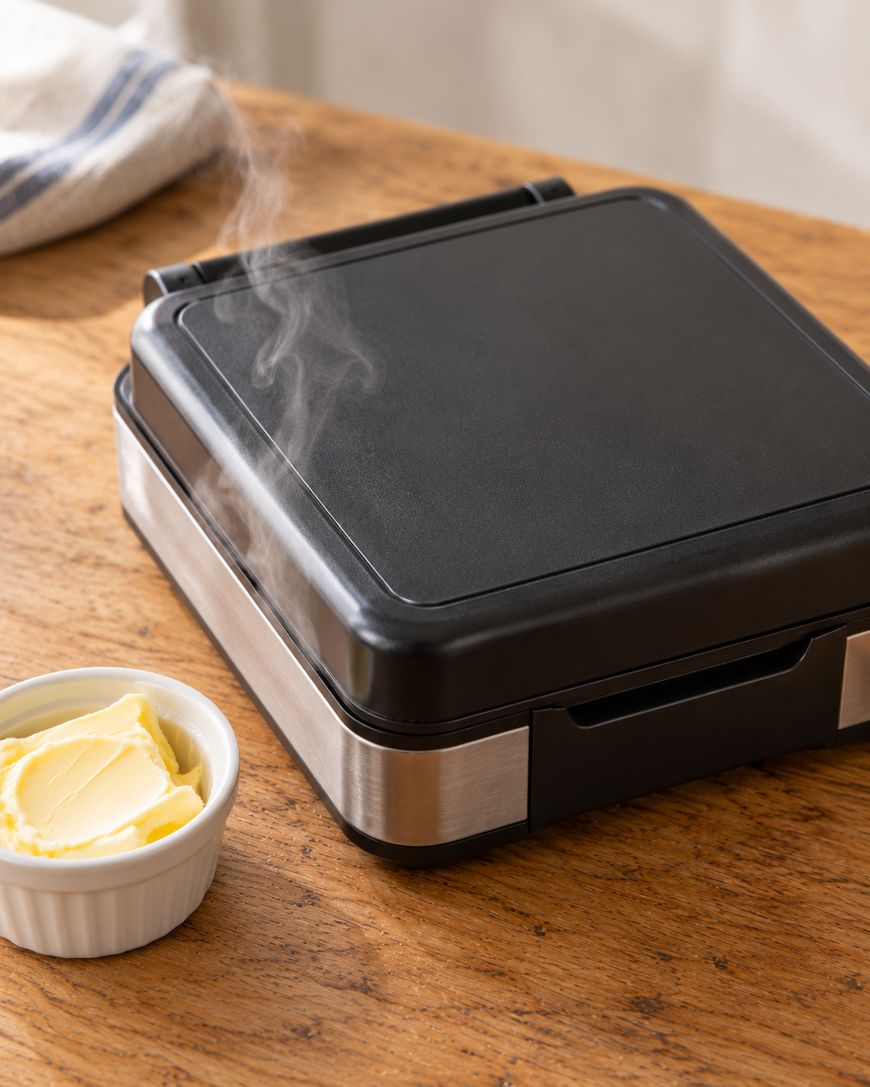
Heat your waffle iron to medium-high and set the oven to 200°F with a wire rack on a baking sheet inside. A fully hot iron makes the batter sizzle on contact, and that sizzle is what sets a crisp crust.
Mix the Dry and Wet Ingredients
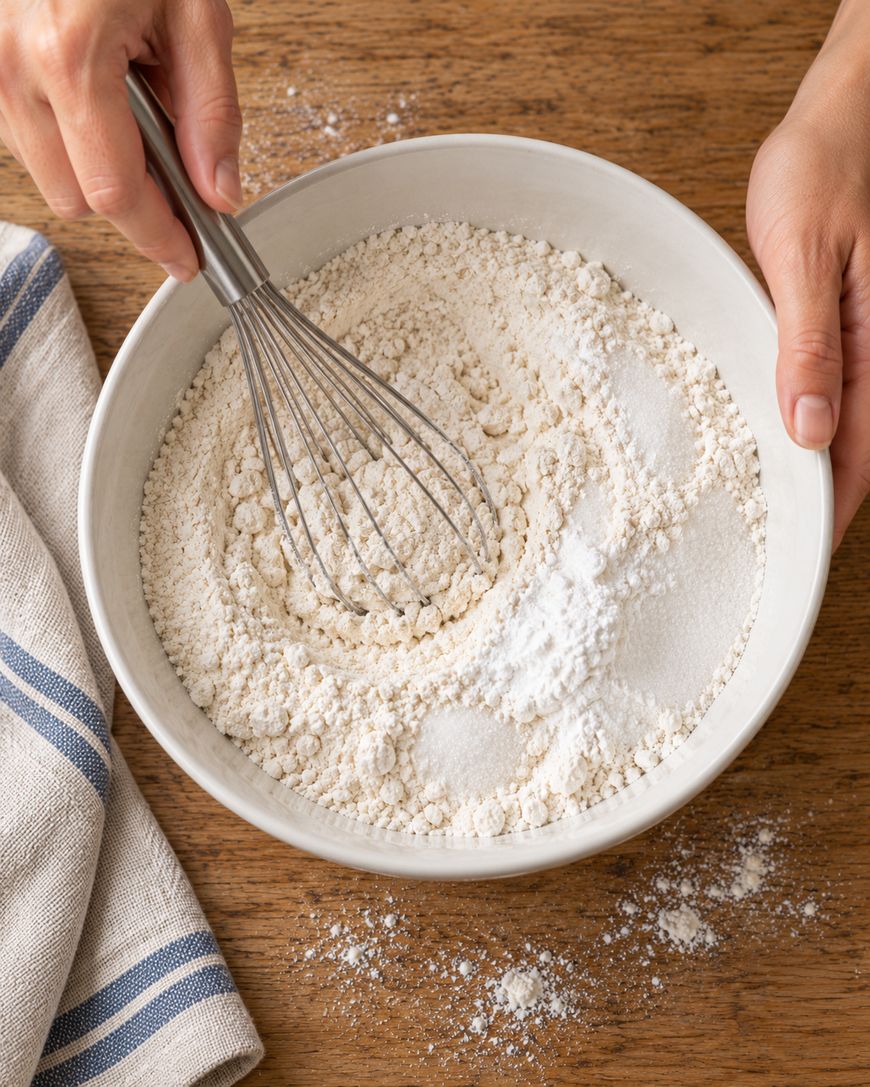
Whisk the flour, sugar, baking powder, and salt together in a large bowl. In a separate bowl or pitcher, whisk the eggs, milk, melted butter, and vanilla until smooth.
Combine and Rest the Batter
Pour the wet mixture into the dry mixture and stir with a rubber spatula just until no dry flour remains. Small lumps are fine, and the batter should look thick but pourable.

Let it rest for 5 minutes. During that time the flour absorbs the milk and the baking powder starts working, which gives you a fluffier waffle.

Cook the Waffles
Lightly coat the iron with nonstick cooking spray, then pour in about 1/2 to 2/3 cup of batter and close the lid. Cook for 4 to 5 minutes, until the waffle is deep golden and the steam slows to a trickle.

If your iron has an indicator light, trust it over the timer. Lift the waffle out with a fork or tongs and move it straight to the rack in the oven, then repeat with the remaining batter.

Tips for Crisp Waffles With Fluffy Centers
Crisp waffles come down to three things: gentle mixing, a very hot iron, and letting steam escape after cooking. These tips cover the small details that make the difference.
Stop Mixing Early
Overmixed batter makes tough, chewy waffles because the flour develops too much gluten. Stir only until the dry streaks disappear, and leave the small lumps alone.
Keep the Lid Closed
Opening the iron early tears the waffle in half, because the batter has not set yet. Wait until the steam slows, then lift the lid gently, and if the waffle resists, give it another 30 seconds.
Do Not Overfill the Iron
Too much batter oozes out the sides and makes a heavy, dense waffle. Start with about 1/2 cup in a standard iron and closer to 2/3 cup in a deep Belgian iron, then adjust from there.
Adjust the Heat
If the outside browns before the inside cooks through, lower the heat one notch and cook a little longer. If the waffles look pale after 5 minutes, raise the heat slightly for the next one.
Cool Waffles on a Rack
Steam is the enemy of crispness. A wire rack lets air circulate under each waffle, so the crust stays crisp until the moment you serve.

Waffle Batter Recipe Variations and Substitutions
This waffle batter recipe is a reliable base, and it takes well to small changes. The card below uses the classic version, so treat every swap here as optional.
Buttermilk Waffles
Swap the milk for the same amount of buttermilk for tangier waffles with a slightly more tender crumb. For the best rise, add 1/2 teaspoon of baking soda along with the baking powder, since buttermilk is acidic and the soda neutralizes it.
Whole Wheat Waffles
Replace up to 1/2 cup of the all-purpose flour with whole wheat flour for a nuttier flavor. The batter will thicken a little, so add a splash of milk if it will not pour.
Cinnamon, Blueberry, or Chocolate Chip Waffles
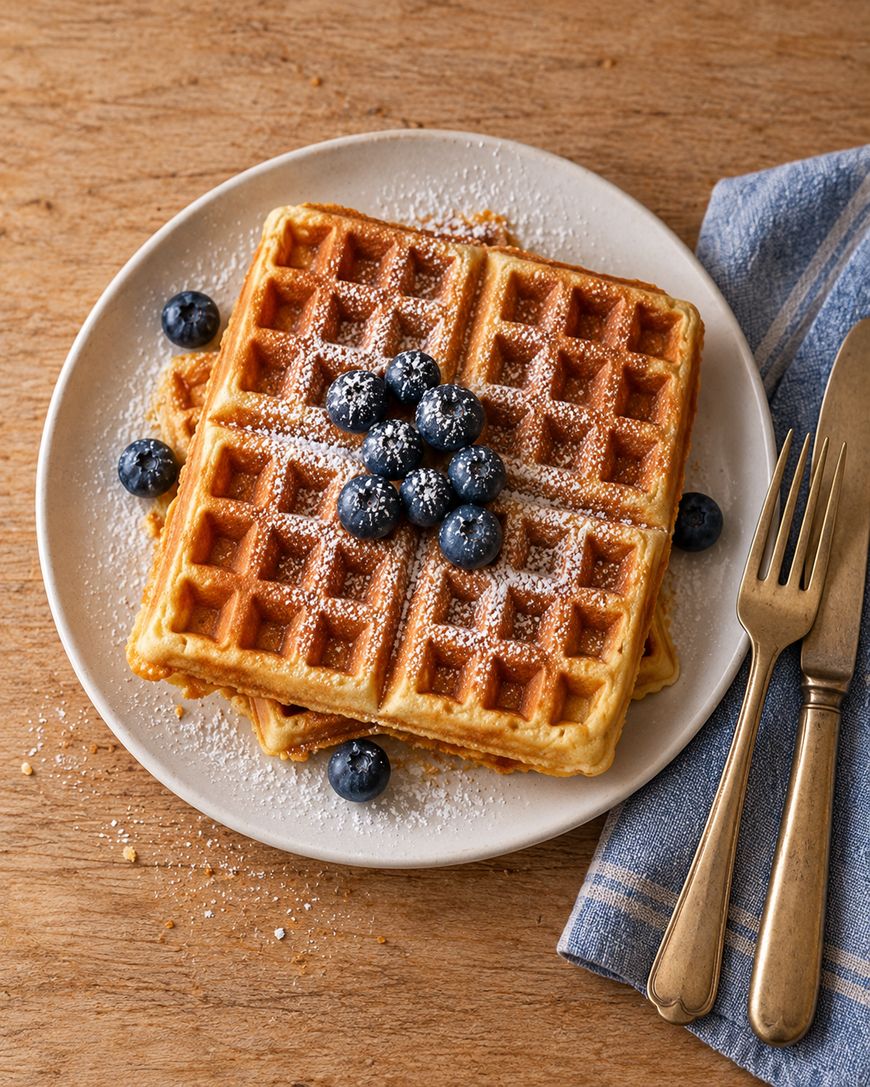
Whisk 1/2 teaspoon of ground cinnamon into the dry ingredients for a cozy fall flavor. You can also fold 1/2 cup of blueberries or mini chocolate chips into the rested batter, keeping in mind that the card leaves these out.
Dairy-Free Waffles
Unsweetened oat or almond milk works one for one in place of the whole milk. Melted coconut oil or a neutral oil can replace the butter in the same amount, and the waffles will stay crisp even if they taste a little less rich.
Storing, Freezing, and Reheating Waffles
Waffles are one of the best make-ahead breakfasts, because the freezer keeps them tasting fresh for weeks. The batter itself can also wait overnight if you want a head start on a busy morning.
Make-Ahead Batter
Cover the batter and refrigerate it for up to 24 hours. Stir it gently before using, and expect slightly less lift because the baking powder loses some strength overnight.
Storing Cooked Waffles
Cool the waffles completely on a wire rack, then refrigerate them in an airtight container for up to 3 days. Place a sheet of parchment paper between layers so they do not stick together.

Freezing and Reheating
Freeze the cooled waffles in a single layer on a baking sheet, then move them to a freezer bag for up to 2 months. Reheat them straight from frozen in a toaster, or in a 350°F oven for 5 to 8 minutes, until crisp again.
Serving Ideas for Fresh Waffles
The classic topping is salted butter and warm maple syrup, and it is hard to beat. A handful of fresh berries and a spoonful of whipped cream turn the same waffle into a weekend brunch plate.

Waffles also handle savory toppings well, thanks to the small amount of sugar in the batter. Try a waffle under crispy fried chicken with hot honey, or topped with a fried egg and crisp bacon.
Sweet and savory both work because the waffle itself tastes mildly buttery and a little vanilla-scented. Pair a stack with a pot of coffee or a cold glass of milk, and breakfast is done.

For a crowd, set out a waffle bar with bowls of sliced strawberries, bananas, chopped pecans, chocolate chips, peanut butter, and whipped cream. Keep the finished waffles on the rack in the warm oven so everyone gets a crisp one.
Where Waffles Come From
Waffles trace back to medieval Europe, where cooks pressed batter between two hinged iron plates and held them over an open fire. The grid pattern came from the patterned plates, and the same idea still shapes every waffle iron today.
Dutch settlers brought waffles to North America, and an American inventor named Cornelius Swarthout patented a stovetop waffle iron in 1869. The deep, yeast-leavened Belgian waffle reached many American diners at the 1964 New York World’s Fair, which helped make deep pockets a breakfast favorite.
Over the following centuries, the plain wafer iron grew into the shapes we know now, from thin heart-shaped waffles to thick squares with deep pockets for syrup.
Home cooks today mostly use chemically leavened batter like this one because it is fast and needs no overnight rise. That convenience is why a simple waffle batter recipe is a staple in so many kitchens.
Use the recipe card below for the full ingredient list, step-by-step instructions, and nutrition information.

Waffle Batter Recipe
A simple waffle batter made with flour, eggs, milk, and melted butter that cooks into crisp, golden waffles with fluffy centers in any waffle iron.
Ingredients
- 2 cups all-purpose flour
- 2 tablespoons granulated sugar
- 1 tablespoon baking powder
- 1/2 teaspoon fine sea salt
- 2 large eggs
- 1 3/4 cups whole milk
- 1/2 cup unsalted butter, melted and slightly cooled
- 1 teaspoon pure vanilla extract
- Nonstick cooking spray, for the waffle iron
Instructions
- Heat the waffle iron to medium-high. Set the oven to 200°F and place a wire rack on a baking sheet inside to keep finished waffles warm.
- Whisk the flour, sugar, baking powder, and salt together in a large bowl.
- In a separate bowl or pitcher, whisk the eggs, milk, melted butter, and vanilla until smooth.
- Pour the wet mixture into the dry mixture and stir with a rubber spatula just until no dry flour remains. Small lumps are fine.
- Let the batter rest for 5 minutes.
- Lightly coat the hot waffle iron with nonstick cooking spray. Pour in about 1/2 to 2/3 cup of batter and close the lid.
- Cook for 4 to 5 minutes, until the waffle is deep golden and the steam slows to a trickle.
- Move the waffle to the wire rack in the oven without stacking. Repeat with the remaining batter, then serve warm.
Notes
Use about 1/2 cup of batter in a standard iron and closer to 2/3 cup in a deep Belgian iron. Do not overmix, and keep the lid closed until the steam slows. Refrigerate the batter, covered, for up to 24 hours and stir gently before using. Cool cooked waffles completely, then refrigerate in an airtight container for up to 3 days. Freeze in a single layer, then store in a freezer bag for up to 2 months, and reheat from frozen in a toaster or a 350°F oven for 5 to 8 minutes. For buttermilk, whole wheat, or dairy-free versions, see the swaps in the post above.
Nutrition Information:
Yield:
6Serving Size:
1 waffleAmount Per Serving: Calories: 370Total Fat: 19gSaturated Fat: 12gSodium: 490mgCarbohydrates: 39gFiber: 1gSugar: 8gProtein: 9g
Waffle Batter Recipe FAQs
Can You Use Pancake Batter for Waffles?
You can in a pinch, but pancake batter has less fat, so the waffles come out softer and less crisp. This waffle batter recipe includes 1/2 cup of melted butter, which is what builds the crisp crust.
Why Are My Waffles Soggy?
Soggy waffles usually come from an iron that is not fully hot or from stacking finished waffles on a plate. Preheat the iron completely, wait for the steam to slow before lifting the lid, and keep cooked waffles in a single layer on a wire rack.
Do You Need to Rest Waffle Batter?
A 5 minute rest helps, though it is not strictly required. The flour absorbs the milk and the baking powder begins to work, so the waffles turn out fluffier and more even.
Can You Make Waffle Batter the Night Before?
Yes, you can cover the batter and refrigerate it for up to 24 hours. Stir it gently before cooking, and know that the waffles will rise a little less than they do with fresh batter.
How Do You Keep Waffles From Sticking?
Preheat the iron fully and coat it lightly with nonstick cooking spray before each waffle. Do not open the lid until the steam slows, since a waffle that is not set will cling to the plates.
Why This Recipe Works
Baking powder is the only leavener here, and a full tablespoon is the right amount for 2 cups of flour. It gives dependable lift without separating eggs or whipping anything, so the batter stays simple.
Melted butter does the crisping. Half a cup of fat against hot iron plates fries the outside surface into a crackly crust while the inside stays tender.
The ratio of milk to flour keeps the batter thick enough to hold its shape in the iron but loose enough to spread into every corner. That balance is why 1/2 to 2/3 cup fills most irons without overflowing.
A short stir and a 5 minute rest keep the gluten gentle, which is why the waffles are fluffy instead of chewy. Two tablespoons of sugar add just enough browning without making the waffles taste like cake.
Final Thoughts on This Waffle Batter Recipe
This waffle batter recipe turns pantry staples into crisp, golden waffles with soft centers in about 40 minutes from start to finish. Mix a batch this weekend, freeze the extras, and rate the recipe in the comments to let us know how your waffles turned out.
Crispy Potato Waffles That Turn Leftover Mashed Potatoes Into Breakfast