Last updated: November 25, 2026
This butterscotch pie gives you a silky, deep brown sugar custard in a crisp, buttery crust, finished with a thick layer of lightly sweetened whipped cream. We walk you through every stage below, and the full printable recipe card is waiting further down the page.
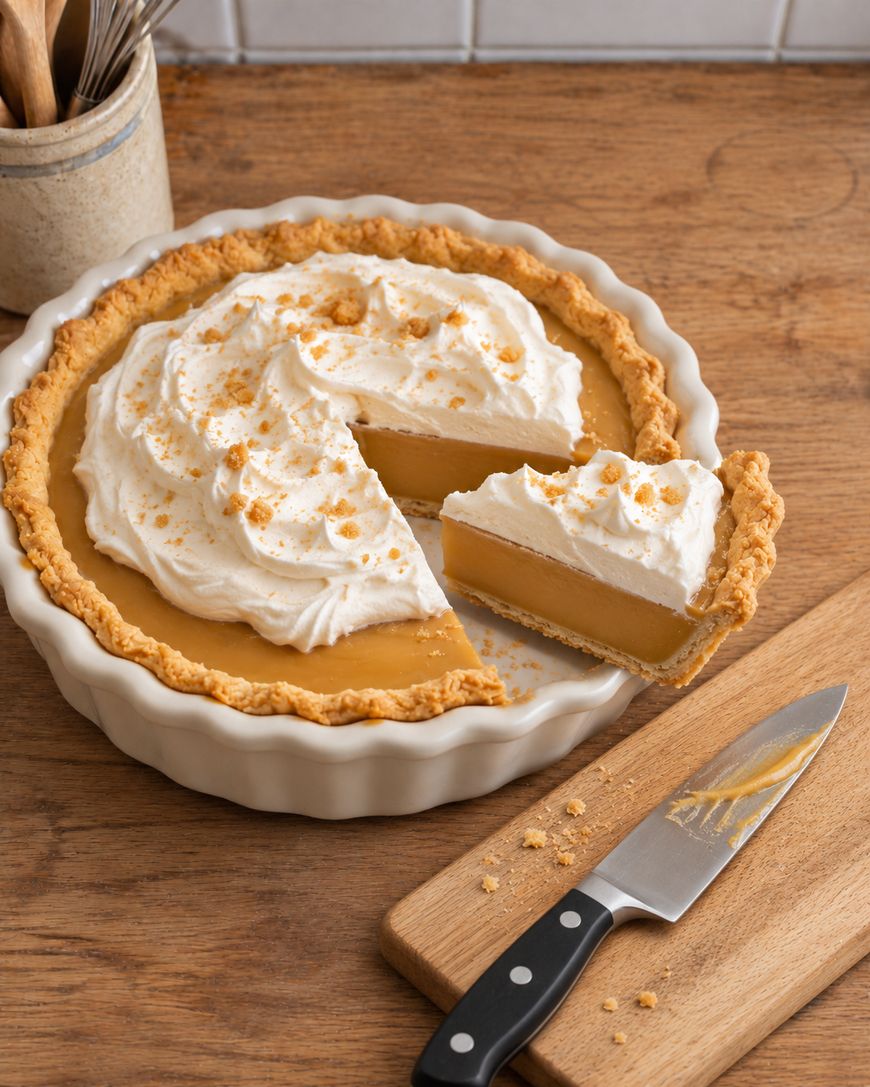
What You Need for Butterscotch Pie
A great butterscotch pie comes down to three components: a fully baked crust, a stovetop brown sugar custard, and a simple whipped cream topping. None of them call for anything unusual, and most of the ingredients are probably in your kitchen already.

The Crust
You need one pie crust for a 9-inch deep-dish pie plate, either homemade or a refrigerated rolled crust such as Pillsbury. A deep-dish plate matters here, because the filling makes a generous amount and a standard shallow plate will overflow.

The crust is baked completely before the filling goes in, a technique called blind baking. That keeps the bottom crisp under a cold, creamy filling instead of turning soggy.

- Premium Intensity Porcelain: Crafted from high-quality Intensity Porcelain, this pie dish undergoes firing at 2480°F, making it exceptionally resistant to cracking and thermal shock. Unlike stoneware or glass, which can shatter under extreme temperatures, this porcelain ensures durability and reliability for everyday use.
- Deep Dish Design: With its generous depth, this deep dish pie pan is perfect for hearty recipes, preventing spills and providing versatility for various recipes, from savory pot pies to sweet fruit tarts.
- Elegant and Sophisticated: The pristine white porcelain paired with vertical fluted design offers a refined and sophisticated look that complements any table setting, making this lasagna pan not only functional but also a stylish addition to your kitchen.

The Butterscotch Filling
The filling starts with 6 tablespoons of unsalted butter and 1 cup of packed dark brown sugar. Dark brown sugar has more molasses than light brown sugar, which gives the custard its deep, almost toffee-like butterscotch flavor.
You will also need 1/2 teaspoon of fine sea salt, 1/4 cup of cornstarch, 2 1/2 cups of whole milk, 1/2 cup of heavy cream, and 4 large egg yolks. A final 2 teaspoons of pure vanilla extract goes in once the custard comes off the heat.
The Whipped Cream Topping
For the topping, you need 1 1/2 cups of cold heavy cream, 3 tablespoons of powdered sugar, and 1/2 teaspoon of vanilla extract. Powdered sugar dissolves instantly and its small amount of cornstarch helps the cream hold its shape on the pie.
How to Make Butterscotch Pie Step by Step
Making butterscotch pie is a stovetop custard job more than a baking job. Once the crust is out of the oven, the filling comes together in one saucepan in about 15 minutes of steady whisking.
Blind Bake the Crust
Heat your oven to 400°F. Fit the crust into a 9-inch deep-dish pie plate, crimp the edges, and chill it for 20 minutes so it holds its shape in the oven.
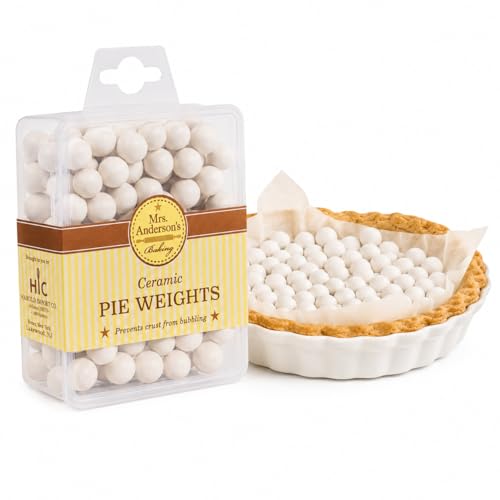
- Mrs. Anderson’s Baking Ceramic Pie Crust Weights: reusable blind baking pie crust tool for empty pie and tart shells; evenly weighs down pie dough to help prevent shrinking, bubbling, and buckling
- Materials And Size: made from natural ceramic stoneware; food safe and reusable; heat safe (up to 480-degrees Fahrenheit); includes 135 pie weights (8-ounces)
- Individual Bead Design: useful baking accessories with individual beads that are easy to place and arrange to work with any pie or tart size for even coverage across the crust surface
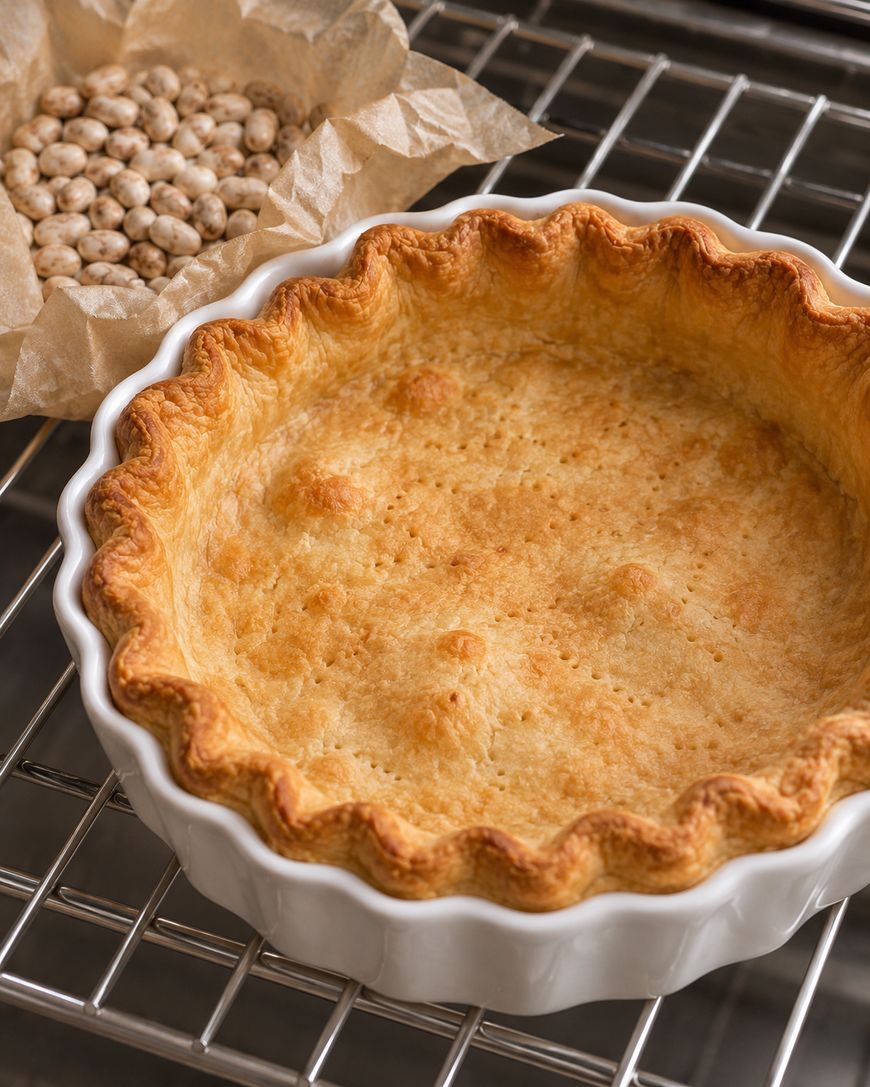
Line the chilled crust with parchment paper and fill it with pie weights or dried beans. Bake for 15 minutes, lift out the parchment and weights, then bake for another 10 to 12 minutes until the crust is deep golden all over, and let it cool completely.
Cook the Butter and Brown Sugar
Melt the 6 tablespoons of butter in a heavy-bottomed saucepan over medium heat. Stir in the 1 cup of dark brown sugar and the 1/2 teaspoon of salt.
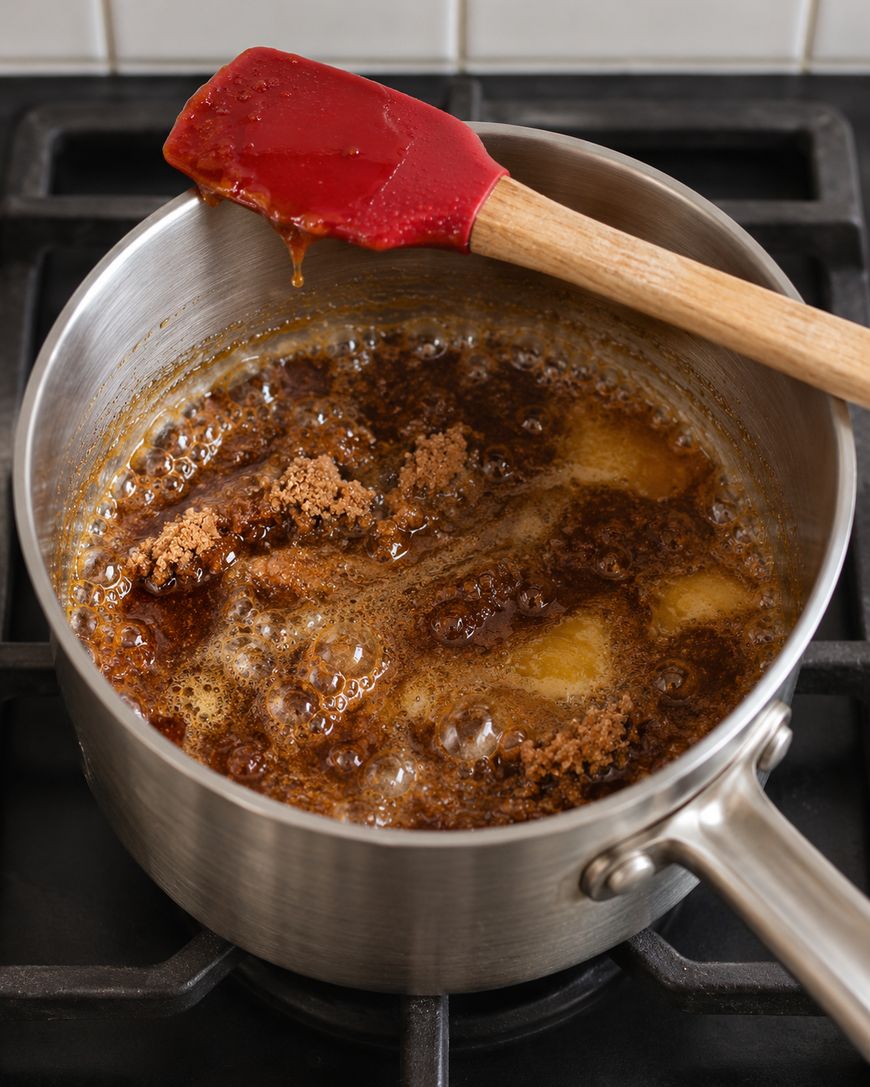
Cook, stirring often, for 3 to 4 minutes until the mixture bubbles, darkens slightly, and smells toasty. This short cooking time is where the butterscotch flavor actually develops, so give it the full few minutes.
Add the Milk and Cream
Slowly whisk in the 1/2 cup of heavy cream, which will sputter and steam as it hits the hot sugar. Then whisk in 2 cups of the whole milk.

The sugar may seize into firm clumps at first. Keep whisking over medium heat and the clumps will melt back into a smooth, light brown liquid within a couple of minutes.
Temper the Egg Yolks
In a medium bowl, whisk the 1/4 cup of cornstarch with the remaining 1/2 cup of milk until there are no lumps. Whisk in the 4 egg yolks until smooth.
Slowly pour about 1 cup of the hot butterscotch mixture into the yolks while whisking constantly. This warms the yolks gently so they blend in smoothly instead of scrambling, and then you pour the warmed yolk mixture back into the saucepan.
Thicken the Custard
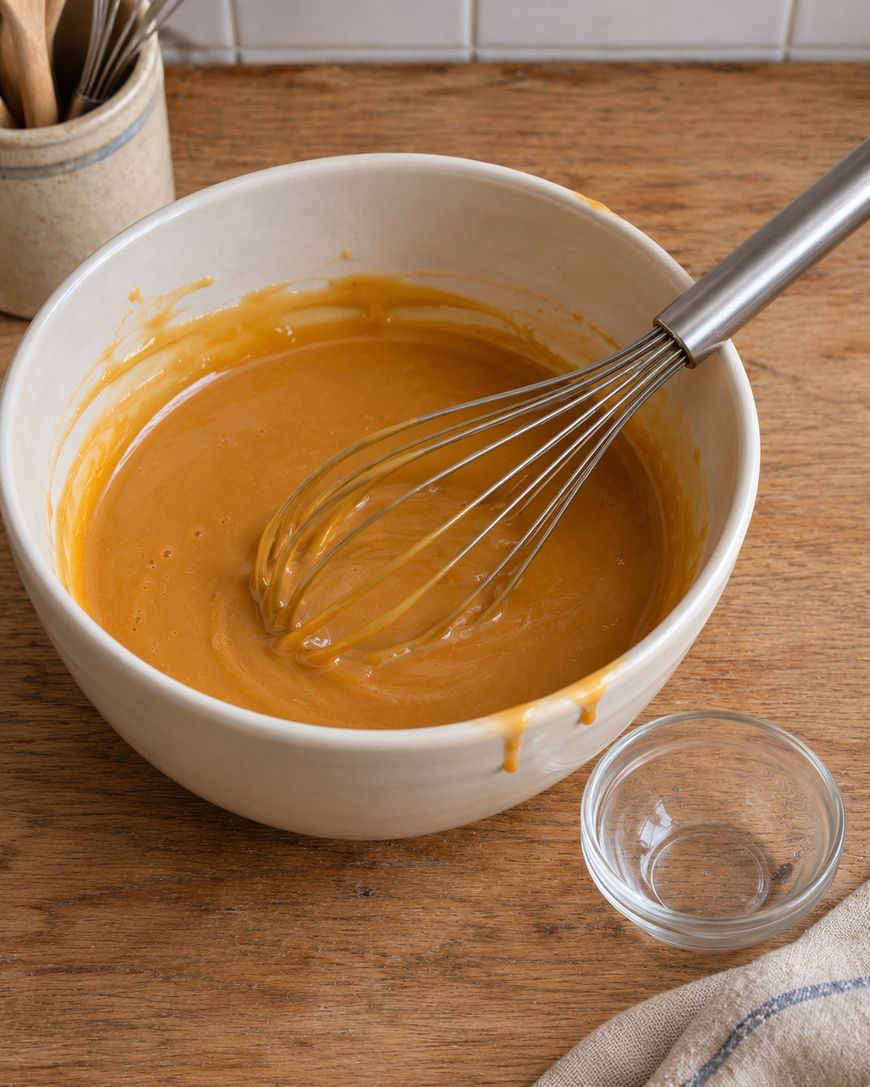
Cook over medium heat, whisking constantly and reaching into the corners of the pan, for 6 to 8 minutes until the custard is thick and bubbling. Once you see large, slow bubbles break the surface, keep whisking for 1 more full minute.

That final minute of bubbling is what makes the pie set firmly, because the cornstarch needs to reach a full boil to thicken properly. Take the pan off the heat and whisk in the 2 teaspoons of vanilla.
Fill and Chill
Pour the hot custard through a fine-mesh sieve straight into the cooled crust, pressing it through with a spatula. Smooth the top and press plastic wrap directly onto the surface so a skin cannot form.

Chill the pie for at least 4 hours, or overnight, until the filling is completely cold and set. It needs that time to firm up enough to slice cleanly.
Top With Whipped Cream
Whip the 1 1/2 cups of cold heavy cream with the 3 tablespoons of powdered sugar and 1/2 teaspoon of vanilla until it holds medium-stiff peaks. Peel the plastic wrap off the chilled pie and spread the cream over the filling in soft swoops.
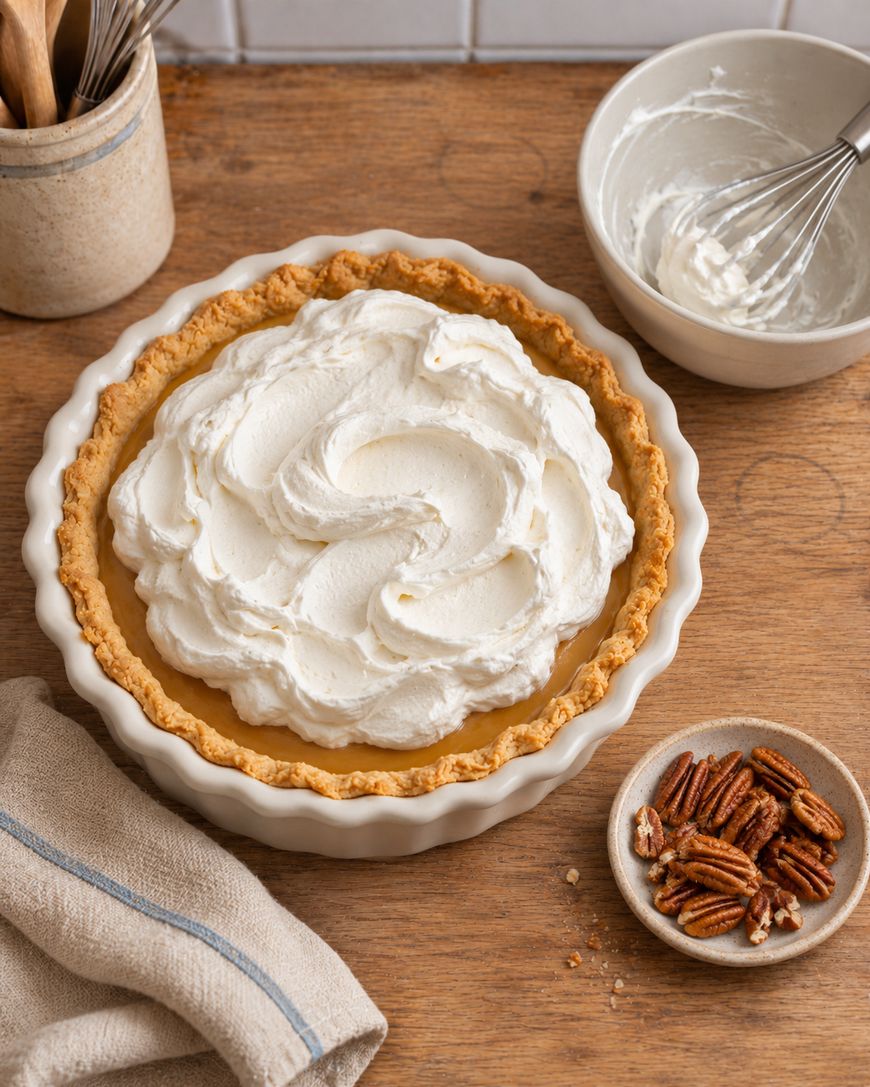
You can top the pie up to 4 hours before serving and keep it in the fridge. Slice it with a sharp knife wiped clean between cuts for the neatest wedges.
Tips for the Smoothest Butterscotch Pie Filling
The smoothest butterscotch pie filling comes from steady heat and constant whisking. A heavy-bottomed saucepan, such as an enameled cast iron pot from Le Creuset or Lodge, spreads the heat evenly so the custard does not scorch on the bottom.

Use a flat whisk or a silicone spatula to reach into the corners of the pan, where custard likes to catch. If you notice small lumps forming as it thickens, lower the heat for a moment and whisk harder.
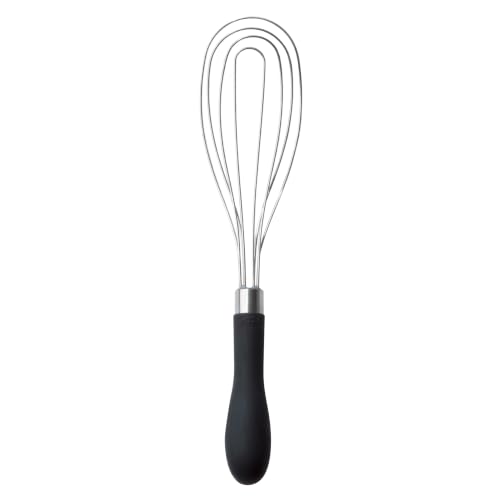
- Four polished stainless steel wires and flat shape are great for deglazing pans
- Innovative handle shape and soft non-slip grip absorb pressure
- 10 inches for a long reach
Straining the custard is a small step with a big payoff. It catches any tiny bits of cooked egg or undissolved sugar, so every slice comes out silky.
Make sure the crust has cooled completely before the filling goes in. A warm crust softens faster, and a cool one stays crisp for longer in the fridge.
Butterscotch Pie Variations and Substitutions
Butterscotch pie takes well to a few simple changes without losing its character. Light brown sugar works in place of dark brown sugar, giving you a milder, more caramel-like flavor and a paler filling.
For a grown-up version, stir 1 tablespoon of bourbon or dark rum into the custard along with the vanilla. The card below leaves this out, so treat it as optional.
A sprinkle of flaky sea salt, such as Maldon, over the whipped cream turns it into a salted butterscotch pie. The card leaves this out too, so add it only if you like a sweet and salty finish.
A graham cracker crust or a vanilla wafer crust makes a lovely swap for the pastry crust. Bake it according to its own recipe and let it cool completely before you pour in the filling.
If you would rather skip whipped cream, a toasted meringue topping is the classic diner alternative. Whole milk gives the creamiest result, and we do not recommend low-fat milk because the filling sets softer and tastes thinner.
How to Store and Make Butterscotch Pie Ahead
Butterscotch pie must be kept in the refrigerator, because the filling is a dairy and egg custard. Cover it loosely and refrigerate it for up to 3 days.
The FoodSafety.gov cold storage chart lists custard pies as safe for 3 to 4 days in the refrigerator. We suggest 3 days, since the crust softens and the whipped cream starts to weep after that.
Do not freeze butterscotch pie. FoodSafety.gov advises against freezing custard pies, and the filling turns watery and grainy as it thaws.
For a make-ahead dessert, bake the crust and make the filling the day before you need it. Whip the cream and top the pie on the day you serve it.
Serving Suggestions for Butterscotch Pie
Butterscotch pie is best served cold, straight from the fridge, in neat wedges. A drizzle of warm butterscotch sauce over each slice makes it feel extra special for a holiday table.
Strong black coffee or a cup of English breakfast tea balances the sweetness beautifully. Toasted pecans scattered over the whipped cream add a welcome crunch and a hint of Southern pecan pie flavor.
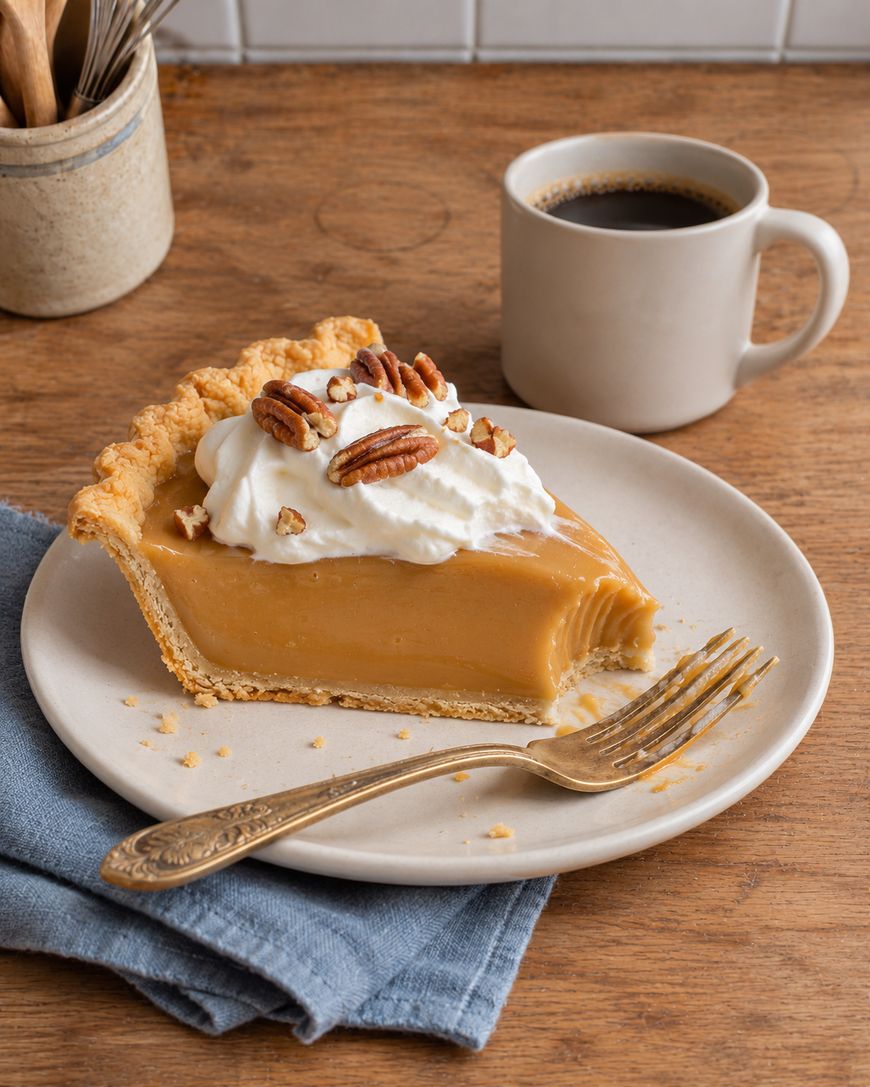
It fits right in at Thanksgiving and Christmas next to pumpkin pie and apple pie. It is also a lovely choice for potlucks and church suppers, since it travels well in a cooler.
Where Butterscotch Pie Comes From
Butterscotch as a confection is usually traced to Doncaster, England, where Samuel Parkinson sold a hard butter and sugar candy in the early 1800s. The name likely comes from “scotch,” an old word meaning to cut or score, since the candy was scored into pieces.
Butterscotch pie as we know it grew up in American home kitchens and diners in the early 20th century. Community cookbooks across the Midwest and South printed versions with brown sugar custard and meringue tops, and it became a staple of church suppers and lunch counters.
It is a true pantry pie, built from butter, brown sugar, milk, and eggs. That simplicity is a big part of why so many families still have a treasured version passed down through generations.
When you are ready to bake, use the recipe card below for the exact measurements and steps in one place.

Old-Fashioned Butterscotch Pie
A silky dark brown sugar custard in a crisp, blind-baked crust, topped with fluffy whipped cream. Make the filling a day ahead for an easy holiday dessert.
Ingredients
- 1 refrigerated or homemade pie crust for a 9-inch deep-dish pie
- 6 tablespoons unsalted butter
- 1 cup packed dark brown sugar
- 1/2 teaspoon fine sea salt
- 1/2 cup heavy cream
- 2 1/2 cups whole milk, divided
- 1/4 cup cornstarch
- 4 large egg yolks
- 2 teaspoons pure vanilla extract
- 1 1/2 cups cold heavy cream, for topping
- 3 tablespoons powdered sugar, for topping
- 1/2 teaspoon vanilla extract, for topping
Instructions
- Heat the oven to 400°F. Fit the crust into a 9-inch deep-dish pie plate, crimp the edges, and chill for 20 minutes.
- Line the crust with parchment and fill with pie weights. Bake for 15 minutes, remove the parchment and weights, then bake 10 to 12 minutes more until deep golden. Cool completely.
- Melt the butter in a heavy-bottomed saucepan over medium heat. Stir in the brown sugar and salt and cook, stirring often, for 3 to 4 minutes until bubbling and toasty.
- Slowly whisk in the 1/2 cup heavy cream, then 2 cups of the milk. Keep whisking over medium heat until any seized sugar dissolves.
- In a medium bowl, whisk the cornstarch with the remaining 1/2 cup milk until smooth, then whisk in the egg yolks.
- Slowly whisk about 1 cup of the hot butterscotch mixture into the yolks, then pour the yolk mixture back into the saucepan.
- Cook over medium heat, whisking constantly, for 6 to 8 minutes until thick and bubbling. Once large bubbles appear, keep whisking for 1 more full minute.
- Remove from the heat and whisk in the 2 teaspoons vanilla. Strain through a fine-mesh sieve into the cooled crust and press plastic wrap onto the surface.
- Chill for at least 4 hours or overnight until completely set.
- Whip the cold heavy cream with the powdered sugar and 1/2 teaspoon vanilla to medium-stiff peaks. Spread over the chilled pie up to 4 hours before serving.
Notes
Use a deep-dish pie plate, as the filling will overflow a standard 9-inch plate. Light brown sugar can replace dark brown sugar for a milder flavor. Make the crust and filling up to 1 day ahead and add the whipped cream on the day you serve. Store covered in the refrigerator for up to 3 days (FoodSafety.gov lists 3 to 4 days for custard pies). Do not freeze.
Nutrition Information:
Yield:
8Serving Size:
1 sliceAmount Per Serving: Calories: 600Total Fat: 42gSaturated Fat: 24gSodium: 280mgCarbohydrates: 50gFiber: 0gSugar: 34gProtein: 6g
Butterscotch Pie FAQ
What is the difference between butterscotch and caramel?
Butterscotch is made with brown sugar and butter, while classic caramel is made by melting white sugar until it turns amber. Brown sugar gives butterscotch its molasses depth and softer, rounder flavor.
Can you use light brown sugar for butterscotch pie?
Yes, light brown sugar works in the same amount. The filling will be paler and taste milder, closer to caramel than to a deep, old-fashioned butterscotch.
Why is my butterscotch pie runny?
A runny filling usually means the custard did not boil long enough. Cornstarch needs to bubble for a full minute to thicken properly, and the pie also needs at least 4 hours in the fridge to set.
Can you freeze butterscotch pie?
No, butterscotch pie does not freeze well. FoodSafety.gov advises against freezing custard pies, and the filling turns watery and grainy once it thaws.
How far ahead can you make butterscotch pie?
You can make the crust and filling up to a day before serving. Add the whipped cream on the day you serve it, and enjoy any leftovers within 3 days.
Can you use a store-bought pie crust?
Absolutely, a refrigerated rolled crust works perfectly. Just make sure to blind bake it until deep golden so it stays crisp under the cold filling.
Why This Butterscotch Pie Recipe Works
The butter and dark brown sugar cook together on their own for a few minutes before any milk goes in. That short head start toasts the sugar and develops the deep, nutty flavor that separates real butterscotch from a plain brown sugar pudding.
Cornstarch and egg yolks share the thickening work. The cornstarch gives the filling enough body to slice cleanly, while the yolks add richness and that silky, custardy texture.
Tempering the yolks with hot liquid before they go back into the pan keeps them from scrambling. Bringing the custard to a full bubble for a minute afterward guarantees the cornstarch thickens all the way.
Salt and vanilla do quiet but important work. The salt sharpens the butterscotch flavor so it never tastes flat, and adding the vanilla off the heat keeps its aroma bright.
Make This Butterscotch Pie Your New Holiday Favorite
This butterscotch pie proves that a few humble pantry ingredients can turn into something truly special. A crisp crust, a silky brown sugar custard, and soft whipped cream make every bite taste like a piece of diner history.
Make the filling a day ahead, top it on the day, and watch it disappear. Bake a butterscotch pie this week and let us know how your family liked it.
Coconut Cream Pie With Silky Custard That Slices Clean Every Time
Banana Cream Pie With Silky Custard, Fresh Bananas, and a Crisp Buttery Crust
This post contains affiliate links. A full disclosure is available from the main menu.