Last updated: September 11, 2026
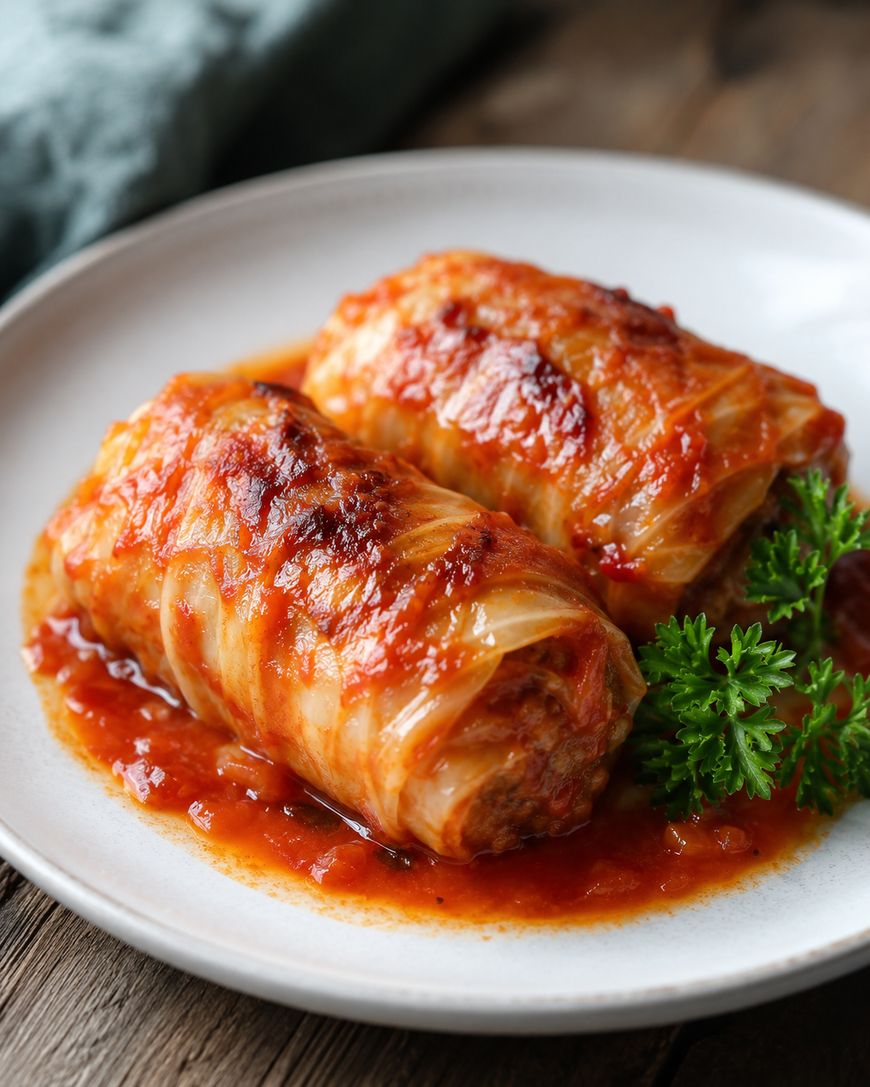
This cabbage rolls recipe delivers everything you want from the classic comfort dish — soft, pliable leaves wrapped around a savory beef and rice filling, simmered low and slow in a deeply flavored tomato sauce. Scroll down for the full recipe card with exact measurements and step-by-step instructions.
What Are Cabbage Rolls
Cabbage rolls are one of the most widely prepared stuffed dishes across Eastern European, Middle Eastern, and Asian cuisines. The dish is known as golabki in Poland, holubtsi in Ukraine, sarma in the Balkans, and dolma in parts of the Middle East — each version reflecting local ingredients and spice traditions.
In American home cooking, the most common version uses a mixture of ground beef and white rice wrapped in softened green cabbage leaves, then baked or simmered in a sweet-tangy tomato sauce. The result is a hearty, one-dish meal that feeds a crowd with minimal fuss.
Ingredients You Will Need
The Cabbage
One large head of green cabbage — about three pounds — gives you enough leaves for a standard batch of twelve to sixteen rolls. Select a firm, tight head with outer leaves that are not split or bruised, since you want them to remain intact through blanching and rolling.
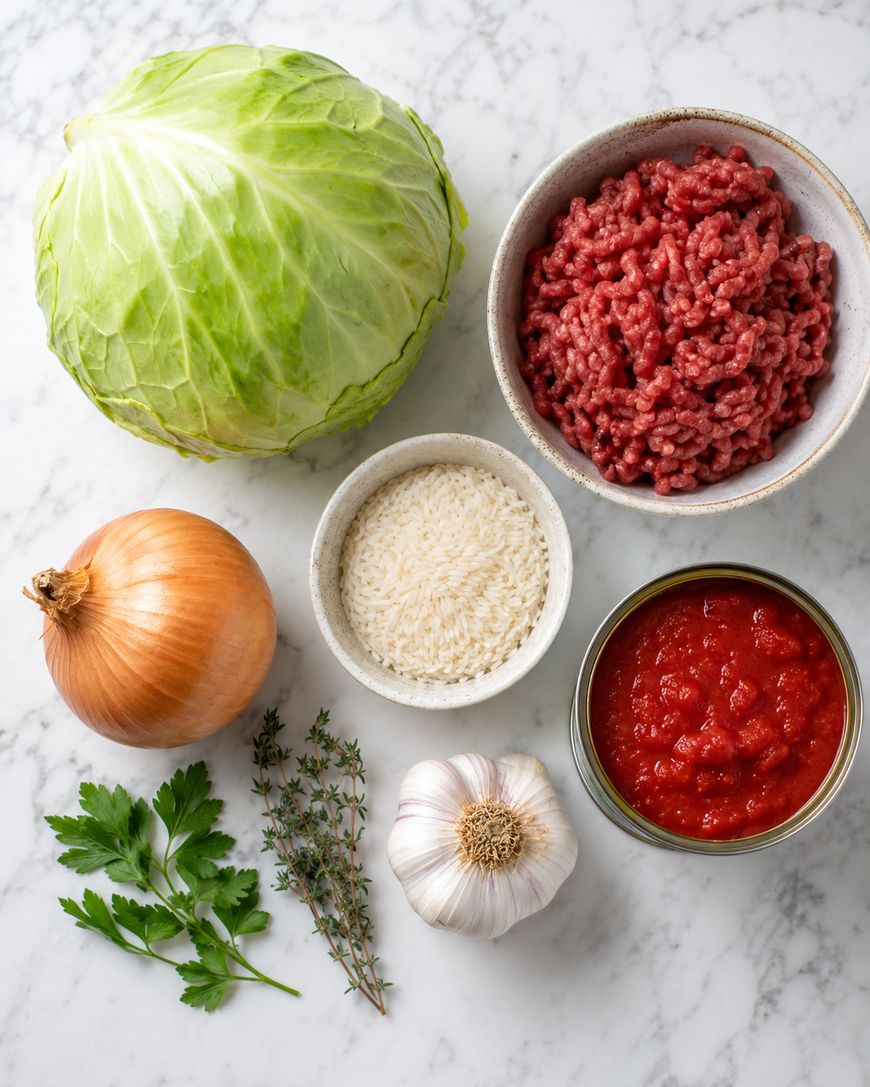
Savoy cabbage can substitute for green cabbage and requires slightly less blanching time because of its more delicate, crinkled leaves. Napa cabbage also works if you prefer a milder flavor and softer texture after cooking.
The Filling
A blend of one pound of ground beef (80/20 fat ratio recommended) and one cup of long-grain white rice forms the base. The fat in the beef keeps the filling moist during the long cook time, and the rice absorbs the surrounding sauce as it finishes cooking inside the rolls.
The filling gets seasoned with one medium yellow onion (finely diced), two garlic cloves (minced), one teaspoon of smoked paprika, half a teaspoon of dried thyme, salt, and black pepper. An egg binds everything together and prevents the filling from crumbling when you cut into the finished rolls.
The Tomato Sauce
Two 15-ounce cans of crushed tomatoes form the foundation. Add two tablespoons of tomato paste for depth, one tablespoon of brown sugar to balance acidity, one teaspoon of Worcestershire sauce, and half a cup of beef broth. Taste and adjust salt before pouring over the rolls.
How to Make Cabbage Rolls
Step 1: Blanch the Cabbage Leaves
Bring a large pot of water to a full boil. Core the cabbage by cutting a deep “V” around the base of the core with a sharp paring knife, then lower the whole head into the water. As the outer leaves soften — about two to three minutes — peel them away with tongs and transfer them to a colander to drain.
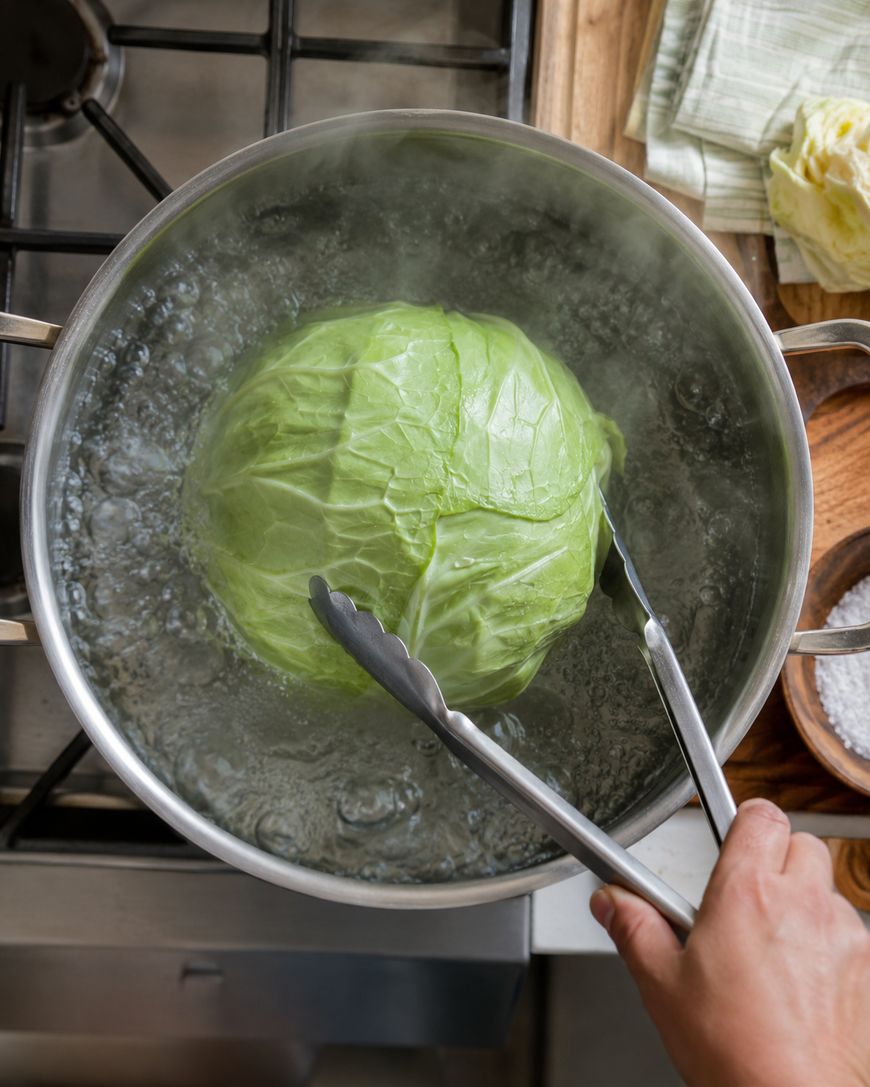
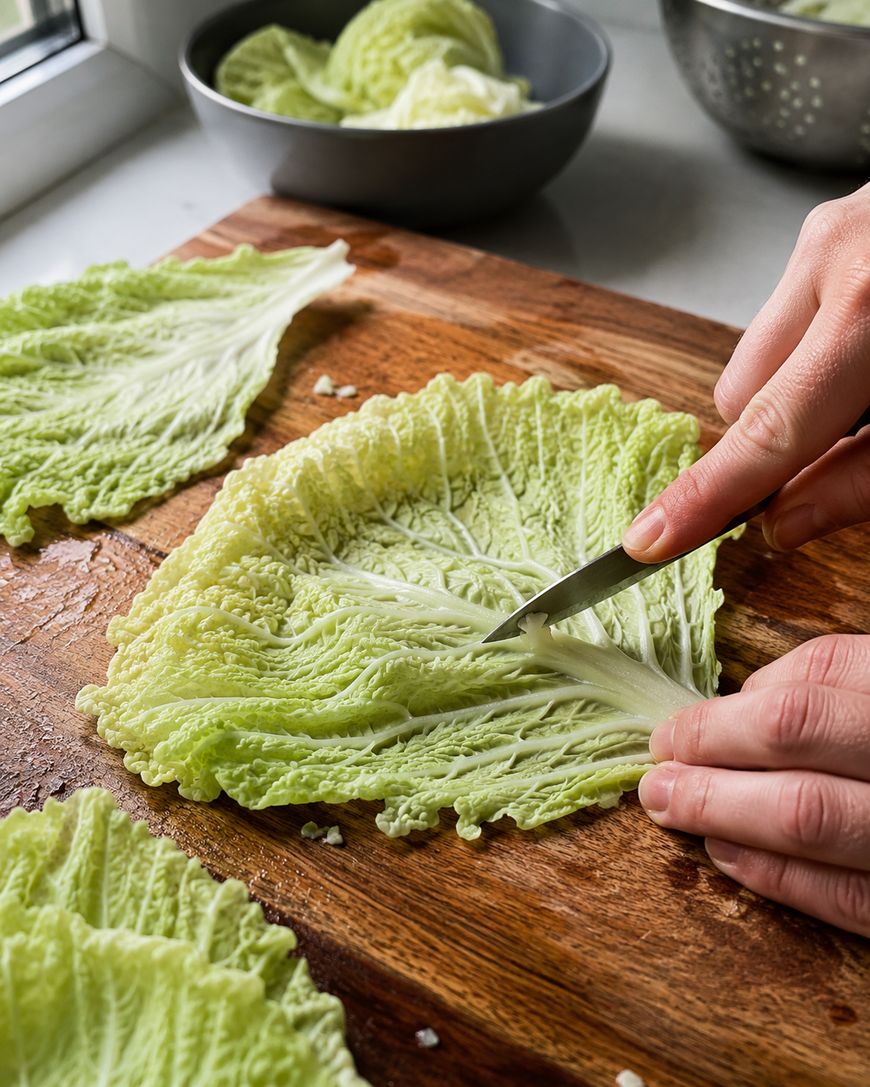
Continue until you have at least sixteen usable leaves. Pat them dry and use a sharp knife to shave down any thick center ribs so the leaves lie flat. This step is essential for tight, even rolls that hold together during cooking.
Step 2: Make the Filling
Combine the ground beef, uncooked rice, diced onion, minced garlic, egg, paprika, thyme, one teaspoon of salt, and half a teaspoon of black pepper in a large bowl. Mix with your hands just until everything is incorporated — overmixing compacts the meat and results in a dense filling.

Do not pre-cook the rice. It will absorb liquid from the sauce as the rolls braise, which keeps the filling tender and cohesive. Pre-cooking the rice leads to mushy texture.
Step 3: Roll the Cabbage Rolls
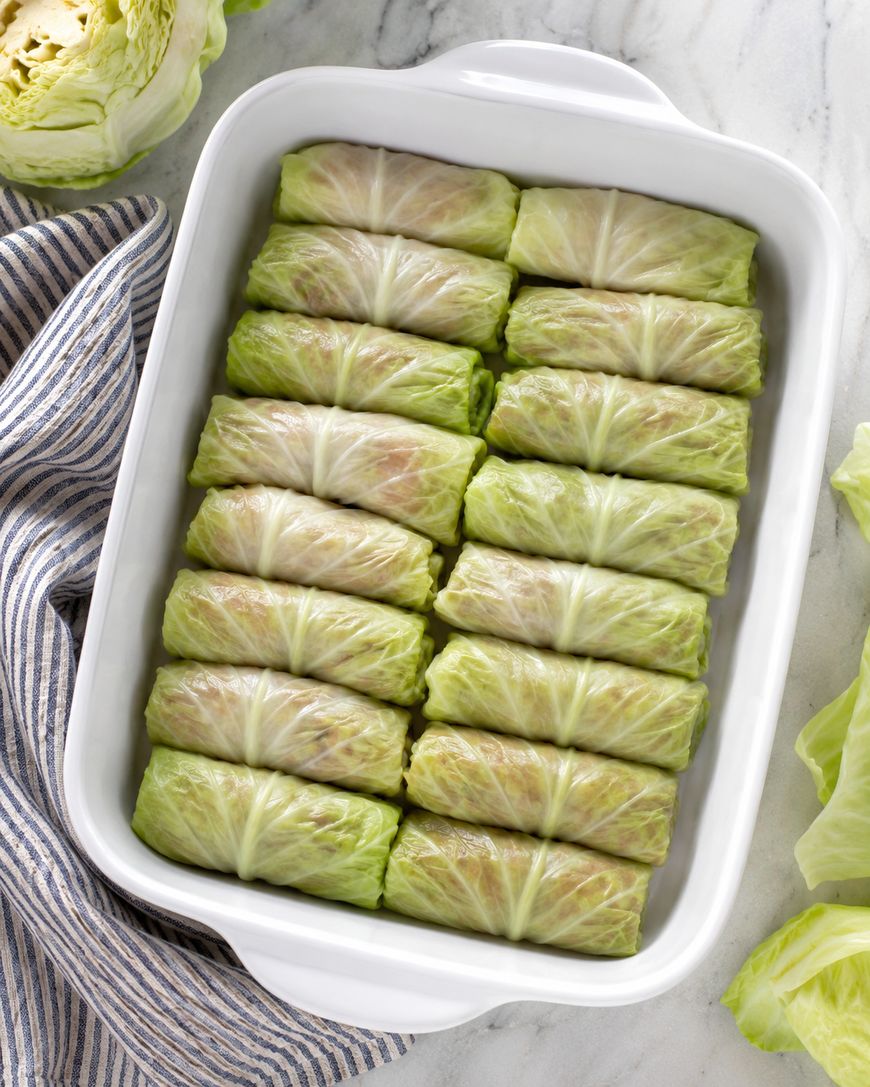
Place a blanched leaf on your work surface, rib side up. Add about three tablespoons of filling near the base. Fold the base over the filling, fold in the sides like a burrito, and roll forward firmly to close. The roll should feel snug but not burst-tight — the rice expands as it cooks.
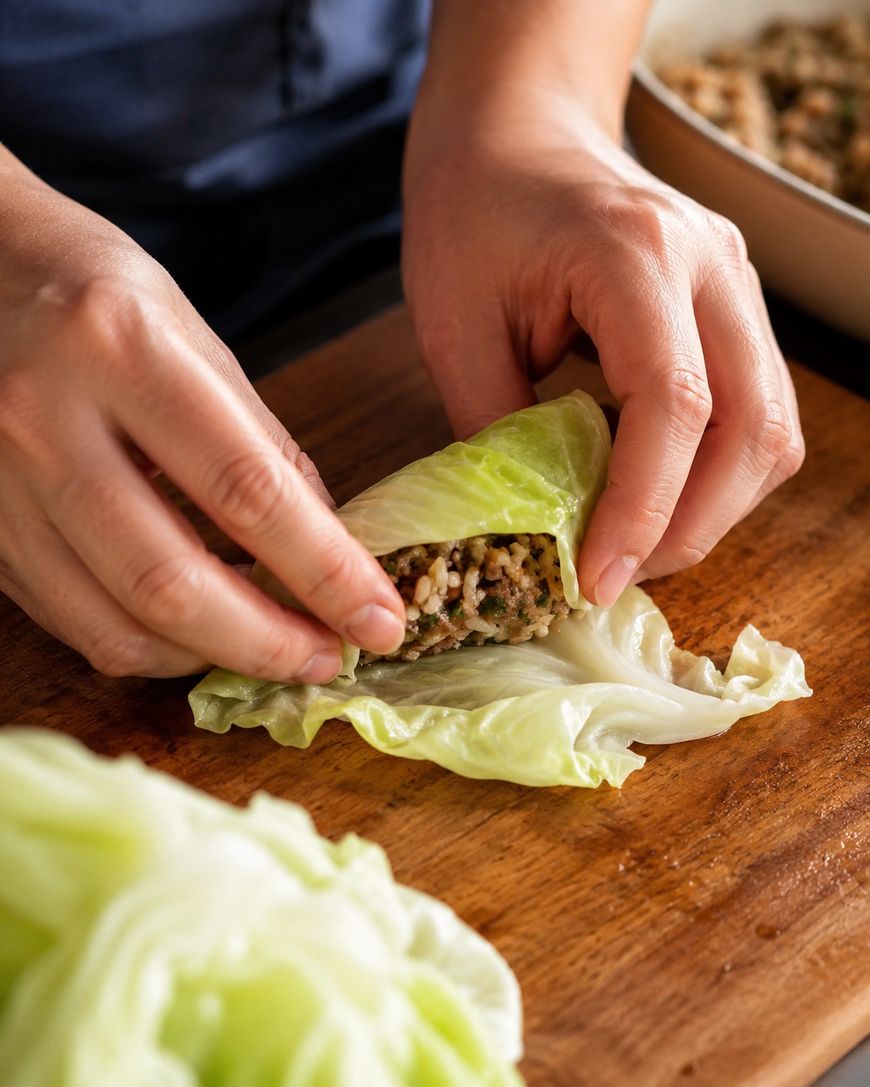
Line them up seam-side down in a deep baking dish or large Dutch oven. Tuck any smaller or torn leaves between the rolls or layer them on the bottom of the pan to prevent sticking.
Step 4: Make and Pour the Tomato Sauce
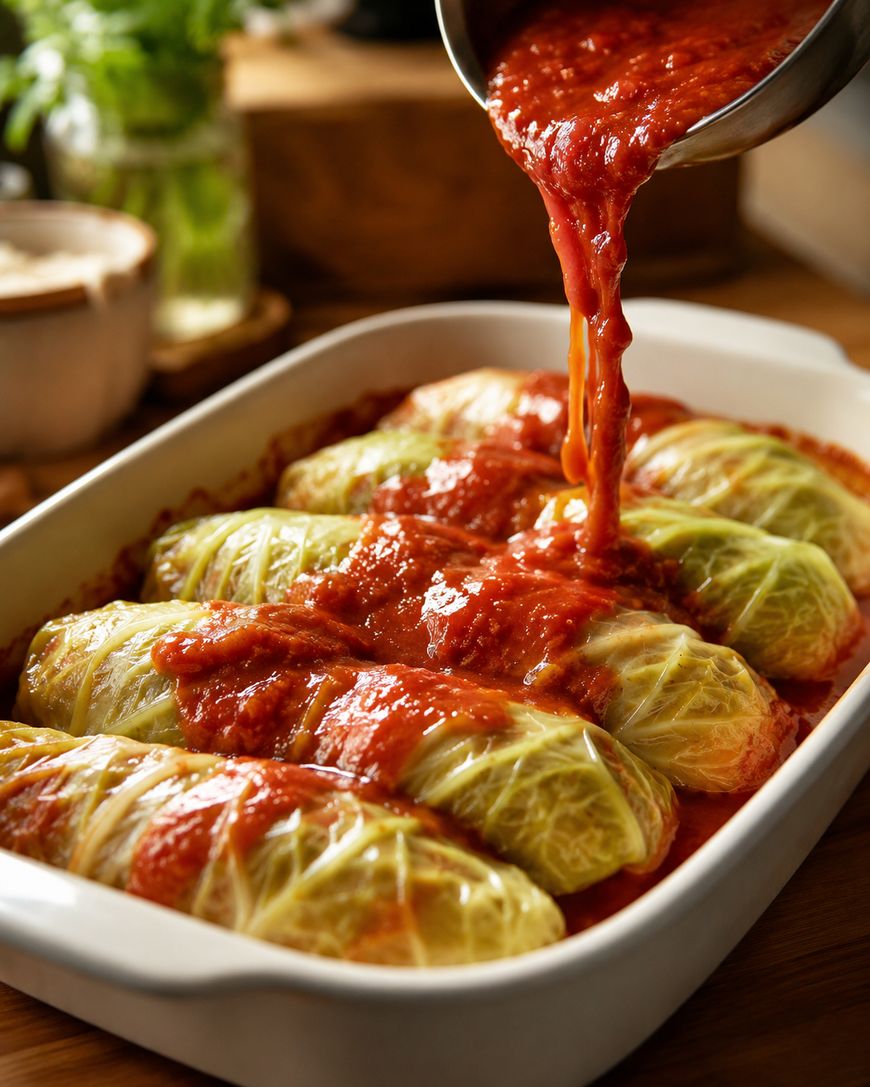
Whisk together the crushed tomatoes, tomato paste, brown sugar, Worcestershire sauce, and beef broth in a bowl. Season with salt and black pepper. Pour the sauce over and around the rolls, making sure everything is coated. The liquid should come about halfway up the rolls.
Step 5: Bake Low and Slow
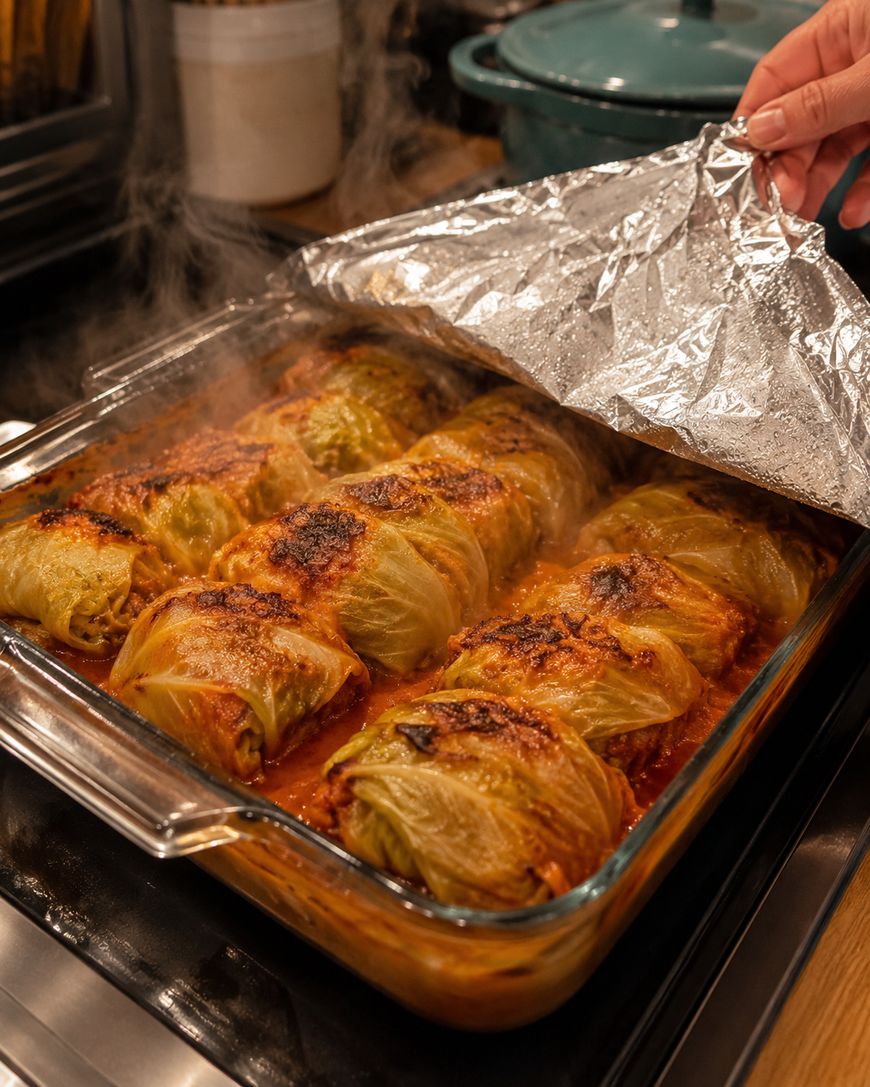
Cover the baking dish tightly with aluminum foil or a lid and bake at 325°F (165°C) for one hour and 45 minutes. The low temperature allows the rice to cook through completely and the cabbage to become fully tender without the sauce scorching.
Remove the foil or lid for the final 15 minutes to concentrate the sauce and develop a slightly caramelized top on the rolls. The internal temperature of the filling should reach 160°F before serving.
Tips for the Best Cabbage Rolls
Use Cold Meat Mixture
Keep the filling mixture cold right up until you are ready to roll. Warm filling loosens and spreads during rolling, making it harder to get tight, even logs. Mix the filling, cover the bowl, and refrigerate it while you blanch the cabbage.
Let the Rolls Rest
After baking, let the dish sit uncovered for ten minutes before serving. The sauce thickens slightly as it cools, and the rolls firm up enough to transfer cleanly to plates without falling apart.
Freeze Before or After Baking
Assembled, uncooked rolls freeze well for up to three months. Arrange them in a single layer on a sheet pan until solid, then transfer to freezer bags. Bake from frozen at 325°F for two and a half hours covered, then 20 minutes uncovered.
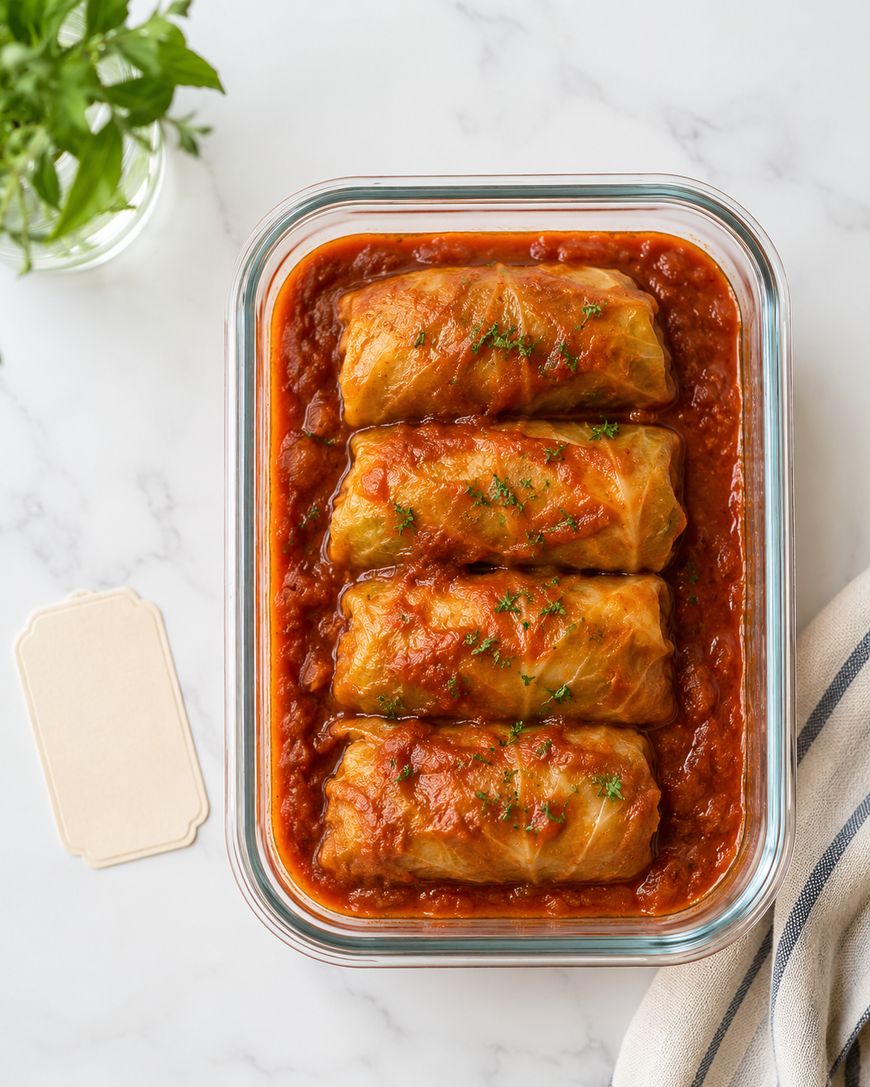
Fully baked rolls also freeze well. Cool completely, portion into airtight containers with sauce, and freeze for up to three months. Reheat covered in a 350°F oven until warmed through, about 40 minutes.
Variations and Substitutions
Protein Swaps
Ground pork makes an especially flavorful filling because the higher fat content renders during cooking and keeps the interior juicy. A 50/50 mix of ground beef and ground pork is common in Polish golabki. Ground turkey or ground chicken can replace beef for a lighter version — add two tablespoons of olive oil to the filling to compensate for the lower fat content.
Rice Alternatives
Brown rice can substitute for white but requires partial pre-cooking — simmer it for 20 minutes before mixing into the filling so it finishes during the braise. Cauliflower rice works for low-carb versions; use the same quantity and expect a softer, more delicate texture.
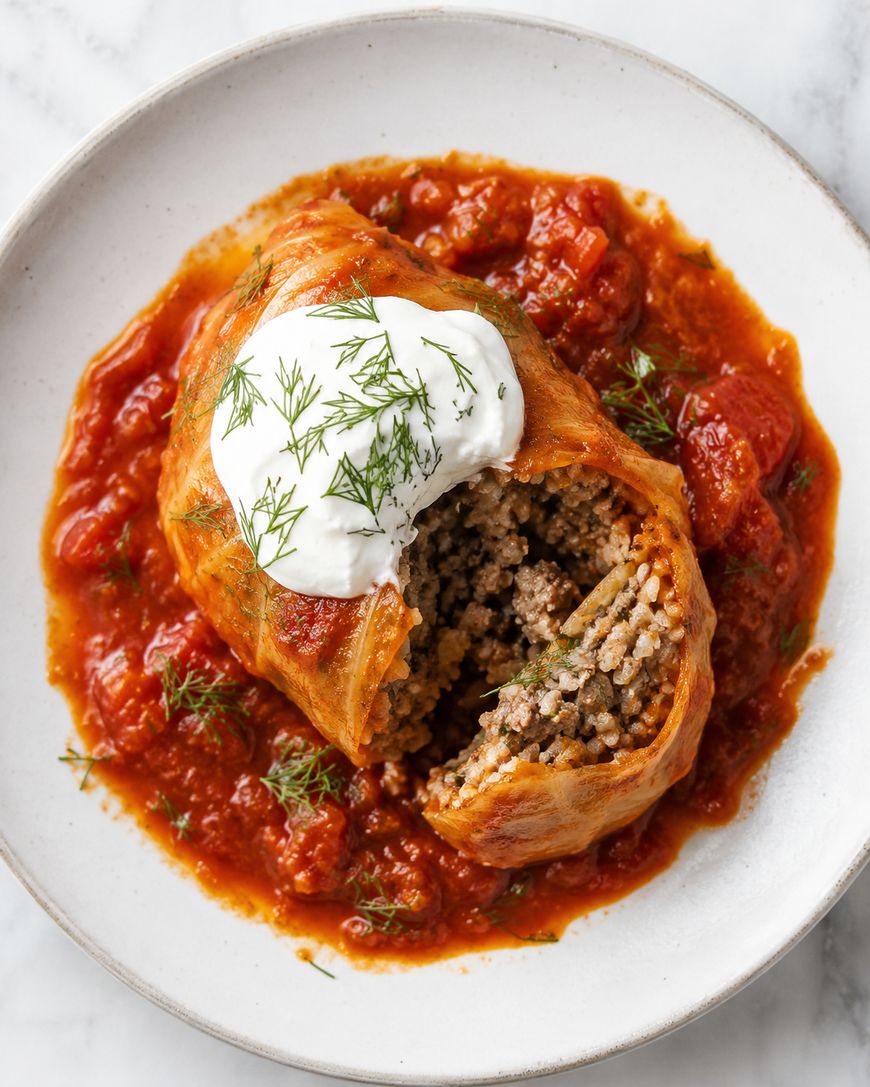
Vegetarian Option
Replace the meat with a filling of cooked lentils, sauteed mushrooms, diced carrots, and cooked rice. Season aggressively with smoked paprika, garlic, cumin, and salt to compensate for the absence of meat-derived umami. The sauce and cooking time remain the same.
Sauce Variations
A creamy tomato sauce — made by stirring two tablespoons of sour cream into the finished sauce — is traditional in some Ukrainian recipes. Mushroom gravy instead of tomato sauce creates a deeply savory, earthy variation common in Polish cooking. A simple broth-based sauce with dill and lemon is popular in Lebanese versions.
Storage and Serving Suggestions
Leftover cabbage rolls keep refrigerated in an airtight container for up to four days. Reheat gently on the stovetop over medium-low heat with a splash of water or broth to loosen the sauce, or microwave covered for two to three minutes.
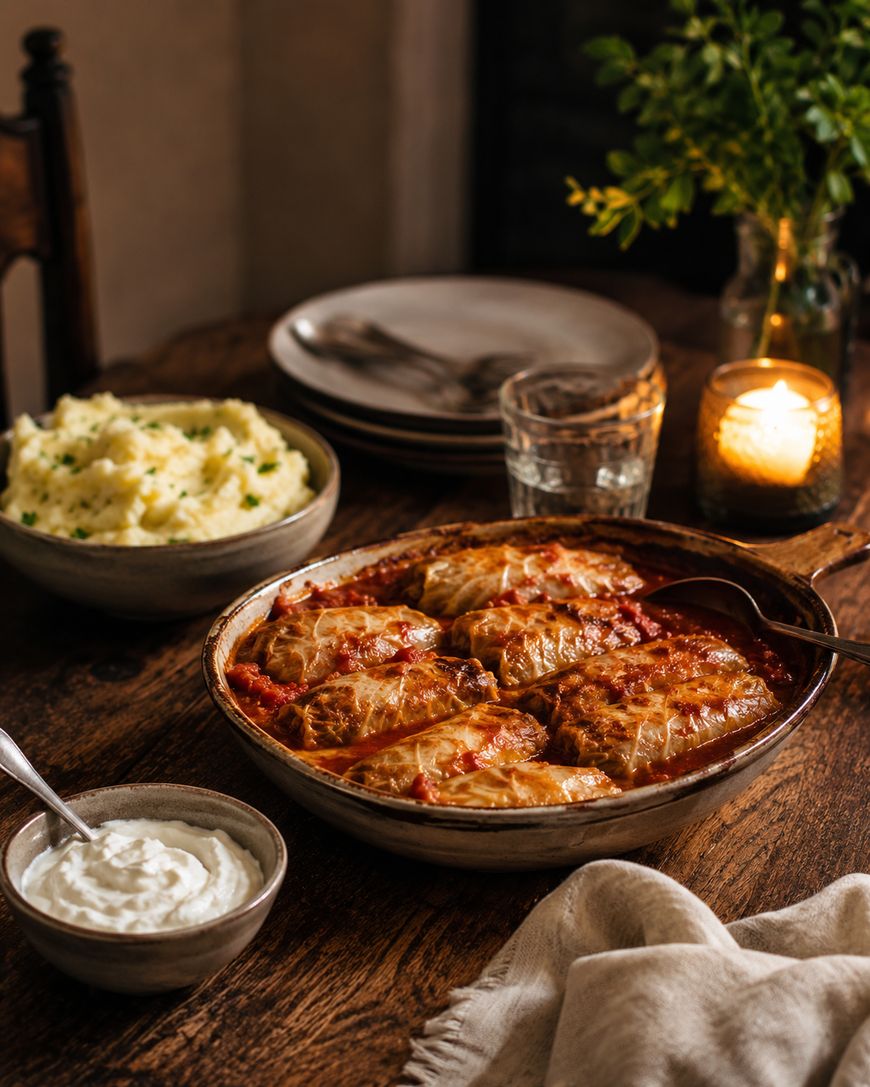
Serve cabbage rolls with a side of creamy mashed potatoes, egg noodles, or crusty sourdough bread to soak up the tomato sauce. A dollop of sour cream on top is classic and cuts through the richness of the filling. Pickled beets or a simple cucumber salad with white wine vinegar make bright, acidic counterpoints that balance the hearty filling.
The History of Cabbage Rolls
Stuffed cabbage appears in culinary records across Central and Eastern Europe dating back at least to the 18th century, though similar preparations in vine or leaf wrappers are documented far earlier in Middle Eastern and Mediterranean cuisines. The dish spread across communities and borders largely through migration, and today dozens of distinct national versions exist.
In Poland, golabki (“little pigeons”) are traditionally served on Christmas Eve alongside barszcz, the classic red beet soup. In Ukraine, holubtsi are a staple of home cooking and celebration meals alike. In Romania, sarmale are considered the national dish and are always present at holiday gatherings.
The American version, popularized in part through Eastern European Jewish immigrant communities, favored a sweet-and-sour tomato sauce that became its own distinct tradition — slightly sweeter than its European counterparts, and nearly always baked rather than braised on the stovetop.
When you are ready to start cooking, use the recipe card below for exact quantities and a clean step-by-step format.
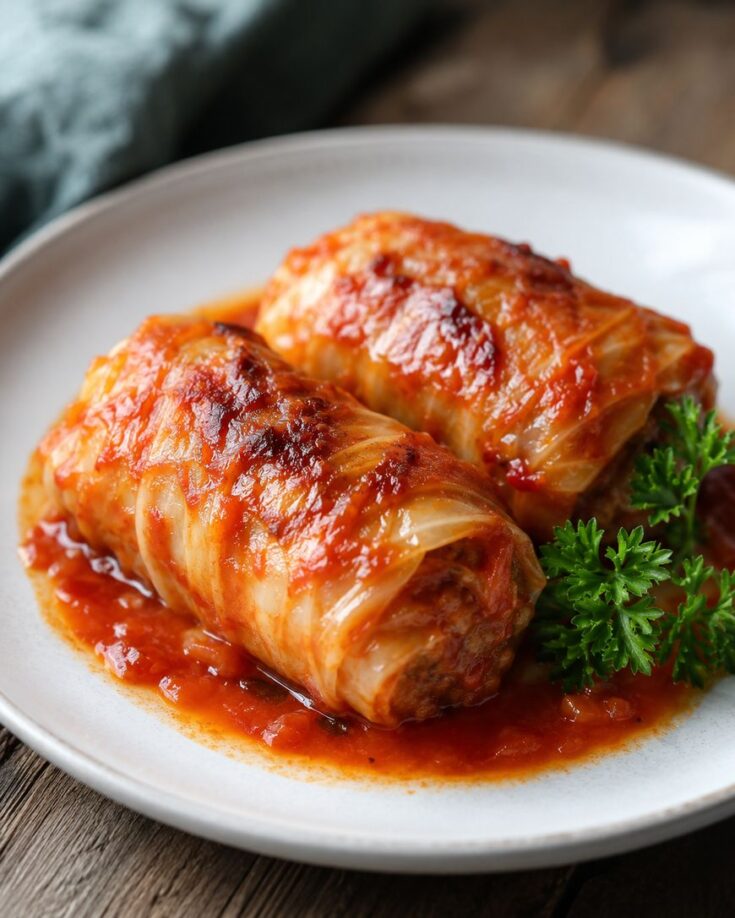
Cabbage Rolls
Tender green cabbage leaves stuffed with seasoned ground beef and rice, slow-baked in a rich tomato sauce until perfectly cooked through. A classic comfort dish that works for weeknights and holidays alike.
Ingredients
- 1 large head green cabbage (about 3 lbs)
- 1 lb ground beef (80/20)
- 1 cup long-grain white rice, uncooked
- 1 medium yellow onion, finely diced
- 2 cloves garlic, minced
- 1 large egg
- 1 tsp smoked paprika
- 1/2 tsp dried thyme
- 1 tsp salt
- 1/2 tsp black pepper
- 2 cans crushed tomatoes (15 oz each)
- 2 tbsp tomato paste
- 1 tbsp brown sugar
- 1 tsp Worcestershire sauce
- 1/2 cup beef broth
- salt and black pepper to taste
Instructions
- Preheat oven to 325°F (165°C). Bring a large pot of water to a boil. Core the cabbage by cutting a deep V around the base of the core.
- Lower the whole cabbage head into the boiling water. As outer leaves soften, about 2-3 minutes, peel them away with tongs and transfer to a colander. Repeat until you have 16 pliable leaves. Shave down thick center ribs with a knife.
- In a large bowl, combine ground beef, uncooked rice, diced onion, minced garlic, egg, paprika, thyme, salt, and black pepper. Mix with hands until just combined. Do not overmix.
- Place a blanched leaf rib-side up on your work surface. Add 3 tablespoons of filling near the base. Fold the base over the filling, fold in the sides, and roll forward firmly. Place seam-side down in a deep 9x13 baking dish. Repeat with remaining leaves and filling.
- Whisk together crushed tomatoes, tomato paste, brown sugar, Worcestershire sauce, and beef broth. Season with salt and pepper. Pour sauce evenly over and around the rolls.
- Cover tightly with aluminum foil and bake for 1 hour 45 minutes. Remove foil and bake uncovered for a final 15 minutes to caramelize the tops.
- Let rest 10 minutes before serving. Serve with sour cream if desired.
Notes
Keep filling cold until ready to roll -- warm filling is harder to work with and rolls less neatly.
For freezing: assembled uncooked rolls freeze up to 3 months. Bake from frozen at 325°F for 2.5 hours covered, then 20 minutes uncovered.
Ground pork or a 50/50 pork-beef blend can substitute for all-beef filling for a richer, more traditional flavor.
Nutrition Information:
Yield:
8Serving Size:
2 rollsAmount Per Serving: Calories: 310Total Fat: 12gSaturated Fat: 4gTrans Fat: 0gUnsaturated Fat: 7gCholesterol: 75mgSodium: 520mgCarbohydrates: 32gFiber: 3gSugar: 7gProtein: 20g
This site provides estimated nutritional information. This information comes from online calculators. Although we try to provide accurate nutritional information, these figures are only estimates.
Frequently Asked Questions
Can cabbage rolls be made ahead of time?
Yes — assembled rolls can be refrigerated uncooked for up to 24 hours before baking. Cover the dish tightly with plastic wrap and add the sauce just before baking. This makes them ideal for holiday preparation, since the filling holds well overnight and the rolls come out of the oven tasting freshly made.
Why do my cabbage rolls fall apart?
Rolls typically fall apart for one of three reasons: the leaves were not pliable enough after blanching, the filling was packed too loosely, or the rolls were placed seam-side up in the baking dish. Always roll firmly, place seam-side down, and nestle the rolls close together in the pan so they support each other during cooking.
Do I need to cook the rice before adding it to the filling?
No — uncooked long-grain white rice should go directly into the filling mixture. It absorbs liquid from the surrounding sauce during the low, slow bake and finishes perfectly tender inside the rolls. Pre-cooked rice becomes mushy and breaks down the texture of the filling.
How do I keep the cabbage leaves from tearing?
Blanch generously — at least two full minutes per layer of leaves — and peel them away gently while they are still in the hot water using tongs. Leaves torn near the edges can still be used; just overlap the torn section before rolling. Saving slightly imperfect leaves for the bottom of the pan as a liner also reduces waste.
Can I make cabbage rolls in a slow cooker?
Yes — layer the assembled rolls in a 6-quart slow cooker, pour the sauce over, and cook on low for six to eight hours or high for three to four hours. The slow cooker produces extremely tender rolls and a richly concentrated sauce. Do not overfill the cooker; one layer of rolls fits most standard models.
What is the best way to reheat cabbage rolls?
The stovetop method preserves texture best: place rolls in a wide pan with their sauce over medium-low heat, cover, and warm for ten to twelve minutes, turning once. This keeps the sauce loose and prevents the rolls from drying out. Microwave reheating works but can cause uneven heating — cover with a damp paper towel and reheat in 90-second intervals until hot throughout.
The Bottom Line
This cabbage rolls recipe produces consistent, satisfying results whether you are making them for a weeknight dinner or a holiday table. Tender blanched leaves, a well-seasoned beef and rice filling, and a balanced tomato sauce are the three elements that make every batch of cabbage rolls worth the effort.